
Hello Center for Nutrition Studies Food and Sustainability newsletter subscribers.
We’re excited to share that we’ve moved this newsletter to Substack and renamed it Food for a Sustainable Future.
Over the past year we have explored how food drives today’s most urgent environmental challenges and provides clear pathways to repair environmental systems pushed beyond their limits.
Yet this work has often felt like a one-directional broadcast when what we truly need is a conversation that brings together curiosity, concern, ideas, and lived experiences. We want this to be more than a newsletter; we want to cultivate dialogue to aid in imagining and building alternatives to our current food systems.
The topics we’ve covered recently have been heavy, even heartbreaking and overwhelming. Confronting the reality of planetary boundary overshoot or the staggering loss of biodiversity is emotionally taxing and, for many of us, deeply personal. But facing these truths together also opens the door to something powerful: a shared determination to create systems that are more regenerative, equitable, and life affirming. We need nothing less than a conservation moonshot, and we believe that collective understanding, mutual support, and shared action are essential to making it possible.
Substack is well designed for this kind of dialogue. It offers a space where readers can ask questions, share ideas, comment, respond, and help shape the direction of this work. It allows us to explore more varied, complex environmental issues with greater depth and collaboration. We invite you to leave comments on articles and engage with our content. This feedback is in large part why we do this work.
Our newsletter schedule will remain the same: you will receive one email each month. You do not need to do anything to ensure you continue receiving these monthly roundups in your inbox. If you do not wish to receive these emails moving forward you can always unsubscribe below.
Most importantly, we hope this transition helps us build a living and thriving space grounded in shared values, open dialogue, and a collective commitment to creating a future in which food systems regenerate rather than deplete, nourish rather than harm, and honor both people and the planet.
Steven Disla
Director of Food and the Environment at the Center for Nutrition Studies

For most of history, humans survived not by owning the world, but by belonging to it. Yet today, we live as though water, soil, and even life itself can be fenced, commodified, and exhausted without consequence. This article traces how that shift happened; how shared systems that once sustained communities were enclosed and privatized, and how that loss was rebranded as progress; and why the story we tell ourselves about human nature and our impact on the environment has everything to do with our ecological crisis. Moving from ancient commons to modern environmental collapse, from the myth of the “tragedy of the commons” to the overlooked science that disproves it, this article explores how the greatest danger we face is not shared use, but shared denial. At a moment when planetary boundaries are being breached and ecological tipping points loom, rethinking and reclaiming the commons may be less a romantic idea than a prerequisite for survival. This article is the first in a series that will explore examples of commons around the world. We’ll be looking further into what makes these examples of commons fail or succeed while examining their role historically and their potential for changing our relationship with the environment.
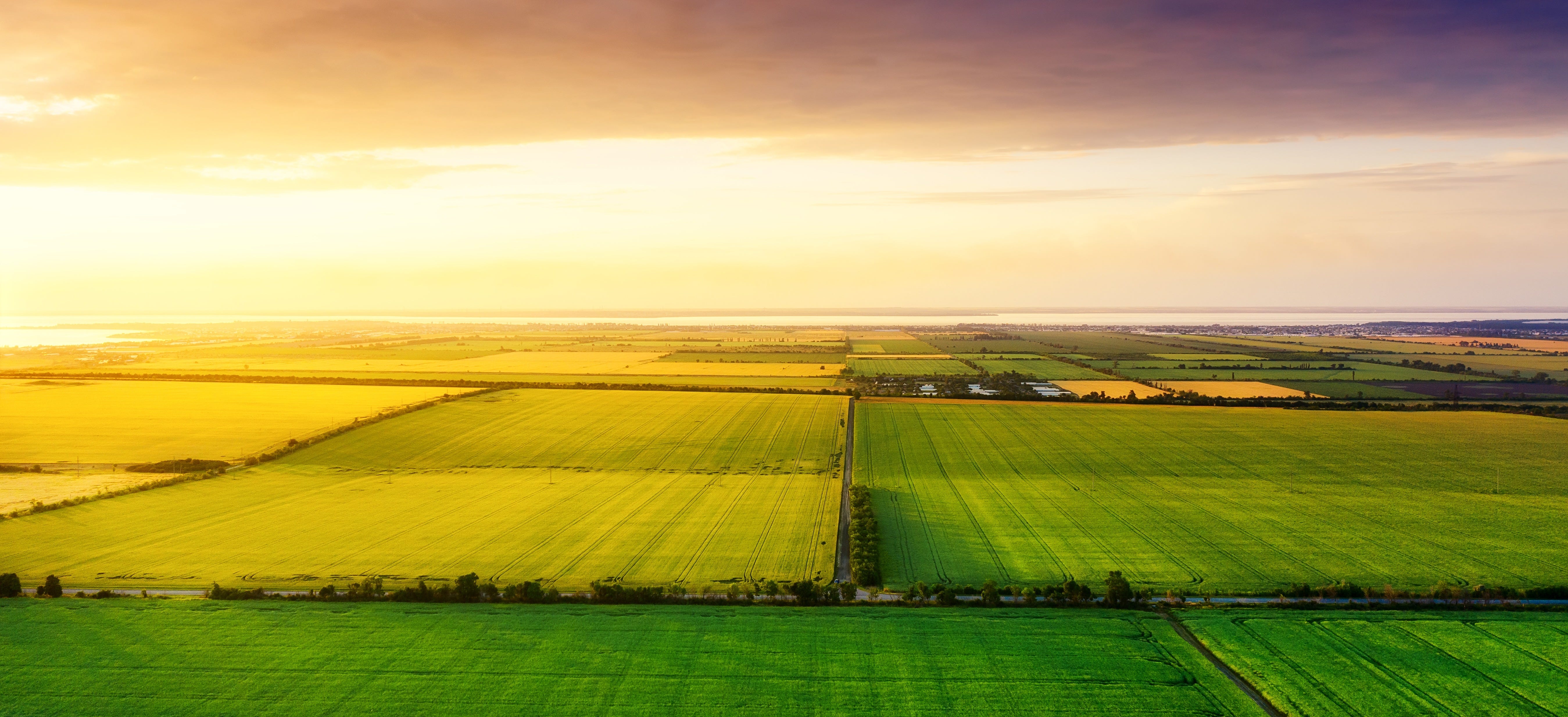
Climate change is often framed as a problem of energy and transport, but one of the most powerful drivers of global warming sits quietly on our plates. This article cuts through the confusion surrounding food and climate change by asking and answering the question, How much do food choices really matter for climate change? Drawing on planetary boundaries science, competing emissions estimates, and the hidden role of land use, it explains why agriculture, and livestock in particular, has been systematically underestimated in climate debates. By unpacking why credible studies arrive at wildly different conclusions and what those differences obscure, the article reveals food as one of the fastest, most feasible levers we have to reduce emissions and restore carbon sinks. At a moment when climate targets are slipping out of reach, the evidence demands a harder look at the food system and the choices that shape it. This article is part of a series on planetary boundaries and the impact of our food system. Read the intro to that series here.
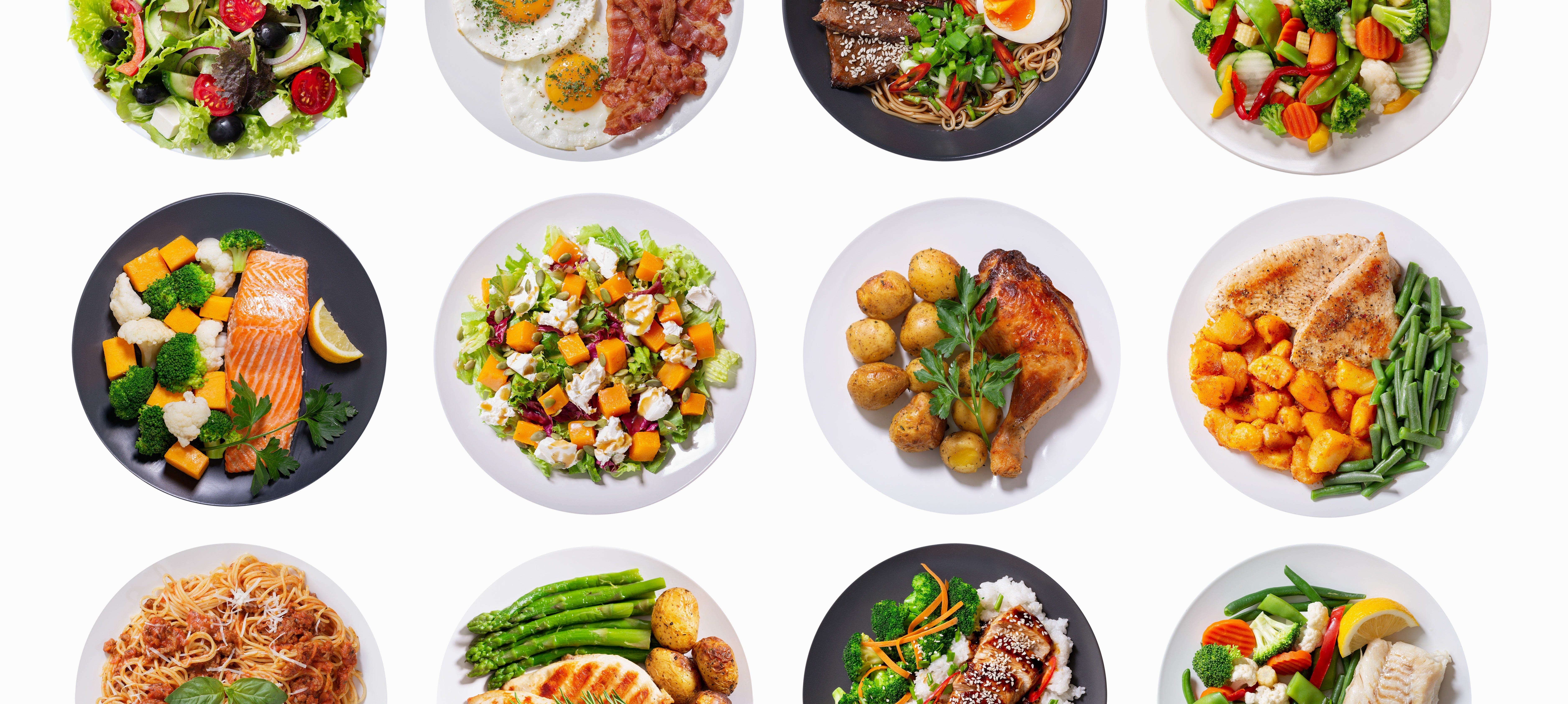
For decades, global climate negotiations have fixated on smokestacks and tailpipes while largely ignoring one of the most powerful forces reshaping the planet: the food system. This article examines why agriculture has largely remained on the margins of UN climate talks even as it has pushed humanity beyond multiple planetary boundaries. Tracing the political, accounting, and cultural forces that frame food as a victim rather than a driver of climate change reveals how emissions frameworks, methane blind spots, and land-use fragmentation have sidelined one of the most effective climate solutions available. As carbon budgets shrink and ecological limits are breached, the long-standing absence of food from COP negotiations is no longer a technical oversight but a fundamental failure. If climate targets are to remain within reach, we must confront this failure.
No posts
Comments
Nothing yet. Say the first thing.
Sign in to join the conversation.