
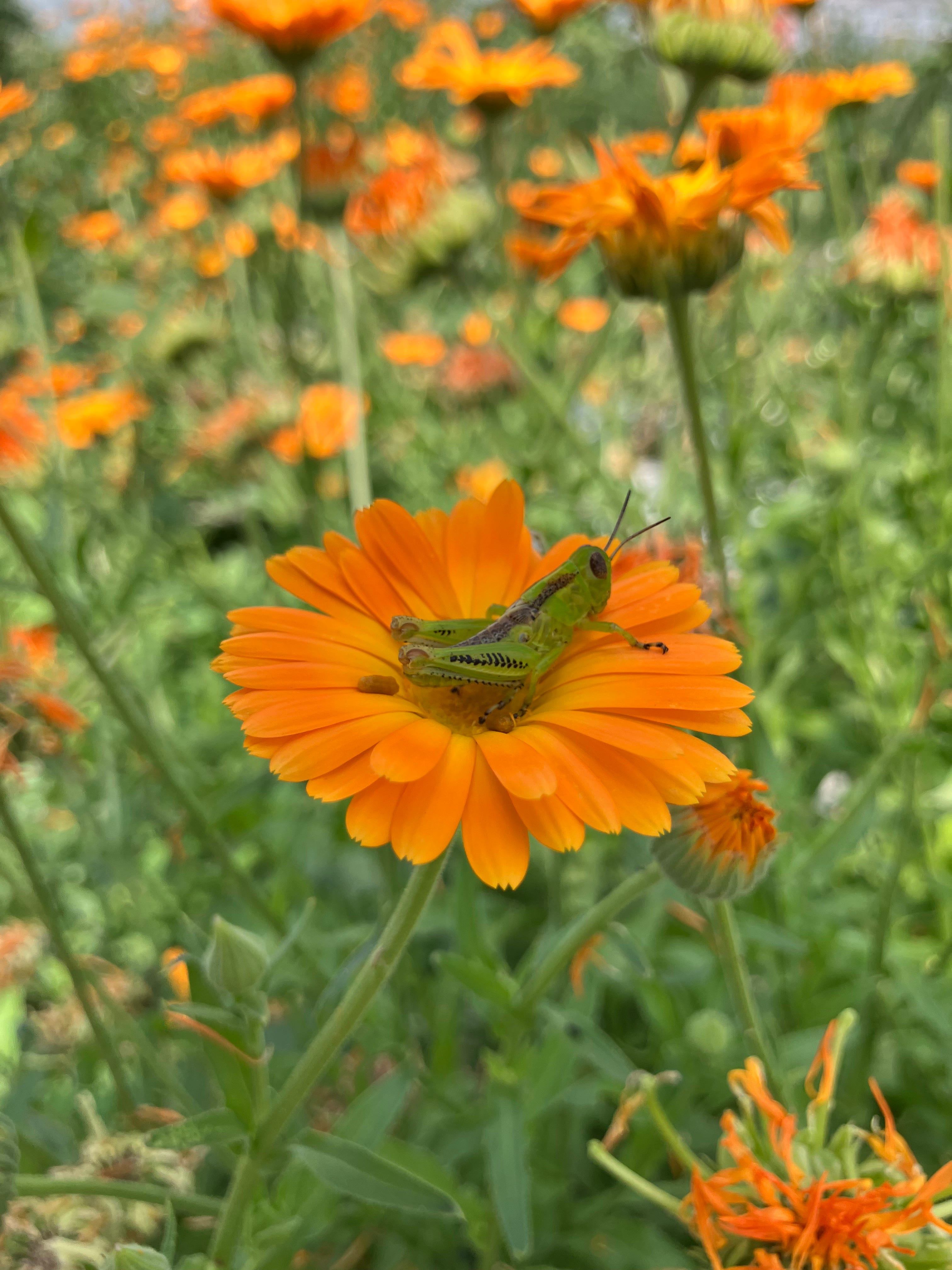
It is nothing new. I imagine our ancestors thousands of years ago foraging through fields and forests, babies hanging from their chests because it was probably women, searching among a diversity of plants. Intermingled with poisonous or foul tasting species were the delectable ancestors to our garden variety vegetables. A mustard flower that would eventually be bred to a broccoli or cabbage, the floral flavored apiaceae that would become celery.
Monoculture crops were nonexistent and diveristy proliferated. As we know, agriculture went the other way by removing the “weeds” It isn’t “efficient” to weed through many types of food crop when a huge harvest is on the line. For goodness sakes it is much more “efficient” to remain in one place all year rather than chase game across the prairie. Much “easier” to grow fewer or even a single crop together.
Same goes today for my farm, sort of. When I plant, it is mostly done by the bed. It is a little frustrating when I grow a chunk of turnips behind beets because the turnips are harvested sooner while the beets continue to grow. Instead of weaving equipment over the beets I leave the turnip ground fallow until the whole bed can be flipped. Doesn’t have to be that way, but come on we can’t be juggling everything over here.
Often times cover crops come after a cash crop has been grown in the broad sweep of several beds. But what if there was another way?
Over the past few seasons, and this is nothing new or unique to my farm, we have been experimenting with planting the walkways of some crops. Onions in particular have proven my favorite for these “living pathways”. After planting the onions I let one flush of weeds come before cultivating in cover crop seeds. The rye grass in this case germinates and we keep it mowed to a reasonable height throughout the season.
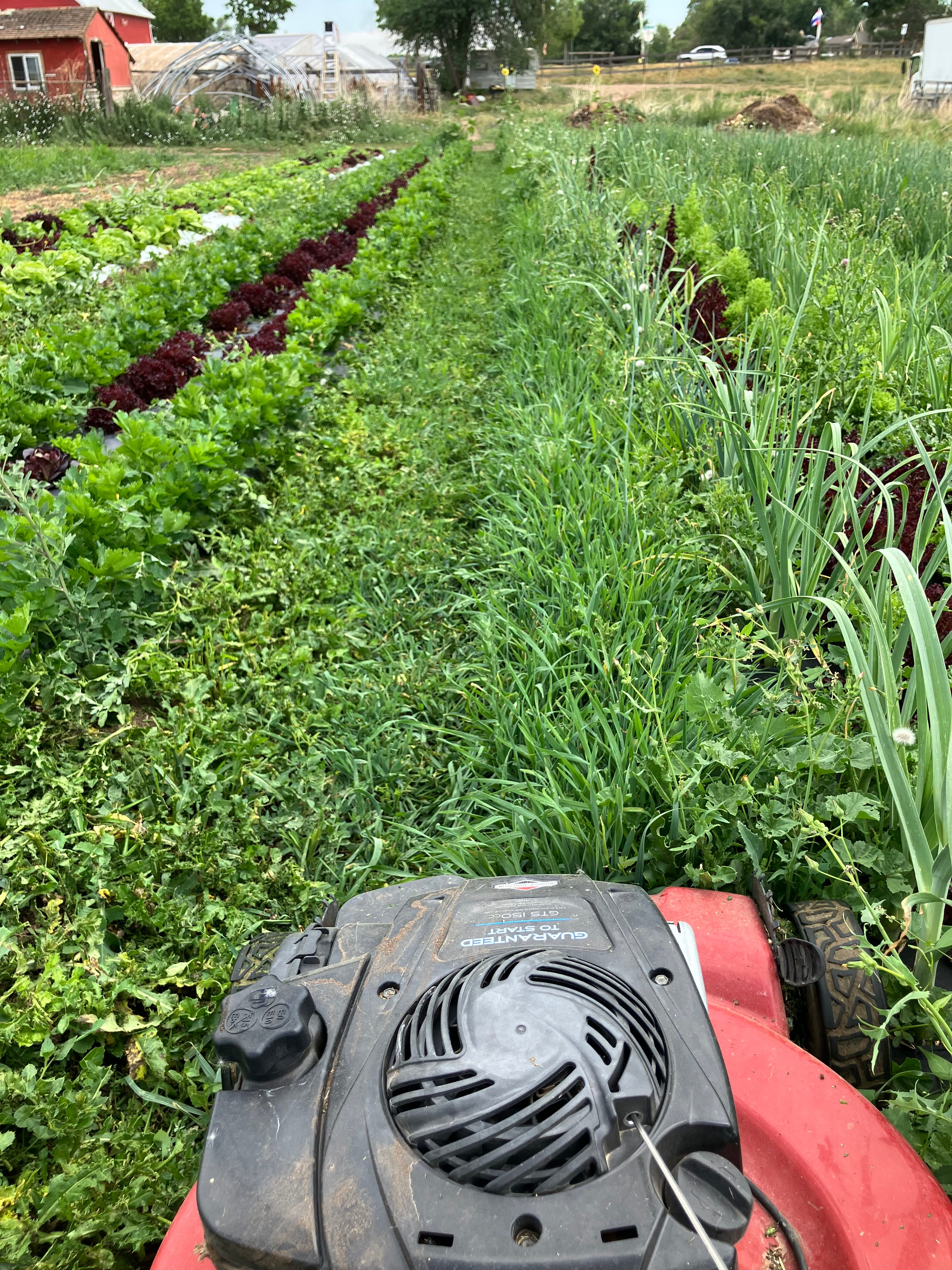
By intentionally growing in our walkways we are building soil carbon without taking anything out of production. It actually makes life more pleasant walking on a lawn compared to bare dirt or mud. The rye also helps displace weed pressure that would need to be cultivated or hoed to control.
This simple extra step stores fertility in our soil for next year’s crops without impacting this season’s yields.
It doesn’t work everywhere. The rye pathways receive overhead irrigation water being next to sprinklers which isn’t the case for every part of the farm. Also the upright nature of onions makes the pathways easy to maintain versus something like a winter squash which likes to spread.
Moving forward I want to try these pathways in our greenhouse tomato crops where fertility is a constant battle. I am also curious, and have attempted, edible pathways but turnips can be real ankle breakers as they grow.
Farm News
Hey Folks I don’t know if you feel like getting your hands dirty but we could sure use some help this Wednesday and Thursday from 7am-11am. Our fall carrots have come up great but are getting crowded by a farm favorite, pig weed. In exchange for vegetables and spending time with real life farmers we could sure use the extra hands to help clean this crop. Hope to see you there.
Upcoming Events!
Wellness Day- 7/26 starting at 9am we will have a free yoga class followed sauna and cold plunge on the farm. Reservations required.
Canyons and Chefs Farm Dinner- Save the Date! Saturday evening August 1st will be a special evening bring together food, fire, and the farm. Chef Billy specializes in outdoor, open fire, cuisine. Combined with the harvest season ambiance of a working farm this is sure to be an event not to miss. More details to come.
What is being harvested this week:
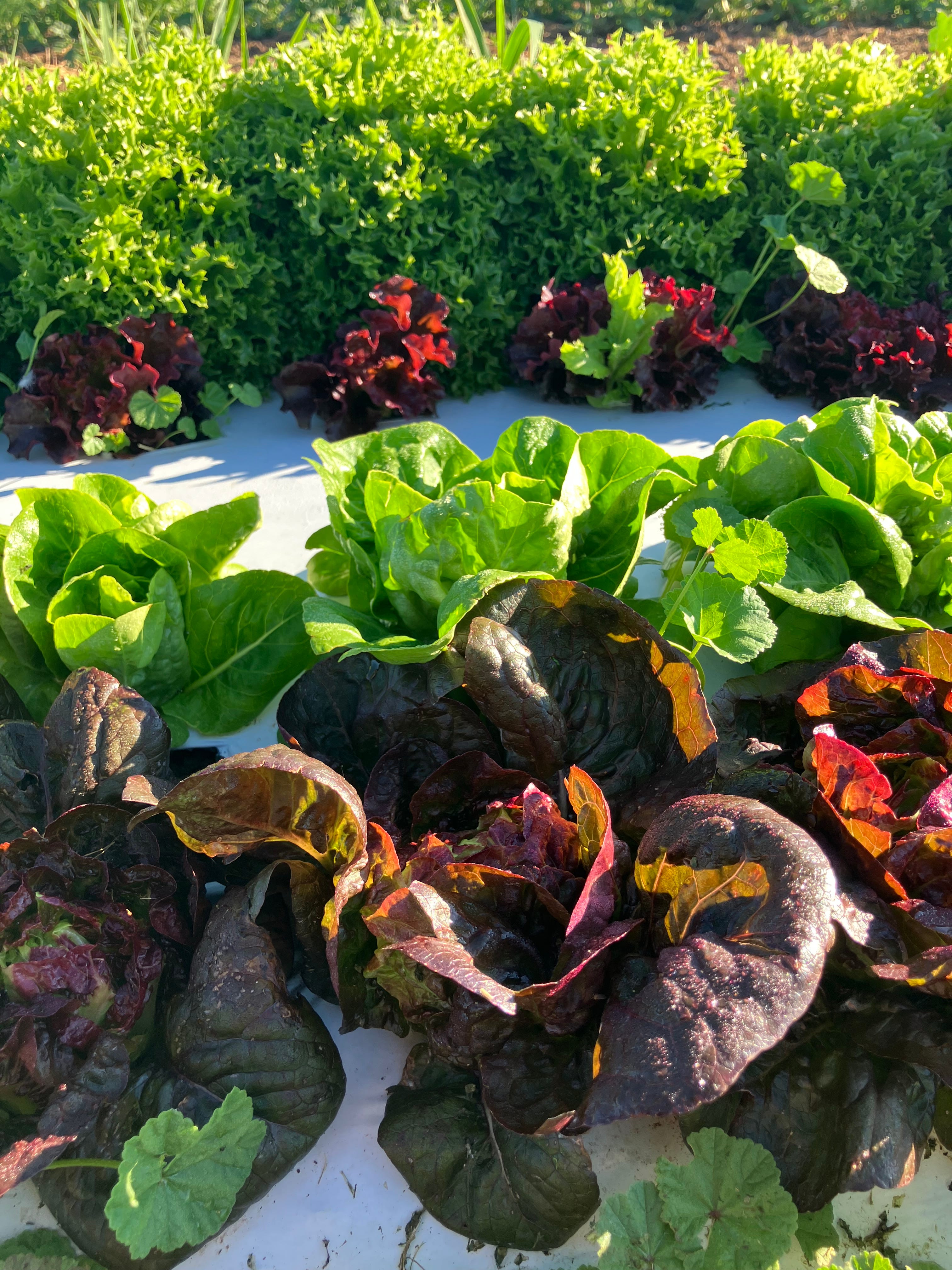
Greens: Hearts and Souls Salad Mix, gem lettuce, kale, chard
Fruits: Heirloom, beefsteak, cherry tomatoes, summer squash, squash flowers, Charentais melons from Rancho Durazno
Tree Fruits: Organic and conventional peaches
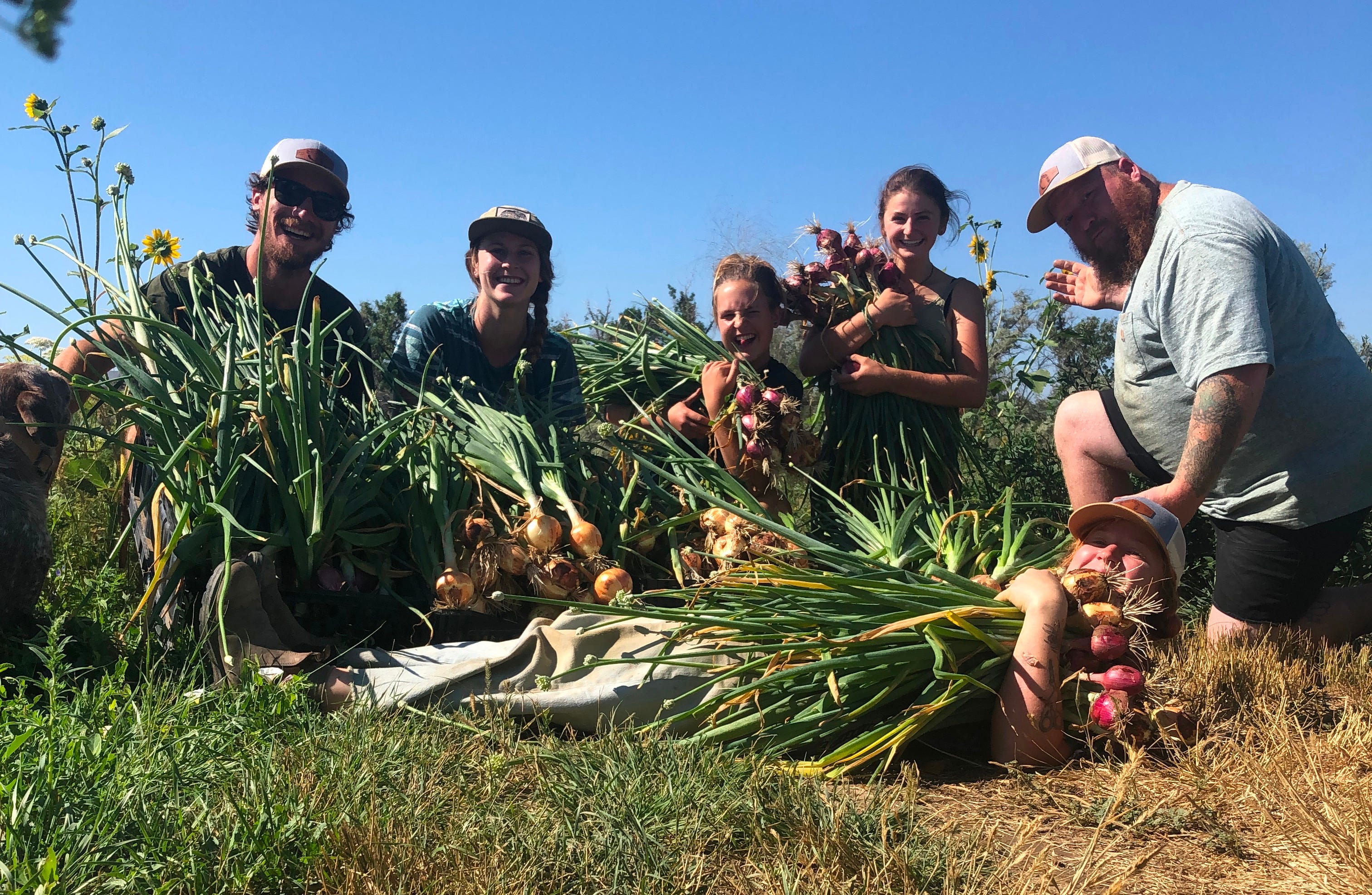
Roots: Carrots, beets, turnips, spring onions
Herbs: Parsley, thyme, oregano, basil, edible flowers
No posts
Comments
Nothing yet. Say the first thing.
Sign in to join the conversation.