
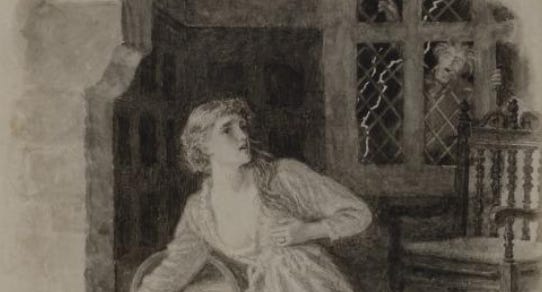
Here’s the big downside of traditional folk song and, indeed, large swathes of our broader history: much of it is dredged in the fallout of intrenched supremacy across multiple generations. Our songs, our folklore, and the very actions of those who came before us are sculpted by beliefs that one person (usually a wealthy white guy) is better than, well, more or less everybody else who was not rich, and white, and male.
Folk music, then, acts as more than simply a cultural record of the songs and music of an era. It is also an historical record, keeping score of the casual prejudices of its time and, frequently, of the almost off-hand violence towards women that has pervaded much of human history.
But folk music is more than an artifact. It is also a living, breathing artform. It is performance, which means that it exists in, and engages with, the contemporary world in a way that so much of the past cannot. All of our engagement with art happens, to some extent, within the context of our present moment. If you want to appreciate the Mona Lisa today, it is inevitable that you’ll do so through a 21st century lens, either looking at the picture on a computer screen, or in person, with some part of it obscured by the dozens of smartphones that are pointed in its direction. And yet, the Mona Lisa herself has barely changed since her paint was still wet. The cause of her enigmatic smile remains the same now as it was five hundred years ago. She isn’t, for example, watching a video of red pandas set to the Tiktok banger ‘Lil Boo Thang’ on a phone just behind the artist. We know this because, if she were, the smile would be bigger; there’d be some teeth in the mix.
Folk music is a little different, though. It doesn’t exist as a single article, preserved over half a millennium - instead, your engagement with even the oldest of folk tunes will usually be through artists who themselves are disconnected from the original songs by generations. Hell, even the songs themselves have usually evolved and changed drastically through hundreds of different interpretations over decades, or centuries.
I always find it interesting, then, to see how contemporary artists approach their own performances of songs that were borne of a different era. How they engage with themes - often of physical or sexual violence towards women - that exist in a very different context today (less widely accepted, perhaps, albeit with a worrying resurgence in the acceptability of misogyny among certain groups in recent years).
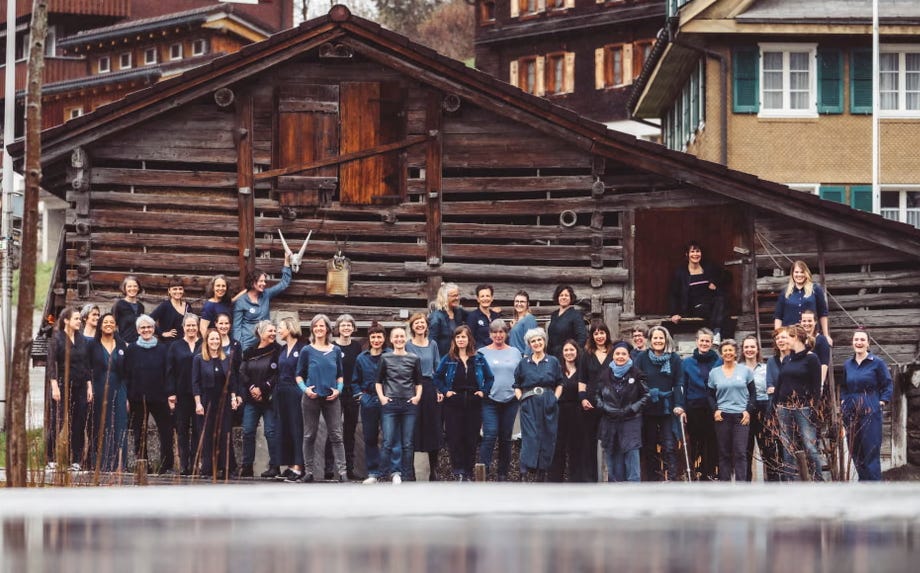
For a while, it felt as though the most popular artistic response to misogyny in folk music was to rewrite the lyrics, resolving the issue, or turning it on its head. A spectacularly unexpected Guardian piece earlier this year spoke with members of Echo vom Eierstock, a Swiss feminist yodelling choir whose name translates to ‘echo from the ovary’. Not content with simply providing a safe space for female yodellers in a male-oriented (literal?) field, the choir has also taken to rewriting lyrics that don’t match their ethos:
In one traditional song, a girl asks her mother: “Is dancing a great sin? Look, Franz is already waiting, may I go dancing with him?” and tells her later: “Don’t worry – I’m not going to be a nun; look at my curly hair! I saw how pretty I am in the mirror today.” In the version performed by Echo vom Eierstock, the conversation is a radically different one, with the girl asking: “Does the world need more children? Should we still be mothers in this day and age?” “The world is a gift,” her mother reassures her, but the daughter counters: “You don’t know in advance what kind of gift it is.”
Closer to home, Kirsty Merryn has taken a different approach to addressing folk’s misogynist history. In her debut album, 2017’s She & I, each of the eight tracks was an original composition that approached the folk genre with fresh, feminist eyes. ‘Bring up the Bodies’ was about women having ownership over the bodies, alive or dead. ‘The Fair Tea-maker of Edgware Row’ was, as Kirsty puts it herself, ‘a loving send-up of bawdy ballads about saucy women’. The title track of her (excellent) follow-up album Our Bright Night looked at the impact that the dissolution of the monasteries in the 1500s had on women of the time; convents were also closed, taking away vital women-only spaces and sources of refuge.
This week, Frankie Archer plays The Grove in Nottingham for us, as part of her Demon Lover tour. I’m excited to see one of the most bold interpreters of trad-folk in Britain today as she joins us for the evening - not least because Frankie’s music represents a third option for feminist folk artists.
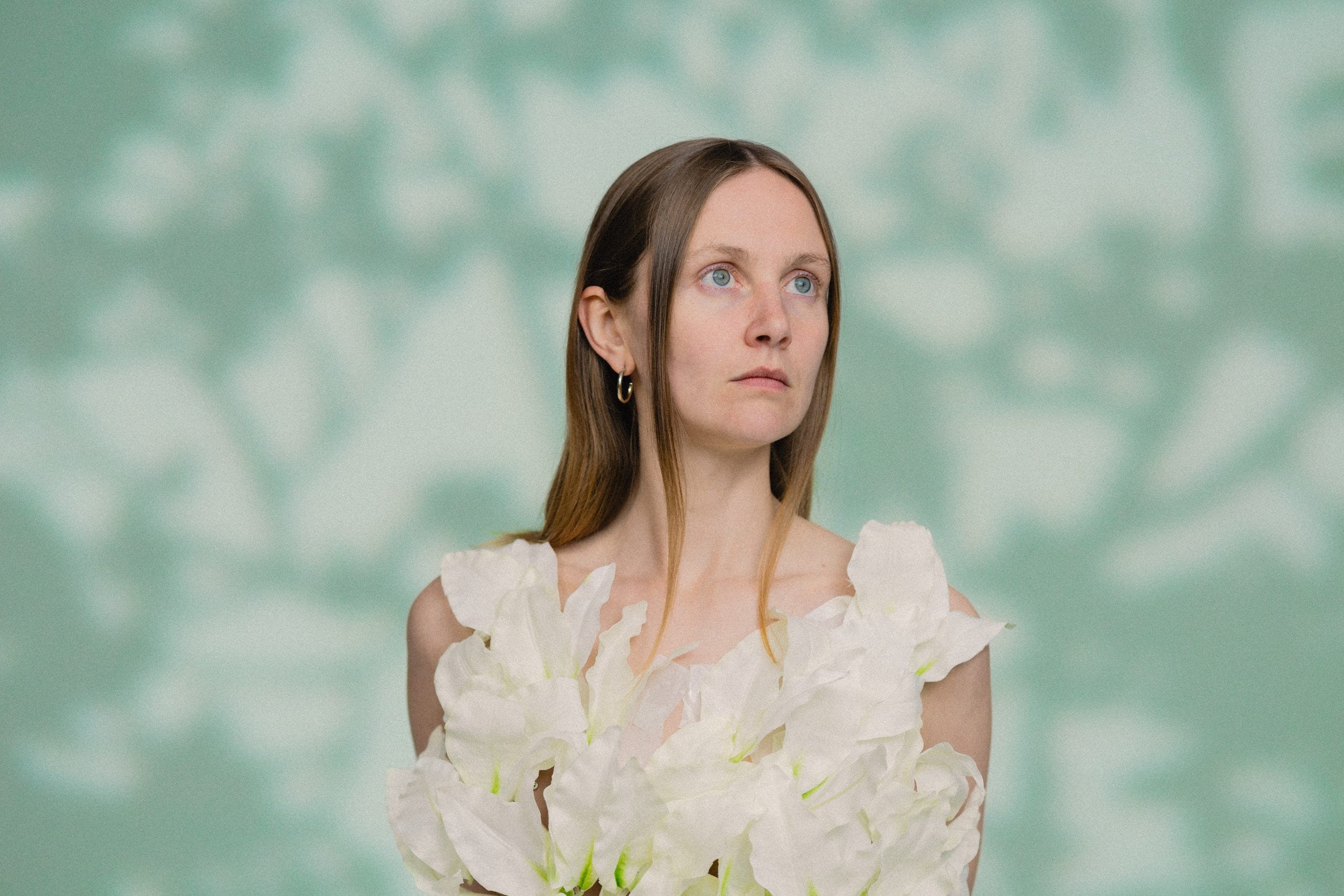
On ‘The Demon Lover’, the song at the heart of her current tour, Frankie offers up a new take on a folk song whose history stretches back until at least 1657. The version listed in The Child Ballads is titled ‘A Warning for Married Women’, which is suitably ominous for the song, in which a young woman opts to follow the ghost of her ex-fiance rather than stick with her current husband. The exact details of the song have changed over the last four hundred years or so - but one thing that remains constant is the woman’s fate: eternity in hell.
Frankie says that ‘The Demon Lover’ is ‘one of those old songs that was meant to scare women into behaving properly.’ And while her version makes some small changes to the lyrics, none go so far as to change the ultimate meaning of the song, nor the fate of the woman at its centre. What is added, though, is Frankie’s own contemporary understanding: ‘The feeling of repressed sexuality came through to me so much in the lyrics I leant into it to create this driving, dizzying sound where you almost become possessed yourself when you hear it,’ she says. In her version, the history of the song and of man’s desire to control and put fear into women remains. But inherent to the recording is also the story of modern feminism, and of taking control of the narrative, even if only to recognise the unspoken truths of the past.
Frankie Archer plays The Grove in Nottingham this Wednesday, October 8th. Her music comes into its own in a live setting, becoming entirely immersive in a way that few other folk artists can be. Tickets are available here, and support comes via the fantastic Ben McElroy.
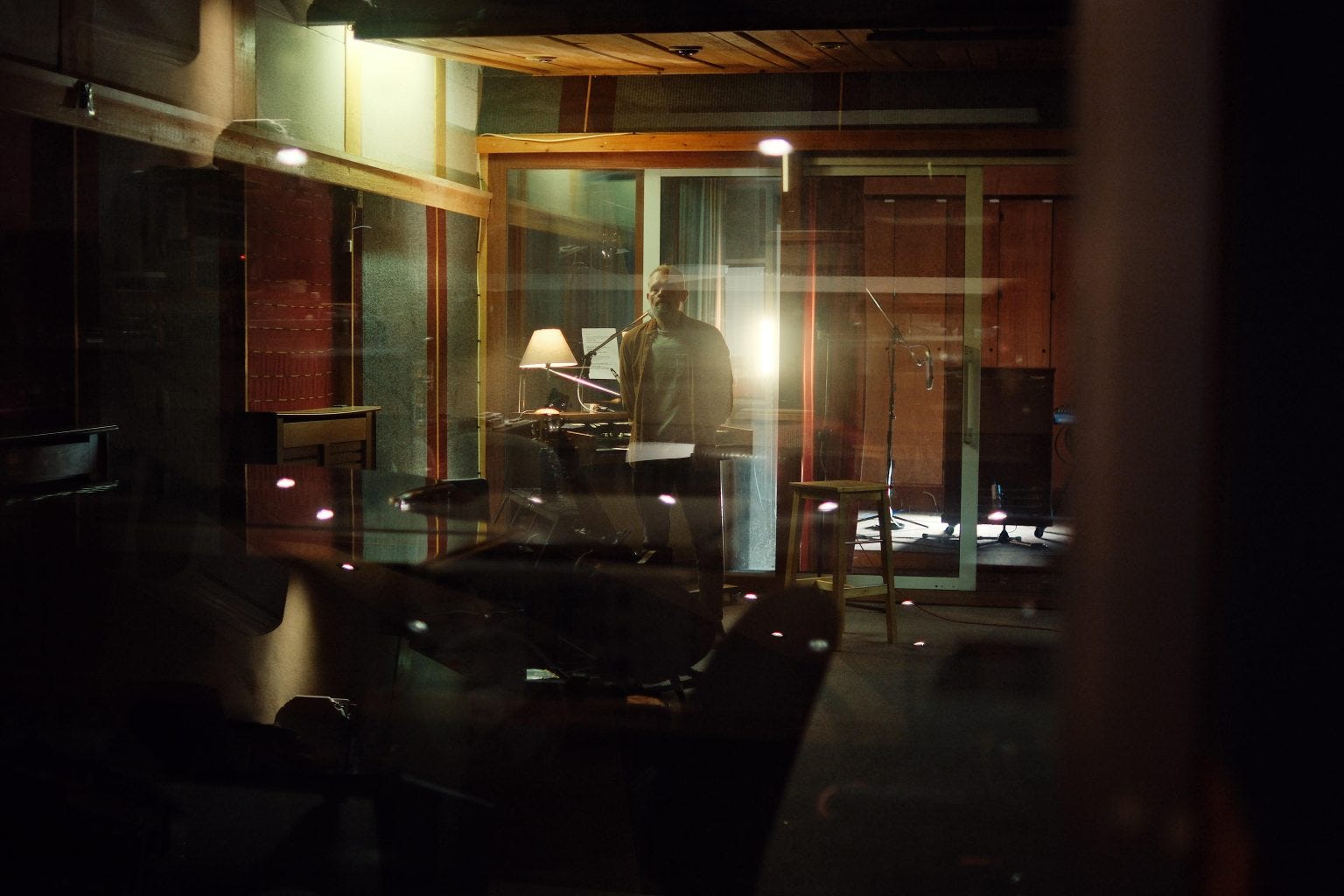
There are no gigs at Peggy’s Skylight this October, but I’m going to make it up to you in November with two gorgeous events! First up, on Wednesday November 12th, we’ll be hosting an intimate gig with UK alt-folk heroes Matthew and the Atlas. Matt Hegarty first broke onto the music scene in the midst of the late 2000s folk rock revival, and his though his music continues to evolve, he remains perhaps the most consistent artist of the Communion stable. We’ve a mixture of standing and seating available for this gig - grab the ticket that best suits you, and join us for a rare intimate performance from the band.
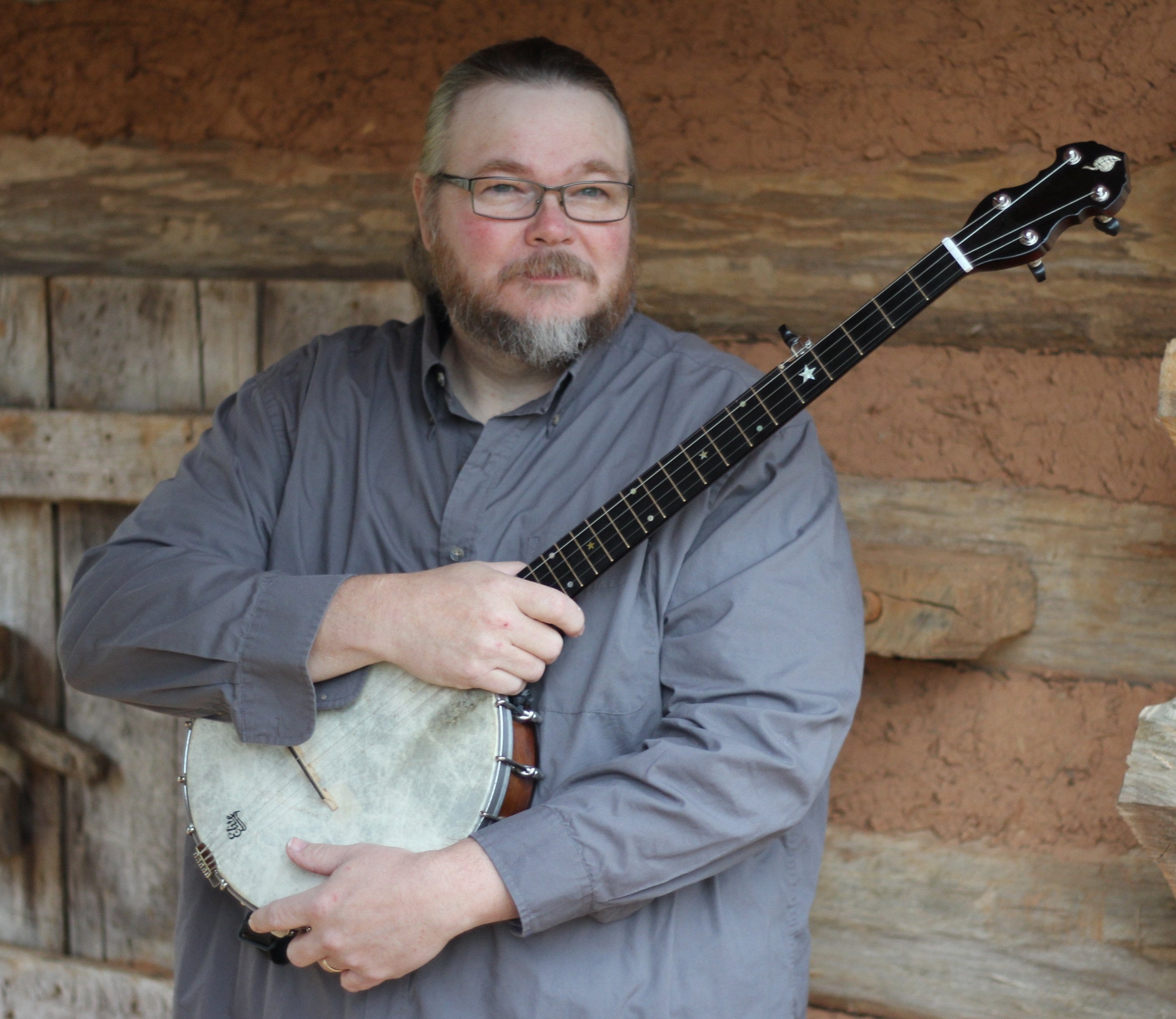
Just a few days later, on November 16th, I’ll be back at Peggy’s Skylight for the last Folkroom gig of 2025. This is another rare treat: the American old time folk musician Riley Baugus will be playing a double set as part of his UK tour. Recent Folkroom headliner Sarah Jane Scouten described Riley as a ‘musical teddy bear’, which is the sort of compliment I’d love to be paid. He is also one of America’s finest folk talents, featured on the award-winning Cold Mountain soundtrack and unlike almost anyone else who you’ll see in Nottingham this year or next. Tickets are available here.

Our first gig for 2026 is on sale, too! On January 23rd, we’ll be back at The Grove in Nottingham for a headline performance by Nev Clay. I suspect I’ll do a real deep dive on Nev in our December edition of Modern Folk, but he’s a fascinating artist. Something of a cult figure, Nev is a local legend in Newcastle, but rarely plays outside of the north east. I absolutely adore his last album, So Little Happened For So Long, and I’m hoping this gig will be a chance to share Nev with a whole new audience. I’ve brought in Catmilk and Peter Hall as supports for the gig, and tickets are on sale here.
And finally, a moment of personal promotion. I have a book out! It isn’t, as you might reasonably suspect, about folk music. Instead, I am the author of ‘Disney’s Animated Classics’, a book that runs through every film in the Disney animated canon, from Snow White to Moana 2, chapter by chapter.

I’m really proud of this book, which doesn’t just nerd out on production notes for the films, but also uses each film as a launching point to explore themes and ideas from across the canon. The Dumbo chapter looks at the representation of alcohol in children’s films, Robin Hood considers sexual awakenings prompted by cartoon characters, and The Princess and the Frog explores race in Disney films. If you have ever enjoyed Disney’s films, or know anyone who does, you’ll find plenty to love here. I believe retailers will be starting to send out copies next week, so grab yours now - Hive.co.uk have the best price currently, I believe.
There are also two events happening in support of the book’s release: on November 6th, my friends at Peggy’s Skylight will be hosting an evening of live jazz interpretations of Disney songs - I’ll be on hand to introduce the music and flog a few books in person. You can buy your ticket here!
Then, on November 25th, I’ll be at The Folklore Rooms in Brighton, hosting a special Disney pub quiz. There’ll be a cash prize for the winning team, as well as other prizes throughout the evening, a pop-up store run by the neighbouring Waterstones and, excitingly, a live-drawn picture round provided by former Children’s Laureate Chris Riddell. Get your tickets here - I’d love to have a lot of fun with this one!
No posts
Comments
Nothing yet. Say the first thing.
Sign in to join the conversation.