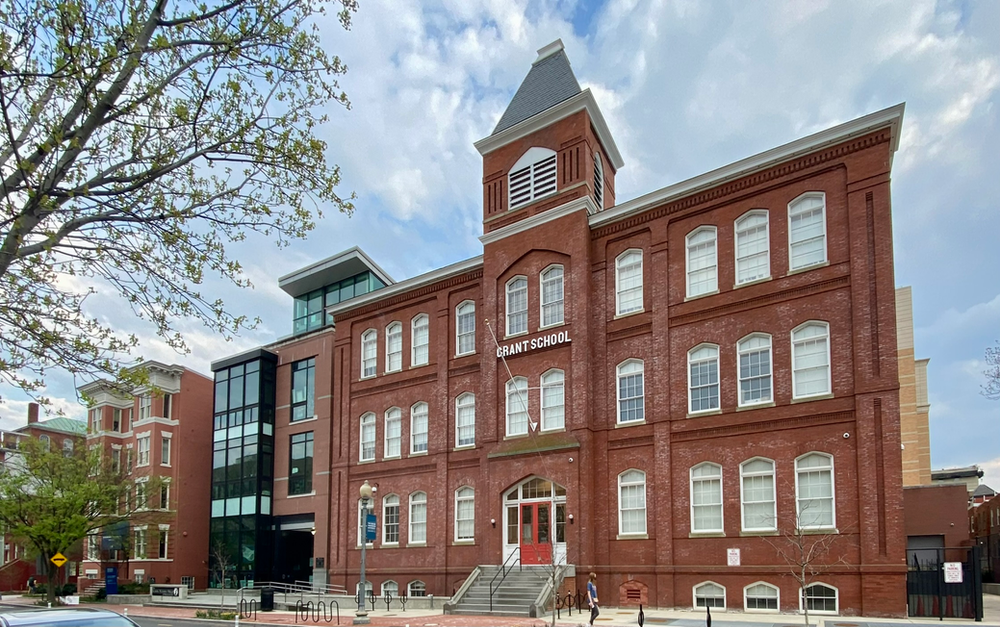
By Frank Leone Foggy Bottom is home to D.C.’s School Without Walls – a highly regarded humanities-based public magnet high school. The school (2130 G St. NW) was so named because it offers an alternative to conventional instructional programs in which students develop “methods of learning outside the traditional classroom” and “use the city as a classroom.” It is housed in the historic Ulysses S.…
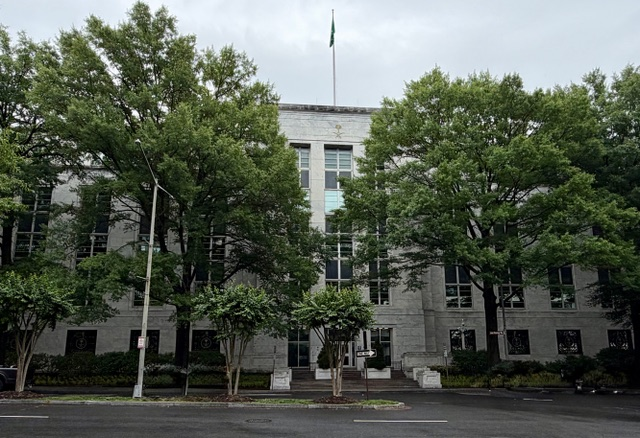
By Frank Leone The southwest corner of Foggy Bottom is occupied by the John F. Kennedy Memorial Center for the Performing Arts, the Watergate complex, and the Saudi Arabian Embassy. Each of these buildings may be undergoing changes soon. The Kennedy Center (2700 F St.) is scheduled to close for a two-year “renovation.” The Saudi Arabian Embassy, once the Peoples Life Insurance building (601 New…
By Frank Leone Before there was a Funkstown (1768), before the farms and plantations that preceded it, the area that is now Foggy Bottom and the District of Columbia was populated by Native Americans. We discussed the Anacostan and related tribes in a post a few years back: Funkstown – DC’s Native Americans in Foggy Bottom. That post included information Dr. Armand Lione shared in his blog and…
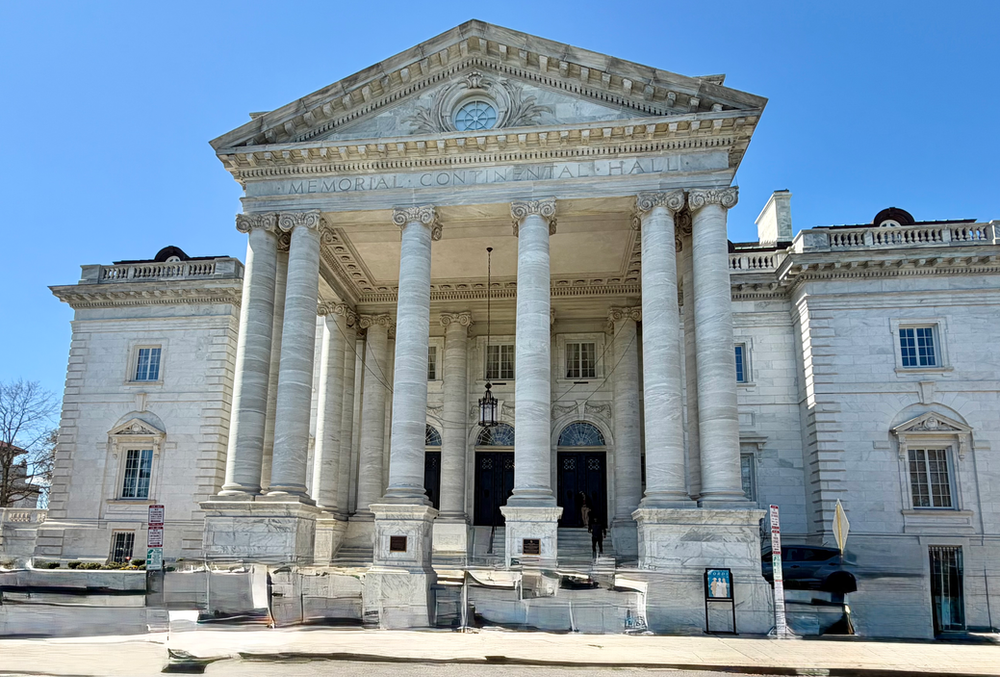
By Frank Leone In 1902, the Daughters of the American Revolution (DAR), a patriotic organization composed of female decedents of those who served in the American revolutionary war, were seeking a home. After considerable research, they purchased undeveloped marshy Foggy Bottom Square 173 – bounded by 17th and 18th, C and D streets. Their first building was Memorial Continental Hall on 17th Street.…
The Foggy Bottom West End Village is a nonprofit membership organization that provides services for its members to help them comfortably age in their community by supplying social events (including tours and lectures), health support, and many other offerings. The Village’s work goes beyond just neighbors helping neighbors, as members get to know one another and enhance and enrich each other’s…
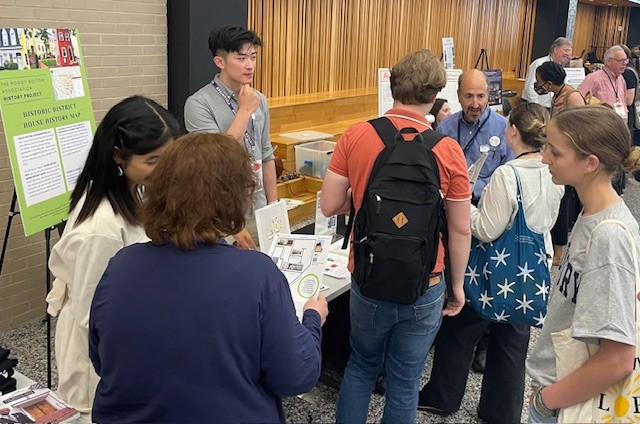
At the Martin Luther King Public Library (901 G St. NW). The DC History Conference has been going for over 50 years! Register now for the FREE interdisciplinary, community conference with presentations about the past, present, and future of D.C. The Conference welcomes students, community members, educators, artists, storytellers, and cultural heritage workers. Stop by to say hello to Denise Vogt…
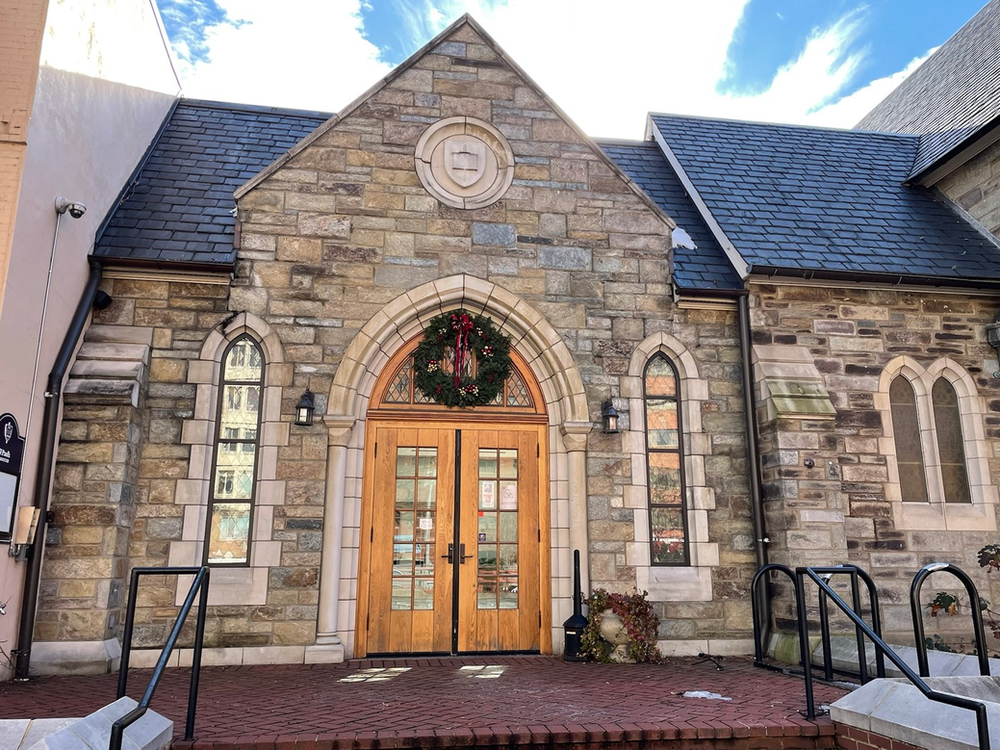
By Frank Leone St. Paul's Parish Episcopal Church (2430 K St.) has a long history, with its original church built on Washington Circle in 1868. The current church was built in 1947-48, when the George Washington University prevailed upon the U.S. government to demolish the church’s original building to build the (since relocated) GWU Hospital. St. Paul’s gothic style church on K Street. (F. Leone…
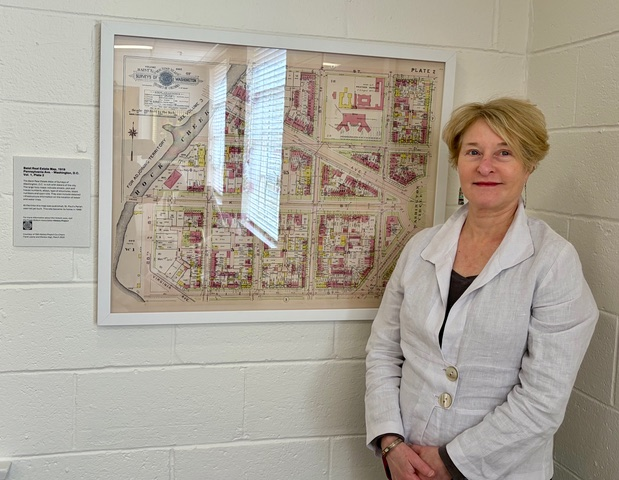
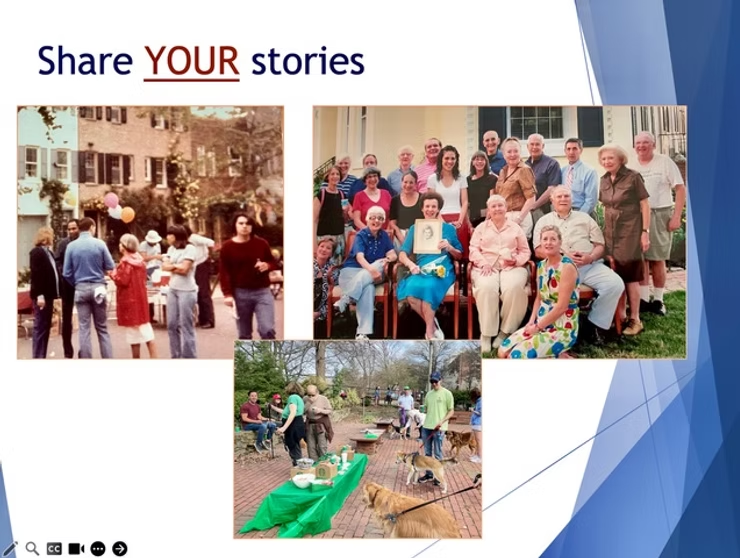
By Frank Leone & Denise Vogt To celebrate its fifth anniversary, the Foggy Bottom Association History Project made a presentation to the FBA’s March Community Meeting at the West End Library. Co-Chairs Denise Vogt and Frank Leone briefly discussed Foggy Bottom’s History, the History Project’s activities, and some stories from the Historic District. (You can see the presentation HERE.) FBA…
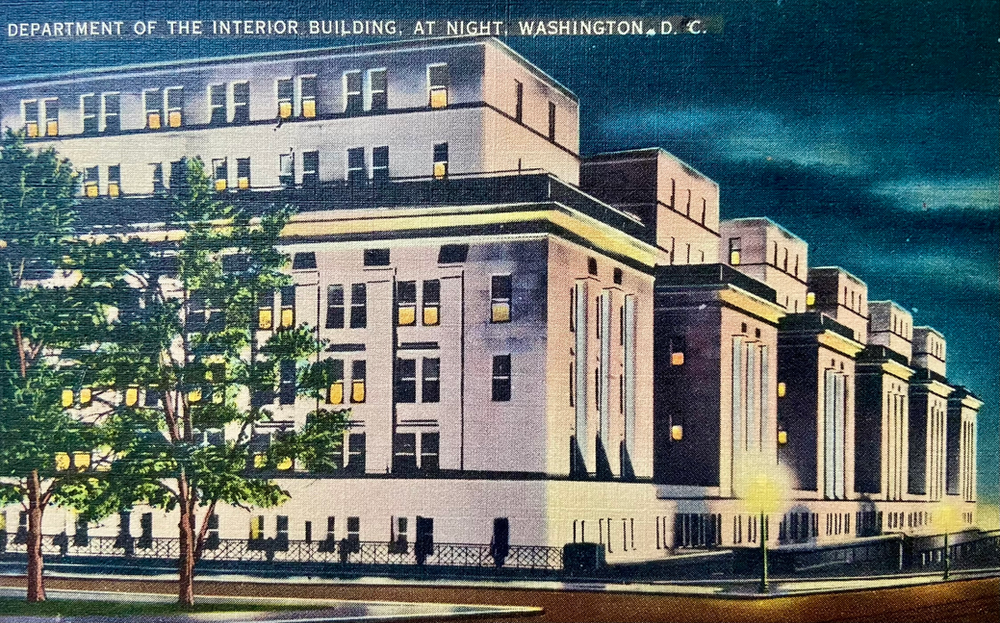
By Frank Leone The massive Udall Department of the Interior building (1849 C St. NW) was the first of the New Deal generation of federal buildings. The Interior headquarters features more New Deal era artworks than any other Federal building – they can be viewed by calling to reserve a free tour (Tuesday and Thursdays at 2 pm). The Department of the Interior at night - The building covers 5.5…
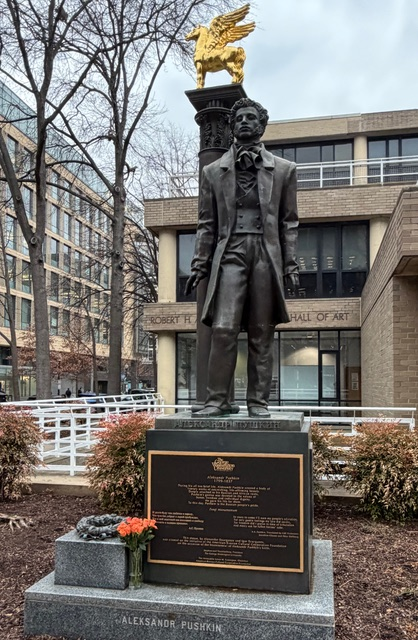
By Frank Leone George Washington University’s northeast corner of 22 nd and H Streets has a plaque recognizing the site as the former home of Underground Railroad conductor and abolitionist Rev. Leonard Grimes . The corner also features a bronze statue of Aleksandr Pushkin, the founder of modern Russian literature. The two have more in common than you might think. Pushkin’s great grandfather was…