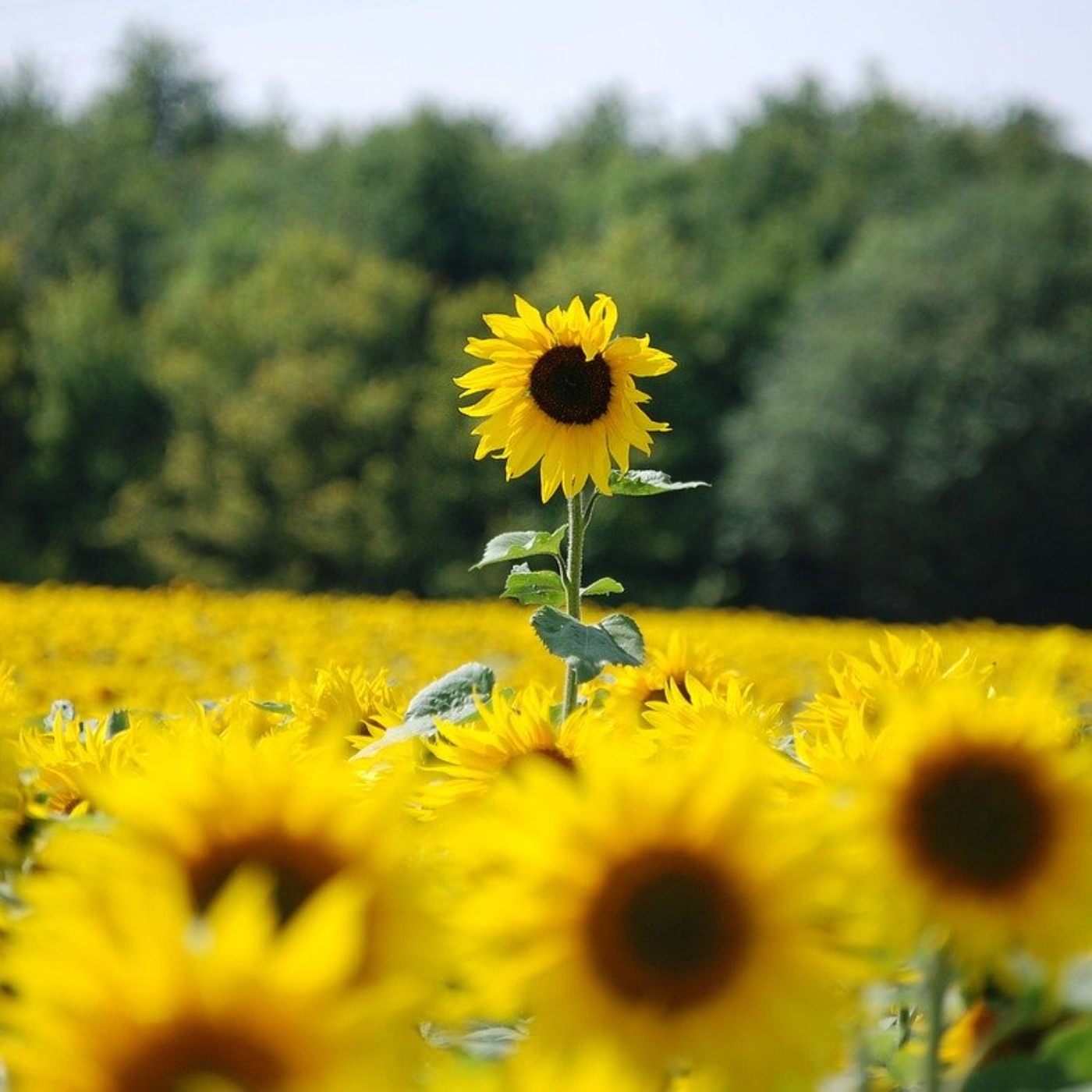
The common sunflower goes by the botanical name of Helianthus annus . Extensive breeding has resulted in a great number of cultivars with yellow, orange, red, cream, white, and bi-color blooms, in many different sizes and flower shapes. The plants can grow 3-10 feet tall and so some need support. They are not temperamental plants, and most are native to Northern Mexico, Canada, and the United…
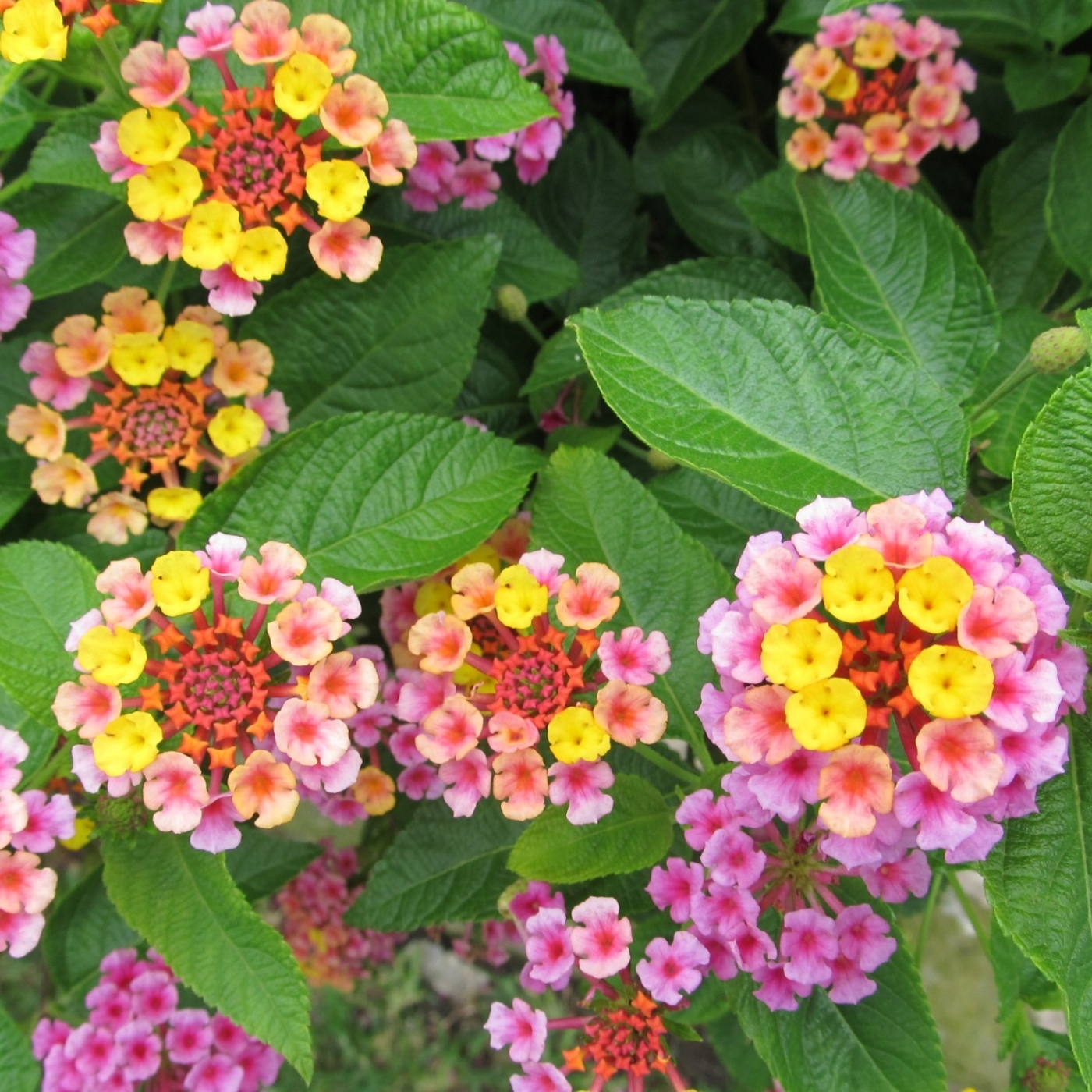
Many annuals need to be deadheaded to keep blooming all season. While snipping off the spent blossoms can hardly be described as hard work, it is easier not to have to remember to do this chore. For that reason, many of us try to buy annuals that do not need deadheading in order to re-bloom all season long and right into fall. One such plant is lantana , which is great in regions with cold winters…
William Shakespeare included so many botanical references in his plays that there are about 175 mentions of flowers, fruits, grains, grasses, seeds, weeds, trees, spices, herbs, and vegetables in his works. There are also lots of comments about how to care for various items so he must have been knowledgeable in this area. Here are just a few examples you may recognize. Acorns, Garlic, and Figs As…
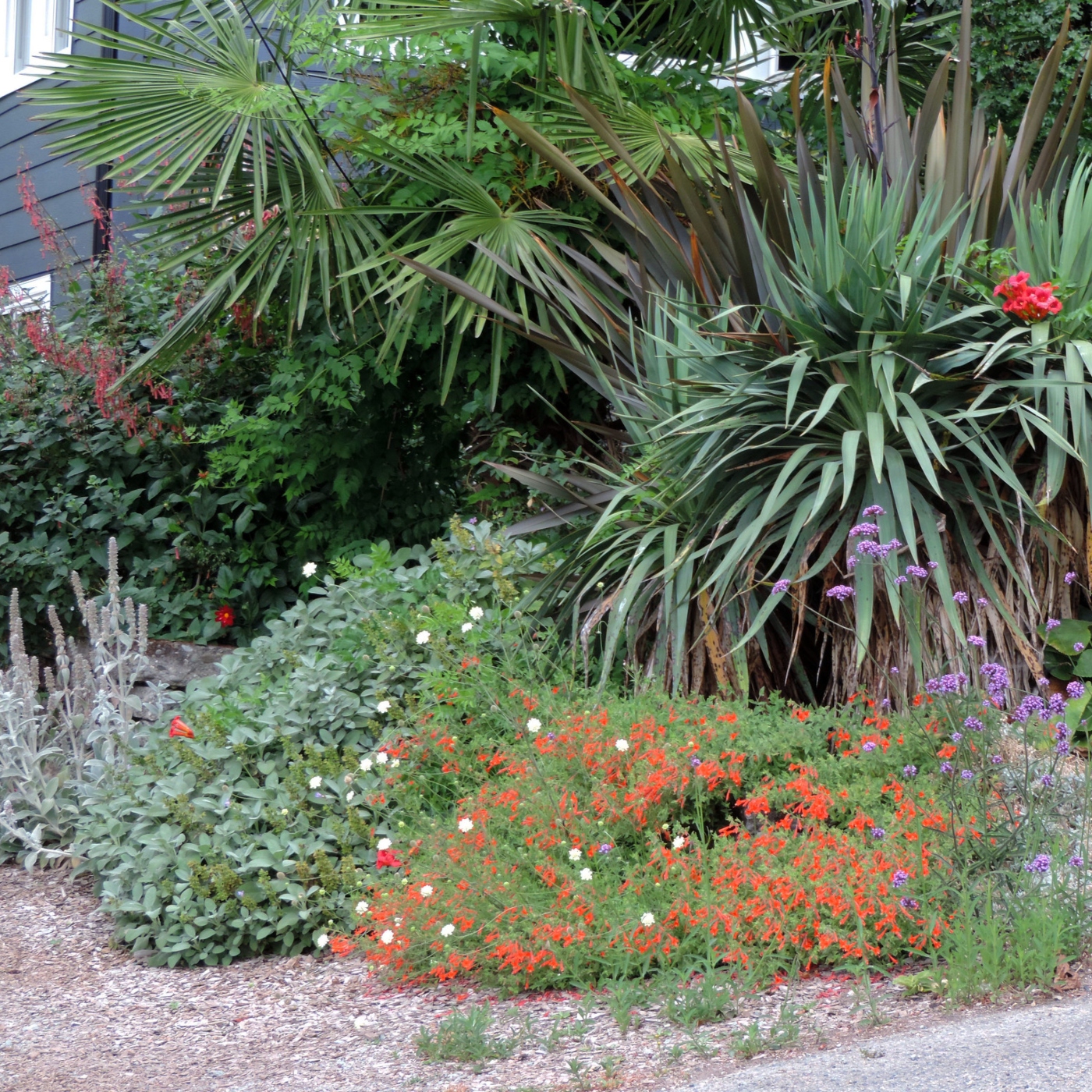
I don’t have a watering system, so I get tired of watering when there are long periods of hot, dry summer weather. Here in the Midwest when it is over 90F, potted plants need watering twice a day and beds on slopes do too. It is a chore that makes me wish I had more drought tolerant plantings. A drought tolerant landscape does not mean zero watering, but it requires plants that can tolerate low…
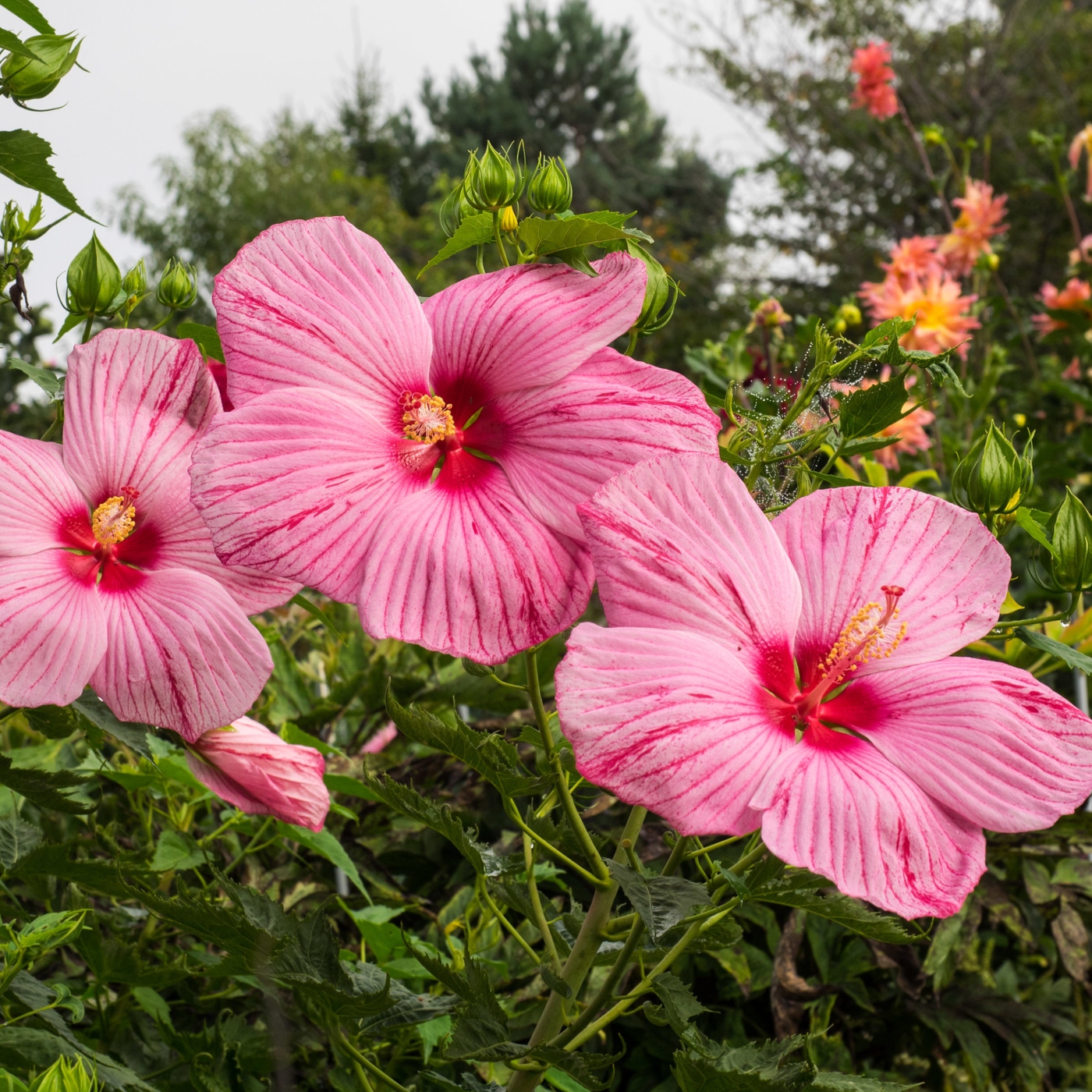
There are over 200 species of hibiscus, and they are beloved because of their big showy flowers and green, clean-looking foliage. They fall into three different major categories: tropical, perennial and hardy. The tropical hibiscus is native to Hawaii and comes in beautiful colors, and we often see them in photos tucked behind the ear of a beautiful model. The perennial varieties go dormant in…
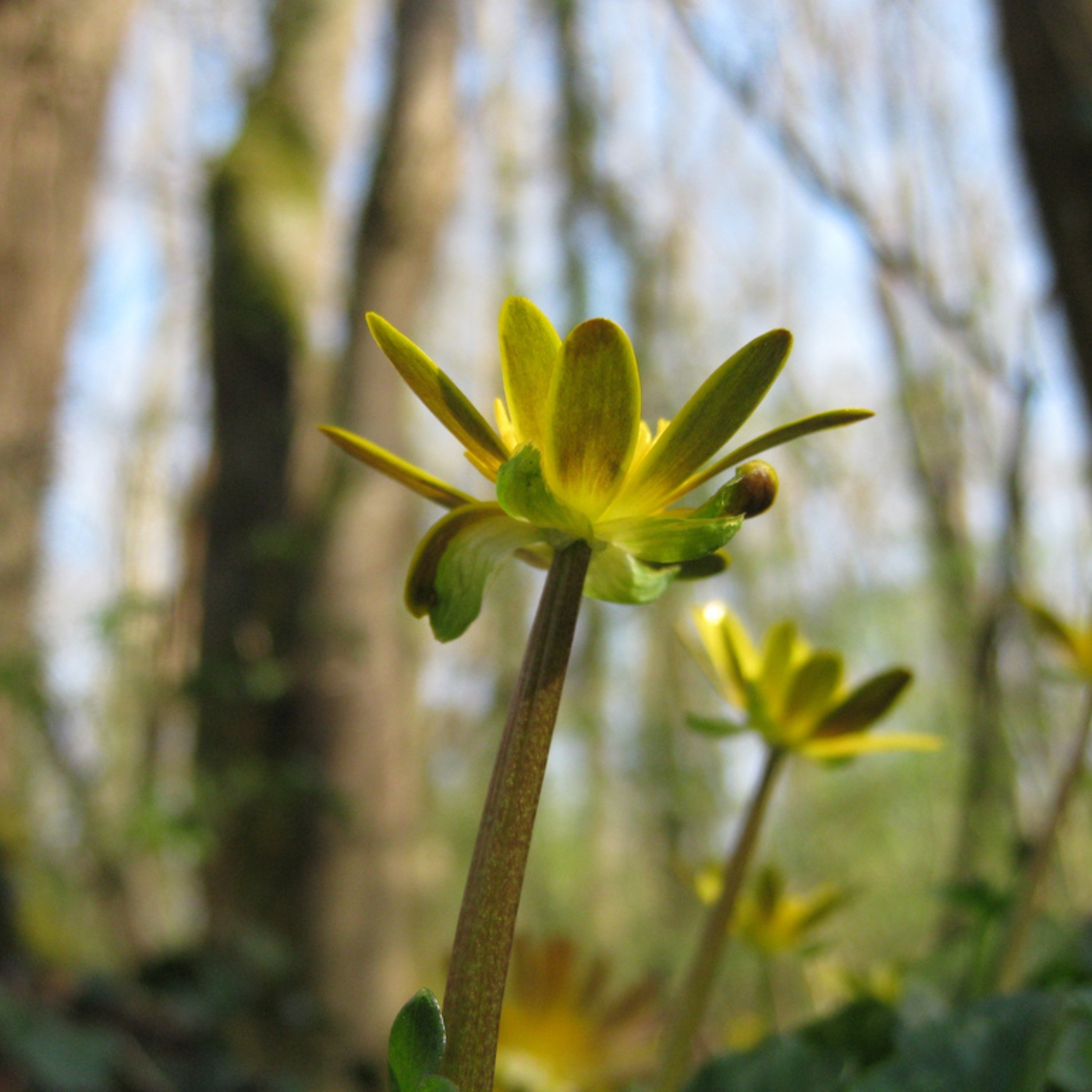
Stylophorum diphyllum is our native celandine poppy that grows well in dappled shade in woodland conditions. It has cheerful yellow flowers and hairy seed pods. There are also two other woodland poppies that are native to China. All three species prefer moist soil and self-sow. They bloom in spring and intermittently into summer. Wordsworth even wrote a poem about this unassuming charmer: "Long as…
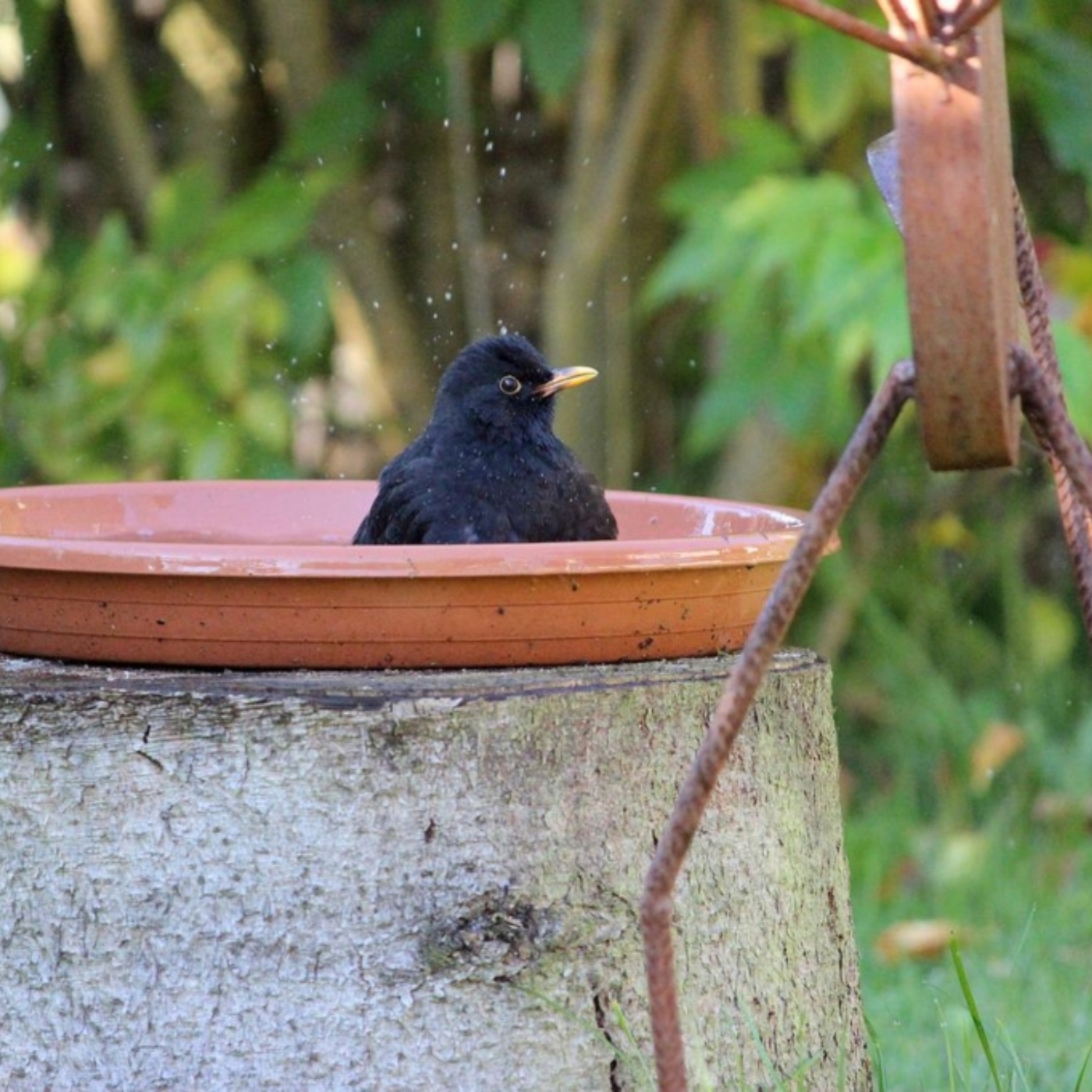
If you welcome birds into your garden you probably know that during the summer, water sources are very important to them. Place your birdbaths in the shade and clean them regularly to keep the water fresh. Have a few birdbaths in different parts of your yard, maybe one where you can see it through a window. Some types of birds prefer ground level water sources also, so even a plant pot saucer can…
Canna comes from the Greek word spelled "kanna," which means "reed," though the canna plant does not have narrow reed-like leaves. There are about 10 species in the genus, which has showy flowering plants that grow from tender rhizomes that can only be left in the ground over winter in zones 7-10. In other zones they must be dug and stored over the winter. Canna plants enjoy moist but well-drained…
The common evening primrose is native to Virginia and was sent to England in the early 1600s, feeling quite at home there and has naturalized in several parts of Britain. The Missouri primrose was identified first in 1811. The evening primrose has both roots and leaves that are edible. The roots are sometimes eaten in France and some herbalists believed that the plant can be used medicinally for…
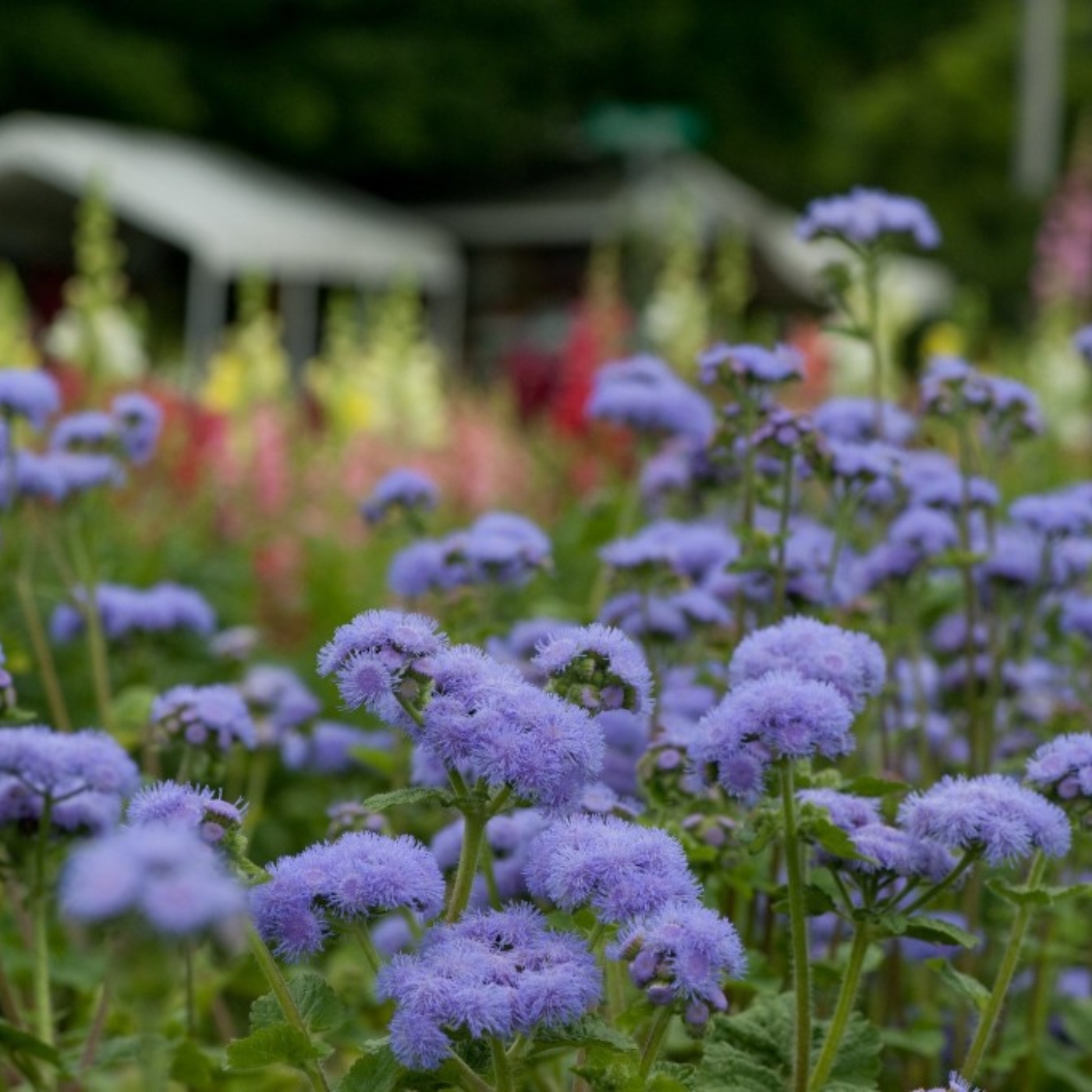
Many of us are familiar with ageratum , the low-growing annual with fuzzy flowers that are blue/lavender color. It is a member of the Ageratum genus that includes 43 species of annuals and perennials, most of which are native to warmer regions of the American continents. They have felted oval or heart-shaped leaves and clustered flower heads. They like full sun and moist well-drained soil, and a…
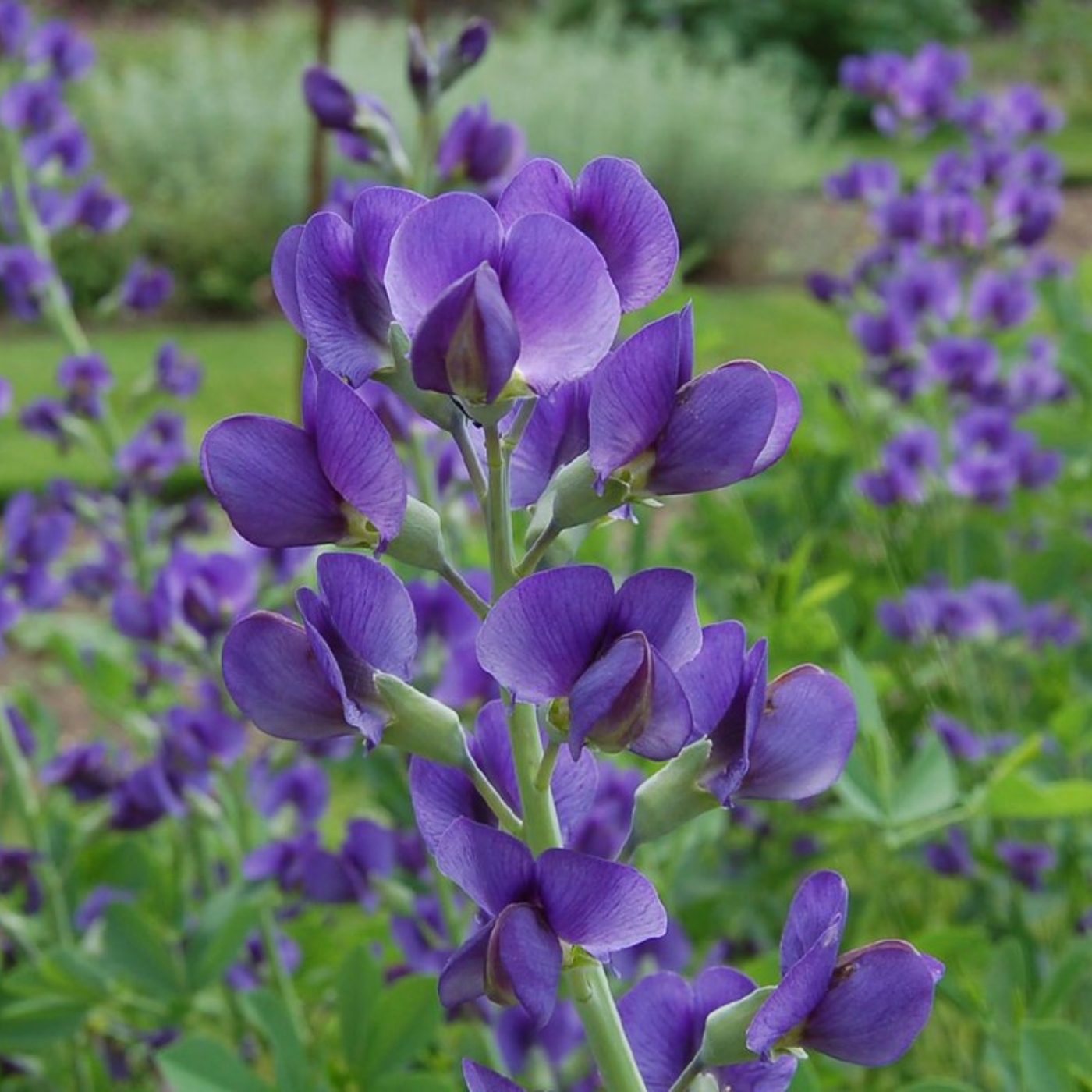
Blue false indigo , with the botanical name Baptisia australis , is a lovely shrub that blooms in the late spring in zones 3-9 in full sun or part shade. It grows about 4 feet tall and as wide and is drought tolerant and deer resistant and has blue/green foliage and blue flowers that resemble lupins. It was used by pioneers to dye cloth and is called 'false indigo' because its color is not as deep…
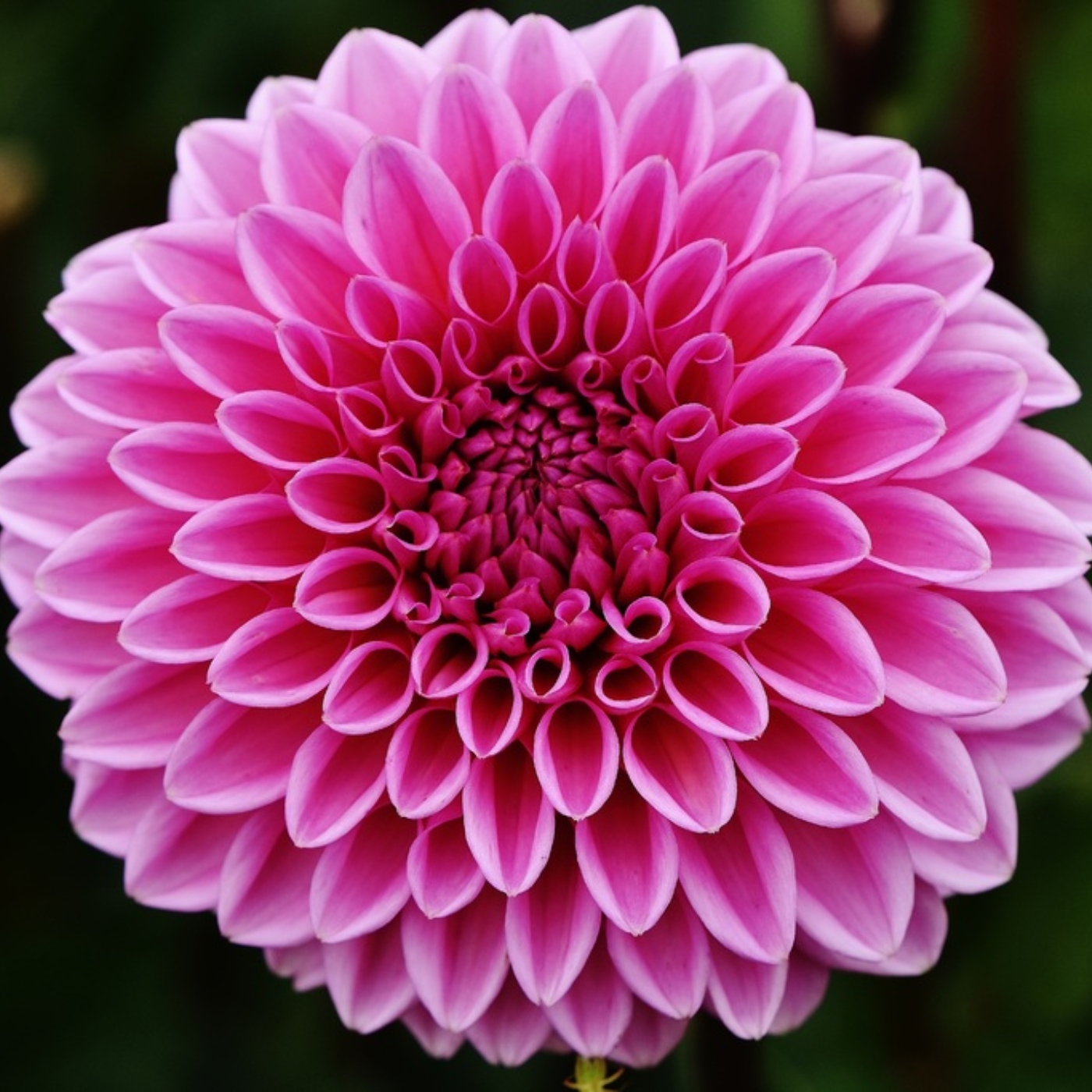
Native to Mexico, dahlias probably grew in Aztec gardens as they were already in cultivation when the Spaniards arrived. Francisco Hernandez, a botanist and physician to King Phillip of Spain, described them in a book published in 1651. But dahlias were not introduced to Europe until 1789 when seeds were sent from Mexico to the Royal Gardens in Madrid. The flower was named in honor of Dr. Dahl a…