
Dear Scribblers,
I write this whilst melting in 34-degree Manchester - pray for fluffy Pablo and Miguel the guinea pigs currently asleep under my footstool - and in a time period when I am dotting the final i’s and crossing the t’s on contracts with 2027 and 2028 authors.
I will be thrilled to share the joys of who we have signed with you very soon - but it also comes with sincere regret that we have had to reject many quality manuscripts and writers.
So I thought today I would write a piece on rejection - and perhaps a reframe for you lovely scribblers, so that next time an agent or publisher says ‘no’ (hopefully via an email - though I know agent ghosting is on the rise!!) you can train your brain to say ‘Thank you - Next’ in true Ariana Grande style (you don’t have to know the song to understand the reference…)
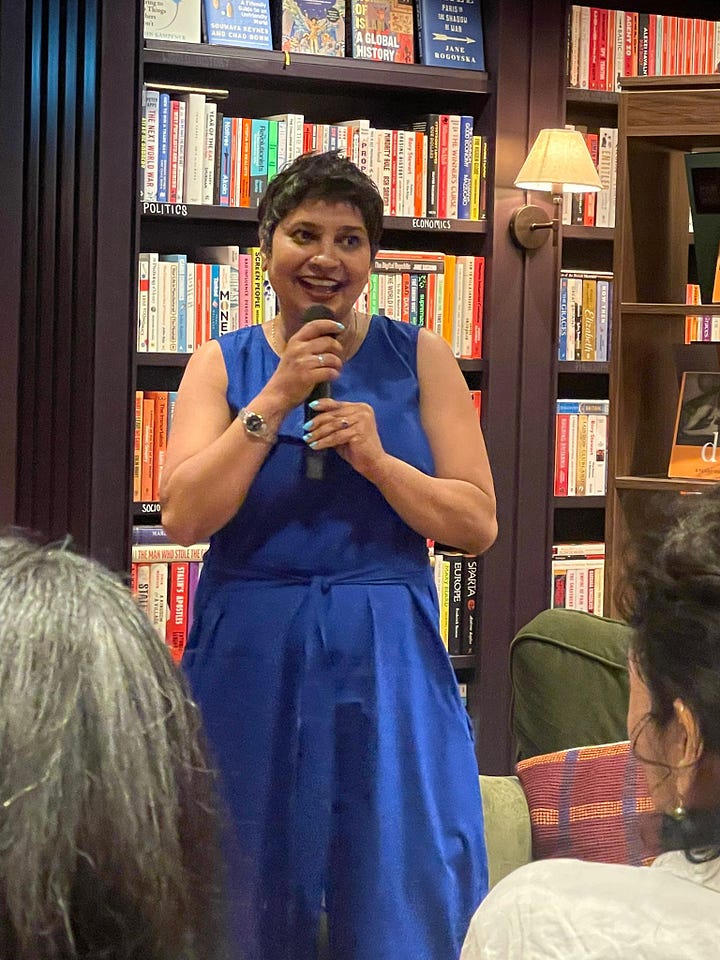
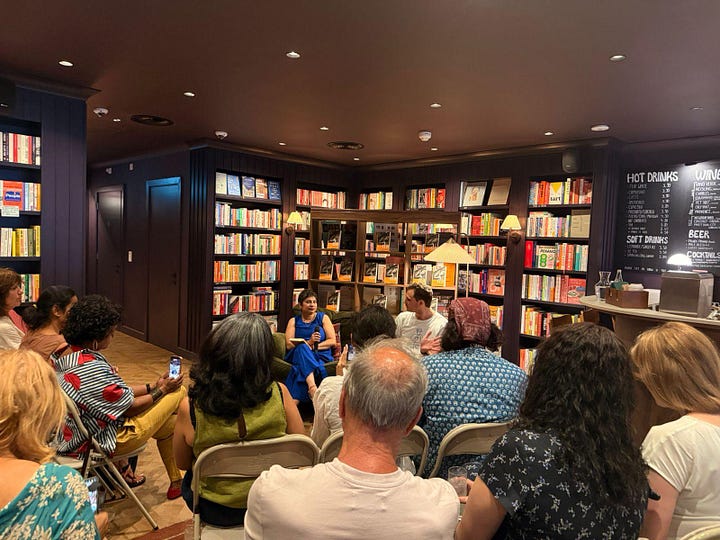
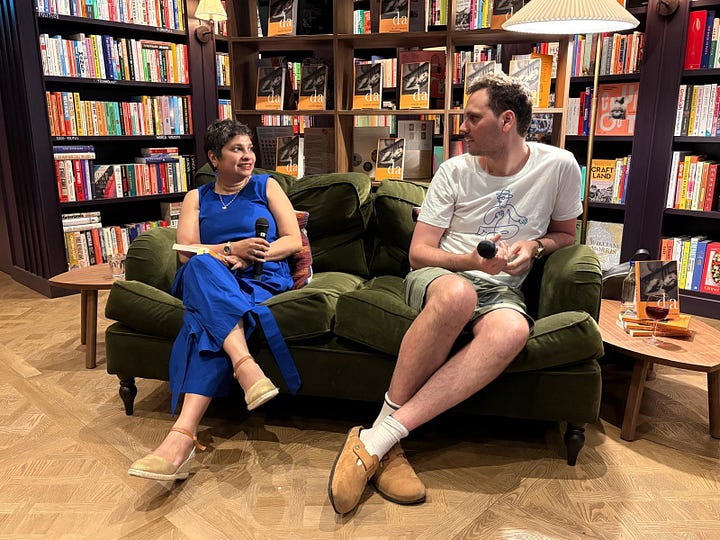
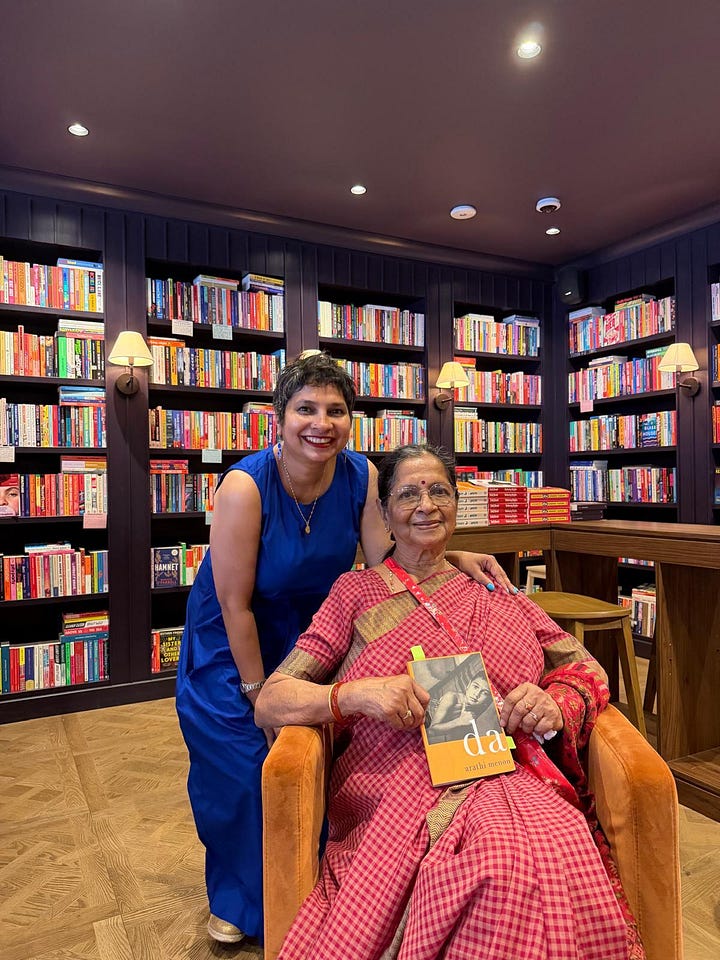
This tour date sold out in less than 12 hours - so we’ve just launched tickets for a Camden event at The Owl Bookshop in London too! You can grab a ticket for that here
'Arathi Menon has created such a beautifully memorable character in Ved, a boy who knows everything and nothing all at the same time, who does not realise that he is living under a heavy shadow. It was a struggle to hold my tears in until the end of this beautiful novel.' - Marcia Hutchinson, Author of The Mercy Step' (Women’s Prize shortlist 2026)
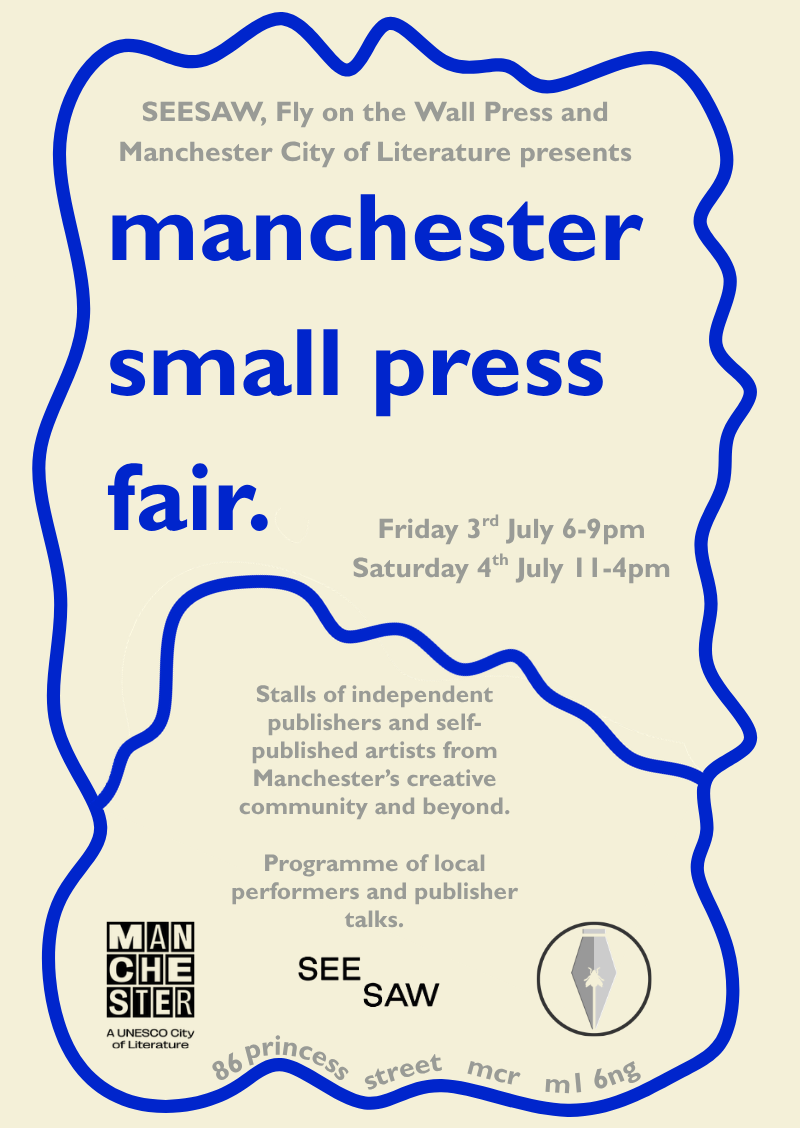
And next Friday and Saturday FOTW is launching our new venture! A cosy bar-and-cafe performance and book fair at Seesaw, Manchester, focused on amazing publishers and artists! Grab a ticket here and see our performance schedule and exhibiting publishers!
Rejection is awful. You’ve found a wonderful creative idea, you’ve nurtured it for years, you’ve received helpful feedback from writing peers and critical family members, you’ve probably even had a chance to perform your work at an open mic and you’re definitely ready for a publisher to take a chance on your book.
And then they say the book (or you as an author!) isn’t marketable.
Or it’s too similar to existing books on their list.
Or it’s in need of too much development, and they just don’t have the time.
The list is endless.
You leave wishing you’d never sent the manuscript to them!
Ben Okri’s and Paul Beatty’s novels were rejected 100 times and 18 times, respectively before going on to win The Man Booker Prize
In an IDEAL world, you as a writer will get to the point that you see your manuscript as a product that you are pitching for sale. A business proposition. Businesses fail to get investment regularly. They need to knock on a LOT of doors until they find an investor speaking the same language.
You may never get to the point of being able to see your writing as a product - you may just be too close to it (fair enough, writing is personal).
So here’s a few things you can do to soften the rejection cycle:
One plate always spinning: whenever you receive a rejection, you must IMMEDIATELY/that week send out another proposal to another agent or publisher.
Ask for feedback. From said rejecting publisher/agent - OR from your peers. Accost professionals at in person events, (very nicely) and ask them what they think of your FIRST LINE (anything else is a bit cheeky…)
Agatha Christie faced five years of rejection before she published her break out novel!
Invest in your development. Have you truly read more than one craft book on writing - and digested it? Did you read Save the Cat Writes a Novel and map out the beats of your novel to see if there are any weaknesses? Have you ever had a mentor? Could a group course help you shine?
Comments
Nothing yet. Say the first thing.
Sign in to join the conversation.