
I am currently sitting 300 miles away from home, and instead of entirely unplugging, I just logged into my Terra device to listen in on my backyard.*
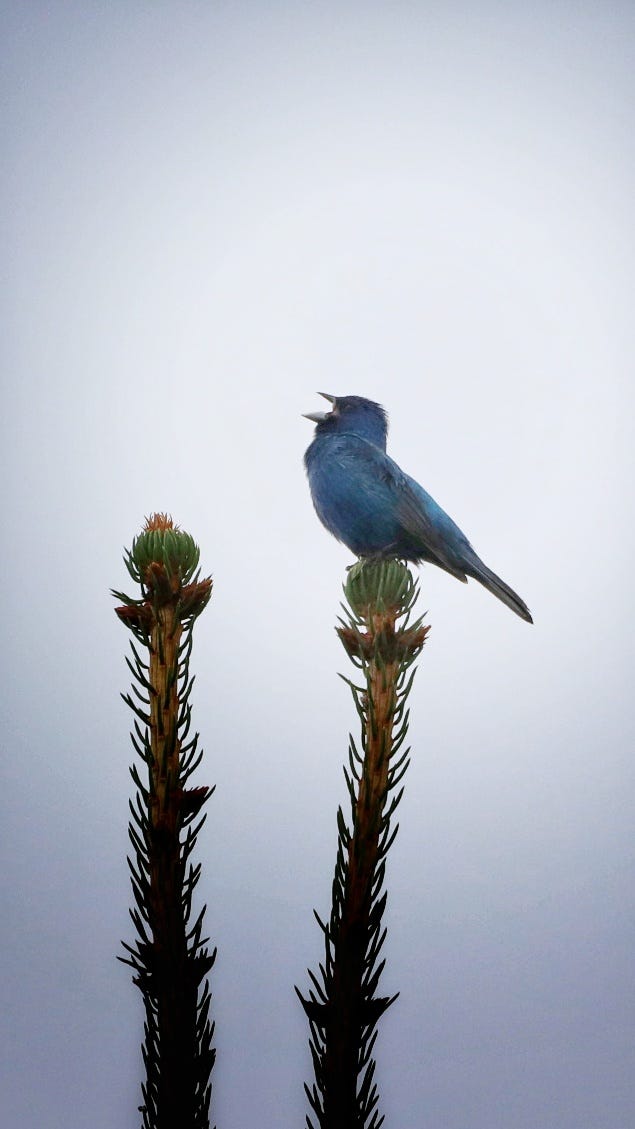
The American goldfinches, the mourning dove, and the blue jays are right where they are supposed to be. The indigo bunting will sing just a week or two more, and the American crow is way off in the distance, cawing about something important. A whole family of tufted titmice is having a heated discussion, and a single “yank-yank” of a white-breasted nuthatch can be heard as he probably climbs the sweet gum tree just off our patio. And just like that, I am close to home.
Home sounds fine. The insects are humming right on cue, birds are being birds. But being away from the garden is still incredibly hard. When you garden for wildlife, and plant for pollinators, there is no early warning signal that tells you this is coming. While I was away, in Richmond, Virginia, I found it fascinating that the cicadas I heard sounded completely different. Trips away from home, definitely allow you new experiences. And, amazingly, North America is home to 3,000 different species of cicadas!
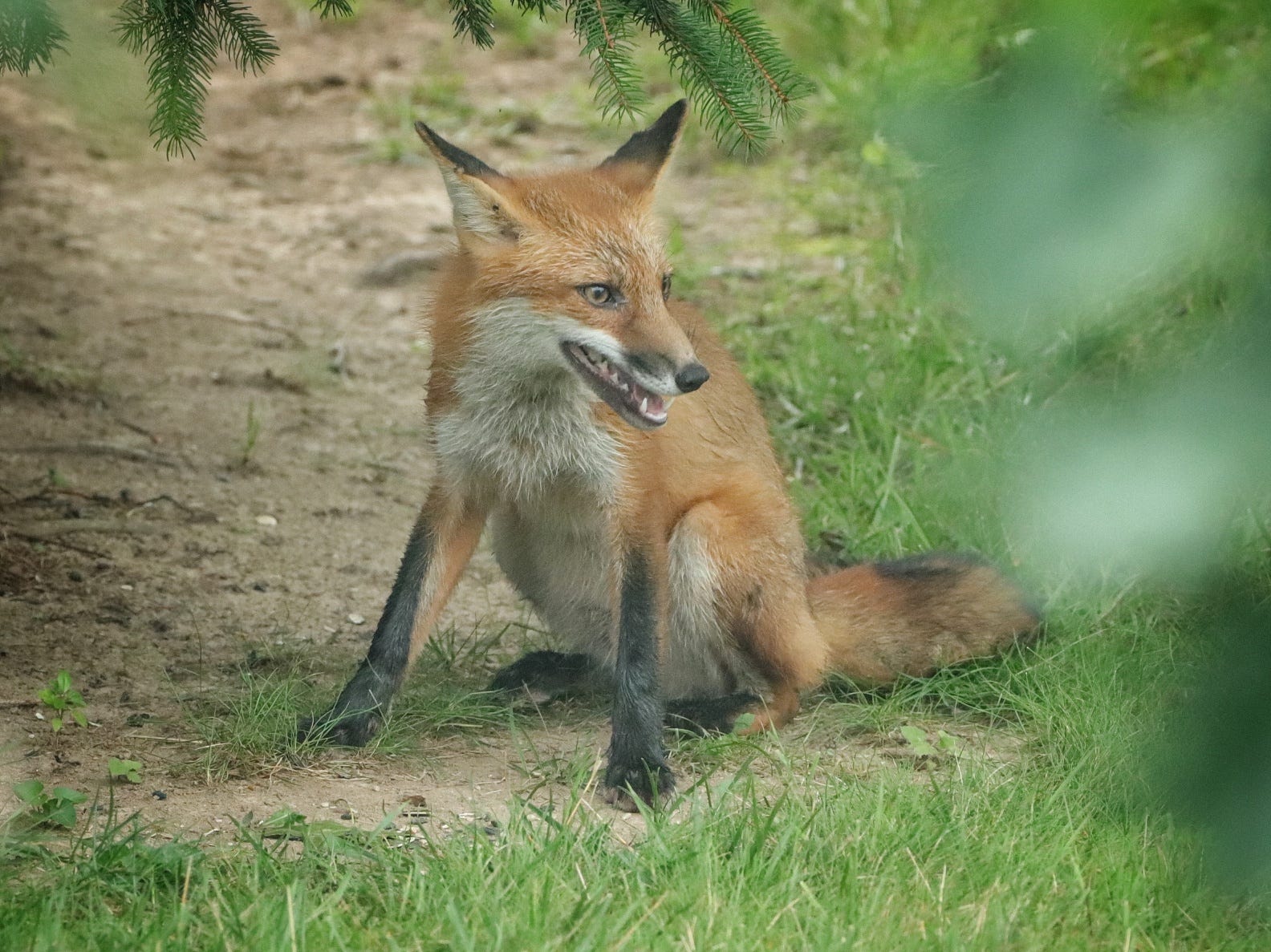
Sure, I miss my plants a little bit. But what I really miss is the daily theater and the absolute drama of it all. While away, I found myself wondering: What new birds are moving through the canopy today? What are the butterflies and caterpillars up to on the host plants right now? How much bigger have the foxes gotten since I left?
And the more my mind thinks about my yard, I start to feel a pang of guilt. I am a little worried about my regulars. I have one specific Northern cardinal who will actually lock eyes with me through the window the exact second the bird feeder runs out of seed. He is as persistent as an itch. Who is he glaring at while I’m away? I wonder.
When you start gardening for wildlife, this is the side effect nobody warns you about: You don’t just plant some native seeds, toss a few shrubs in the ground, and walk away. You sort of become completely hooked on the daily lives of your wild neighbors.
No one taps you on the shoulder in March and says: those plants come with a lot of extras. You never know what will show up in a native plant garden, and that is what makes the journey so thrilling.
Once you start noticing the tiny lives in your leaf litter, the insects on the flowers, and the birds going about their dailies, leaving your backyard behind becomes the ultimate test of willpower. As I’m realizing from hundreds of miles away, the gardening part is the easy part. The true challenge—and the ultimate reward—lies in the observation part.
It’s the seasonal changes. It’s an awareness of things taking place in the natural world that we might otherwise have forgotten to notice. And it is something that is really hard to explain, unless you have left your wildlife garden behind. Whether it's for 2 days or 2 weeks. Geez, in 2 hours it can even feel like I missed a whole semester of change.
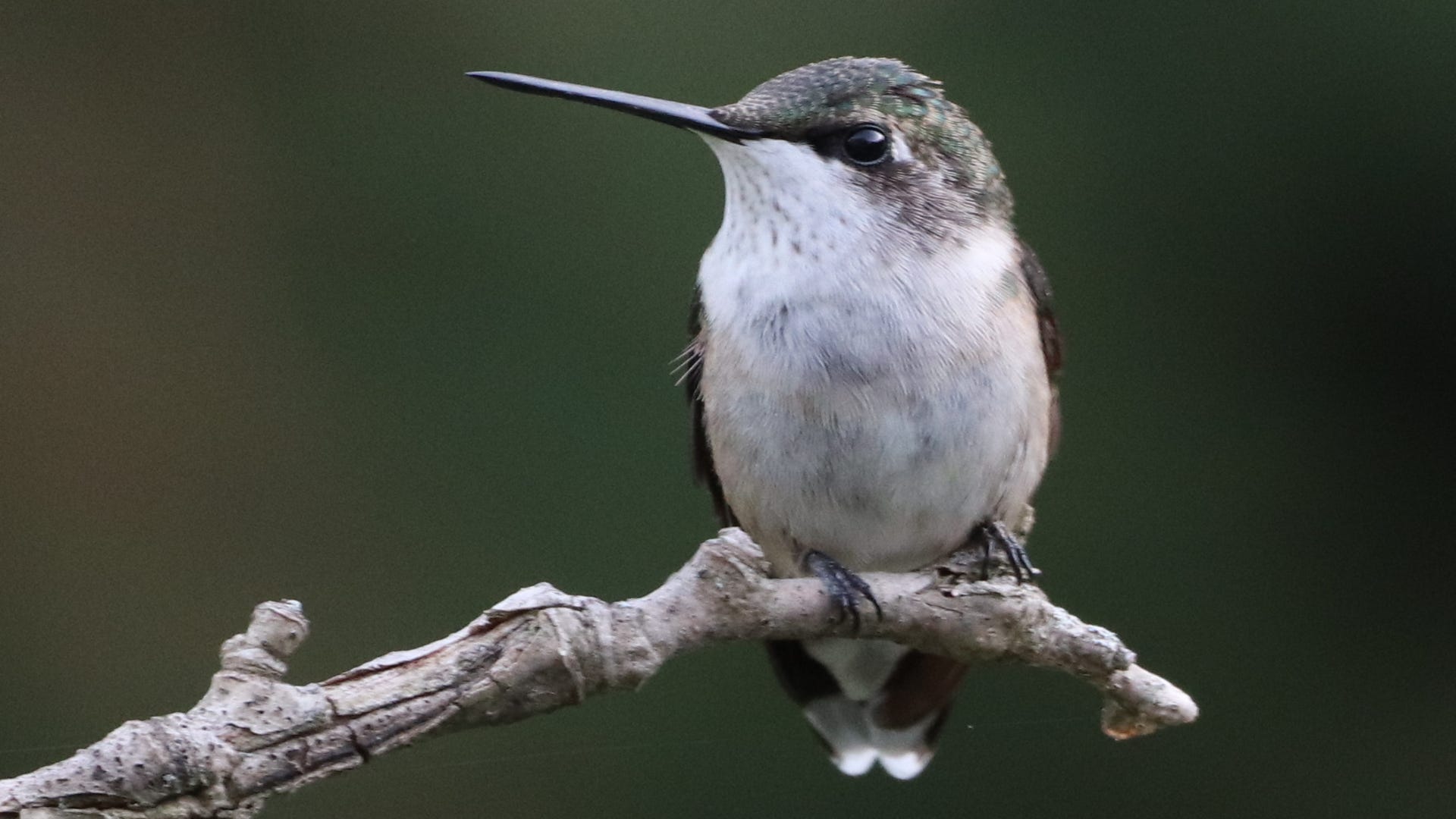
Coming home, the tall summer flowers are right where I left them. The teenage fox is looking a little bigger, and the ruby-throated hummingbirds are just as adorable as ever. And the indigo bunting was still singing “fire, fire, where? where? here, here, see it, see it!”
*(The Terra device picks up birdsong and detects wildlife radio tags in real time. What I love about it, is that I can see which species are present in my yard directly on an app.) Streaming it, I can close my eyes and feel I am right at home.
.
Comments
Nothing yet. Say the first thing.
Sign in to join the conversation.