
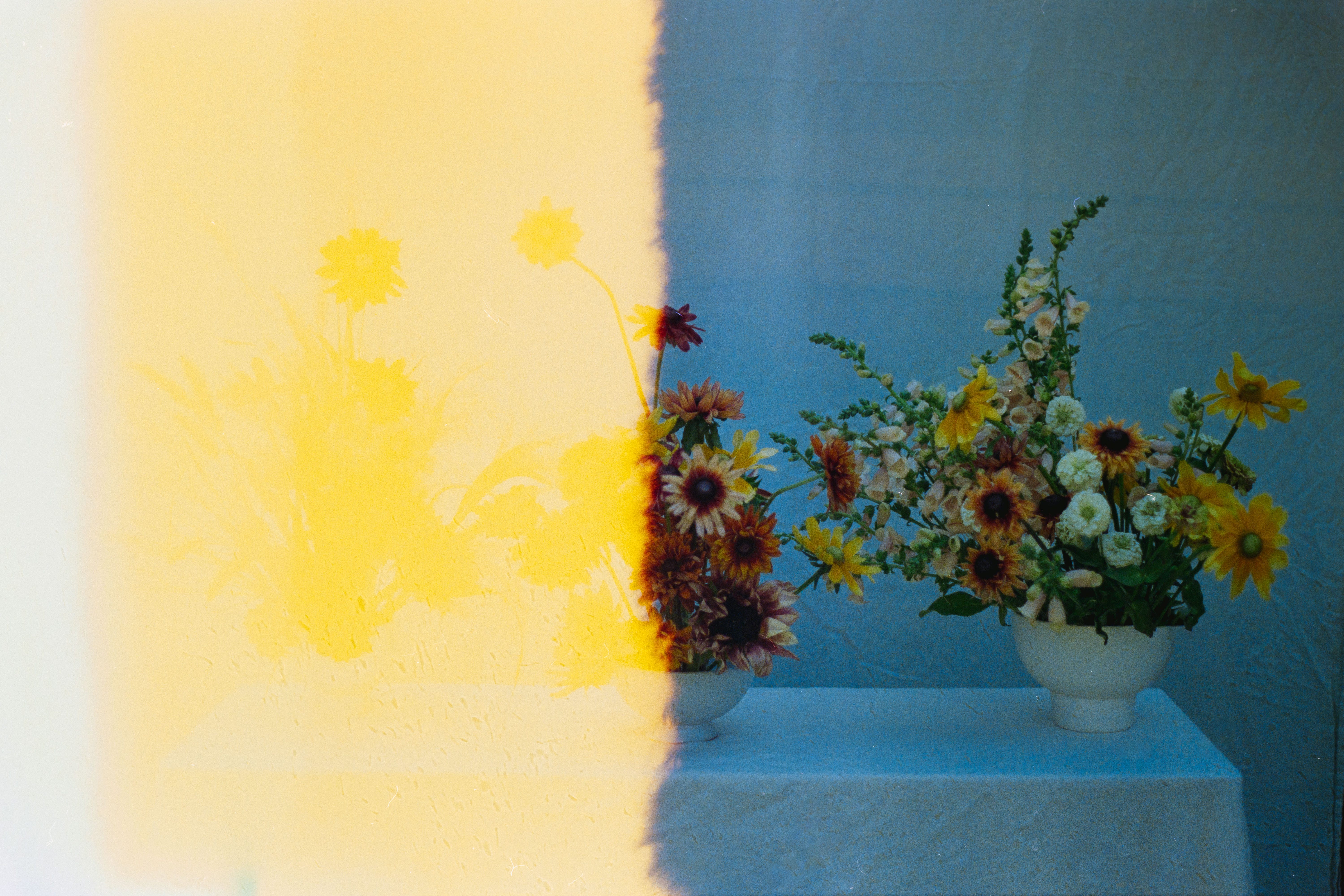
When I tell people I left my job at Google to start a floral design studio, the first question I often hear is: “Why flowers?”.
This question always makes me smile. There’s a subtle suggestion in it — as if I might have just spun a wheel and landed on flowers instead of painting, pottery, or any other artistic medium. As if one morning I simply sprung up from bed and declared, “Flowers!”.
And I always find the question surprising because, to me, flowers need no explanation. The moment I begin to try to explain, I feel my pulse quicken, words tumble out, excitement grow. In speaking the why, I fall in love with flowers all over again. And maybe that’s what it feels like to find your life’s calling: an exhilarating clarity with complete conviction that the mere asking of “why?” feels borderline absurd.
In truth, knowing the why behind everything we do does matter. That’s what it means to live an intentional life. The why motivates us — propelling us forward with momentum and passion and direction. It injects us with courage. It beckons us to be bold. And most importantly, it encourages us to act.
So, here’s my long-winded way of explaining why flowers.
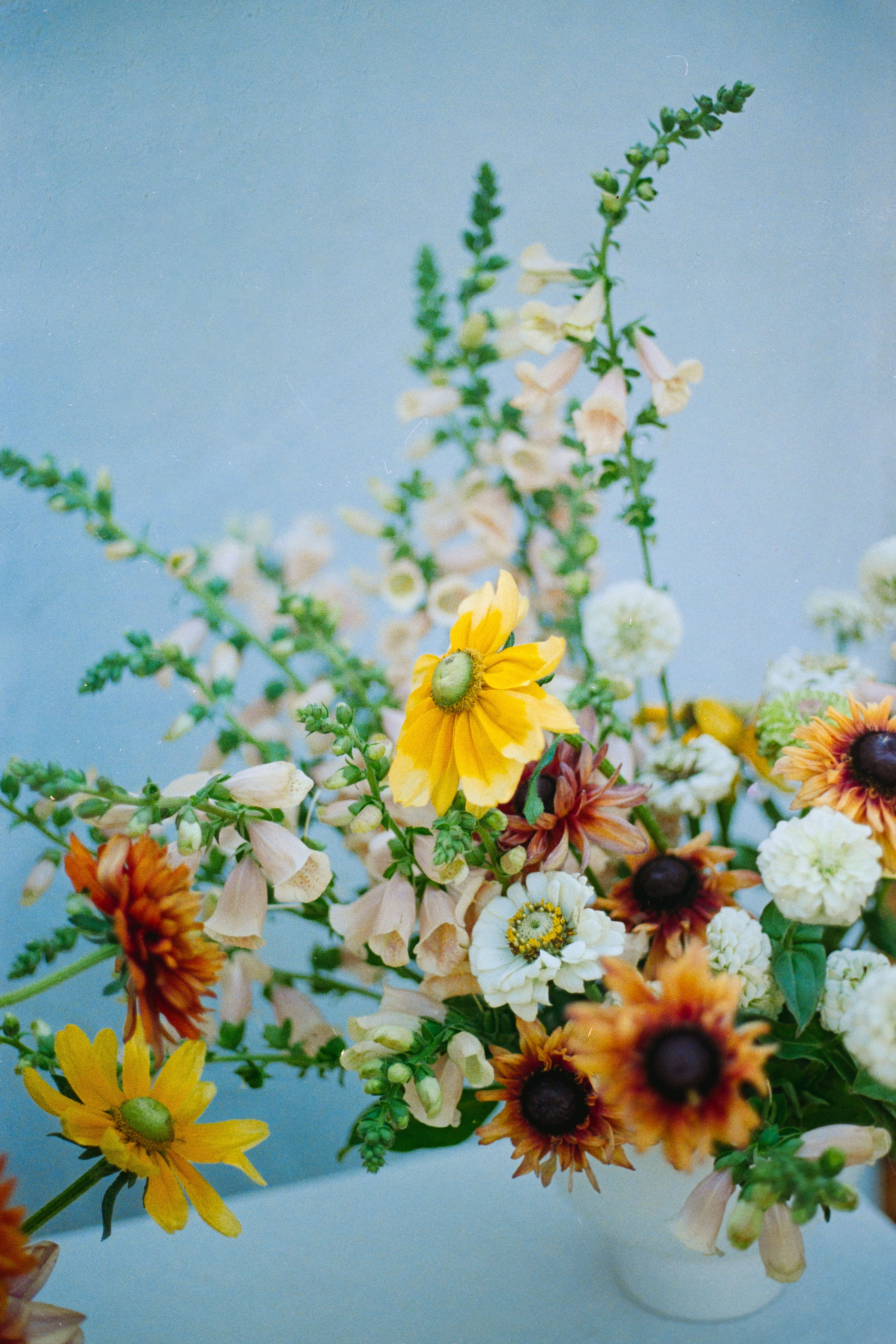
The word inspire comes from the Latin inspirare, in meaning “into” and spirare meaning “to breathe.” At its root, it means “to breathe into,” sharing lineage with words like spirit and respiration. In the ancient world, inspiration was understood as something quite literal: a breath, often divine, entering the body and animating the soul. Over time the meaning expanded, carrying with it both the physical act of inhalation and the metaphorical sense of being filled with creative vision.
Flowers embody this sensation. They invite us to inhale. We breathe them in — their fragrance, their presence, their essence — and in doing so, we are renewed. They remind us that inspiration is a visceral, felt exchange: a breath that carries beauty inward, awakening something within us.
Ralph Waldo Emerson once remarked, “The earth laughs in flowers,” and I believe it to be true. Flowers epitomize the beauty of the earth, natural and effortless, radiant and shameless. They embody what we seek to cultivate in ourselves.
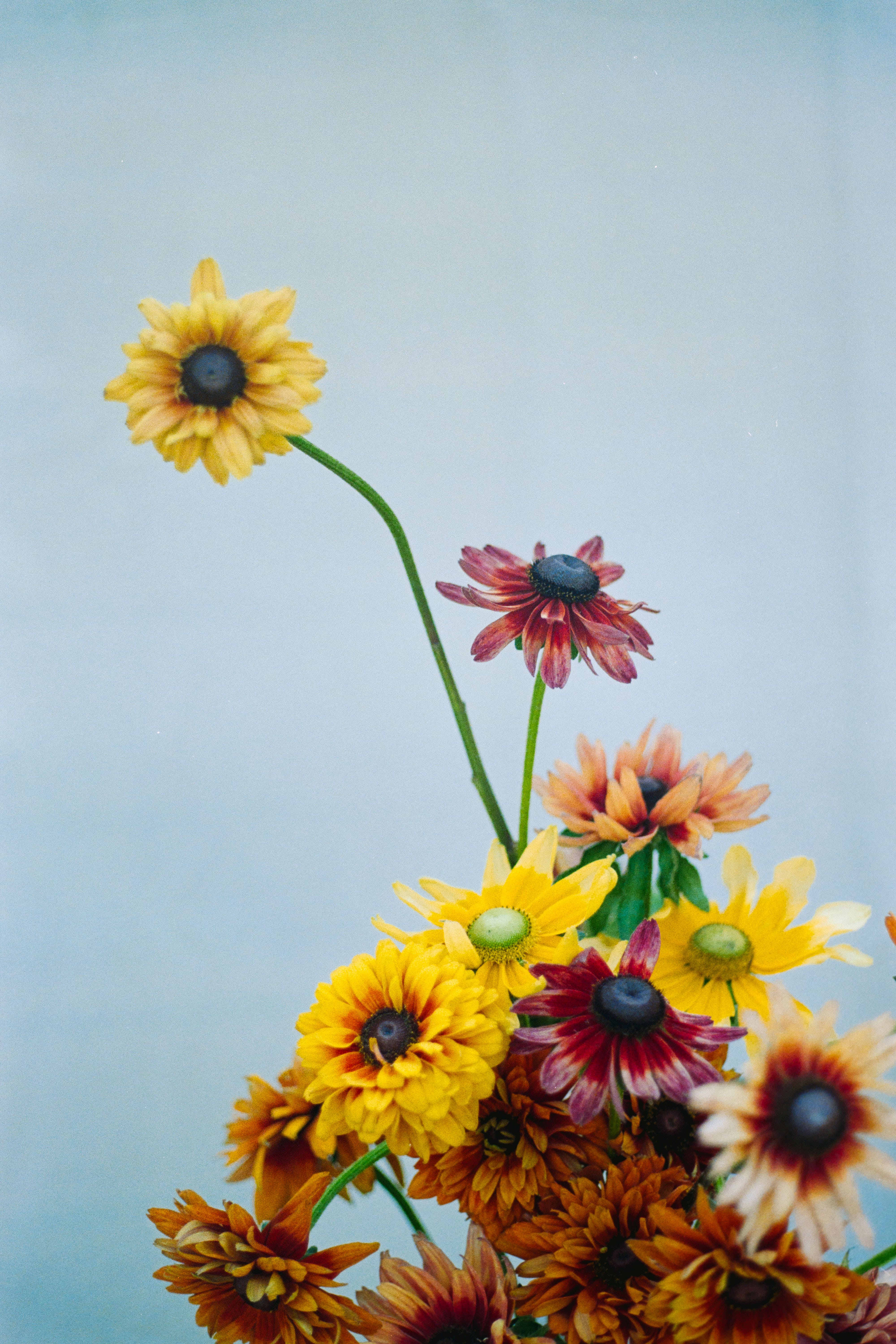
Awe is that sense of wonder and humility that overcomes us with disbelief; a glimpse into the sublime. In flowers, awe arrives with subtlety: the gradual unfolding of petal, the scent that lingers in the air, the reminder that life itself is both fleeting and infinite in its expression.
They leave an impression. They intoxicate. Every stem unique and significant and imperfect in its perfection.
Being in their presence infuses our world with delight and joy. That is why we adorn our spaces with them for celebrations of all kinds. They enhance. They enchant.
As I walk around my house I sometimes spend long moments just admiring a simple arrangement. The stems seduce me. As I write this, fennel that I foraged off the side of the highway frames my windowsill. The tallest stem naturally arcs in a way that reminds of me of port de bra in ballet — arms perfectly shaped, elbows up, shoulders down, sturdy yet delicate; elegant. Its begun to shed yellow speckles onto the table that reminds me of Tinkerbell pixie dust. Remnants of magic. I stop and I stare. I gawk in awe.
Flowers each tell a story, of where they’ve been and who they are. They beckon us to pay attention. They help us to see more clearly — to savor the small moments and beautiful details that color our lives.
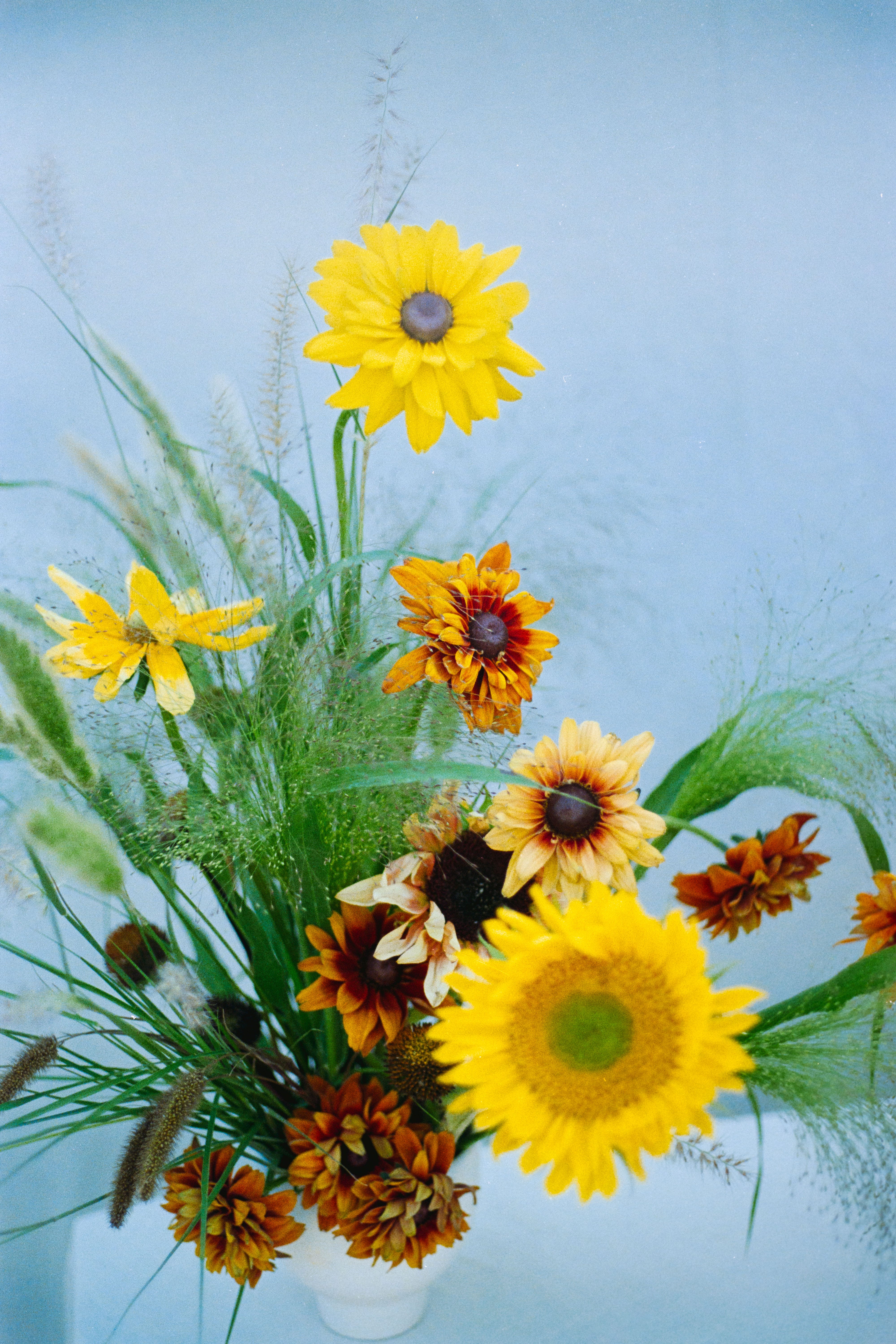
I first encountered the idea of vitality while studying clinical herbalism. What I love about herbalism is the way it bridges science and spirit — honoring a plant’s subtler qualities (sensation, energy, emotion) with the same esteem given to its chemical constituents.
Vitality is the living energy within plants, the force that animates every being. It’s the spark that keeps us alive. In herbal traditions, vitality refers to the balance and vigor of the body. In flower essences and plant medicine, that vitality is distilled into energy (sometimes referred to as qi or prana) to support our emotional balance, resilience, and well-being.
When we bring flowers into our lives, we absorb their vital energy into ourselves. In that way, flowers are medicine. Studies show that receiving a bouquet can spark genuine smiles, greater enthusiasm, and reduced anxiety within days. Simply having flowers or plants nearby lowers stress, soothes blood pressure, and activates our pleasure chemistry through dopamine, oxytocin, and serotonin. Even brief encounters with greenery heighten our sense of aliveness, clarity, and purpose.
In other words, flowers inspire vitality — inviting us to breathe in their life force, nourishing our bodies and emotions, and reconnecting us to nature’s grounded, generative rhythm. Deep exhale.
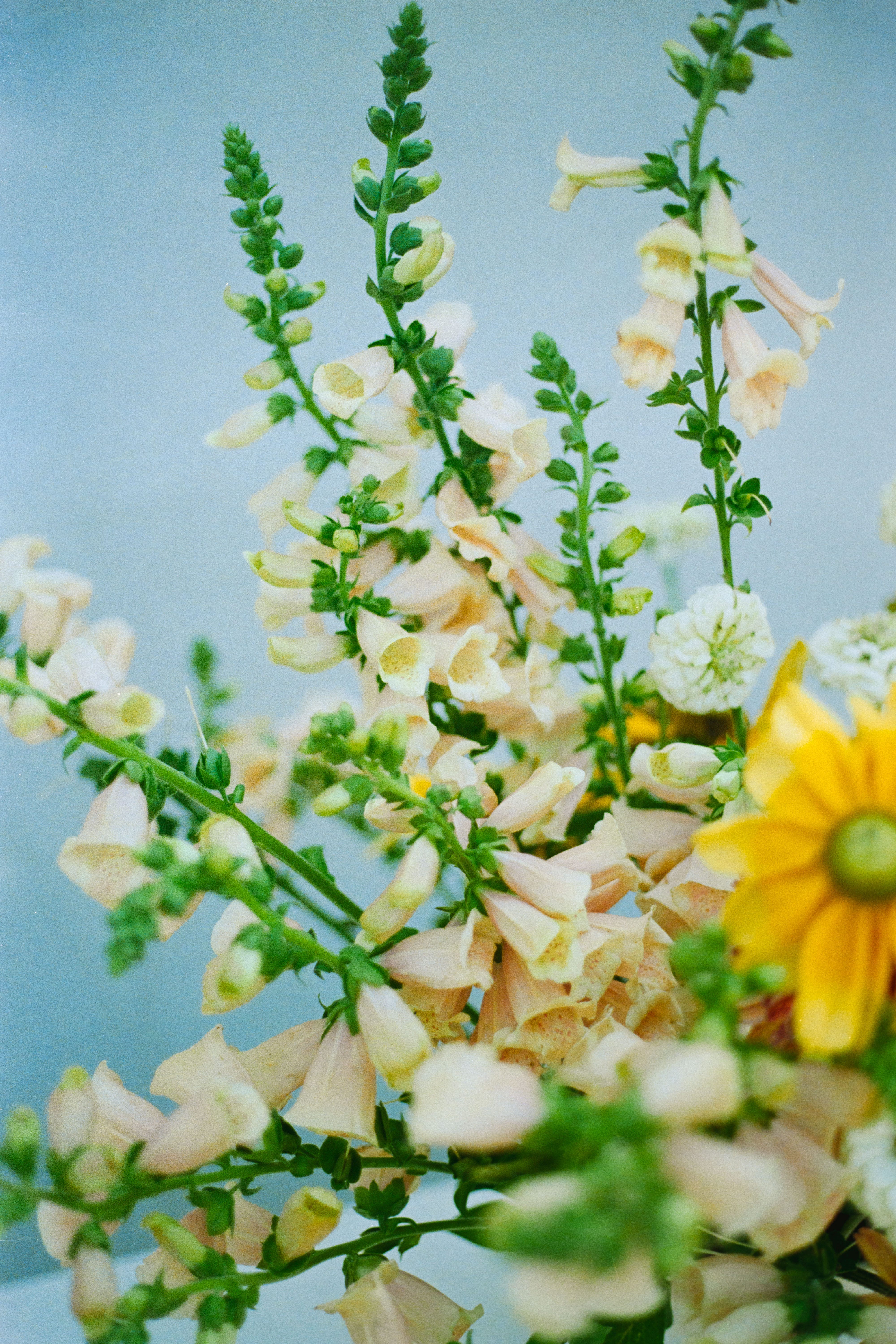
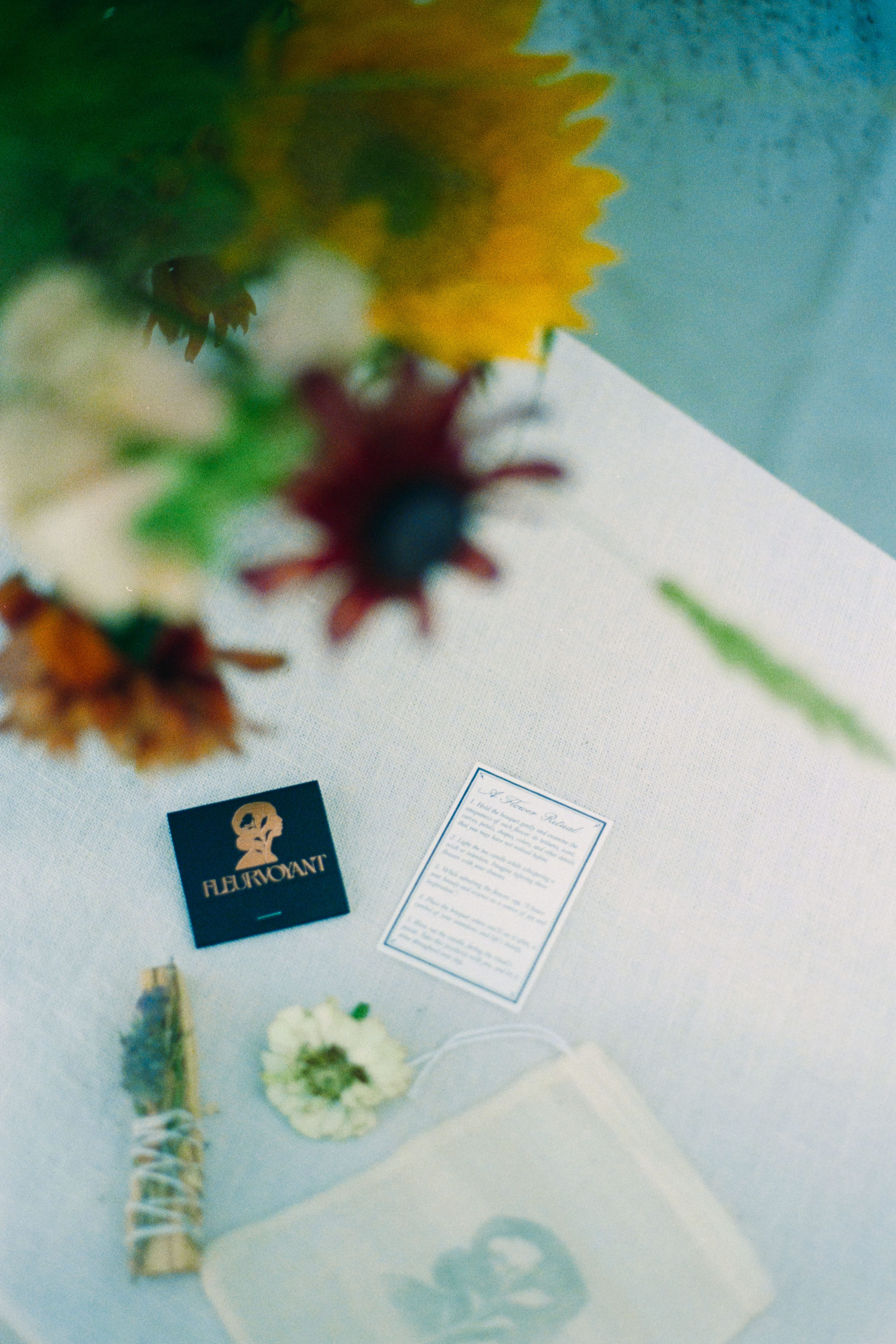
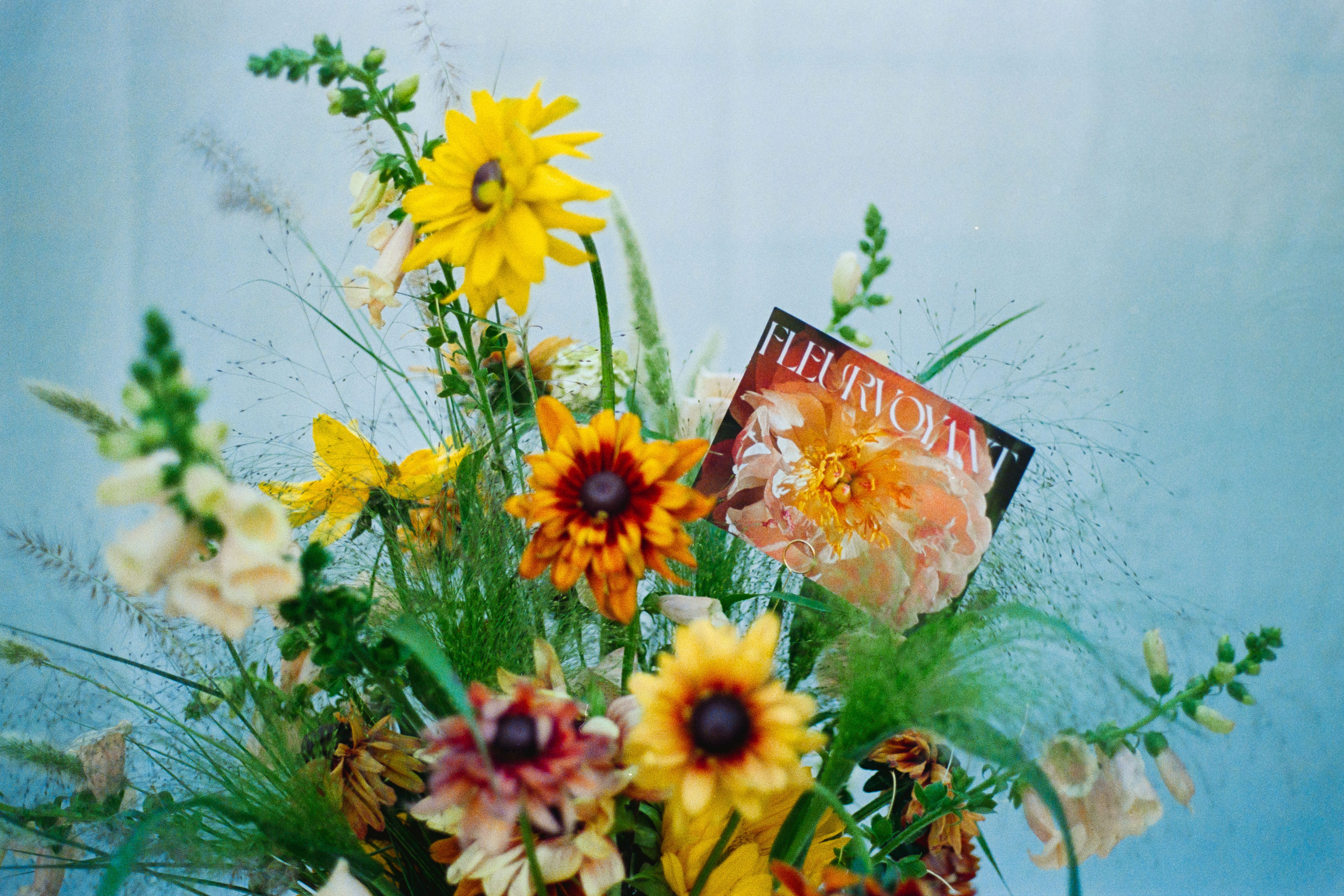
The shift is palpable. My mood lifts and my energy expands whenever I’m with flowers. They speak in ways both delicate and profound, a language that bypasses words. This is why I named my floral studio Fleurvoyant — a play on clairvoyant — because flowers carry an intuitive knowing, a wisdom we simply feel.
The symbolism of flowers runs deep. In Victorian England, the “language of flowers” became a secret code for emotions that could not be spoken aloud. Even now, they often say what words cannot. Flowers are a universal symbol of love, woven into every culture.
They accompany us through life’s most important moments — weddings, birthdays, funerals, anniversaries. We give them to say I’m sorry, Congratulations, or, my favorite: Just because. They are the embodiment of sentiment, a language we all instinctively understand.
And they connect us not only to one another, but to something larger: an unbroken conversation across generations. Our passion for flowers is innately human. From Ottoman silks to Chinese scrolls to Italian mosaics, flowers have been markers of beauty and love throughout history — binding us across time and place through ritual and meaning.
Growing up as a ballerina, I spent my childhood in the studio rehearsing each weekend, practicing choreography, preparing for the stage. In high school, I began choreographing my own pieces: translating music into movement, dancers into formations, and the body’s endless contortions into discrete steps.
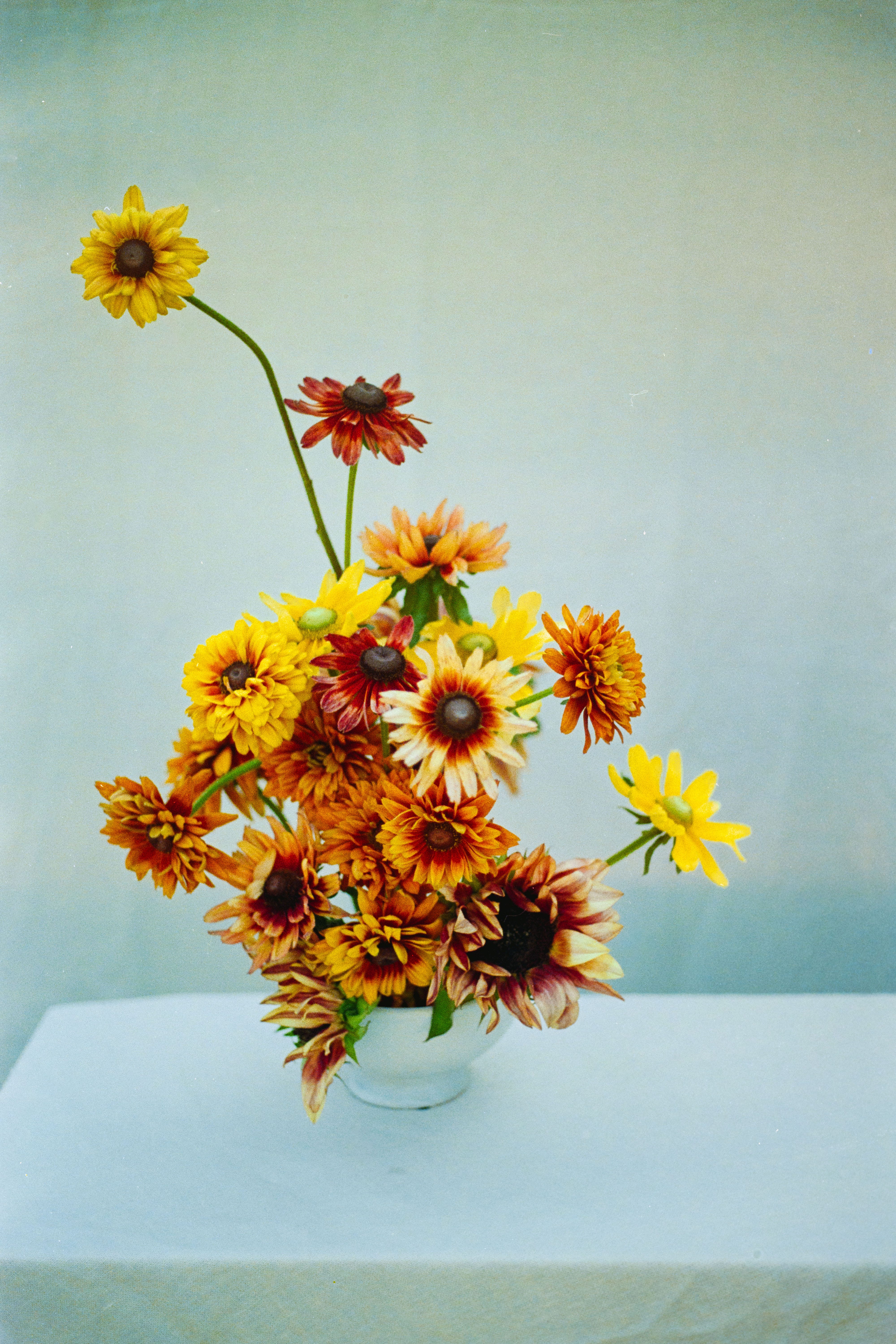
That same spirit of choreography infuses how I approach floral design. To me, arranging flowers is like composing a dance: movements, textures, and idiosyncrasies come together in a multi-sensory performance.
Flowers are never static; they shift, open, and evolve — creating an experience that is always in motion. Arabesques of branches, waltzing grasses, sweet peas that pirouette… each arrangement feels like a living choreography unfolding in time.
Designing with flowers also means embracing the balance between planning and spontaneity. I may begin with a vision, but the final piece is never exactly what I expected. Like dance, floral work invites iteration, improvisation, and intention. No two arrangements, even from the same recipe, are ever identical. This is what inspires me: the endless creativity of flowers themselves, offering infinite palettes and possibilities.
Rosemary Gladstar, often referred to as the “godmother of modern herbalism”, once said: “Talking to plants is one way of talking directly to Spirit.” I believe this with my whole being. Flowers open a doorway into the divine. They remind me that I am part of a universal oneness, a pulsing rhythm of non-duality, where sun, moon, and ocean swirl in endless circulation.
There was a year stretch in preschool when I dressed in my Disney’s Pocahontas costume every day. The song Colors of the Wind became my earliest faith: an ethos of reverence for the earth that I carry with me still today. My father, a devoted deer hunter and wilderness guide in his own right, deepened this early spirituality by teaching me how to move through the woods so as to blend in with the surrounding flora and fauna: to sense the shifts in the wind, notice the stirrings in the brush, and attune my steps to the quiet pulse of the natural world. It was a teaching of reintegration; of acknowledging that we are not separate from nature, but one with it.
Flowers are guides in this remembering. Fleeting yet eternal, tender yet powerful, earthly yet divine — they embody beauty in balance. They speak without words, reminding us that we are not apart from them, but of them. After all, we too are flowers, dancing to the same rhythms of growth, blossoming and return.
That is why.
Comments
Nothing yet. Say the first thing.
Sign in to join the conversation.