
The Power of Positive Thinking is one of those books everyone thinks they’ve already read.
They haven’t. They’ve read the cultural leftover — the watered-down “just think happy thoughts!” version that got quoted in a thousand LinkedIn posts and stripped of everything that made the original book actually work.
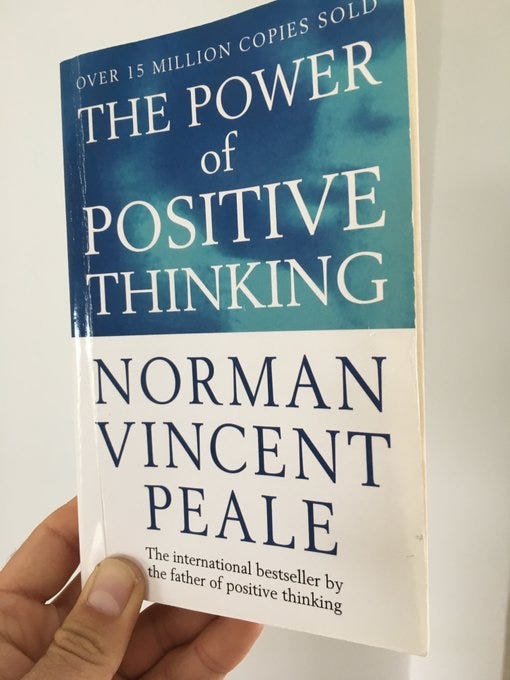
Norman Vincent Peale published it in 1952. It sat on the New York Times bestseller list for 186 consecutive weeks — a record that stood for decades. It quietly shaped every self-help book that came after it, including the ones you probably did read. Tony Robbins references it. Oprah references it. Every “mindset” coach on the internet is running some diluted version of the framework Peale laid out 70 years ago.
The problem is that the meme-ified version of the book (“just be positive!”) is almost useless. The actual book is a 13-part system — a set of daily mental habits that, taken together, quietly rewire how you experience your own life.
I spent the last month rereading it, cutting through the dated language, and pulling out what actually still works in 2026. Here are the 13 lessons that survive the test of time.
Peale is direct about this: without a humble but reasonable confidence in your own power, you cannot be happy or successful. Not “you’ll struggle.” Cannot.
This isn’t arrogance. It’s the opposite of arrogance. It’s the quiet, sober conviction that you are capable of handling what your life throws at you — that when hard things come, some part of you will figure it out.
Most people don’t have this. They’ve been told, quietly and repeatedly, that they’re not enough. Not smart enough. Not disciplined enough. Not worthy enough. They walk through life waiting for someone else to give them permission to try.
Peale’s whole system starts here because nothing else works without it. Faith in yourself isn’t a feeling. It’s a practice. You build it by keeping small promises to yourself over and over until the identity locks in.
Every other lesson in this book depends on this one.
Comments
Nothing yet. Say the first thing.
Sign in to join the conversation.