
Fans of a certain show will recognise the quote I used as the title of this newsletter. This week it was Twin Peaks Day, the annual observance of the day Agent Cooper arrives in the rural town where nothing is quite what it seems.
Revisiting Twin Peaks always reminds me of the power of whimsy in serious contexts. Most tech projects can benefit from a little silliness from time to time, a value I try to instil in every team I work with.
Earlier this month I passed this audiology clinic - a pretty serious business - which had chosen to adopt a whimsical window display. I almost stopped and asked to have my ears syringed just because I loved it so much!
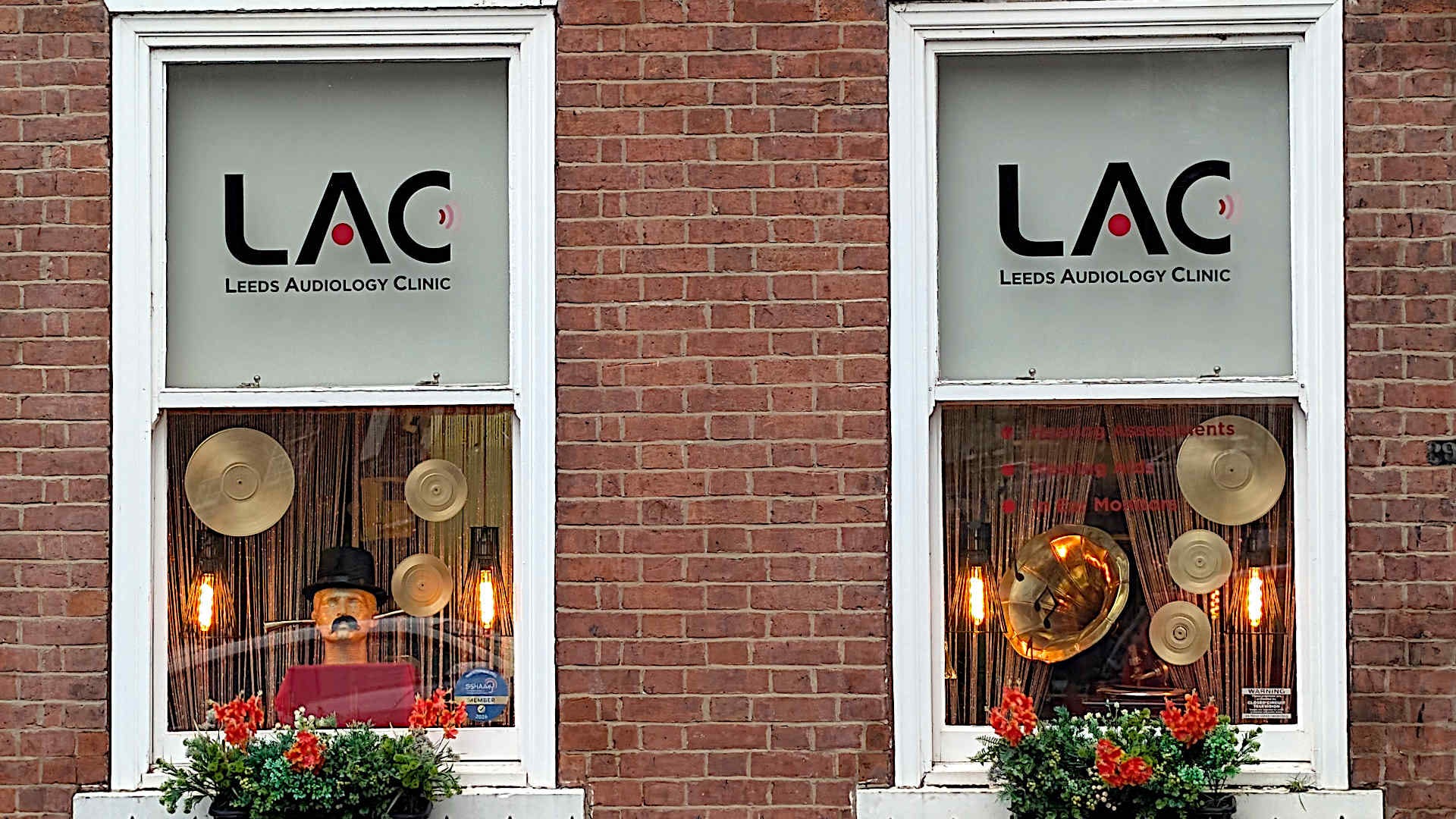
Anyway, if you’re looking for a consultant later this year who can bring joy to your team as well as efficiency, let’s talk!
I’ve got two very different posts for you this month.
In this post, the first in my series of "Engineering demystified”, I break down the difference between different kinds of cloud application hosting and why you - as someone building a tech product - might choose one over another. I even try to explain what Kubernetes is. (Wish me luck!)
This series is meant to help the non-engineering people in tech teams to understand tech concepts you may hear about at work but don’t know how to find out more. What other topics would you like to see in this series? Let me know!
Here’s a little poster for you to print out and put on your wall for if you ever feel down about being stuck or overwhelmed at work.
This blog post is hopefully a useful refresher to remind yourself what asking for help looks like from the perspective of your colleagues and managers. Spoiler: it’s a good thing!
I can’t let LGBTQ+ History Month go past without a story from my own history.
Many of you will know I’m a huge fan of open source and community-driven software engineering, especially the Ruby community. But before Ruby there was Perl. Perl was how I got my tech break, and indeed I was working with Perl for the first 10 years of my professional career.
Perl was always a community-first culture, centred around the CPAN network of open source modules. I remember looking up to one engineer particularly - mostly because of her desire to be extremely visible and let everyone into how she worked - a Taiwanese CPAN engineer of about my age by the name of Audrey Tang.
A few years later, Audrey came out as trans. (She now identifies as post-gender, seeing gender as an irrelevance, and would probably cringe at being included in yet another LGBTQ+ story - sorry Audrey!) Seeing someone so respected, so famous, so “exactly where I wanted to be with my own career” just be openly trans was a huge inspiration to me at the time and today.
It would take me over a decade longer to accept this about my own identity but seeing the path that Audrey and others had cleared ahead of me helped me realise that one can be different and successful. Indeed, Audrey has gone on to be one of the world’s leading lights in digital politics.
I recently read this Guardian article about Audrey written in 2024 and her story is so incredible. I don’t pretend to be half the genius she is, but I will forever thank her for her small part in my own LGBTQ+ history.
So many people tell me to my face that they love my content and this love keeps me going! I love making it and I especially love that people say they benefit from it.
Here’s my pitch:
The algorithms only put my content in front of an audience if people interact with my posts, especially on LinkedIn.
If you enjoy my content, please consider hitting the “Like” button and maybe even leaving a comment or reposting it to your own feed. Your interaction helps boost my reach.
And thank you so much to people who already do this!
I don’t have any more of my own news so I just want to tell you about a cool app I discovered recently. This isn’t a sponsored bit, just love for cool tech ideas that make life better.
I have many many many cookbooks. I love cooking recipes from a physical book for all kinds of reasons. This app Cookshelf is a search engine for the ingredients and page numbers in your physical cookbooks, so you can make a meal plan around what you already have in your fridge, or pick a recipe to cook while you’re in the supermarket and far from your books, or see what you’ve cooked before and how highly you rated it. Now I can keep up my connection to the physical cookbooks and augment the meal planning and shopping experience with technology. My favourite kind of tech!
A pic of something I’ve cooked recently? OK, sure!

No posts
Comments
Nothing yet. Say the first thing.
Sign in to join the conversation.