
Hey all, Jason here.
By the time this hits your inbox, I’ll be on the road, hopefully somewhere west of Paris (traffic permitting!). Each year around this time, my partner and I load up the car (including both dogs) for a roadtrip to see friends at their summer house a bit south of the Loire Valley. As an American who grew up on roadtrips, I don’t mind the time and distance, though I’ll admit it’s the one time I regret that we have an electric car. C’est la vie!
Subscribe or Support by Upgrading
Partner content: MoonPay’s unified fiat-to-crypto payments platform is trusted by over 30 million people to move money between traditional payment rails and blockchains. So when MoonPay first rolled out AI enterprise-wide, it implemented browser-level controls to maintain security.
Their AI usage soon outgrew those controls.
Employees were connecting AI agents to internal systems through MCP, where they could send messages, edit documents, and change records, invisible to any browser tool. The Speakeasy AI Control Plane surfaced shadow AI and made every agentic action authenticated, auditable, and security-compliant. After just a 30-day proof of concept, Speakeasy now governs MoonPay’s 200+ internal MCP servers and has secured 60,000+ agent sessions across the company.
Read how MoonPay governs its AI
Three years ago, amidst a wave of enforcement actions targeting banks with fintech partnership programs, I warned that Lineage was exactly the kind of situation regulators should be worried about.
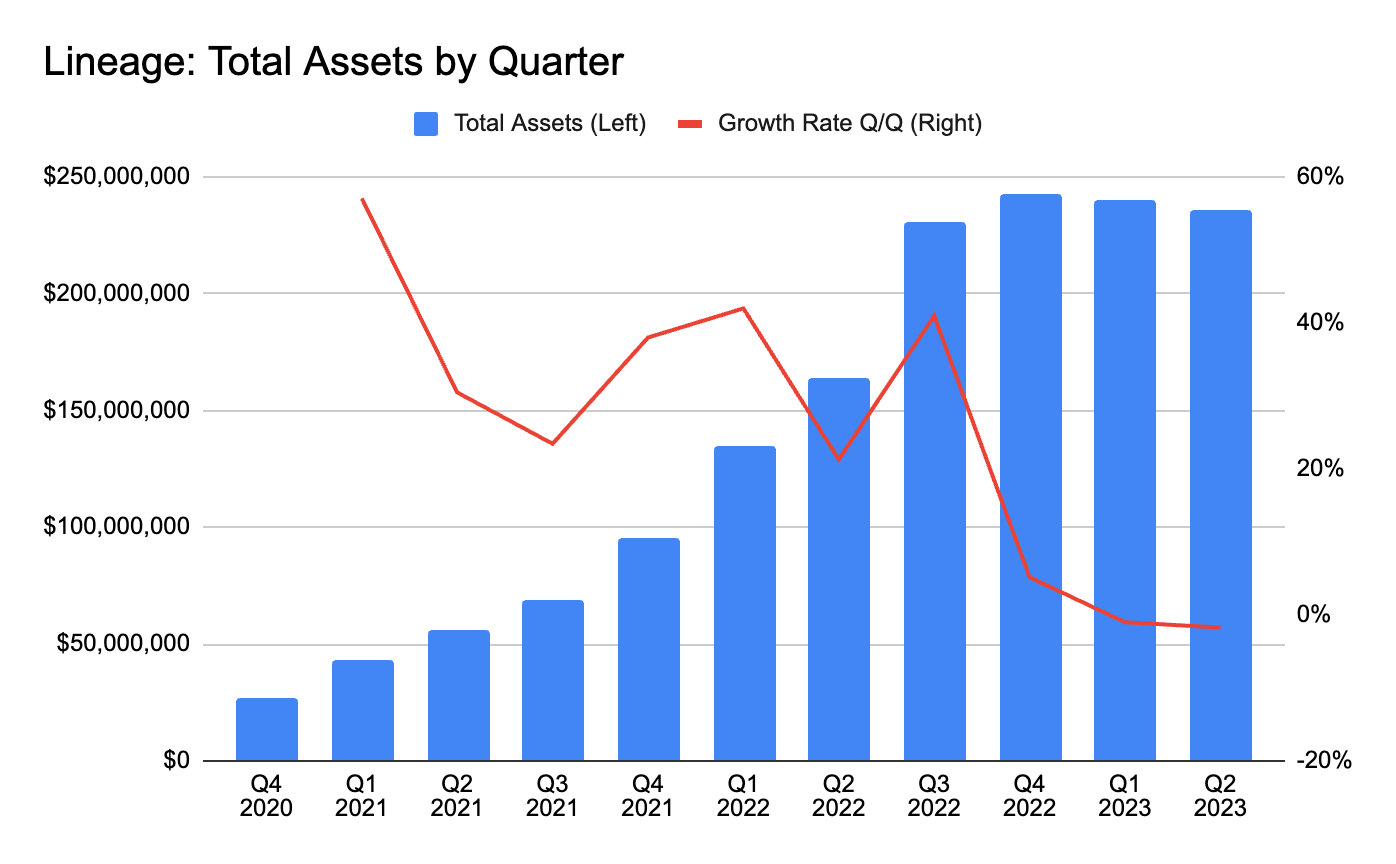
Lineage, which was once known as Citizens Bank and Trust Company, had been the smallest bank in Tennessee, with just over $27 million in assets at the end of 2020.
Following an acquisition that closed in early 2021, Lineage leaned on banking-as-a-service partnerships with Synapse and Synctera to grow incredibly rapidly, with its assets ballooning an astound 790% from to more than $242 million just two years later.
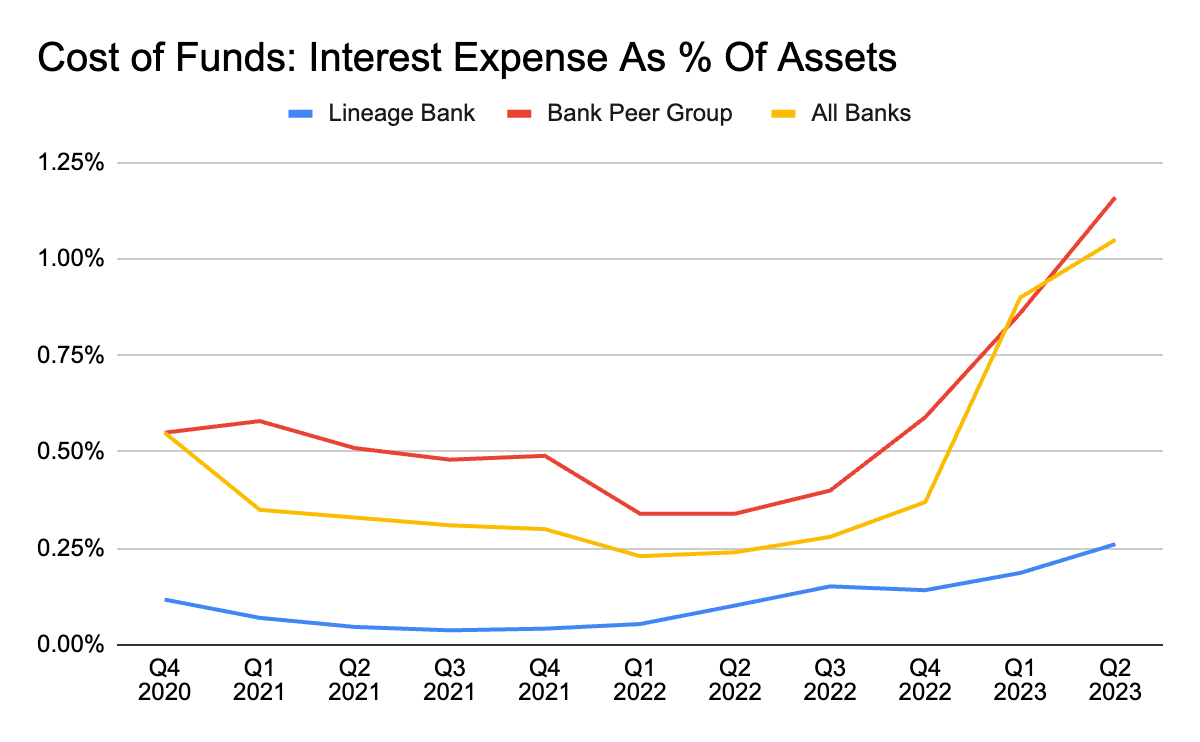
Lineage’s strategy of tapping fintech partnerships to gather deposits appeared to be a savvy one at the time, affording the bank a substantial lower cost of funds compared to market averages. In Q3’22, as Lineage’s activity with Synapse and Synctera picked up, Lineage’s cost of funds, calculated as interest expense as a share of assets, was just 0.15%. Its peer group banks reported a cost of funds of 0.40%, or 2.6 times higher.
At the time, eight months before Synapse filed for bankruptcy, I warned about that exact possibility, Synapse’s deteriorating relationship with key partner Evolve Bank & Trust, and Lineage’s dependence on deposits sourced by its middleware providers, writing in August 2023:
Evolve no longer appears on Synapse’s list of program banks, and multiple sources have indicated the relationship is winding down as Evolve seeks to de-risk in the face of ongoing regulatory scrutiny.
Synapse, which last raised funds over four years ago, in 2019, has been unable to raise additional funding or find a willing buyer, people with knowledge of the matter have said.
Losing Evolve as its key bank partner puts Synapse in a desperate position.
Against that backdrop, it’s not surprising that Synapse used its control over a significant portion of Lineage’s deposits to exert pressure on the bank to continue growing its relationship with Synapse and to approve increasing numbers of Synapse’s questionable client programs, according to people familiar with the situation.
My conclusion at the time was that “Lineage Bank, regulated by the Tennessee DFI and FDIC, with its holding company overseen by the Fed, would seem to be exactly the kind of situation regulators are seeking to avoid.”
By December 2023, a group of activist shareholders at the bank staged something of a coup, seeking to remove the entire board of the bank’s holding company, Lineage Financial Network, and its officers.
The activist shareholders alleged that, over the preceding 18 months, the financial condition of the bank had deteriorated, and that the board and officers were responsible. The activists further alleged that there was credible evidence of misstatements to the board and shareholders about the bank’s concentration risk, health, and financial condition.
The activist shareholders argued at the time that the very “survival” of Lineage depended on shareholders taking immediate action to replace the entire board and company officers.
Lineage ultimately named new leadership in February 2024, about two months before Synapse’s bankruptcy and the same month the bank was hit with an enforcement action stemming in large part from its fintech partnerships.
Lineage was forced to update previously filed call reports, primarily to correct the amount of deposits considered to be “brokered.” In previously filed versions of its reports, Lineage claimed just $1,000 in brokered deposits for Q4’22 through Q3’23.
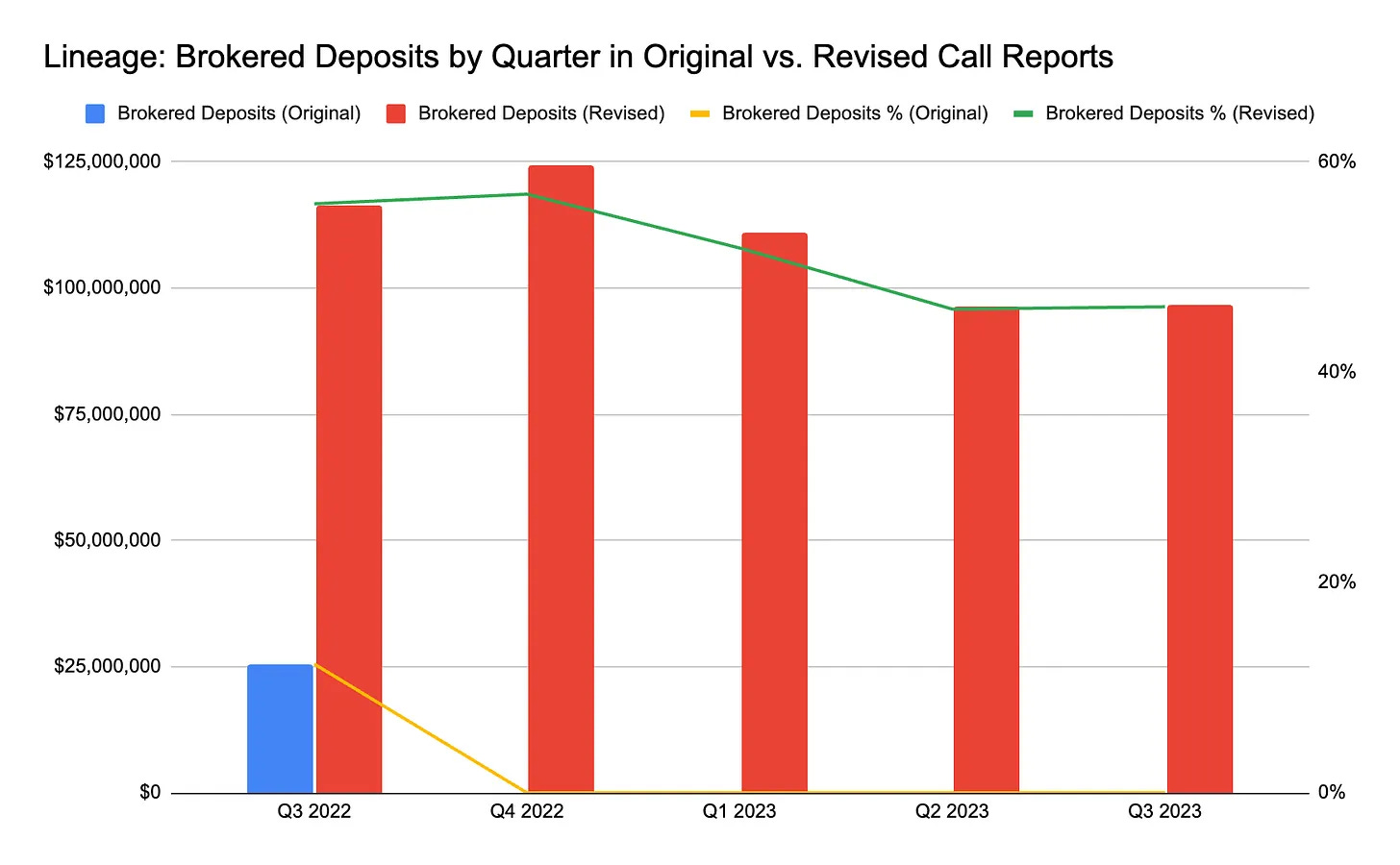
In the revised version of those reports, Lineage classified between $96 million and $124 million of its deposits for the period as brokered — reaching nearly 57% of the bank’s deposit base in Q4’22 and about half of its deposit base at the end of 2023, the most recent data available at the time of the February 2024 consent order.
The wide-ranging February 2024 consent order contained a number of provisions, including requiring the bank to:
Ensure that each member of the board has “the qualifications, experience, authority, accountability, and resources commensurate with his or her duties and responsibilities at the Bank and the complexity of Bank operations”
Develop and implement an internal audit plan to include evaluation of risk controls for high risk areas, “including, but not limited to on boarding deposits obtained through third parties, processing payments obtained through third parties, and sweeping deposits”
Develop a plan for “how the Bank will administer an effective and orderly termination with significant third-party FinTech partners”
Submit a specific plan to the FDIC for third-party fintech partners seeking to terminate or end an existing contract
Formulate a plan to manage and reduce funding concentrations, including but not limited to liquidity risks posed by fintech partnerships
Submit a written capital plan to increase Tier 1 capital, including a plan to stabilize and control balance sheet growth, provide capital resiliency, and consider counterparty and third-party risks to capital
Achieve and maintain a Tier 1 Leverage Capital ratio equal to or greater than 12.5% and a Total Risk-Based Capital ratio equal to or great than 16%
In April 2024, less than two months after that consent order was publicly announced, Lineage’s middleware partner Synapse collapsed into bankruptcy, sparking a years-long drama with questions about as much as $95 million in unaccounted for customer deposits that remains unresolved to this day.
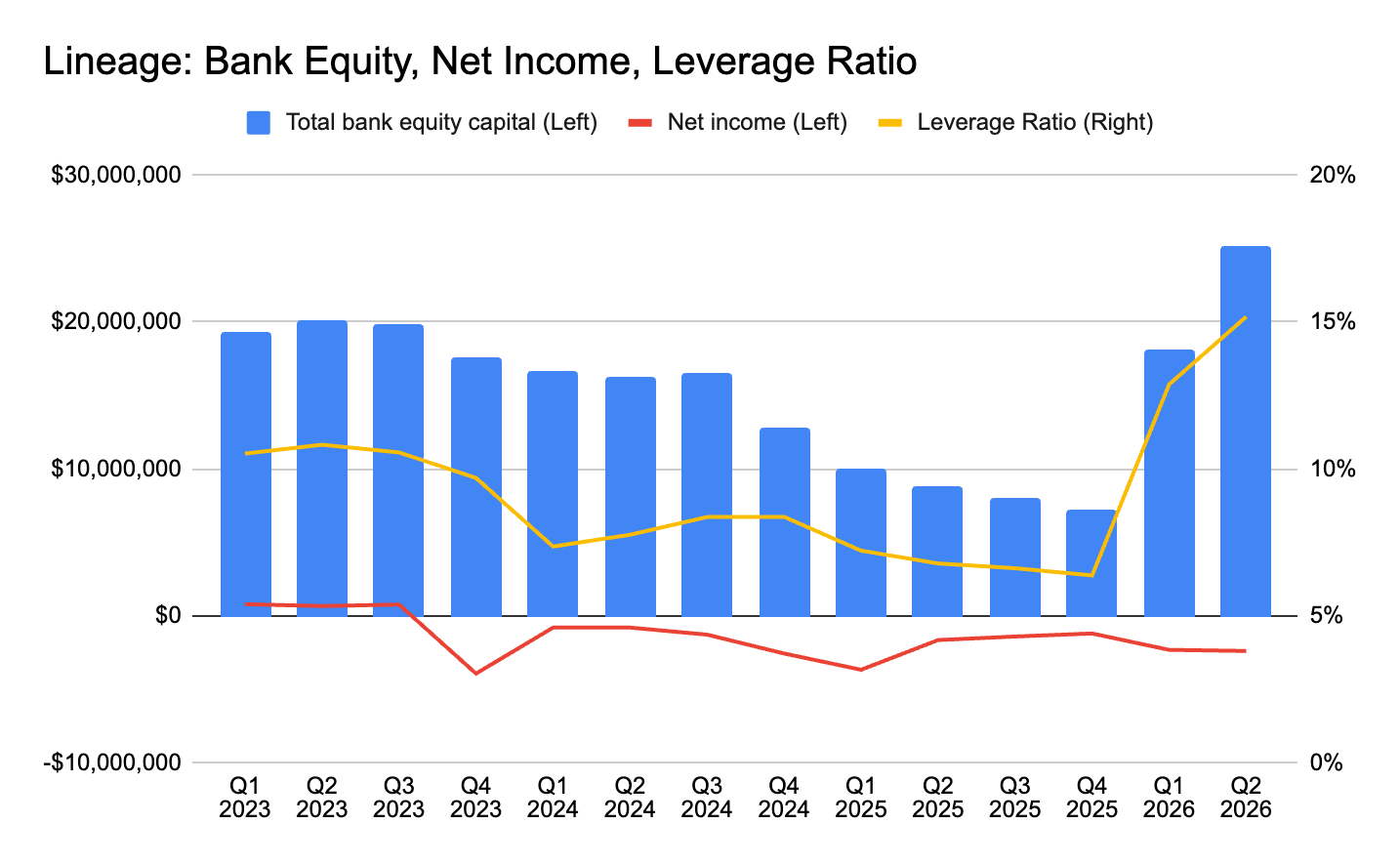
The fallout from the Synapse disaster took a serious toll on Lineage’s balance sheet and P&L, with the bank posting consistent losses, steadily eroding its total equity capital and leverage ratio, which dipped as low as 6.39% in Q4 2025 — despite its consent order requiring a leverage ratio of 12.5% or greater.
Existing shareholders were ultimately forced to sell a controlling stake in Lineage’s parent, Lineage Financial Network, in order to recapitalize the bank in late 2025.
The investment group that took a 51% stake in the bank holding company, Recap Financial Ventures, specifically pointed to the Synapse situation for contributing to Lineage’s need to recapitalize, saying in its application:
“In view of almost two and a half years of headwinds largely caused by the failure of the bank’s fintech partner, Synapse Financial Holdings, Inc. [sic], and the subsequent deterioration of capital, the principals of the Applicant bring to this venture their extensive collective experience in the leadership of financial institutions and other successful businesses in the local communities served by Target and its bank subsidiary, along with their networks of local personal relationships who are willing to support and invest in the recapitalization of a locally headquartered community bank.”
Based on Lineage’s most recent call report for Q2 2026, $21.8 million in new equity capital has been injected into the bank, bringing its leverage ratio to about 15.18% as of the end of the second quarter.
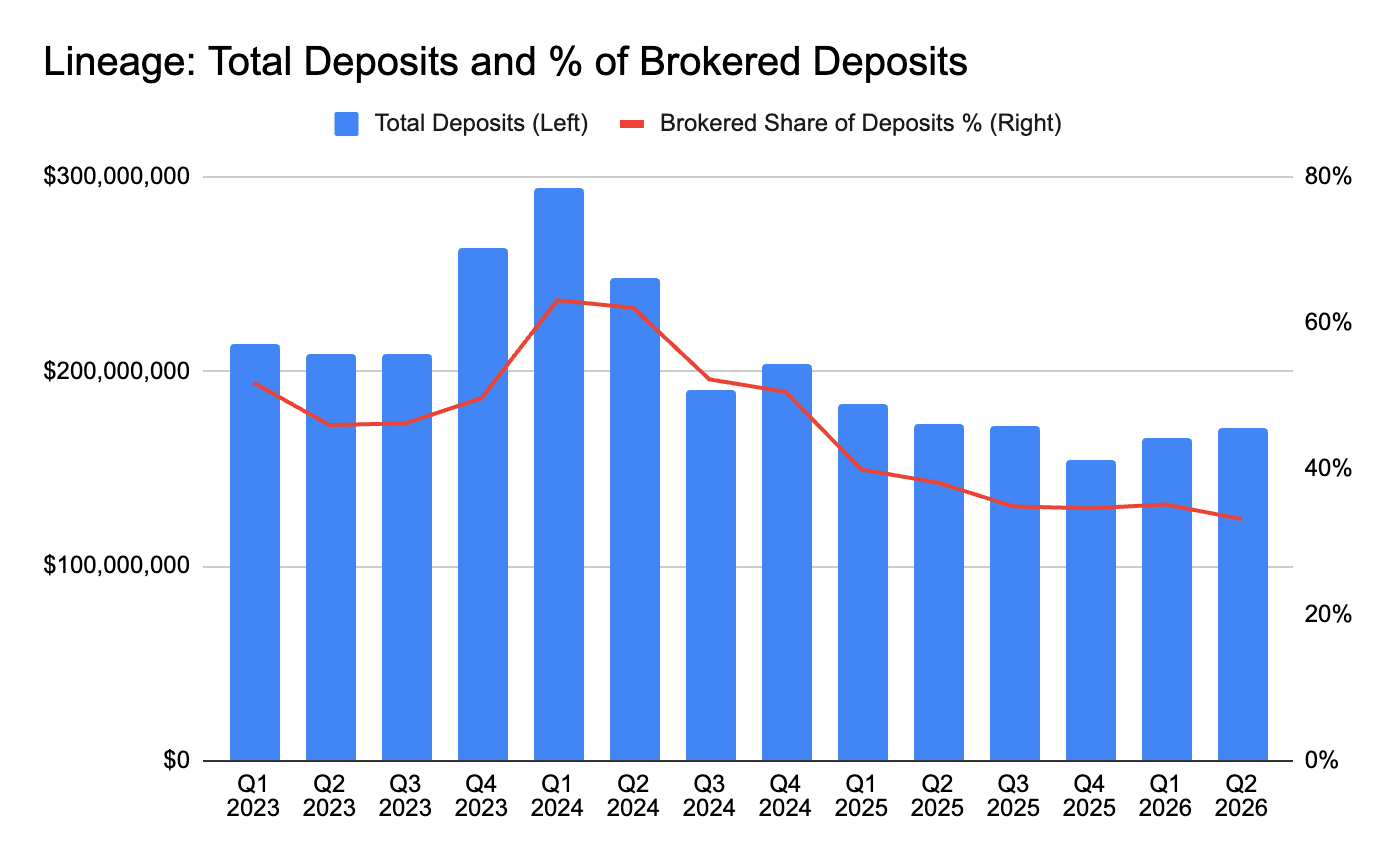
Per its most recent call report, Lineage has also made progress in reducing its dependence on brokered deposits (note the chart below uses data from amended call reports and thus may not match data for the same periods from earlier analysis/reporting.)
The new consent order, dated June 24th but released publicly on Friday, touches on many of the same topics as the 2024 order. It is not uncommon for regulators to implement revised consent orders when a bank changes ownership and management, as has been the case with Lineage.
The new consent order requires Lineage to:
Develop a comprehensive three-year business plan addressing all major lines of business, staffing needs, existing and proposed products, liquidity and funds management strategies, and financial goals for the FDIC’s review and comment
Develop a written earnings, profit, and budget plan to improve the bank’s financial performance
Develop a written plan to improve each problem loan relationship noted within the most recent Report of Examination, dated August 11, 2025
Formulate a plan to improve credit underwriting and credit administrative practices, including developing clear guidance on collateral inspections, appropriately establishing the appropriate underwriting for accounts receivable lending, appropriately handling loans with interest reserves, collateral perfection, enforcement of borrower signed provisions, and providing reports to the Board of problem credit
Ensure that the bank’s allowance for credit losses is appropriately funded
Maintain a tier 1 capital leverage ratio equal to or greater than 10 percent of its assets and maintain a total risk-based capital ratio equal to or greater than 14 percent of its total risk weighted assets — notably less stringent capital requirements than the bank’s prior 2024 consent order
Formulate a plan to manage and reduce the volume of traditional brokered deposits, including the bank’s strategy for use of reciprocal deposits and outline ceiling limits for reciprocal deposit amounts
Formulate an interest rate risk mitigation plan that assesses the economic value of equity assumptions to ensure they are appropriate given the risks to capital inherent in the balance sheet structure
Document and execute actions within the IRR mitigation plan that the board and management will take to address the current IRR exposure
Asked about the updated enforcement action, a spokesperson for Lineage Bank shared the following statement:
“Since the recapitalization of the bank in March our new leadership team has worked diligently in cooperation with regulators on this revised consent order. The revised consent order reduced capital levels from those established in the original consent order, reflecting the banks strengthened condition and the substantial progress achieved since recapitalization. This change provides greater flexibility to support continued growth while maintaining a strong capital position. The bank is rapidly working to be in compliance with the items in the revised, shorter consent order which covers matters of regular bank governance and performance.
“The bank has fully transitioned to traditional community banking lines of business and away from banking as a service entirely. As a result, we are making real progress since the recapitalization on local loan growth and local deposits.
“We appreciate the guidance from our regulators, and we look forward to satisfying all matters addressed in the revised consent order as we continue serving the needs of the Middle Tennessee community.”
Bank chartering and related fundraising activity has continued at a breakneck pace in recent weeks. While the Office of the Comptroller of the Currency’s rejection of Wise’s bid to charter a national trust bank understandably garnered significant attention, well-prepared charter applications from qualified applicants don’t appear to be facing undue delay (with the possible exception of World Liberty, which submitted its application to form World Liberty Trust Company, N.A., on January 6th, but has yet to receive a decision.)
Upstart’s application to charter Upstart Bank, N.A., was conditionally approved by the OCC, the company announced on July 23rd. The company, which describes itself as “the leading artificial intelligence (AI) lending marketplace,” says that “[t]he charter would allow Upstart to reduce operational, regulatory, and financial complexity for itself as well as for its third-party capital partners.”
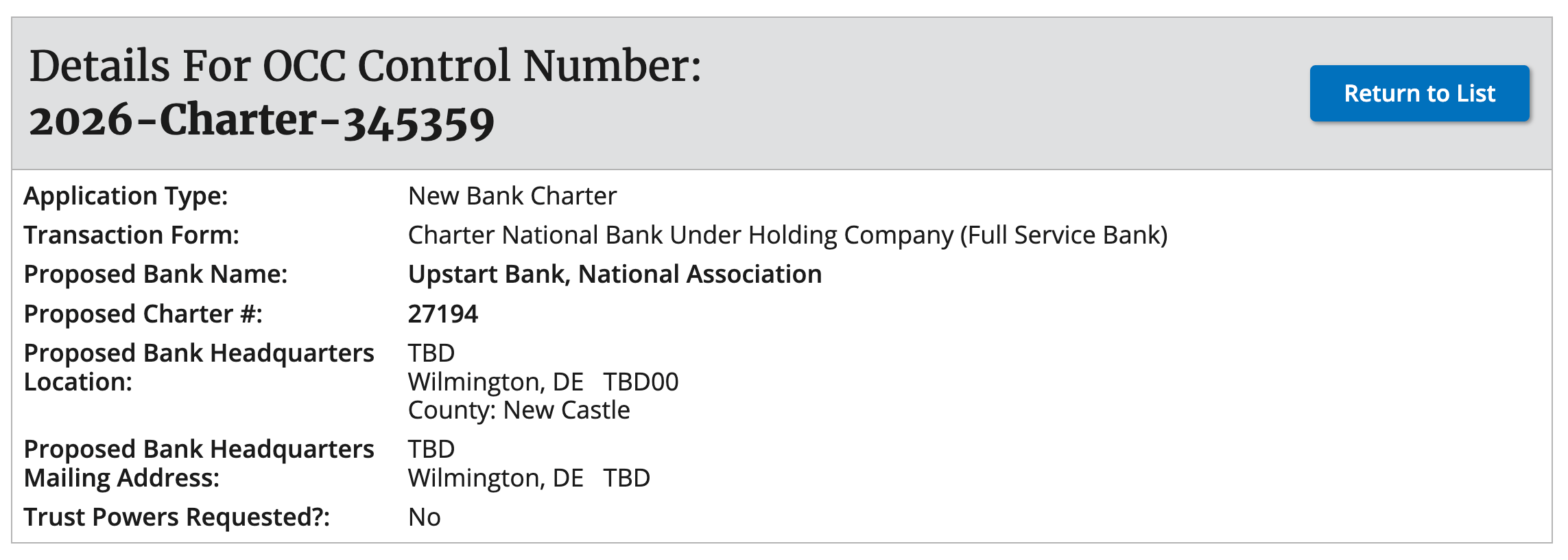
Upstart submitted its application on March 25th, and it was conditionally approved on July 23rd — just four months, which is remarkably speedy, compared to the timelines de novo applications faced under prior Comptrollers.
Upstart seemingly acknowledged this in its press release announcing its conditional approval, with the company’s chief risk officer Annie Delgado saying, “It’s important for the public to understand that efficiency doesn’t diminish oversight. A well-run charter process can be both timely and rigorous. We’ve been challenged extensively throughout the process, and that’s exactly what should happen when an institution is seeking the privilege of becoming a national bank.”
To be fair, Upstart wasn’t seeking a de novo charter from a cold start. The lender has been in operation since 2012 and, according to company materials, partners with “more than 100 banks and credit unions” that use Upstart’s infrastructure to decision, deliver, and service personal loans, revolving lines of credit (including HELOCs), and small-dollar loans.
Once Upstart operationalizes the charter and receives full approval from the OCC, it would no longer require lending and capital markets partners, though it plans to use the charter as a complement to its existing market place, in a strategy reminscent to that pursued by Lending Club (now known has Happen) after its acquisition of Radius Bank.
Per Upstart’s announcement, “Consistent with prior disclosures, banks, credit unions, and institutional credit funds are expected to continue to purchase the vast majority of loans originated on the Upstart platform; Upstart Bank, N.A. is intended to complement, not replace, these funding partnerships.”
Upstart’s application to the Federal Reserve, to form a bank holding company, and to the FDIC, for deposit insurance, remain pending.
Elsewhere, Flex, which is functionally buy now, pay later for consumer rent payments, announced it has applied to form a Utah industrial loan bank and a corresponding application to the FDIC for deposit insurance. Flex, founded in 2019, also enables users to split their monthly bill and mortgage expenses into multiple payments.
Comments
Nothing yet. Say the first thing.
Sign in to join the conversation.