
The Grounding at Djanaba Farm - our first expedition there for 2026 - offered all of us much. As part of Finding Nature’s Eating Country to Save Country program, I am grateful for Jocelyn King’s generous invitation to spend time on her place, for sharing her Culture and Country with those of us privileged to have been there. These are the the seven insights I have compiled from my time there.
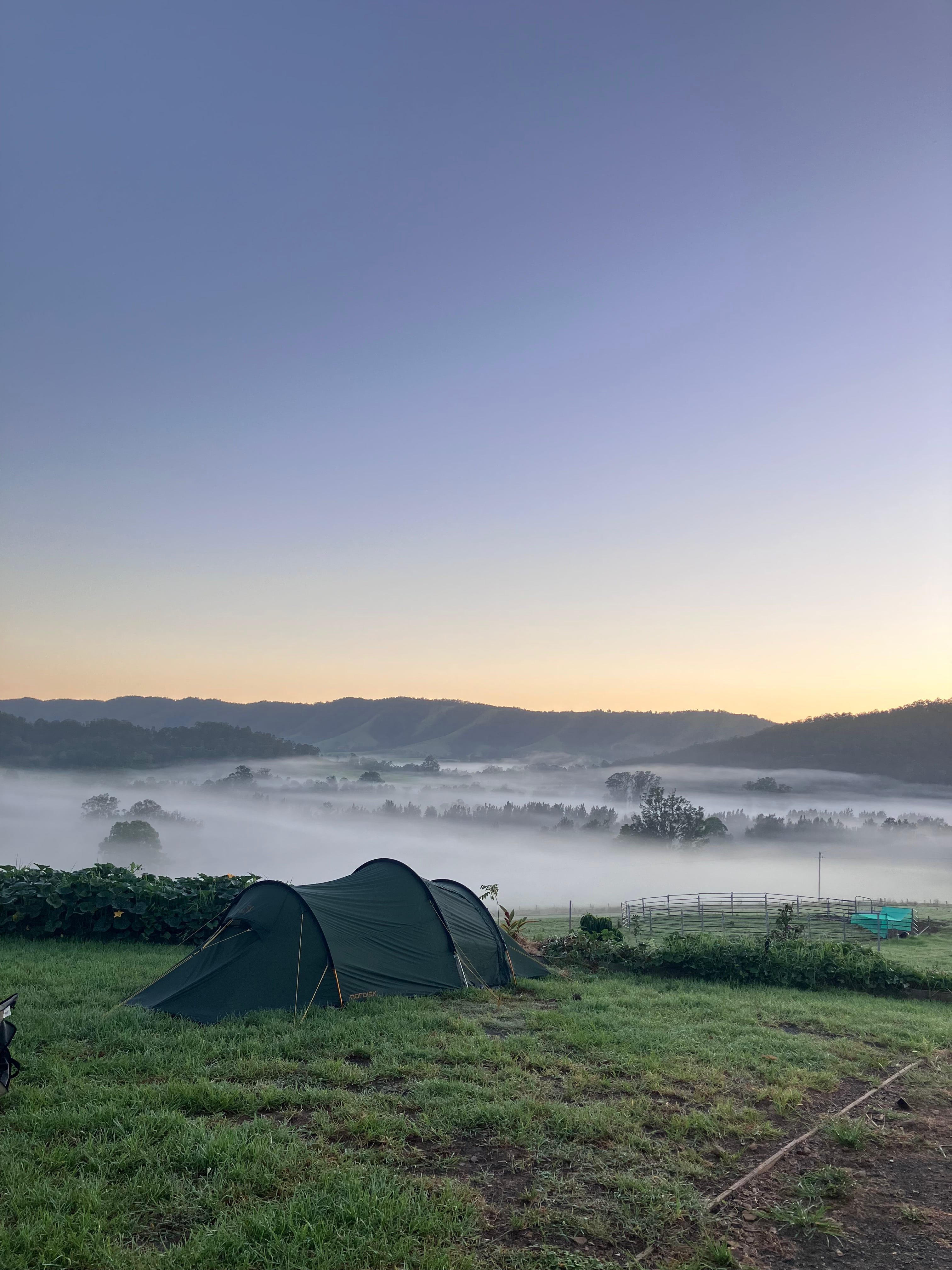
Wanting to be a First Nations woman to buy a farm in Australia is rare enough to begin with. Taking a bit of Country and wanting to farm it isn't an easy undertaking in an increasingly volatile and destructive climate either. Don't just stop there, draw a line in the sand, raise a flag at the top of the mountain, get out the stone tablets for carving and proclaim; "I will convert land first denuded by loggers then progressively degraded by cattle farmers into a native food forest. I will do here what thousands of generations of Worimi People did. Let me recreate what was, while adapting for this new climate."
Djanaba Farm will be a legacy and iconic. A legacy of audacity and determination, wisdom and pragmatism. It will live on. Iconic as it shows what is truly possible. Not with words or reports or presentations, but deeds.
Djanaba Farm is audacious. Audacious is outside the reach of the normal person. Audacity is what makes the impossible possible.
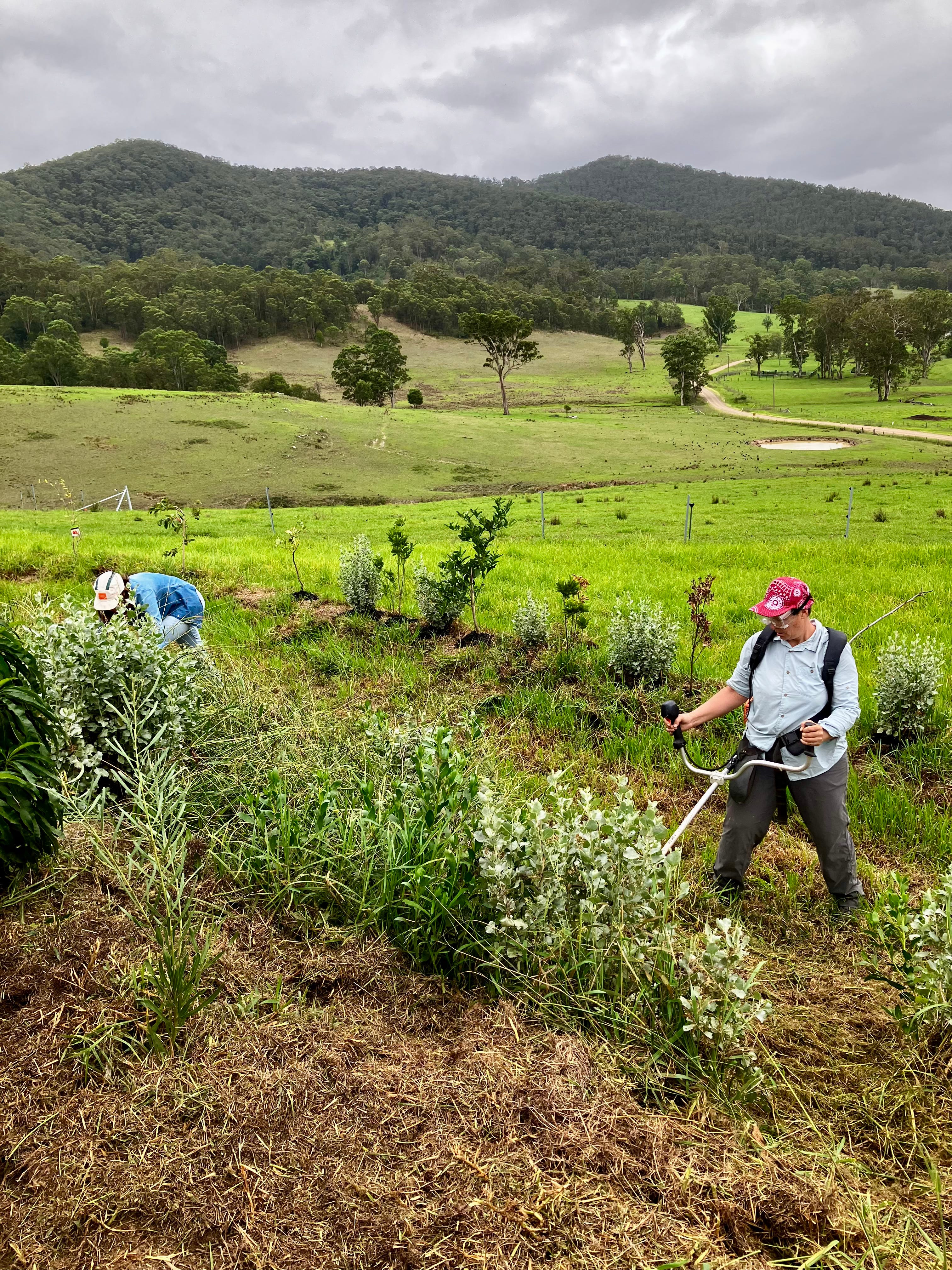
The Grounding in March set a foundation for the year ahead where Finding Nature attends in service of and as part of a larger story of reciprocity and responsibility. This May, we go deeper and build on what we’ve started to create.
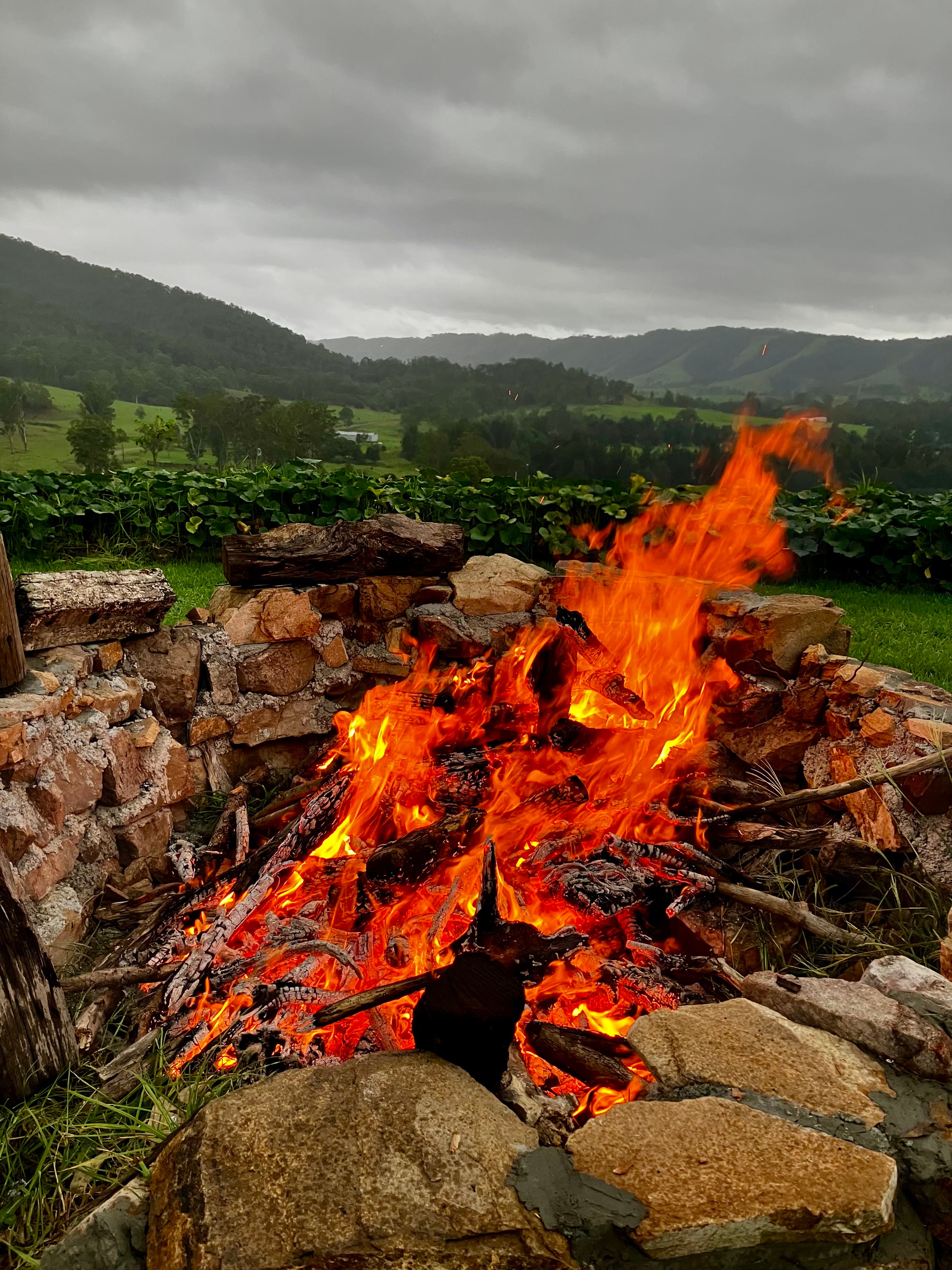
We’re returning to Djanaba Farm. A place where Aboriginal people can live culture every day and with a vision to build a native food forest. This is Finding Nature’s second trip in our 2026 journey of regeneration, reciprocity, and unfarming. This time we come to understand, learn from and respect fire and its power and role on Country.
May is a period of transformation on Worimi Country. As the cool sets in and the days shorten, Jocelyn will lead us through one of the oldest and most powerful land management tools her culture holds - burning. We’ll work with fire, make biochar, plant into prepared earth, and mulch against the coming cold. It’s the most elemental trip of the year, and the most physical.
If The Grounding was about listening to the land, Into The Dark is about feeding it.
More information and tickets here.
Four days of connecting and contributing on Worimi Country, guided by Jocelyn’s knowledge and held by the rhythm of the season.
What we’ll be doing:
Cultural burning: learning from Jocelyn how fire has shaped and sustained this Country for thousands of years
Biochar making: turning organic material into one of the most potent soil amendments on earth, then working it back into the farm’s growing zones
Planting and mulching: getting native tubestock in the ground and tucking the beds in for winter
Data and observation: continuing to set a baseline of flora, fauna and the ongoing establishment of the native food forest
Contributing to an enduring partnership and sponsorship model that can elevate and secure the future of further Finding Nature and other group trips to Djanaba Farm.
When: Thursday 21 May – Sunday 24 May, 2026
Where: Djanaba Farm, Worimi Country (approx. 3 hours from Sydney)
Capacity: Limited to 10 people only
Accommodation: Farm stay — tents, campfires, shared facilities
Contribution: Your ticket covers all food, camp infrastructure, and a direct contribution to the materials Jocelyn needs to keep the farm growing
Djanaba Farm represents a story of ancient times, the recent past, an attention to the present moment and the seeking of a future grounded again in those ancient notions of Caring for Country and Culture.
It is a place where timescales and time itself converge and collapse. Billions of years in the celestial making before Worimi Country was cared for, cultivated and lived on for millennia. In just a few decades in the 19th century loggers eradicated the 'red gold' of the region — red cedars in their hundreds of thousands (at least), towering 40, 50, 60m into the sky. Thousands of species affected after the miracle of life had created those specific conditions. First logged and more recently degraded by cattle and invasive weeds. One metre of humus transformed into grey dust.
Djanaba Farm is as much a vision of hope as a project that makes tangible centuries of First Nations resistance. Seeking to reprise ancient knowledge and recreate a native food forest, Jocelyn King is re-awakening what's been dormant. In pursuit of a future that is about going back in time, the destruction perpetrated by colonial dispossession and violence on people and ecologies is met by the force and power of Healing.
Djanaba Farm is about time — ancient time, custodian time, violent time and Healing time.
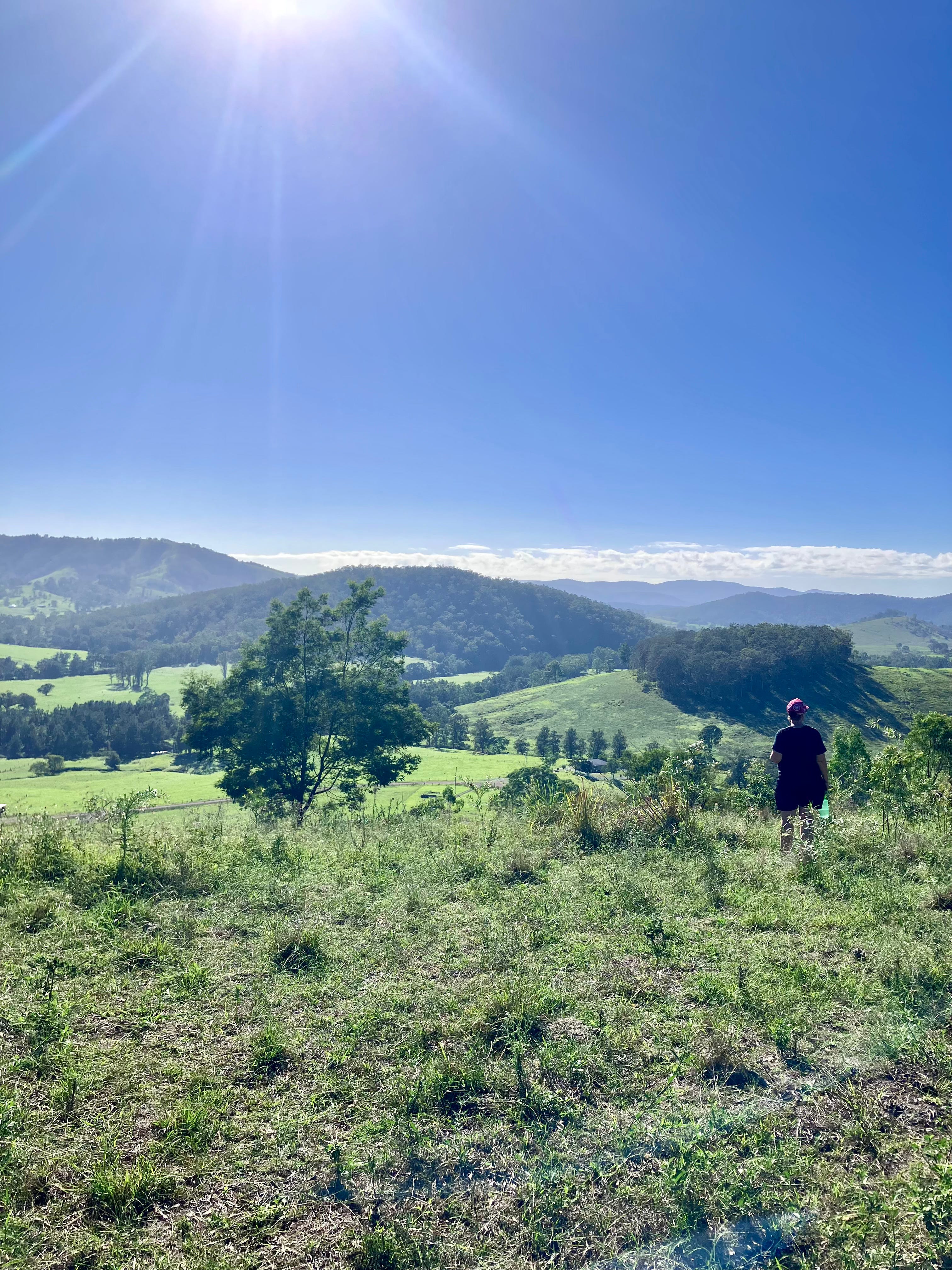
Eating Country to Save Country is what it says on the tin. Country isn't something to be locked up, waiting to become a utopian paradise. Country must be burnt, species cultivated, ceremony practiced, culture shared, stories spoken. Eating Country to Save Country is exactly that.
Part of the vision of Djanaba Farm is to become a native food forest. To have over 1,000 edible species of flora that can be food for humans and non-humans, from bees to wedge tailed eagles, wallabies and soil microbes.
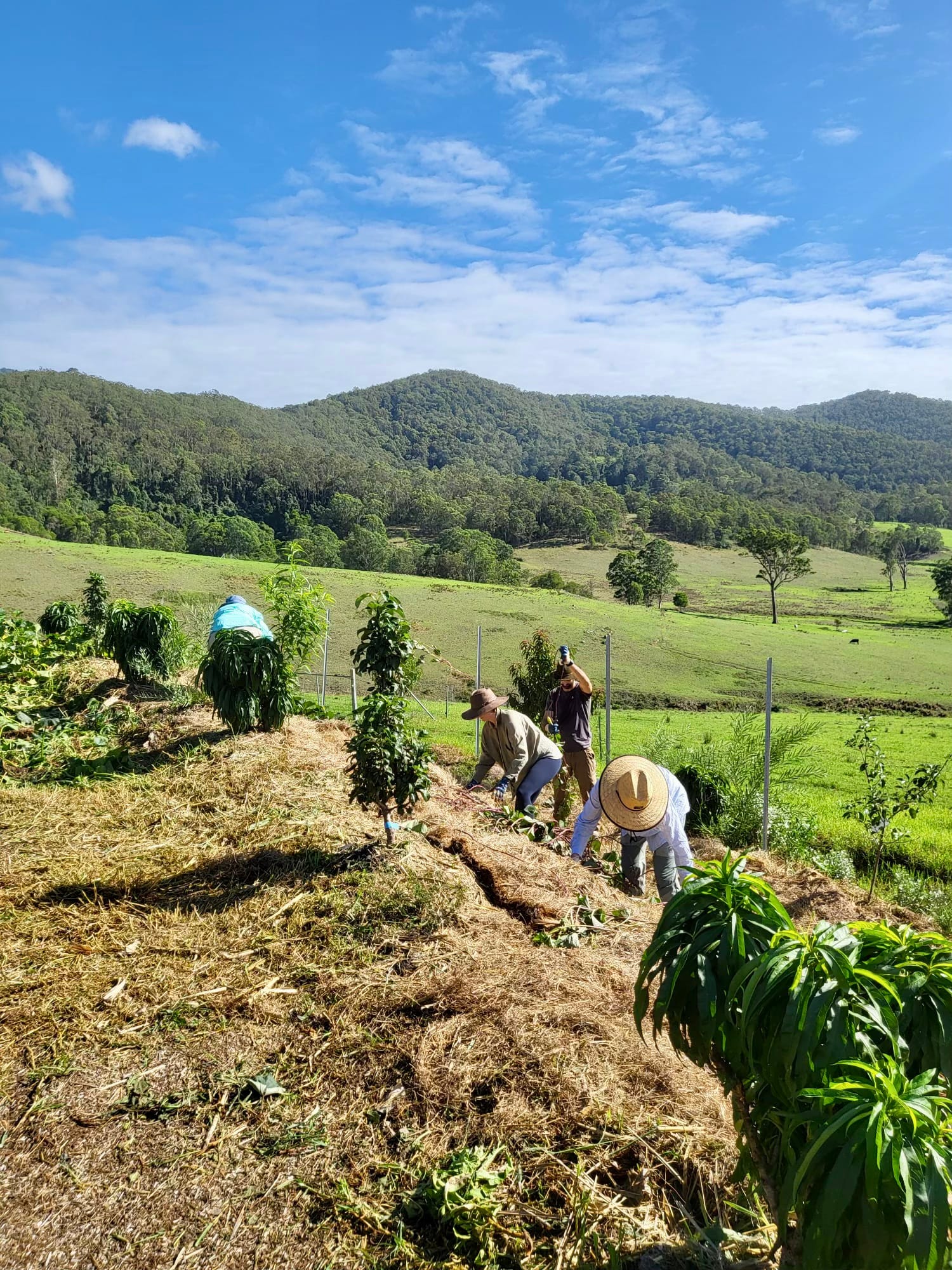
That doesn't magically happen. Planting what will likely end up being tens of thousands of plants involves many hands. Making biochar, laying mulch, moving animals, putting in fencing. That is work. Hard yakka stuff.
And to even do the work, money is needed to firstly buy the land and repay the loan, to buy the plants and mulch and animals and fencing and equipment. Then with the people and the stuff bought, time is required. A single plant at a time. A line of bannar grass cycled from standing weed block to mulched soil creator.
All great things take time. And effort. And contribution. Real work in a real place with real people making a real contribution doesn't simply appear.
This trip though, people came, people paid, people worked, people were patient, people were of service in contribution of a vision much greater than themselves, and where the benefits will live on through the generations to come, we won't experience such of what is being created here. That's part of the allure
.
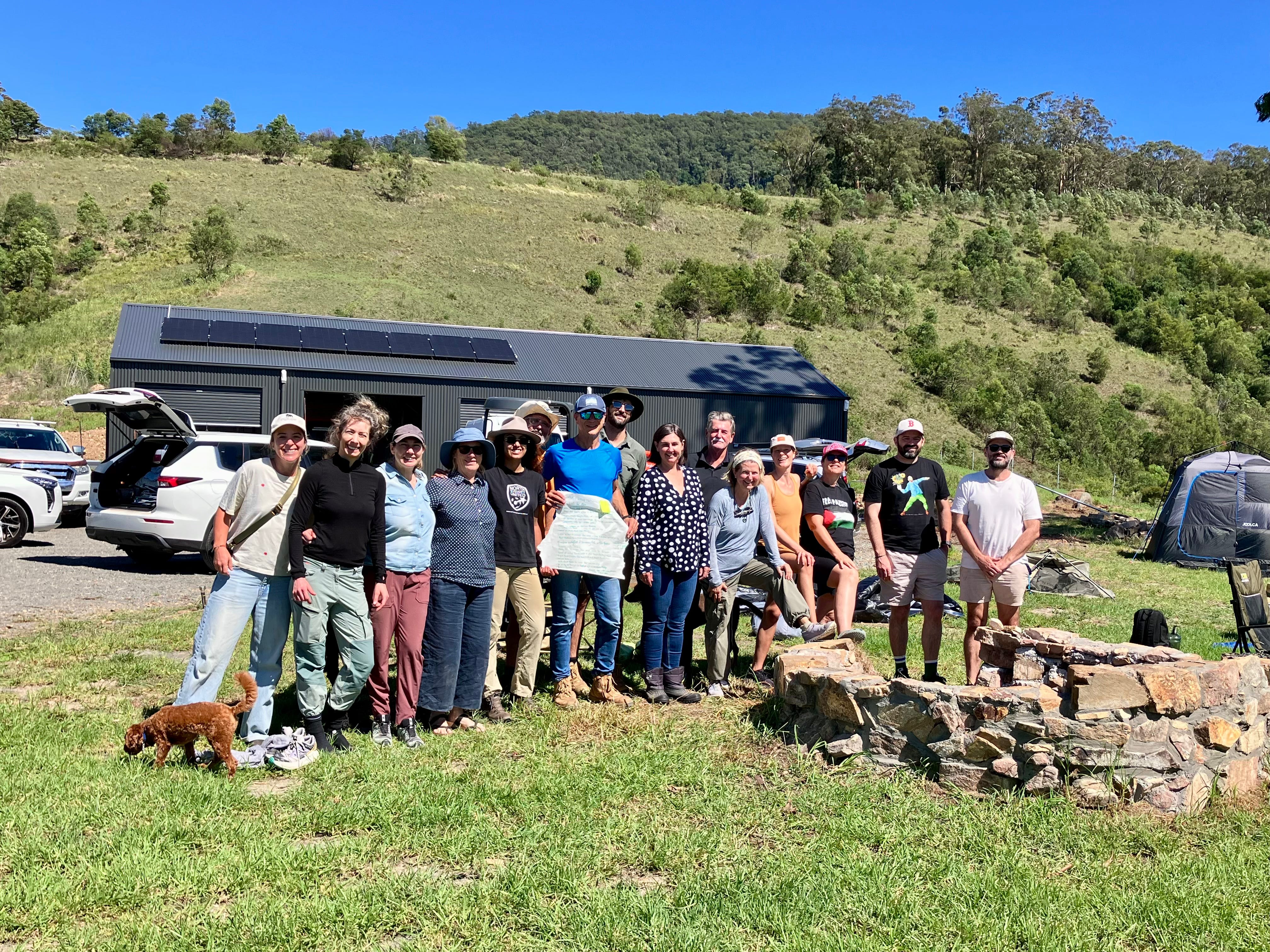
A collection of willing individuals took the plunge and paid $110 a night to come see, feel and help at Djanaba Farm. For four days they'd agreed to connect and contribute.
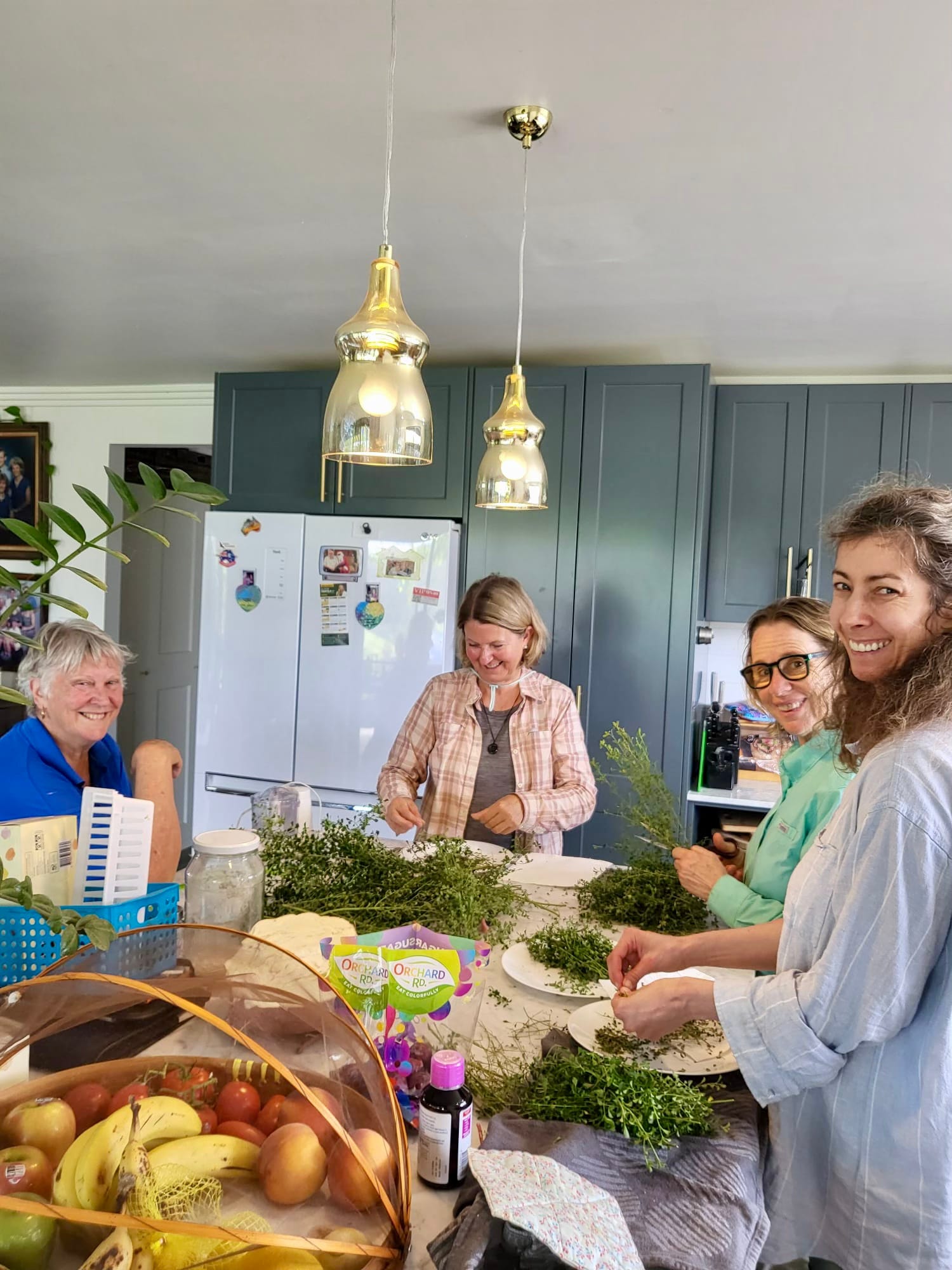
What happened though was camaraderie and companionship. Like minded souls were suddenly together where they shared a united purpose with each other. 17 strangers grounded into place straight away.
Not like a team where cooperation and negotiation and pleasantries are required. This was willingness, openness and commitment. This was unity and belonging. Knowing and feeling that the experience of each person was dependent on being of service to a purpose and vision greater than them and whatever individual expectation and desire we turned up with.
Together, we are far stronger. Not in made up organisational hierarchies under hypocritical values and make believe ethical tests, but in what was real. Our relationship to one another, ourself and what Djanaba both is and represents.
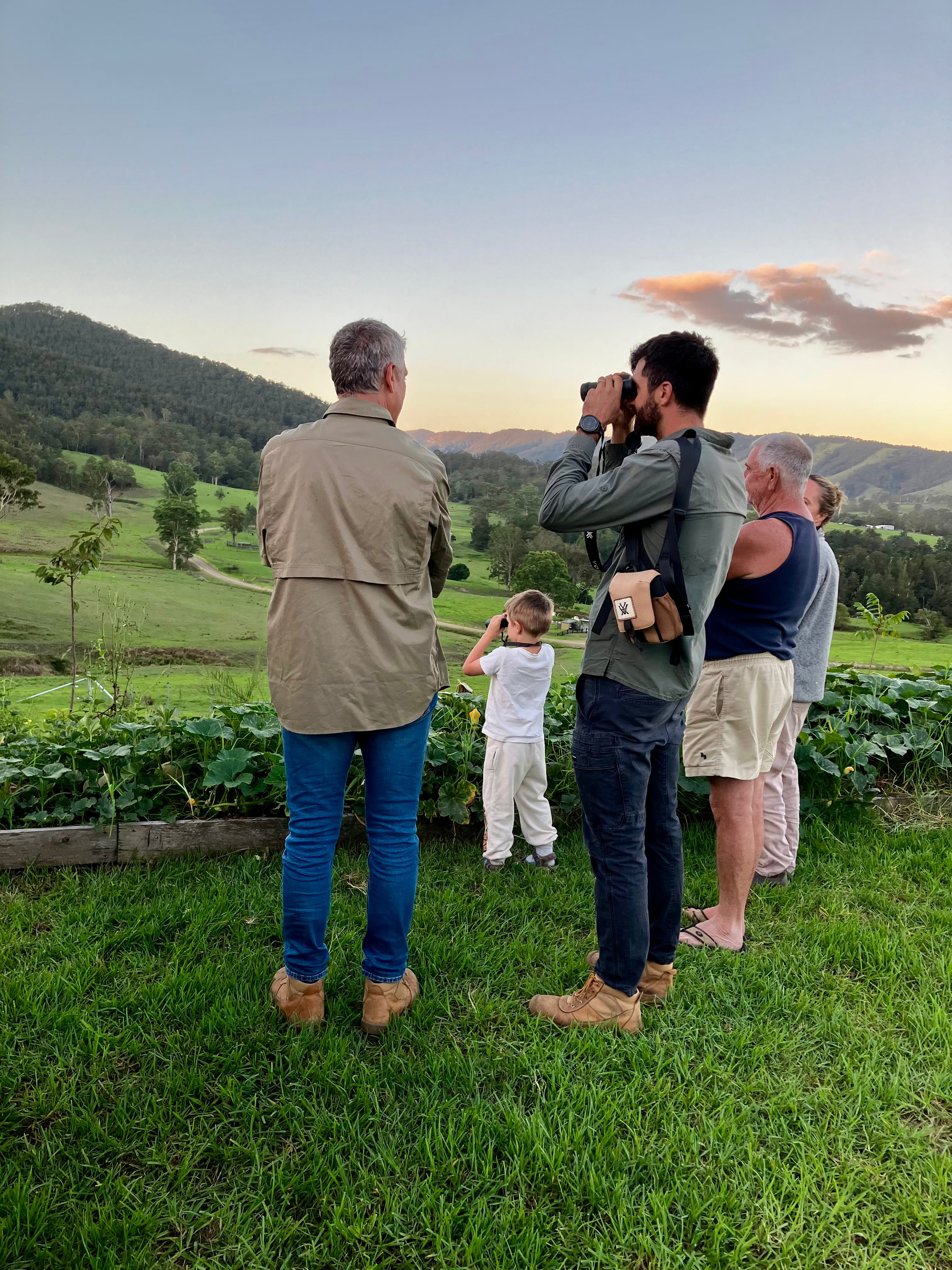
Maybe the one word - if you really pressed me - that I'd use for every Eating Country to Save Country experience so far is intimacy. Intimacy with Country, intimacy with the work, intimacy with the stories, intimacy with each other, intimacy in the connection to self.
Intimacy indicates closeness. To see and hear and smell and taste and feel reality as it is right now. This moment. To go beyond just the thinking mind and get present and playful in the moment.
Hands in the soil stuff. The refreshing shock and whole body experience of swimming in the Monkerai River. The inspiration of First Nations story shared. The mesmeric nature of an open flame. The awe of being surrounded by a milky way filled sky.
So much of our lives takes us away from getting to intimacy. Consistent, regular and healthy connection is distracted by our use of devices, overwhelmed by everyone's own story of todays busy-ness, by workplaces defined by anti-human metrics of performance.
Eating Country to Save Country is the antonym of that experience. It's real, it's about openness and willingness, it's about being of service however that's possible in the moment. It is where the connection, intimacy and trust is possible — the foundation of healthy relationships. No wonder it's so cup filling.
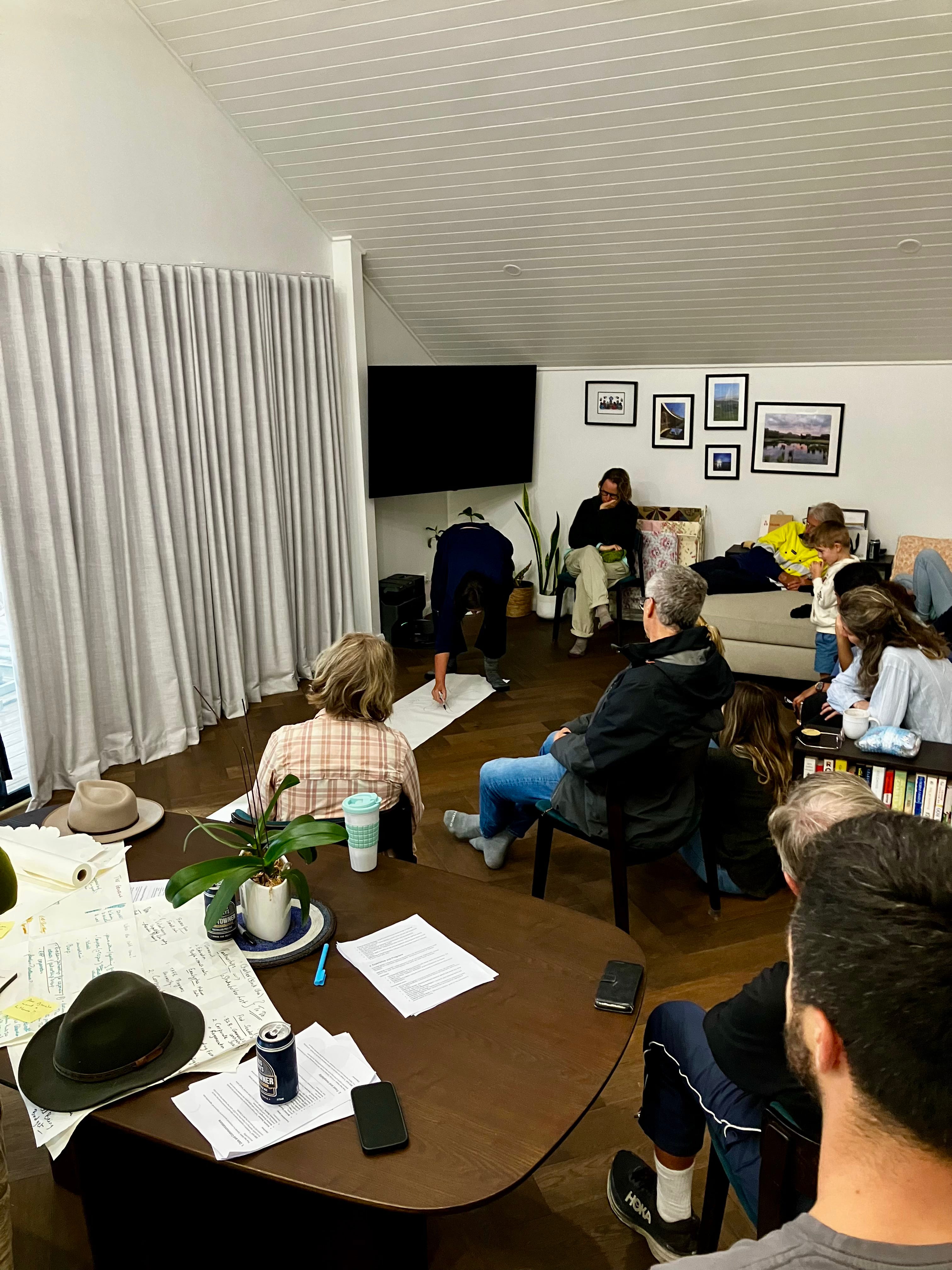
The first 36 hours on Djanaba Farm involved Jocelyn regularly reminding me and the whole group to slow down. Like a band of wound up parents at a school working bee - our mission, we thought when we arrived - was to do.
Over and over, usually gently, Jocelyn would suggest her slow down mantra. Eventually, painstakingly, it happened. Rain helped on the afternoon of the second day. Through Saturday and Sunday - aided by sitting in the Monkerai River then walking the property and surroundings on the final morning - brought me and I think everyone into a more natural, slower rhythm.
This maybe surprised me most. Taking my all action always doing-ness on the road with me. Who knew that wherever I went, I’d be right there. This was more difficult than I like to admit. It cuts to the core of my identity - I am what I do. With that logic, the more I do the more I am.
Go gently. Go slowly. Go together.
The tortoise, not the hare.
No posts
Comments
Nothing yet. Say the first thing.
Sign in to join the conversation.