
The Latin word pax means "peace." In history, however, it has come to describe something more specific: an extended period of relative stability sustained by the overwhelming dominance of a single great power. Each pax era was defined not simply by military strength, but by control over the strategic infrastructure that underpinned the international system.
After decades of civil war, Emperor Augustus claimed to have restored order to the Roman world. His reign marked the beginning of what historians would later call the Pax Romana—a roughly 200-year period of stability, economic prosperity, and Roman hegemony that lasted from 27 BC until the death of Emperor Marcus Aurelius in AD 180. Trade flourished, infrastructure expanded, and the empire reached unprecedented levels of political and economic integration across the Mediterranean.

Yet, Rome's pax was never built on consensus; it rested on overwhelming military superiority, economic dominance, and the reality that no rival possessed the power to challenge Roman authority.
This pattern repeated itself throughout history. During the nineteenth century, Pax Britannica emerged as the Royal Navy secured the world’s sea lanes, allowing Britain to dominate global commerce. After the Second World War came the Pax Americana, supported by American industrial strength, the dollar, unmatched military power, and a network of alliances that shaped the post-war international order.
Although the dominant powers and their specific eras evolved, the core principle remained consistent. Every cycle of pax-leadership has been built around the unilateral control of the strategic infrastructure of its time.
For much of the twentieth century, geopolitical power flowed through oil fields, steel mills, shipping routes and aircraft carriers. Those assets remain important, but they no longer determine leadership on the technological frontier. Increasingly, military capability, economic competitiveness and political influence depend on advanced semiconductors, artificial intelligence, hyperscale data centres, critical minerals and the vast industrial ecosystem connecting them.
Washington has concluded that preserving American leadership in the twenty-first century requires controlling these new foundations of power. In December 2025, the United States unveiled Pax Silica, a strategic initiative designed to organize the world’s most important AI and semiconductor supply chains around the United States and its allies.
Jacob Helberg, the U.S. Under Secretary of State for Economic Growth, Energy, and the Environment, summarized the transition succinctly:
“If the 20th century ran on oil and steel, the 21st century runs on compute and the minerals that feed it.
This historic declaration hails a new economic security consensus ensuring aligned partners build the AI ecosystem of tomorrow—from energy and critical minerals to high-end manufacturing and models”.
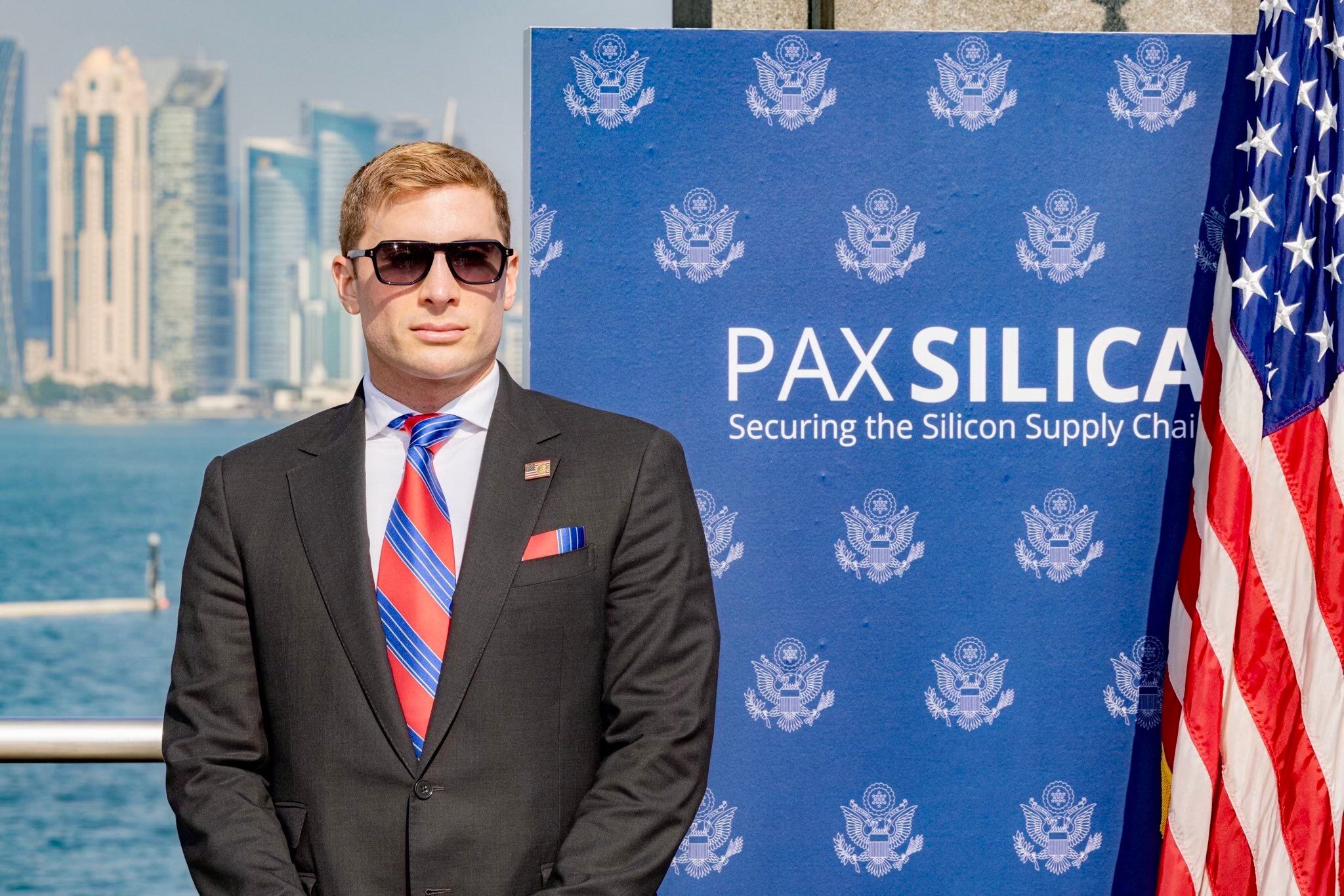
It was more than a statement about technology. It was a declaration about power.
The initiative launched with seven founding members: the United States, Japan, South Korea, Singapore, Australia, Israel and the United Kingdom. Momentum quickly accelerated. India, Qatar, the United Arab Emirates, Sweden, Finland, Norway and the Philippines joined ahead of the second summit in June 2026.
By the time the summit concluded, another ten participants signed on, including the European Union, Germany, the Netherlands, Greece, Kazakhstan, Argentina, Chile, Costa Rica, El Salvador and Panama. Within six months, Pax Silica had evolved from an American initiative into a coalition spanning much of the world’s advanced technology ecosystem.
This marks a radical shift, because for most of the post-Cold War period, technology supply chains were treated primarily as economic assets. Efficiency, lower production costs and globalization were viewed as strategic advantages in themselves. Manufacturing shifted to wherever labour was cheapest, production concentrated across East Asia and resilience became secondary to profitability.
However, three developments fundamentally changed that calculation.
The first was China’s transformation from manufacturing partner into strategic competitor. Despite successive rounds of U.S. export controls targeting advanced AI chips and semiconductor manufacturing equipment, China’s domestic industry continued narrowing the technology gap. What American officials once believed was a four-to-five-year lead has reportedly shrunk to roughly four months across several frontier AI technologies. As a result, supply chains that once appeared economically efficient have increasingly become strategic vulnerabilities.
The second was the COVID-19 pandemic. Global chip shortages exposed the fragility of highly concentrated supply chains. Factory shutdowns disrupted industries ranging from automobiles to consumer electronics, revealing how dependent the global economy had become on a handful of semiconductor manufacturers.
The third, and arguably most important development, was the rise of artificial intelligence.
Semiconductors are no longer simply components inside smartphones or laptops. They became the foundation of military modernization, scientific research, industrial productivity and geopolitical influence. Once compute had become a strategic resource, the supply chains producing it could no longer remain politically neutral.
Pax Silica is Washington’s response to that new reality.
The objective is not to relocate every semiconductor factory back to the United States. Such a strategy would be prohibitively expensive and economically impossible. Instead, the United States is pursuing something far more achievable and arguably far more powerful: control over the bottlenecks.
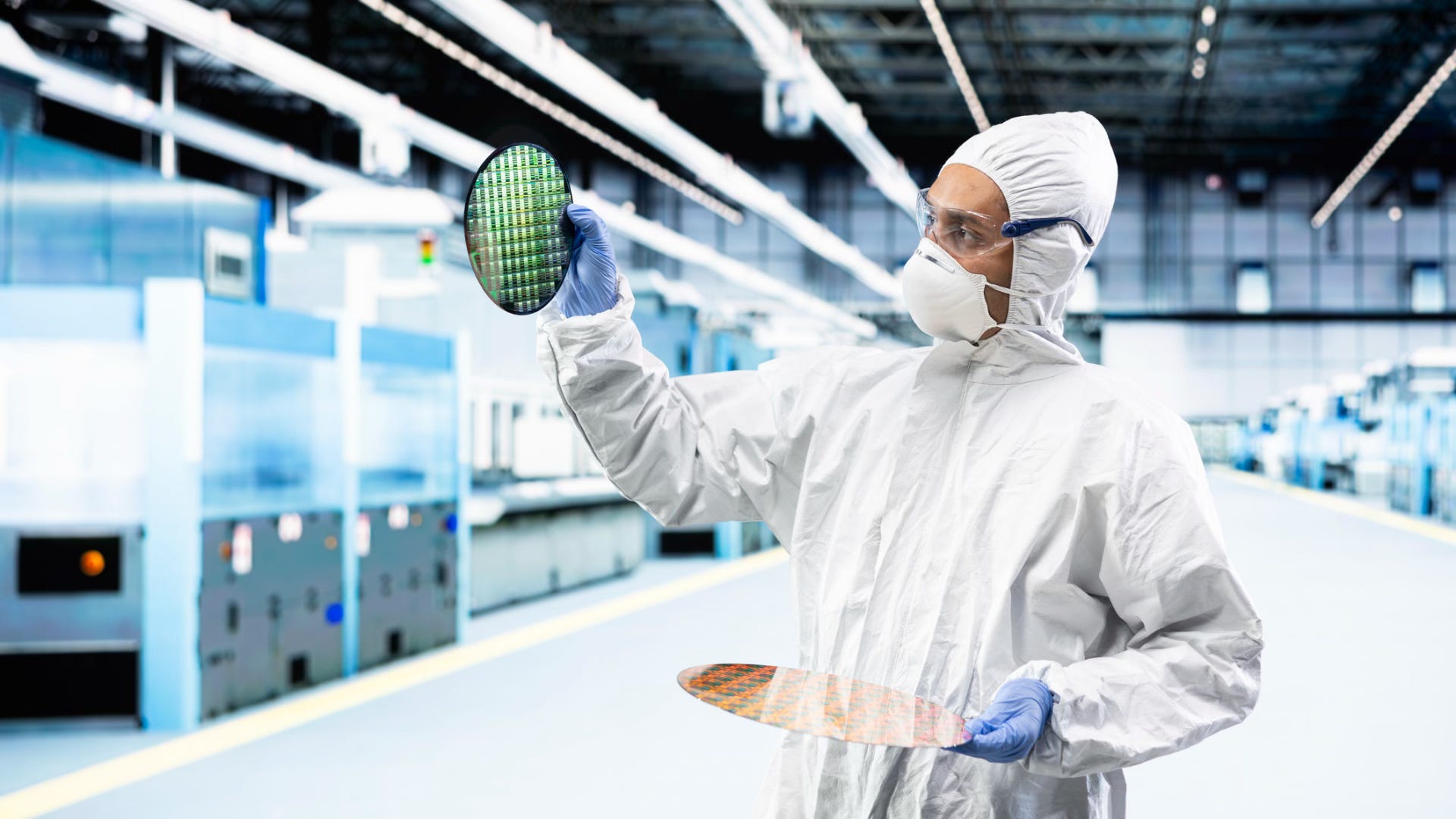
To put this into perspective, the semiconductor industry has become one of the most complex industrial systems ever created. Producing a single advanced chip requires more than 500 manufacturing steps and typically crosses over 70 international borders before reaching the final customer. No country controls the entire process. Instead, every major participant dominates one or several indispensable technologies.
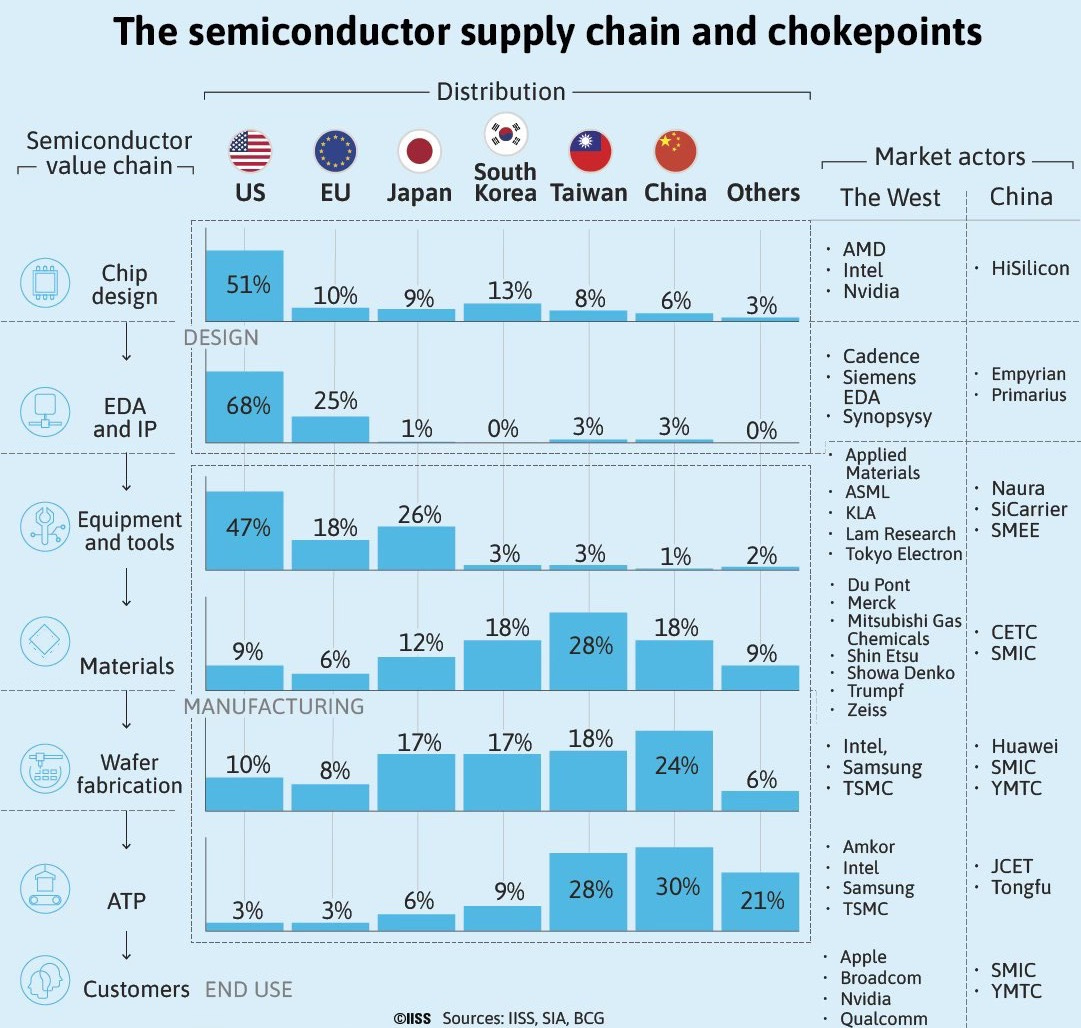
This system’s geopolitical weight lies in its extreme concentration; the entire global supply chain relies on a few critical chokepoints, most of which are monopolized by a single nation or even a single company.
For instance, the United States controls the industry’s design layer through giants like Nvidia, AMD, Broadcom, and Qualcomm, whose processors and software underpin the global AI ecosystem. However, the Netherlands occupies the most absolute physical chokepoint. ASML is the sole manufacturer of Extreme Ultraviolet (EUV) lithography machines—the multi-hundred-million-dollar systems required to print advanced chips. Without ASML, leading-edge manufacturing grinds to a halt. Meanwhile, South Korea commands the memory bottleneck. SK Hynix and Samsung control over 95% of global High Bandwidth Memory (HBM) production. Demand for these specialized AI chips is so intense that global supply is already fully allocated through 2026.
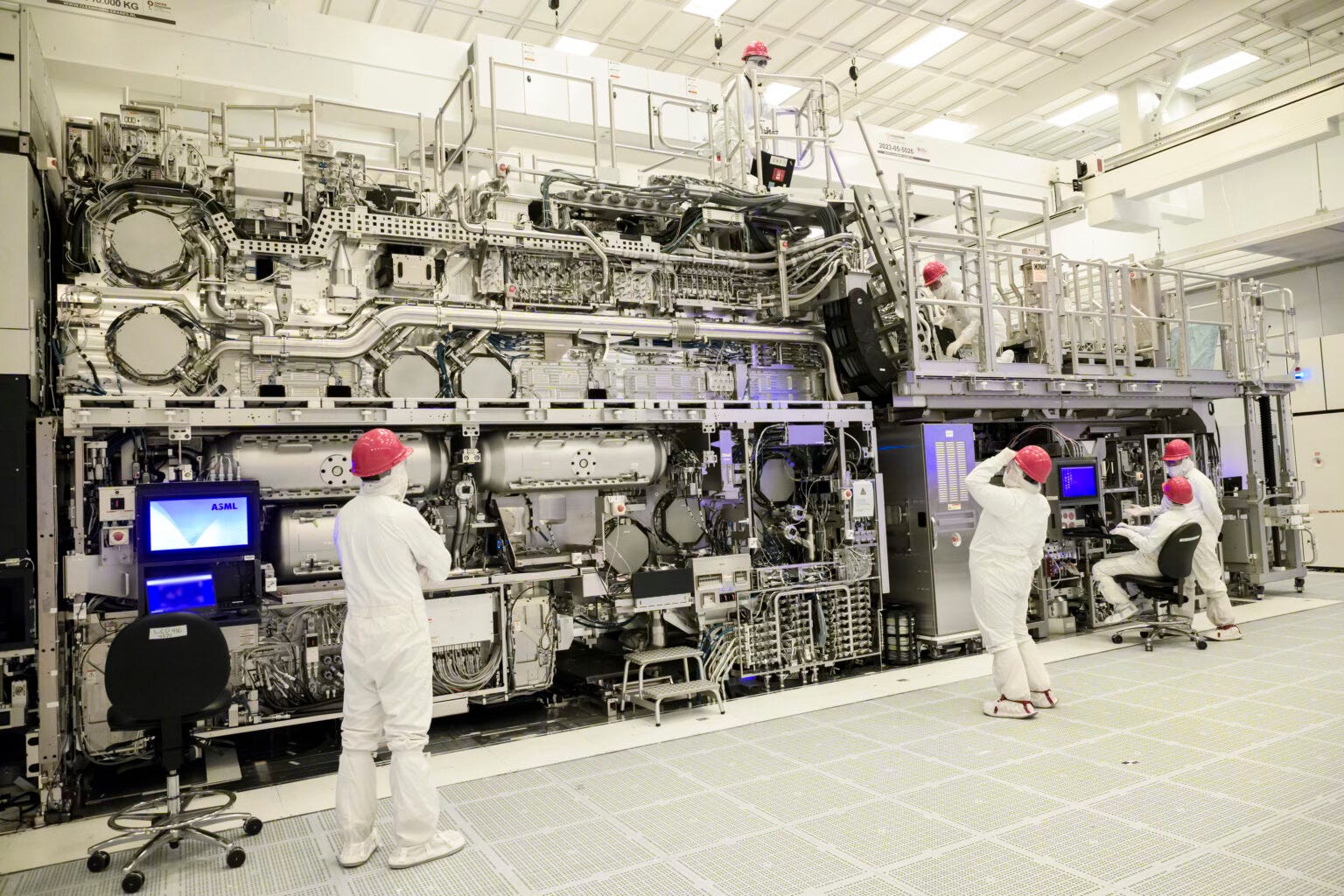
Taiwan remains equally indispensable. TSMC manufactures roughly 90% of the world’s most advanced chips, producing the processors that power Nvidia’s AI accelerators, Apple’s iPhones and much of the global technology industry.
Yet Taiwan is notably absent as a formal member of Pax Silica.
The omission is partly diplomatic, reflecting Washington’s adherence to the One China Policy. However, Taiwan’s lack of official status does not diminish its central role; as a key non-signatory participant and observer, it maintains deeply entrenched ties with the US. This was underscored last week, when TSMC announced an additional $100 billion investment in US chip manufacturing. Therefore, although it is not an official member, Taiwan is undeniably aligned.
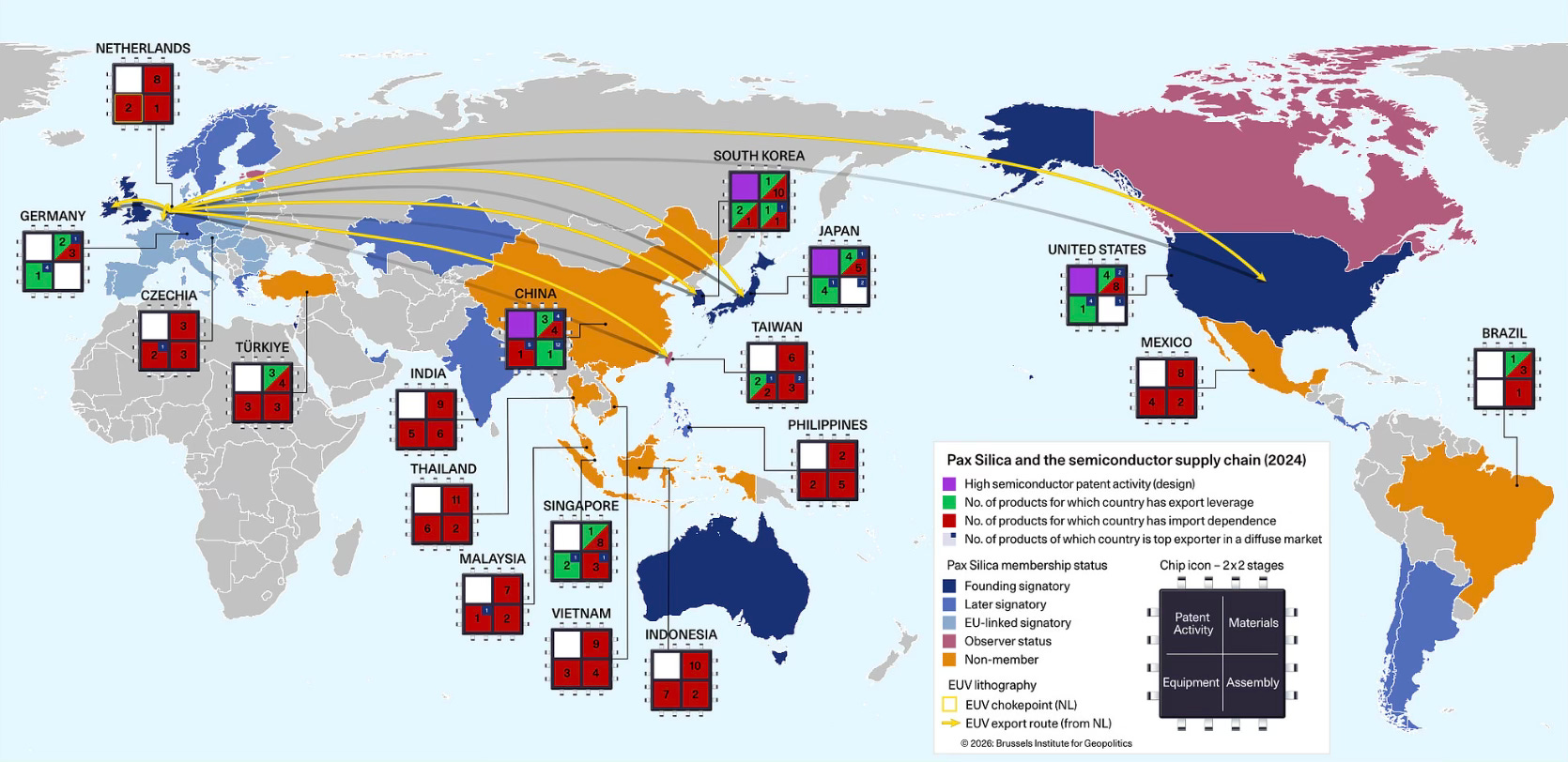
The coalition's strategic weight becomes clear when its semiconductor supply chains are mapped. Research by BIG Europe highlights that while the supply chain is highly fragmented, the Pax Silica bloc holds overwhelming economic leverage:
“Dependencies vastly outnumber chokepoints, with no single country dominating across all sectors of the supply chain. Assessing where dependencies lie in terms of Pax Silica membership highlights the alliance’s significance: approximately two-thirds of observed dependencies have a Pax Silica supplier.
Taking value into consideration heightens this contrast, with dependencies on Pax Silica suppliers valued at approximately $29.9 billion, as against $4.51 billion for non-bloc members.”
Rather than pursuing complete self-sufficiency, Washington is attempting to ensure that the most strategically important links in the AI supply chain remain embedded within a US-led geopolitical architecture.
The strategy is already reshaping industrial policy beyond the developed world.
The Philippines offers an early glimpse of how Pax Silica may expand. Shortly after joining the initiative, Manila announced plans for a 4,000-acre Economic Security Zone in New Clark City that will host semiconductor manufacturing, advanced packaging, AI infrastructure, data centres and critical mineral processing. Designed as a purpose-built platform for allied manufacturing, the zone combines American legal and regulatory frameworks with the Philippines’ skilled workforce, strategic location and natural resources.
Rather than simply attracting foreign investment, the objective is to move the country up the semiconductor value chain while embedding it more deeply within Western technology supply chains as production gradually diversifies away from China.
Beijing understands exactly what Pax Silica represents. From China’s perspective, it is not simply another trade agreement. It is a long-term containment strategy designed to slow China’s technological ascent by consolidating control over the critical chokepoints of the AI economy.
China has responded asymmetrically.
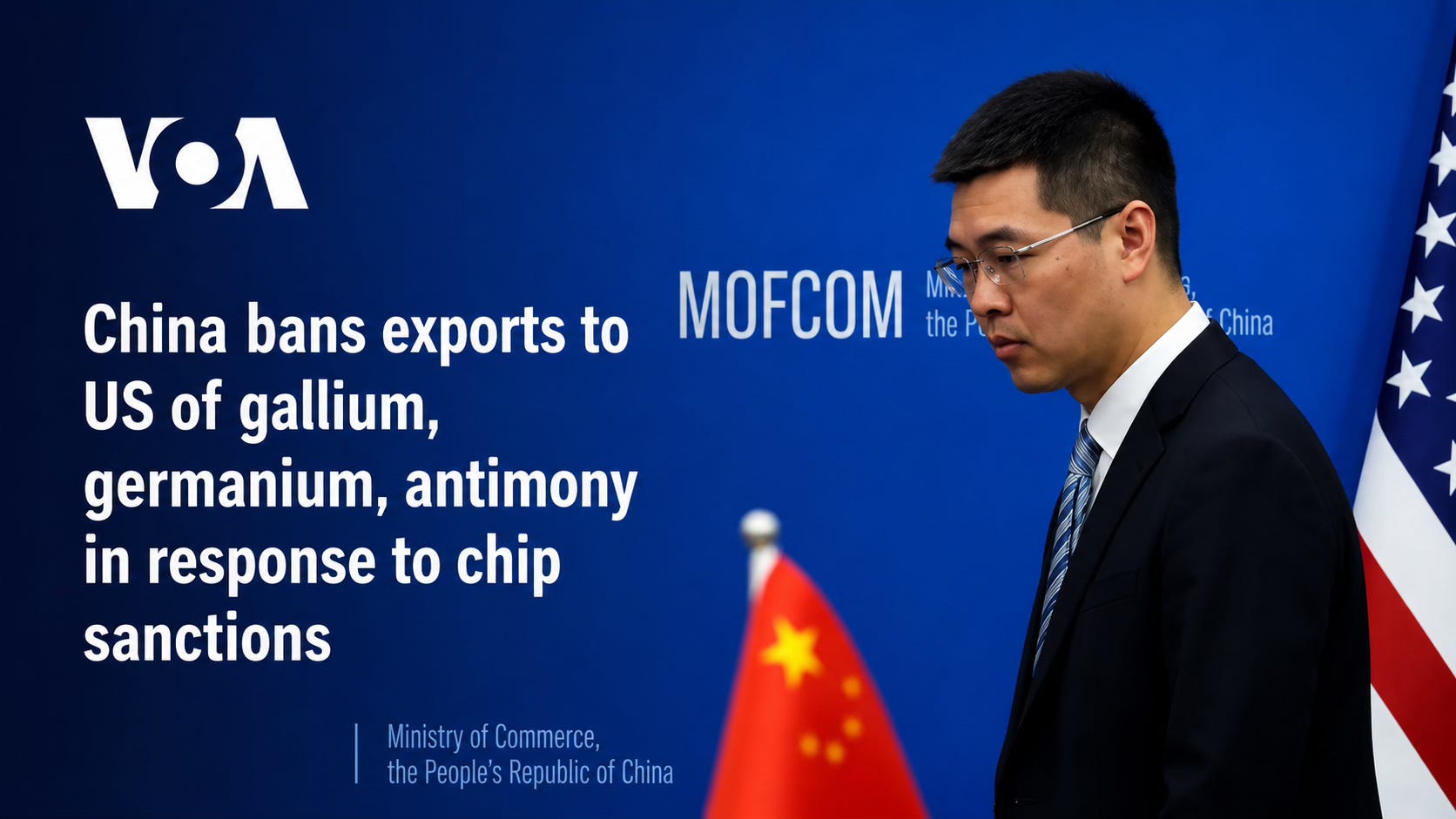
Beijing has weaponized its own advantages further upstream. China has imposed export restrictions on gallium, germanium, graphite and several rare-earth processing technologies. Those restrictions matter because China produces roughly 98% of the world’s refined gallium, between 60 and 70 percent of global germanium, and dominates processing across many of the critical minerals required for semiconductors, defence technologies and advanced electronics. Chinese Foreign Ministry spokesperson Lin Jian made no secret of Beijing's reasoning:
“China has lodged stern protests with the U.S. for its update of the semiconductor export control measures, sanctions against Chinese companies, and malicious suppression of China's technological progress”.
The result is a new form of strategic interdependence. While the US and its allies dominate advanced AI chips, software, and manufacturing, China controls many of the critical raw materials. Neither side commands the entire system, but both hold chokepoints capable of imposing enormous costs.
This balance defines Pax Silica. Rather than full decoupling or bringing all manufacturing to America, Washington aims to ensure the global AI infrastructure—compute, capital, and critical minerals—remains governed by US-led rules and technologies.
Every era of international order has been defined by mastery over its vital infrastructure, from Rome’s roads to Britain’s oceans. The next era will not be measured in barrels of oil or fleets of ships, but in semiconductors and compute. Pax Silica is Washington’s play to ensure this new technological foundation remains firmly American-led.
Thank you for reading!
If you enjoy connecting the dots behind the headlines, subscribe for free. New pieces land straight in your inbox.
📨 If you think someone would enjoy this, send it their way!
Comments
Nothing yet. Say the first thing.
Sign in to join the conversation.