
Enjoy this latest excerpt from our summer issue, and subscribe to read more articles like this in future issues of Filmmaker. Our fall issue ships in September.
“Fuck AI.”
Guillermo del Toro has expressed this sentiment repeatedly, from last fall’s Gotham Film Awards to this year’s Cannes Film Festival, and he is not alone. Other prominent filmmakers have come out in force against the use of artificial intelligence in filmmaking. At the 2025 Marrakech Film Festival, Bong Joon Ho bombastically called for a military squad “to destroy AI,” while Celine Song critiqued its environmental impact, saying, “The number one thing that we’re here to defend as artists is humanity.”
Those working on the front lines of filmmaking technology are caught in this contentious AI film culture war: one side calls it the “holy grail”; the other side calls it “slop.” The debate has gotten particularly heated among artistically minded independent filmmakers, who have historically valued autonomy, authenticity, and honesty over commerce and efficiency. Steven Soderbergh, always a tech-forward filmmaker, was lambasted for using AI to create select surreal and psychedelic images in his Cannes-premiering documentary John Lennon: The Last Interview (2026). The film was panned for its aesthetics (the AI is “appallingly ugly,” per Indiewire); it was also critiqued on moral grounds, with some Letterboxd reviewers calling it a “betrayal” and a “disgrace” that Cannes would even include a film with AI in the first place.
Holly Willis, current chair of USC’s Media Arts and Practice program and cofounder of Filmmaker, refutes the delineation. “I think this binary [of] ‘good pure cinema’ and ‘AI in films is bad’ is problematic,” she says. “We act as if it’s outside of our daily activities, when in fact, so much of what we do uses AI, so I have no patience for this purity idea.”
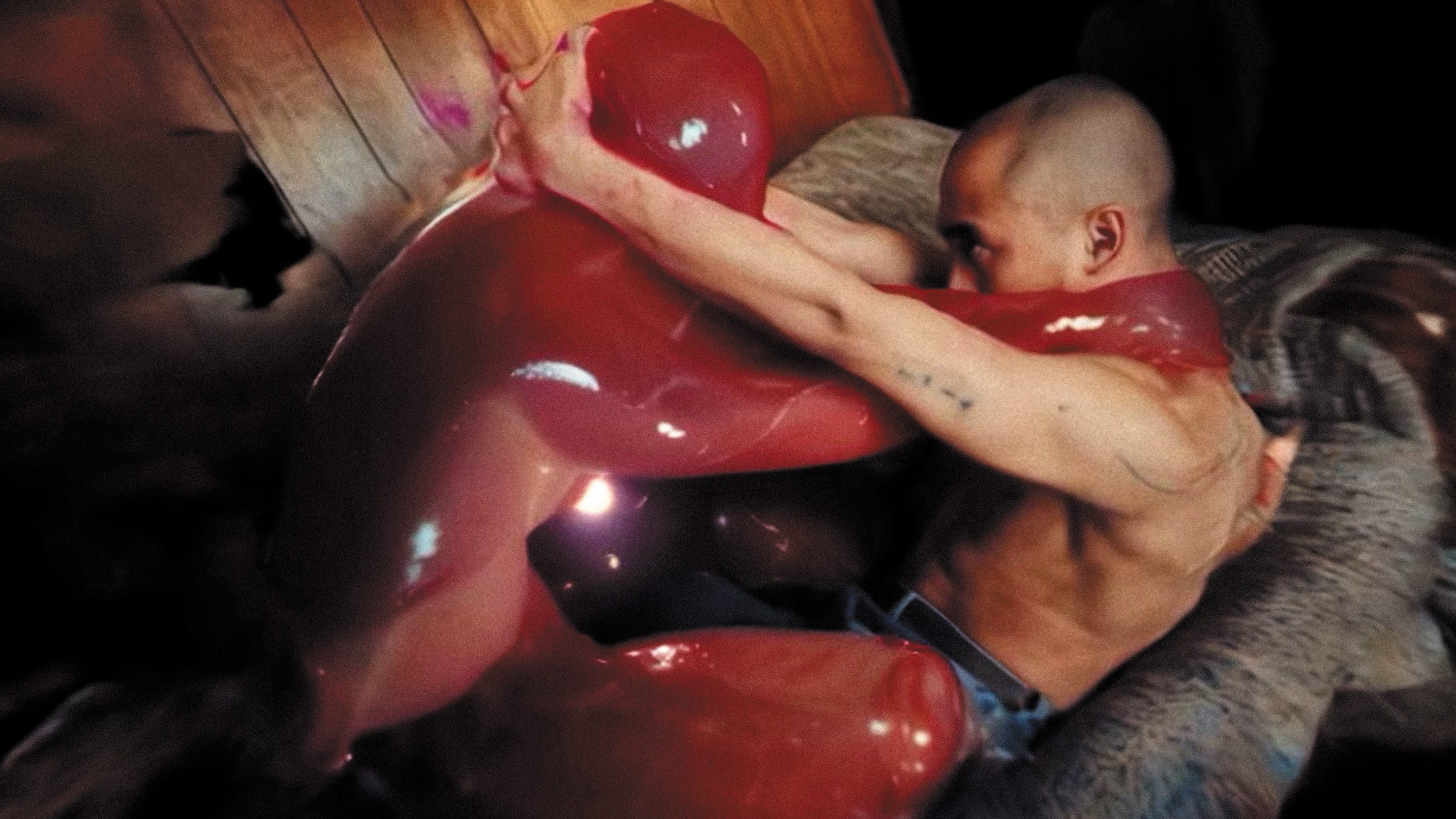
“I’ve experienced both sides,” says Daniel Antebi, one of Filmmaker’s 25 New Faces of Film in 2020 and winner of the top prize at the 2024 Runway AI Film Festival for his short film Get Me Out. Antebi shot the film with a real actor in a real house, then used AI to embellish and animate the actor’s doppelgänger and the set, “generating some really weird stuff,” he says.
Antebi says he gets emails every week from commercial companies looking for an in-house AI filmmaker (“to sit in a room to generate images using Nano Banana to create what would traditionally require hundreds of thousands, if not millions, of dollars”), but he also says it’s very different with the more traditional film community. “When I go out to Sundance-connected people and I tell them I have a project that would use AI, they stop answering,” he says. “They’re allergic to the implications of it. But I don’t blame them for it.”
He continues, “It’s just sad that the people who say ‘no thanks’ and hang up the phone are actually the people I’d want to understand the software because they’ll ask the hard questions.” Antebi draws a parallel with the people running large AI companies: Who do we want to be in charge? The guys who are eager to win the AI race at all costs? Or the people willing to ask about the consequences for humanity? It’s important to make a distinction between “AI as a medium versus AI as a tool,” says Antebi.
German filmmakers Daniel Titz and Dorian Lebherz—working under the moniker Dorian & Daniel—share these feelings. In addition to a portfolio of commercial work (including an award-winning spot for Samsung), the duo recently uploaded an AI-generated noir-ish short called The Well, which follows a hardboiled police detective rabbit trying to solve the murder of a wolf. The project took years to make, evolving along with the technology; first, using early platform ComfyUI, then more recent image generators Kling 3.0 and Nano Banana.
They receive different reactions to their work depending on who they’re talking to. “There are two bubbles,” says Titz. “In the AI bubble, some people are very supportive because it’s very tech- and innovation-driven, and then there’s the other bubble, where once they know it’s AI, they shut down. So, we’re still struggling to find where we belong.”
Like Antebi, Dorian & Daniel don’t want to be pigeonholed as “AI filmmakers,” and their first feature will not be “fully synthetic,” says Titz. “We want to embrace the magic of what happens on set, but that doesn’t mean not including AI as a tool for visual effects.”
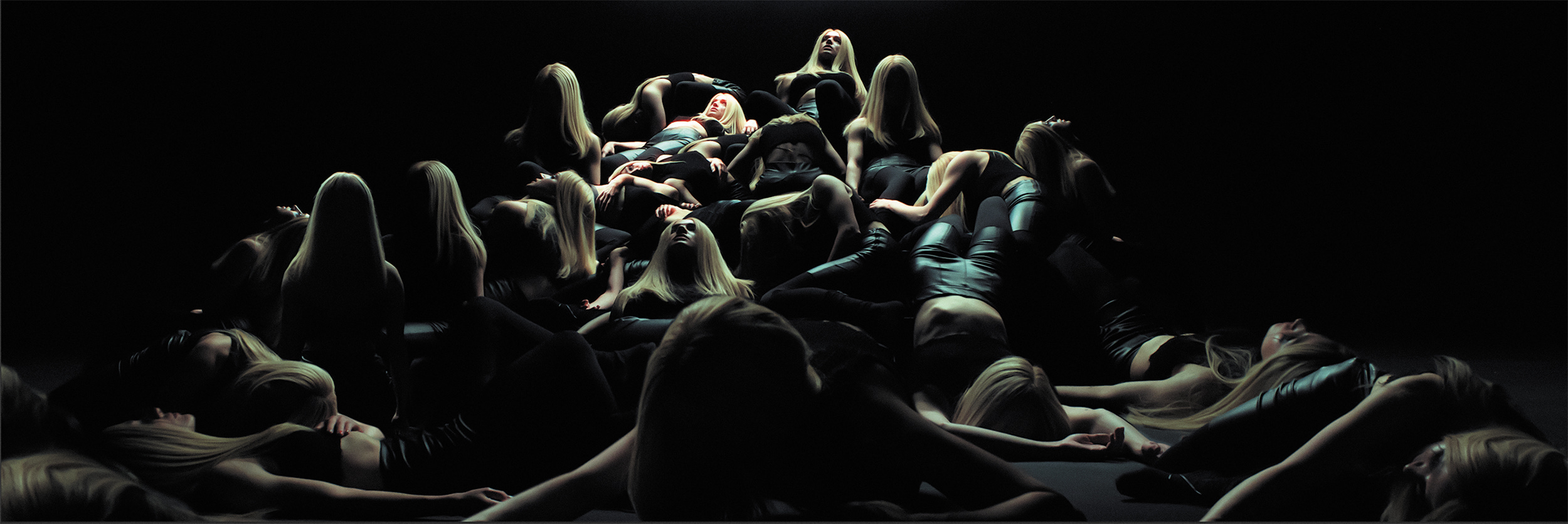
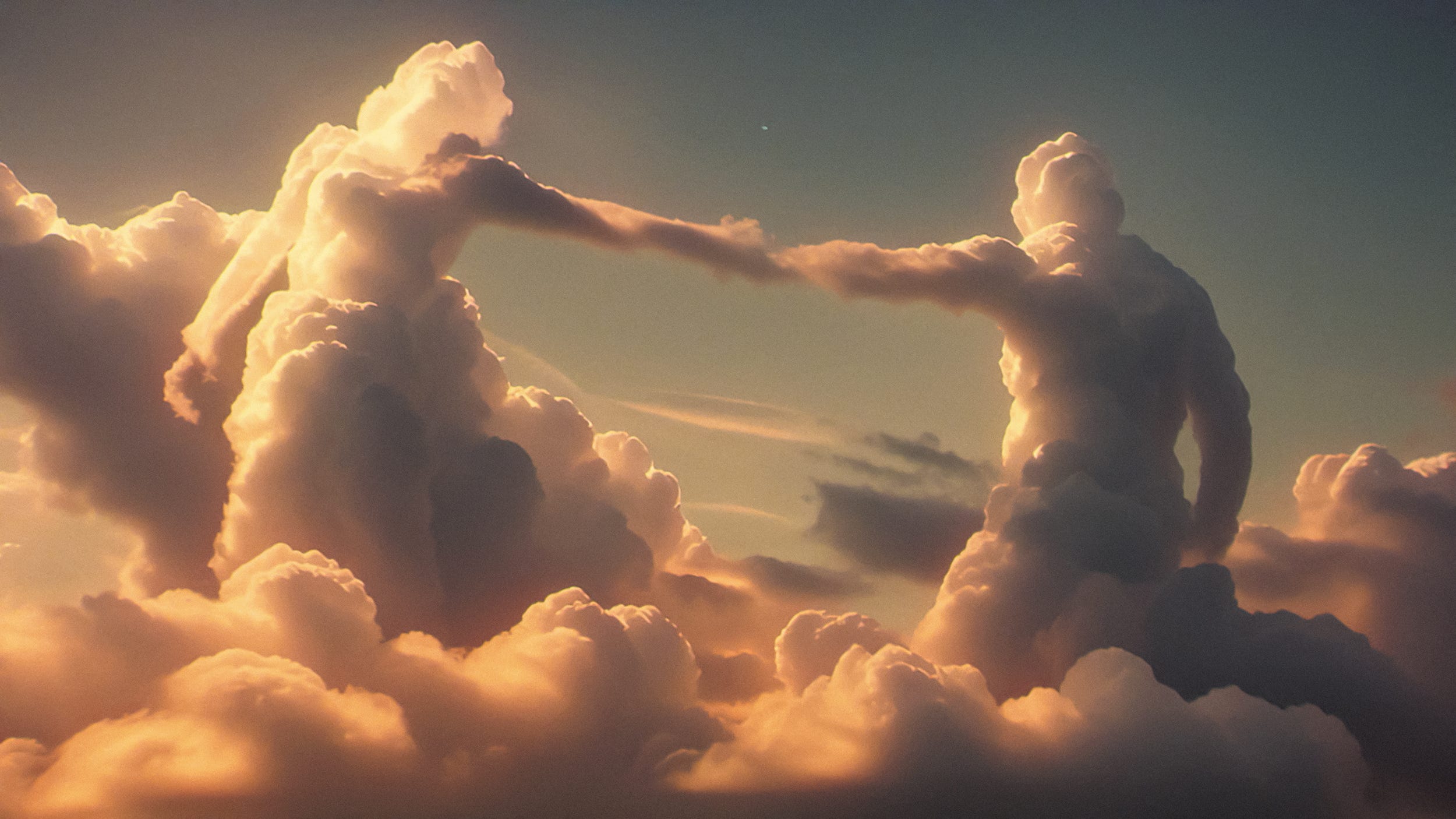
Paul Trillo, a filmmaker who makes shorts and music videos and a cofounder of the AI film company Asteria, also believes the technology can be liberating for resource-strapped independent filmmakers. Trillo has been experimenting with AI as a tool for visual effects: he transformed a live-action dance performance into shape-shifting cloud formations in the animated short Etherea (2025). But he’s also been using the tech in self-reflexive ways. In his short film and performance piece, The Most Perfect Perfect Person (2024), real-life singer and actress Poppy signs away her life rights to an AI duplicate. The film engages with fears surrounding originality and creative labor while still using the tech to add VFX.
While Trillo acknowledges the industry’s current fracturing, he argues that AI doesn’t automatically mean “you don’t have full authorship of the material or you’re getting rid of screenwriting and actors.”
“Don’t fucking use it to write your script [or] use to it to replace actors, because that’s one of the best things about bringing a story to life,” he says. “The WGA and SAG have the least to worry about.”
Responding to the industry’s trepidation, both unions have instituted new rules and restrictions about the use of AI, while many traditional film festivals are still on the fence about the new tech. New SXSW head and longtime film critic Peter Debruge acknowledges that the festival is deciding what to do “before declaring anything dogmatic about AI.” He adds, “We haven’t seen anything made by AI that’s strong enough to force the conversation just yet, but it’s only a matter of time.”
Trillo sees “different appetites” toward AI across the festival world. “Maybe, with a more purist festival like Annecy,” he says, referring to the venerable French animation festival, “they might draw a line, but Tribeca has signaled that they are open to AI.”
Indeed, the for-profit Tribeca Festival is one of the only big film festivals to embrace AI, partnering with companies like OpenAI and Google on shorts packages over the past few years and presenting a fully AI-generated film this year called Dreams of Violets, directed by Ash Koosha, which chronicles the deadly Iranian government crackdown on protests in January.
But, for the most part, the industry still appears divided, with commercial, studio, and tech sectors on one side, while tastemakers sit on the other, waiting for something to arrive that might legitimize it.
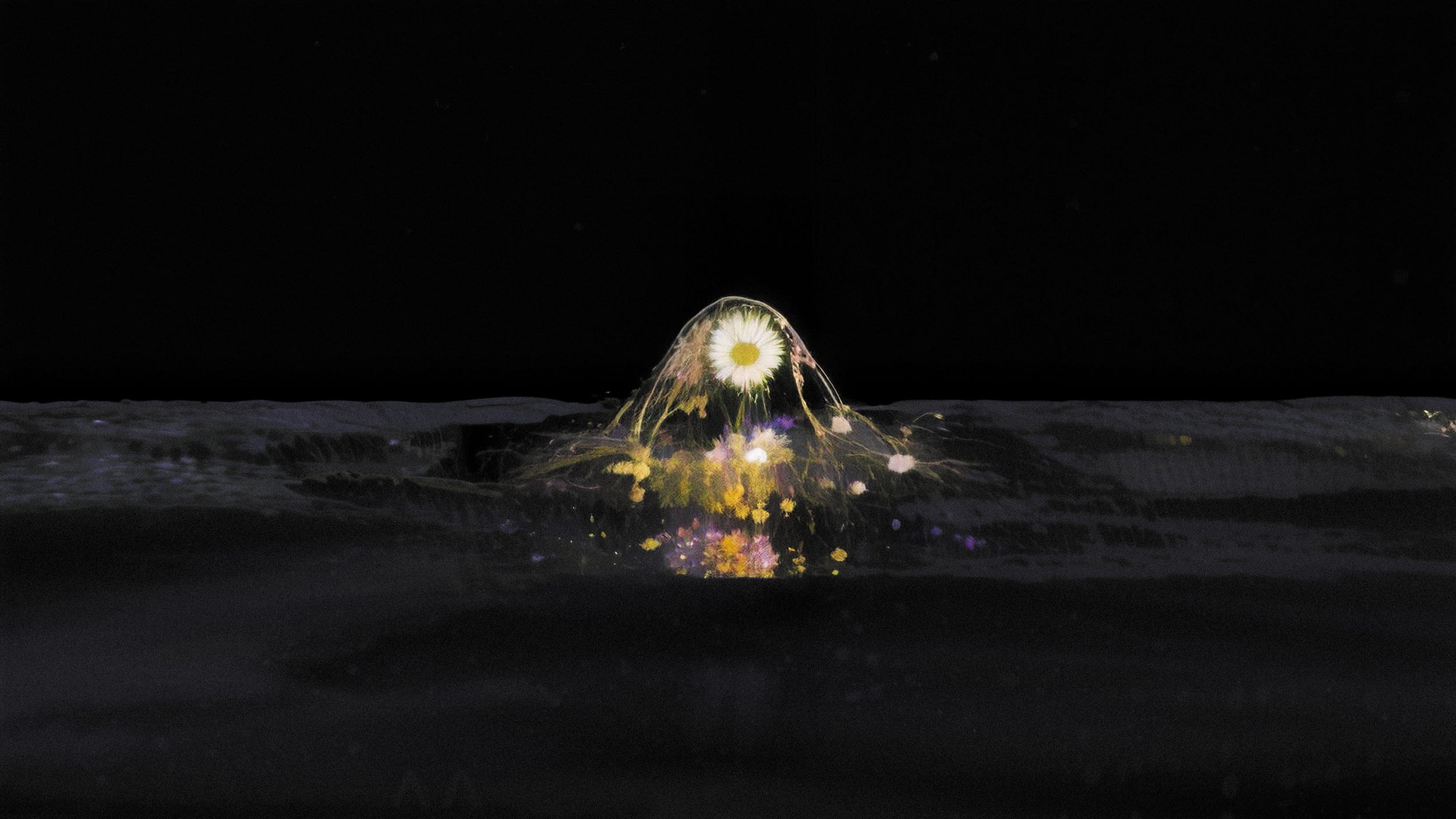
Emerging filmmaker Xindi Zhang has found one way to thread the needle. She won a 2025 Student Academy Award for her USC thesis hybrid documentary, The Song of Drifters, which combines vérité nonfiction shooting, 3D animation, and AI-generated morphing. By framing her work as “an experimental film,” she says, she seems to have quieted the skeptics. “Most of the people I talk to, including the festivals, don’t focus on the AI after seeing the film,” she says. “But it all depends on the context. When I show the film to tech people or studios who want to use AI, they ask, ‘How do I make that?’”
Whether film festivals, cineastes, or established art-film producers embrace the tech or not may not matter to burgeoning AI creators. Kavan Cardoza, a self-identified AI filmmaker who goes by the handle Kavan the Kid, has developed hugely successful AI content outside the traditional film ecosystem. He’s now working directly with an AI platform called Magnific, with which he partnered to produce and which picked up for distribution The Chronicles of Bone, a dark fantasy series that reimagines characters from classic tales, such as Robin Hood, Captain Hook, and King Arthur. One recent installment received more than six million views on YouTube in two months.
“I couldn’t care less about film festivals or awards,” says Cardoza. “I see the future of filmmaking, where there are going to be people putting this stuff online and showcasing a whole new way of storytelling, and they don’t have to have any gatekeepers or studio interference.”
No posts
Comments
Nothing yet. Say the first thing.
Sign in to join the conversation.