
38. SET DRESSING: Decorating sets with appropriate props and furnishings adds detail, texture, and context to scenes, enriching visual storytelling and immersing the audience in the film’s world. Set dressing is essential for shaping the visual aesthetic and emotional impact of a film. Well-chosen set decorations can provide subtle clues about the plot and characters.
This attention to detail ensures that every scene is visually compelling drawing viewers deeper into the story. From establishing atmosphere and mood to characterizing personalities and conveying cultural context, the careful selection and arrangement of props and make the movie experience more engaging and authentic. Set dressing also helps establish the time period and location, grounding the story in a believable reality.
1. Atmosphere and Mood: Set dressing plays a crucial role in establishing the atmosphere and mood of a scene, helping to convey the overall tone of the film. A cluttered, dimly lit room filled with aged furniture can suggest a sense of decay or mystery, while a bright, minimalist space might create feelings of openness or sterility. The choice of objects, their placement, and the color scheme all work together to subtly influence the audience’s emotional response. Textures, patterns, and even the wear and tear of the objects can further amplify the mood, adding layers of detail that make the environment feel lived-in and authentic.
In “The Grand Budapest Hotel,” director Wes Anderson and production designer Adam Stockhausen use meticulously curated props and set pieces to create a whimsical, nostalgic atmosphere that reflects the film’s quirky humor and stylized aesthetic. From ornate furniture and vintage wallpaper to quirky knick-knacks and decorative accents, every detail contributes to the film’s distinct visual identity.
2. Characterization: Set dressing can provide valuable insights into the personalities, tastes, and backgrounds of the characters inhabiting the film’s world. A character’s living space can reveal their emotional state or social status, such as a room filled with personal mementos reflecting sentimentality or a sparse, orderly environment suggesting control and discipline.
The objects surrounding characters often serve as visual clues, helping the audience understand their motivations, relationships, and internal conflicts without needing explicit dialogue. By thoughtfully incorporating specific items and decor, set dressing deepens character development, offering a glimpse into their inner world and adding layers of subtext that enhance the audience’s connection to the story.
In “Marie Antoinette,” director Sofia Coppola employs lavish set dressing, including sumptuous furniture, elaborate costumes, and opulent decor, to evoke the extravagant lifestyle and decadent excesses of the titular queen and the French aristocracy. The ornate furnishings and lavish surroundings serve as visual symbols of wealth, power, and privilege, reinforcing the themes of luxury and indulgence central to the story.
3. Cultural Significance: Set dressing can reflect the cultural identity and values of the film’s characters and settings adding layers of meaning and symbolism. By incorporating culturally specific artifacts, architectural styles, or traditional decor, filmmakers can highlight the characters’ heritage and social influences, deepening the audience’s understanding of the cultural context of the story.
These culturally significant elements not only ground the characters within a specific time and place but also serve as visual metaphors for the struggles or aspirations tied to their cultural identity. The thoughtful use of cultural symbols in set dressing can deepen the film’s themes, creating a richer viewing experience that connects with audiences both emotionally and intellectually.
In “Crazy Rich Asians,” director Jon M. Chu incorporates lavish set dressing, including luxurious furnishings, extravagant decorations, and opulent interiors, to depict the extravagant lifestyle of Singapore’s ultra-wealthy elite. The elaborate sets and upscale decor not only underscore the film’s themes of wealth, status, and excess but also serve as a celebration of Asian culture, tradition, and heritage.
4. Historical and Cultural Context: Set dressing helps to situate the film within a specific time period and cultural milieu, enhancing authenticity and immersion for the audience. Accurate historical details in the set design can provide visual clues about the characters’ backgrounds, societal norms, and the challenges they face. By faithfully recreating the era and environment, filmmakers create a believable world that allows viewers to fully engage with the story and its cultural context
In “Once Upon a Time in Hollywood,” director Quentin Tarantino meticulously recreates the vibrant atmosphere of 1960s Los Angeles through period-appropriate set dressing, including retro signage, vintage cars, and nostalgic decor. The attention to detail in the set dressing transports viewers back in time, creating the sights and sounds of a bygone era and capturing the essence of Hollywood’s golden age.
5. Visual Storytelling: Set dressing serves as a powerful tool for visual storytelling, helping to convey information, establish context, and deepen the story through subtle visual cues. Objects within the set can reveal details about a character’s personality, history, or emotional state, providing insight without the need for dialogue. The arrangement and choice of items can also foreshadow events or symbolize key themes, adding layers of meaning that enrich the story.
In “Pan’s Labyrinth,” director Guillermo del Toro uses intricate set dressing to create a fantastical and immersive world that blurs the line between reality and fantasy. The elaborate and otherworldly sets, adorned with mystical symbols, eerie artifacts, and fantastical creatures, serve as a visual canvas for the film’s dark fairy tale narrative, inviting viewers to suspend disbelief and embark on a journey of imagination and wonder.
I am a Director and Film Directing Coach. https://www.imdb.com/name/nm0551106/
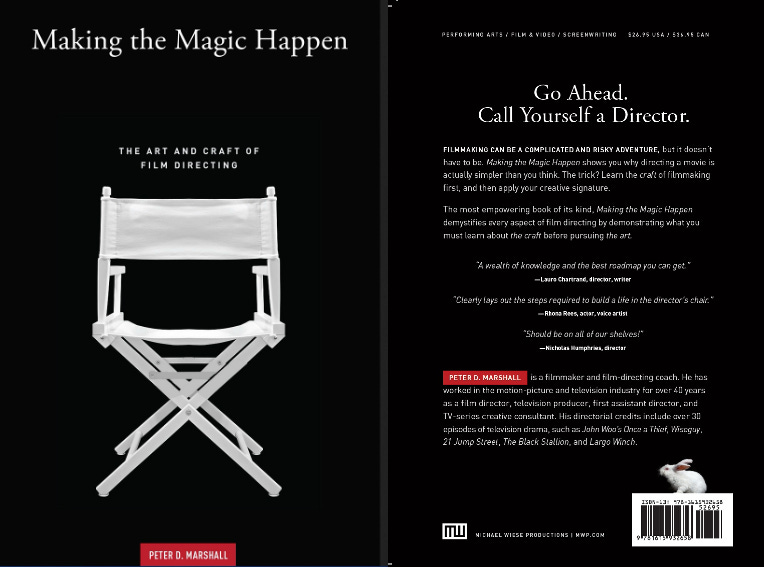
I am also the author of the film book “Making the Magic Happen: The Art and Craft of Film Directing” published by Michael Wiese Productions.
https://www.amazon.com/MAKING-MAGIC-HAPPEN-Craft-Directing/dp/1615932658
In 2024, I spent 9 months writing 25 film directing (e)books called “MASTERING THE ART AND CRAFT OF DIRECTING - A Masterclass Series of Film Directing Tips, Tools and Trade Secrets For Anyone Sitting in the Directors Chair.”
If you would like to get the first 2 ebooks for FREE, plus the 39-page Series Table of Contents of ALL the content that is available in each of the 25 Directing books, please visit: https://actioncutprint.com/masterclass-series-of-25-directing-ebooks/
Here’s to YOUR filmmaking success!
No posts
Comments
Nothing yet. Say the first thing.
Sign in to join the conversation.