
45. SYMBOLISM: Symbolism uses visual elements, objects, or motifs to represent broader themes and ideas in a story. This technique allows tangible items or recurring visuals to stand in for abstract concepts, enriching the film with deeper meaning. Symbolic imagery adds layers of interpretation, encouraging viewers to engage with themes on a more thoughtful level. For instance, a broken clock can represent the passage of time, while colors like red and blue symbolize emotions like passion or melancholy. Symbolism is used to visually communicate complex ideas, inviting the audience to explore the film’s underlying messages and themes.
1. Audience Engagement: Symbolism engages audiences by prompting them to think critically and interpret the visual elements. It transforms passive viewing into an active process of discovery encouraging viewers to find personal connections and insights within the film. In “Fight Club” the use of soap as a symbol of cleansing and rebirth engages viewers in understanding the deeper messages about consumerism and identity.
2. Color Symbolism: Directors use specific colors to symbolize themes, emotions, or character traits throughout the film. Color symbolism adds depth and layers of meaning, guiding the audience’s emotional and intellectual responses. For example, a character’s shift from wearing dark to light colors may symbolize personal growth or a change in their moral outlook. Zhang Yimou in “Hero“ uses different color schemes to represent various perspectives and themes.
3. Contextual Symbolism: Symbols often derive meaning from the cultural or narrative context in which they appear. An object or image can have different symbolic meanings in different cultures or stories, making the context crucial for interpretation. In “Pan’s Labyrinth“ the labyrinth itself symbolizes the protagonist’s journey through chaos and the quest for meaning and truth amidst the turmoil of the Spanish Civil War.
4. Depth and Layering: Symbolism adds layers of meaning to any film, inviting viewers to delve deeper into the story and uncover hidden messages. This complexity enriches the viewing experience and encourages multiple interpretations. “The Great Gatsby“ uses various symbols to add depth to the story. One of the most prominent symbols is the green light at the end of Daisy’s dock, which represents Gatsby’s hopes and dreams for the future. The light is a constant reminder of his longing for Daisy and the American Dream, which he believes he can attain through wealth and status.
5. Dream Sequences: Incorporating surreal, dreamlike sequences to explore characters’ subconscious thoughts and desires. These sequences add a layer of psychological depth and complexity to the story allowing filmmakers to visually represent inner conflicts or hidden emotions. Federico Fellini in “8½” uses dream sequences to delve into the protagonist’s inner turmoil and creative struggles.
6. Emotional and Psychological Impact: Symbols can evoke strong emotional responses and resonate on a psychological level. They can reflect characters’ internal states, amplify thematic elements, and create a more emotionally engaging story allowing viewers to connect with the film on a deeper, more personal level. In “Requiem for a Dream“ the recurring motif of the refrigerator serves as a symbol of the characters’ addiction and the looming threat it poses to their lives.
7. Objects as Symbols: Everyday objects can take on symbolic significance, conveying more than their ordinary meaning. A rose can symbolize romance, beauty, or the fleeting nature of life, depending on the context adding layers of meaning to the story and enriching the audience’s interpretation. In “Citizen Kane“ the word “Rosebud” represents lost innocence and the main character’s longing for a simpler, happier time in his life.
8. Recurring Motifs: Recurring motifs are repeated visual or thematic elements that reinforce the central themes of a film. These can be subtle, like a recurring image of birds representing freedom or entrapment, or more direct, like repeated scenes of water symbolizing cleansing or rebirth adding continuity and deeper meaning to the story. In “The Shining“ the motif of mirrors and reflections is used to symbolize the duality of Jack Torrance’s character and his descent into madness.
9. Symbolic Actions: Actions or gestures performed by characters can also carry symbolic weight. A character’s repeated action, like looking out of a window, can symbolize longing, hope, or entrapment. “The Shawshank Redemption“ uses the act of Andy Dufresne repeatedly playing the same piece of music on his phonograph to symbolize hope and the enduring human spirit. Throughout his time in Shawshank prison, Andy plays “The Marriage of Figaro” over the loudspeakers, which captivates the inmates and provides a brief moment of beauty and escape from their harsh reality.
10. Visual Consistency and Unity: The consistent use of symbols throughout a film reinforces the film’s central themes and ensures a harmonious visual experience. “The Double Life of Véronique” uses visual unity through its consistent use of reflective surfaces, warm color tones, and recurring motifs such as hands and strings. These elements serve to link the parallel lives of the two protagonists, Véronique and Weronika, who are unaware of each other’s existence but share a mysterious connection.
11. Visual Elements as Symbols: Specific colors, shapes, and imagery can be employed to signify deeper meanings. For instance, the color red might symbolize passion, danger, or love, while a broken mirror could represent shattered dreams or fragmented reality. “The Shape of Water“ uses shades of blue and green to create a dreamy, aquatic atmosphere. The color blue is prevalent in the lab where the creature is held, as well as in the apartment of the protagonist, Elisa. This color scheme evokes a sense of calmness and otherworldliness, fitting with the film’s themes of love and fantasy.
12. Cultural and Historical Significance: Symbols often carry cultural or historical significance, enriching the story with layers of context. Symbols rooted in specific cultural or historical contexts can create powerful associations, connecting the audience to the deeper meanings of the story. A recurring object or motif may represent a historical event or a shared cultural value, allowing the filmmaker to communicate complex ideas through visual shorthand. These symbols not only enhance the story’s thematic depth but also invite viewers to engage with the film on a more intellectual and emotional level.In “Pan’s Labyrinth,” directed by Guillermo del Toro, the mythical faun that guides the protagonist, Ofelia, on her quest through the labyrinth serves as a potent symbol of ancient folklore and the enduring power of imagination in the face of tyranny and oppression
13. Character Development and Arc: Symbols can reflect the inner journey and transformation of characters throughout the story. Symbols can visually represent a character’s internal struggles, growth, or evolution, such as a broken mirror symbolizing a fractured identity or a blooming flower representing personal renewal. As the character develops, these symbols may change or evolve alongside them, reflecting shifts in their mindset or emotional state. By using symbols to track character arcs, filmmakers provide the audience with subtle visual cues that deepen their understanding of the character’s transformation throughout the story.
In “The Lord of the Rings: The Fellowship of the Ring,” directed by Peter Jackson, the One Ring serves as a central symbol of power, corruption, and temptation that tests the resolve and integrity of the characters who encounter it. Frodo’s burden of carrying the Ring becomes a metaphor for the weight of responsibility and the choices that define his hero’s journey.
14. Foreshadowing and Premonition: Foreshadowing is a narrative technique that hints or clues at events that will occur later in the story, subtly preparing the audience for future plot developments. It can be conveyed through dialogue, visual cues, symbols, or even music, creating anticipation or tension as the audience begins to predict what might happen next. Premonition, on the other hand, refers to when characters themselves experience a sense of foreboding or intuition about future events, often signaled through dreams, visions, or supernatural elements
In “Jaws,” directed by Steven Spielberg, the recurring motif of the shark’s theme music foreshadows impending danger and death. The ominous, escalating two-note theme composed by John Williams signals the shark’s presence and builds tension for the audience. Whenever this music plays, it preempts an attack, creating a sense of anticipation and suspense. The music itself becomes a symbol of the lurking threat beneath the water, subtly preparing the audience for the chaos and fear that follows.
15. Metaphorical Representation: Symbols are often used to represent abstract concepts or ideas in a tangible form. Filmmakers use symbols to express complex themes like love, fear or mortality, making these abstract ideas more accessible to the audience. A caged bird might symbolize confinement or lost freedom, while water could represent life, renewal, or transformation. These metaphorical representations allow filmmakers to convey deeper layers of meaning visually, enriching the story and encouraging viewers to engage with the film on a more interpretive level. By using these symbols, filmmakers can subtly guide the audience’s emotional and intellectual engagement, prompting them to uncover hidden meanings and explore the film’s underlying themes more deeply.
In “The Shawshank Redemption,“ directed by Frank Darabont, the poster of Rita Hayworth that Andy Dufresne uses to conceal his escape tunnel serves as a powerful symbol of hope and redemption amidst the oppressive confines of Shawshank State Penitentiary. The image of Rita Hayworth becomes a metaphor for the transformative power of dreams and the resilience of the human spirit in the face of adversity.
16. Universal Archetypes: Symbols often tap into universal archetypes and collective unconsciousness, connecting with audiences on a primal and instinctual level. These archetypal symbols, such as the teacher, the shadow, or the mother figure, resonate across cultures and time periods, creating deep emotional responses that transcend individual experiences. By incorporating universal symbols, filmmakers can tap into shared human emotions and psychological patterns, creating a sense of familiarity and connection within the story. These archetypes help to anchor the story in universally understood concepts, allowing the film to communicate complex ideas with simplicity and power, making the story feel both personal and universally relevant.
In “The Matrix,” directed by the Wachowskis, the iconic red pill/blue pill metaphor is a potent symbol of awakening and liberation from the illusory constructs of reality. The choice between the red pill, which reveals the harsh truth of the Matrix, and the blue pill, which offers blissful ignorance, symbolizes the eternal quest for enlightenment and the pursuit of truth in a world dominated by deception and control.
Impact on Visual Style: Symbolism is a powerful tool in filmmaking that significantly impacts a film’s visual style and storytelling. Through visual elements, objects, motifs, contextual symbolism, and symbolic actions, filmmakers can add depth and awaken emotions. Directors like Stanley Kubrick (”2001: A Space Odyssey”) and Terrence Malick (”The Tree of Life”) incorporate symbolism into their visual style to add layers of meaning and provoke deeper reflection. Symbolic imagery enriches the story, encouraging audiences to engage with the film on an intellectual and emotional level.
I am a Director and Film Directing Coach. https://www.imdb.com/name/nm0551106/
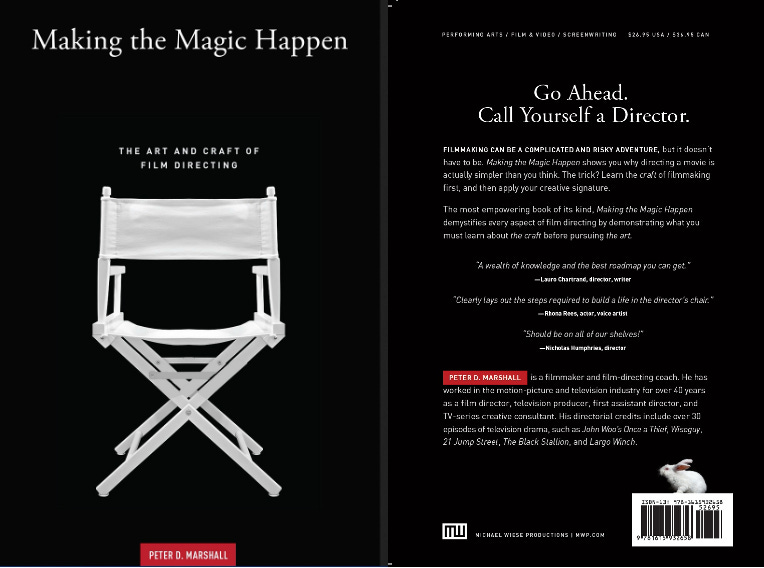
I am also the author of the film book “Making the Magic Happen: The Art and Craft of Film Directing” published by Michael Wiese Productions.
https://www.amazon.com/MAKING-MAGIC-HAPPEN-Craft-Directing/dp/1615932658
In 2024, I spent 9 months writing 25 film directing (e)books called “MASTERING THE ART AND CRAFT OF DIRECTING - A Masterclass Series of Film Directing Tips, Tools and Trade Secrets For Anyone Sitting in the Directors Chair.”
If you would like to get the first 2 ebooks for FREE, plus the 39-page Series Table of Contents of ALL the content that is available in each of the 25 Directing books, please visit: https://actioncutprint.com/masterclass-series-of-25-directing-ebooks/
Here’s to YOUR filmmaking success!
No posts
Comments
Nothing yet. Say the first thing.
Sign in to join the conversation.