
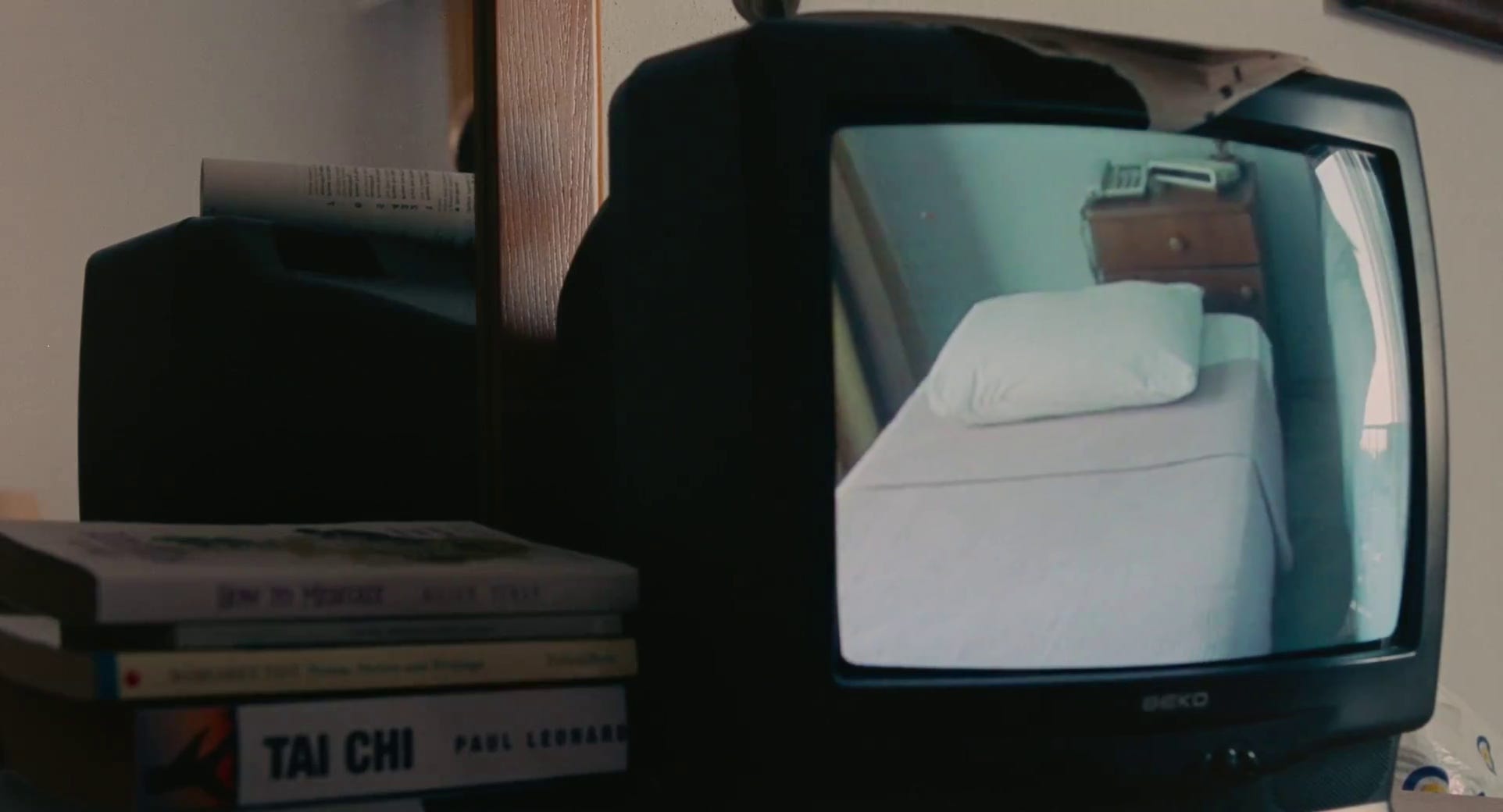
You’re watching a movie, the tension is sky-high, two characters have just had a devastating argument, and one of them storms out of the room. Your brain is naturally wired to follow the drama—you expect the camera to cut to the hallway, or at least show the other person crying. Instead, the director does something strange. The camera just stays there. It lingers on a sunlit, empty hotel curtain fluttering in the breeze (Aftersun), or stares blankly at a cold, towering concrete wall after everyone has walked off-screen (Columbus).
For a second, you might think, “Did the editor forget to cut? Is my screen lagging?”
We’ve been completely conditioned by mainstream Hollywood to crave non-stop stimulation. If a scene doesn’t have explosive dialogue, rapid-fire cuts, or immediate plot progression, we treat it like a boring lull in pacing—a mistake, even. But these “empty frames” aren’t empty at all. They are actually a psychological blueprint for what’s happening deep inside a character’s mind. By deliberately forcing us to look at spaces where nobody is standing, independent films like the aforementioned do something magical: they turn a simple room into a canvas for raw human emotion. Independent cinema uses quiet, negative space to talk about massive things—like heavy grief, feeling out of place in the world, or deep longing—in a way that spoken words are just too clumsy to handle. Let’s talk about why the moments where “nothing happens” are actually the parts of a movie that stay with you the longest.
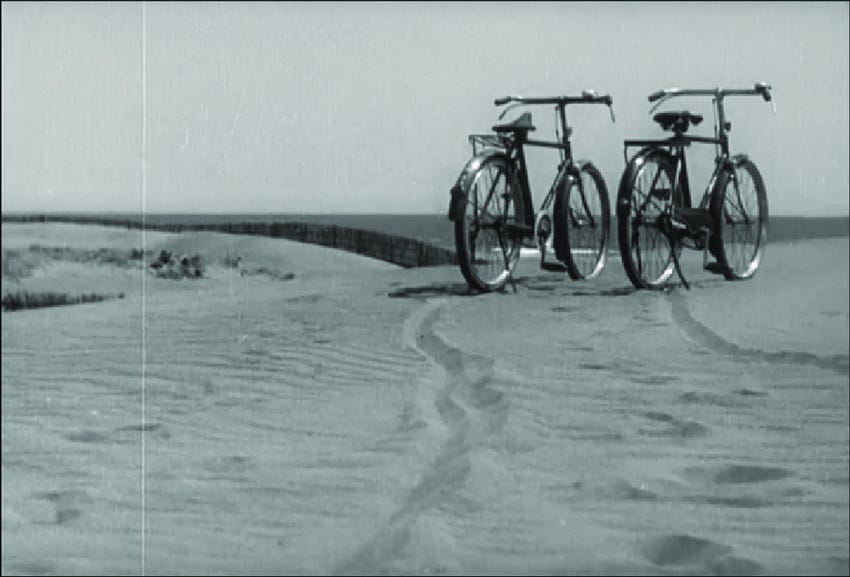
To understand how we got here, we have to travel back to mid-century Japan and look at the work of legendary filmmaker Yasujirō Ozu. Long before modern
Comments
Nothing yet. Say the first thing.
Sign in to join the conversation.