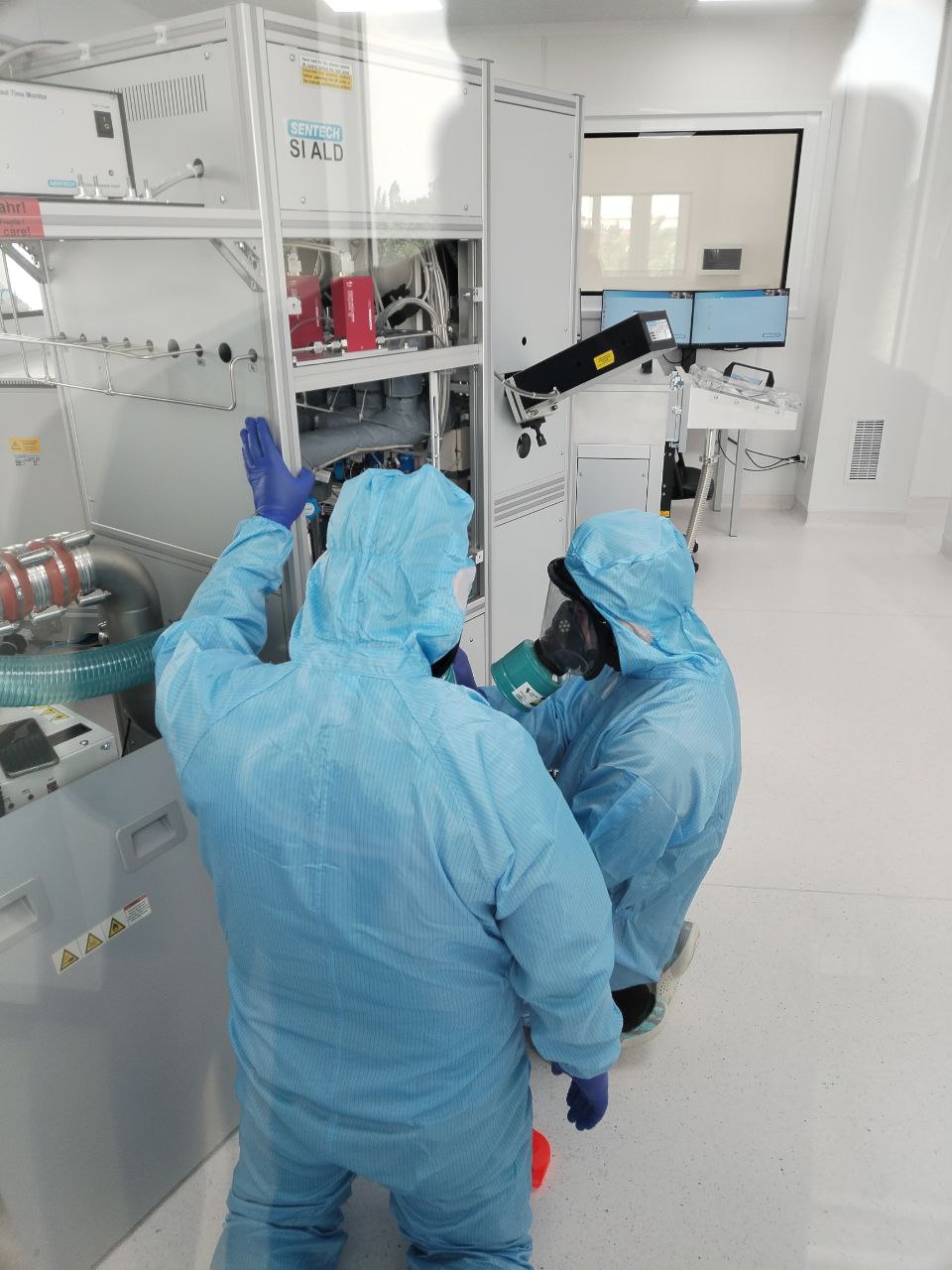
Denmark's ATLANT 3D has launched NANOFABRICATOR PRO, a US-built atomic-layer 3D printer it calls the first physical platform to pair AI-driven materials discovery with atom-by-atom fabrication.
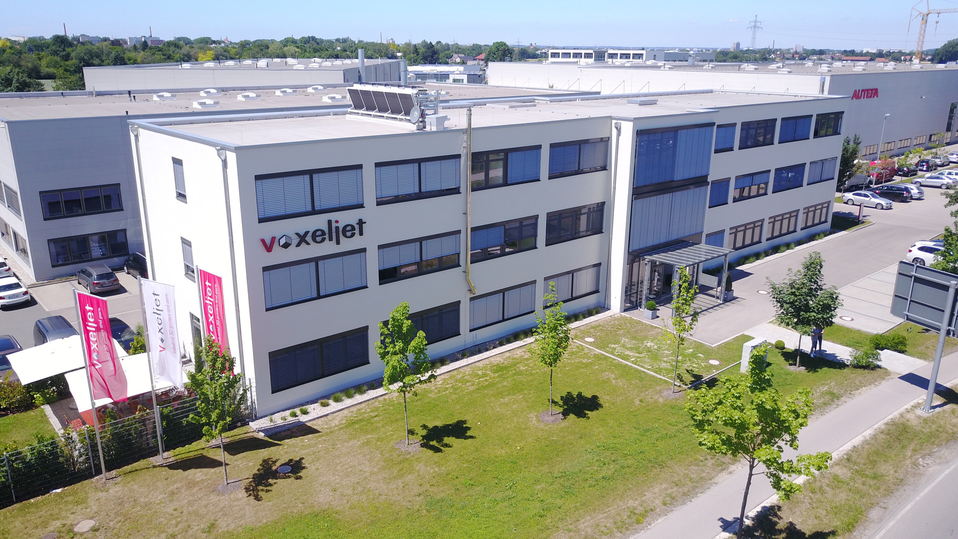
ExOne GmbH and voxeljet GmbH, both bought by Anzu Partners in 2025, became a single German legal entity on August 13, 2026, operating as ExOne GmbH under CEO Eric Bader while keeping the voxeljet brand for PMMA and HSS lines.
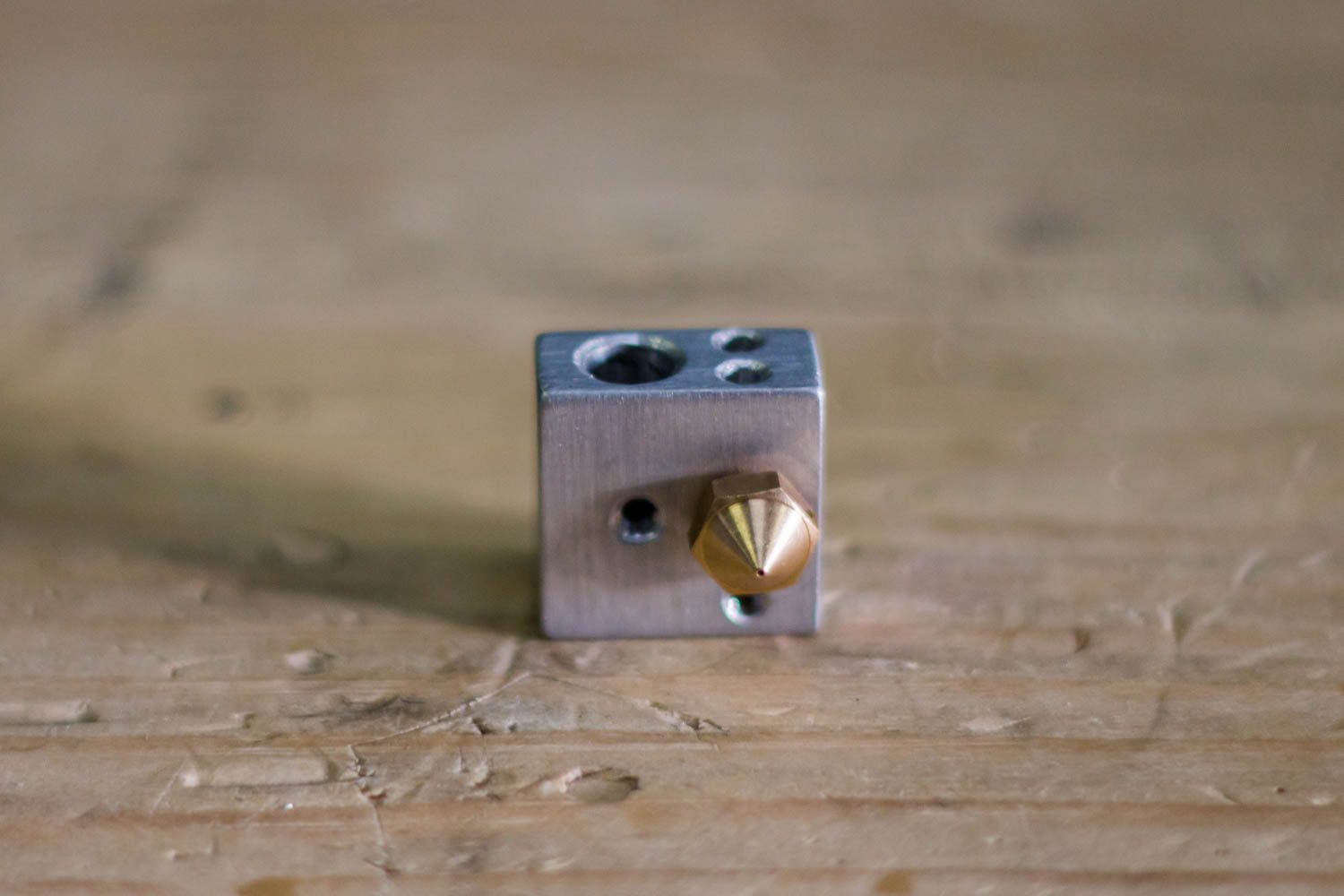
A new open-source database and calculator models 64 hot ends against 36 polymers to estimate real maximum flow rates, aiming to replace manufacturers' rosy speed claims with physics.
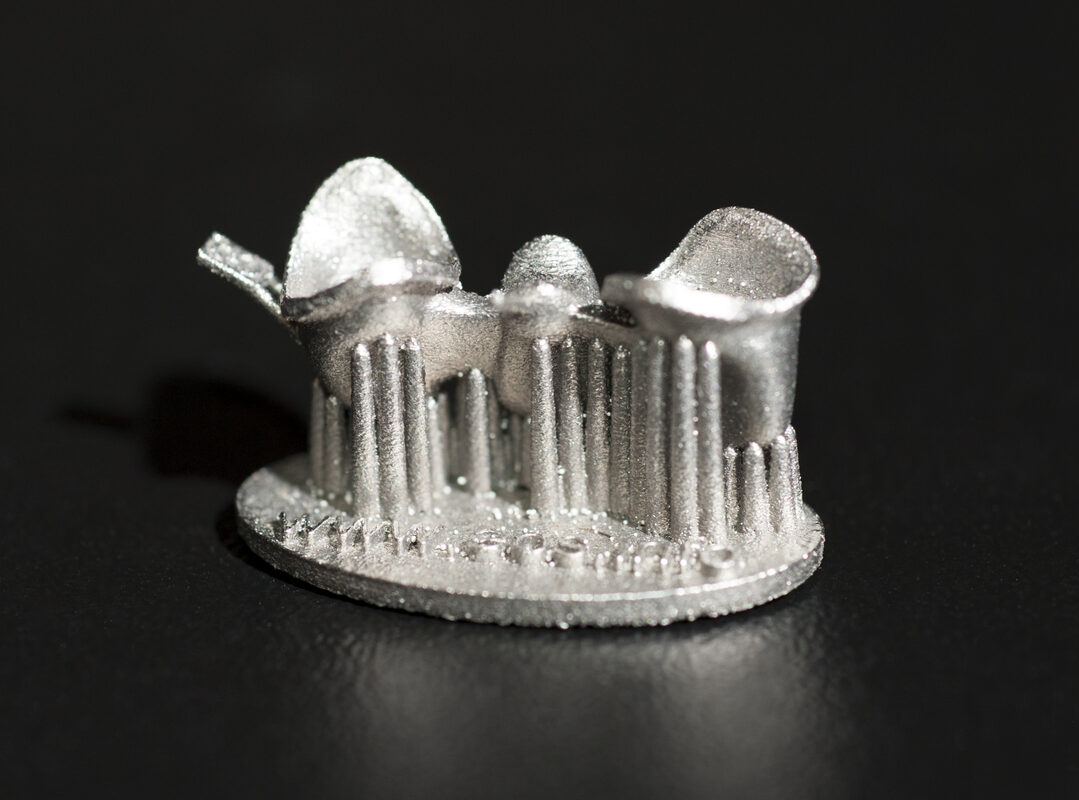
Adelaide University, Fusetec, and the AMCRC launched an 18-month, AU$800,000 project to 3D print teeth, jawbone, and soft tissue that fracture like the real thing during dental training.
Stratasys' GrabCAD Print 1.117 is now generally available, adding official SAF PA12 – Powered by Evonik support for H350 printers, a transparent viewer mode, offline licensing, and updated CAD import compatibility.
SYZMIK's X7c+ headband, built around a 3D-printed EPU 45 lattice from Carbon's Digital Light Synthesis process, took the Sport Equipment Design/Innovation prize at the 2027 FIT Sport Design Awards and a Core77 runner-up nod.
Bambu Lab has begun teasing the R1, a standalone laser cutter/engraver separate from the H2D's module, with a "Coming September" tagline and no specs yet — a potential shot across xTool's bow.
Buckley Conversions used a KUKA robot arm to print an entire luxury camper interior in polypropylene, shaving roughly 1,500 lbs off a Mercedes-Benz eSprinter build and stretching its EV range.
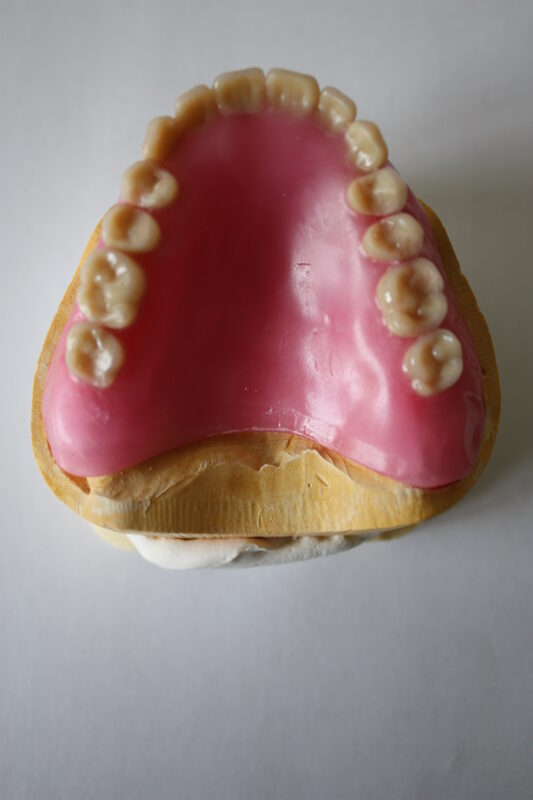
Carbon's new DB 4000 denture base resin claims 31% higher toughness than the category leader, FDA Class II clearance, and ISO 20795-1 compliance for M-Series DLS printers.
A laser-assisted pre-melt technique spotted by Hackaday pushed Z-axis breaking strain to 94% of X-axis strength on ABS and 77.9% on PLA, directly attacking FDM's oldest structural weakness: layer adhesion.
America Makes and NCDMM named three winning teams — led by ATI Materials, Trusted Metal LLC, and The Barnes Global Advisors — for a $9M, Pentagon-funded push to speed up how defense contractors qualify 3D-printed parts and machines.
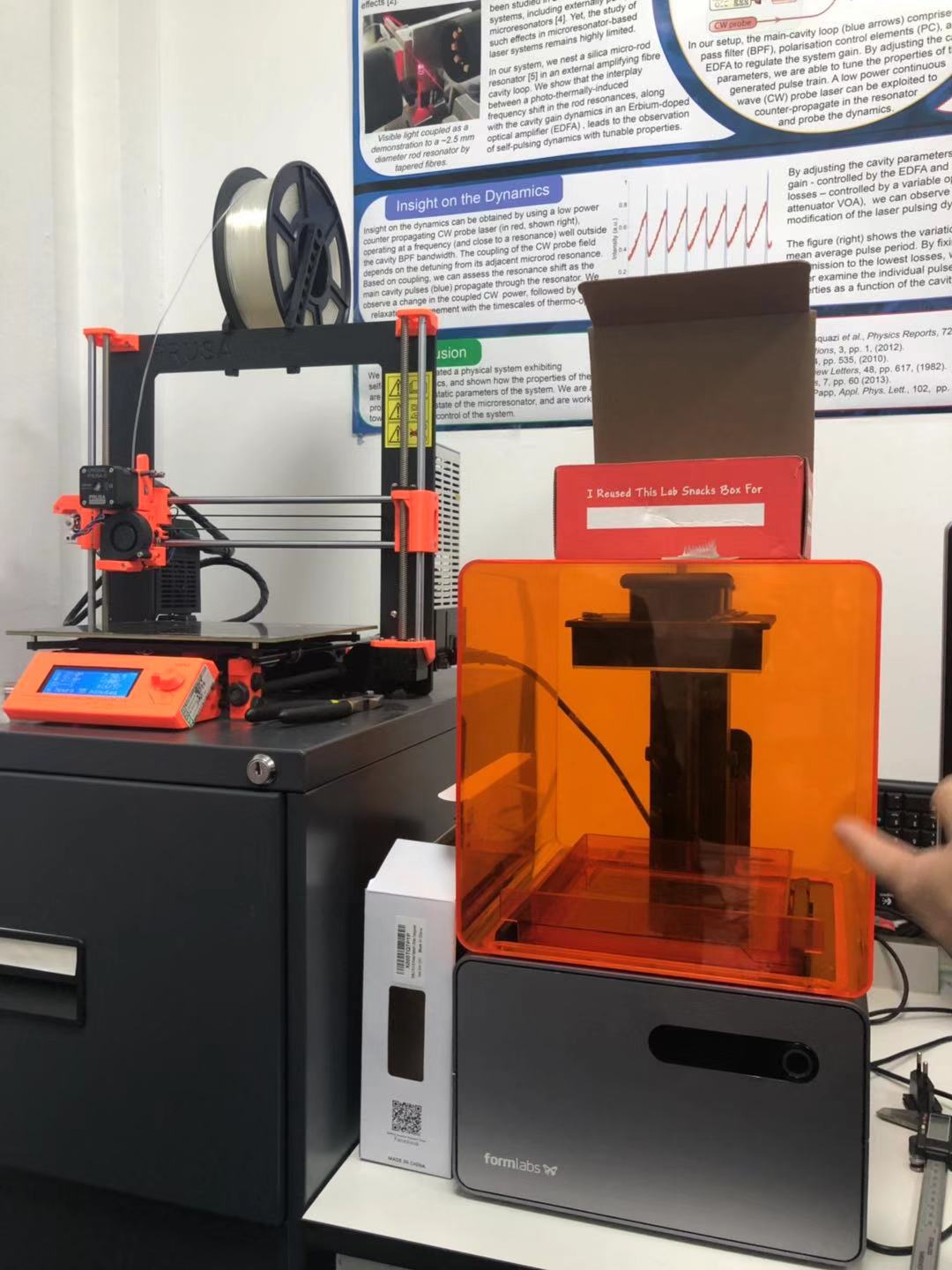
Hackaday's Maya Posch pit an Elegoo Neptune 4 against Uniformation's 16K GK3 Ultra resin printer and came away convinced SLA wins on fine detail — but warns FDM users printing ABS/ASA need real respiratory protection.
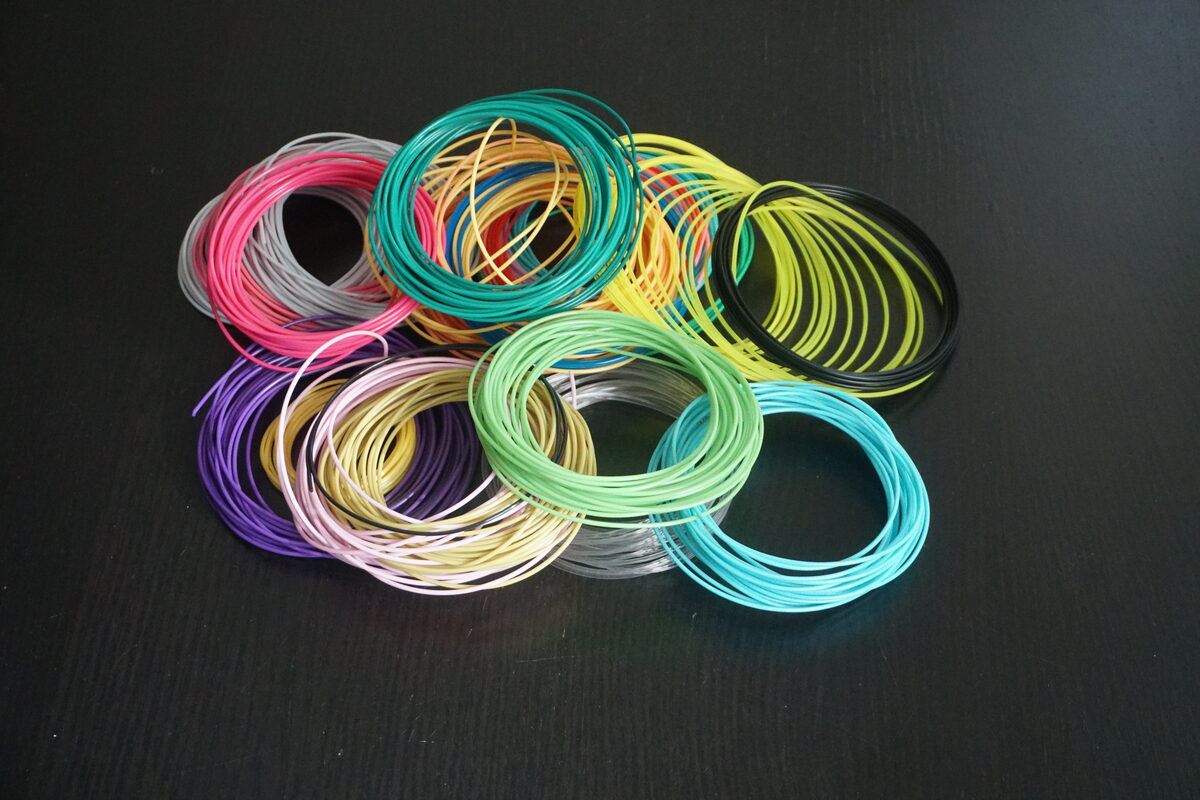
A blowtorch test of a dozen filaments found ABS, ASA, and foam TPU burn readily with sooty yellow flames, while regular TPU and PETG strongly resist ignition even under direct flame.
Stratasys' Q2 2026 results show defense revenue up 17% and consumables at an all-time high of $66.3M, even as total revenue held flat and the company walked back its full-year cash flow outlook.
Formlabs adds former Apple hardware boss Dan Riccio as an investor and strategic advisor while promoting co-founder Max Lobovsky to board chairman and CPO Dávid Lakatos to President, signaling a harder push into industrial 3D printing.
A Nature Communications study out of Pusan National University and Oak Ridge National Laboratory shows a direct-ink-written liquid crystal elastomer whose print speed and temperature alone decide whether it elongates or contracts when heated.
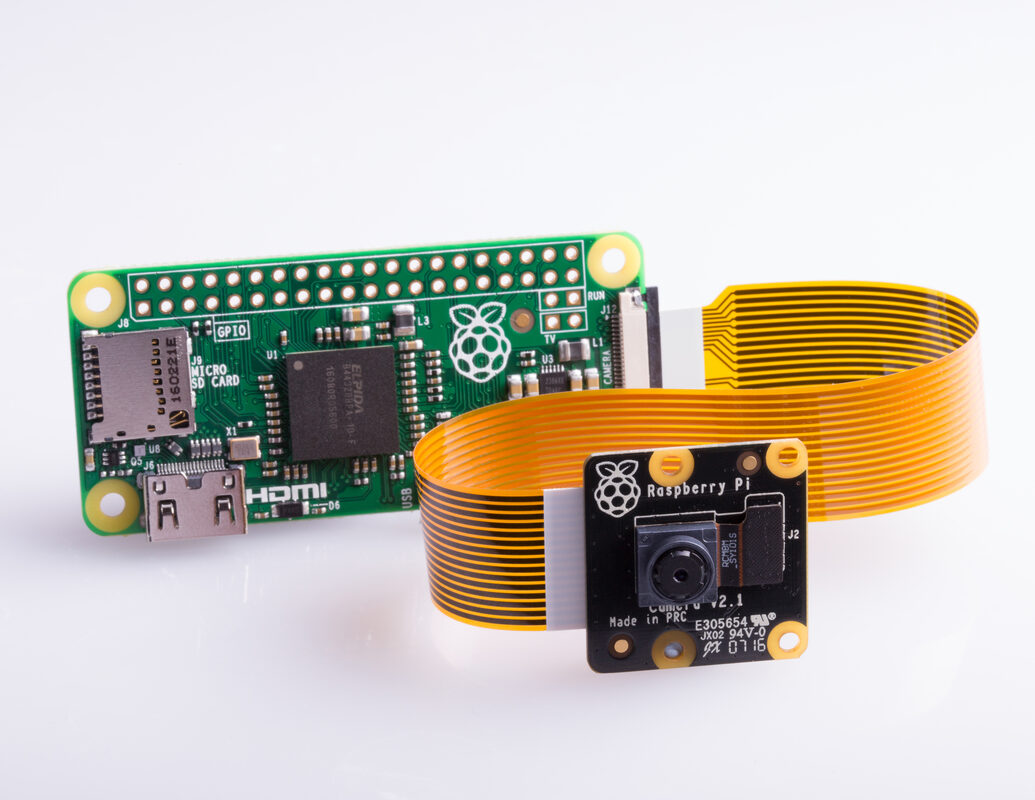
Hobbyist Irtaza2009 open-sourced PiShot, a 3D-printed compact-camera-style case built around a Pi Zero 2 W, Camera Module 3, and a rear ST7789 screen, with full design files and Python code posted to GitHub.
Roetz-End creator Jan is replacing the solid core of printed tubing with a compressed-air stream, chasing hollow parts that are up to 90% air — but pressure swings and leaks are still winning.
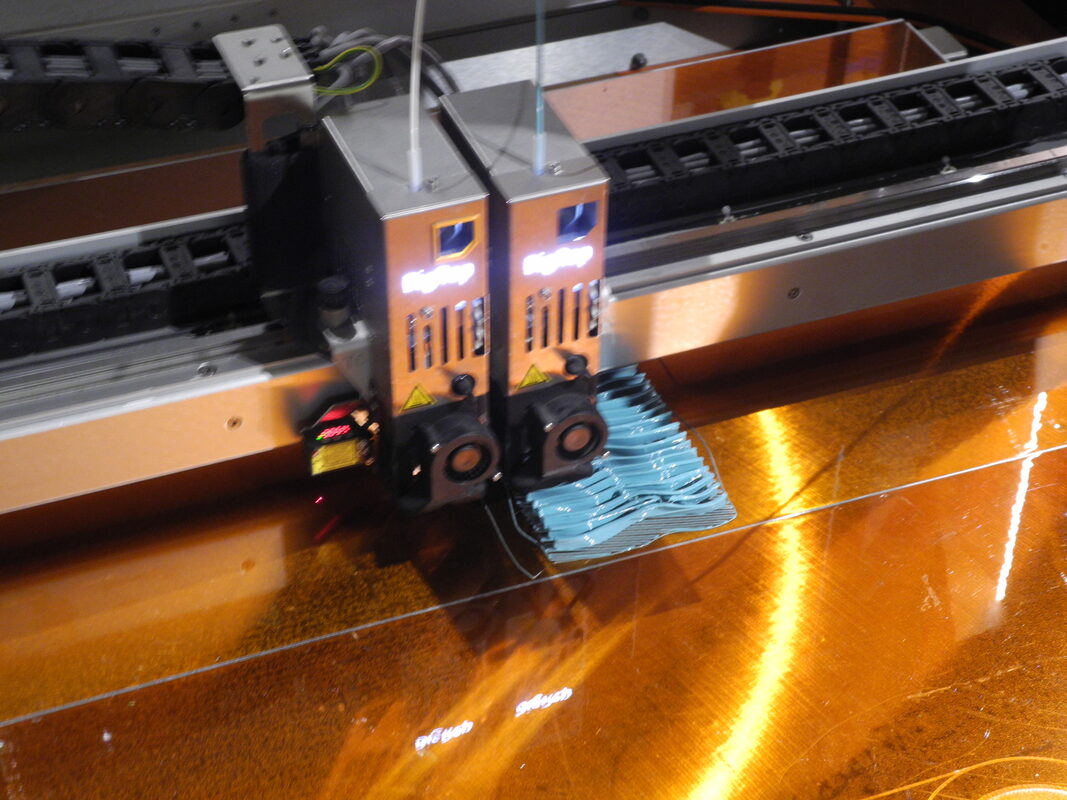
Continuous Composites has sued Anisoprint (d/b/a Fibre Seek) in Delaware federal court, alleging the FibreSeeker 3 printer infringes ten patents after three years of failed licensing talks.
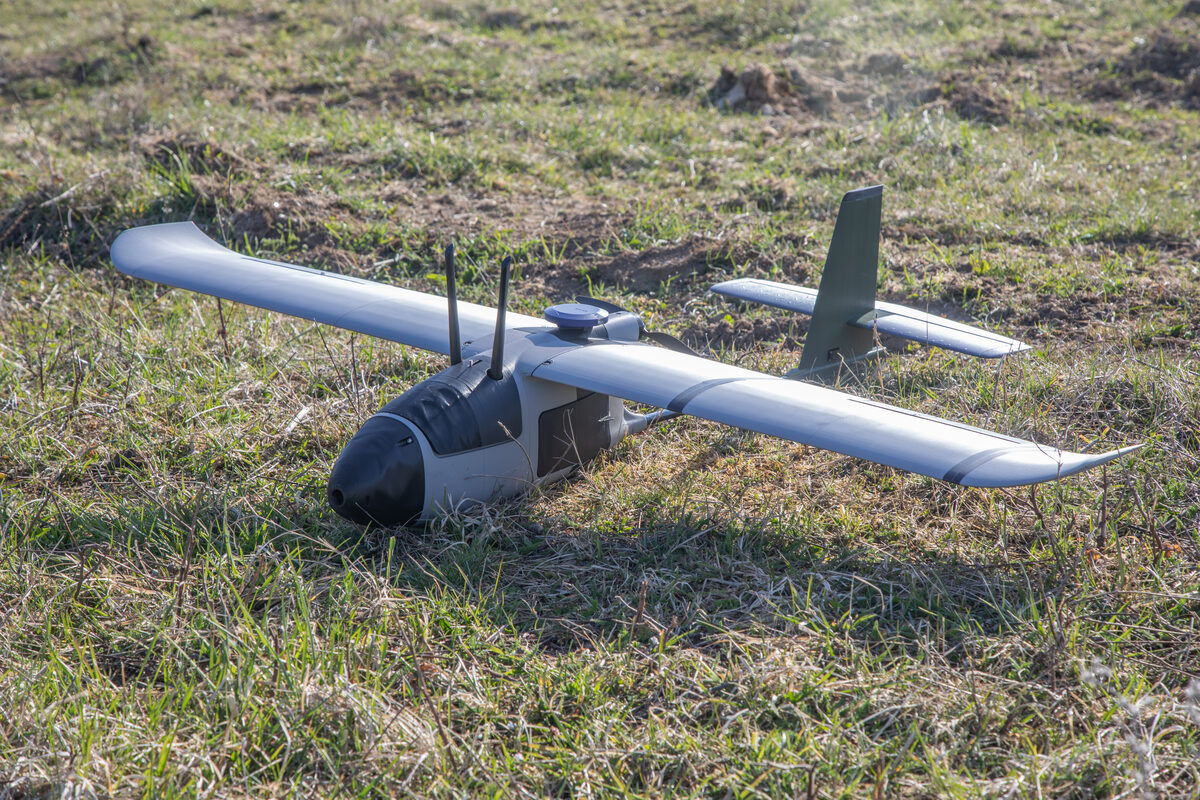
NW Rapid Manufacturing, an Oregon spinoff of drone-engine maker Northwest UAV, has quietly used three industrial EOS SLS systems to print end-use UAV parts now credited with over 800,000 flight hours for customers like Matternet and AeroVironment.
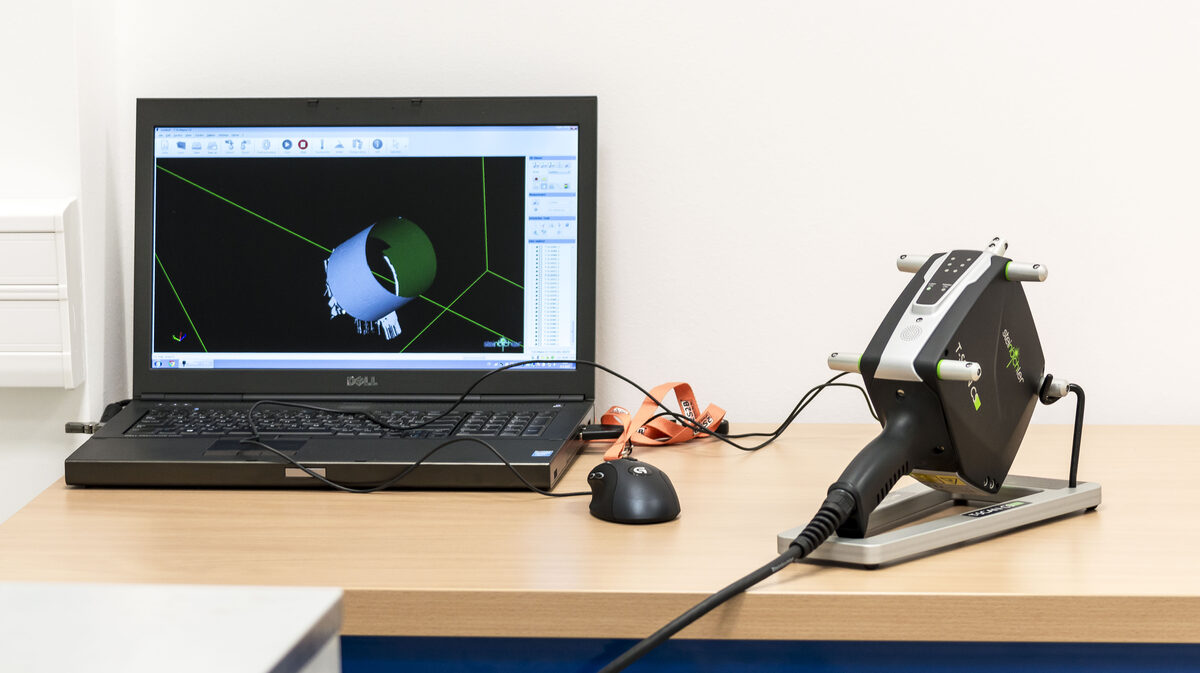
Backflip AI's second-generation CAD foundation model turns scans and mesh files into fully parametric, feature-tree CAD in 1-5 minutes, dropping reverse-engineering cost from about $1,500 to roughly $10 a part.
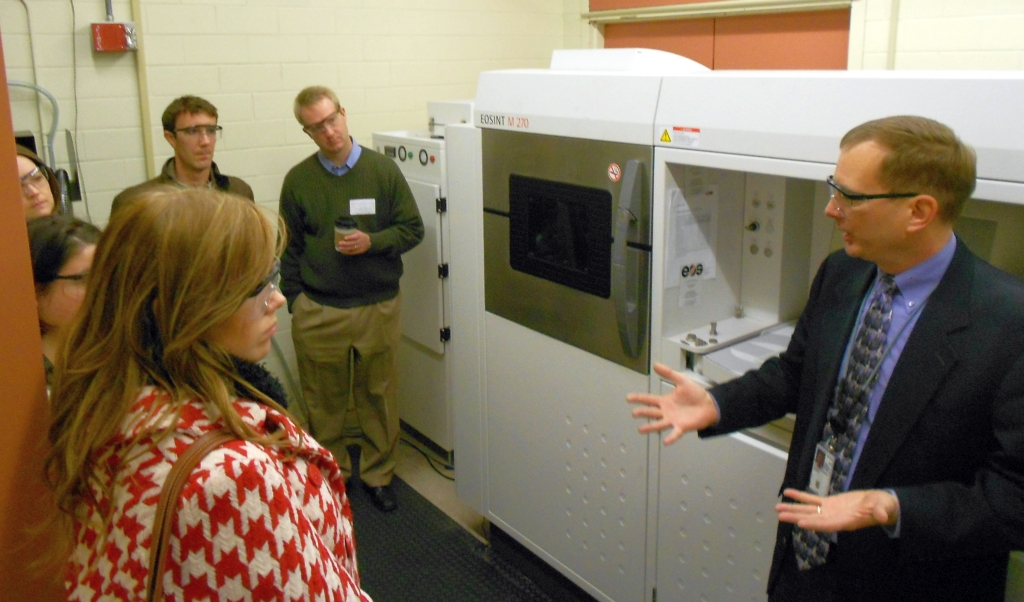
NUWC Division Keyport is now the first Navy Warfare Center with NAVSEA qualification for metal powder bed fusion, clearing an EOS M290 to print 17-4PH stainless steel tactical and shipboard parts after a seven-year effort.
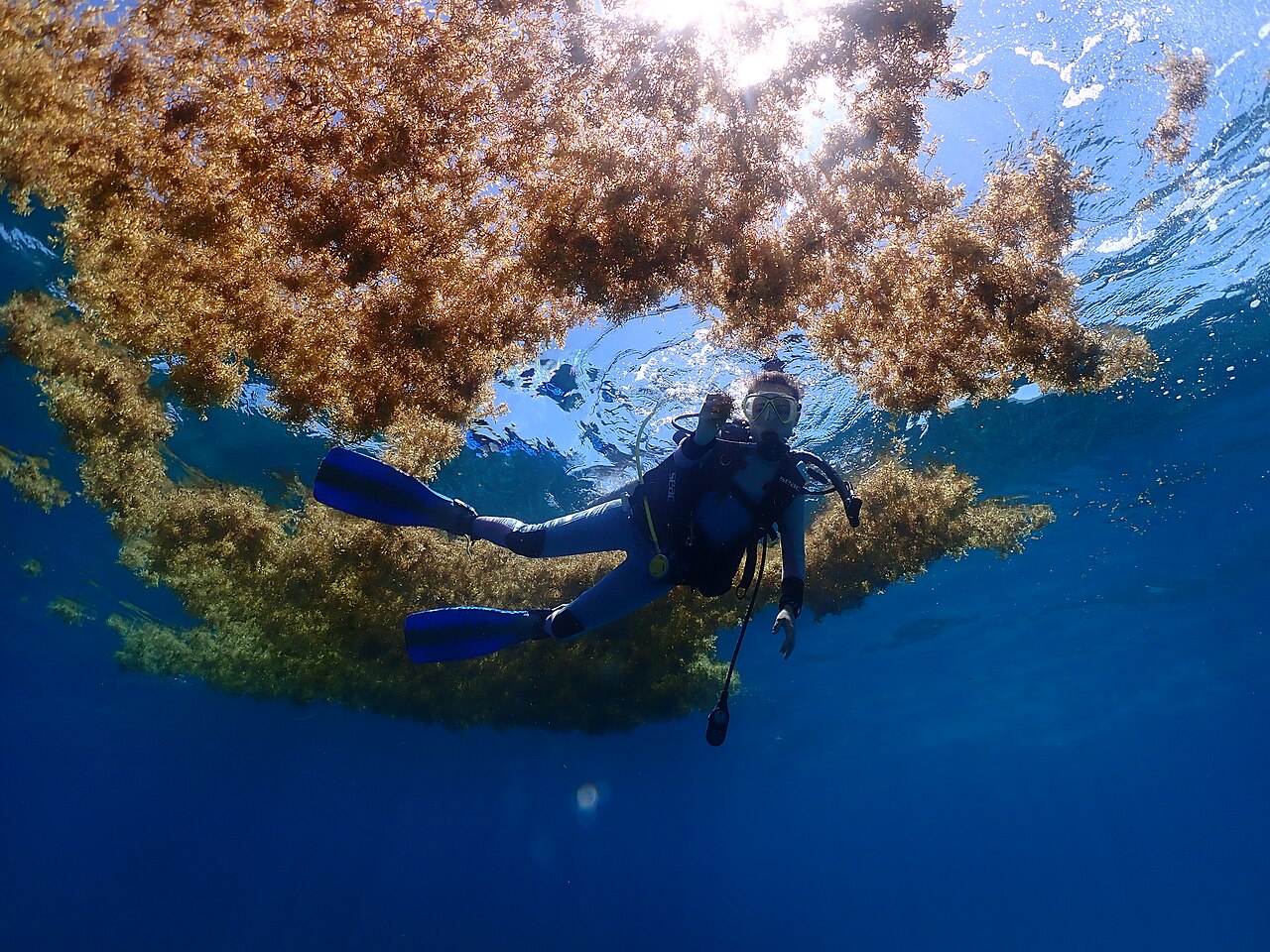
FAU landed an $800,475 EPA grant to 3D print lanthanum-modified sargassum structures that trap phosphorus in Lake Okeechobee — retrievable, regenerable lattices guided by machine learning, replacing one-shot powdered clays that settle into sediment and leach.
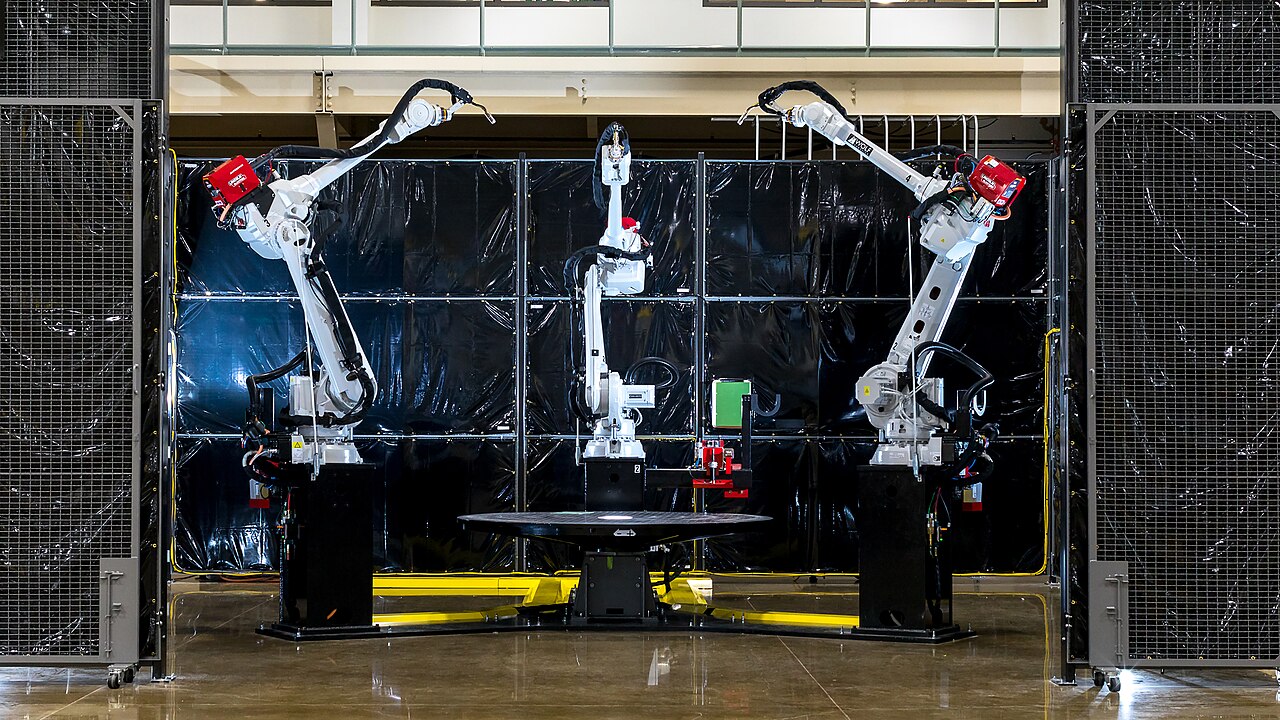
St. Petersburg's Haddy — the shop that once printed Disney set pieces and designer furniture — has 3D printed the TF-179 Drone Boat's hull with rail-mounted robotic arms and integrated milling, joining the Ukraine-driven rush toward cheap, rapidly iterated attritable unmanned vessels.
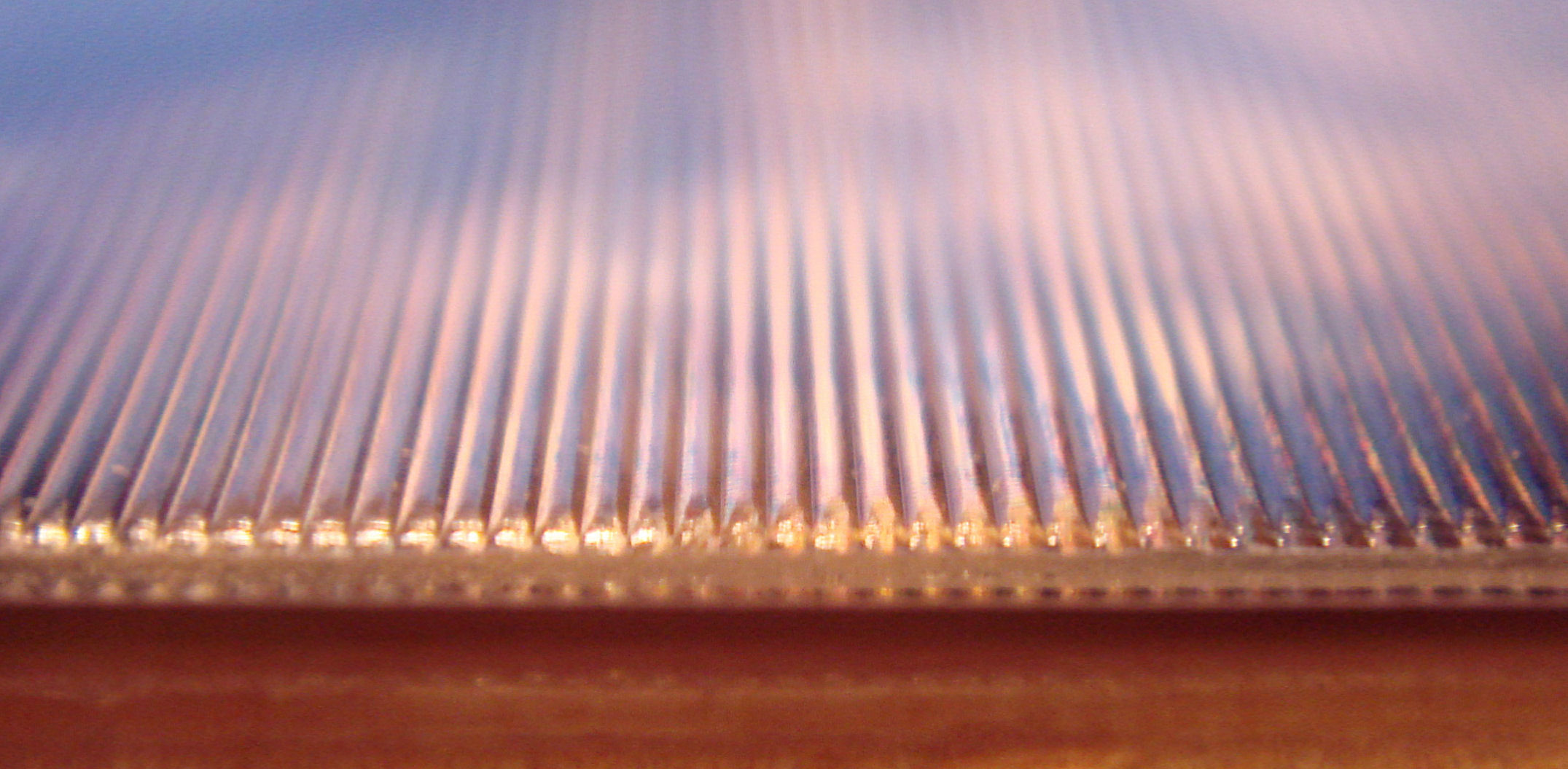
MIT CSAIL's ShiftLens prints lenticular lens arrays over interlaced image strips so a cap twist, slider, or knob mechanically swaps a print's surface graphics — no sensors or batteries — with software that plans the optics and actuation automatically; headed to ACM UIST 2026 in Detroit.
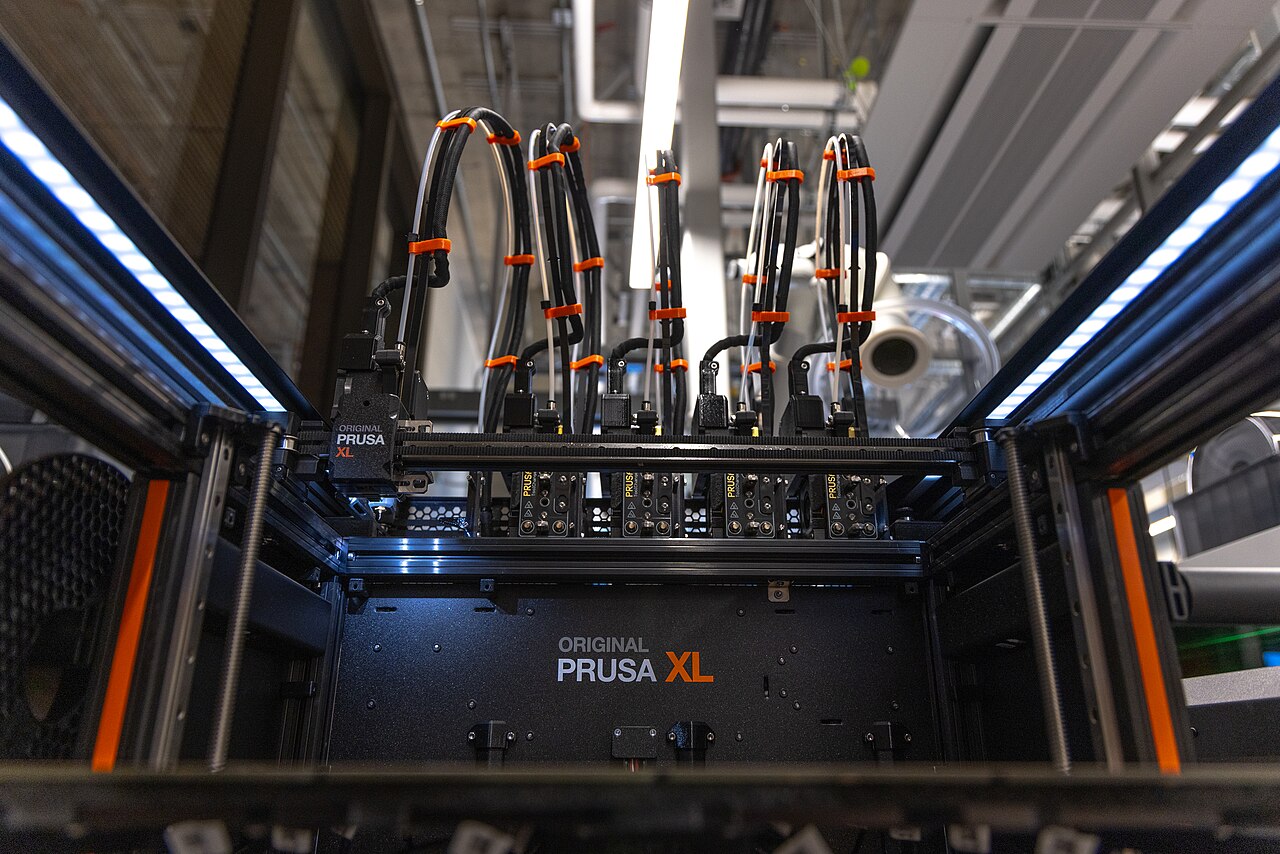
Prusa delays INDX conversion kits for the CORE One/+ to mid-August after Bondtech admitted its 'hardened' nozzles are nitrocarburized ordinary steel (~30-32 HRC vs the promised 55-60) that 100 g of abrasive filament wears through — Prusa offers refunds and free hardware while Bondtech quietly renamed the product and has no compensation plan.
Elegoo's August 6 ElegooSlicer update merges most of OrcaSlicer 2.4.2's feature set while fixing Centauri Carbon 2 multicolor time estimates, a Neptune 3 Pro thumbnail bug, and Centauri Carbon bed temps.
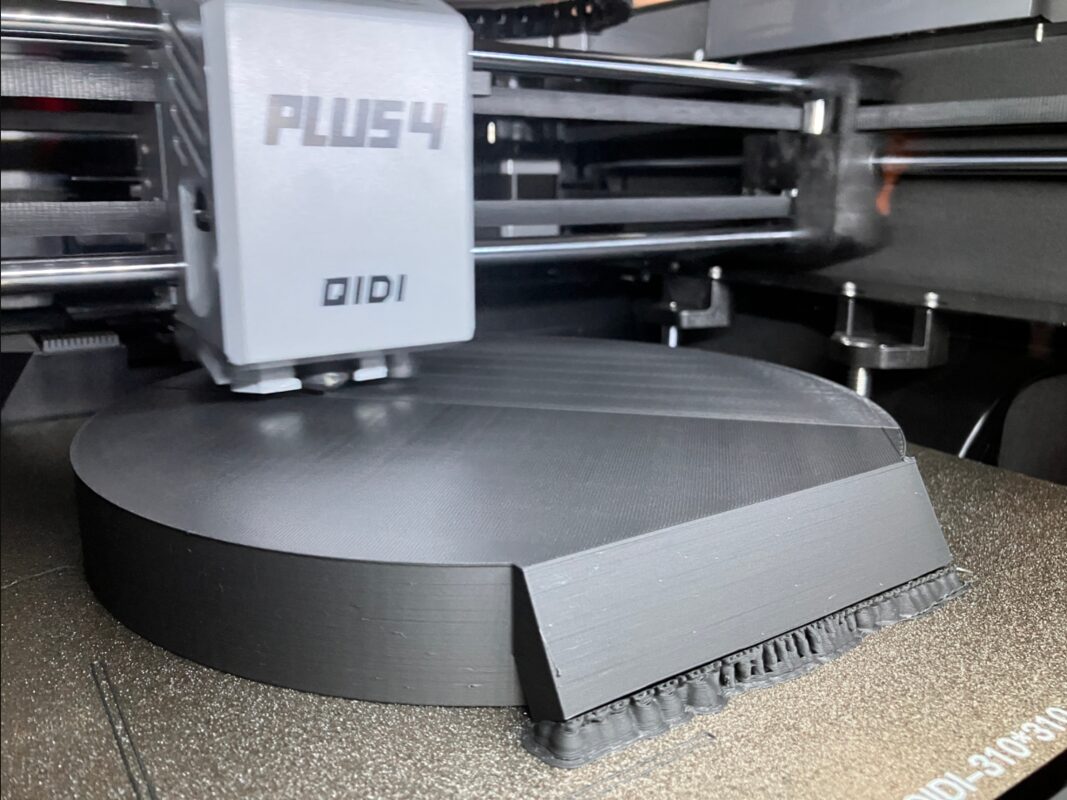
QIDI's new enclosed CoreXY Plus5 bumps build volume to 320x320x300mm, adds 65C active chamber heating and a 370C hotend, and still starts at $749 — the same floor as its Plus4 predecessor.
3D Systems said its President/CEO Dr. Jeffrey Graves will retire once a successor is found, a transition announced alongside mixed Q2 2026 earnings after six years of restructuring and acquisitions.
Plastometrex's new PLX-AutoStage module automates non-destructive PIP testing to within 2.6% of tensile-test accuracy, letting aerospace and defense customers qualify AM parts by the hundred without babysitting a test rig.
Backflip AI, founded by former Markforged leaders Greg Mark and David Benhaim, has launched CAD Copilot, an AI tool that turns 3D scans into fully editable, parametric CAD models — and claims it cuts part-digitizing costs from $1,500 to about $10.
A new guide untangles which filaments, resins and powders can legitimately claim food contact status under FDA and EU rules — and why the part, not the material, is what actually gets certified.
Italian manufacturer Kentstrapper's new Mille packs a full one-cubic-meter build volume, a 60°C chamber, and a 30-second hot-end swap into a €40,000 machine aimed at automotive, marine, aerospace, and defense shops that need single-piece parts too big to print in sections.
Polish and Italian researchers embedded a light-sensitive dye in vat-photopolymerized resin to build 3D printed optical components that dynamically bend, dim, and polarize laser light through 60,000 switching cycles.
NAMI, 3D Systems' Saudi joint venture, has been licensed by GAMI for regulated military manufacturing, putting it in position to capture a slice of the Kingdom's push to localize over half its defense spending by 2030.
Chromatic 3D Materials has leased space at Camp Ripley to build an on-site propellant print lab paired directly with live-fire test infrastructure, collapsing the gap between additive propellant fabrication and validation.
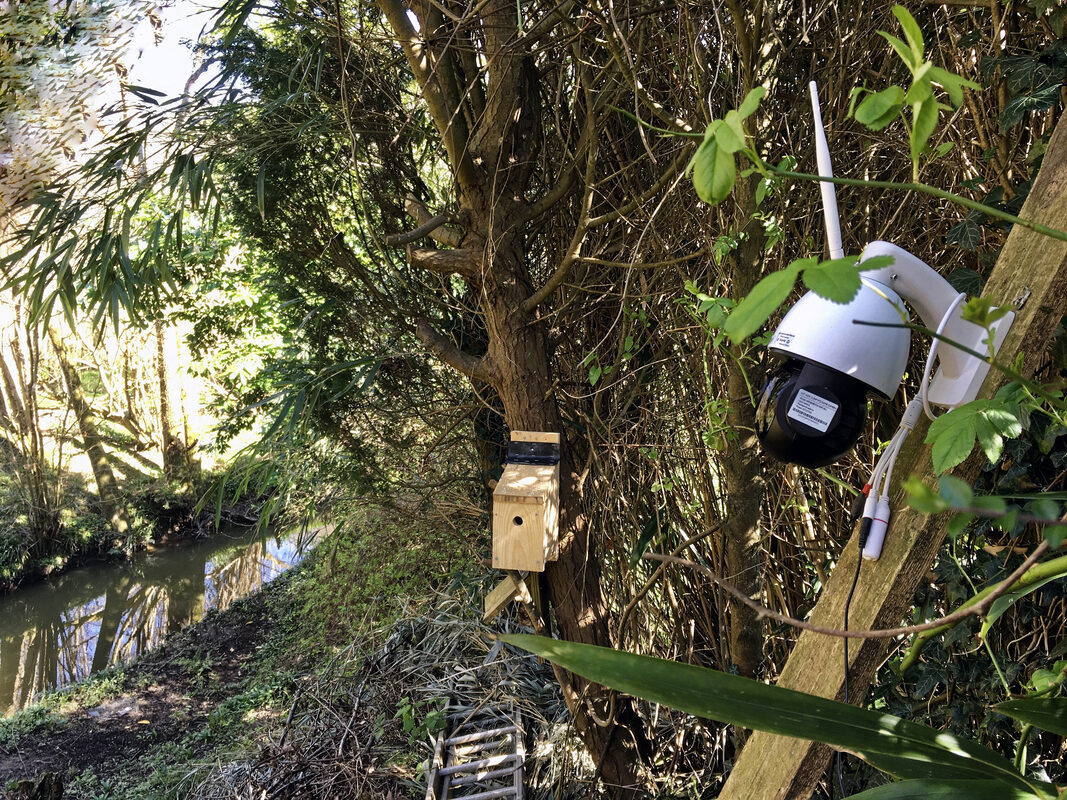
A maker hunting for a cheap webcam turned to Thingino, open-source Linux firmware for budget Ingenic-chipset IP cameras, and scripted his own bridge into Prusa's remote monitoring API before official camera support ships.
HP's additive manufacturing leaders mark a decade of Multi Jet Fusion with 25%-a-year growth and the sub-$60,000, 12-liter MJF 1200, aimed at bringing production-grade powder-bed fusion into smaller shops.
DAP-CG, a free C# geometry library from RWTH Aachen's DAP Institute, cut nesting memory use fivefold in production AM software and is now open to any CAM developer under the Boost license.
UNO landed an $8 million NSF E-RISE grant to build the Nebraska Center for 3D Innovation, expanding a decade of prosthetics research into a full hub for 3D-printed medical devices, antimicrobial materials, and AI-driven anatomical modeling.
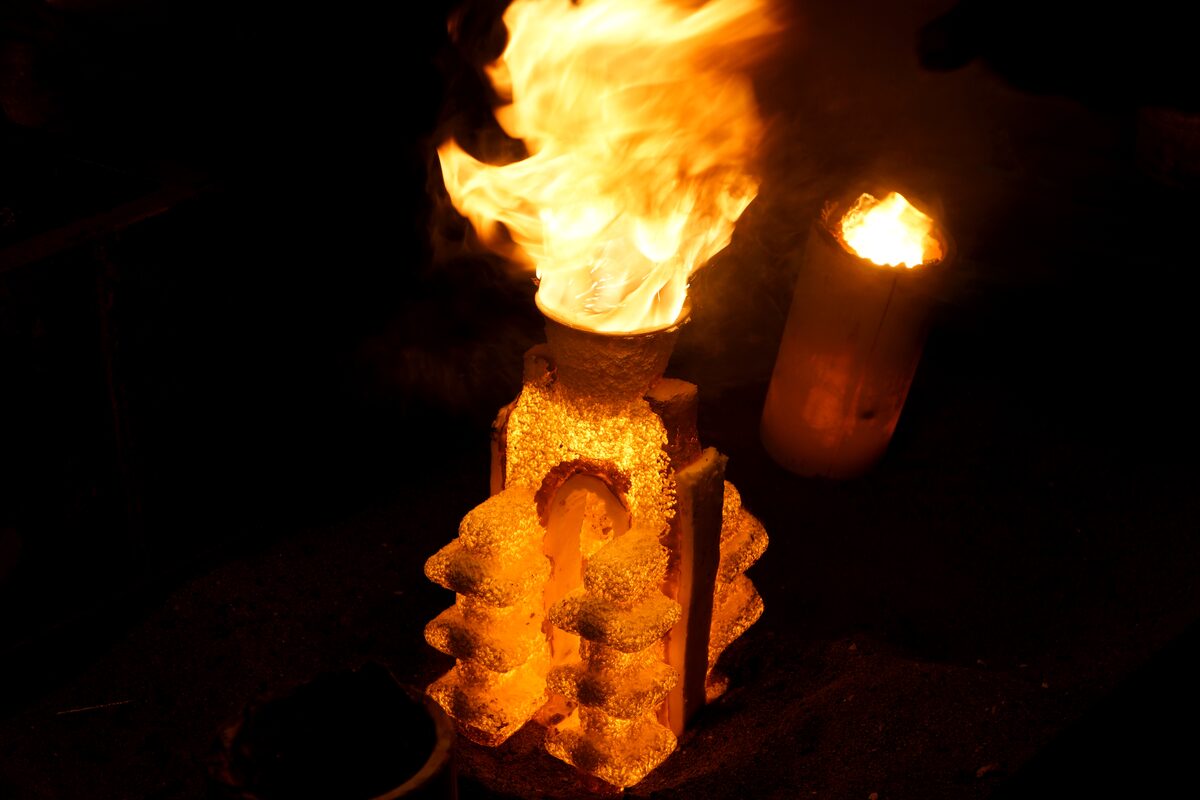
UK printhead maker Xaar's Nitrox heads are going into a new Chinese wax-jetting 3D printer built by ZCZH, aiming to turn investment-casting pattern production from a days-long process into an hours-long one.
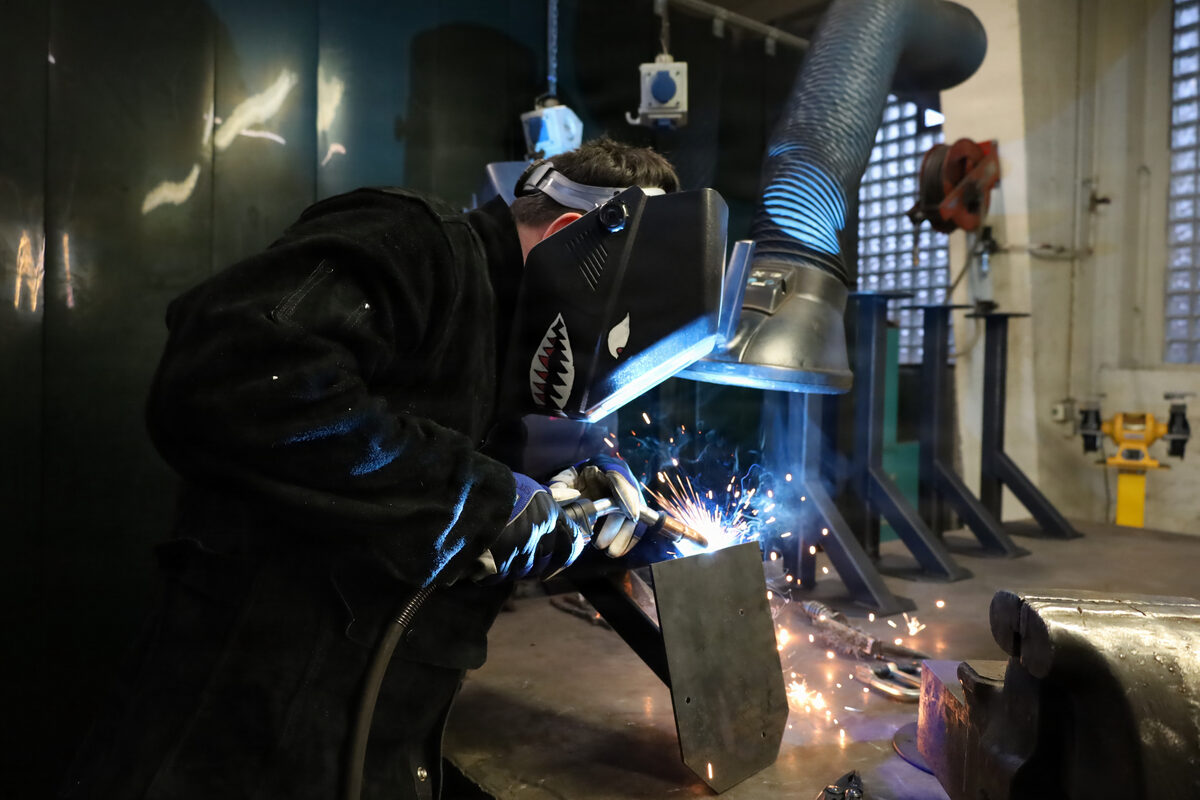
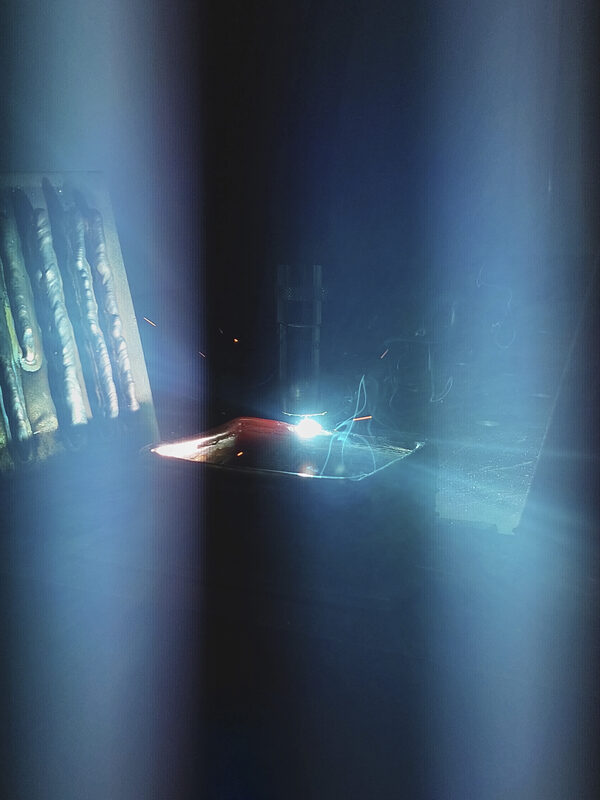
DAIHEN, the 1919-founded Japanese welding-equipment giant, has launched its first additive manufacturing machine — a $450K-$500K wire-arc metal printer that claims to cut spatter over 98% using a proprietary synchronized wire-feed process.
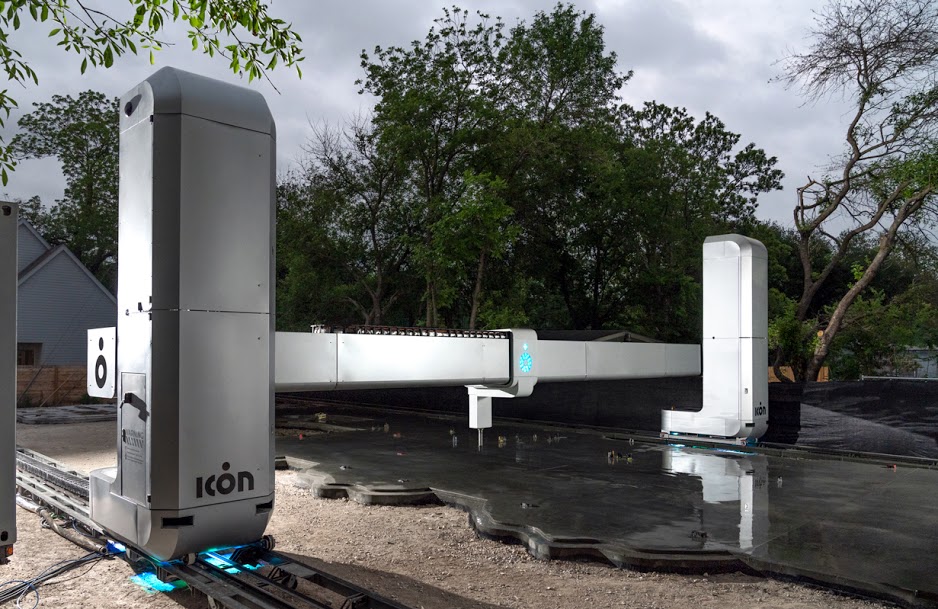
ICON delivered the first of ten robotically printed Army barracks at Fort Bliss on July 29, the largest robotic-construction deployment in DoD history, printed in 58 days at roughly 9% below conventional cost.
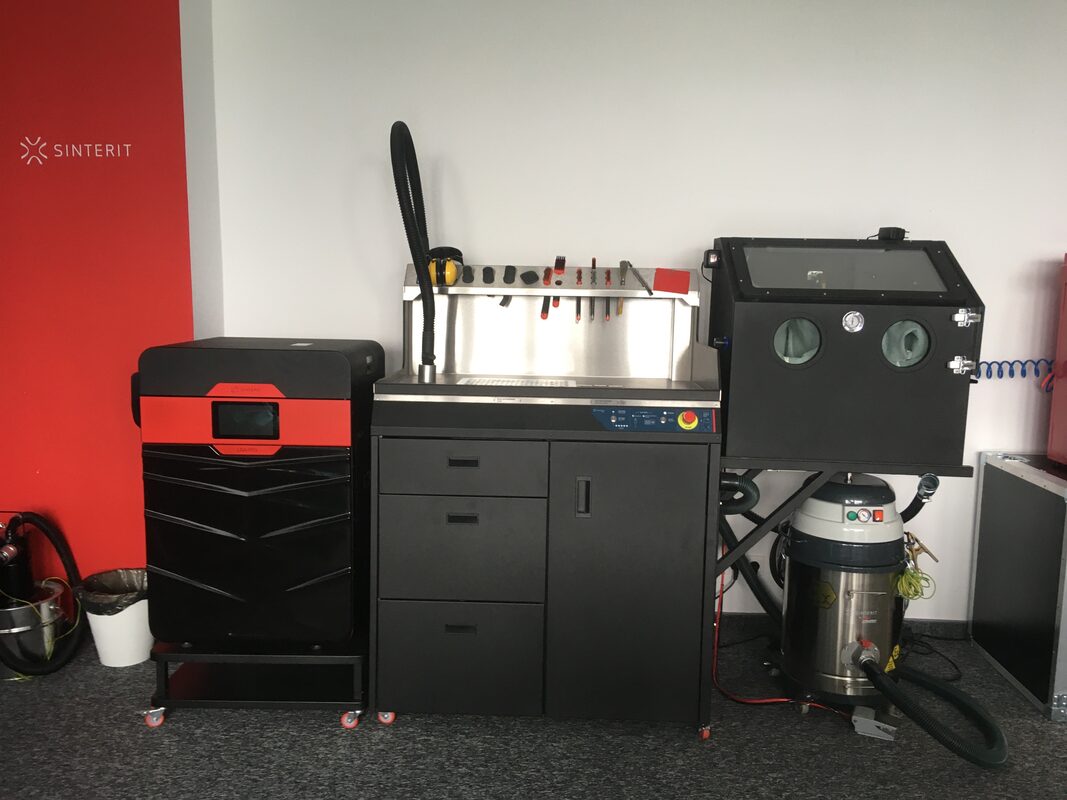
Sinterit's €47,000 BIANCO2 SLS printer and DyeMansion's VX1/DM60 finishing gear are now an official pairing, putting industrial-grade surface finishing within reach of compact sintering setups.
America Makes has awarded $10.5 million to 25 teams to build a standardized qualification pathway for defense metal 3D printing suppliers, expanding its JAQS-SQ network to 31 companies.
Conflux Technology CEO Dan Woodford says scaling metal-AM heat exchangers for Airbus, Honeywell and General Atomics means building a full production system, not just adding printers.
3DEO, the binder-jetting-plus-CNC-milling metal 3D printing pioneer, has filed for insolvency in California and is auctioning its 19-patent IP portfolio and machinery fleet, with bids due August 12, 2026.
Axtra3D has validated Keystone's KeySplint Hard Clear trauma-splint resin on its Lumia.X1 hybrid SLA printer, the second Keyprint dental material cleared for the machine after KeyModel Ultra.
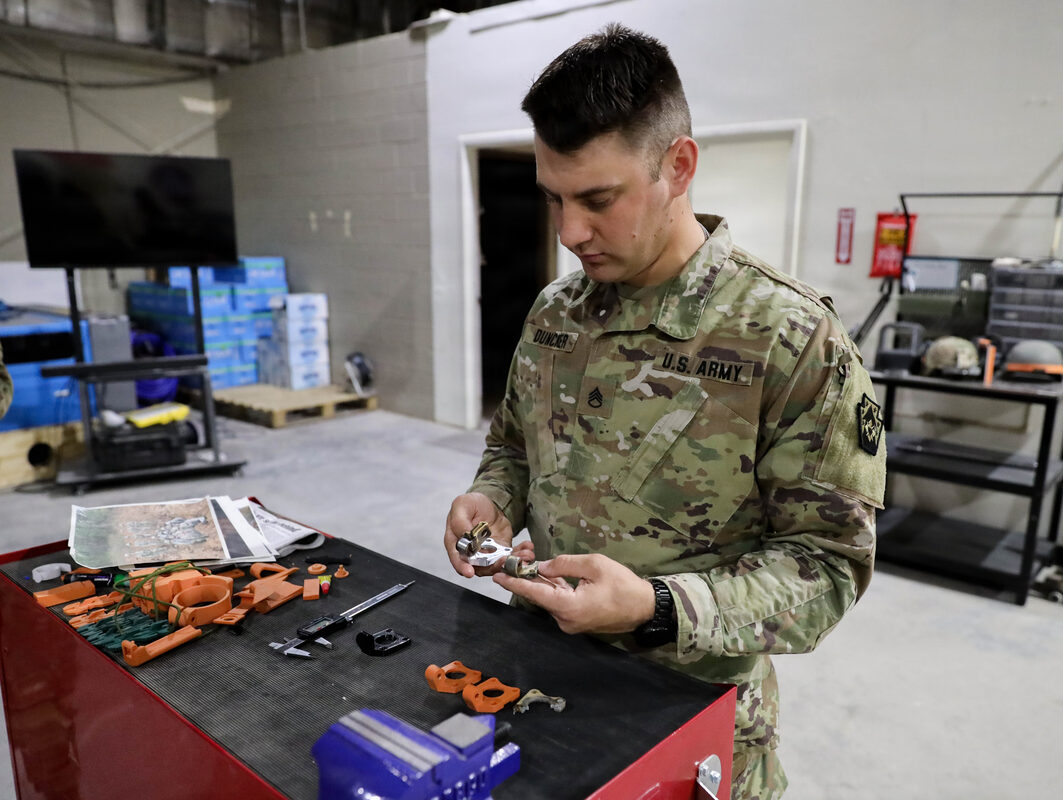
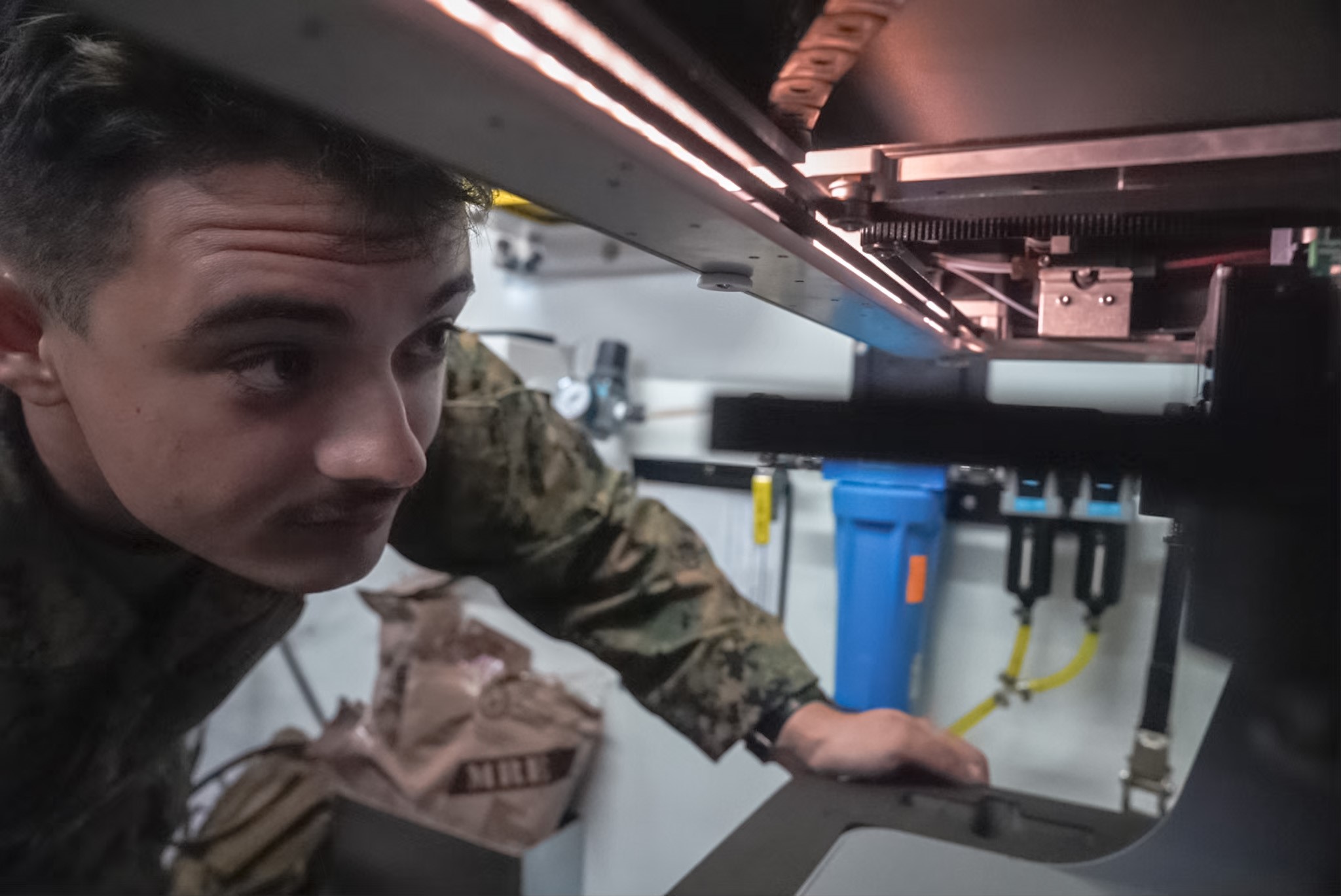
During CJLOTS 26 in Pohang, South Korea, Marine maintainers reverse-engineered and printed a $12 strainer for a $600,000 Coast Guard boat in under half a day, replacing what is normally a 2-3 week parts wait.
Zellerfeld's July 27 relaunch pairs a Volumental-powered ZellerFIT sizing profile and live creator rankings with a first look at a 4-pairs-a-year 3D-printed shoe subscription.