
This essay is written in partnership with Sublime — the tool where I keep the thinking before it knows what it is.
I was eighteen, walking through Chinatown in Philadelphia with a Nikon FM2, a roll of black and white film and absolutely no idea what I was doing. I had been asking people if I could photograph them for hours and everyone had said no — not meanly, just efficiently, the way people move through a city when they have somewhere to be and a stranger with a camera is not on the itinerary.
Then I saw him.
Phillies cap, bright white hair, the kind of face that carries everything it’s been through. I stopped. Something told me to stop. I asked if I could take his picture.
He looked at me like I had three heads. “You want to photograph me?” “But why?”
I said: you have beautiful eyes.
I don’t think anyone had told him that before. He went still for a second, then shrugged — that particular shrug that means fine, okay, I’ll allow it — and said: oh, alright.
His whole face changed. He let me in. I got the shot.
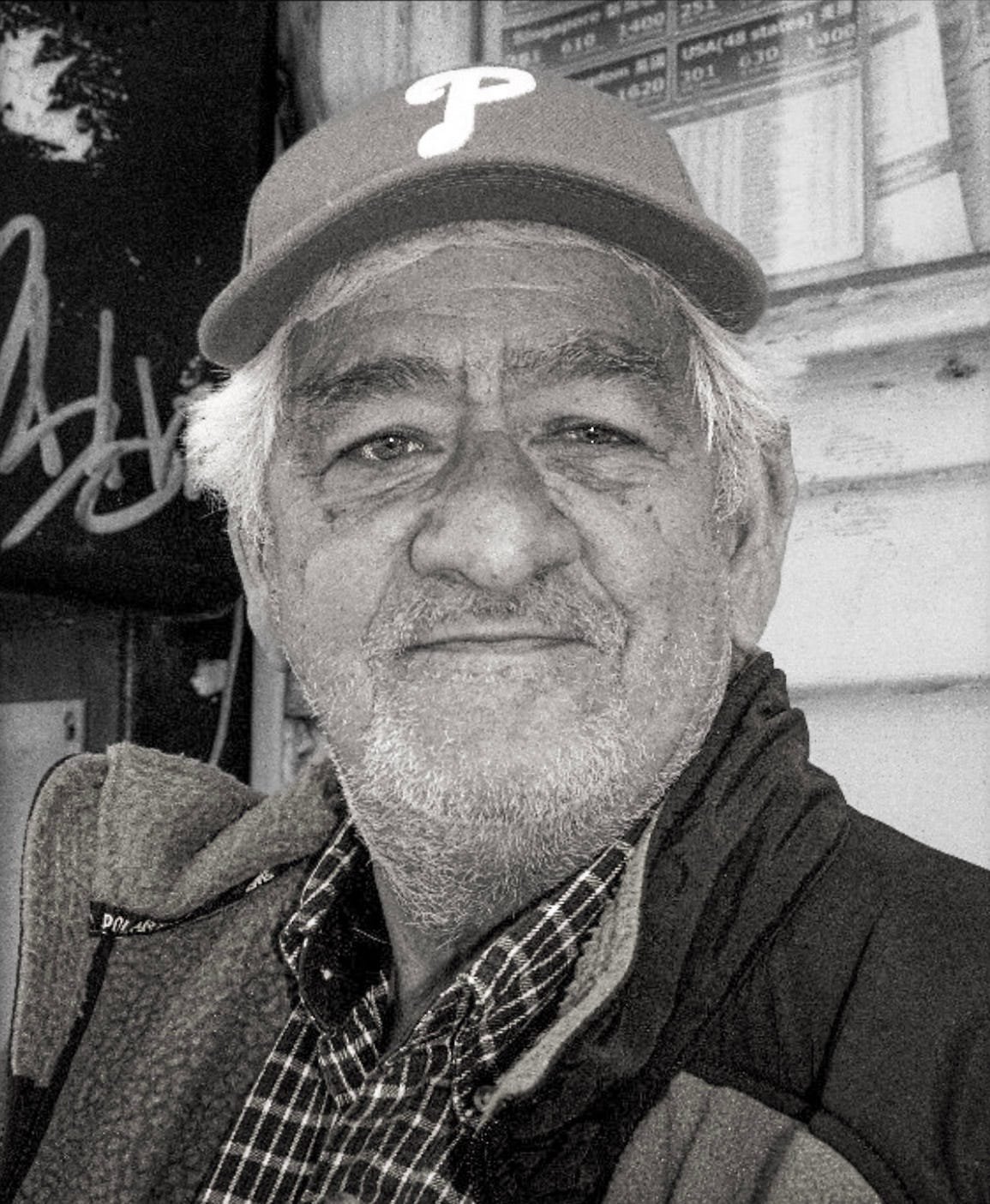
I have been chasing that moment ever since. The instinct that fired before I could justify it, and I did it anyway. Admittedly, walking up to strangers and saying something true about them is a wild thing to do. It still is.
I have always been this way. Something crosses my path — a sentence in a podcast, a quote in a book, a phrase someone says in conversation — and something in me goes: that. Save that. I don’t know why. I just know it matters.
The problem has never been the instinct, but rather, what happens to it next.
For years, it went into my camera roll. A screenshot between a photo of my daughters and a blurry receipt I needed for taxes. It went into notes apps I never opened, documents I created with good intentions and abandoned by Tuesday, voice memos I recorded while walking and never transcribed. The gut reaction was real, but the infrastructure kept failing it.
Then one of my best friends, Nikita — who has since become a Field Note subject, but that’s a story for later — pulled me into Sublime for a project we were working on together. Nikita is the kind of person who finds the right tool before anyone else knows it exists. I made my own account not long after. Something about it felt different from everything else I’d tried. The design, the way it looked and moved, the feeling that saving something here was an act of care rather than an act of filing.
I’d been using Sublime as a place to hold whatever my ADHD brain had decided mattered that day, which is a lot of things, often unrelated, always urgent in the moment. What kept me coming back was the lack of friction — no elaborate tagging system, no folders I’d have to build and then abandon. Save the thing, find it later, let the connections surface when they’re ready.
Then I found out about Podcast Magic — the tool where you email a screenshot and it becomes a card in your library. I assumed it was too good to be true. It is absolutely not. The clip is just there, waiting, clean and findable, without the rabbit hole of tracking down the episode, scrubbing to the timestamp, copying the transcript into some document I’ll never open again. One email. Done.
For the first time, the container matched the instinct.
In March of 2025 I started a practice called Field Notes from the Work (and the Wild). The methodology is simple on the surface: I sit with someone for one to three hours in the place they feel most like themselves, photograph them, and create a narrative piece that distills the conversation into its essence. I call them Spoken Records. Fifty Field Notes in, the most consistent thing I’ve found is that the interesting part is never the outcome. The launch, the title, the exit, never matter. Instead, what came before it, the seeds, the failed attempts, the permission someone finally gave themselves — that’s the human record. The writer who hadn’t picked up a pen in fifteen years. The keynote speaker who lost his voice. That’s what I’m after.
The whole practice runs on the same gut instinct. Something says this person has a story that isn’t being told. Then I show up.
Here is what the process actually looks like from the inside.
I identify a subject — always through word of mouth. We block two hours. The prompt I give them is simple: where do you feel most like yourself? That’s where we meet. Someone’s music studio, their garden, a park bench in Tompkins Square where pigeons keep interrupting, a home office with the door locked against the rest of the house. What matters is that they chose it.
When I arrive, I bring my camera — a Nikon D780 with a 50mm and a 35mm lens — and a rough set of questions. No artificial lighting, ever. What’s there is what I use. Both of us are going to have to trust something we can’t fully name yet. I ask them the question — when do you feel most like yourself — and I let the answer go wherever it needs to go. An hour in, we’re somewhere neither of us expected. I’m photographing throughout, not posed shots but conversational portraits, catching the moment someone stops thinking about what to say and just says it.
After the session I go home with a recording that runs anywhere from an hour to three, and I start what I think of as the homework. The photos first, because reliving the session through images is how I find the emotional spine of the story. Then the transcript, where I pull threads and look for the one-liner that becomes the thesis of the whole piece. Then I start writing the Spoken Record — the five to ten minute narrative that becomes the audio heart of each Field Note.
This is where the gut instinct and Sublime meet.
Nikita’s piece is called Life Is the Curriculum. When I sat down to write her story, I opened Sublime and found a Ram Dass quote I’d saved months earlier, tucked in my Ram Dass Lectures collection. Ram Dass had been pressing his teacher Emmanuel with a question a lot of us carry: why is life so painful, so messy, so confusing? Emmanuel didn’t spiritualize the struggle away. He said, simply: life is the curriculum. Aren’t you going to take it?
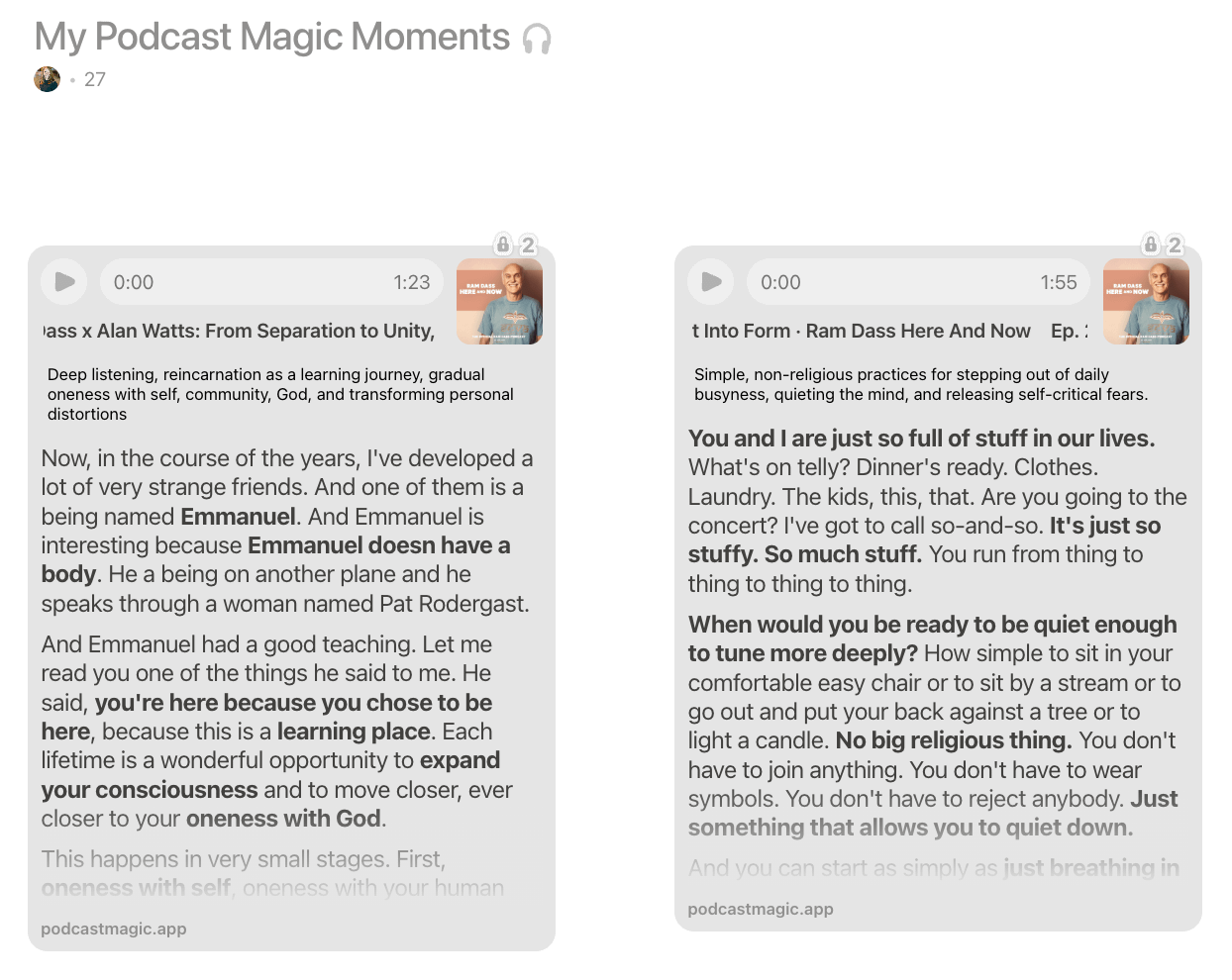
I had saved that quote on a morning walk without knowing what it was for. Something told me to save it. When I opened Nikita’s transcript — her story about the space she holds between words, the inhale before the exhale, the way she moves through difficulty without collapsing under it — that quote became the spine of the entire piece. The title came from it. The practice that closes the piece came from it. The whole frame of Nikita’s story came from a fragment I’d saved months earlier without knowing why.
That is the thing most tools can’t hold. The noticing that preceded the knowing.
I also use Cosmos for finding visual and philosophical context — Ursula K. Le Guin, Octavia Butler, adrienne maree brown end up in a lot of my Field Notes, because I want to share reverence for the work that has informed this work. But Sublime is where the raw material lives. The Ram Dass lectures, podcast clips, the Field Notes inspiration collection. And then, because my brain works the way it works, there is also “Patriarchy” and “Colonization 2.0” sitting right alongside everything else. The mind pulls toward what it needs.
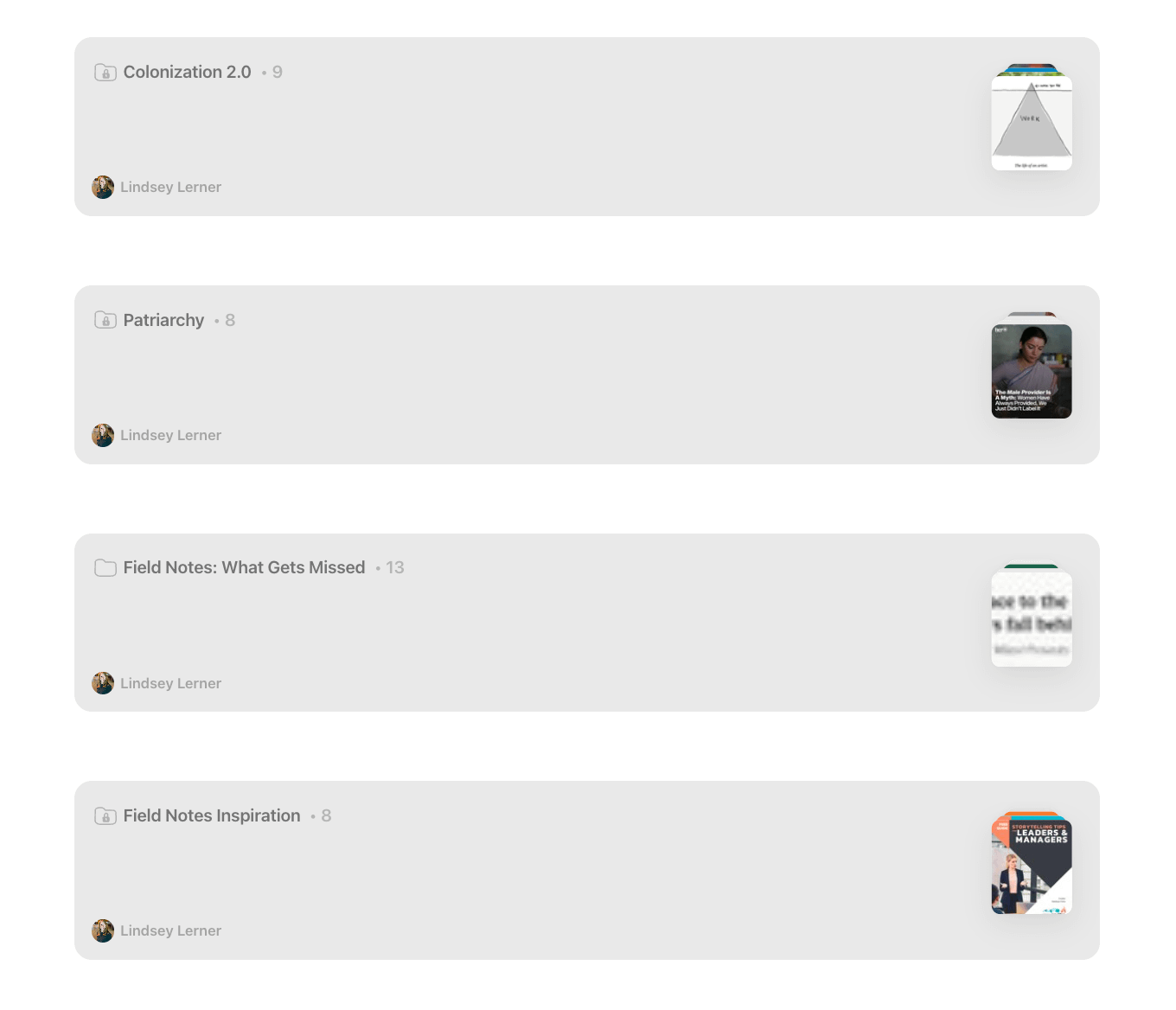
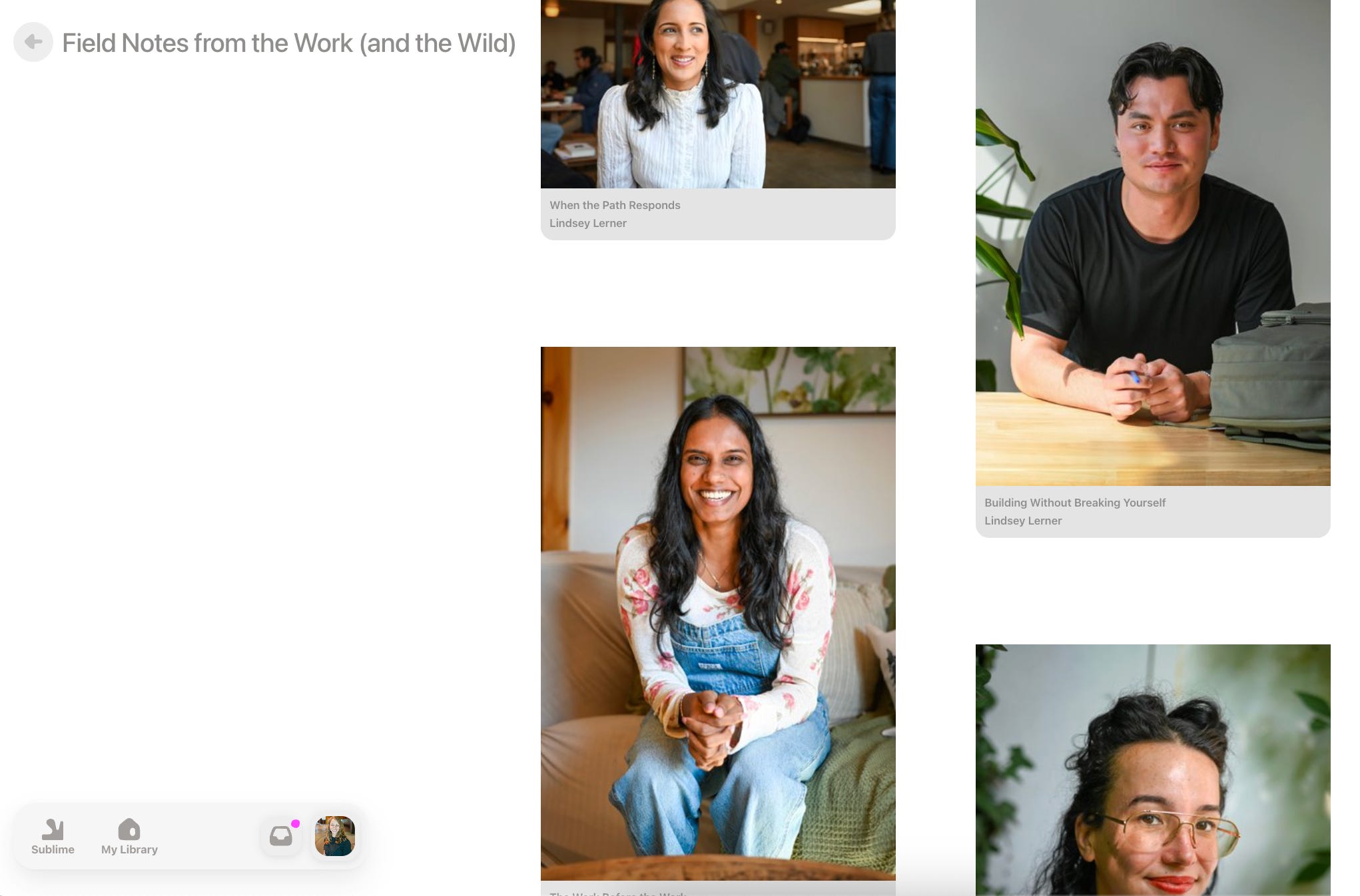
I’ve also uploaded every published Field Note as an individual card in Sublime. Each piece lives there now, findable, shareable, able to surface in someone else’s search when they’re looking for something adjacent. Making the collection public is a deliberate choice — the raw materials of the practice, visible alongside the finished work.
Field Notes and Sublime share the same quality: taking something seriously before the world has a reason to. Both honor the parts of the process that the output makes invisible. The fragment, the noticing. The thing saved before it knows what it is.
That instinct started long before Field Notes. It started with a camera.
I had been given a camera at six years old. By high school I was shooting weddings, bar and bat mitzvahs, prom photos, yearbook portraits, anything anyone would pay me to photograph. I went to art school, studied composition and the history of the medium, and somewhere in the middle of it realized that none of that was why I picked up a camera.
I picked it up because it was a reason to be in rooms I had no other business being in. To sit with people long enough to see something true about them.
That freshman year in Wilmington, DE, meant construction workers, sanitation workers, the overlooked economy doing the work that keeps everything running. People the city walked past without seeing. I knew what it felt like to be unseen, and something about turning the camera toward people who rarely had it pointed at them felt necessary in a way I couldn’t articulate yet.
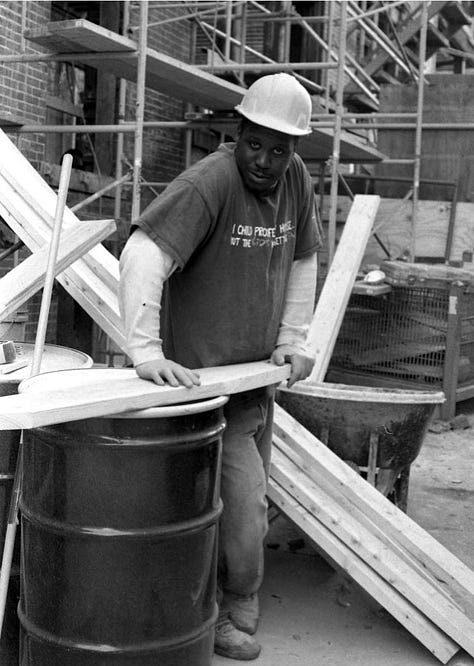
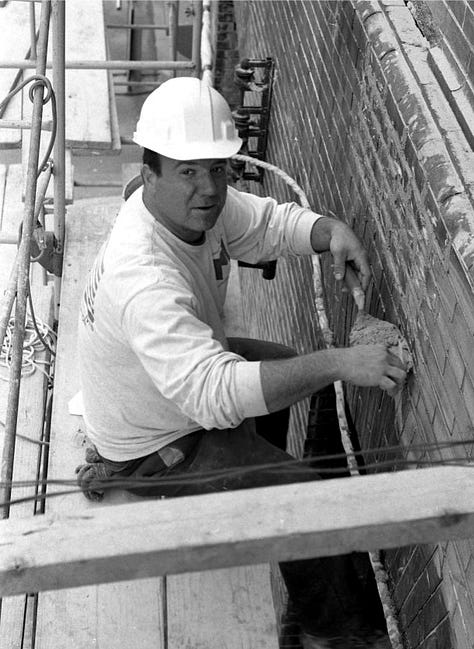
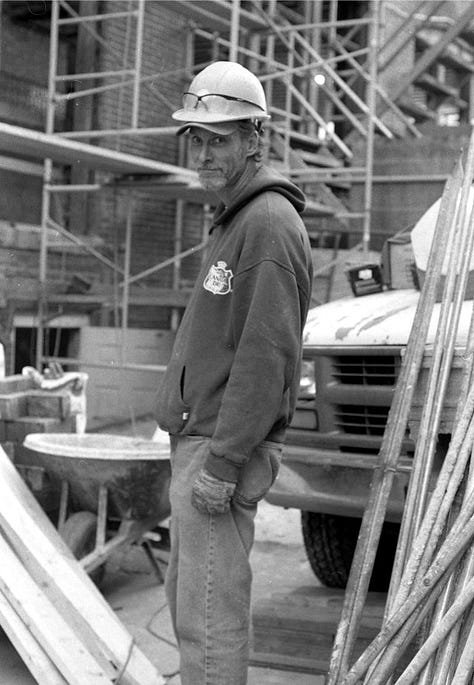
What I’m really asking for, every time, is permission. Someone deciding they are worth being seen — that’s what the image holds when it’s working.
When I started Field Notes, I knew the photography wasn’t about aesthetics. It was about creating the environment where someone could actually be in the photo — where the hours of conversation had built enough trust that the camera just caught what was already there. The best compliment I receive, regularly, is that people feel like they’re actually in their Field Notes portraits. That’s what happens when someone has decided, even for a moment, that they are worth being seen.
Photography is light — and what the camera records during those hours together, the attention, the trust, the threads pulled taut between two people genuinely present with each other, is what stays in the image long after the conversation ends.
For a long time, I measured the success of my work by how it looked on the outside. At my last company we went viral constantly. It felt like proof of something. When I started Field Notes I expected the same feedback loop. What I got instead was near-silence on the surface and something entirely different underneath. Very few comments, very few likes, and then consistently — emails, DMs, text messages from people describing how a specific piece had changed how they move through the world.
That gap between what gets measured and what actually happens is the gap Field Notes was built to document. Vanity metrics capture the official record. The human record shows up in your inbox at 11PM from a stranger who has listened three times.
Sublime holds the same kind of evidence. The Ram Dass quote that became Nikita’s story. The lecture clip saved on a walk in October that showed up in a Field Note published in March. The portrait cards accumulating in a public library, findable by someone who doesn’t know yet why they needed to find them.
We are living through the most documented moment in human history. The official record has never been more accessible. And underneath all of it, the same thing keeps getting left out — the thinking that preceded the thought, the grappling that produced the certainty, the noticing that preceded the knowing.
I started with man with beautiful eyes in Chinatown who let a stranger with a camera slow down long enough to see them. I’m still doing that. One conversation at a time, one fragment saved before it knows what it is, one person deciding they are worth being seen.
That’s what Sublime is, for me — breadcrumbs left for the version of me who will, six months from now, understand why I saved what I did. The archive before the archive.
This essay was written in partnership with Sublime. Use code FIELDNOTES for 20% off any paid plan.
PS: Subscribe to Field Notes for documentary conversations, portraits, Spoken Records, and reflections on invisible labor, identity, creativity, burnout, belonging, and becoming.
PPS: Upgrade to Friends of Field Notes for access to The Dispatch, weekly prompts in the chat, and the digital Field Note Journal to help you document your own process in real time.
Founding Members can participate in their own Field Note experience. NYC-based. Travel not included. Reply to this email with questions.
Comments
Nothing yet. Say the first thing.
Sign in to join the conversation.