
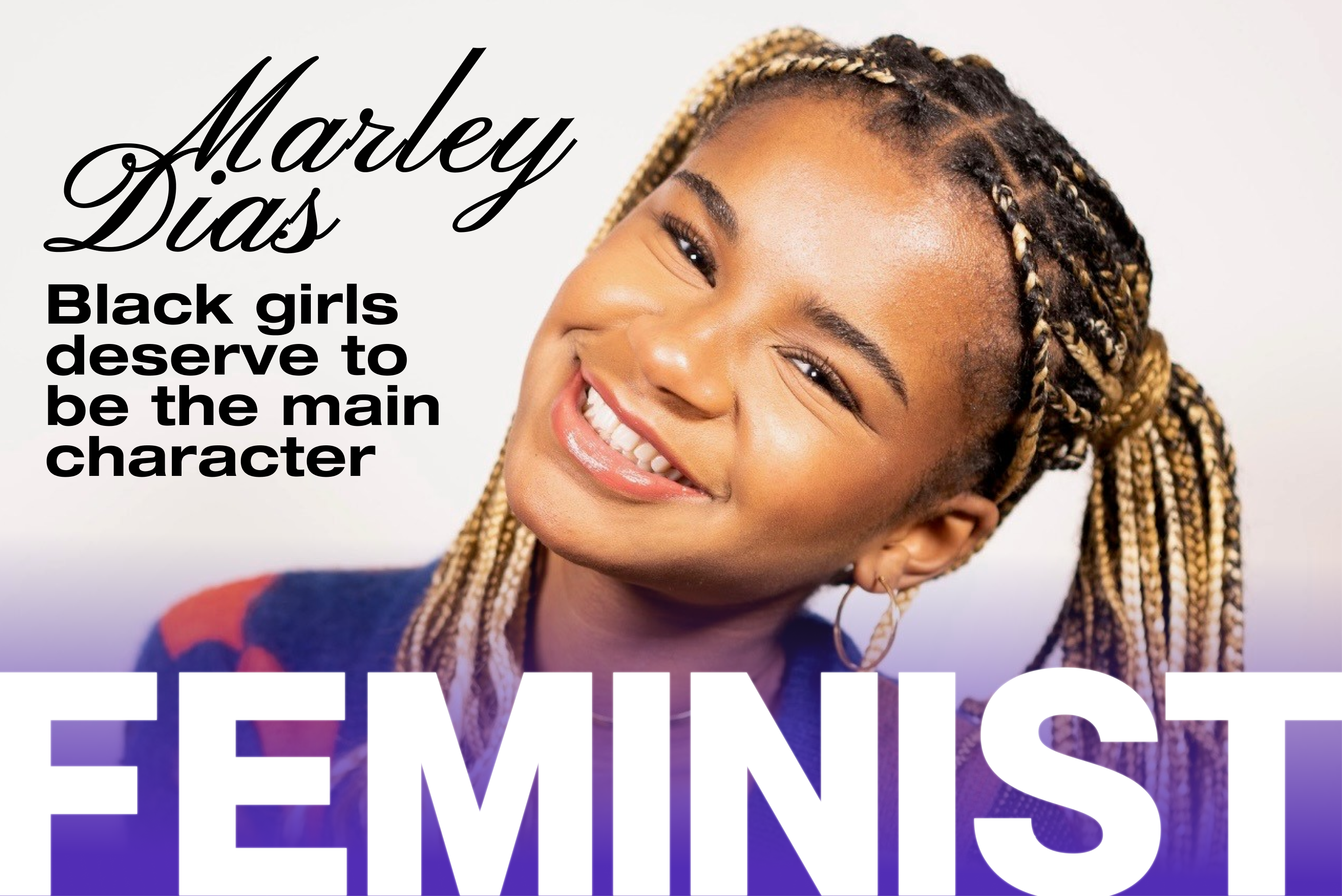
Marley Dias has always been a Black girl with a mission.
In sixth grade, she started the #1000BlackGirlBooks campaign to highlight stories with Black girls as protagonists. This campaign brought her to Harvard University for school, the United Nations as a Youth Laureate, and the Congressional Black Caucus Foundation’s National Racial Equity Initiative Advisory Board as a young leader in literacy and social justice.
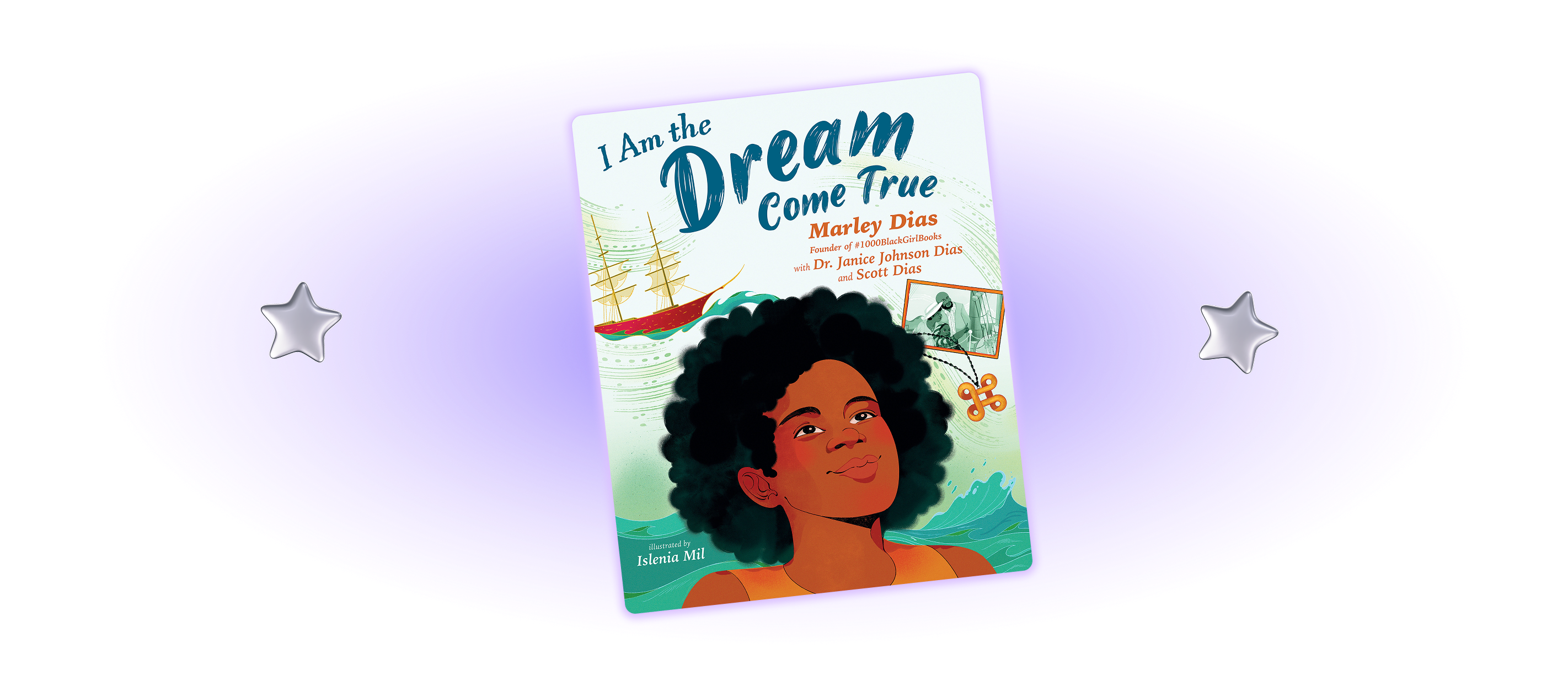
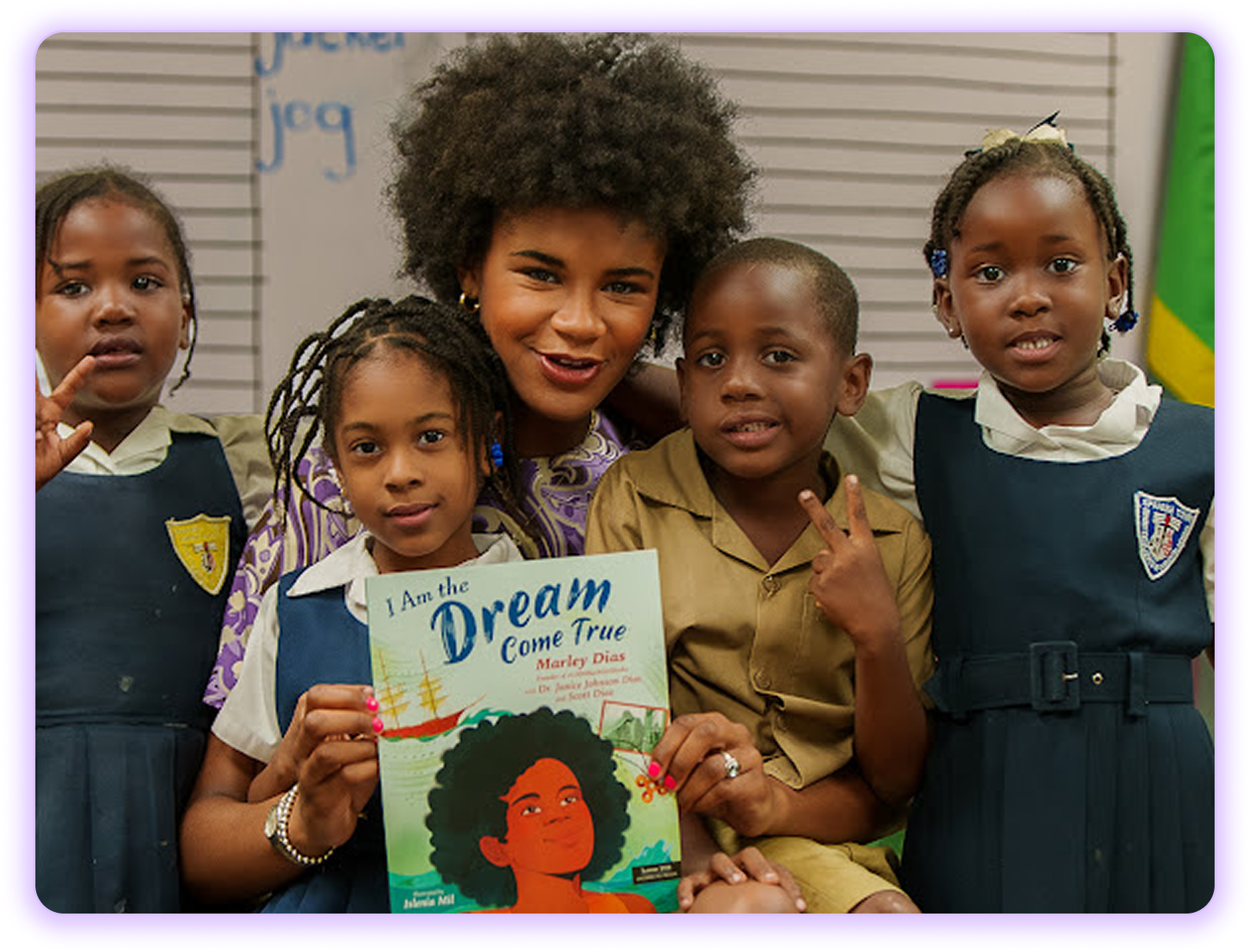
Now, Marley is writing her own story in her new book, I AM THE DREAM COME TRUE. Co-authored with her parents, Dr. Janice Johnson Dias and Scott Dias, the book is a love letter to her family’s West African and Caribbean heritage and a celebration of identity and ancestry.
FEMINIST sat down with Marley to learn about her new book and the importance of immigrant stories.
Being a feminist means understanding that the liberation of women, and particularly Black women, is not a side issue or a subset of broader social justice work. It is the work. For me, feminism is not primarily about individual empowerment, it is about structural analysis. Who holds power, how did they get it, and what systems maintain it? Black feminist thinkers, Audre Lorde, bell hooks, Angela Davis, offer a framework that allows race and gender to co-ext. That is the feminism I practice.
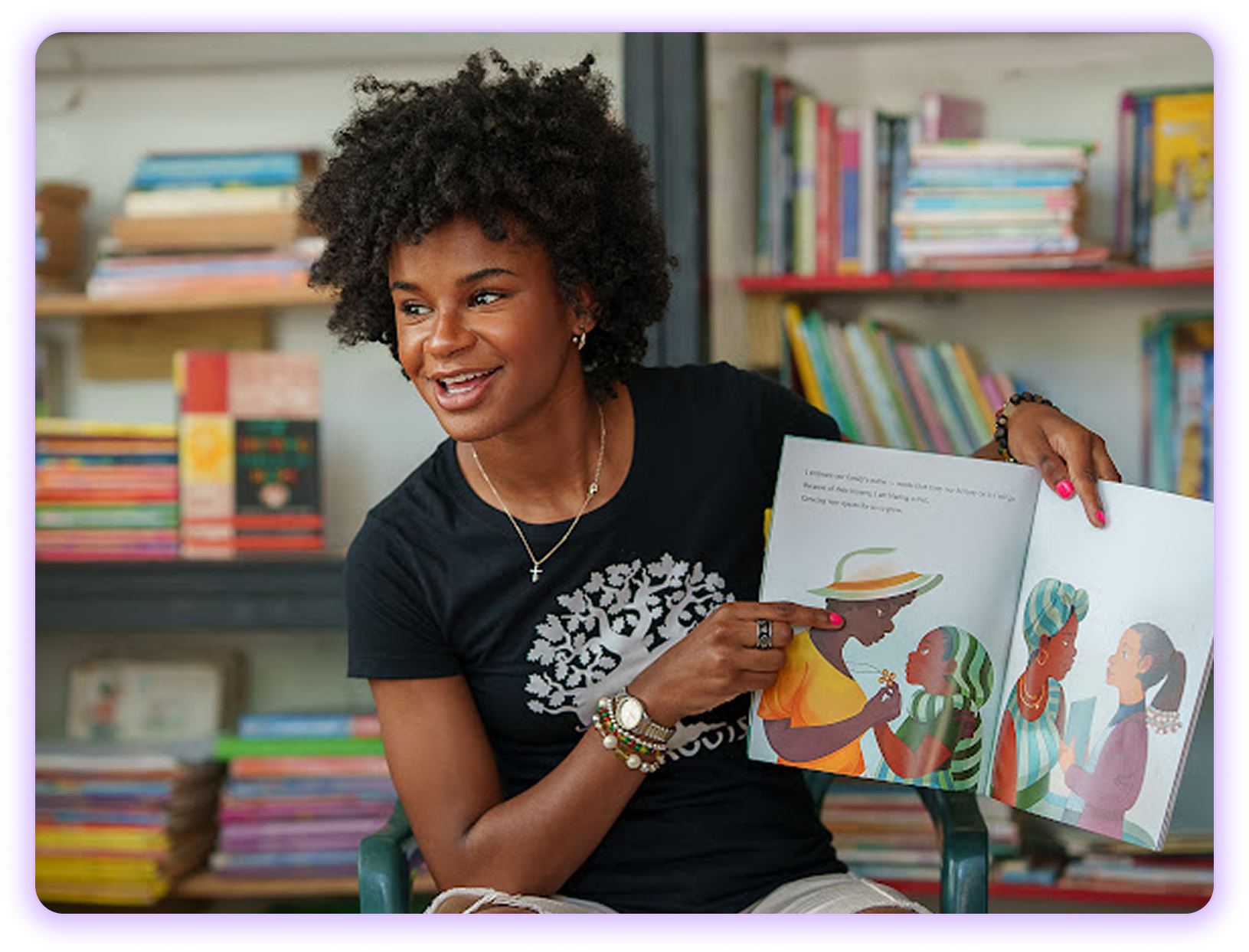
I was frustrated. I kept coming home from school with books that had no one in them who looked like me, and I wanted to do something about it rather than just complain. My mom challenged me to turn that frustration into action instead of a grievance. So I started collecting books with Black girl protagonists. I was in fifth grade when the idea took shape. The campaign grew from there, but the original impulse was straightforward: I was tired of the absence, and I had enough access and support to do something about it.

Toni Morrison’s work, particularly Beloved, changed how I think about memory, trauma, and the relationship between personal history and collective history. Audre Lorde’s Sister Outsider gave me language for things I had been observing but could not yet name. The Hate U Give by Angie Thomas showed me what it looked like to write for young Black readers with full seriousness and without simplification. And Jacqueline Woodson’s work demonstrated early on that Black girlhood could be the subject of literature, not just the backdrop.
The book came out of conversations my family had been having for years about where we come from. My mother’s family is from Jamaica, my father’s family is Cape Verdean, and I grew up understanding that my existence was the result of specific choices, migrations, and sacrifices by people I had never met. I wanted to write a book that made that kind of inheritance legible to young children, the idea that who you are is connected to who came before you, and that connection is a source of strength rather than pressure.
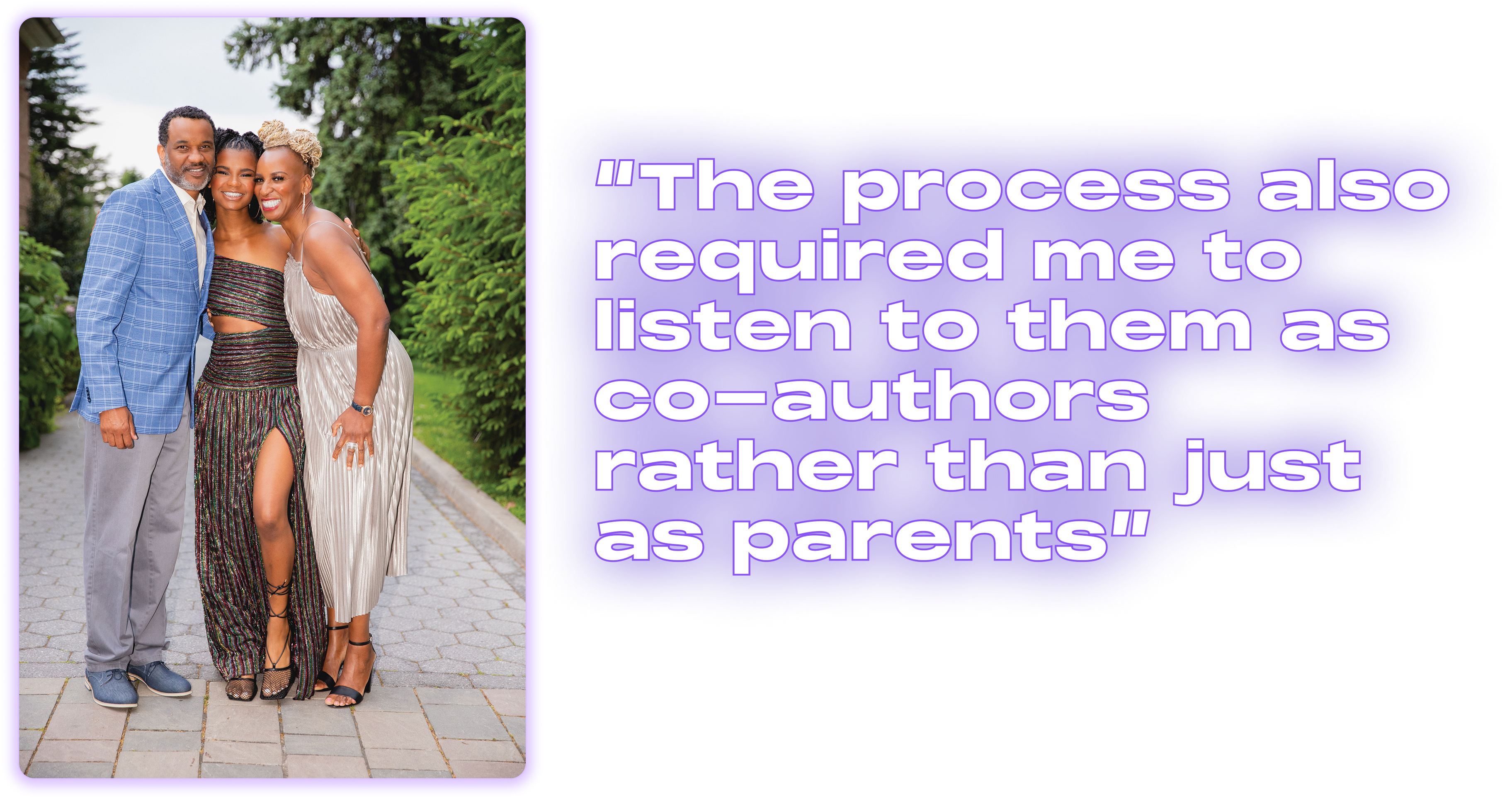
That collaboration requires real negotiation, even between people who know each other well. My parents and I had to align on how to tell stories that each of us remembered differently, or weighted differently, before we could present them to readers. The process also required me to listen to them as co-authors rather than just as parents, which changed the dynamic in useful ways. I came out of it with a clearer understanding of how my family’s history had been shaped not just by big events but by small, deliberate choices.
Reading is the primary one. I read Jamaican literature, Cape Verdean history, diasporic scholarship. Conversation is another, sitting with my parents and asking questions about family history that I did not think to ask when I was younger. I also pay attention to language, to the phrases my mother uses, to the way my father describes his family’s arrival in this country. Those details carry history that formal records often miss.
That they would never have to search for proof that they matter. That their worth would be assumed rather than argued for, in classrooms, in libraries, in policy, in every institution that shapes their lives. The campaign, the books, all of it is working toward a world where a Black girl picks up a book and finds herself there without any effort, because someone already did the work of making sure she would.
If this resonated, send it to a friend. Feminist media survives when we share it with each other.
Comments
Nothing yet. Say the first thing.
Sign in to join the conversation.