
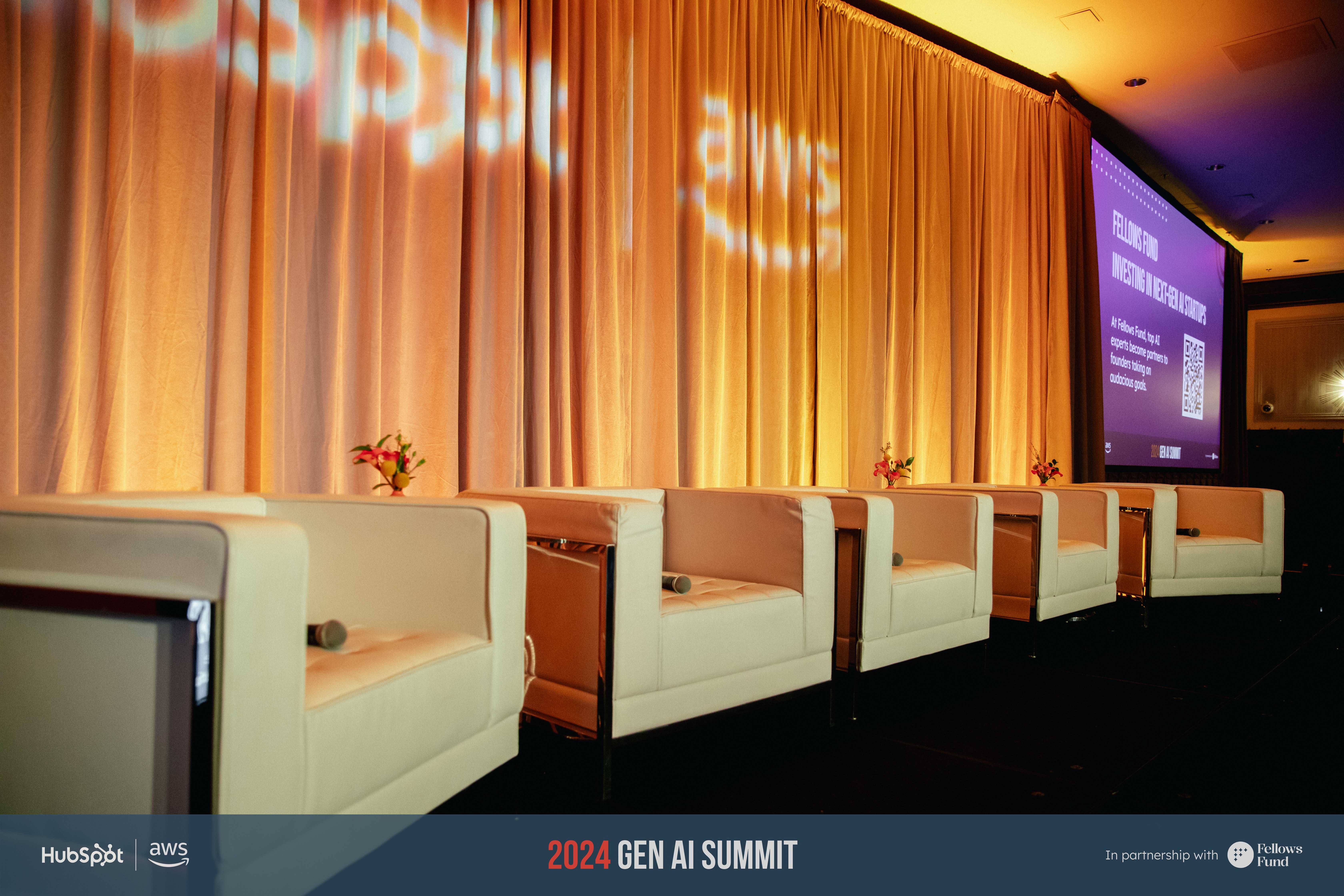
Fellows Fund hosted the revolutionary Gen AI Summit 2024 on May 16, 2024. Partnering with HubSpot and AWS, the event took place at The Westin St. Francis in San Francisco, CA. Titled “Spearheading the Enterprise AI Revolution,” the summit offered an unparalleled opportunity to explore and reshape enterprise SaaS strategies through the transformative power of AI. This invite-only summit brought together 500 AI leaders, founders, and investors, marking a significant milestone in the advancement of artificial intelligence.
The summit brought together esteemed figures and visionary leaders in the enterprise AI field, including notable individuals such as Yamini Rangan, the CEO of HubSpot, and Sridhar Ramaswamy, the CEO of Snowflake. Their valuable insights enriched the discussions, highlighting the direction of generative AI adoption in enterprises, including strategies for product development, pricing, and differentiation from established competitors.
Attendees were captivated by compelling keynote speech and panel discussions, featuring AI leaders from organizations such as AWS, ServiceNow, Nvidia, Zoom, Instacart, Hugging Face, Snorkel AI, Pinecone, Scale AI, Glean, Perplexity, LlamaIndex, Together.ai. The event also attracted renowned investors from A16z, Lightspeed, General Catalyst, and other prominent firms.
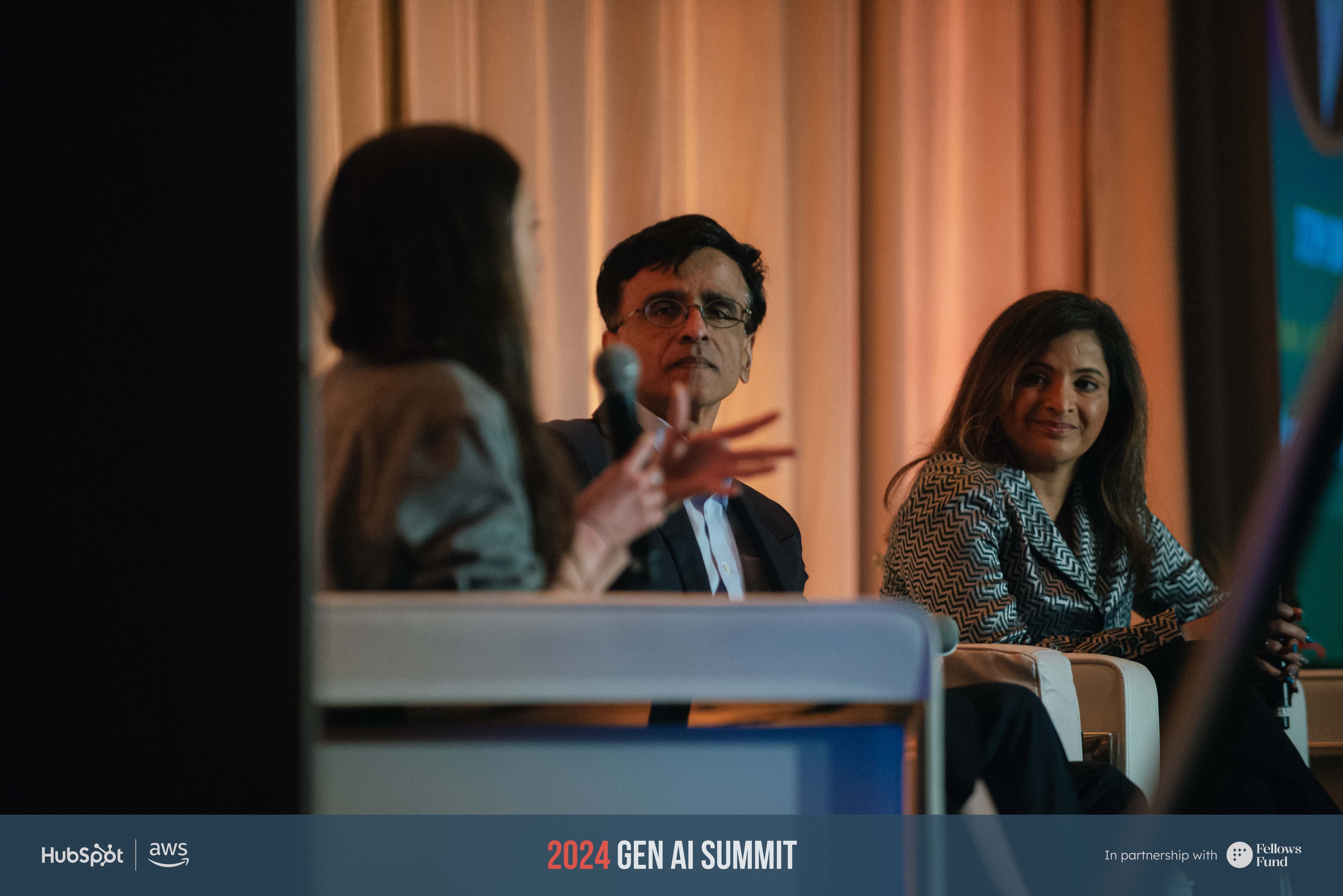
During the AI-Driven Transformation panel, the discussion focused on how Snowflake and HubSpot are embedding AI into their operations to drive innovation and efficiency. Sridhar Ramaswamy shared that Snowflake identified AI’s potential to transform data processing, particularly in converting unstructured data to structured data, and to democratize data access. This led to a concerted effort to integrate AI into their core offerings, making the technology more accessible to users. Yamini Rangan highlighted AI’s role in boosting productivity for small and medium businesses at HubSpot, enabling these resource-strapped companies to achieve more with less. Both leaders emphasized the shift from merely having AI as a feature (table stakes) to using it for differentiation and eventually re-imagining business models. They discussed evolving pricing strategies, with Snowflake adopting a consumption model and HubSpot offering AI features for free to increase adoption. A critical takeaway was the importance of differentiation over speed in AI adoption and the need for a robust data strategy to support AI initiatives. The conversation underscored AI’s transformative potential and the strategic steps necessary for businesses to leverage this technology effectively.
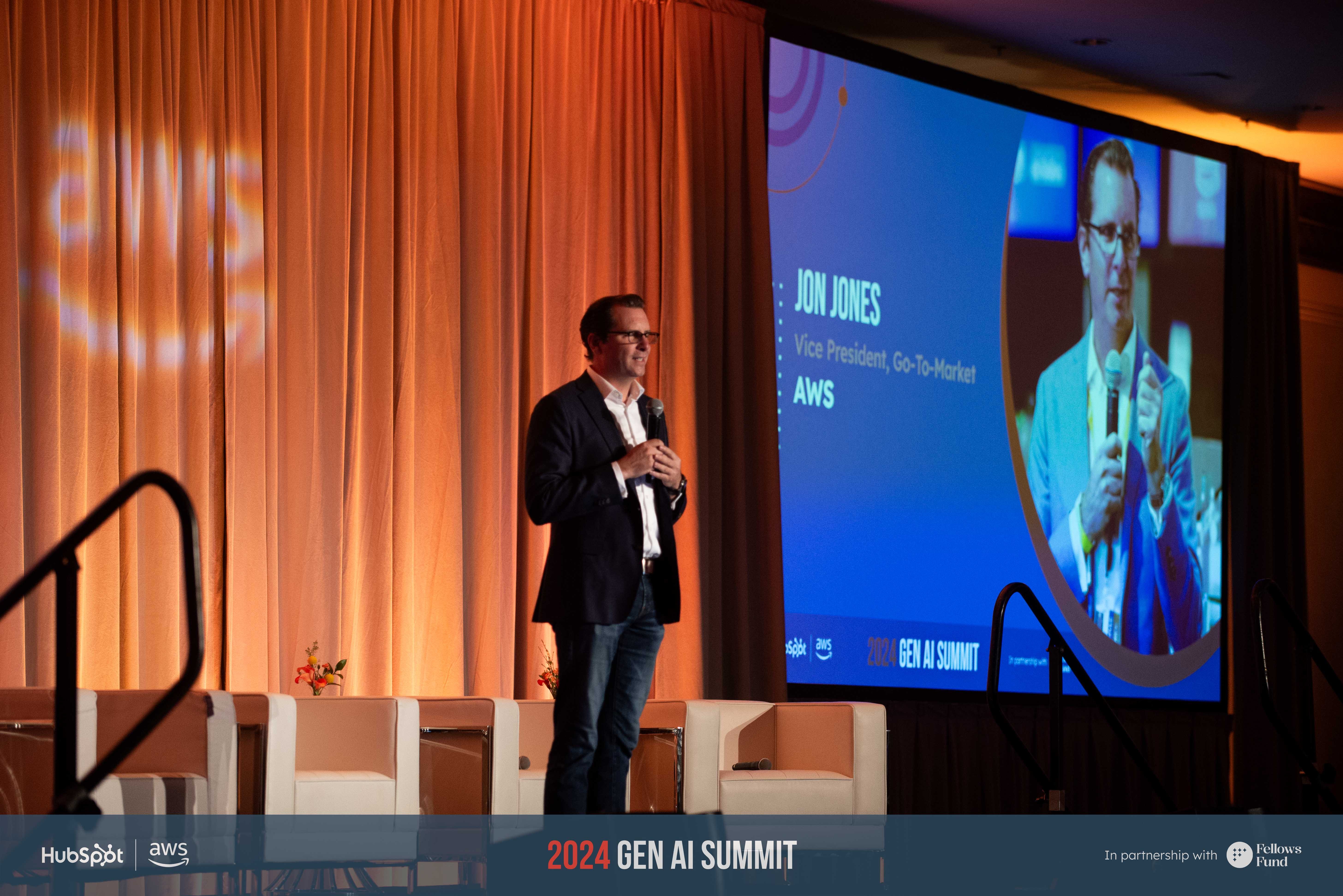
Jon Jones, the leader of AWS's global go-to-market team, discussed the rapid advancements in generative AI and its underlying factors during his keynote. He highlighted the pivotal role of cloud computing, which has drastically reduced the time needed to build supercomputers, enabling unprecedented innovation. Jon emphasized the exponential growth in model capacities and the democratization of technology, allowing entrepreneurs worldwide to access powerful tools. He also underscored the importance of listening to customer needs and integrating their feedback to create valuable products. Jon concluded by stressing the transformative potential of generative AI in addressing global challenges and the crucial role of agile business models in leveraging this technology for long-term success.
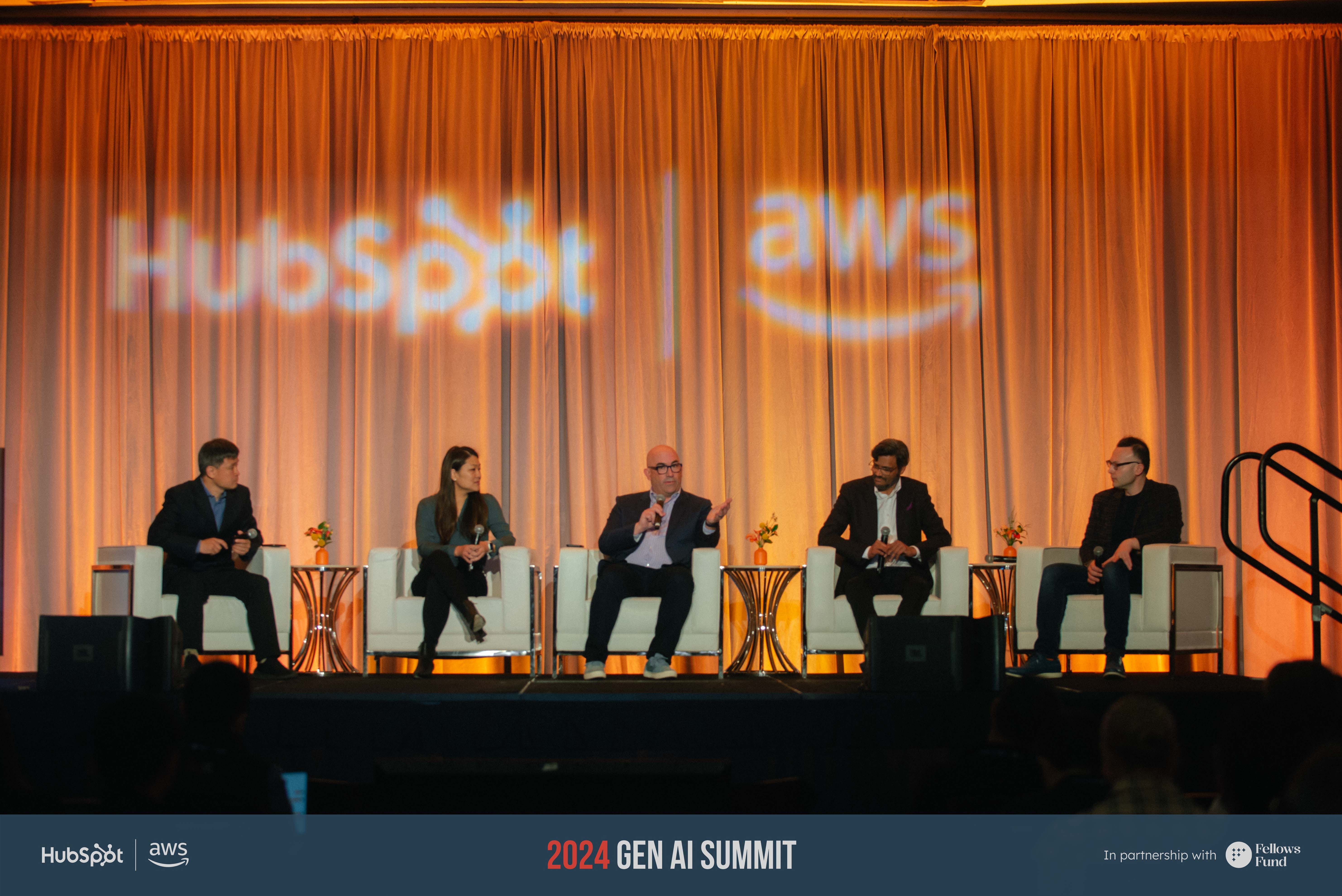
The panel on "Challenges in AI Adoption at Enterprises" featured insights from leaders at HubSpot, AWS, ServiceNow, and Nvidia. Karen Ng of HubSpot discussed the phases of AI adoption, emphasizing the need for leadership commitment, organizational alignment, and a balance between decentralized innovation and centralized governance. She highlighted the importance of selecting the right models for specific use cases, considering factors such as cost, performance, and customization. Ravi Krishnamurthy from ServiceNow shared their strategy of using both proprietary and general-purpose AI models, stressing the importance of data governance and responsible AI practices to maintain customer trust and compliance. Mark Relph of AWS emphasized the need for flexibility in AI deployment, noting that customers often require different models for various tasks and that integrating generative AI with existing data strategies is crucial. Shehram Jamal from Nvidia focused on making AI deployment easier for enterprises, particularly those lacking extensive data science expertise, by offering tools for prototyping and production. The panel also discussed the importance of emotional intelligence, the necessity of proving AI's business value, and the shift towards an AI-native world where technology becomes an integral part of everyday life.
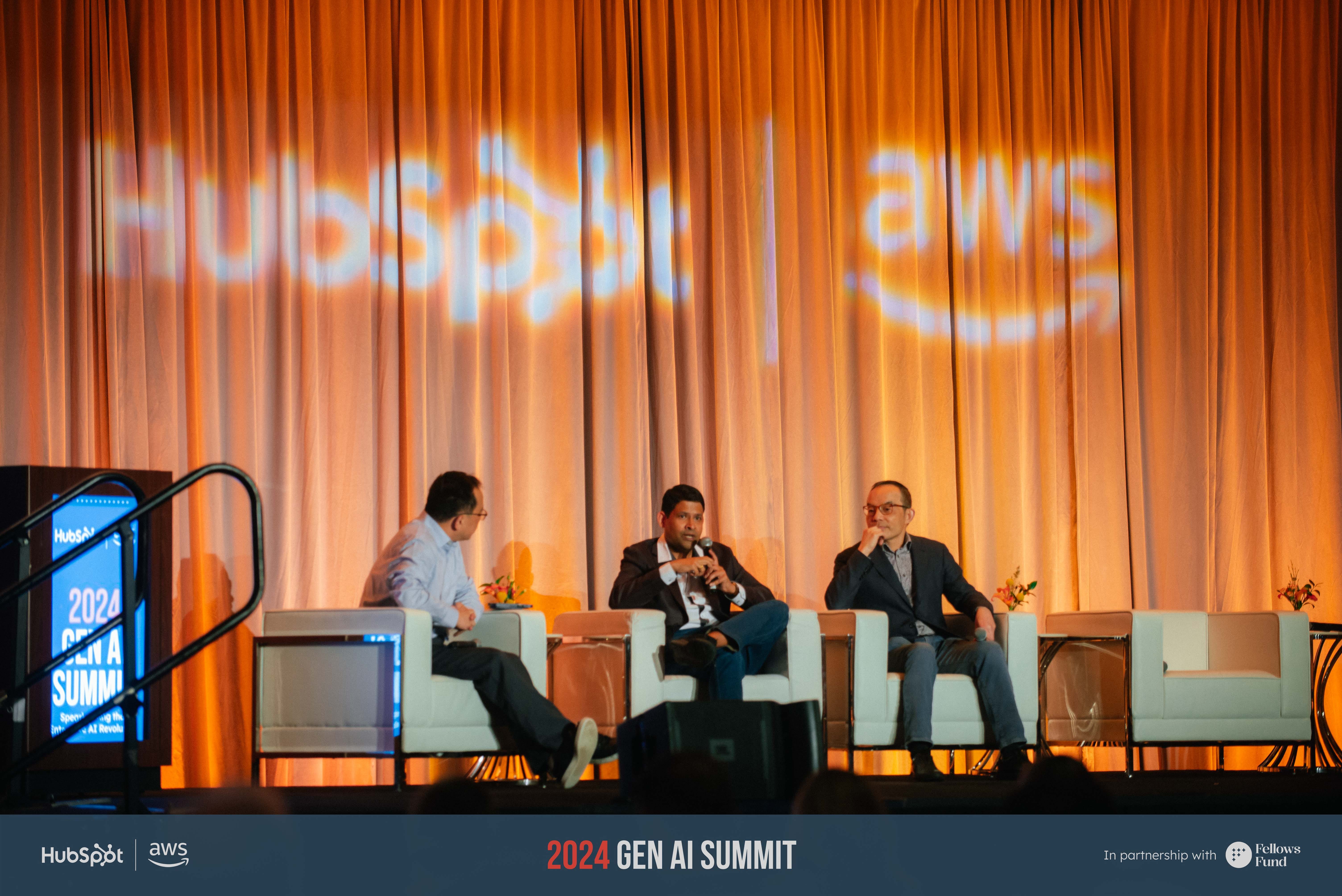
During the Technical Leaders Fireside Chat, Haixun Wang from Instacart, Manoj Sivakumar from HubSpot, and Xuedong Huang from Zoom discussed the transformative impacts of generative AI and its future potential. Manoj highlighted HubSpot's Content Remix feature, which automates the creation of multimodal content to enhance marketing efficiency. He emphasized that AI should be integrated into existing workflows to solve real customer problems effectively. Xuedong reflected on the rapid advancements in AI, noting that AI companions, like Zoom's AI companion, can summarize meetings and enhance productivity. Both panelists stressed the importance of grounding AI in business data, ensuring ease of use, and maintaining ethical standards. They agreed that while AI technology offers tremendous potential, widespread adoption will require addressing trust and usability concerns. The session concluded with optimism about AI's ability to revolutionize daily workflows and productivity.
One of the most exciting segments of the summit was the AI startup showcase, which featured 7 promising startups from the portfolios of Fellows Fund, Index, YCombinator and others. This segment provided attendees with a glimpse into the future of AI, demonstrating how innovative startups are leveraging AI to transform enterprise workflows and vertical industries.
Each startup had the opportunity to present the problem they are solving, their solution, their business model, share their achievements, and discuss their vision for the future. The diversity of applications and the transformative potential of the showcased technologies underscored the boundless possibilities of enterprise AI. This segment left the audience inspired and eager to explore the myriad ways AI could reshape our world.
The following AI startups were featured in this session: OpusClip, Artisan AI, Taskade, Hyperbound, Brewit, Stack AI, Tofu.
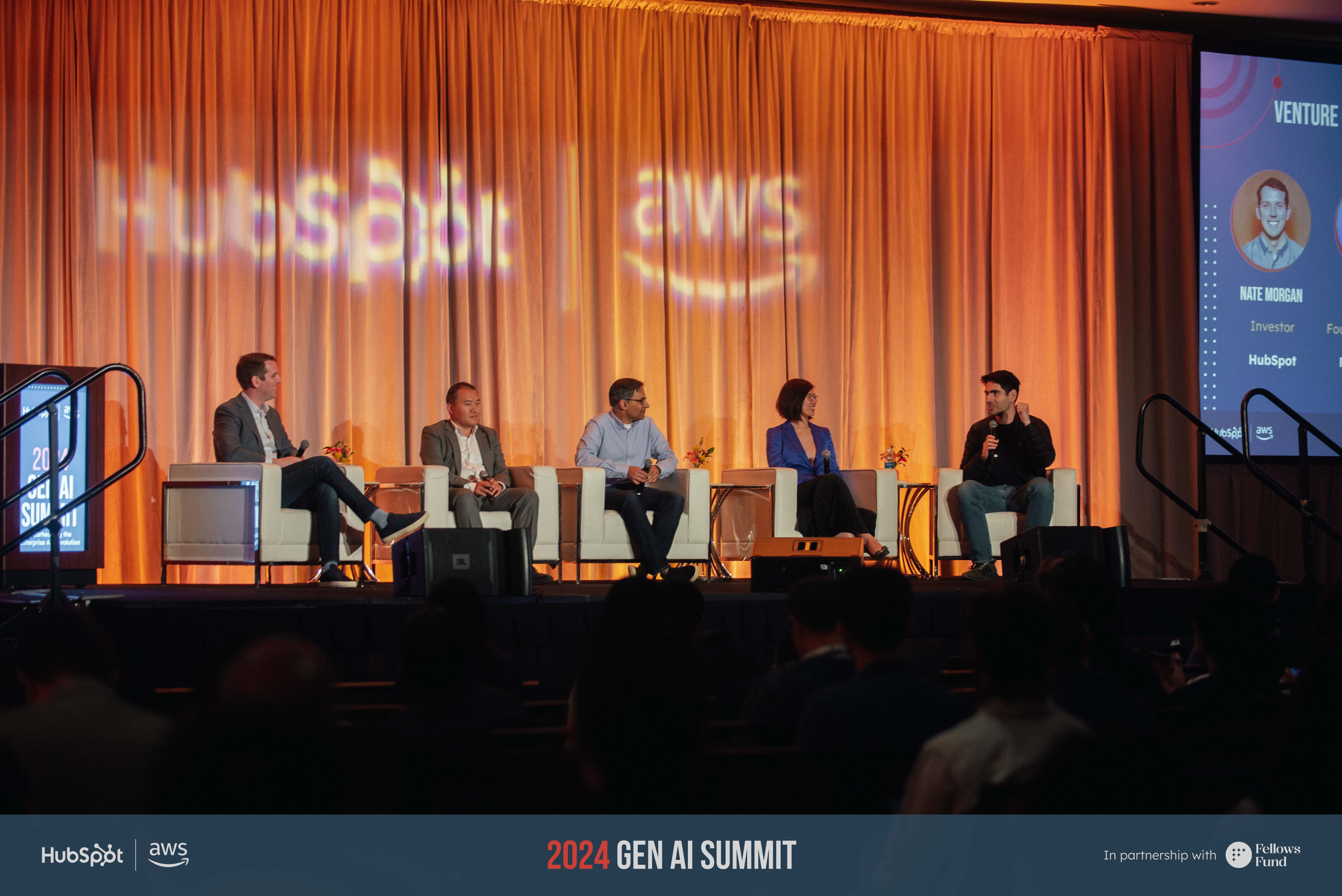
During the panel discussion on Venture Capital Insights on Enterprise AI Evolution, venture capitalists Alex Ren (Fellows Fund), Guru Chahal (Lightspeed Venture Partners), Jennifer Li (Andreessen Horowitz), and Niko Bonatsos (General Catalyst), moderated by Nate Morgan (HubSpot Ventures), shared their perspectives on the rapid adoption and potential of AI in enterprises. They emphasized the need for founders to have a clear product and go-to-market strategy that aligns with the enterprise's diverse needs. Jennifer highlighted the impact of generative AI on developer productivity and the rise of low-code/no-code tools. Guru discussed the importance of aligning product development with the right go-to-market strategy and the transformative potential of AI across all sectors of technology. Niko and Alex stressed the importance of investing in early-stage technical founders who build products they themselves would use, with Alex noting the high success rate of Y Combinator companies. The panelists agreed that AI is reshaping both the infrastructure and application layers, with a focus on identifying areas where AI can deliver significant improvements in efficiency and performance. They also noted the importance of emotional intelligence, legal compliance, and a solid data strategy in AI adoption. The discussion concluded with insights on team dynamics in AI startups, the evolving landscape of enterprise software, and reflections on missed investment opportunities.
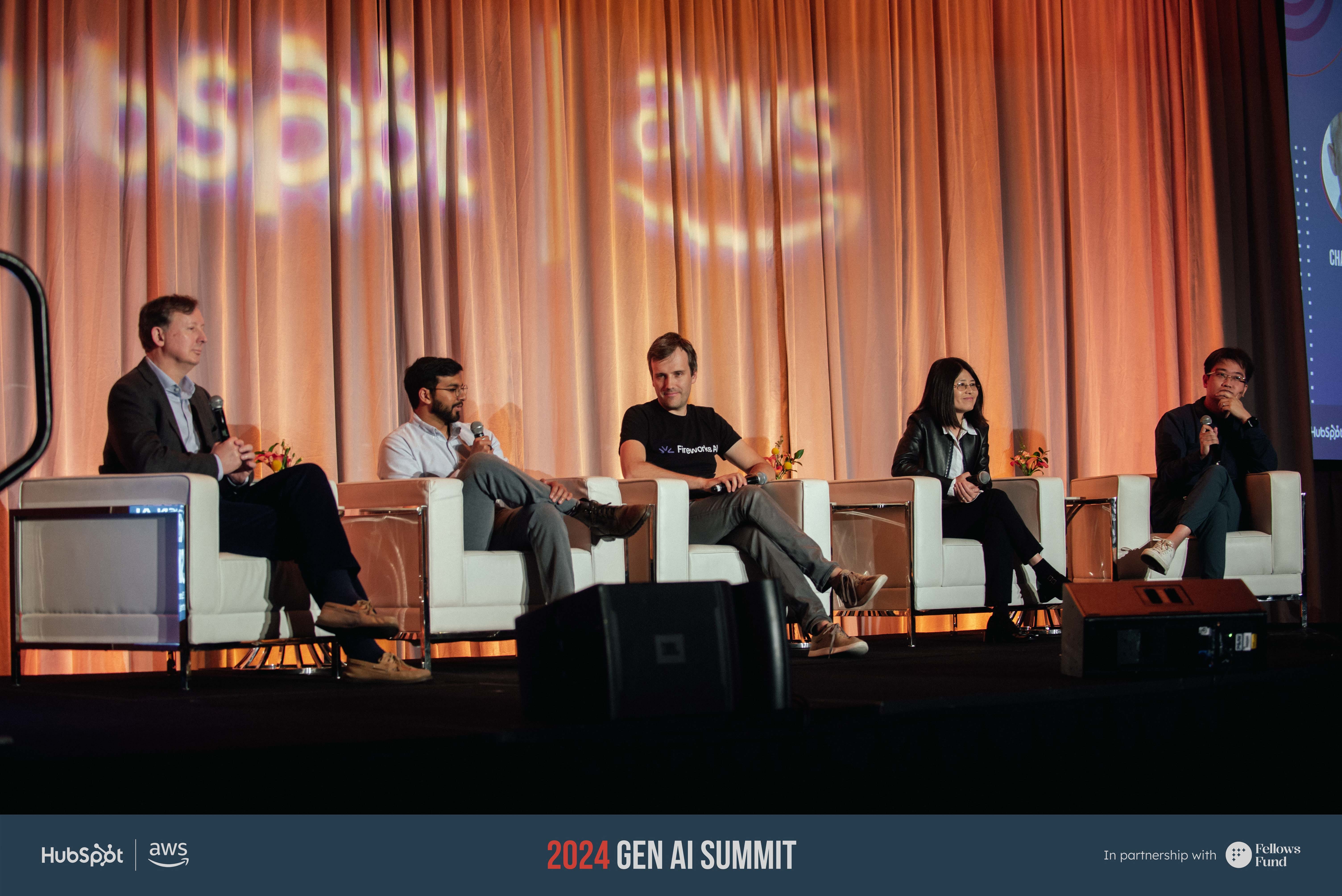
The Gen AI Startup Panel, moderated by Charles Elkan of Fellows Fund, featured Jia Li (LiveX AI), Dmytro Dzhulgakov (Firework AI), Young Zhao (OpusClip), and Hassaan Raza (Tavus). OpusClip converts long-form videos into engaging short clips for social media, LiveX AI develops multimodal AI agents, Firework AI customizes and deploys open-source generative models, and Tavus creates digital video twins and avatars. They emphasized the transformative impact of AI and highlighted the challenge of aligning AI product capabilities with customer needs. Key themes included the importance of listening to customers while managing expectations amid AI hype. The panel also addressed ethical considerations, technical challenges like cost and scalability, and predicted a shift towards multimodal models for comprehensive understanding.
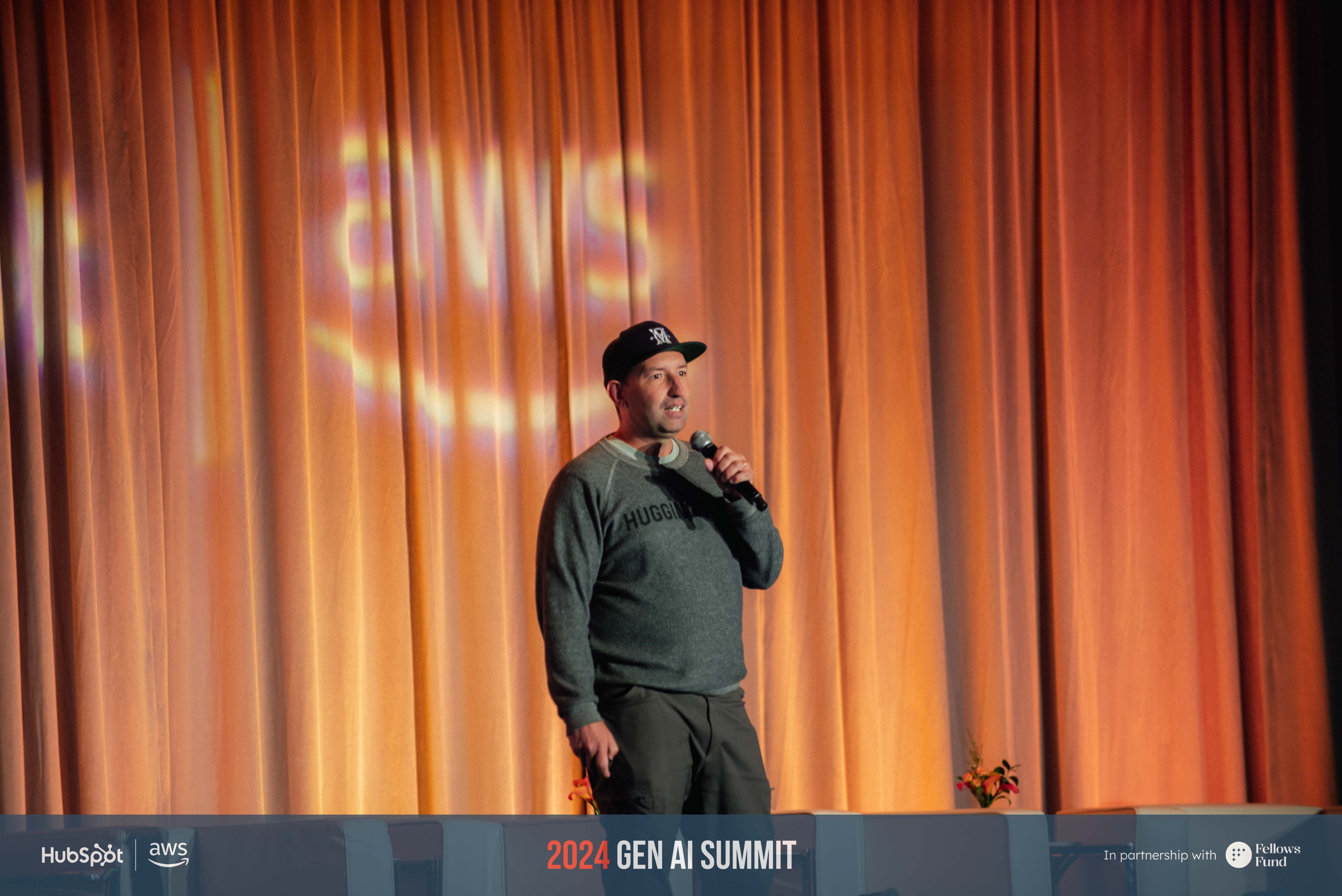
Jeff Boudier from Hugging Face highlighted the company's mission to democratize machine learning through open-source, community-driven, and ethical principles. He discussed the benefits of open-source AI, including future-proofing, cost control, security, version control, and trust, and shared updates on Hugging Face's initiatives, such as new courses, the LoRA robotics library, and the upgraded transformer agents framework. Jeff introduced HuggingChat, a free alternative to ChatGPT, and highlighted the extensive range of models on the Hugging Face Hub. He explained Hugging Face's revenue model, which includes collaboration tools, compute services, and expert support, and emphasized the importance of ethical AI. The talk concluded with an invitation for further engagement, underscoring Hugging Face's commitment to an open and collaborative AI community.
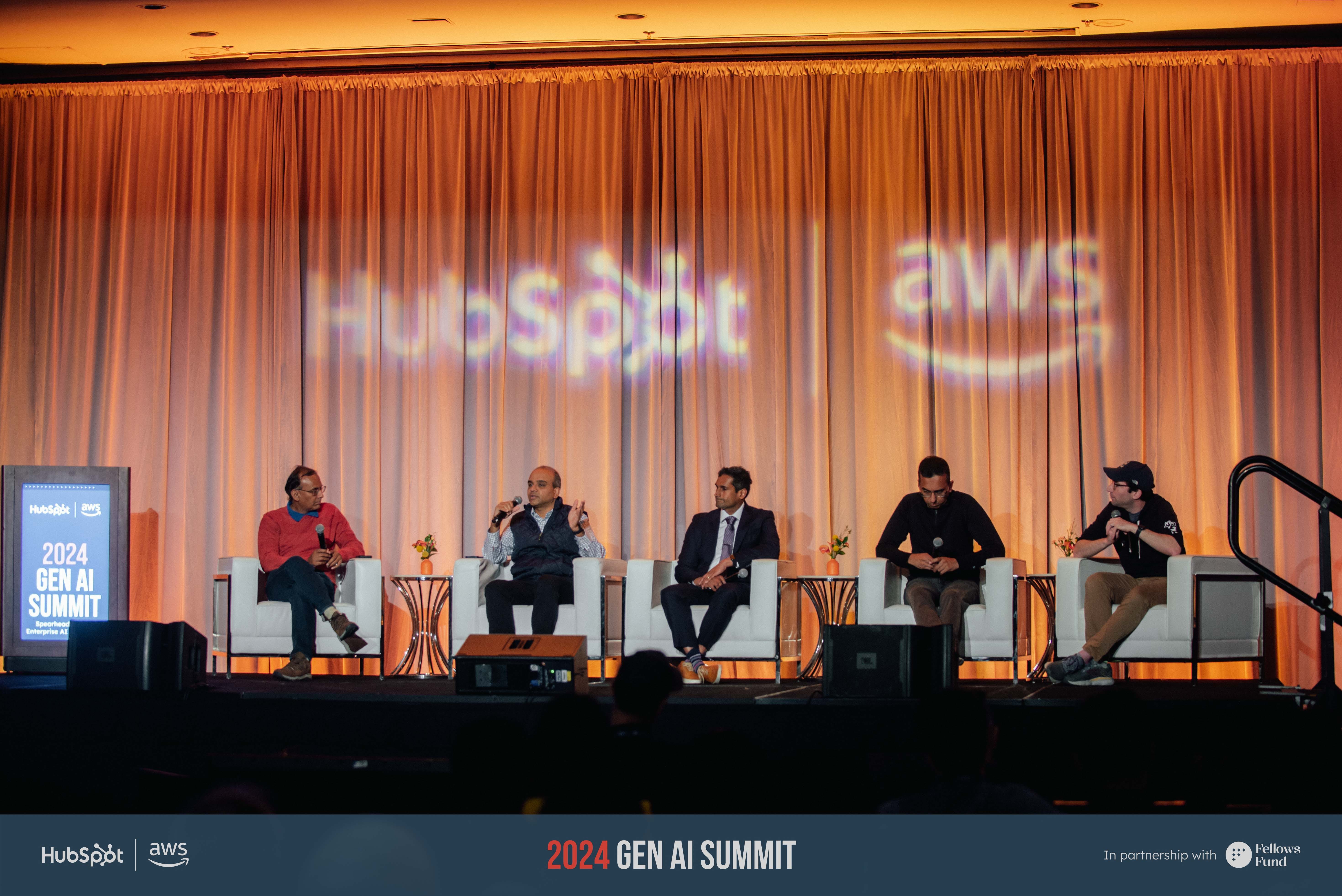
This panel discussion featured experts Alexander Ratner (Co-Founder and CEO, Snorkel AI), Ram Sriharsha (CTO, Pinecone), Vijay Karunamurthy (Field CTO, Scale AI), Raghvender Arni (Director of Worldwide GenAI GTM, AWS), and moderator Vijay Narayanan (Partner at Fellows Fund, Fellows Fund). The panel discussed the emerging AI stack, ranging from the hardware, data, foundation models and application layers. The panelists highlighted the complementary roles of GPUs and other accelerators like TPUs, IPUs, RDUs and LPUs. They debated the complementarity of large and small foundation models, emphasizing the need for domain-specific, high-fidelity data to train efficient AI systems. The panelists discussed the increasing use of advanced Retrieval-Augmented Generation (RAG) combined with fine-tuning to enhance AI performance in enterprise use cases. They touched on synthetic datasets and their role in training smaller foundation models. On the topic of evaluation, they stressed the importance of enterprise use-case specific testing and the pitfalls of overfitting to public benchmarks. The session concluded with a call for a nuanced approach to AI deployment, balancing innovation with practical application to enterprise use cases and robust evaluation methods.
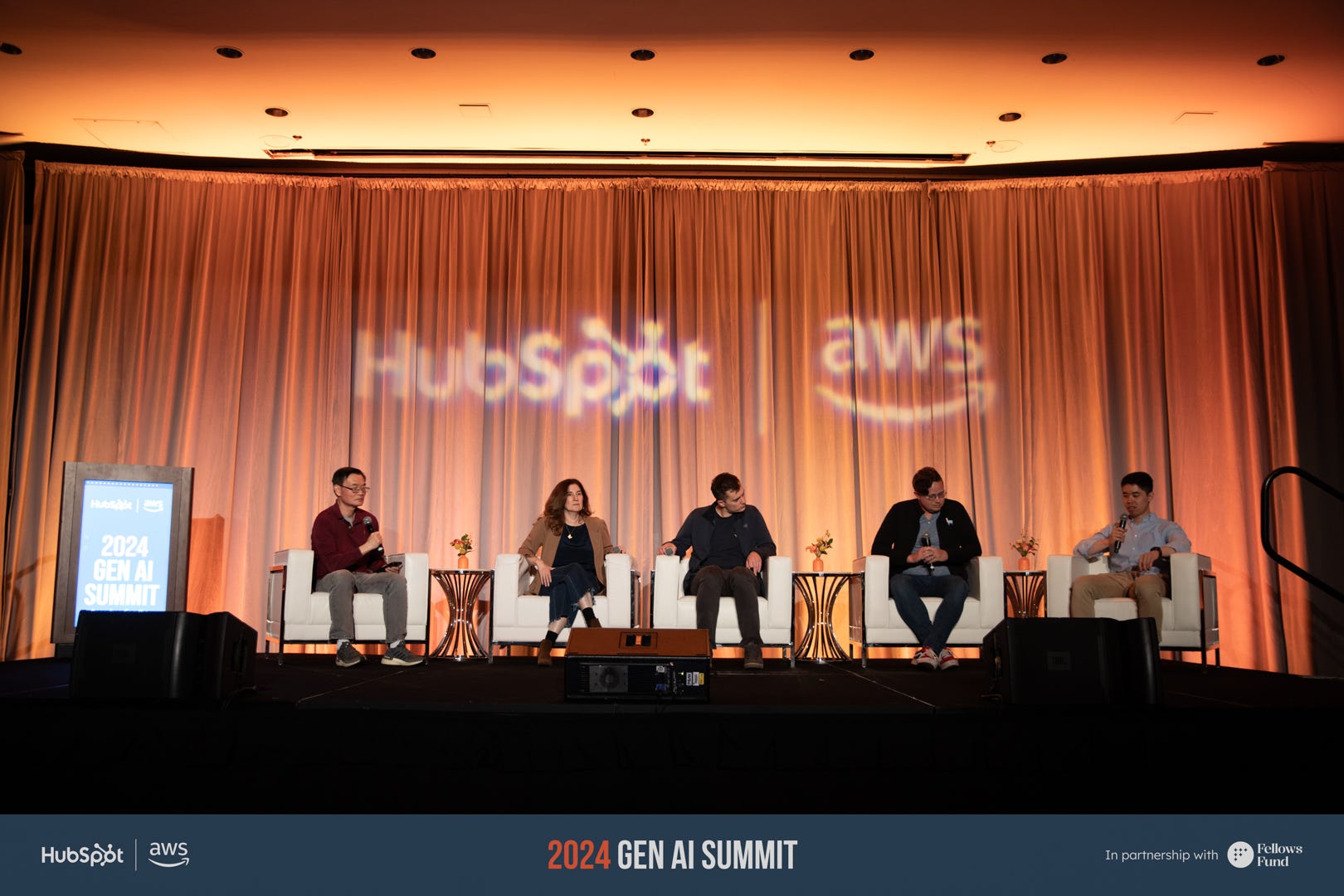
The panel on "The Future of AI Agents," featuring experts Tamar Yehoshua (President of Product and Technology of Glean), Denis Yarats (Co-Founder and CTO of Perplexity), Laurie Voss (VP of Developer Relations at LlamaIndex), and Tri Dao (Chief Scientist at Together.ai), moderated by JC Mao, discussed the rapid evolution of AI agents and their capabilities in autonomously taking input, making decisions, and executing actions. They shared insights on building reliable and secure AI agents, highlighting challenges in data retrieval and evaluation within enterprise settings. Tamar emphasized the complexity of handling enterprise data with robust security, while Denis focused on the importance of speed and accuracy in providing answers. Laurie and Tri discussed the necessity of solid infrastructure, fast inference, and memory management for developing effective agents. They highlighted the competitive advantage of agility and niche focus for startups against larger tech companies. The panelists anticipated future improvements in planning, reasoning, reliability, and efficiency, such as enhanced SQL query capabilities and longer context windows for more comprehensive reasoning. They discussed the importance of fine-tuning models for specific tasks and the complementary roles of RAG and fine-tuning in enhancing agent performance. The conversation concluded with strategies for mitigating risks, ensuring accurate outputs, and the transformative potential of AI agents to significantly enhance productivity and daily life.
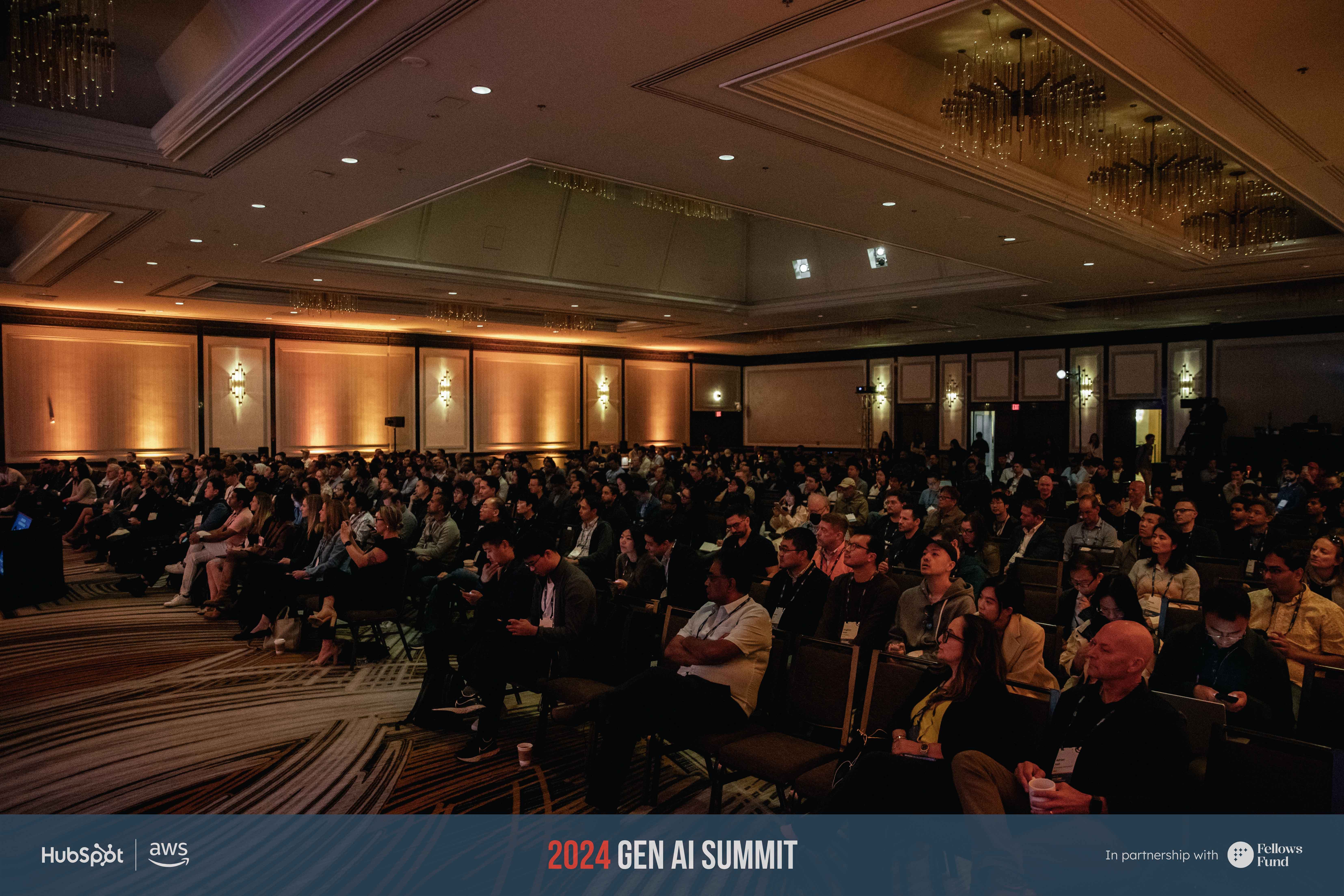
The Gen AI Summit 2024 was a full program dedicated to understanding the enterprise AI revolution. The event culminated in a dynamic and inspiring day on May 16, 2024 in San Francisco.
Here are some highlights from the summit:
Experienced: Our speakers and panelists brought a wealth of experience, with many having over a decade of expertise in AI and technology fields.
Accomplished: The summit featured founders and executives from leading AI companies that have collectively raised millions in funding and achieved significant industry milestones.
Innovative: We showcased cutting-edge AI technologies, thanks to all the startups that presented.
The Gen AI Summit could not have happened without the generosity of our friends and partners at HubSpot and AWS.
Got questions? Check out our About page.
No posts
Comments
Nothing yet. Say the first thing.
Sign in to join the conversation.