
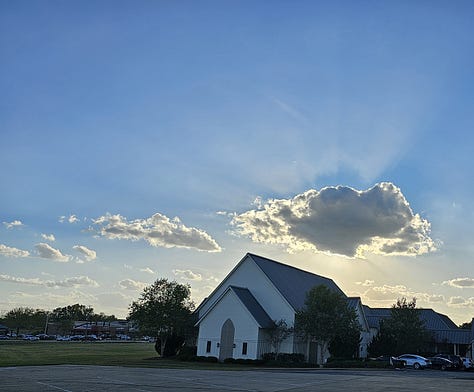

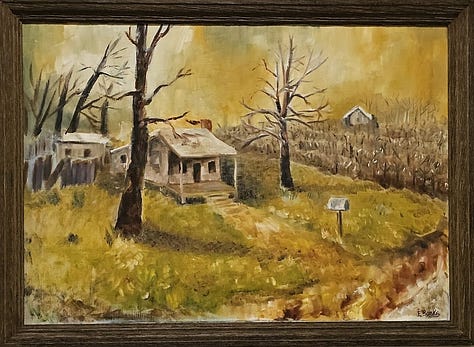
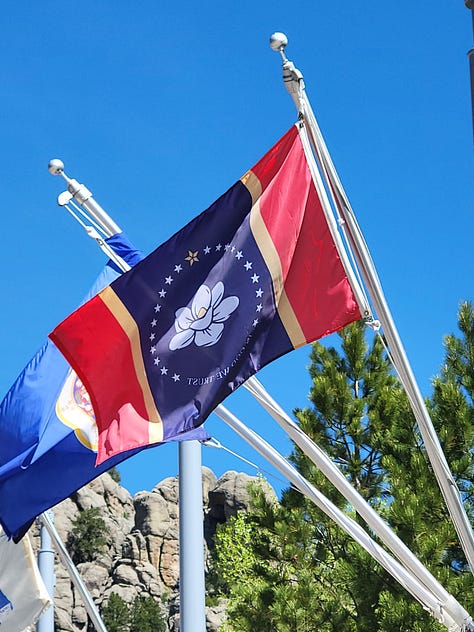
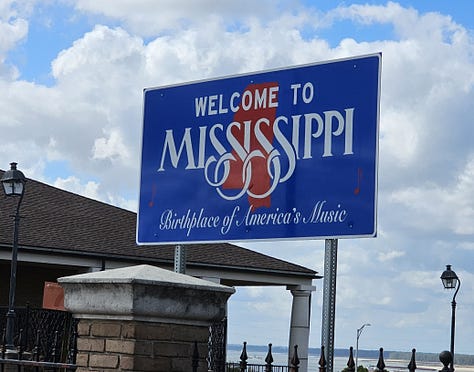

I prepared this Guide for first-time and occasional visitors to Mississippi’s Capital Area, which encompasses the City of Jackson and Hinds County, as well as communities in Madison and Rankin counties. —Felicia Smith
QUICK LINKS
Civil Rights
Desserts
Hospital Emergency Rooms
Houses of Worship
Mississippi History
Restaurants

INTRODUCTION.
MISSISSIPPIANS’ HOSPITALITY IS GENUINE.
The State of Mississippi prides itself on being the Hospitality State.[1]
The theme of hospitality was promoted extensively by the state’s development agencies, as governors and other political officials have long sought to expand economic development in Mississippi,[2] including through global trade initiatives.
This nation’s immense achievements cannot be adequately measured if one does not include Mississippi’s essential role.
For example, Mississippi and her people were instrumental in reshaping the major American political parties following formation of the Mississippi Freedom Democratic Party in the 1960s.
And Mississippi’s wealth is her people!
Her people have made important contributions to education and the economy, and have long-shaped American culture—including the classical, blues, jazz, country, soul, and rock music genres.
Thanks for reading Overture! Your subscription supports my research and writing projects. Subscribe for free to receive new posts.
SYMBOLS OF MISSISSIPPI[3]
Nickname: The Magnolia State
Motto: Virtue et Armis (By Valor and Arms)
Song: “One Mississippi” by Steve Azar
Bird: Mockingbird (Mimus polyglottos)
Wildflower: Coreopsis
Flower: Magnolia
Tree: Magnolia
Toy: Teddy Bear
Butterfly: Spicebush Swallowtail
Fruit: Blueberry
Fish: Largemouth Bass
Folk Dance: Square Dance
Fossil: Prehistoric Whales
Insect: Honeybee
Land Mammal-1: White-tailed Deer
Land Mammal-2: Red Fox
Water Mammal: Bottlenose Dolphin
Waterfowl: Wood Duck
Reptile: American Alligator
Shell: Oyster Shell
Soil: Natchez Silt Loam
Stone: Petrified Wood
A BRIEF HISTORICAL REVIEW OF MISSISSIPPI[4]
“You will know the truth, and the truth will make you free.” John 8:32 [Jackson State’s original motto]
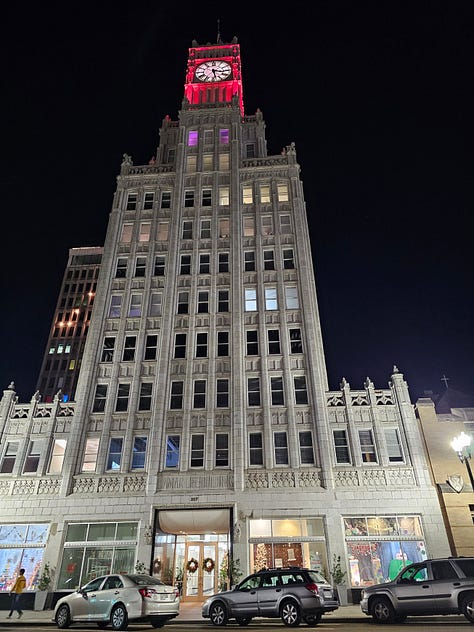


Western European Explorers
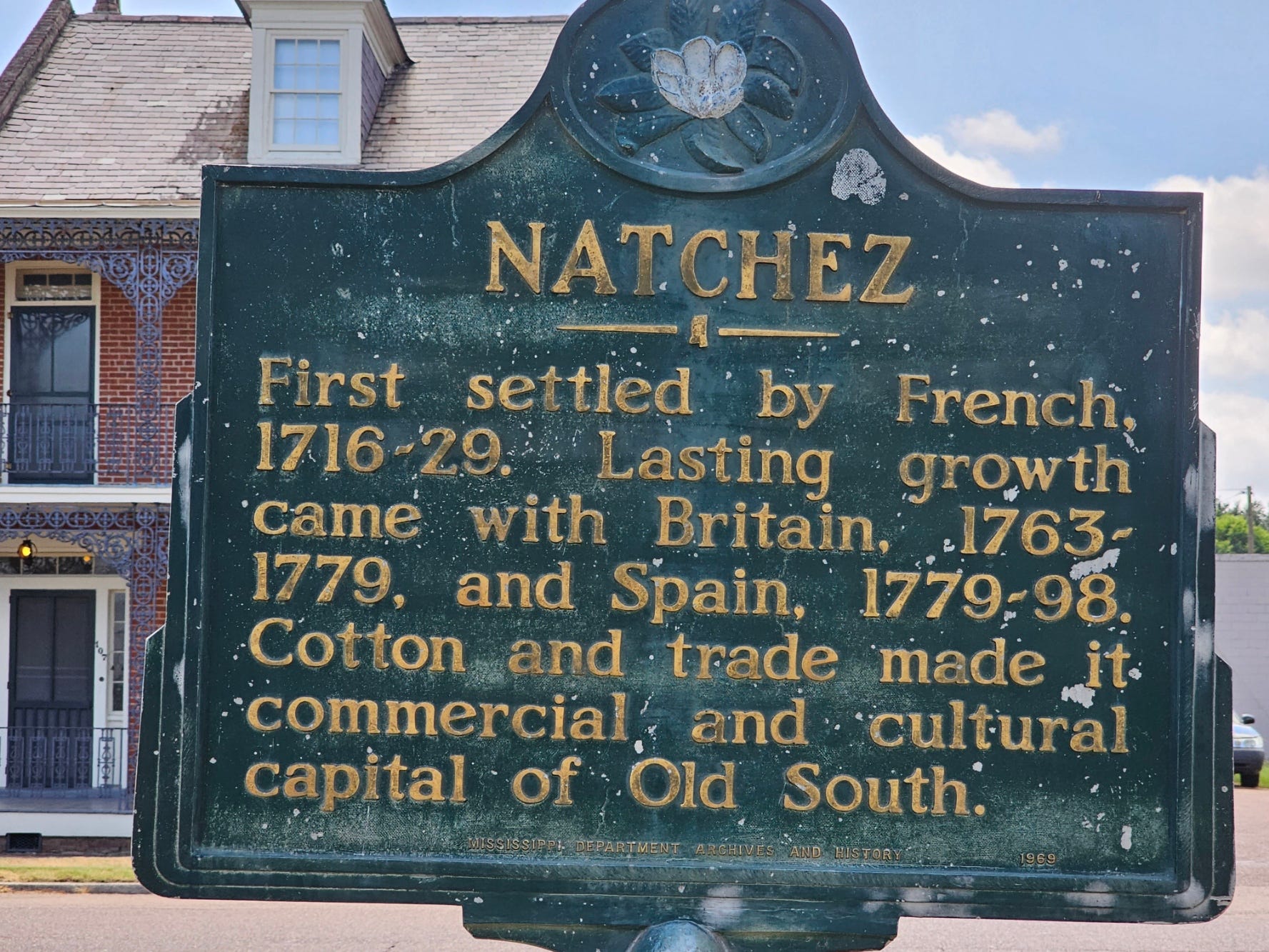
Following Christopher Columbus’ voyages to the Western Hemisphere under the flag of the Spanish Majesties King Ferdinand II and Queen Isabella I, the European superpowers were very active in exploring and colonizing the Americas.
In 1682, French explorer Robert de la Salle claimed for France the area that became the Mississippi Territory.
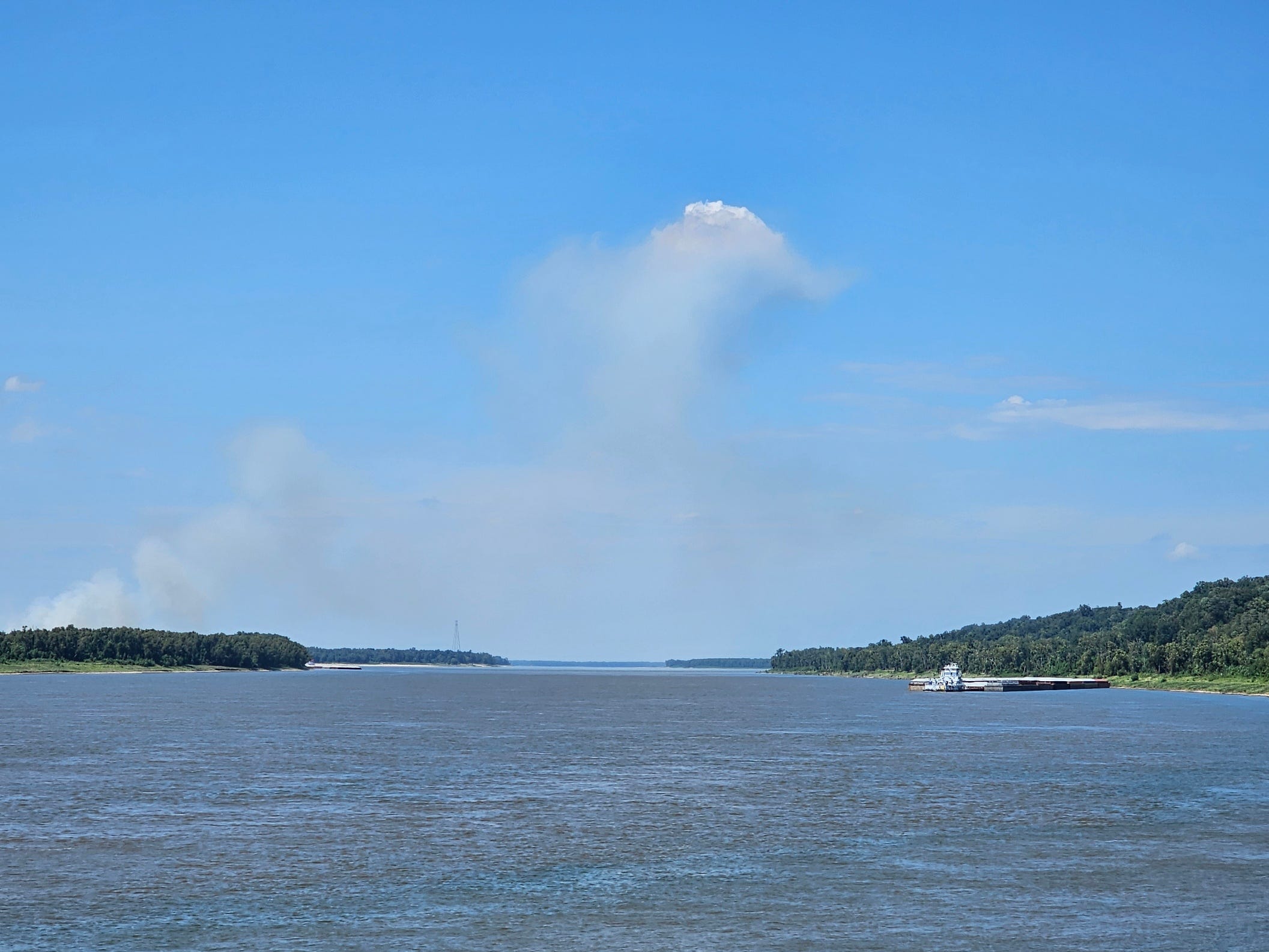
In 1716, the French established Fort Rosalie on a bluff overlooking the Mississippi River. The surrounding area was named for the Natchez (or Nachee) Indians, an indigenous people the French encountered in the Territory.[5] From about 800-1400 A.D., the ancestors of the Nachez had constructed “elaborate earthworks (mounds)” . . . that “were the site of civic life, ceremonies, and games.”[6]
The French imported slaves into the Territory from among the Bambara[7] of Africa, who were [known] for their [ability] to cultivate the earth.”[8] The expertise of the “Bambarans contributed greatly to the economic growth of the region and the nation.”[9]
Although the Natchez initially welcomed the French, in 1729 the Natchez killed most of Fort Rosalie’s inhabitants. The French then sent soldiers who decimated the Natchez. After the Natchez abandoned the area in 1731, France’s claim to the Territory was “undisputed.”[10]
Beginning in 1763, the British controlled Natchez until 1779.
After acquiring Natchez in 1779, the Spanish established the City of Natchez on a bluff overlooking the Mississippi River. The Spanish designed the new city in the architectural style of Spanish cities, which situated the Church as the focal point of the plaza.
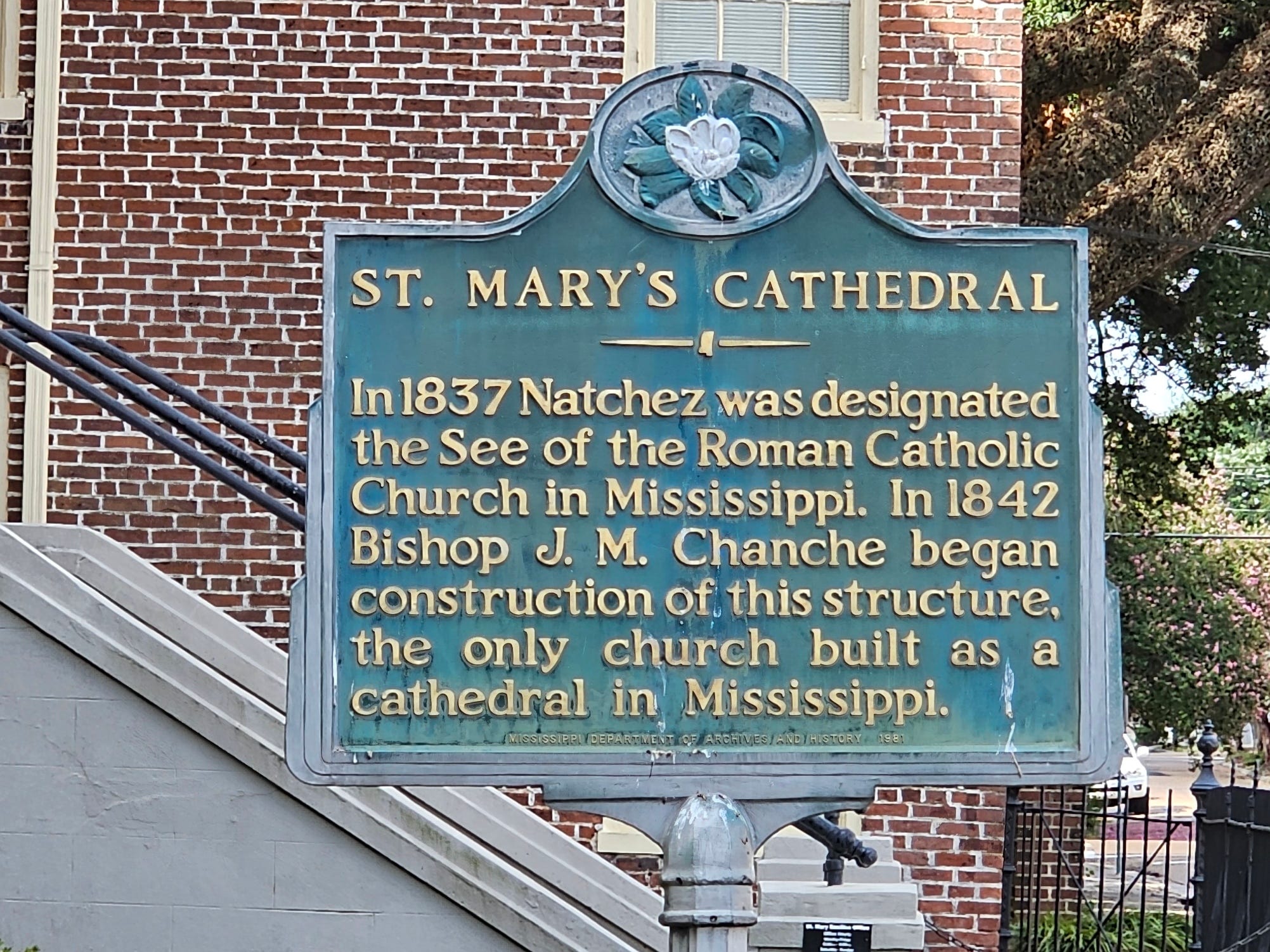
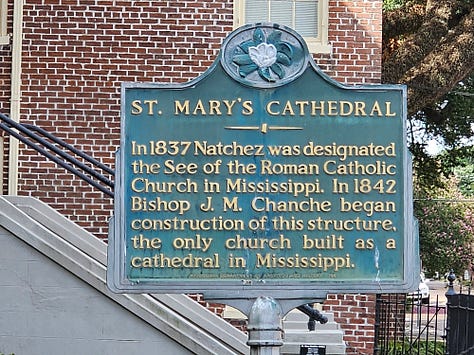
In 1837, The Holy See designated Natchez as the location for the Diocese of Mississippi.[11] However, Catholics had been part of the fabric of Natchez since 1682, with the arrival of de la Salle and his companions.
The magnificent Gothic Revival Cathedral of Our Lady of Sorrows was begun by its first resident Bishop John Joseph Mary Benedict Chanche, P.S.S. in 1842, and the first Mass was celebrated on Christmas Day in 1843.
Antebellum Mississippi
Mississippi’s antebellum economy (which was built on chattel slavery) allowed the “Planter Class” to become wealthy from the extensive manual labor of the plantation system that made “King Cotton” economically viable.
“In the 1790s, the invention of the cotton gin, together with a sharp rise in the foreign demand for southern cotton, created outstanding economic opportunities for southern farmers and fueled the Great Migration. The rich soils of the Mississippi Territory, its favorable environment for cotton culture, and the high prices being paid in England for cotton, led to the genesis of the Cotton Kingdom, which was based on enslaved labor.”[12]
I find it notable that Mississippi (rather than the mercantile center of the City of New York) became home to so many of the nation’s millionaires. “Around 1850, half the millionaires in the United States lived atop the Natchez [Mississippi] bluffs.”[13]
Enslaved Blacks in the South generally were not literate because in some cases it was against the law (as well as societal norms) to teach them to read and write.[14]
“Southern states [kept] slavery in place and tighten[ed] control of African Americans’ lives, including their literacy.”[15]
One notable exception to this practice was Thomas Jefferson, who gave his assent for his grandson to teach slave[s] to read and write.[16]
Post-War and Reconstruction Periods
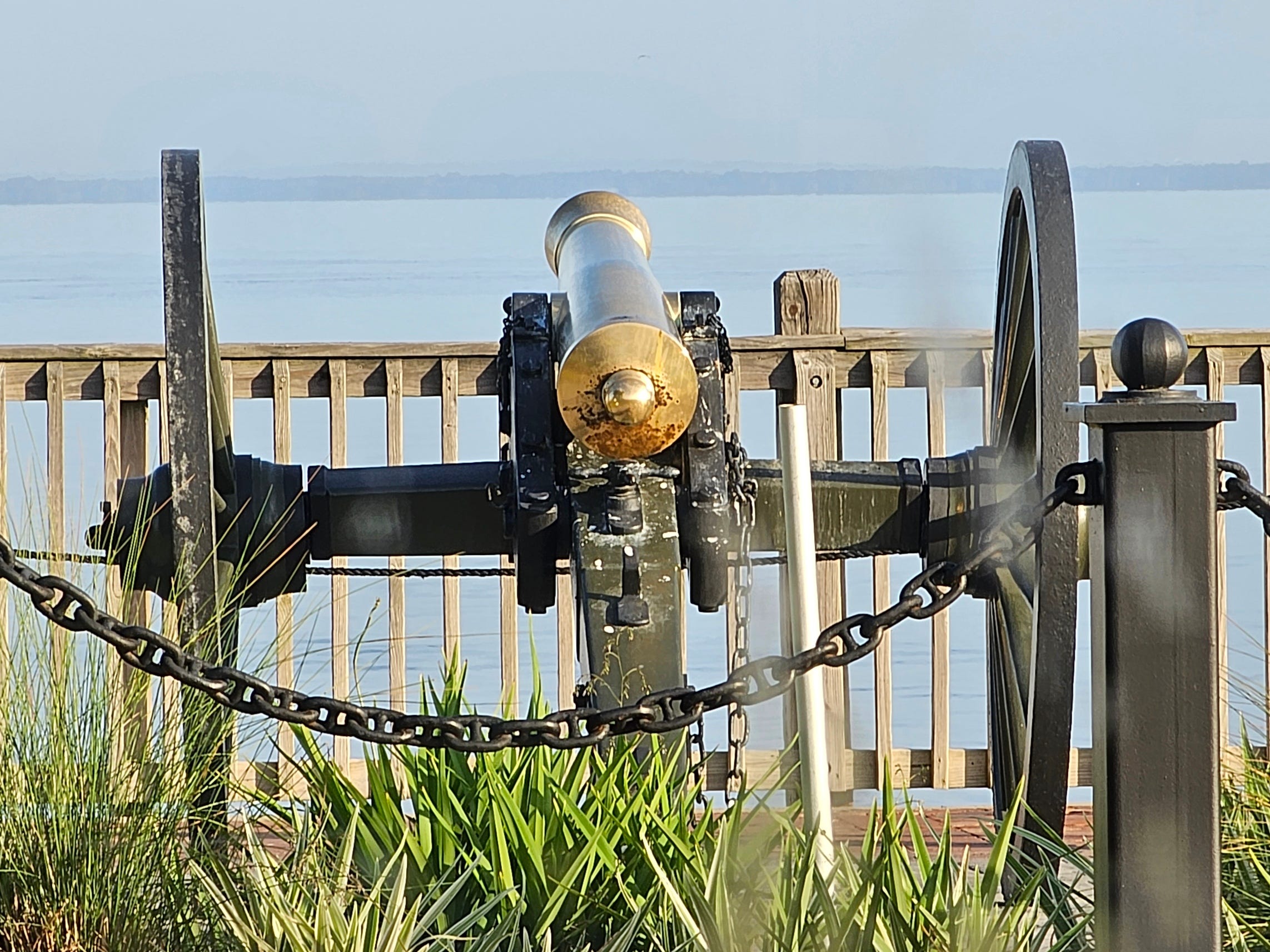
Following the American Civil War, many formerly enslaved Black Americans found themselves enduring the endless loop of sharecropping indebtedness to the landowner. Under this predatory practice, the sharecropper (and his family) would work the land, and the landowner advanced resources for that growing season (seed, rent, feed for farm animals, etc.).
In return, the sharecropper agreed to remit a specified portion of the crop his family harvested to the landowner.
Unfortunately for many Black sharecroppers, their illiteracy made it possible for landowners to manipulate them and keep them in an endless cycle of debt. And good harvests were never sufficient to repay fully the outstanding debt owed to the landowner. (N.B. White farmers also were sharecroppers.)
Hardships, however, were not the defining story of these Mississippians.
We would be remiss if we did not acknowledge—with gratitude to God—our profound respect for the many achievements formerly enslaved Black Americans attained because of their own industry, innovation, and hard work!
An important contributor to the economic and community development of these formerly enslaved persons was the provision of educational opportunities for them.
From its founding as Natchez Seminary by the Baptist Home Mission Society in 1877, the Seminary eventually grew and developed into Jackson State College, which is now the Carnegie Institute doctoral high research university known as Jackson State University.
Notable Jackson State alumni include Shasta Averyhardt, Vivian Brown, former Mississippi Representative Robert Clark, Dr. Rod Paige, Dr. Estus Smith (1930-2020), Jimmy Smith, U.S. Representative Bennie Thompson, Mrs. Pearl M. Vincent, and NFL Hall of Fame members Lem Barney, Robert Brazile, Walter Payton, and Jackie Slater.[17]
Alcorn State was the first Land Grant institution in Mississippi established pursuant to the Morrill Act. Under Plessey v. Ferguson’s “separate but equal” doctrine, the establishment of Alcorn made it possible to restrict by law (i.e., implement de jure segregation) the ability of Black students to matriculate at Mississippi State University.
Alcorn’s first president was Hiram R. Revels, who became the first Black member of the United States Senate. Alcorn is the oldest Historically Black College and University (“HBCU”) land-grant institution, and the second oldest public institution of higher education in Mississippi.[18]
Notable Alcorn alumni include Joseph E. Walker (1879-1958), Charles Evers (1922-2020), Medgar Evers (1925-1963), Myrlie Evers-Williams (1933), Steve McNair (1973-2009), Donald Driver (1975), Michael Clark Duncan (1957-2012), Larry Smith (1958), Leslie Frazier (1959), Lindsey Hunter (1970), Jimmie Giles (1954), and Issiac Holt III (1962).[19]
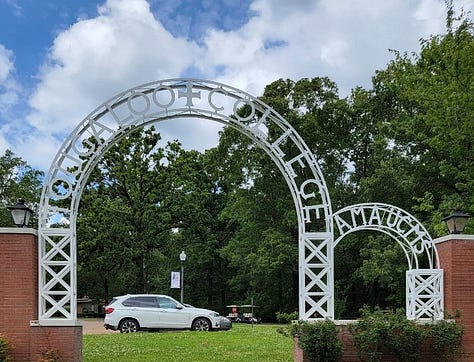
In 1869, the American Missionary Association (“AMA”) established Tougaloo College on the former Bodie Plantation north of Jackson, Mississippi.
Dr. George A. Owens (MBA, Columbia), the first Tougaloo alumnus to lead the institution as its president, opened the Academic Year by recounting the perseverance of Cinque and his companions, as they battled the captain and crew of the slave-ship L’ Amistad.
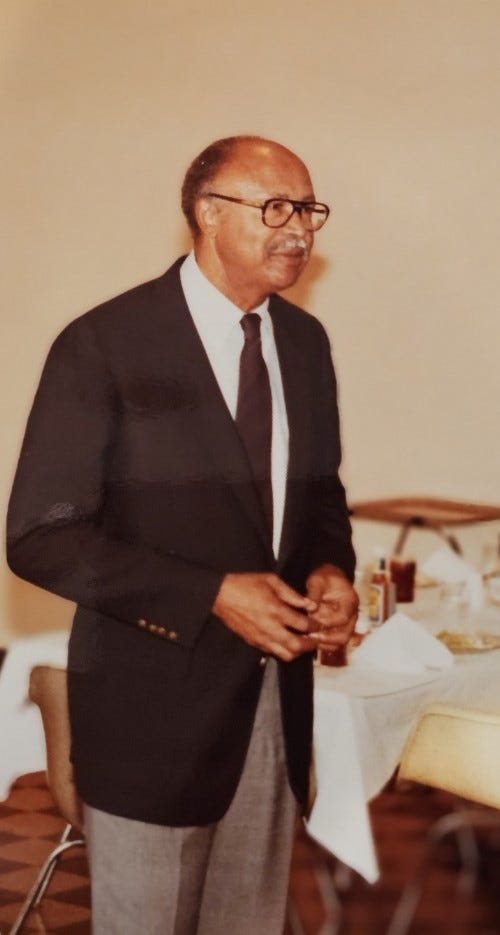
Their battle led to an historic court case (supported by the AMA and other abolitionist groups), which arose because Cinque and his companions had overtaken the captain of the slave boat that was bringing them to the United States, where they were to be sold in the domestic slave markets.
As the litigation between Cinque and his companions on the one hand and the captain and owner of the boat on the other progressed, the Supreme Court of the United States ultimately held in favor of the Africans—ordering that they be set free.[20]
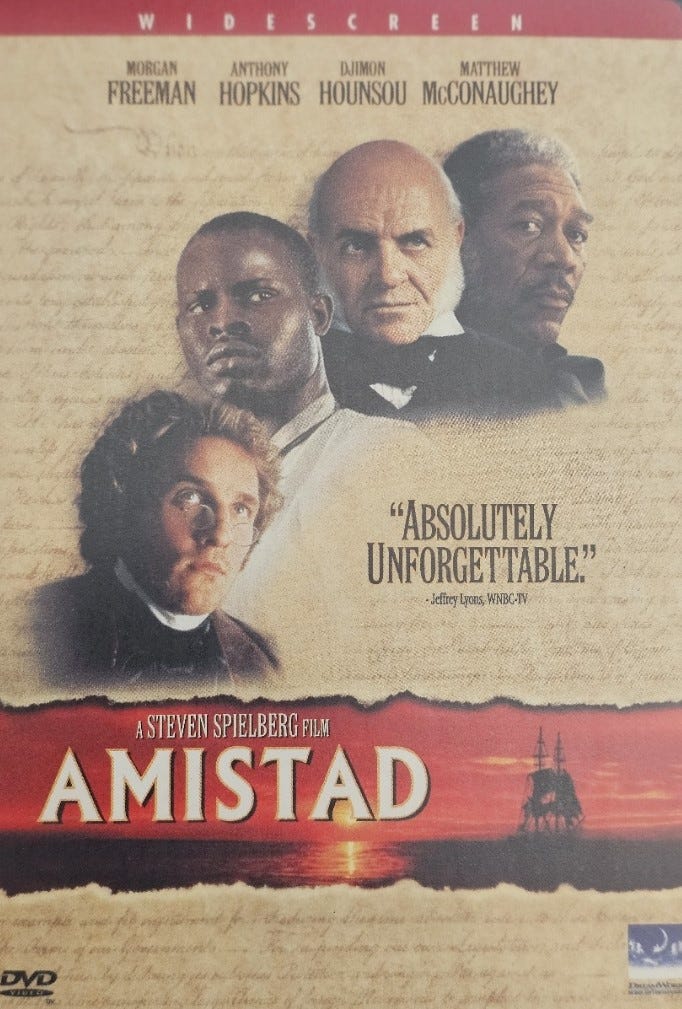
Steven Spielberg dramatized this historic event in the movie Amistad (1997).[21]
Although the mission of Tougaloo College (and those of similar institutions established mostly across the American South) was to educate the newly freed slaves to become full participants in American society, these institutions were from their inception open to all irrespective of race or ethnicity. In 1879, Luella Miner (daughter of the school’s treasurer) became the first—but not the last—White student to graduate from Tougaloo.[22]
Notable Tougaloo alumni include Reuben V. Andersen, Edward Blackmon, Sam M. Brinkley, A.B. Britton M.D., Georgia B. Dawson, Robert Honeysucker, Jr., Dr. Joyce Ladner, William Henry Lanier, Anne Moody, Dr. George A. Owens, Dr. Isaiah S. Sanders, Constance Slaughter-Harvey, Golden N. Smith, Robert Smith, M.D., Malcolm Taylor, M.D., Dr. Naomi Townsend, Walter Turnbull, Dr. Joffrey Whisenton, Dr. George M. Vincent, and Jack Young.[23]
During Reconstruction, formerly enslaved Blacks in Mississippi made remarkable progress.
In the 1870s, Black elected officials on the state-level included Alexander K. Davis (Lieutenant Governor), Rev. James D. Lynch (Secretary of State), James Hill (Secretary of State), John R. Lynch (Speaker of the House), and Isaac Shadd (Speaker of the House). On the federal level, Mississippi’s Congressional delegation included Senator Hiram R. Revels, Senator Blanche K. Bruce, and Representative John R. Lynch.[24]
Of particular note in the Capital Area, John R. Lynch Street (named in honor of Representative Lynch) is a major artery linking Jackson’s Capitol Street (which at that time was Mississippi’s political and economic center) and Jackson State University’s campus.
The Jackson Municipal Separate School System (“JPS”) named one of West Jackson’s high schools in honor of Secretary of State James Hill. JPS also named four schools in honor of alumni of Tougaloo College:
William Henry Lanier Junior-Senior High School, the former Sam M. Brinkley Junior High School (which merged into Lanier in 2023), Golden N. Smith Elementary School, and Georgia B. Dawson Elementary School.[25]
However, a Roman Catholic parish has the distinction of opening the first high school in Jackson for Black students. Sponsored by Holy Ghost the Comforter Catholic Church in Midtown, Holy Ghost Catholic School opened in 1918.[26] The school, which was staffed by the Holy Spirit Missionary Sisters (Techny, Illinois), was noted for the “first-rate” instruction the Sisters provided to their students.
Indeed, Holy Ghost alumni have distinguished themselves as physicians, educators, entrepreneurs, and White House staff.[27]
Senator Revels holds the distinction of being the nation’s first Black member of the United States Senate. When Senator Bruce joined him in the Senate, they were the first and only Black members until the late 1960s. In 1967, Edward Brooke became the third Black U.S. Senator upon his election to represent the Commonwealth of Massachusetts.[28]
The Active Pursuit of Civil Rights in Mississippi
As a private institution, Tougaloo College had great latitude to pursue civil rights for Blacks in Mississippi in a way that state-supported institutions could not. However, there were serious repercussions for Tougaloo—and for those who were associated with it as administrators, faculty, and students.
With their read-in at the whites-only public library in Jackson on 27 March 1961, nine Tougaloo undergraduates (the “Tougaloo Nine”) fueled Mississippi’s modern Civil Rights Movement. The students were Joseph Jackson, Jr., Geraldine Edwards, James “Sammy” Bradford, Ethel Sawyer, Albert Lassiter, Gloria Pierce, Meredith Anding, Jr., Janice Jackson, and Alfred Cook.
WATCH. “Local woman recalls library sit-in that fueled civil rights movement,” The Record (Stockton, California) Dec. 9, 2012 [recollection of Geraldine Edwards Hollis, one of the Tougaloo Nine].
Tougaloo College eventually became the epicenter of Mississippi’s Civil Rights Movement as Freedom Riders and other civil rights advocates (including Dr. Martin Luther King, Jr.) frequently took shelter from hostile authorities and private entities on the site of the former Bodie Plantation.
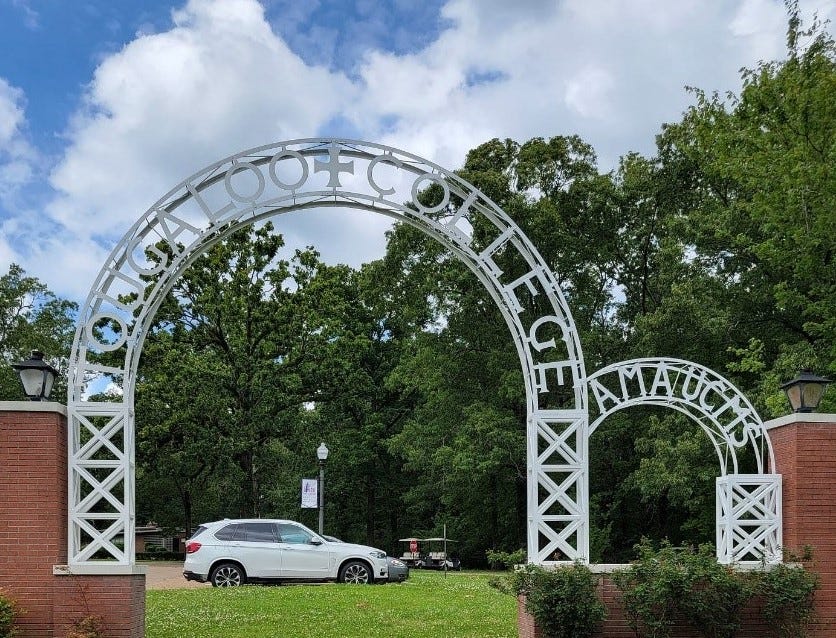
During this era, Tougaloo’s iconic gates on County Line Road were a welcome sight for Freedom Riders and other out-of-state civil rights advocates (whom I often heard referred to as outside agitators by the state’s political leaders).
According to Dr. Owens and Dr. Ernestine Holloway (an alumna and long-time Dean of Students at Tougaloo College), it was not uncommon for law enforcement personnel to wait outside the Gate on County Line Road and arrest anyone leaving the campus (especially civil rights advocates who had taken refuge on campus).
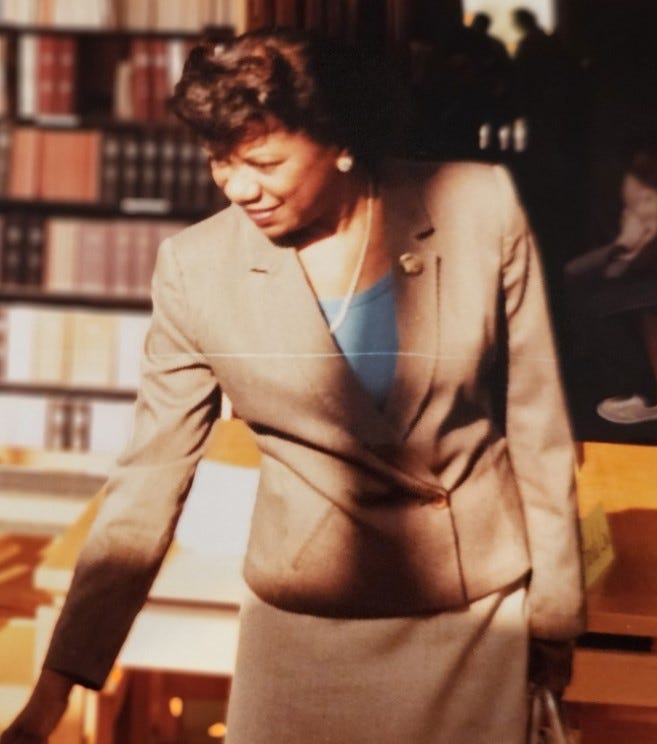
In those days, the Tougaloo community was outside of Jackson’s city limits. The community was served by its own US Post Office and Depot at the Illinois Central Railroad Station located at the junction of US Highway 51 (which becomes “State Street” in Jackson) and County Line Road.
The overt hostility toward Tougaloo was not the final word—people can change.
For example, Dr. Owens recounted to me that one of the high-level state politicians whom I had invited to attend a reception at the College had co-sponsored a resolution for the Mississippi Legislature to revoke Tougaloo’s charter.[29]
Dr. Owens was amazed by how much this former legislator had changed!
One man whose blood cultivated the harvest of freedom for all Mississippians is Medgar Wiley Evers.
As Mississippi’s first NAACP Field Secretary, his Voter Registration initiatives were the key to unlock the doors that unlawfully blocked access to full participation in civic matters for most Black citizens in Mississippi.
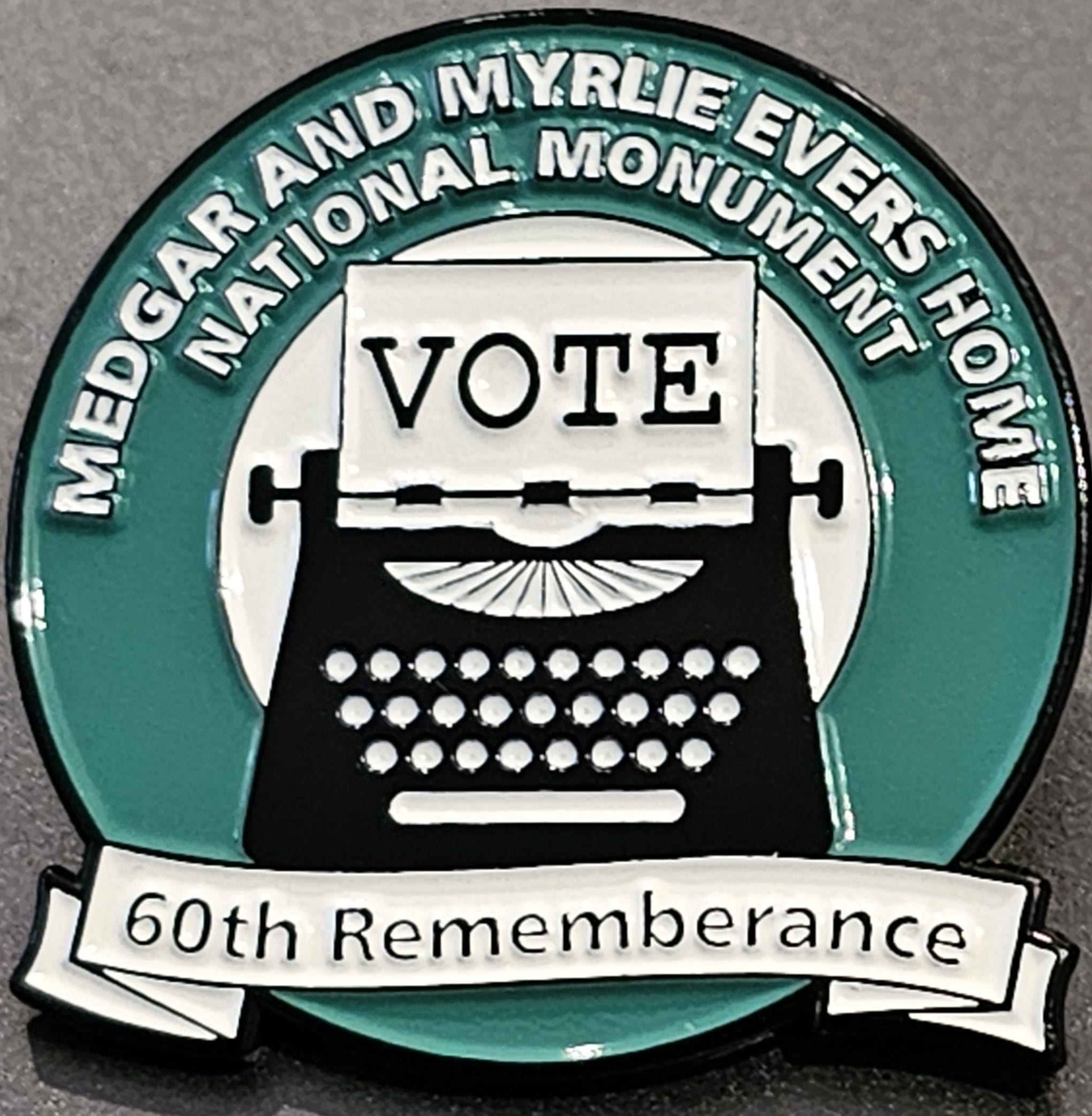
Evers also trained high school and college students (including the Tougaloo Nine) who participated in sit-in demonstrations and other activities to promote civil rights for Black citizens in Mississippi.
He fought to ensure equal access to publicly funded education for youth in the Black community in line with the Supreme Court’s opinion in Brown v. Board of Education.
Evers provided crucial evidence related to the murderers of Emmett Till.
Like HBCUs elsewhere in the nation, Tougaloo was blessed to have on its faculty one of the European Jewish scholars and professionals who escaped persecution (and likely death) in the concentration camps at the hands of the Nazis.
Unfortunately, Dr. Ernst Borinski was the only one of his family to escape death at the hands of the Nazis in the Holocaust. Although he had pleaded with his family to emigrate with him, they refused.[30]
“While Jim Crow laws were forcing segregation upon African-Americans in the southern United States, Nazi Germany produced more than 400 pieces of legislation severely limiting the public and private lives of its Jewish populations. The 1935 Nuremberg Laws deprived Jews of their citizenship; two years before that, the Law for the Restoration of the Professional Civil Service ousted 2,000 German and Austrian academics, mostly Jews, from their teaching positions.”[31]
When they emigrated to America, these scholars were welcomed and warmly received by HBCUs, but spurned by the nation’s premier universities (commonly referred to as the Ivy League), who implemented their own programs to restrict Jewish students’ access to their institutions.[32] Like Blacks and Catholics, Jews were a disfavored group in the Jim Crow South.
In her study of Jewish scholars in residence at HBCUs, Gabrielle Edgcomb profiled Dr. Borinski,[33] the head of Tougaloo’s Sociology Department. Borinski’s seminars were of great interest to members of the local White community.
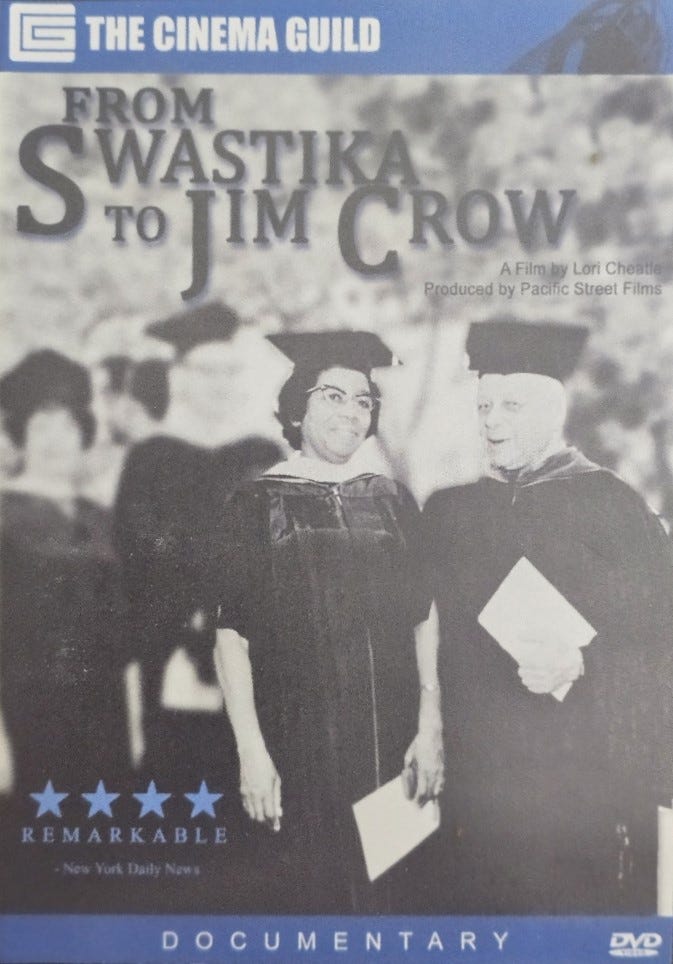
He used his seminars to promote interaction between Mississippi’s Black and White communities through a unique seating arrangement: Borinski directed his students to arrive early for the events and to sit in every other seat.[34]
The Roman Catholic Church in Mississippi was also active in its support for the modern Civil Rights Movement.
As leader of the Diocese of Natchez-Jackson, Bishop Richard Oliver Gerow condemned the 1963 assassination of NAACP Field Secretary Medgar Evers.[35]
Gerow appointed Father Bernard Francis Law as editor of the Diocesan newspaper and, in that capacity, Father Law received death threats for his support of the Civil Rights Movement.[36]
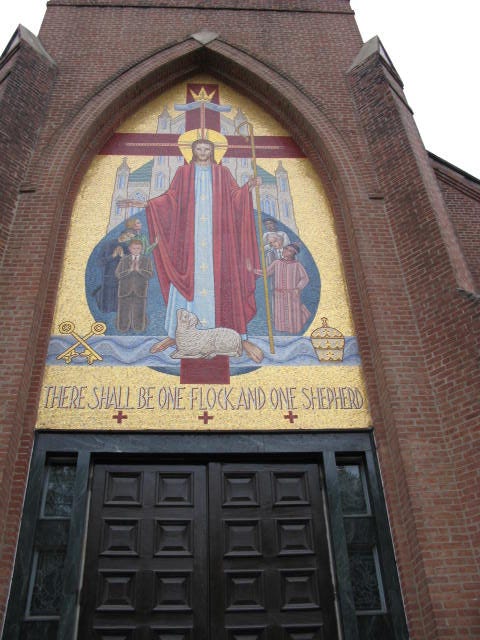
Bishop Gerow oversaw the integration of Mississippi’s Catholic schools.
He was succeeded by Bishop Joseph Bernard Brunini[37] (the first native Mississippian to lead the Diocese), who likewise was vocal in his support for the Civil Rights Movement.[38]
Lastly, Mrs. Fannie Lou Hammer is justly celebrated for her contributions to the positive changes that enabled all eligible Black citizens in Mississippi to exercise their Constitutional rights. The physical abuse and torture she endured was a testament to her determination.
One of Hammer’s high-profile achievements was to lead a delegation from the Mississippi Freedom Democratic Party to the 1964 Democratic National Convention, where they challenged Mississippi’s regular state delegation.
Although their challenge to the status quo was unsuccessful, they ushered in profound changes to the racial composition of the Democratic Party in Mississippi that exist to this day.
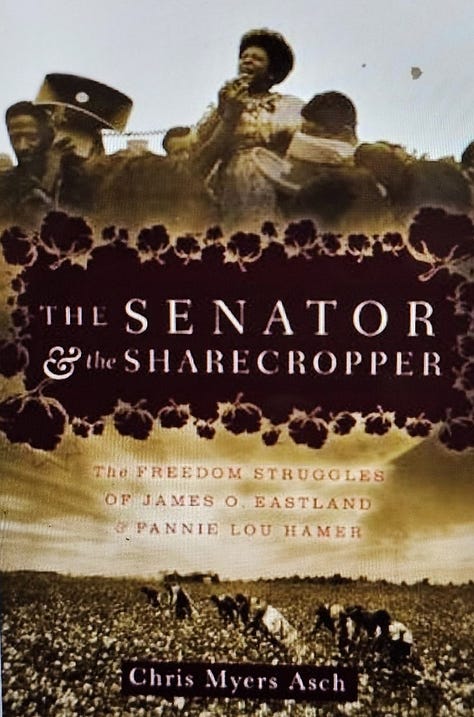
Chris Asch wrote extensively about the dynamics of the two titans of the Mississippi Delta—Mrs. Hammer and U.S. Senator James O. Eastland—and their impact on Mississippi’s history.
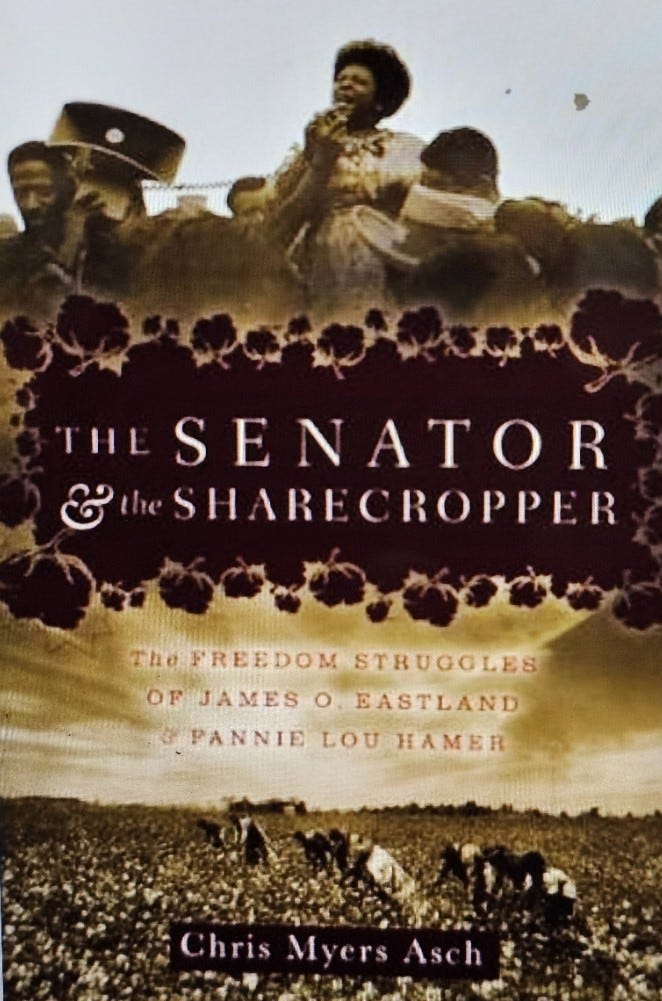
She may have been living in poverty as a sharecropper but, as Asch recounted, Mrs. Hammer was not afraid to challenge Senator Eastland (a wealthy and powerful landowner), who from his perch on Capitol Hill was one of the most powerful men in the United States.[39]
Intercollegiate Sports Spurred Grass Roots Change for Mississippians
The desire of White student-athletes matriculating at Mississippi’s segregated colleges to compete for NCAA championships also served unwittingly as a vehicle for the advancement of the civil rights of Blacks in Mississippi.
And in so doing, began the liberation of White Mississippians from a type of national ostracism. White Mississippians were in some senses looked down-on by Americans outside of the South, because the stigma of the brutality of the state authorities’ relationship with the Black Community was repugnant to the nation at-large.
Visual images of wide-scale brutality (broadcast on television)—and the failure of local political and law enforcement authorities to live up the nation’s founding ideals in the Declaration of Independence (“that all men are created equal”)—also placed the United States in an embarrassing light vis-à-vis the international community.
This domestic social and political disfunction was occurring at the same time as the United States was contending against communism and other authoritarian régimes, represented by its principal adversary: the then-Soviet Union.
However, any sense of moral superiority was undeserved when one considers the de facto segregation that was maintained outside of the South, and the benign neglect of Black youth in segregated schools, which failed to provide a proper education to generations of Black youth—a failure that continues to this day in several public-school districts in the Mid-Atlantic, Eastern, Midwest, and Pacific regions.[40]
And even more undeserved when one recalls that slavery in the City of New York was once integral to the pecuniary benefit of the Empire State’s industrial and mercantile classes as well.
It was a quite a shock for me when I realized my daily walk to and from the Wall Street Pier took me past a once-thriving slave market in Lower Manhattan, where human beings were sold as if they were no more than farm animals.
According to the unwritten rule, “Mississippi’s all-white colleges [were barred] from competing against integrated teams.”
As an alumnus and Former Chancellor of the University of Mississippi, Robert Khayat discussed the impact of this rule on him as a student-athlete in “60: A Year of Sports, Race and Politics” (Nautilus, 28 July 2021).[41]
Khayat observed the unwritten rule was the reason his SEC-Champion University of Mississippi men’s baseball team was not permitted to represent the SEC in the 1960 NCAA Baseball Tournament. The unwritten rule precluded any possibility that Khayat and his teammates could contend for the national championship.
But a mere 62 years later, the University of Mississippi Baseball Team earned the university’s first national title in 2022! And the team included Black athletes—like so many athletic teams representing the University in the post-Jim Crow Mississippi. The Men’s Baseball Team at Mississippi State University led the way when it earned their university’s first national title as Champions in the 2021 College World Series.
A scant three years later, one of my former colleagues and law professors was on the Mississippi State Men’s Basketball Team that played an historic NCAA basketball game in 1963 against a team that included Black athletes; and, maybe more significantly, a team that had four Black starters.
NCAA Game of Change documented the strum und drang of Mississippi’s White politicians and the State Sovereignty Commission, along with the Klan and White Citizens Council who functioned as Jim Crow’s enforcement arm to ensure Black and White Mississippians lived separate and apart, and that Black Mississippians were subservient relative to the White community.
The reign of terror with which the State Sovereignty Commission, the Klan and the Citizens Council enforced Jim Crow generally discouraged many in the White community from challenging Jim Crow’s dominance.
Former Tougaloo College professor and civil rights activist John R. Salter, Jr., believed Mississippi had created a police state.[42]
The politicians and their White Supremacist allies were eager to maintain the Jim Crow status quo of separate but equal, emphasis on separate.
However, the Ayers litigation publicly exposed Mississippi’s fictional equality, because it laid bare the Legislature’s massive and deliberate underfunding of Mississippi’s public HBCUs.
But suddenly the politicians and White supremacists were pitted against the interests of college students (and very possibly, their parents) who wanted the challenge and excitement of participating in the regional and national college basketball tournaments that we know today as March Madness.
The purveyors of Mississippi’s status quo robbed these students of opportunities to compete for national championships and the bragging rights (and collegiate rivalry trash-talking) that go with being a national champion (or at least being in the conversation)!
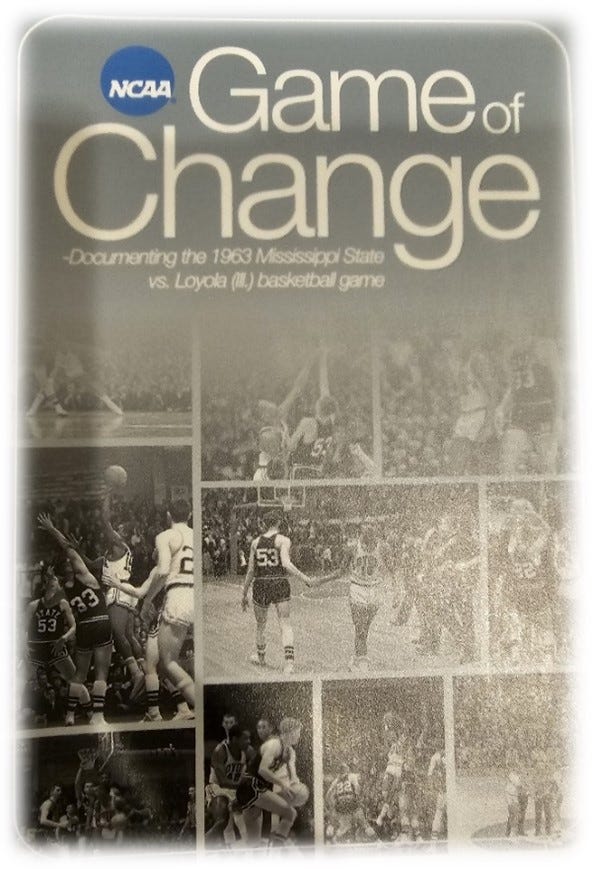
However, through the wily stratagems of the coaches and leadership of the Bulldogs’ Basketball Program, the team evaded Mississippi authorities and slipped out of the state to compete against the Loyola University (Chicago) Ramblers in the “Round of 16” regional semi-final.
Although the Bulldogs lost the game to the Finals champions, the Loyola Ramblers, the experience set in motion irreversible changes.
Prominent Musicians Join Struggle Against Racial Segregation
The bus loads of Freedom Riders were noted for their non-violent attempts to exercise their civil rights to use public accommodations and to avail themselves of commercial services on the same terms as were made available to members of Mississippi’s White community.
But just two students are credited with starting the quiet revolution in the performing arts that sparked international outrage, and a resolute response from musicians (both conductors and performers) at the pinnacle of their profession!
The State of Mississippi’s official policy of Jim Crow segregation was in full bloom when the Royal Philharmonic Orchestra of London scheduled a performance in Jackson, Mississippi.
On 1 November 1963, two students (one Black and one White) presented their tickets to attend this world renown orchestra’s concert: Robert Honeysucker, Jr. (a Tougaloo College student) and Nicholas Bosanquet (a Cambridge University student in the United States to participate in an Exchange Mellon Fellowship at Yale University).
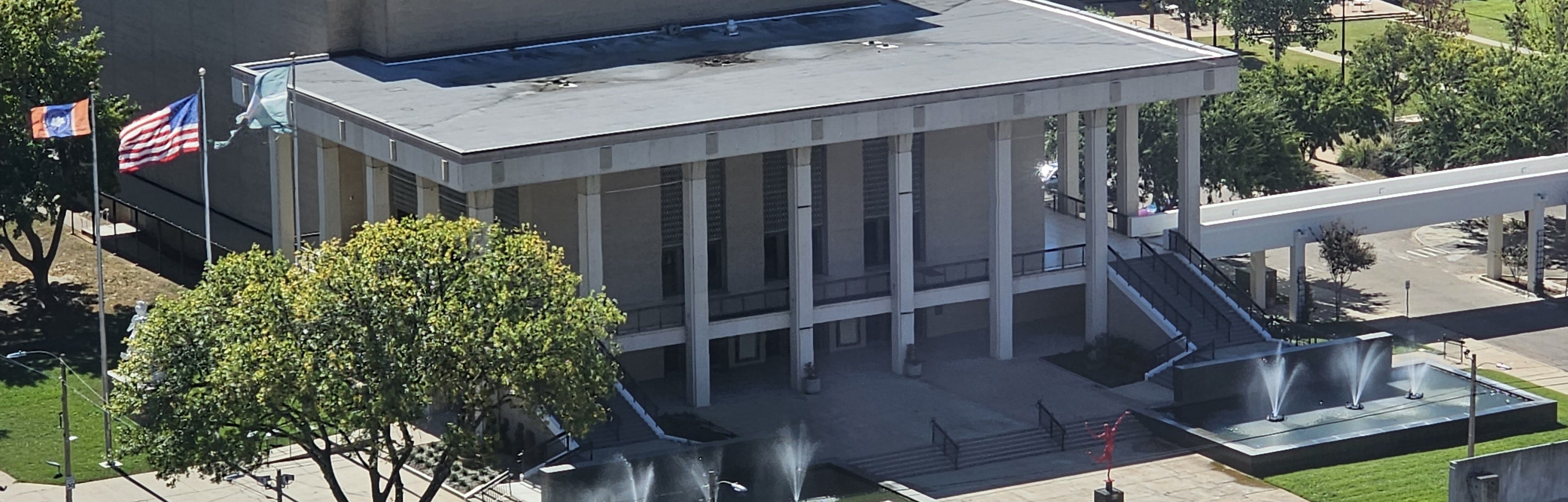
Local authorities arrested and jailed (in separate facilities) Honeysucker and Bosanquet. Because this incident involved only two students, law enforcement authorities apparently believed it was unlikely to garner the kind of negative media exposure for Mississippi that busloads of Freedom Riders typically provoked.
Unknown to the authorities, Bosanquet was a British subject, and his arrest for the stated offense set off an international incident with the British government.
Bowing to pressure from US President John F. Kennedy’s Administration, authorities dropped the charges.
But that was not the end of the story! Prominent musicians, including Leonard Bernstein, Arthur Fiedler, Vladimir Horowitz, and Arthur Rubinstein, committed “to boycott performances before segregated audiences.”[43]
WATCH. Documentary Short | “That’s None of My Business (2022),” with commentary by Robert Honeysucker and Nicholas Bosanquet.
The FCC’s Unprecedented Revocation of a Broadcast License Leads to Inter-Racial Ownership of an NBC Affiliate
I want to close this summary with a further observation about Tougaloo College’s indispensable role in the historic fight for civil rights in Mississippi.
In December 2023, the Jackson NBC affiliate WLBT-TV 3 celebrated its 70th Anniversary.
WLBT’s broadcast license originally was held by the Lamar Life Insurance Company.[44]
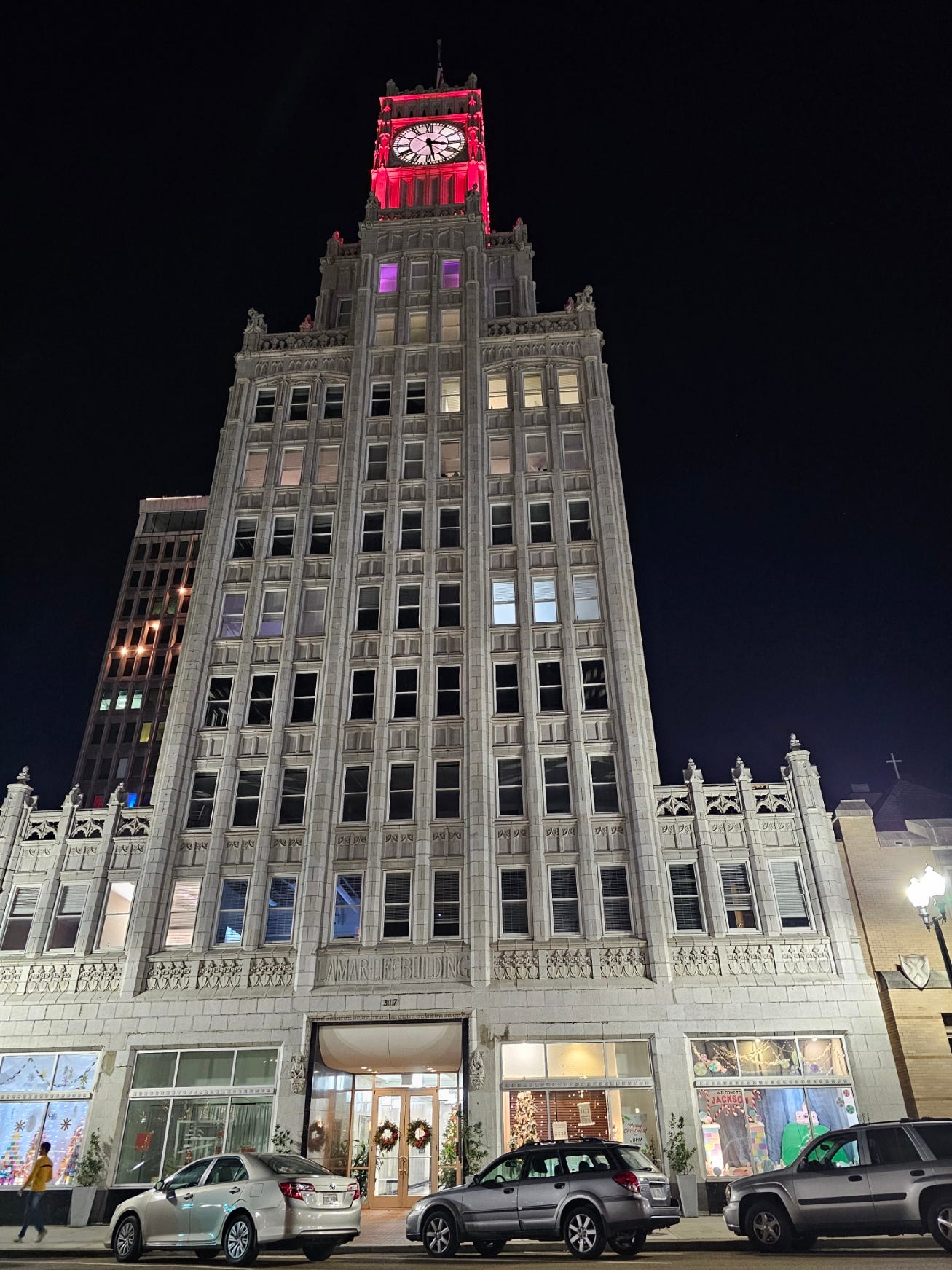
But for a considerable period of WLBT’s existence, the broadcast license was held by an inter-racial group coordinated by the United Church of Christ (“UCC”) at Tougaloo College. When the new owners brought in William H. Dilday, Jr. as General Manager, Dilday became the first Black chief executive of a network-affiliated television station in the United States.
“[WLBT] gained notoriety for its aggressive support of racial segregation in Mississippi in the 1950s and 1960s. Lamar had close ties to [Mississippi’s] political and business elite and with segregationist groups, such as the White Citizens Council. Indeed, a number of station executives, including general manager Fred Beard, were Citizens’ Council members.”[45]
The UCC-Tougaloo group had initiated the challenge to Lamar Life Insurance Company’s broadcast license in response to a request by “the Rev. Martin Luther King Jr., who knew first-hand of the lack of African Americans portrayed positively on television throughout the South.”[46]
Notably, the Federal Communications Commission’s (“FCC”) decision to revoke Lamar Life Insurance Company’s broadcast license was unprecedented—a precedent that has not been repeated. The FCC ultimately awarded the license to run WLBT to the UCC-Tougaloo group.
In the final resolution of the court case, the “Supreme Court . . . vacated WLBT’s license on the grounds that it had violated the public trust and was therefore guilty of breach of duty.”[47]
A FEW FAMOUS MISSISSIPPIANS[48]
· Dana Andrews (1909-1992) Collins, Mississippi. Actor
· Fred Armisen (1966) Hattiesburg, Mississippi. Actor, Comedian, Writer, Producer and Musician
· Red Barber (1908-1992) Columbus, Mississippi. Sports Commentator
· Jim Barksdale (1943) Jackson, Mississippi. President and CEO of Netscape
· Marsha Blackburn (1952) Laurel, Misissippi. United States Senator (Tennessee) and Businesswoman
· Servant of God Sister Thea Bowman (1937-1990) Yazoo City, Mississippi. Roman Catholic Religious Sister, Teacher, and Scholar. On 18 November 2018, Bishop Joseph Kopacz of the Diocese of Jackson formally opened Sister Thea’s Cause for Sainthood.
· Ruby Bridges (1954) Tylertown, Mississippi. First Black student to integrate an elementary school in the South.
· Jimmy Buffett (1946-2023) Pascagoula, Mississippi. Singer and Songwriter
· Kyle Carpenter (1989) Jackson, Mississippi. Retired U.S. Marine and youngest living Medal of Honor recipient. Author and Motivational Speaker
· Lacey Chabert (1982) Purvis, Mississippi. Actress
· James Chaney (1943-1964) Meridian, Mississippi. Civil Rights Activist who was murdered along with Andrew Goodman and Michael Schwerner.
· Jerry Clower (1926-1998) Liberty, Mississippi. Comedian
· Sam Cooke (1931) Clarksdale, Mississippi. Singer
· Wyatt Cooper (1927-1978) Quitman, Mississippi. Author, Screenwriter, and Actor
· Cat Cora (1967) Jackson, Mississippi. Celebrity Chef, Author, Restaurateur, Editor, Television Host, and Philanthropist
· Vernon Dahmer (1908-1966) Hattiesburg, Mississippi. Civil Rights Activist
· Cassi Davis (1964) Holly Springs, Mississippi. Actress
· Bo Diddley (1928) McComb, Mississippi. Musician
· Ben Domenech (1982) Jackson, Mississippi. Political Commentator
· Charles Evers (1922-2020) Decatur, Mississippi. Mayor of Fayette, Mississippi
· Medgar W. Evers (1925-1963) Decatur, Mississippi. Slain Civil Rights Activist
· Myrlie Evers-Williams (1933) Vicksburg. Civil Rights Activist and Wife of Medgar W. Evers
· Bret Farve (1969) Gulfport, Mississippi. NFL Hall of Fame Quarterback
· William Faulkner (1897-1962) Oxford, Mississippi. Author (1949 Nobel Prize in Literature)
· William R. Ferris (1942) Vicksburg, Mississippi. Folklorist and Chairman of the National Endowment for the Humanities
· Shelby Foote (1916-2005) Greenville, Mississippi. Historian
SUPPORT FELICIA’S WORK ON SUBSTACK. USE THE BUTTON BELOW TO GIVE FREE SUBSCRIPTIONS TO YOUR RELATIVES AND FRIENDS!
· Richard Ford (1944) Jackson, Mississippi. Author
· Rev. C.L. Franklin (1915-1984) Sunflower, Mississippi. Baptist Minister and Gospel Musician
· Morgan Freeman (1937) Charleston, Mississippi. Academy Award Winning Actor
· Lloyd L. Gaines (1911-1939) Challenged segregation at the University of Missouri School of Law
· Bobbie Gentry (1942) Woodland, Mississippi. Singer-Songwriter
· Lawrence Guyot (1939-2012) Pass Christian, Mississippi. Civil Rights Activist
· Fred W. Haise, Jr. (1933) Biloxi, Mississippi. Astronaut
· Fannie Lou Hamer (1917-1977) Ruleville, Mississippi. Civil Rights Leader who helped found the Mississippi Freedom Democratic Party
· Jimmy Hart (1943) Jackson, Mississippi. Professional wrestling manager, executive, composer, and musician
· Barry Hannah (1942-2010) Meridian, Mississippi. Author
· Elizabeth Lee Hazen (1885-1975) Rich, Mississippi. Inventor
· Elizabeth Becker Henley (1952) Jackson, Mississippi. Playwright & Actress
· Jim Henson (1936-1990) Greenville, Mississippi. Actor, Writer, & Producer
· Faith Hill (1967) Ridgeland, Mississippi. Country Music Artist
· John Lee Hooker (1917-2001) Coahoma County, Mississippi. Blues Musician
· James Earl Jones (1931) Arkabutla, Mississippi. Entertainer
· John Neely Kennedy (1951) Centreville, Mississippi. United States Senator (Louisiana)
· Riley B. (“B.B.”) King (1925-2015) Itta Bena, Mississippi. Known as “The King of the Blues”
· Robert Khayat (1938) Moss Point, Mississippi. Former Professional NFL Football Player and Former Chancellor of the University of Mississippi
· Newton Knight (1829-1922) Jones County, Mississippi. Military Leader
· Diane Ladd (1935) Meridian, Mississippi. Actress, Film Director, Producer and Author
· Joyce Ann Ladner (1943) Battles, Mississippi. Civil Rights Activist and Educator
· Chris LeDoux (1948-2005) Biloxi, Mississippi. Bronze Sculptor
· Mamie Locke (1954) Brandon, Mississippi. Political Scientist, Legislator, and Dean at Hampton University
· Archie Manning (1949) Drew, Mississippi. NFL Quarterback
· Danny Manning (1966) Hattiesburg, Mississippi. College Basketball Coach and Former Professional Basketball Player
· Floyd Mayweather, Sr. (1952) Amory, Mississippi. Boxing Trainer and Former Boxer
· Angela McGlowan (1970) Oxford, Mississippi. Fox News Political Commentator
· Gerald McRaney (1947) Collins, Mississippi. Actor
· James Meredith (1933) Kosciusko, Mississippi. First Black student at the University of Mississippi
· Mary Ann Mobley (1937-2014) Biloxi, Mississippi. Actress. First Miss Mississippi to become Miss America
· Anne Moody (1940-2015) Centreville, Mississippi. Civil Rights Activist and Author
· Willie Morris (1935-1999) Jackson, Mississippi. Writer
· Brandy Norwood (1979) McComb, Mississippi. Singer
· William Raymond (Ray J) Norwood, Jr. (1981) McComb, Mississippi. Rapper, Singer, Songwriter, Television personality, Actor, and Entrepreneur
· Dr. Roderick R. Paige (1933) Monticello, Mississippi. Former U.S. Secretary of Education
· Walter Jerry “Sweetness” Payton (1954-1999) Columbia, Mississippi. NFL Hall of Fame Running Back
· Clinton Portis (1981) Laurel, Mississippi. Former National Football League Player
· Elvis Pressley (1935-1977) Tupelo, Mississippi. Singer and Actor
· Leontyne Price (1927) Laurel, Mississippi. Lyric Soprano
· Charley Pride (1934-2020) Sledge, Mississippi. Country Singer
· William Raspberry (1935-2012) Oklaona, Mississippi. Pulitzer Prize Winning Columnist
· Jerry Rice (1962) Crawford, Mississippi. NFL Hall of Fame Wide Receiver
· LeAnn Rimes (1982) Jackson, Mississippi. Singer and Songwriter
· Eric Roberts (1956) Biloxi, Mississippi. Actor
· Robin René Roberts (1960) Pass Christian, Mississippi. TV Show Host
· Tavis Smiley (1964) Gulfport, Mississippi. Talk Show Host and Author
· Shepard Smith (1964) Holly Springs, Mississippi. Television News Anchor
· Britney Spears (1981) McComb, Mississippi. Singer
· Jamie Lynn Spears (1991) McComb, Mississippi. Actress and Singer
· Cleotha Staples (1934-2013) Drew, Mississippi. Founding Member of the Staple Singers
· Stella Stevens (1938) Yazoo City, Mississippi. Actress
· Dr. Tonea Stewart (1947) Greenwood, Mississippi. Actress and Educator
· William Grant Still (1895-1978) Woodville, Mississippi. Composer
· Ike Turner (1931-2007) Clarksdale, Mississippi. Singer
· Conway Twitty (1933-1993) Friars Point, Mississippi. Country Music
· A’Lelia Walker (1885-1931) Vicksburg, Mississippi. Businesswoman and Patron of the Arts
· Ray Walston (1914-2001) Laurel, Mississippi. Actor and Comedian
· Sela Ward (1956) Meridian, Mississippi. Actress, Author, and Producer
· Ida B. Wells-Barnett (1862-1931) Holly Springs, Mississippi. Civil Rights Activist and Women’s Rights Activist
· Eudora Welty (1909-2001) Author
· Paula White (1966) Tupelo, Mississippi. Televangelist and Author
· Simbi Kali Williams (1971) Jackson, Mississippi. Actress and Singer
· Tennessee Williams (1911-1983) Columbus, Mississippi. Playwright
· Oprah Winfrey (1954) Kosciusko, Mississippi. Television Personality, Actress, and Entrepreneur
· Richard Wright (1908-1960) Natchez, Mississippi. Author
· Tammy Wynette (1942-1998) Tupelo, Mississippi. Country Music Singer, Actress and Author
PERSONS ASSOCIATED WITH MISSISSIPPI
· Bernard Francis Cardinal Law
Ordained a Priest in 1961 for the Diocese of Natchez-Jackson [now the Diocese of Jackson], he also was a civil rights activist (1961-1968). Fr. Law was appointed editor of the diocesan newspaper in 1963. He received death threats because he supported the civil rights movement.[49]
Baritone (Opera, Musical Theater, Negro Spirituals, Gospel, and other musical works); Professor of Voice Faculty; Faculty, Tougaloo College (Music Department).[50]
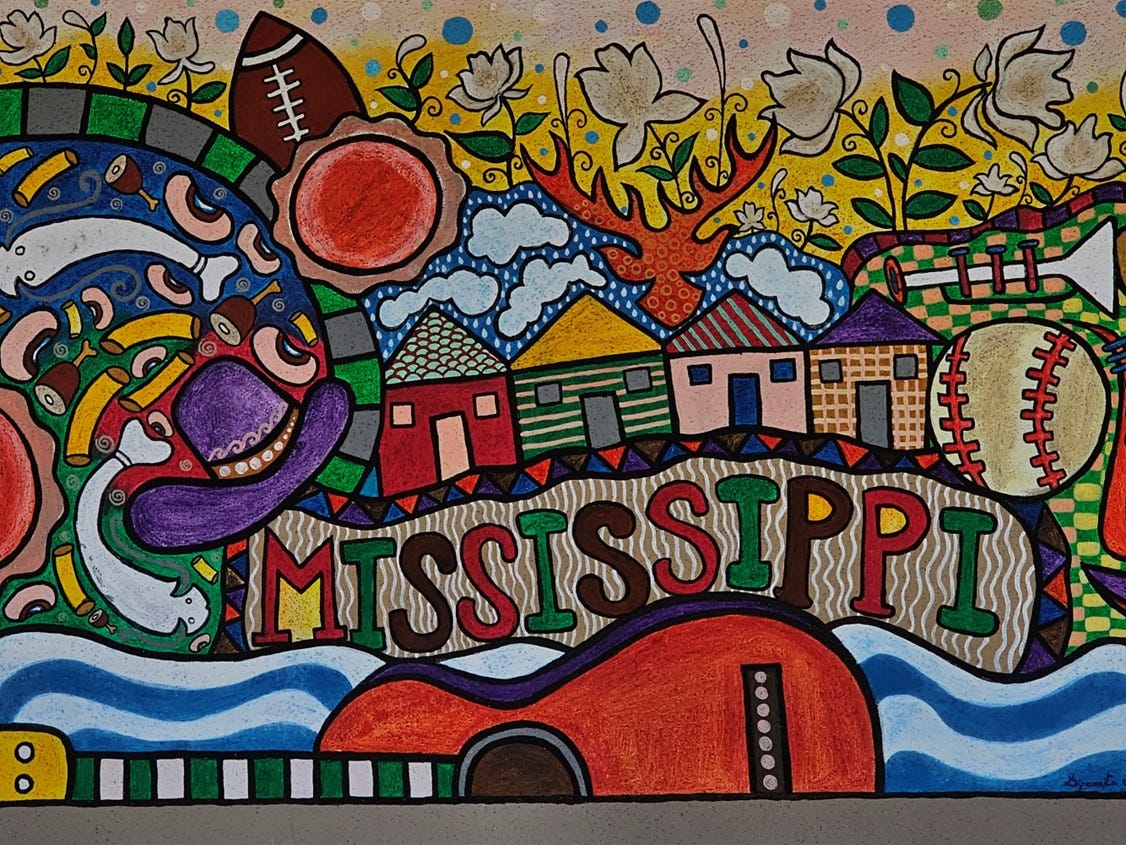

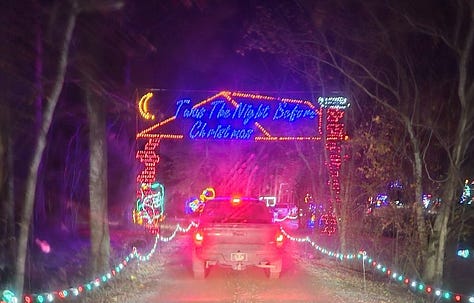


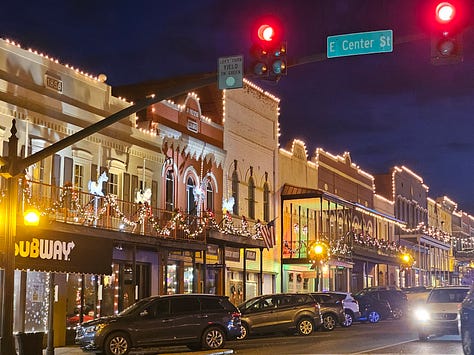


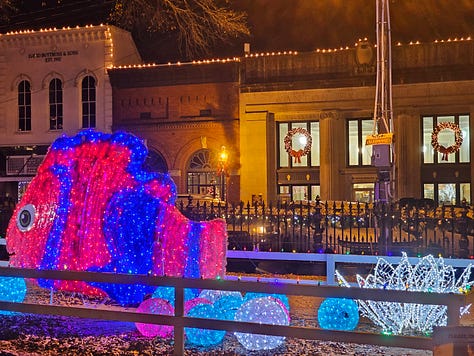
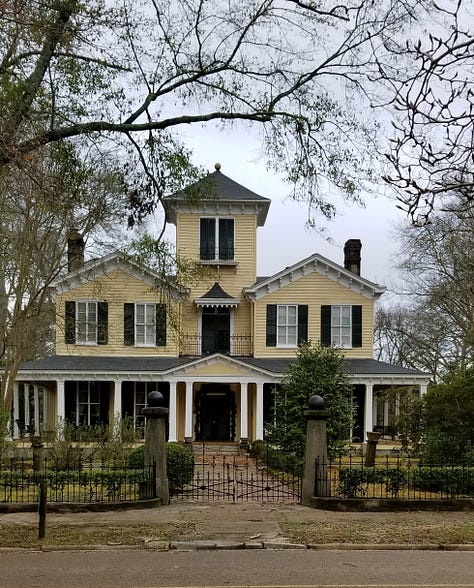
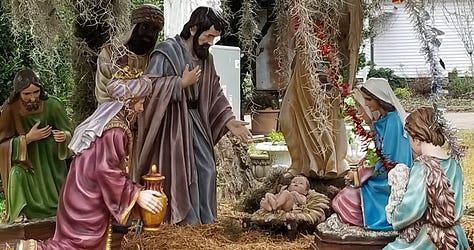
Incorporated in 1836, the City of Canton is the seat of government for Madison County, which is named for former President James Madison, the Father of the Constitution.
From its inception, Canton has been a center of commerce, with banks, dry goods stores, grocers, drug store, watchmakers, bakery, and tailors. Today’s Chamber of Commerce boasts members that include a Nissan automotive assembly plant and Amazon distribution center.
In its early years, King Cotton was an important cash crop. So many slaves worked the extensive cotton fields that Madison County became the only county outside of the Mississippi Delta where Blacks enjoyed an overwhelming population advantage vis-à-vis the White population. Canton also distinguished itself as a center for lumber, railroads, and saloons!
Driving through the Canton of my youth, one could not help but be impressed with the grand, old houses along tree-lined streets in what is now Canton’s Historic District. The Greek Revival Courthouse on The Square is among several local sites in Canton that have been listed in the National Register of Historic Places. The Courthouse “is one of only 7 pre-Civil War Courthouses in the State of Mississippi in an unaltered condition.”
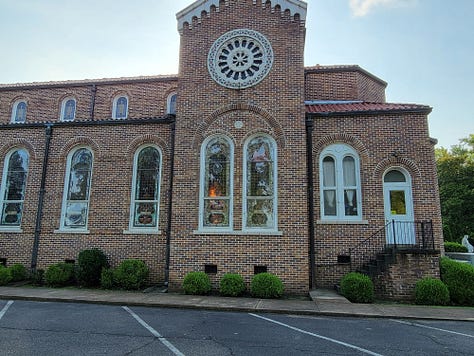
The magnificence of Sacred Heart Catholic Church, with its beautiful Rose windows and stained glass, is an indication of the reverence with which the Canton community held the Church, and fulfilled its commitment to build something beautiful for God.
Following the Civil War, Canton began to attract Jewish businessmen, who worked in the community as merchants, peddlers, and tailors. Although they were never a large presence, the Jews in Canton organized Congregation B’nai Israel in 1870 and dedicated their synagogue in 1877. Of note, the non-Jewish community donated funds to help build the synagogue. The Jewish community also played important roles in the civic life of Canton.
Canton has many notable firsts:
It is the “birthplace” of the Mississippi Art Colony, which is acknowledged as “the oldest continuous, self-governed art colony in the country documented at the Smithsonian Institute.”
Canton also is the home of the State’s “oldest Hot Air Balloon race.”
The “Movie Capital of Mississippi,” Canton is the site of several well-regarded films, beginning with John Grisham’s “A Time to Kill” in 1995.
Among its largest events in terms of attendance and national recognition, the bi-annual Canton Flea Market Arts & Crafts Show features artists displaying their works on The Courthouse Square, which brings about 100,000 visitors to Canton.
Finally, the Diocese of Jackson opened the cause for canonization (the formal process for declaring a saint) of a daughter of Canton: Servant of God Sister Thea Bowman FSPA. From her home in small town America, Sister Thea made her mark in the local community—and in the Catholic Church at-large.
It was quite an experience for me to hear her speak (and sing!) during one of her visits to the District of Columbia. She did not shrink from telling her brothers—the Bishops in the United States—that it was imperative that they eliminate all vestiges of racism and racial bigotry from the Church in the United States. Echoing Saint Paul, Sister Thea spoke the Truth with Charity (Ephesians 4:15).
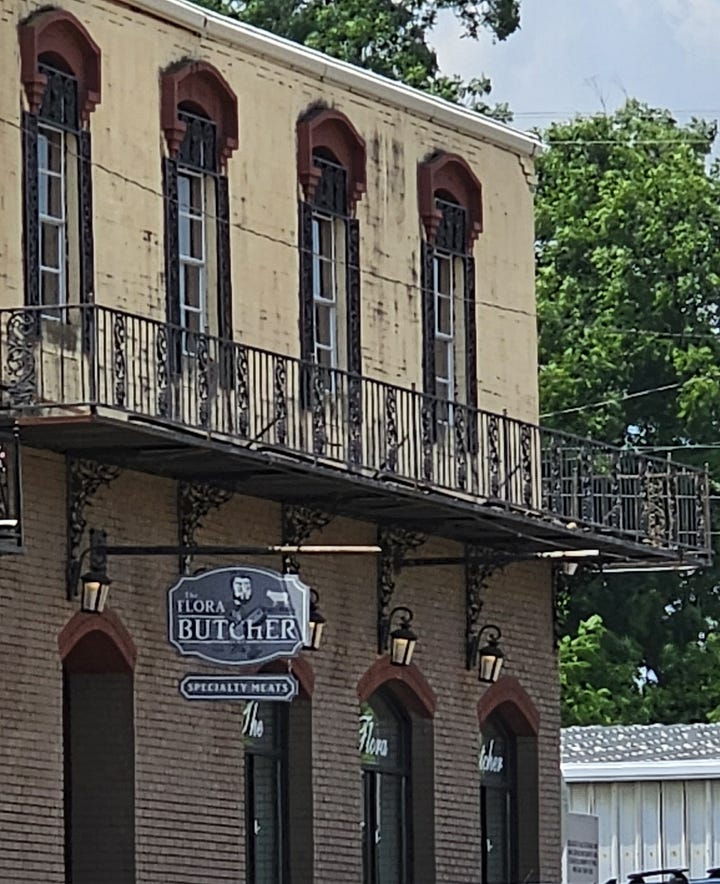
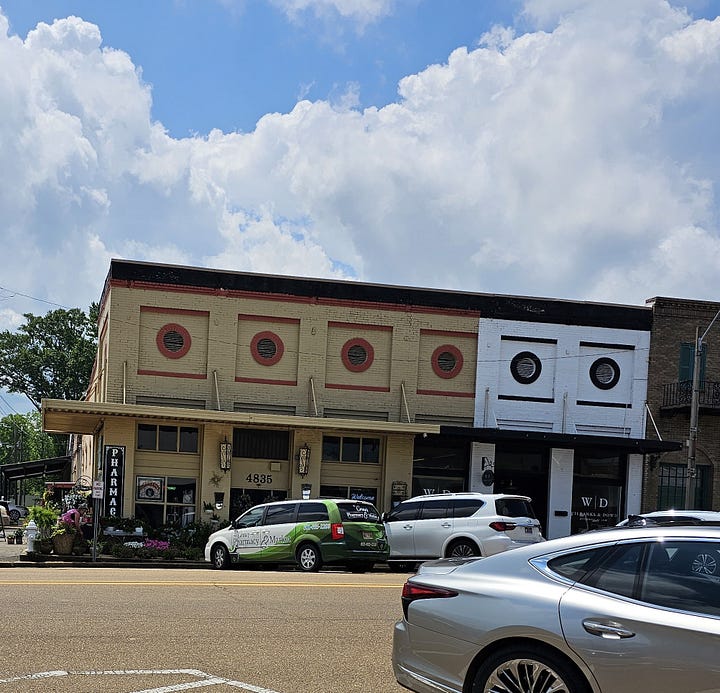
Driving into Flora was like taking a step back in time to Hollywood’s mythical Mayberry, because Flora has the essence of a small, quiet community where residents are neighborly and the pace is deliberate.
Although only a short drive from Madison, Flora could not be more different from Madison (or Ridgeland, for that matter).
Prior to the aggregation of “big-box” retailers and destination shopping venues, national fast-casual dining chains, major law firms and branches of money-center banks, car dealerships, and some small-scale traffic congestion within their respective jurisdictions, Ridgeland and Madison most likely had that comfortable, small-town feel so evident in today’s Flora.
NOTE: I recognize that congestion is relative. The congestion in the Capital Area may seem problematic by comparison to small Mississippi towns like Flora and It.
But it isn’t comparable to the large-scale (and seemingly intractable) congestion in Manhattan or on New Jersey’s major throughfares (e.g., the Turnpike and Garden State Parkway) or the Beltway in Metropolitan Washington or the LBJ Freeway in Metropolitan Dallas.
Incorporated in 2021, the City of Gluckstadt has the distinction of being Mississippi’s newest incorporated municipality.[51]
The City is laid on the foundation of the agricultural community established by 12 German American families.
In 1905, the families who purchased farmland at Calhoun, Mississippi from the Highland Colony Company were Henry Klass, John Kehle, Valentine Fitsch, Peter Schmidt, and Joseph Weilandt. They renamed their new community Gluckstadt (i.e., “Lucky City”).[52]
Several other families who joined them on the journey to Gluckstadt were Henry Aulenbrock, John A. Minninger, Peter Miller, Joseph Haas, Anthony Weisenberger, Peter Endris, and Peter Minninger.[53]
Three years after they relocated and had begun developing the land and building homes, the Gluckstadt Families discovered that the Highland Colony Company had never owned the land it purported to sell to them!
They spent the next several years working to pay off the loans that they had received to buy “their land” a second time![54]
The Gluckstadt Families regularly practiced their faith. Each month, a German-speaking Priest offered the Holy Sacrifice of the Mass in the Klass family home.
They made the five-mile trek into Canton via wagons (or on foot along the Illinois Central Railway tracks) for Mass on the remaining Sundays.[55]
Eventually, the community erected a small dual-purpose (school and Church) building in Gluckstadt on a four-acre parcel acquired from Joseph Weilandt.
The Reverend Aloysius P. Heick, SVD, Founding Pastor of Jackson’s Holy Ghost the Comforter Parish,[56] also ministered to the Gluckstadt Mission.[57]
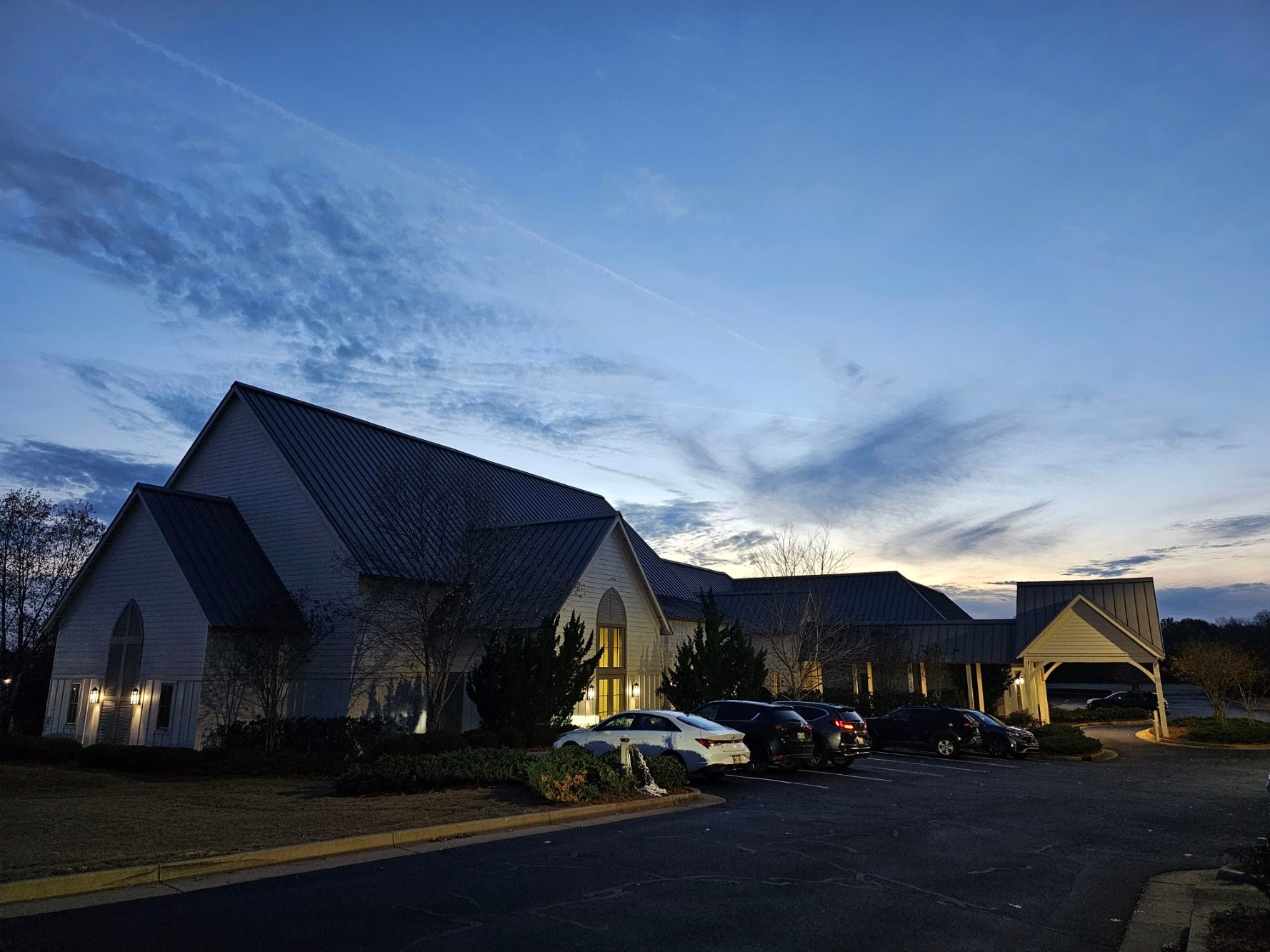
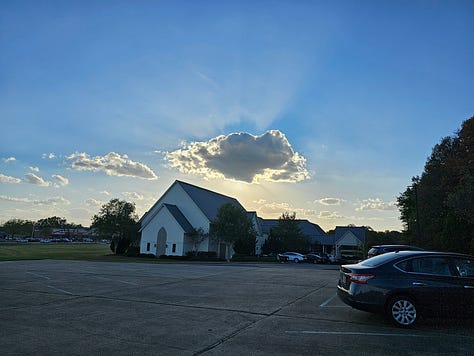
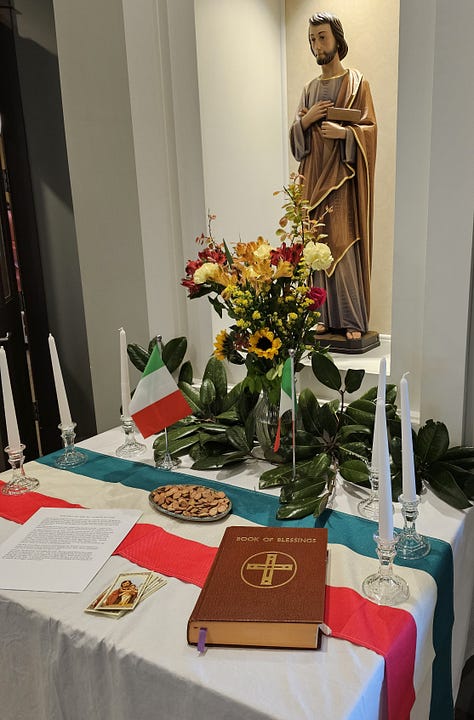
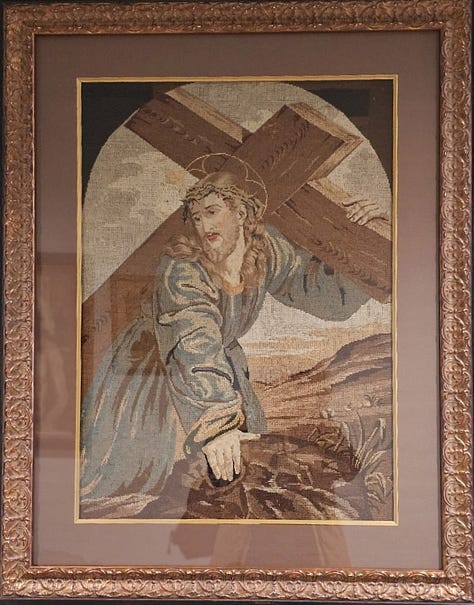
The present Saint Joseph Catholic Church has grown from the seeds of faith nurtured by the founding families, and the Diocesan and Religious Order clergy that have supported them and the Catholic Community at Gluckstadt through the years.


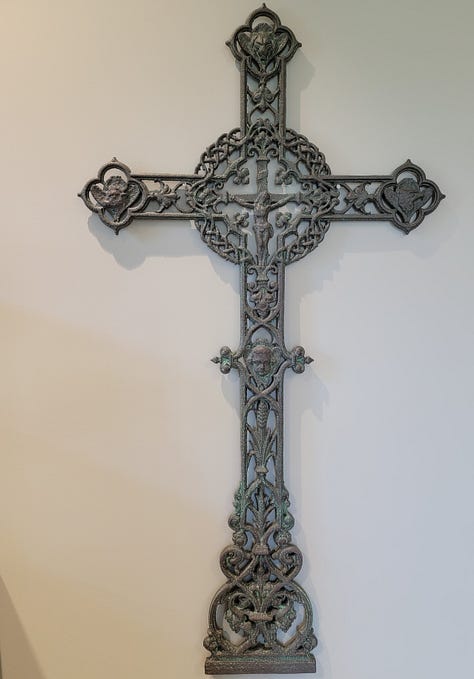
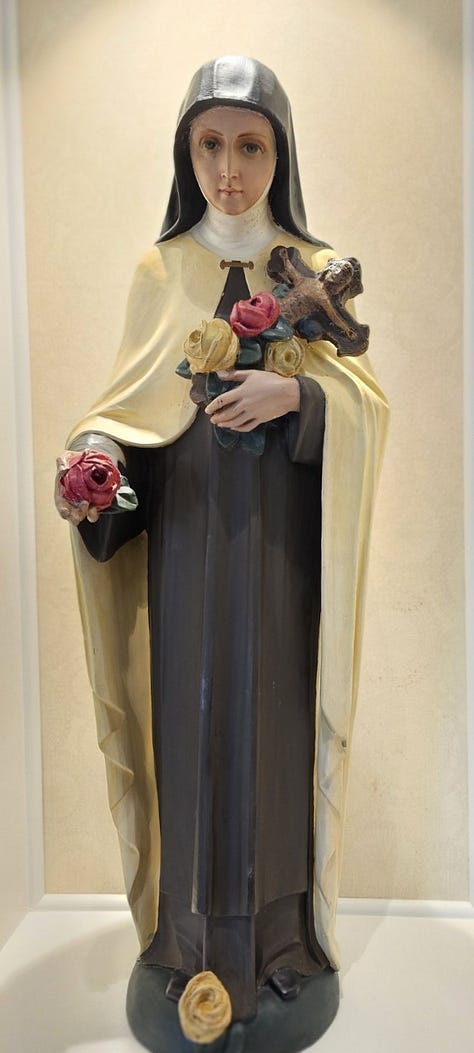


Originally, the City of Jackson was known as “Le Fleur’s Bluff,”[58] because it was settled by French-Canadian trader Louis Le Fleur in 1792. Today, the “Bluff” is the site of a Mississippi State Park.
Named in honor of Andrew Jackson, the City of Jackson was designated as the Capital of the State of Mississippi in 1822, when the Mississippi Legislature approved the move of the seat of government from the City of Natchez, which had been the seat of the government of the Mississippi Territory.
During the Civil War, the City of Jackson acquired the nickname “Chimneyville” because General William Tecumseh Sherman’s troops reduced the City to cinders in 1863.[59]
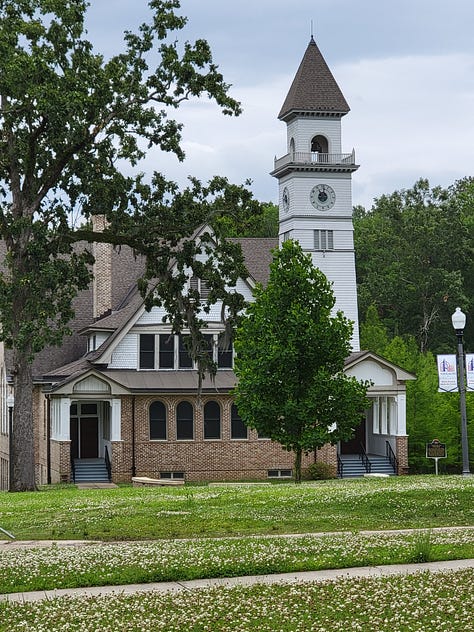


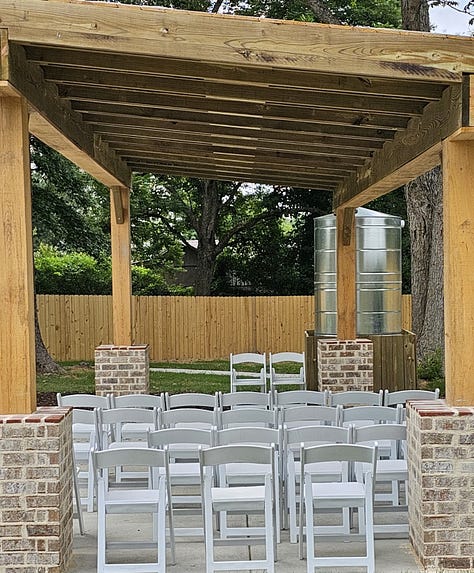
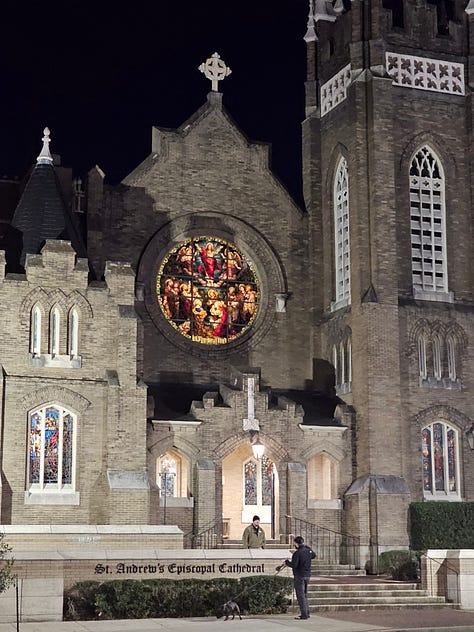
As with any major metropolitan community, the City of Jackson boasts artistic, civic, community, cultural, educational, and financial institutions.
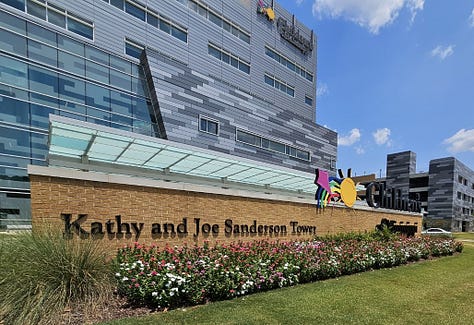
Among these are National Historic Preservation sites, symphony, chamber and choral ensembles, ballet companies, regional theater, cinema, museums, public and private K-12 schools, public and private colleges and universities, major medical facilities (including a teaching hospital), and branches of money center banks.
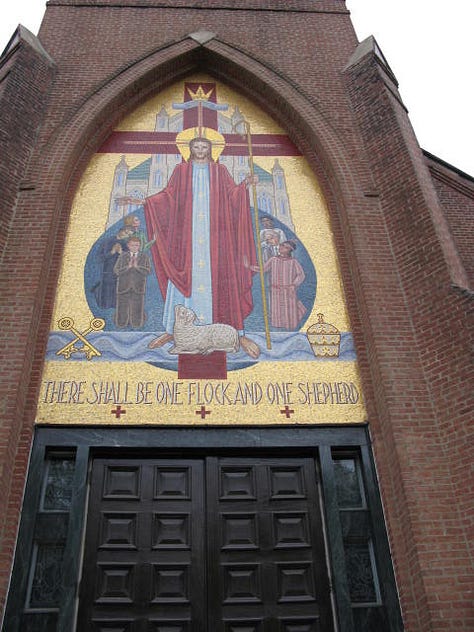
The City is also home to houses of worship and religious communities that reflect many faith traditions from around the world.
TRANSPORTATION
Jackson-Medgar Wiley Evers International Airport. Located in suburban Rankin County, four major U.S. carriers serve the airport: American, Delta, Southwest, and United.
100 International Drive, Suite 300, Jackson, Mississippi.
Ground transportation options include private car service and taxis.
Bruce Campbell Field. Madison Air Center provides services for corporate, charter, and private pilots.
7450 Old Canton Road, Madison, Mississippi 39110 | 601.853.1960
SPIRITUAL NOURSHMENT IN ABUNDANCE
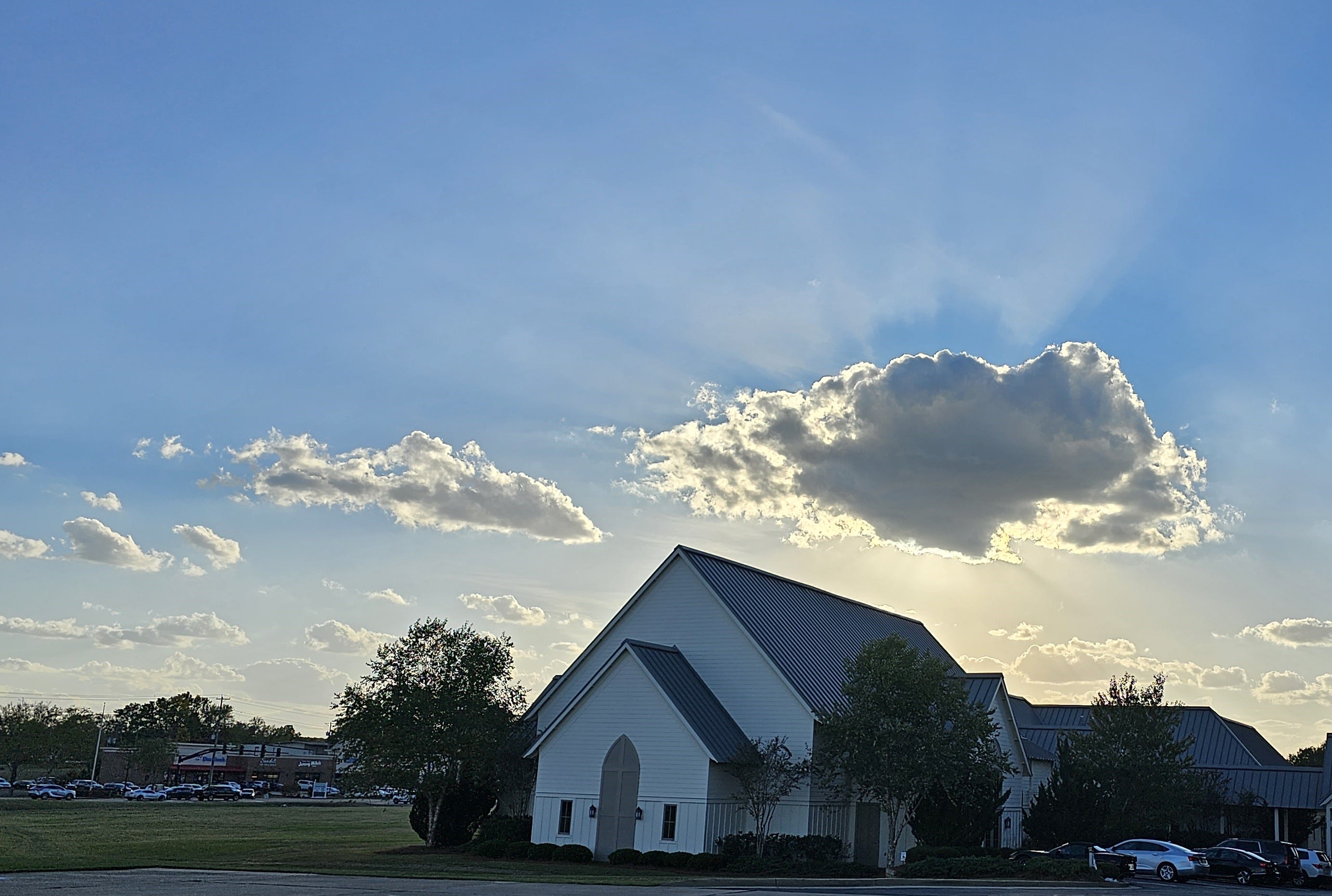
A visit to the Capital area would not be complete for observant believers without opportunities for worship. A few places where one may exercise one’s First Amendment religious freedoms are listed.
Buddhist
Jackson Insight Meditation Group,
Wolfe Art Studio Dojo, 4308 Old Canton Road, Jackson, Mississippi 39211 | 601.519.3711
Christian
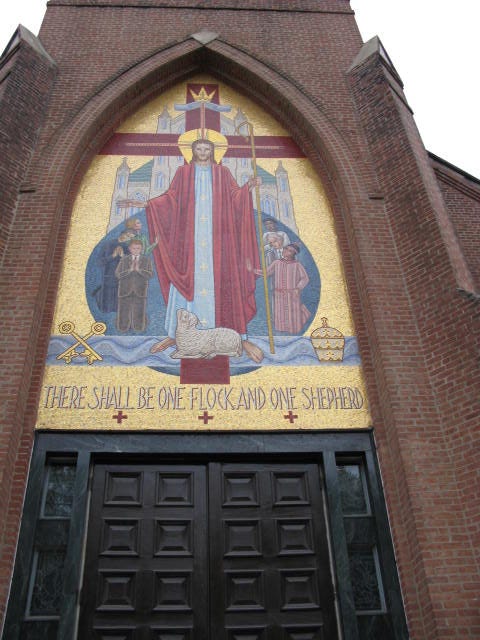
Cathedral of Saint Peter the Apostle
123 North West Street, Jackson, Mississippi 39201
Carmelite Monastery of Jackson
2155 Terry Road, Jackson, Mississippi 39204 | 601.373.1460
Baptist
431 North State Street, Jackson, Mississippi 39201 | 601.949.1900
301 East Church Street, Jackson, Mississippi | 601.353.3981
Episcopal
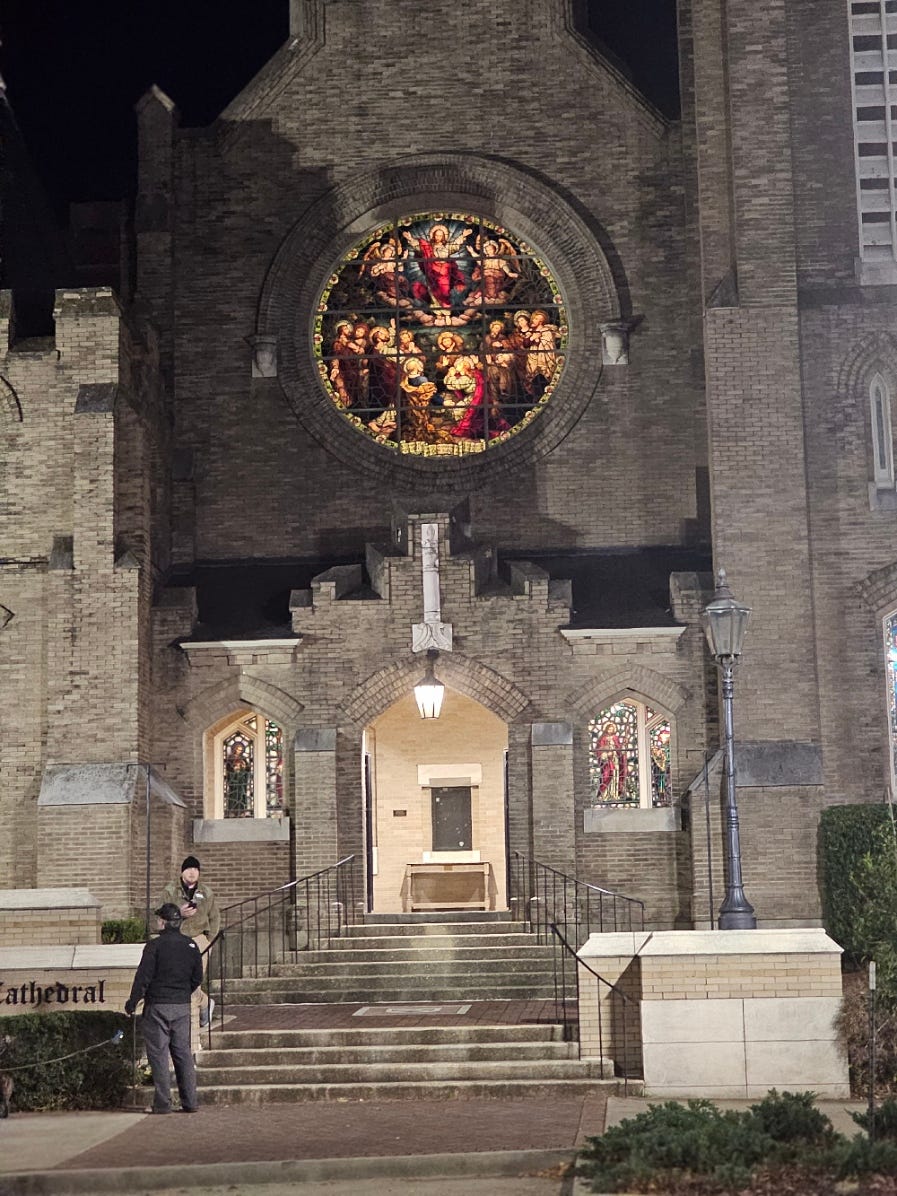
Saint Andrew’s Episcopal Cathedral
305 East Capitol Street, Jackson, Mississippi 39201 | 601.354.1535
903 Dr. Robert Smith, Sr. Parkway, Jackson, Mississippi 39203 | 601.353.0246
Methodist
Pearl Street A.M.E. Church
2519 Robinson Street, Jackson, Mississippi 39209 | 601.352.6087
Lynch Street C.M.E. Church
2175 John Roy Lynch Street, Jackson, Mississippi 39201 | 601.352.8886
Aldersgate United Methodist Church
655 Beasley Road, Jackson, Mississippi 39206 | 769.233.7835
Galloway United Methodist Church
305 North Congress Street, Jackson, Mississippi 39201 | 601.360.1790
Presbyterian
1390 North State Street, Jackson, Mississippi 39202 | 601.353.8316
Church of Jesus Christ of Latter-Day Saints
Church of Jesus Christ of Latter-Day Saints
4436 North State Street, Jackson, Mississippi 39206 | 769.226.9633
Hindu
Hindu Temple Society of Mississippi
173 Vernon Jones Avenue, Brandon, Mississippi 39047 | 601.992.3331
Islamic
1465 Highway 51, Madison, Mississippi 39110
Jehovah’s Witness
Kingdom Hall-Jehovah’s Witness
264 Fernwood Drive, Jackson, Mississippi 39206 | 601.957.7003
Judaism
5315 Old Canton Road, Jackson, Mississippi 39211 |601.956.6215
Seventh-day Adventist
Berean Seventh-day Adventist Church
1150 West Woodrow Wilson Avenue, Jackson, Mississippi 39213 | 601.353.2750
ARTS
Annual Township Jazz Festival. This festival is presented by The Township at Colony Park in Ridgeland.
Art, Wine and Wheels. Ridgeland’s premier Spring festival combines three of the community’s signature events to create an epic weekend for fine arts lovers and the cyclists’ community.
The featured events are the “Ridgeland Fine Arts Festival,” “The Mind Center Sante South Food and Wine Festival,” and the “Natchez Trace Century Ride,” Mississippi’s premier cycling event.” See Events.
Ballet Mississippi. Ballet Mississippi exists to “enhance [Mississippi’s] cultural life by providing quality performances, developing artistic and technical proficiency of [its] students, and promoting an appreciation of dance through education, outreach, and audience development.” See “Our Mission”. The company provides instruction in dance in Jackson and Madison.
201 East Pascagoula Street, Suite 106, Jackson, Mississippi | 601.960.1560
1620 Mannsdale Road, Madison, Mississippi 39110 | 601.960.1560
Broadway in Jackson. Featuring entertainment direct from New York, the 2023-2024 program includes “Johnny Cash: Official Concert Experience,” “Peppa Pig’s Sing-Along Party,” “My Fair Lady,” and “Little Women.”
Thalia Mara Hall, 255 East Pascagoula Street, Jackson, Mississippi | 601.439.5229 or subscribe@jacksonbroadway.com
Canton Flea Market Arts and Crafts Show. This nationally famous market is held the second Thursday in May and October. The market “has become one of the largest outdoor craft markets in the South.” Madison County Courthouse lawn (on the Town Square).
Mississippi Highway 22, Canton, Mississippi 39046 | 601.859.8055
JXN Film FestivalTM. The 2023 JXN Film FestivalTM commemorated the 45th Anniversary of “The Wiz.” In collaboration with the Capri Theatre in the Fondren Historic District, the festival screened films submitted by independent filmmakers.
The festival also featured an Acting Master Class led by Tonea Stewart, and a Screenwriting Master Class led by Maximus Wright. Mrs. Stewart is an alumna of (and former Professor at) Jackson State University.
Ashley McFarlin led the BEE Pitch Camp, a three-day event which prepared creatives to pitch their projects to industry professionals.
WATCH: “The Children Are the Future of Film in Mississippi”
The Silent Auction and “Black Tie Awards Gala” concluded the festival’s activities.
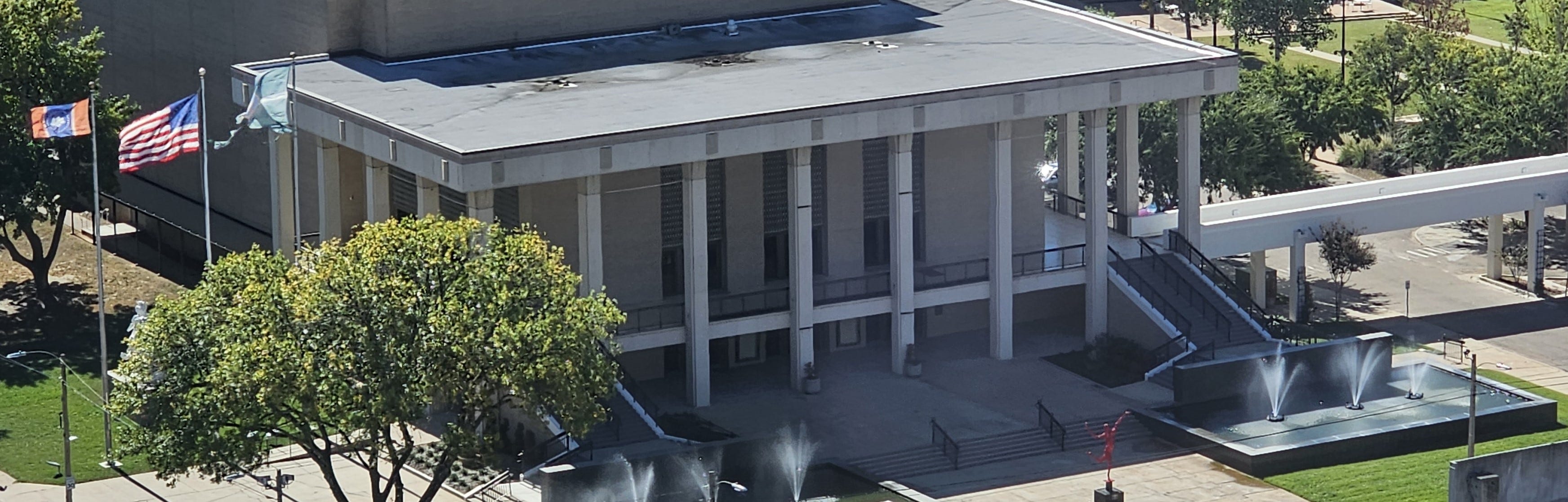
Mississippi Arts Complex (including Thalia Mara Hall), 255 East Pascagoula Street, Jackson, Mississippi 39201
Mississippi Metropolitan Ballet 601.853.4508
Mississippi Symphony Orchestra. The Symphony is the state’s predominant performing arts ensemble. Initially organized as the Jackson Symphony Orchestra, the Symphony performed its inaugural concert on 19 October 1944 before over 500 patrons at Jackson’s Hotel Heidelberg.
The Symphony remains an integral part of the cultural life of Mississippi. The Symphony and its individual members provide musical instruction to thousands of Mississippians annually, and string instruction in schools (e.g., the public schools in Canton, Hinds County, Jackson, and Vicksburg-Warren County). Additional performing ensembles include the Youth Orchestra and chamber concerts.
Thalia Mara Hall, 201 East Pascagoula Street, Jackson, Mississippi 39201 | 601.960.1565
New Stage Theater. As Mississippi’s professional regional theater, New Stage seeks to produce “contemporary works and classics selected for their artistic merit and their power to illuminate the human condition.”[60]
For its inaugural season in 1965, New Stage had the distinction of not only performing before full audiences, but also of performing before “the city’s first racially integrated theater audience.”[61]
1100 Carlisle Street, Jackson, Mississippi 39202 | 601.948.3531
Pepsi Pops. On 2 June 2023, the Pops returned for its 42nd season with a concert at Old Trace Park (on the Ross Barnett Reservoir) on 2 June 2023, featuring the Mississippi Symphony Orchestra.
422 Post Road, Ridgeland, Mississippi 39157
MUSEUMS
Eudora Welty House & Garden. 1109 Pinehurst (Belhaven community), Jackson, Mississippi 39202
Governor’s Mansion. Designated a National Historic Landmark in 1975, the Greek Revival-style mansion has been the residence of governors since 1842.
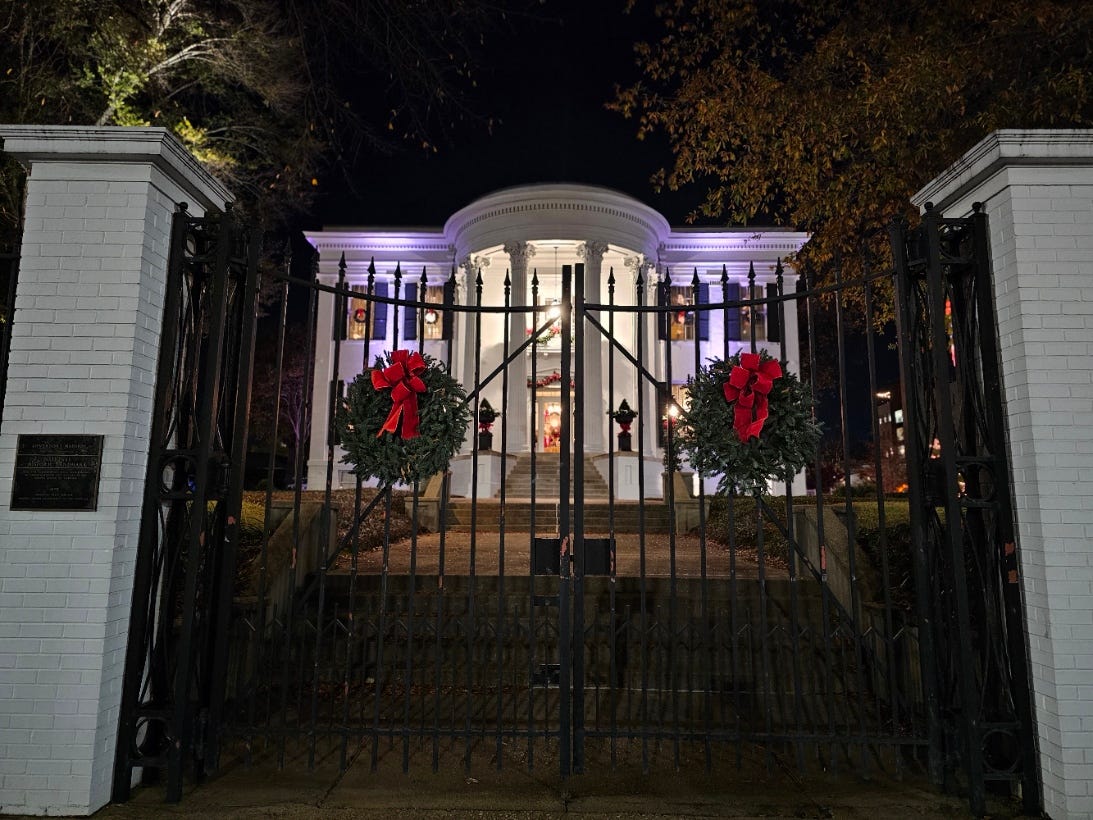
Capitol Street, Jackson, Mississippi 39201 | 601.359.6421 tours@house.ms.gov
Jackson Zoo. 2918 West Capitol Street, Jackson, Mississippi 39209 | 601.952.8776
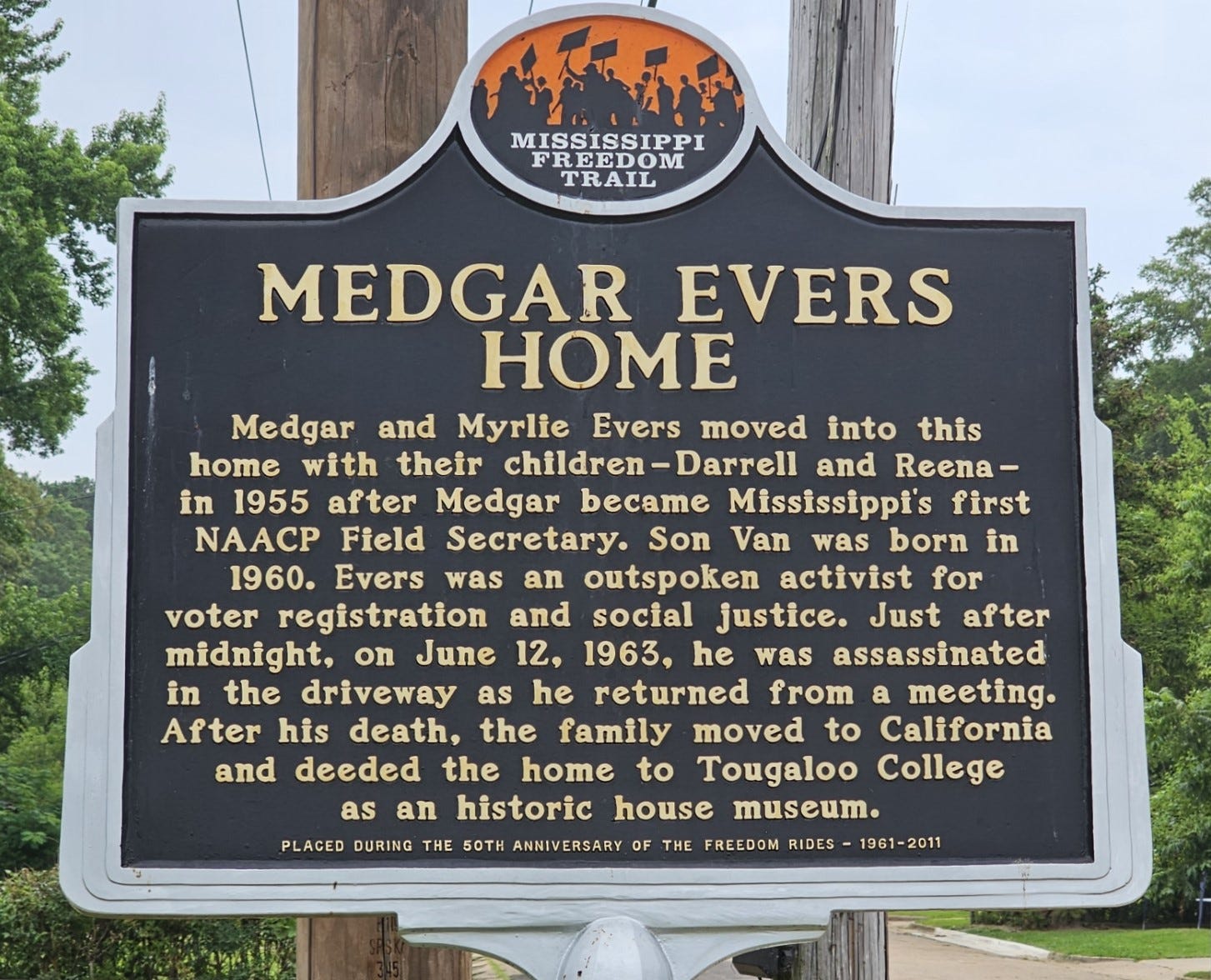
Medgar and Myrlie Evers Home National Monument. Medgar Evers, the World War II era veteran of the U.S. Army, was serving as the Mississippi NAACP Field Secretary when he was assassinated in the front yard of his home in Jackson.
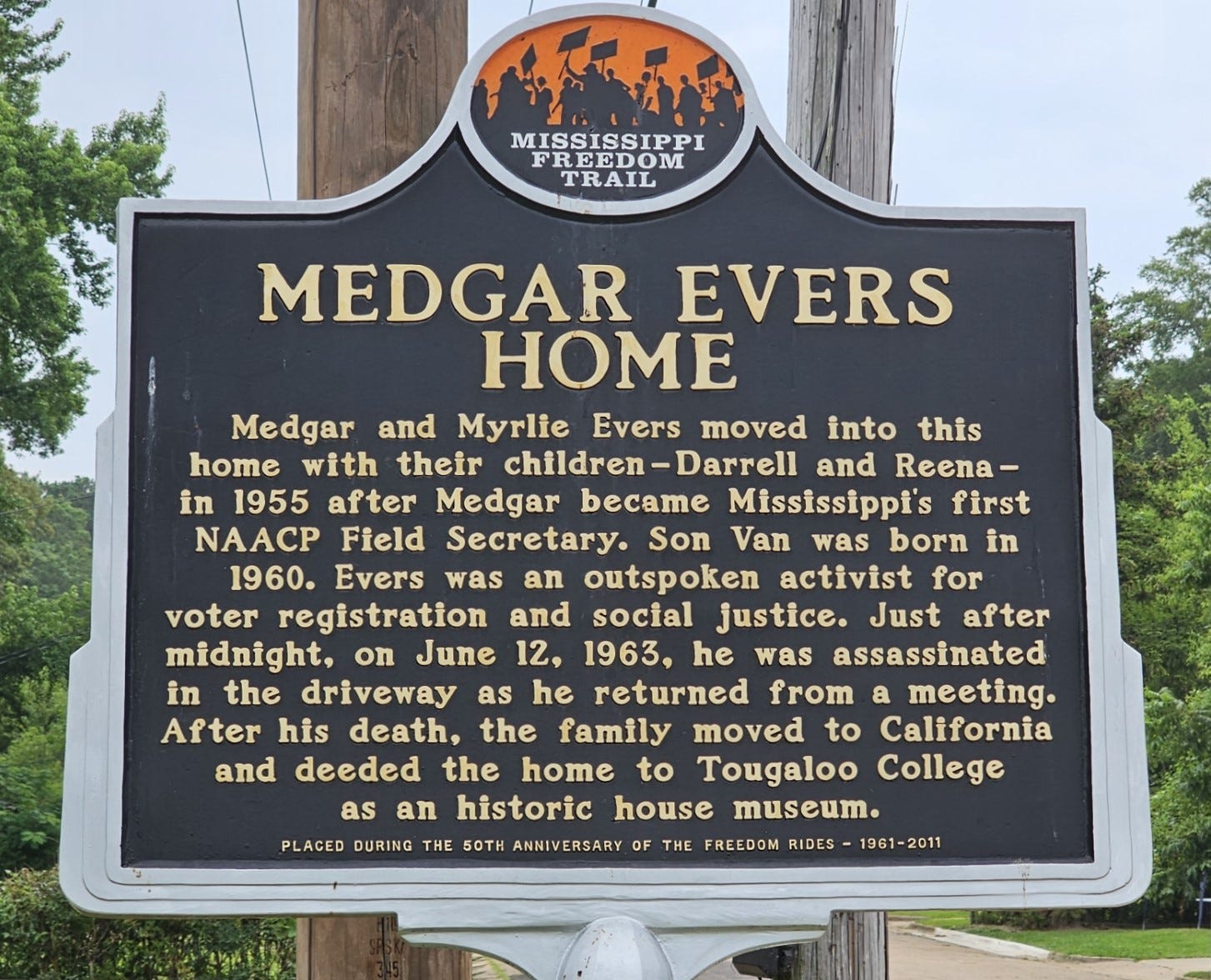
Evers spent his last earthly hours engaged in the effort to secure civil rights (including the right to vote) for the Black community of Mississippi.
Life magazine captured a poignant moment when Evers’ widow comforted their eldest son Darrell.
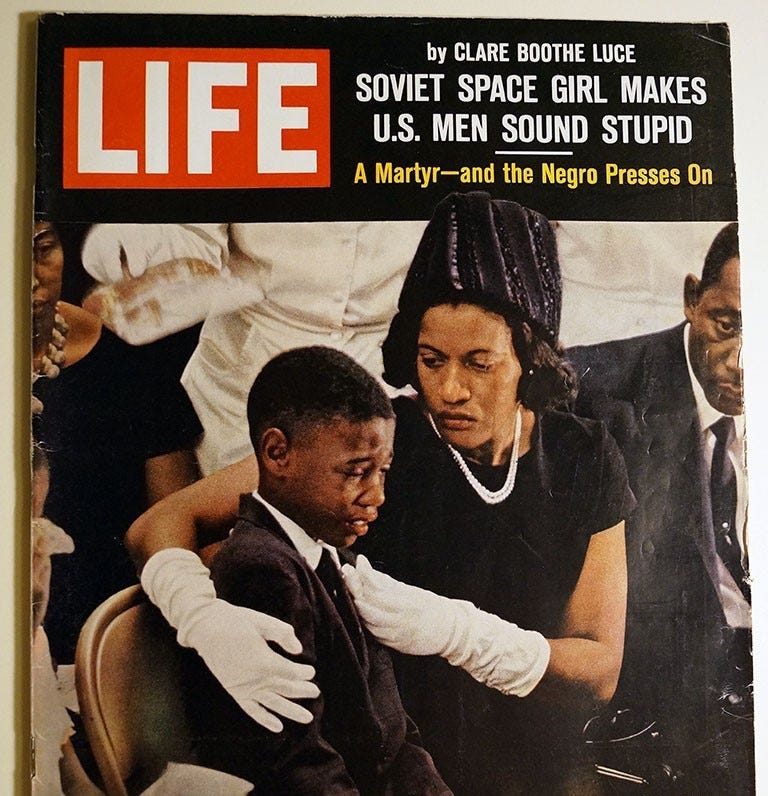
In today’s social media-driven world, that photo would have gone viral! The level of national media coverage was not surprising given the visibility of this heinous act.
Local authorities tended to treat some acts of physical violence and psychological intimidation of people in the Black community as nothing out of the ordinary, but every thinking person knew differently: whether it was the murder of Emmitt Till, presumably for whistling at a White woman; or killing little Black girls in a Birmingham (Alabama) Sunday School class; or the harsh treatment meted out to the young men and women who sought to desegregate places of public accommodation in Mississippi and throughout the South—the busses, libraries, lunch counters, and even Christian churches.
The Evers’ assassination, however, seemed to change things for the Black community in Jackson.
My mom mentioned briefly (without elaborating on it) the conversations Bobby Kennedy had with members of the Black community in Jackson, essentially asking them to remain patient . . . to trust his brother’s Presidential administration.
Many years later, my father told me that Medgar had been his roommate when they were students at Alcorn State College. Of note, they played on Alcorn’s intercollegiate football team.
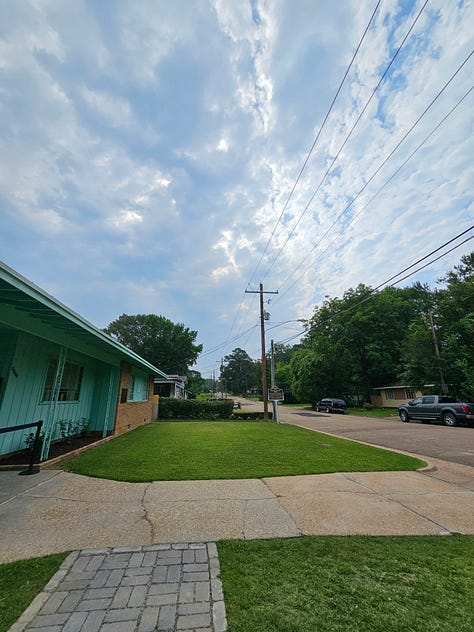
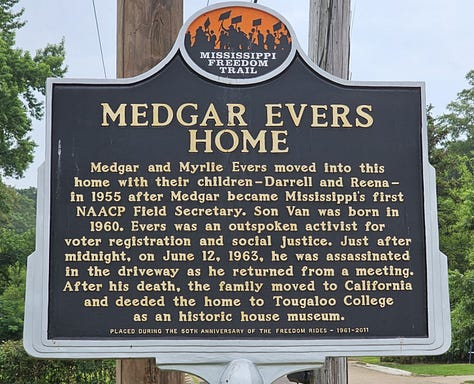

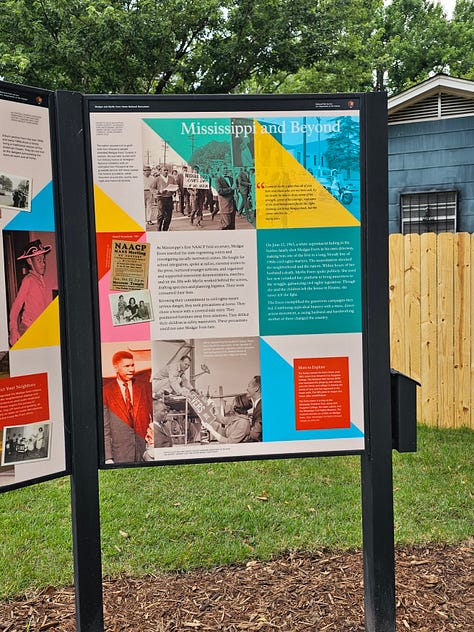
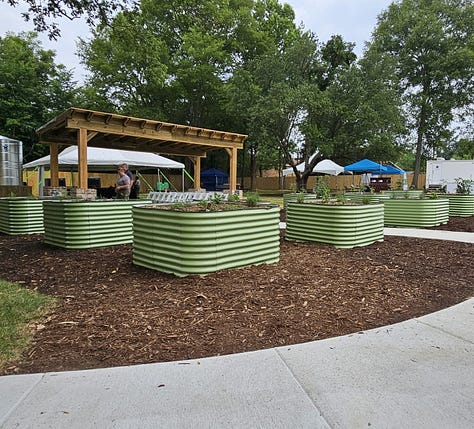


Originally, the Medgar W. Evers’ Home was part of Tougaloo College’s historic collection of civil rights era memorabilia. The Evers’ Home is now part of the National Parks Registry.
Mississippi Agriculture & Forestry Museum
Le Fleur East, 1150 Lakeland Drive, Jackson, Mississippi 39216 | 601.432.4500
Mississippi Children’s Museum. We are, after all, still children (but not childish) at heart!
380 South Lamar Street, Jackson, Mississippi 39201 |601.960.1515
Mississippi Museum of Natural Science
Mississippi Sports Hall of Fame
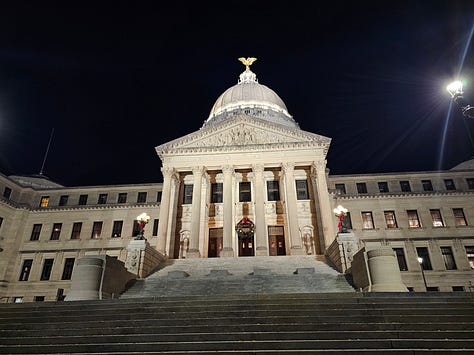
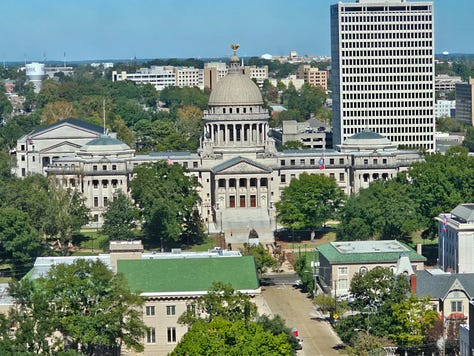
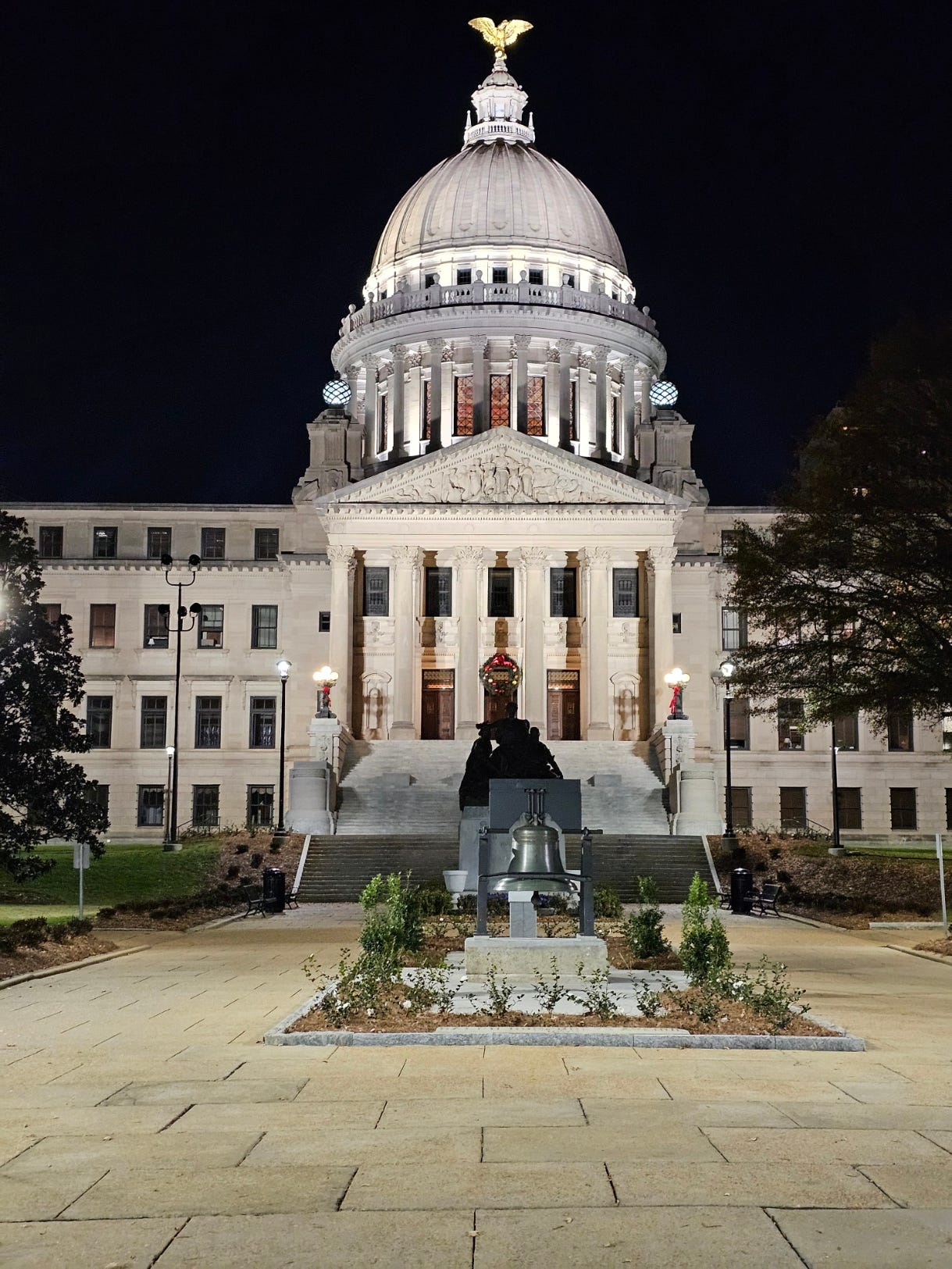
Mississippi State Capitol. Saint Louis Architect Theodore Link designed the New Capitol in the Beaux Arts style.
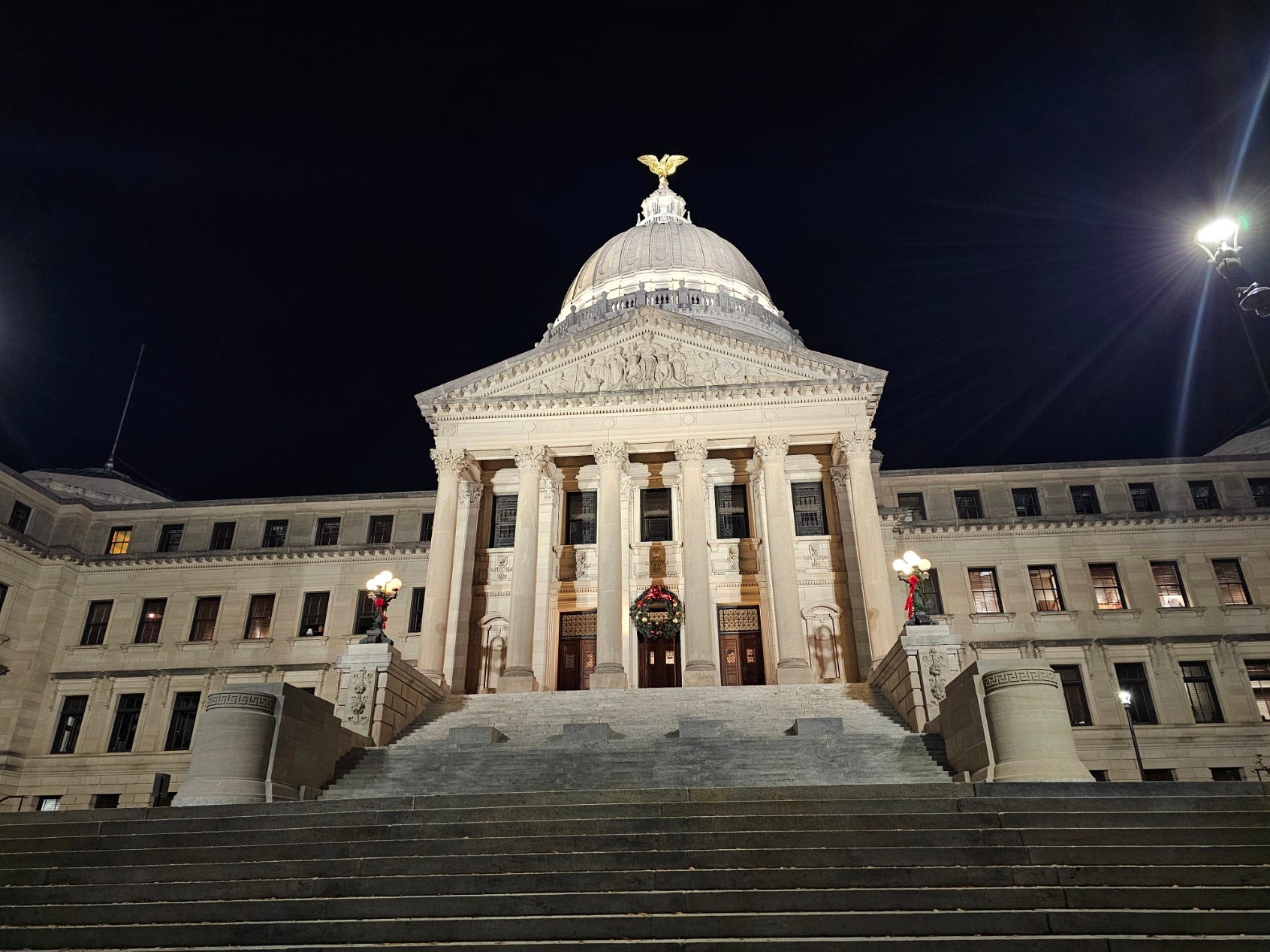
According to the National Park Service, the Capitol “vividly illustrat[es] the nationwide spread of academic classical revival architecture in the early 20th century.” In 2016, the Capitol was designated a National Historic Landmark.
An ornate Rotunda is located on the Second Floor. The legislative chambers and offices of the Lieutenant Governor, Speaker of the House, and Ceremonial Office of the Governor are on the third floor.
WATCH. “Experience the Mississippi State Capitol: A National Historic Landmark” | A Virtual Tour
400 High Street, Jackson, Mississippi 39201 | 601.359.3114 tours@house.ms.gov
A National Historic Landmark, the Old Capitol was the site of the state’s most significant legislative actions, including the 1839 Married Women’s Property Act, secession from the Union in 1861, and the constitutions of 1868 and 1890.
Architect William Nichols (originally of Bath, England) designed the Old Capitol and the Governor’s Mansion in the popular Greek Revival style.
100 South State Street, Jackson, Mississippi 39201 | 601.576.6850 oldcapitolmuseum@mdah.ms.gov
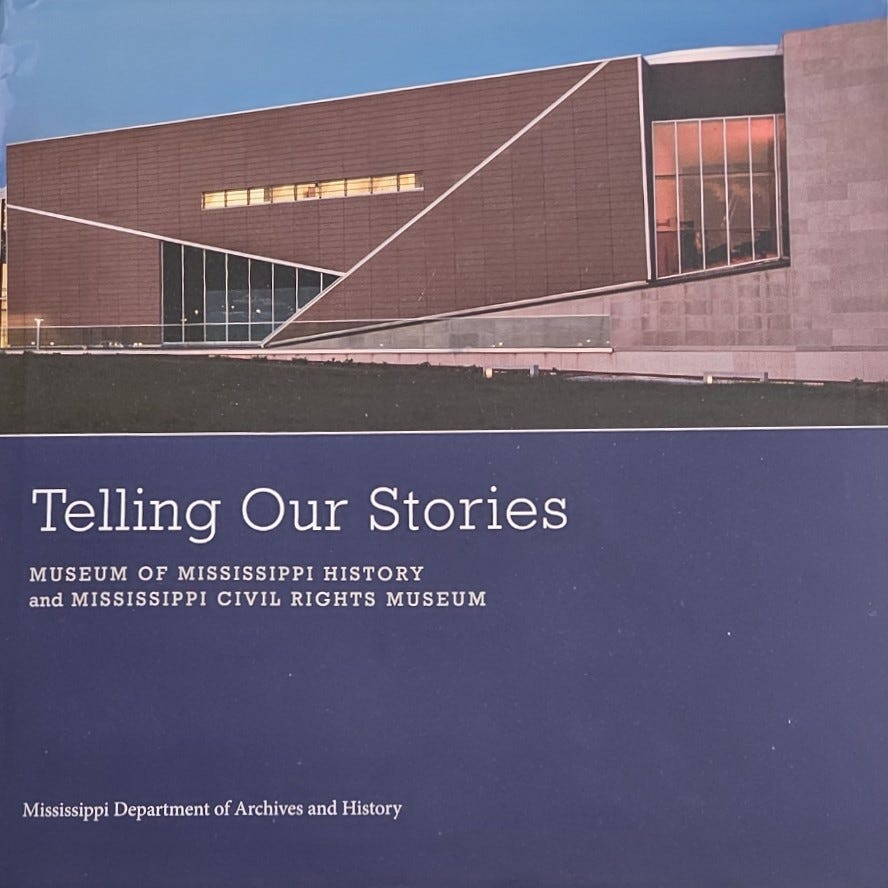
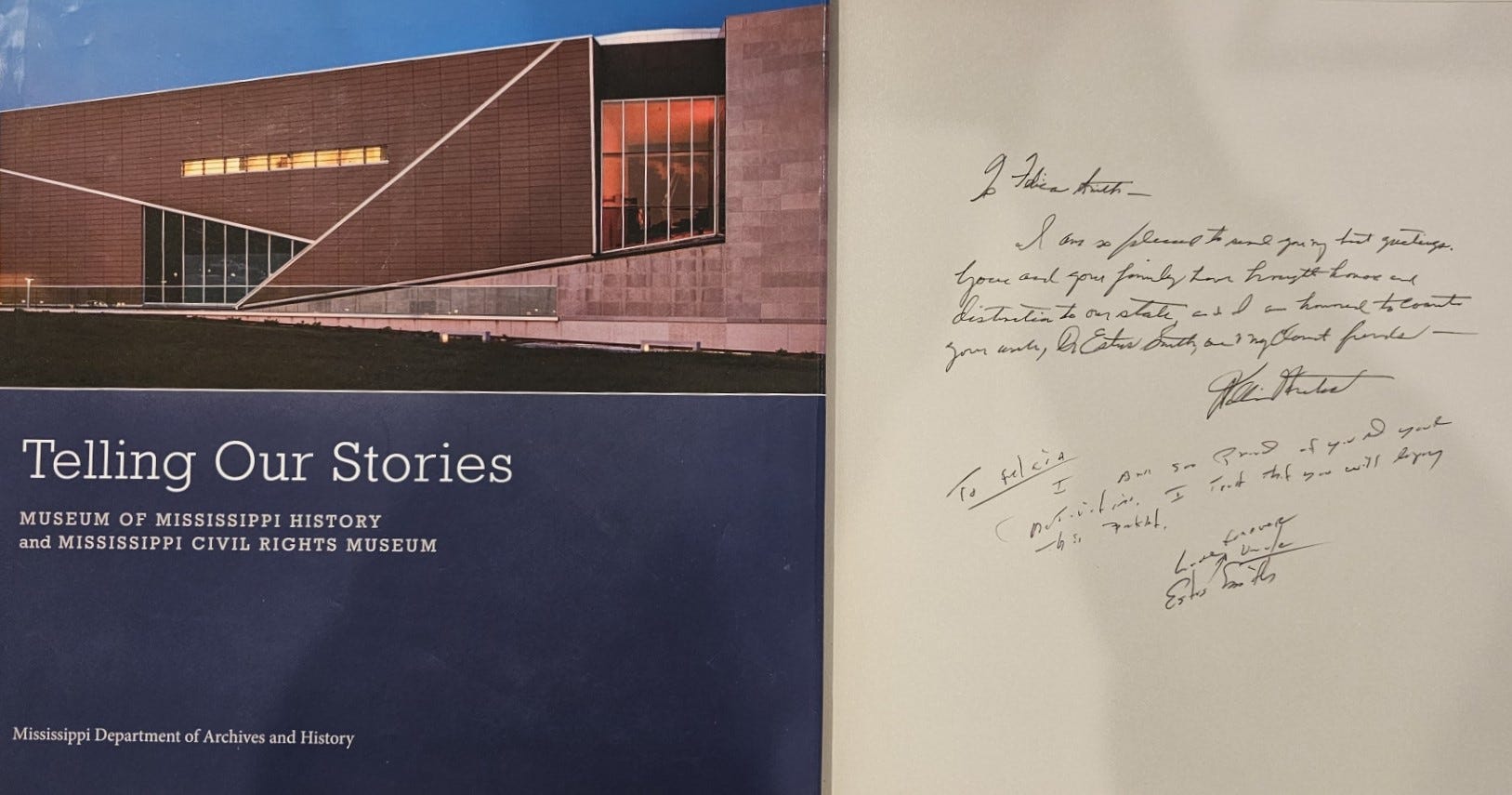
The Museum of Mississippi History and the Mississippi Civil Rights Museum offer the visitor an interactive experience and special exhibits that cover 15,000 years of Mississippi history—from antiquity to the nascent Civil Rights Movement that animated the nation.
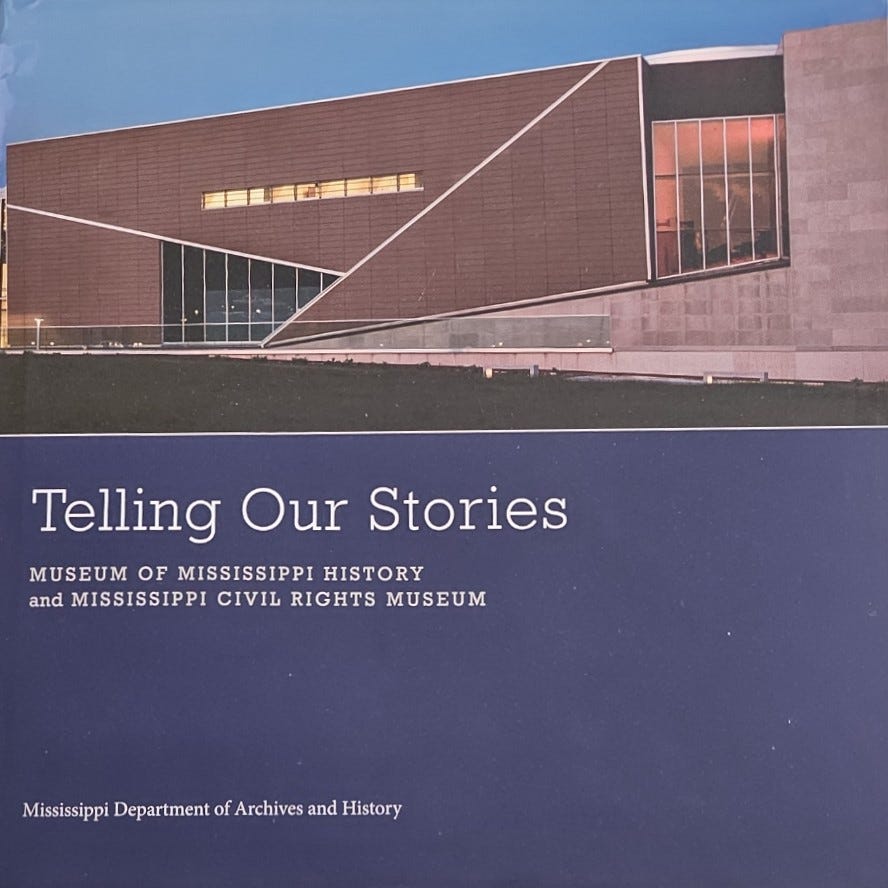
The Mississippi Civil Rights Museum and the Museum of Mississippi History represent a unique collaboration for the Magnolia State. I took a tour the year these very impressive museums opened.
222 North Street, Jackson, Mississippi 39201 | 601.576.6800
MEDICAL EMERGENCIES
The Capital Area has several distinguished medical facilities in the event of a medical emergency during your visit, including the following:
Mississippi Baptist Medical Center
Address: 1225 North State Street, Jackson, Mississippi 39202.
Main Hospital Telephone: 601.968.1000
Saint Dominic Memorial Hospital
Address: Intersection of I-55 and Lakeland Drive (Mississippi Highway 25) in Jackson, Mississippi.
The Emergency Department is in the South Campus.
Main Hospital Telephone: 601.200.2000
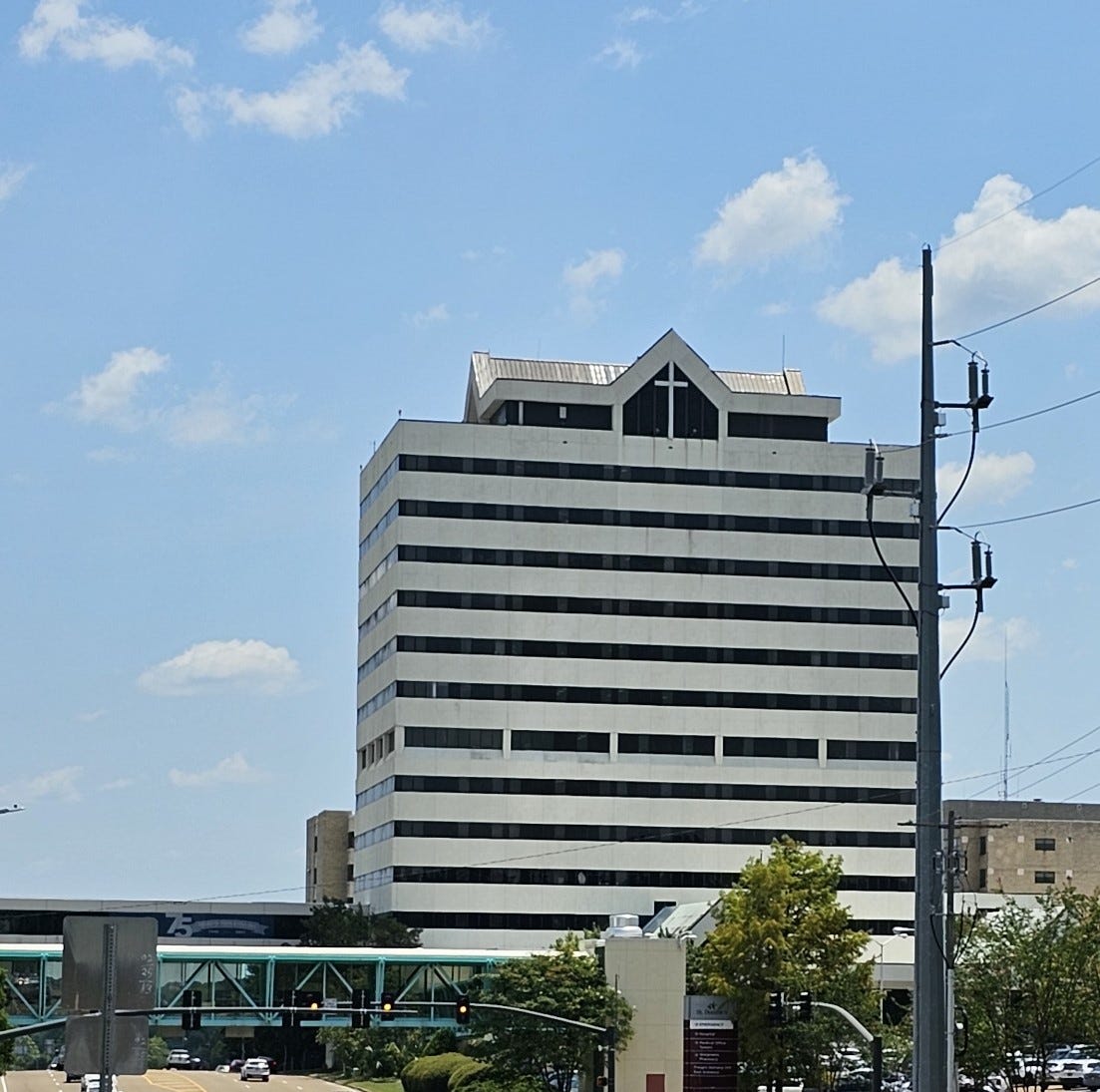
Directions: From I-55, exit onto Lakeland Drive and proceed west to the first stoplight. From this light, guests can turn left or right to access St. Dominic’s facilities.
Patient parking is available on both the North and South Campuses.
Submit Prayer Requests to the St. Dominic’s Pastoral Team.
The University of Mississippi Medical Center
Address: 2500 North State Street, Jackson, Mississippi 39216
Parking Garage B [Interactive Map]
Adult Emergency Room: 601.984.1000


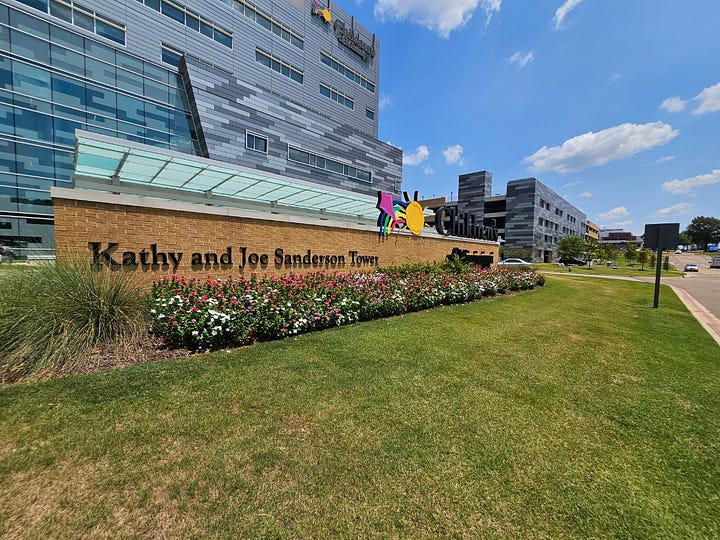
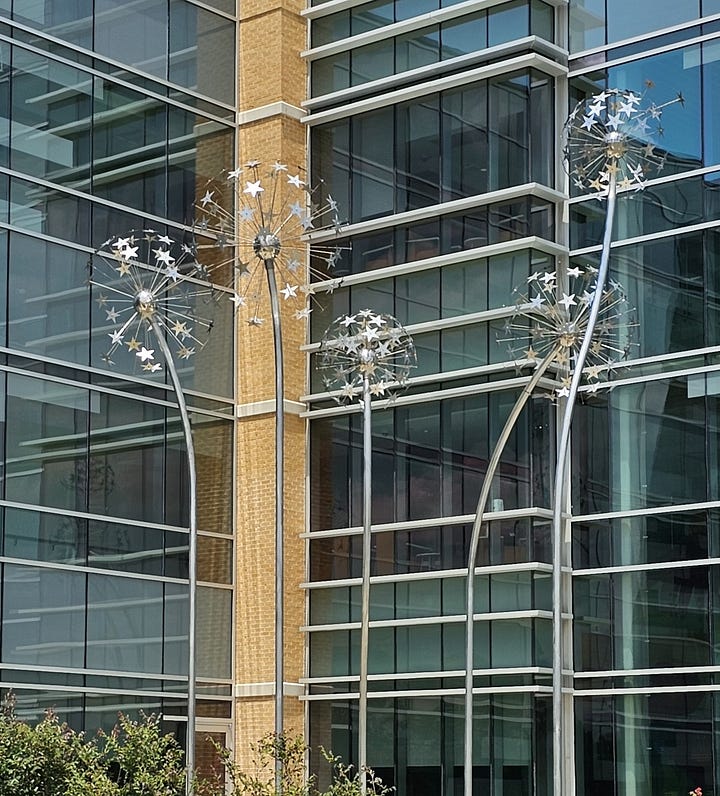
Mississippi Center for Emergency Services
G.V. (Sonny) Montgomery Department of Veterans Affairs Medical Center
Address: 1500 Woodrow Wilson Avenue, Jackson, Mississippi 39216
Main Telephone: 800.949.1009
BRUNCH & SPECIAL EVENTS
Reunion The brunch and special occasion events at Reunion are among the best anywhere. As a private club, events generally are restricted to members or guests of members. If you already have a membership at another club, you may want to review whether your club and Reunion provide reciprocal privileges.
150 Greensward Drive, Madison, Mississippi 39110 | 601.605.8784
River Hills Club Another great choice for Sunday Brunch! There are even spaces for those who cannot eat without football to do both. River Hills’ facilities are open to members, guests of members, and persons who hold memberships in clubs with reciprocal privileges.
3600 Ridgewood Road, Jackson, Mississippi 39211 | 601.987.4432
The Capital Club From its commanding height in Downtown Jackson, The Capital Club boasts scenic vistas in every direction!
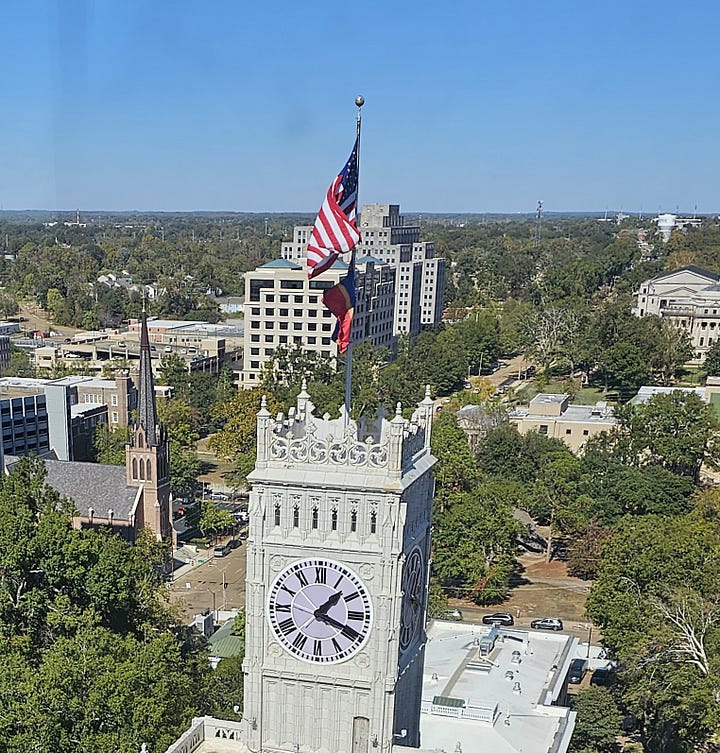
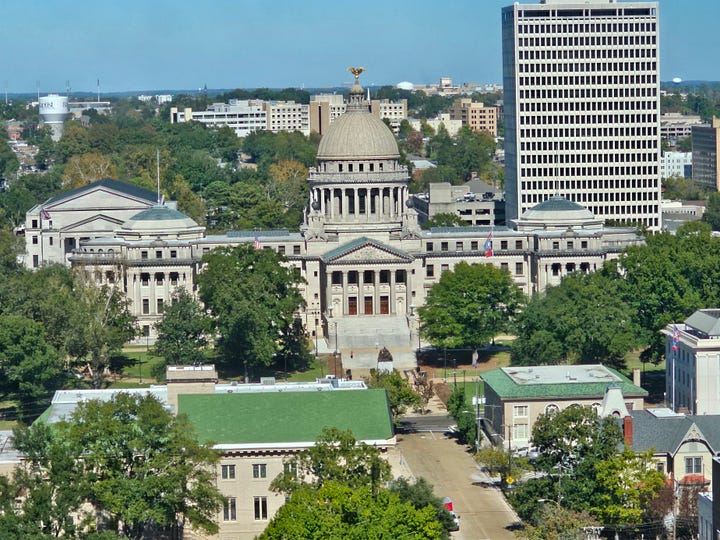

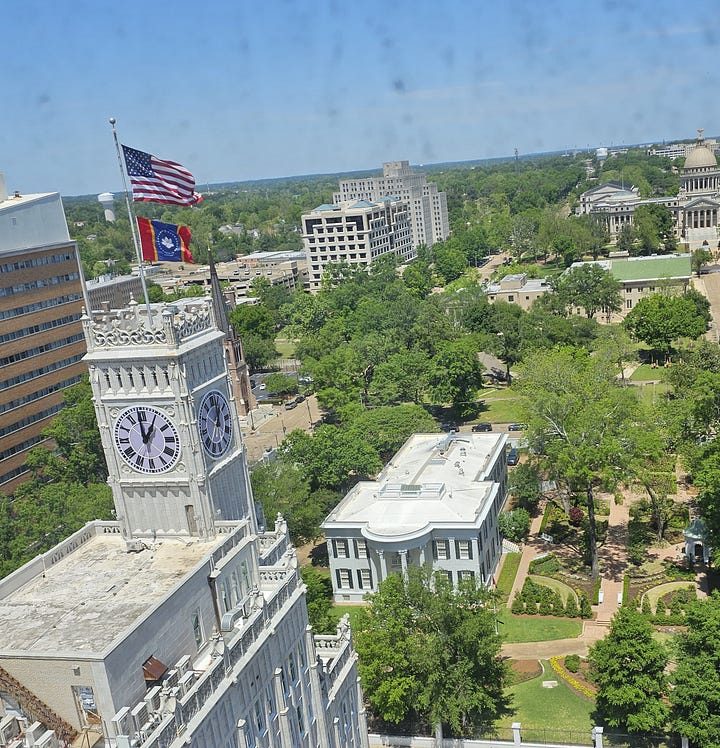
An extensive buffet lunch is available during the week. The Club hosts special events and holiday brunches for members and guests.
Capital Towers Building, 19th Floor, 125 South Congress Street, Jackson, Mississippi | 601.969.7101
RESTAURANTS
I have listed just a few of the culinary delights available in the Capital Area; feel free to supplement with favorites from your Mississippi Road Trip!






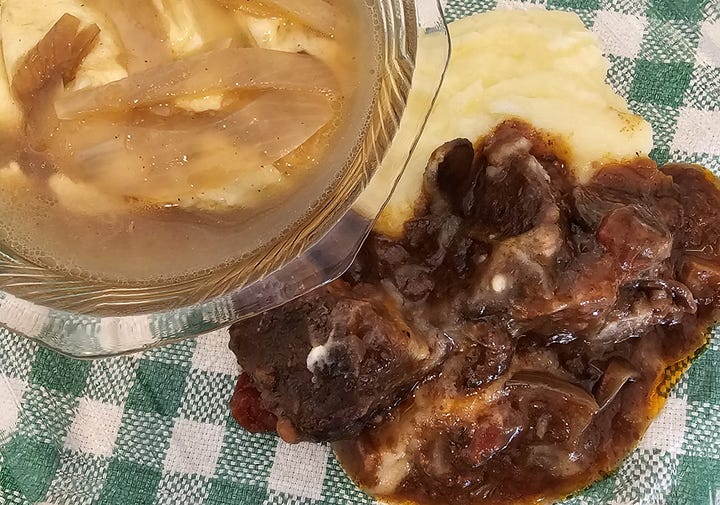
Anjou Restaurant, a French bistro-inspired restaurant, serves your favorite French cuisine (including escargot and French onion soup) and American standards (burgers, etc.). The Beef Bourguignon, a flavorful delight, is the Daily Special for Lunch on Wednesdays—it sells-out early! Take-out, private dining, and catering are available.


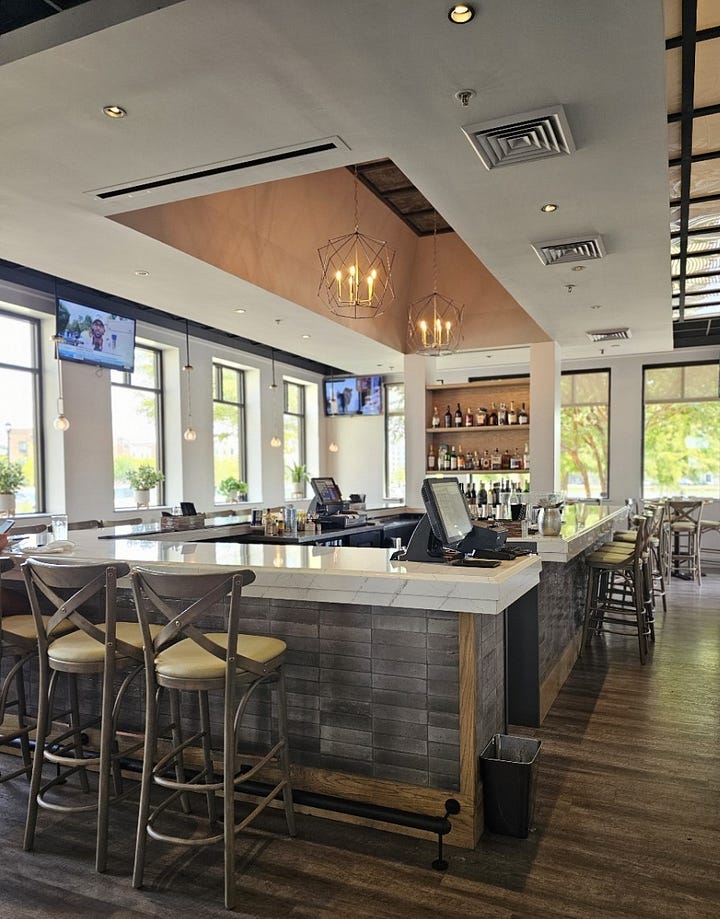
361 Township Avenue, Ridgeland, Mississippi 39167 | 601.707.0587
Another Broken Egg Cafe was one of my Uncle Estus’ favorite places to eat (he had so many places and so little time). The food is delicious, and the servings are generous.
1000 Highland Colony Parkway, Suite 1009, Ridgeland 601.790.9170. 1720 Old Fannin Road, Flowood 769.216.2120
Bravo Italian Restaurant and Bar is another favorite of my Uncle Estus.
4500 I-55N Frontage Road, Highland Village Suite 244, Jackson, Mississippi | 601.982.8111
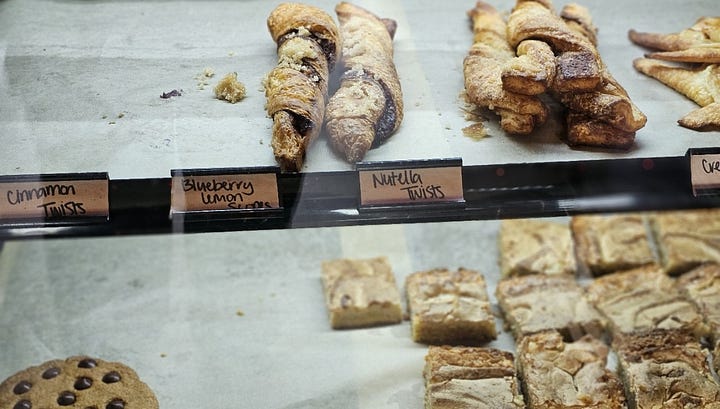
Broad Street Bakery has baked a variety of artisanal breads since 1998. The restaurant is fabulous! It offers sandwiches, bakery items, and beverages. The ambience is great! The only downside is that parking is hit-or-miss: there are precious few parking spaces if you are hungry and want to dine-in right now.


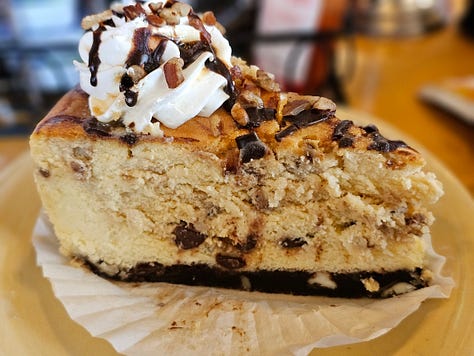
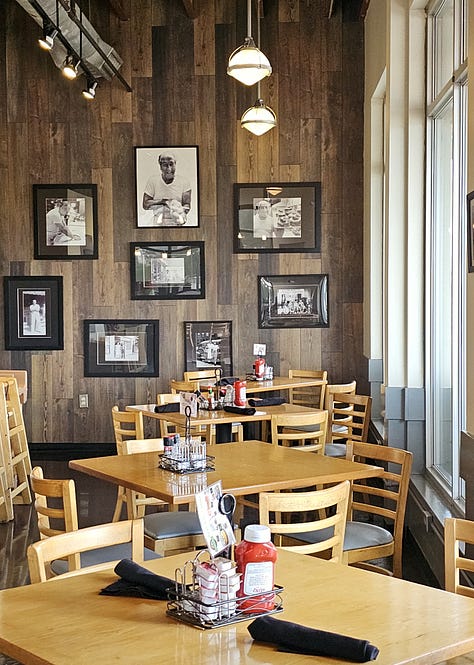
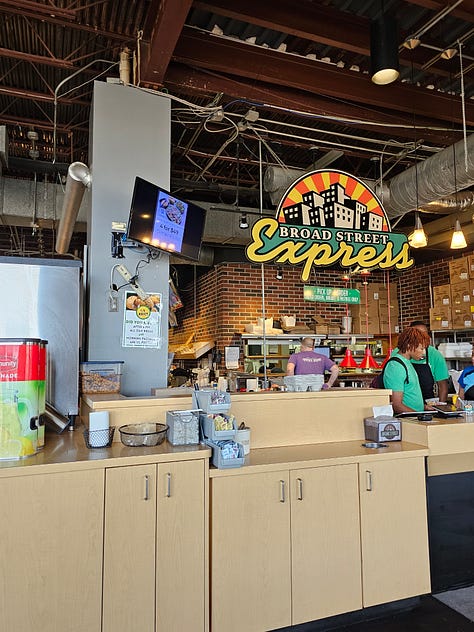

Take-out is also available at the Broad Street Express counter.
4465 I-55 N Frontage Road (near North Side Drive) in Banner Hall Shopping Center, Jackson, Mississippi 39206 | 601.362.2900
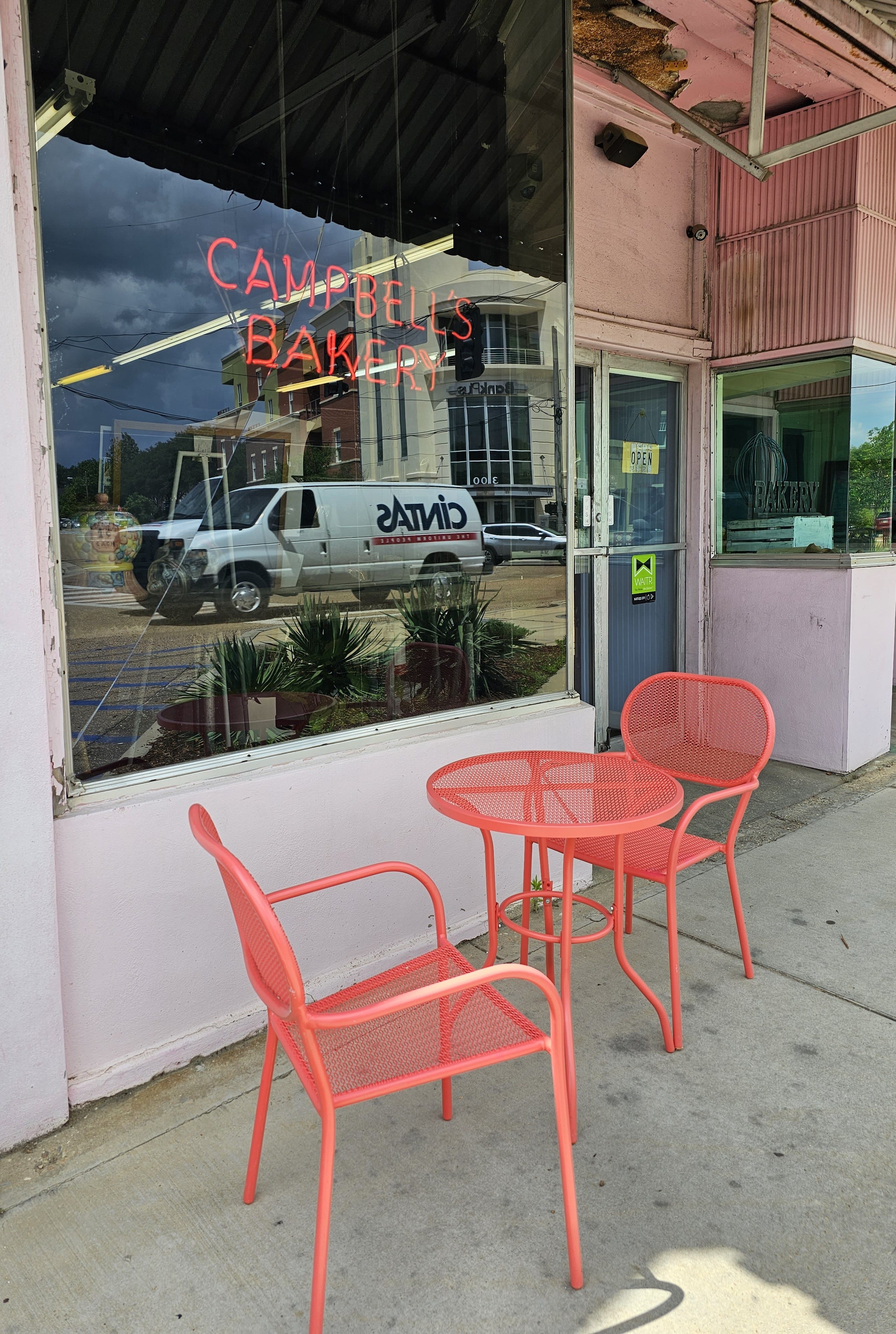
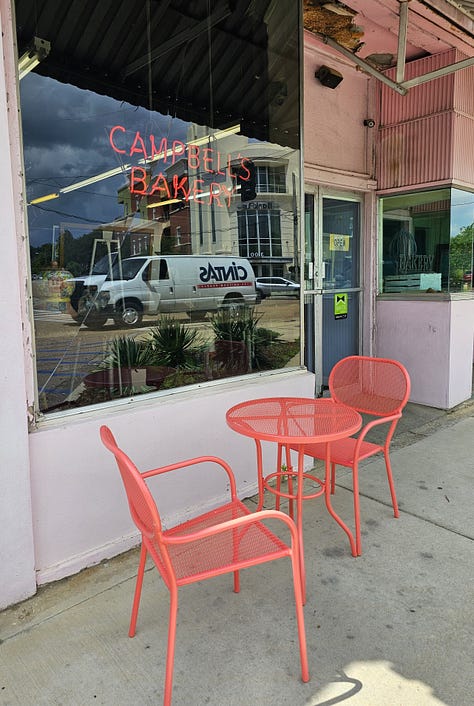
Campbell’s Bakery, a mainstay of Jackson’s Fondren Historic District, was established in 1962. The cakes, petit fours, cookies and other baked goods are as delicious as I remember them from my youth. Who says you can’t go back! Campbell’s continues to innovate with its menu offerings, and 2023 saw the introduction of cinnamon rolls and ice cream. Campbell’s famous Tea Cakes and chocolate chip cookies are now available by mail order. Ample free parking is available behind the shop.



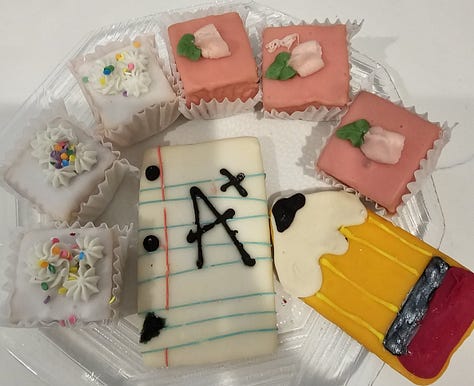


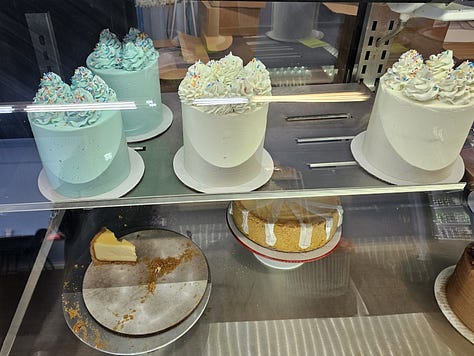

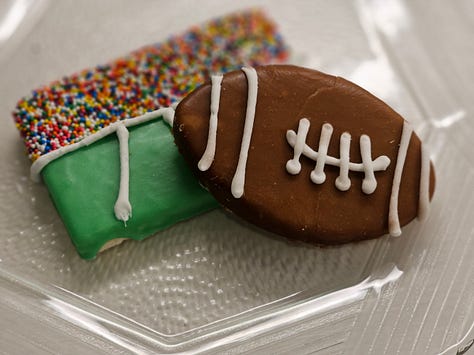
3013 North State Street, Jackson, Mississippi 39216 | 601.362.4628
Char Restaurant I strongly recommend that you have reservations if you plan to eat before Char closes for the evening. Otherwise, you risk going home hungry, without even so much as a doggy-bag! Some of our family favorites include Char’s salmon, filet mignon, and pork chops.
Chicken Salad Chick Imagine an entire menu built around the chicken salad! One may enjoy variations on chicken salad as a salad or sandwich. I tried the “Traditional Classic Carol” as a sandwich, which included a choice of side. Free parking is available.

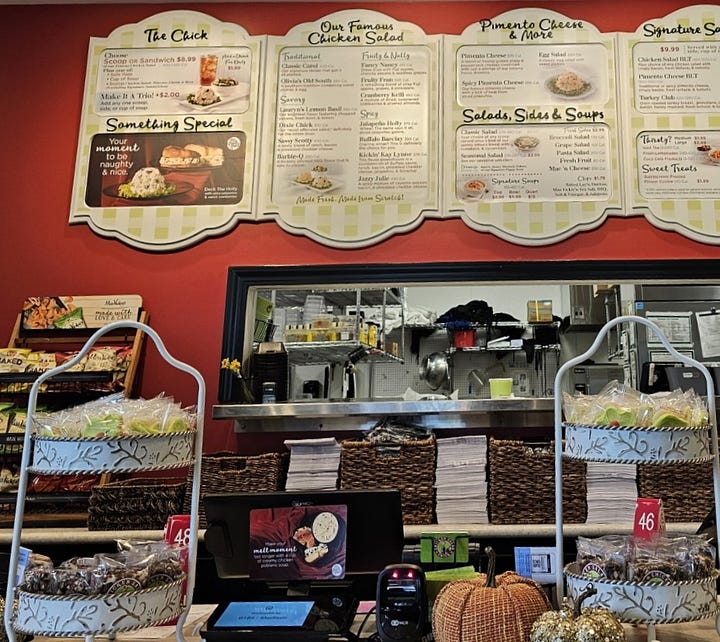


1917 Main Street, Madison, Mississippi 39110 | 601.476.5130
Chick-fil-A (closed Sundays, of course) has multiple locations in the Capital Area. This is one of the best chicken sandwiches, served by a staff that is hospitable from the front to the back of the house. The typical interaction ends with the staff saying “it’s my pleasure” to the customers. The rest of the menu is pretty good too, including the lemonade, the biscuits, the waffle-fries, and the “home-made” ice cream dream cone.


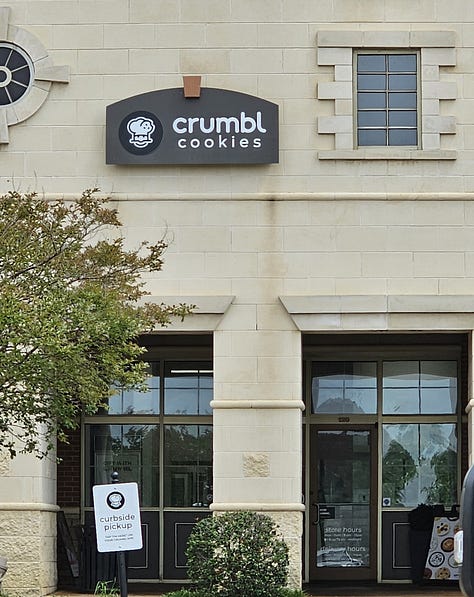
Crumbl Cookies With a rotating menu of favorites each week, you are sure to find a delicious, freshly baked giant cookie that suits you! Or more likely, more than one favorite.
111 Colony Crossing Way, Madison, Mississippi 39110 | 601.401.0316 and 380 Ridge Way, Flowood, Mississippi 39232 | 601.790.0906
Dunkin’ Bakery items include donuts, muffins, bagels, coffees and teas.
403 Riverwind Drive, Pearl, Mississippi 39208 | 601.939.6234
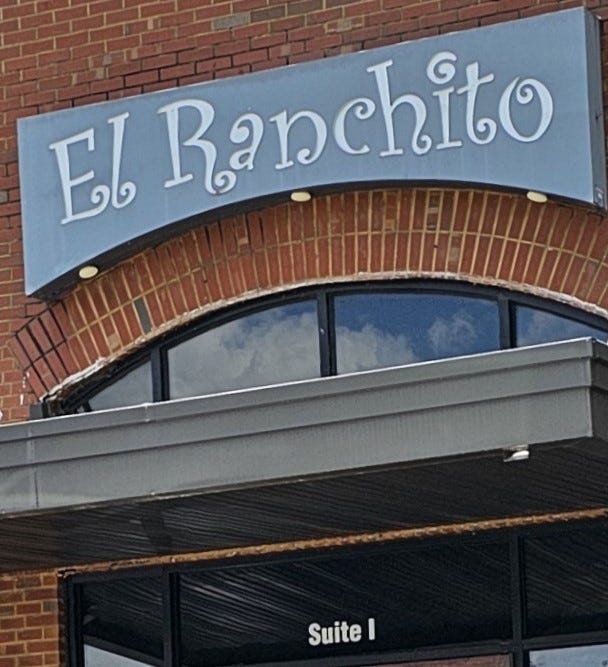
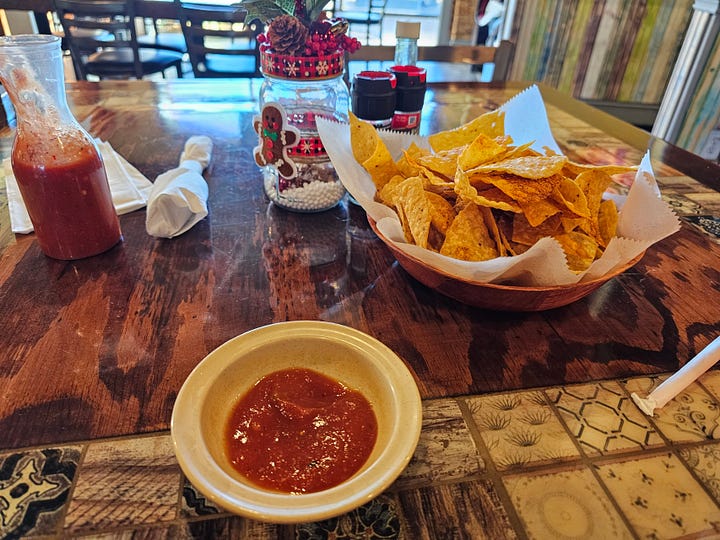
El Ranchito offers Mexican and Latin American cuisines. It is one of the first restaurants I visited in Madison. The fajitas are a personal favorite, and the chips and salsa are the perfect appetizer for the main meal!
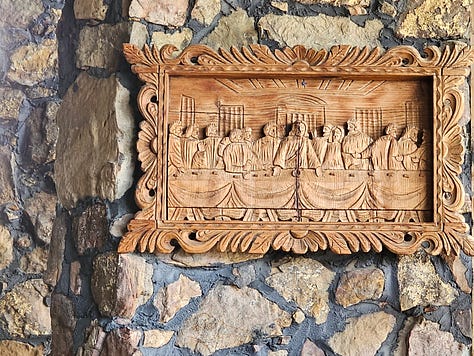

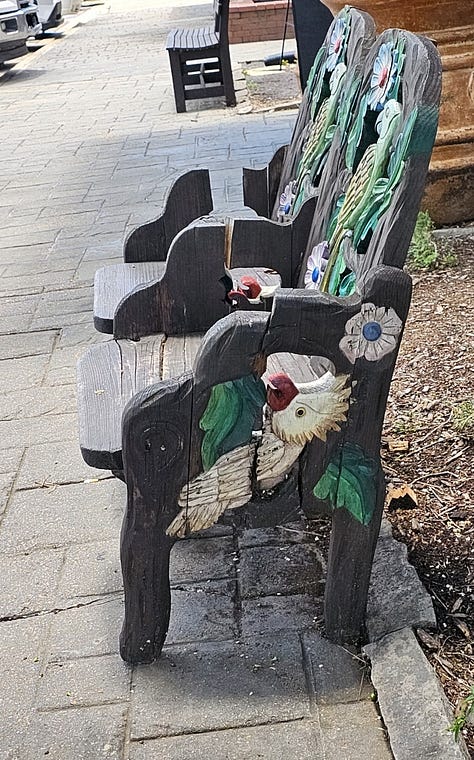
The shopping center has free parking, and Take-out is available.
1029 Highway 51 [on the Left if your travel direction is Northbound], Madison, Mississippi 39110 | 601.605.1488
Enzo Osteria Italian specialties and American favorites are featured on the Lunch and Dinner menus. Brunch is served on the weekends.
For Lunch, I had the spaghetti with marinara sauce (sans meatballs), which was tasty with a spicy finish!

The restaurant has patio seating for dining. Take-out and Catering are available.
970 Highland Colony Parkway, Ridgeland, Mississippi 39157 | 769.567.2840
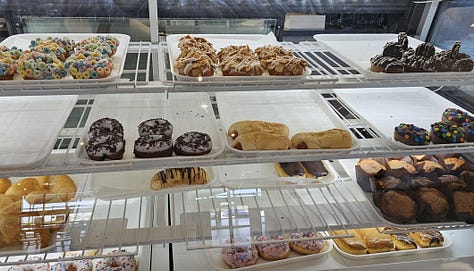
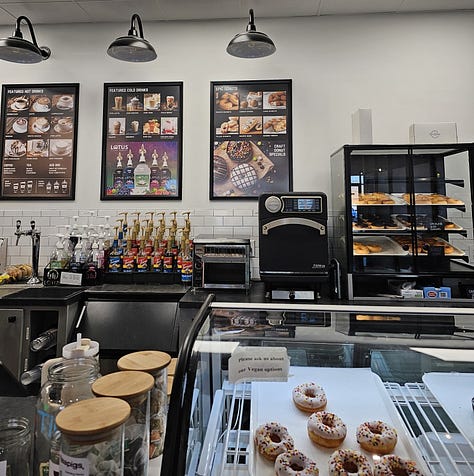
Epic Donuts This local bakery features a variety of freshly baked raised donuts (glazed, cake, jelly filled, etc.), and a rotating menu of special craft donuts, such as Oreo.

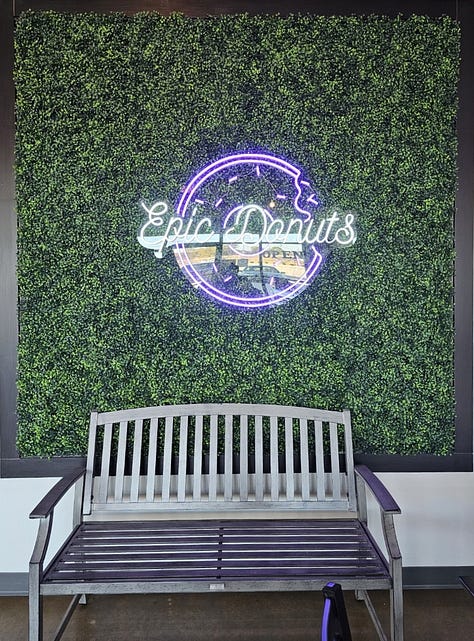

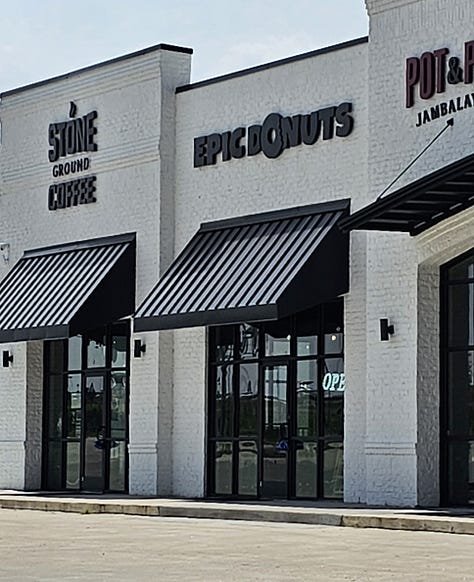
Gluckstadt Park, 102 Dees Drive, Suite B, Gluckstadt, Mississippi 39110 | 601.790.7280
FeedZone Café offers tacos (Tuesdays only), sandwiches, paninis, and vegetarian sandwiches from 11:30 am – 2:00 pm (and beverages, including over 20 beer choices, are served all day). I had the Cruiser Chick, featuring chicken salad (fatta in casa), with fresh dill, roasted pine nuts, grapes, lettuce and tomato on sourdough bread. And, the portions are ample! Absolutely. Delicious.
Management notes it operates “Mississippi’s first and only bike shop café.”
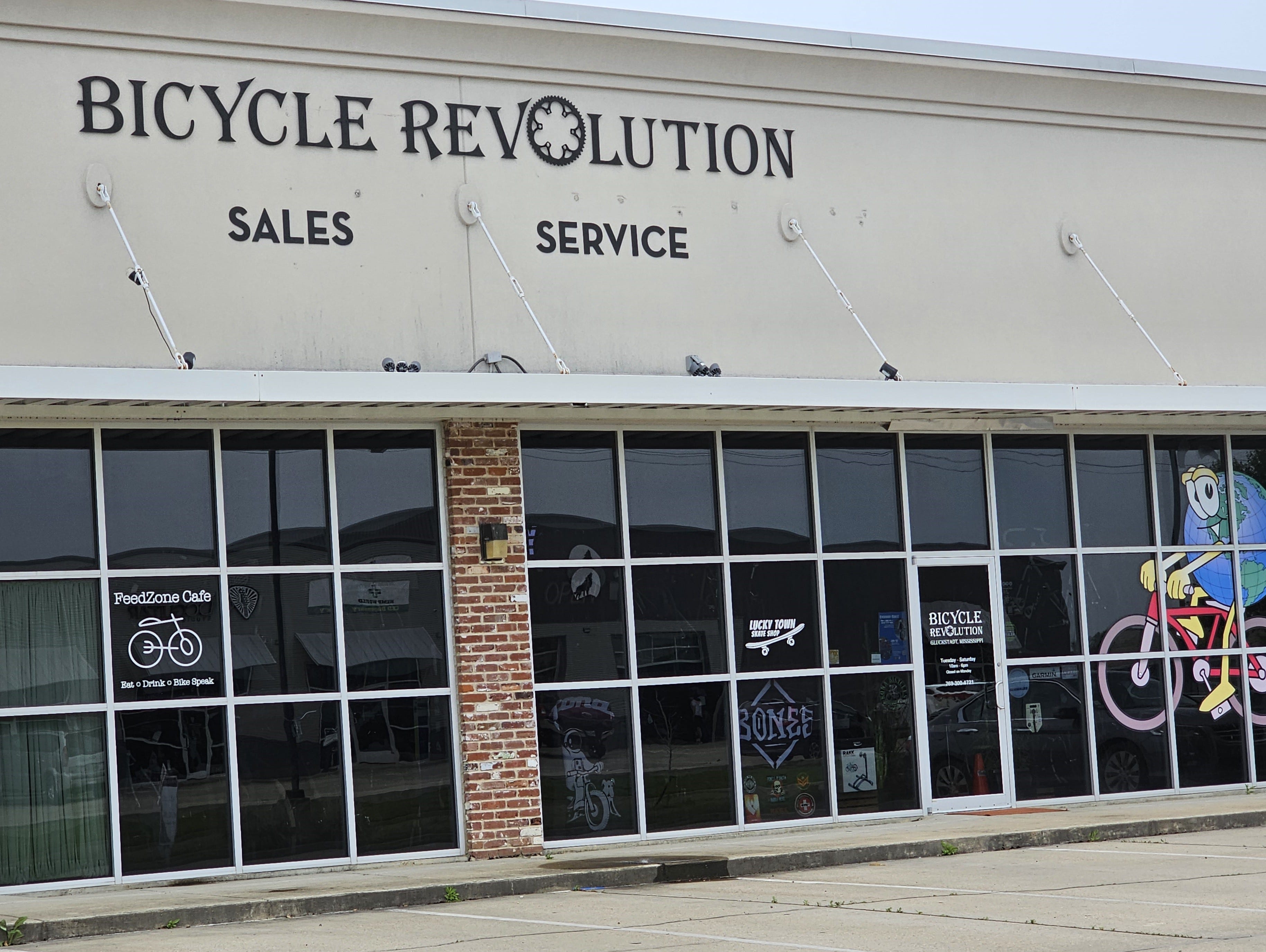
Bicycle Revolution, 113 Dees Drive Suite C, Gluckstadt, Mississippi 39110 | 769.300.4721
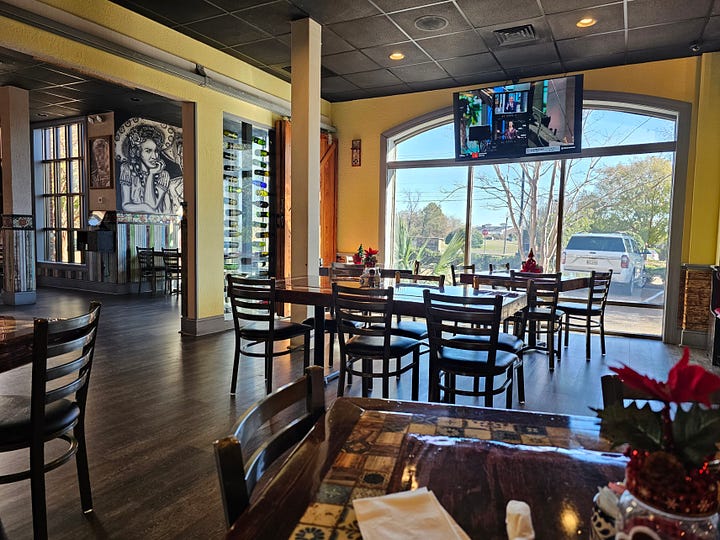
Fernando’s Original Fajita Factory bills itself as the oldest restaurant in Mississippi serving Mexican cuisine. Fernando’s operates several restaurants in the Capital Area. I visited the Madison restaurant for lunch. Service was prompt and courteous.
The menu has many favorites such as tacos, fajitas, burritos, and nachos, with a choice to add chicken, beef, or fish to some dishes.
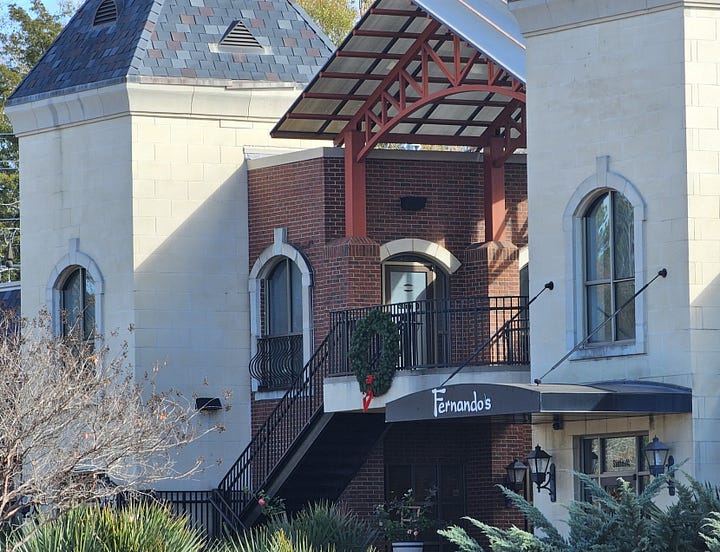

121 Colony Crossing Way, Suite A, Madison, Mississippi 39110 |
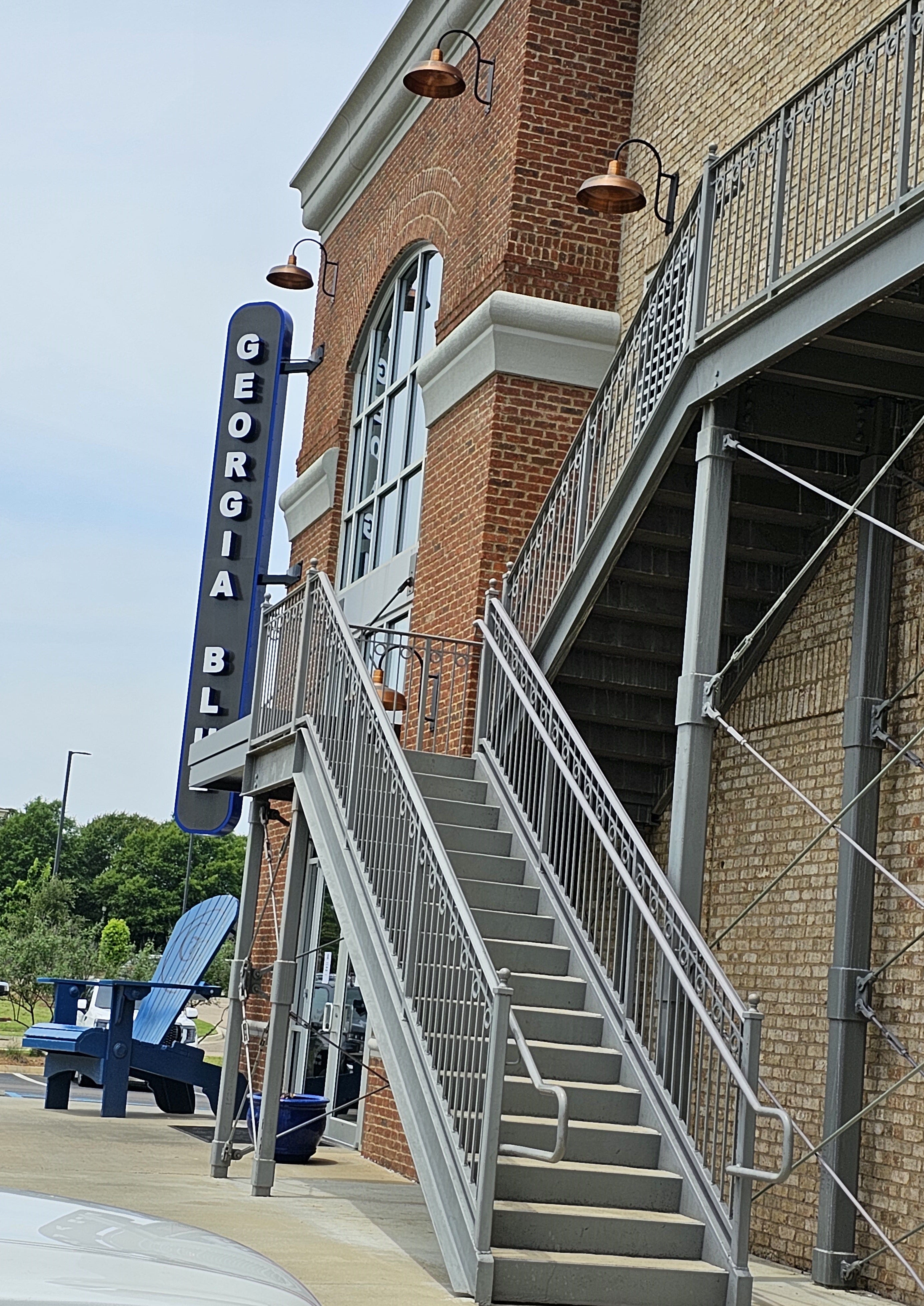
Georgia Blue’s motto is Eat, Drink, Enjoy!
Open daily, Georgia Blue offers the convenience of a Take-out with the variety of “Blue Plate” Specialties each day. Several “signature items” are featured, including Turnip Green Bites, Jenn’s Fried Green Tomatoes, House Salad, Georgia Blue Shrimp & Grits, and Red Beans & Rice.
Open for lunch and dinner, the portions are ample, and parking is readily available.
Flora: 601.919.1900 and Madison: 601.898.3330
USE THE BUTTON BELOW TO SUPPORT FELICIA’S RESEARCH AND WRITING ON SUBSTACK.
GIVE A FREE OVERTURE SUBSCRIPTION TO YOUR RELATIVES AND FRIENDS!
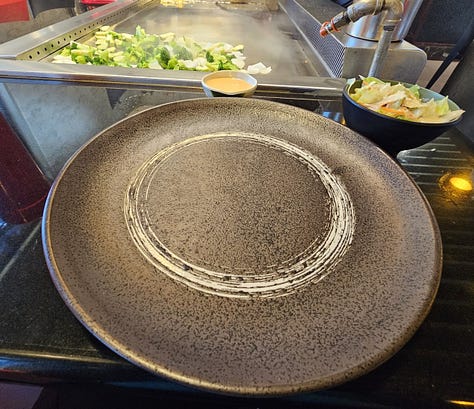
Ichiban Hibachi & Sushi features Asian cuisines . . . and the popular table hibachi experience! During my recent visit for a late lunch, I could choose the extensive buffet or the hibachi. I opted for steak hibachi with grilled veggies and fried rice (sans fried egg). The chef’s use of his tools on the grill was masterful!

 "https://substackcdn.com/image/fetch/$s_!Uwcj!,w_424,c_limit,f_webp,q_auto:good,fl_progressive:steep/https%3A%2F%2Fsubstack-post-m
Comments
Nothing yet. Say the first thing.
Sign in to join the conversation.