
I was listening to Jack and Gustav (below). Towards the end, Jack gets excited about a “new” part of the Norwegian Method he believes he’s uncovered. The secret sauce is pushing the pace of easy training.
Jack and Gustav don’t step back and realize another interpretation is Gustav explaining how he lost three years of his elite career to depression and injury.
I don’t say this as a criticism. I say this because history repeats itself.
I wrecked myself, often, as an elite. I lacked the peers/systems that I’ve put in place since coming back. Systems I’ve learned from careful study of successful Nordic athletes and their coaches.
The purpose of easy training is to protect the bodily systems that handle recovery, and to moderate our neurochemistry. When we are living at the edge of human performance, we need systems to protect ourselves, from ourselves. This is an important part of any “method” as well as an essential role for our peers/mentors/coaches.
20 years ago, my closest friend, and training partner, Clas Björling could have given the same interview as Gustav.
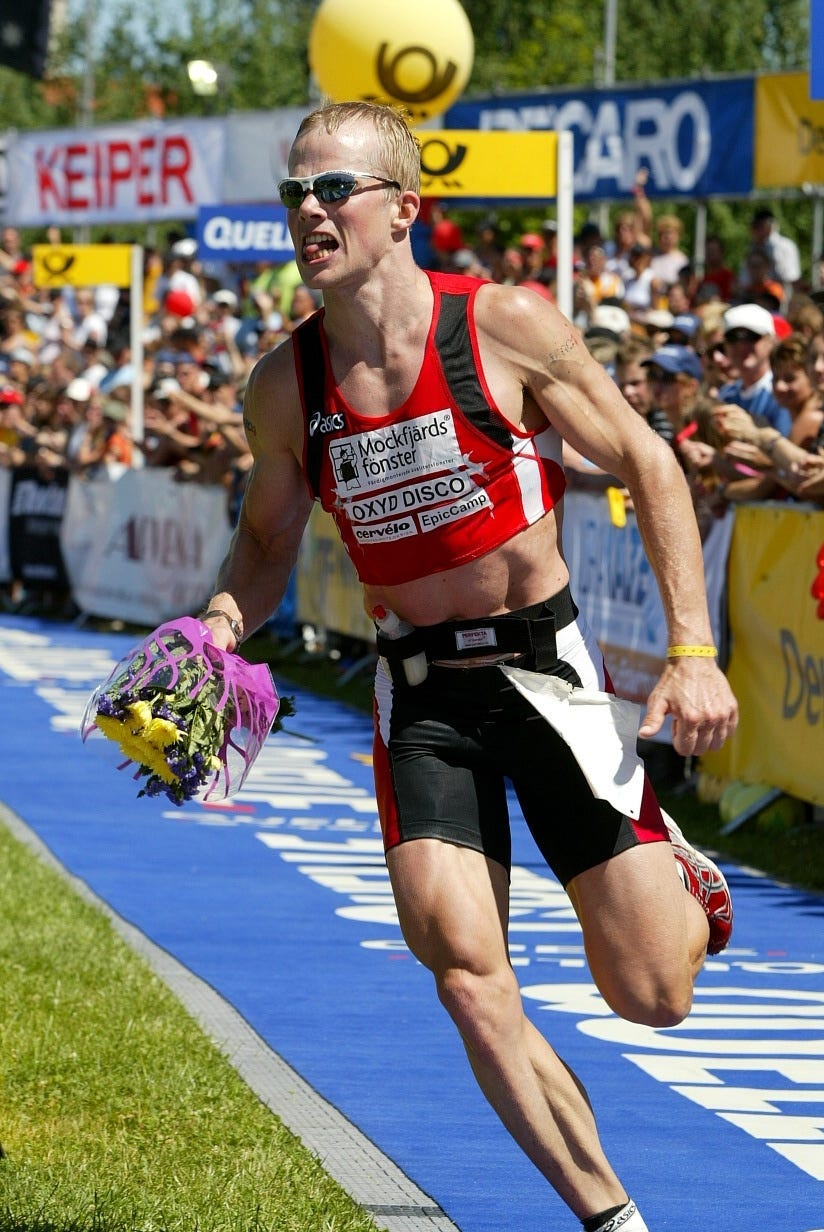
You could kidnap Clas in the middle of night, drive him 40km from home, and throw him out of the van. By the time his feet hit the ground, he’d be running 4 minutes per kilometer pace.. right back to his bed.
Clas broke run course records around the world. You did not want to have him closing you down late in the day.
I documented Clas’ story as part of our series on The Tired Athlete.
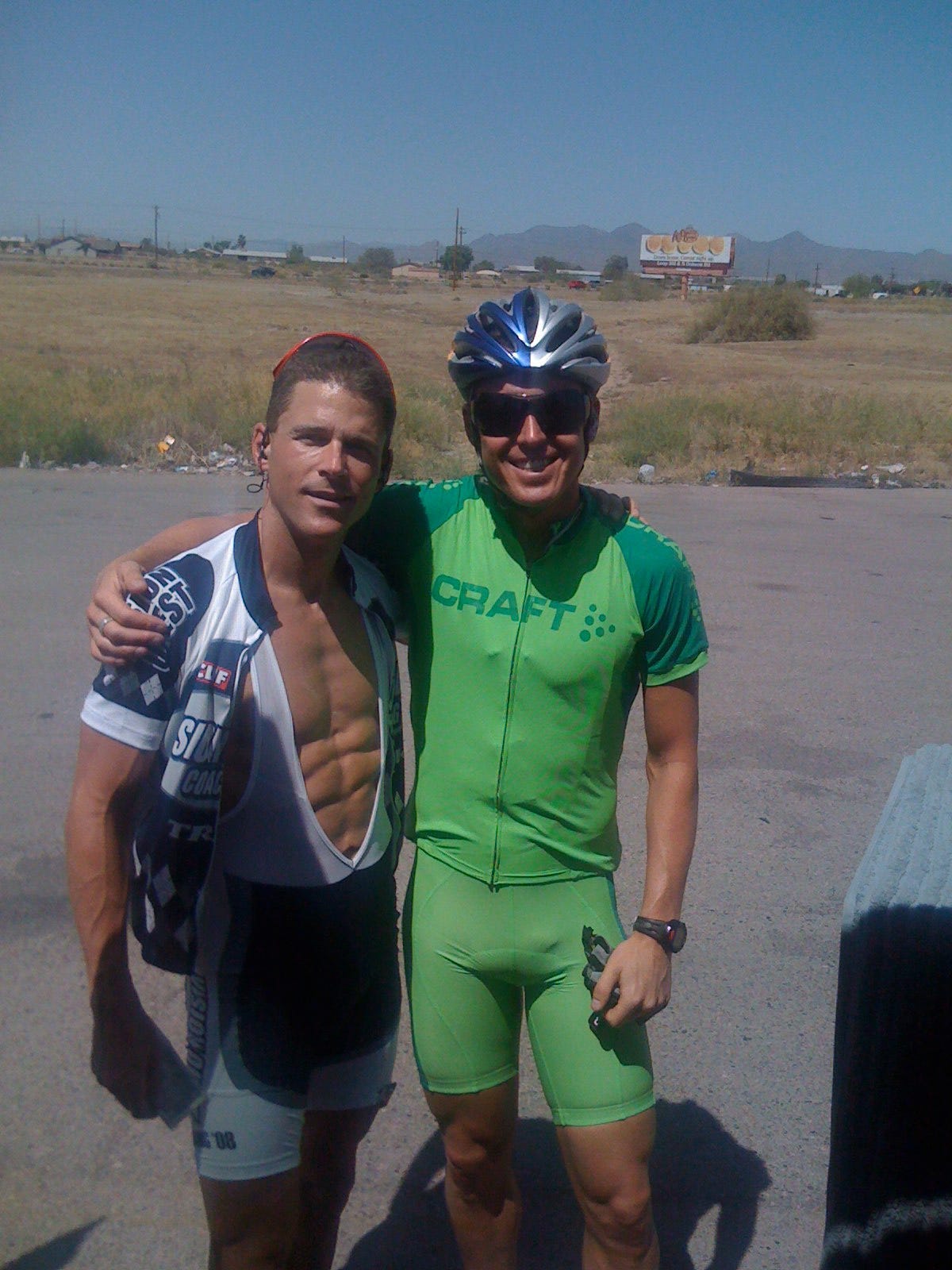
We had a joke about my other Swedish buddy, Jonas Colting. “Swedish Easy Pace” meant we all had to ride easy until Colting was feeling good, then it was 300 watts. Listening to Gustav talk about training with Kristian, I was reminded of riding with Colting.
My other Swedish pal, Björn Andersson was so fast I never rode with him. Even when he was feeling like crap, he’d keep putting out 300 watts.
When Björn was feeling good? Unbeatable.1
Greed is good. There’s truth in Gecko’s speech at the top of this article.
What we want (in finance and in sport) is a system where greed doesn’t lead to ruin.
In sport, to reduce the chance of ruin, we use heuristics such as…
Keep the easy days easy.
As much easy volume as we can handle without impacting Key/Tempo sessions.
Half my days are easy.
Easy means no sympathetic stress.
Tempo stays under 3 mmol of lactate.
And so on…
I’ll end with a lesson Johan Röjler taught me. We were talking about the progression of Nils van der Poel towards breaking world records.
When things started to go really well, we were tempted to eliminate the back-to-back easy days and push harder.
I’m glad we decided to keep them.
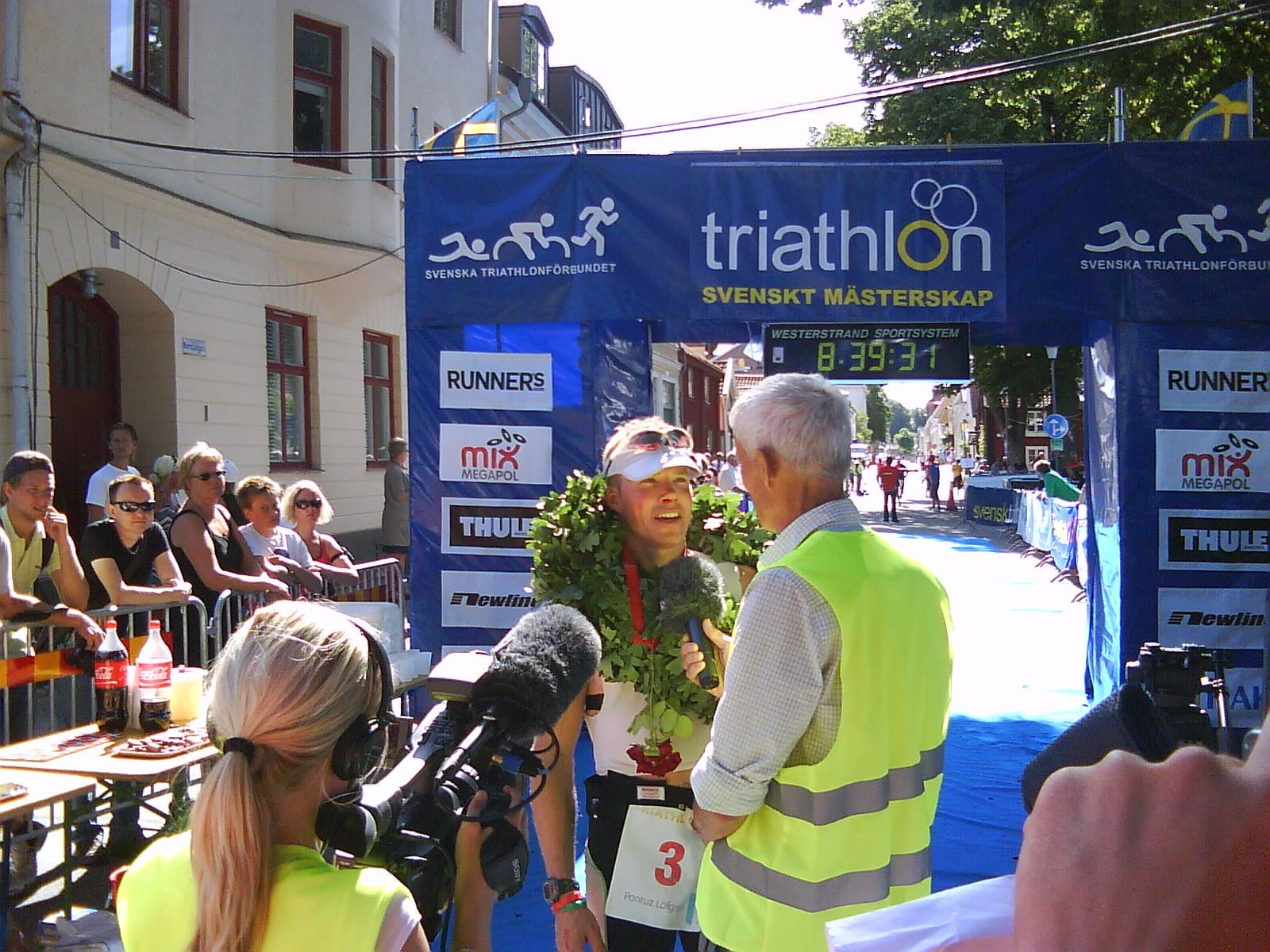
I’m happy to see Gustav back to his positive self and performing strongly. Clas also came back strong, and managed a satisfying finish to his elite career.
Choose Wisely.
When you share this with a buddy, commit to keeping each other well back from the abyss.
Back to eBook Table of Contents
Just like people bagging on KB’s VO2max, the experts were skeptical of Björn’s VO2max. His exercise physiology professor scoffed when Björn shared his data as a response to a direct question.
We have much to learn about elite athlete physiology and, I believe, our instruments are less accurate than we realize. I’ve been seeing outlier physiology in elite nordic athletes for 20+ years.
No posts
Comments
Nothing yet. Say the first thing.
Sign in to join the conversation.