Former energy adviser on the turbulent energy prices fueled by the Iran war
NPR's Michel Martin talks with Bob McNally, a former White House energy adviser, about roller-coaster oil prices amid the U.S. war with Iran.

Energy
Live Last read · last published · next check
NPR's Michel Martin talks with Bob McNally, a former White House energy adviser, about roller-coaster oil prices amid the U.S. war with Iran.
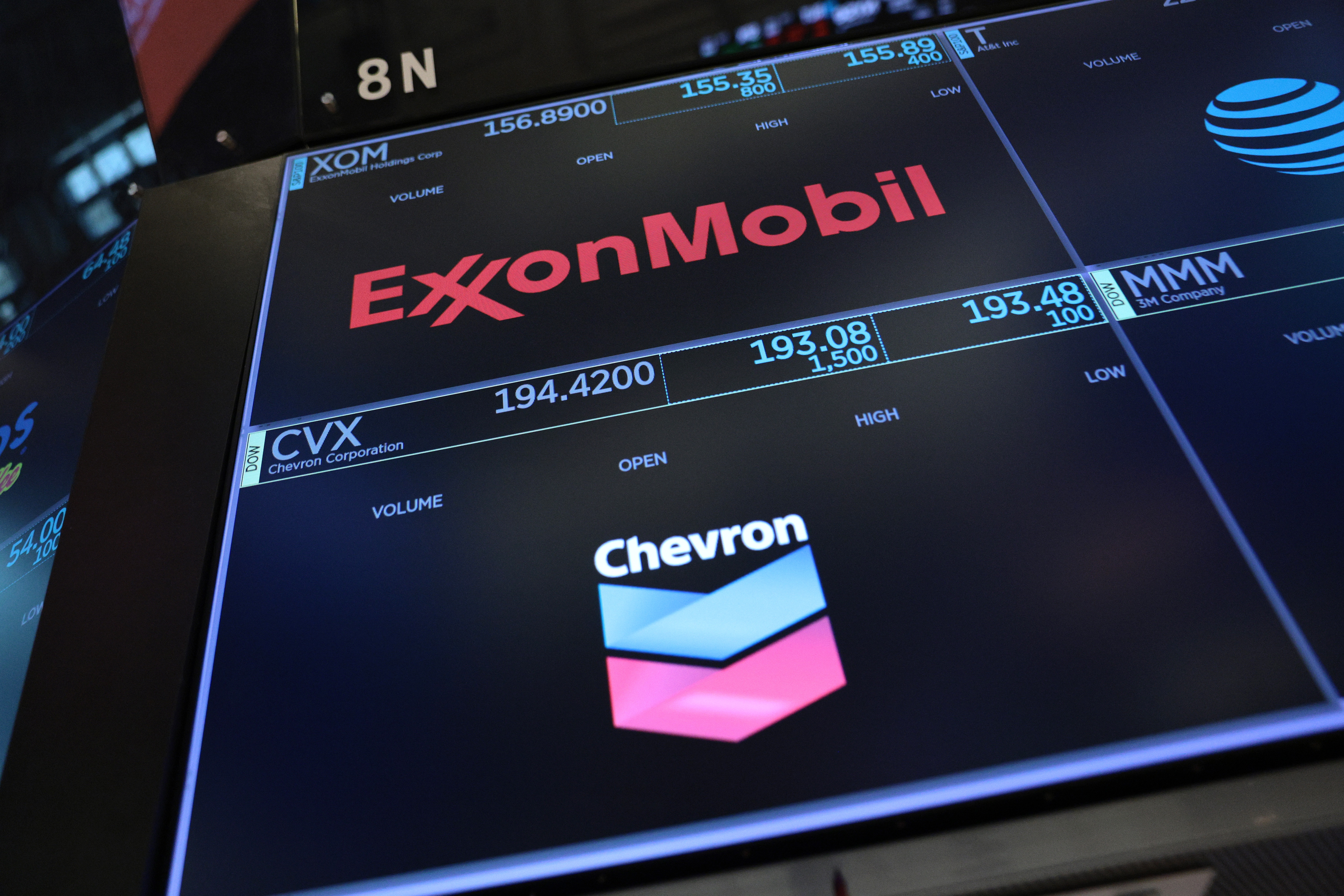
Chevron reported its highest quarterly earnings ever. Shell had its second-biggest quarter, and ExxonMobil doubled its earnings compared with the same time last year.
After a Saudi nuclear power deal raised alarm in Israel, President Trump announced online that the arrangement is subject to the kingdom normalizing relations with Israel through the Abraham Accords.
The agreement gives American companies priority access to nuclear reactors and fuel to Saudi Arabia. It's expected to last decades and be worth billions of dollars.
Higher oil prices since the Iran war began mean many oil companies have brought in excess profits. Some U.S. lawmakers want to tax those windfall profits and give the money to lower-income Americans.
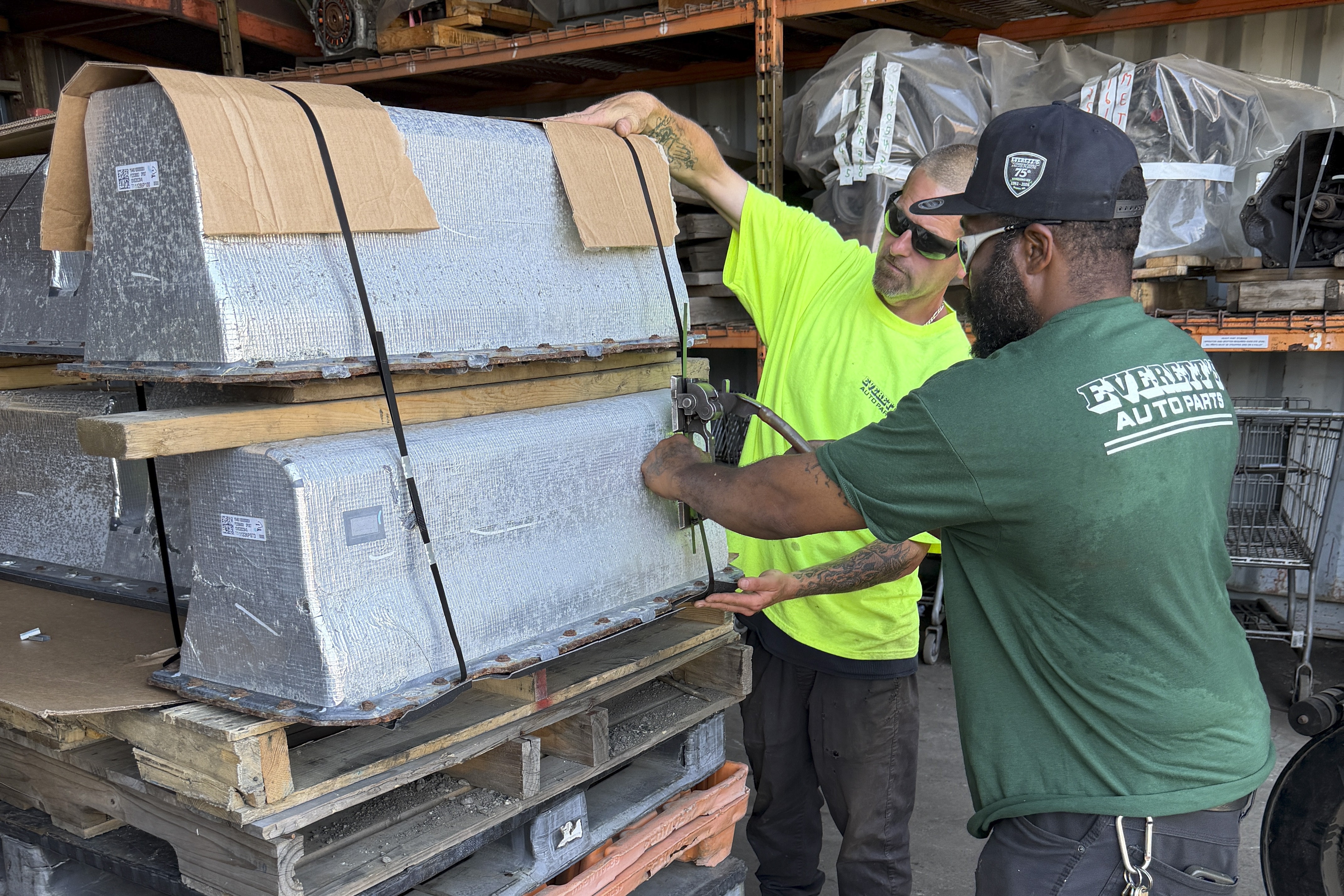
For some electric vehicle batteries, it costs more to recycle them than they're worth. That creates all kinds of problems, which a new Colorado law aims to solve.
Nationwide peoples electric bills are up an average of 30% in the last five years. A big rate increase in Tucson has locals blaming a new data center.
The U.S. may be the world's biggest producer of crude oil, but that's not the case for motor oil. The cost of lubricants is soaring, and even a tentative deal to end the war won't solve the problem.
Oil prices had already fallen quite dramatically on Thursday and Friday in anticipation of a deal. Trump has posted online that the Strait of Hormuz will reopen after the deal is signed this Friday.
The national average for a gallon of gasoline is $4.55, as America heads into one of the busiest travel weekends of the year. What can you do to cut your costs?