
The year 2024 didn't end on a high note for some of the major textile groups. LVMH experienced a decline in sales due to a slowdown in demand, particularly in key markets like China, and a return to more moderate growth after years of rapid expansion. Similarly, H&M reported a 30% drop in net profit in Q3 2024 compared to the previous year, with an overall sales decline of 0.6%, despite its global presence. Meanwhile, last week, Forever 21, once a fast fashion staple, filed for bankruptcy and closed all its US stores.

Despite this challenging outlook for the industry, global fashion and footwear sales are projected to reach €1.9 trillion in 2025, a 4.1% increase compared to the previous year, according to the latest data from Euromonitor. So, what's the catch? Spoiler alert: sticking to the same old strategies certainly isn't the answer.
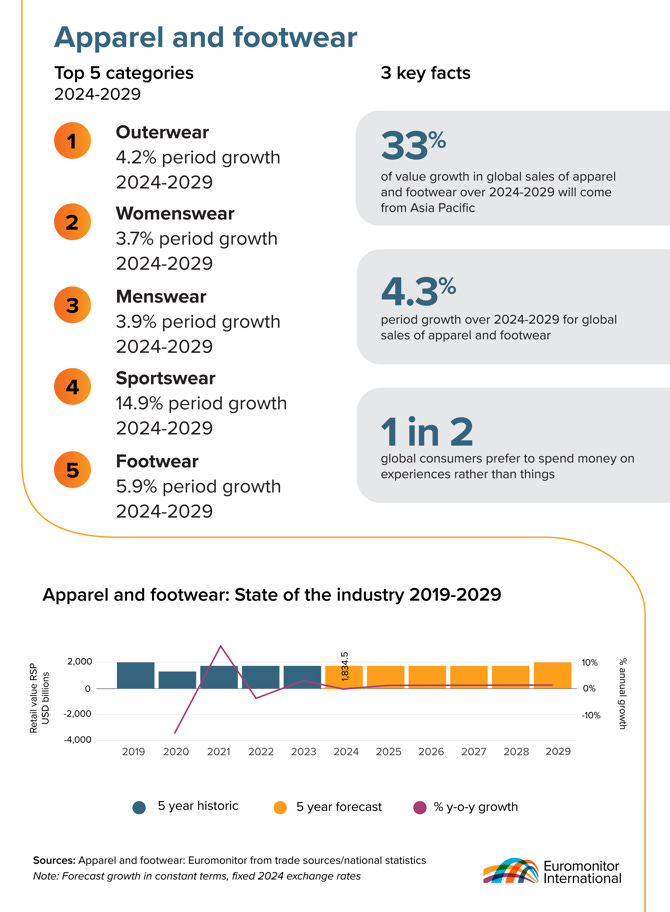
It’s clear that the fashion industry is going through a pivotal moment, where companies need to stay alert in order to identify business opportunities that stray from their conventional revenue models.
Considering the transformative shifts within the industry and the evolving consumer preferences, here’s where we see the biggest opportunities for your fashion business:
Consumers are increasingly prioritizing quality over fast fashion, with many willing to pay a 9.7% premium for sustainable options as they move away from disposable trends. This shift has led high-street brands to introduce premium lines, with some coats now retailing around £1,000, reflecting a focus on superior materials and craftsmanship.
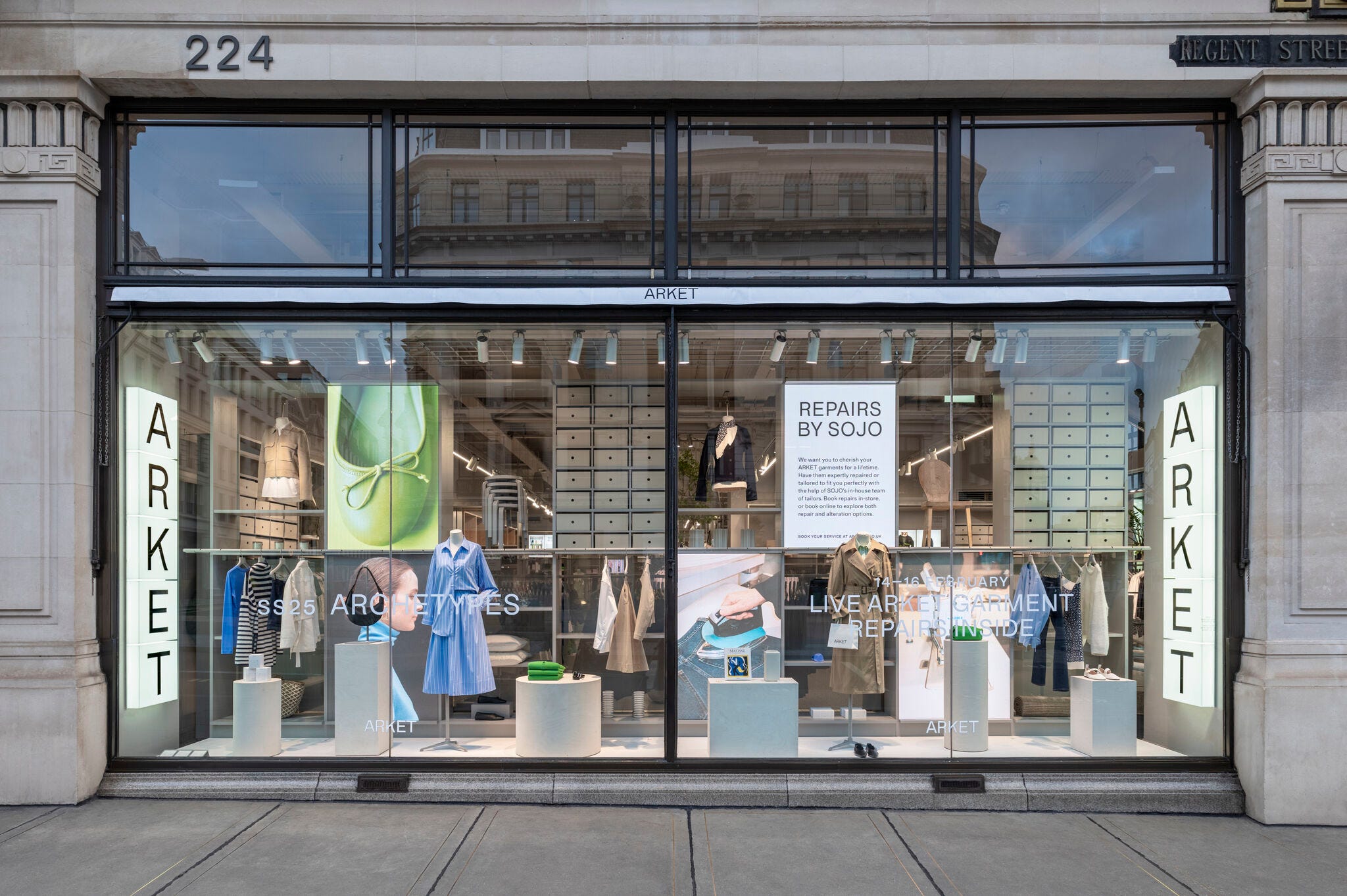
Environmental consciousness is reshaping purchasing behaviors. The global second-hand apparel market was valued at $230 billion in 2024, with projections suggesting it could reach $350 billion by 2028. Other circular alternatives, such as repair services, are gaining popularity, driven by the growth of companies like SOJO, which already offers repairs for brands like ARKET, Paul Smith, or Marks and Spencer.
The Fashion Transparency Index reveals that while some progress has been made, with two out of 250 major brands scoring above 80%, a vast majority still lack comprehensive transparency. Notably, 94% of brands do not disclose the types of fuel used in manufacturing, and 99% fail to report on living wages within their supply chains. Brands that openly share their traceability and footprint are building stronger trust and loyalty among consumers. Furthermore, it is increasingly important to communicate the environmental impact of products. As the Green Claims Directive highlights, sustainability claims must be substantiated with accurate, verifiable data to avoid misleading consumers and to meet evolving regulations.

The chaos caused by tariffs has become a significant challenge in the last few months, driven by measures imposed by the US and the EU. These trade barriers have created an environment of uncertainty and volatility in the fashion industry, forcing companies to adapt quickly to remain competitive. In this context, innovation becomes a key factor in building resilience. Technologies that optimize supply chain traceability and accurately calculate the impact of products throughout their lifecycle offer vital solutions.
Although all these opportunities sound promising, we are aware that implementing innovative measures in a fashion company is not always easy or quick. There are many factors to consider to ensure that the adaptation process is as effective as possible. Here are the criteria your business should consider if it wants to ride the growth wave in the coming months of 2025:
Strategic planning and clear goals. Changes can't be implemented overnight without a clear and quantifiable goal. Ensure you have a roadmap for implementation with specific, measurable objectives.
Investment in technology and innovation. You can't expect to achieve change if you're working with the same resources as before. To succeed, you must invest. Embrace new technologies that optimize processes, enable better traceability, and reduce your impact.
Employee training. It is always much more cost-effective to train your employees than to hire new ones. Equip your team with the knowledge and skills needed to adapt to new systems and practices.
Collaboration with trusted partners. Why try to handle everything internally when there are experts who know exactly how to apply the processes your company needs? Work with reliable suppliers and industry experts to ensure smooth transitions and sustainable practices.
Continuous evaluation and flexibility. Transformation is a long-term process that requires ongoing monitoring, it's not a one-time effort under a rigid strategy. Regularly assess progress and be ready to adjust strategies in response to market shifts and emerging challenges.
At BCome, we are excited to partner with you on this journey towards sustainable growth and success. Together, we can make a real impact on both your business and the world around us. Let’s embrace innovation, adapt to change, and drive positive transformation in the months ahead. We look forward to collaborating and achieving great things together!
Hope you’ve enjoyed this Substack!
Best,
Gema from BCome
Comments
Nothing yet. Say the first thing.
Sign in to join the conversation.