
This newsletter is powered by Tracksuit. Always-on brand tracking built for teams who need to know if their work is actually working. Providing proof to back your strategy.
In this week’s round up….
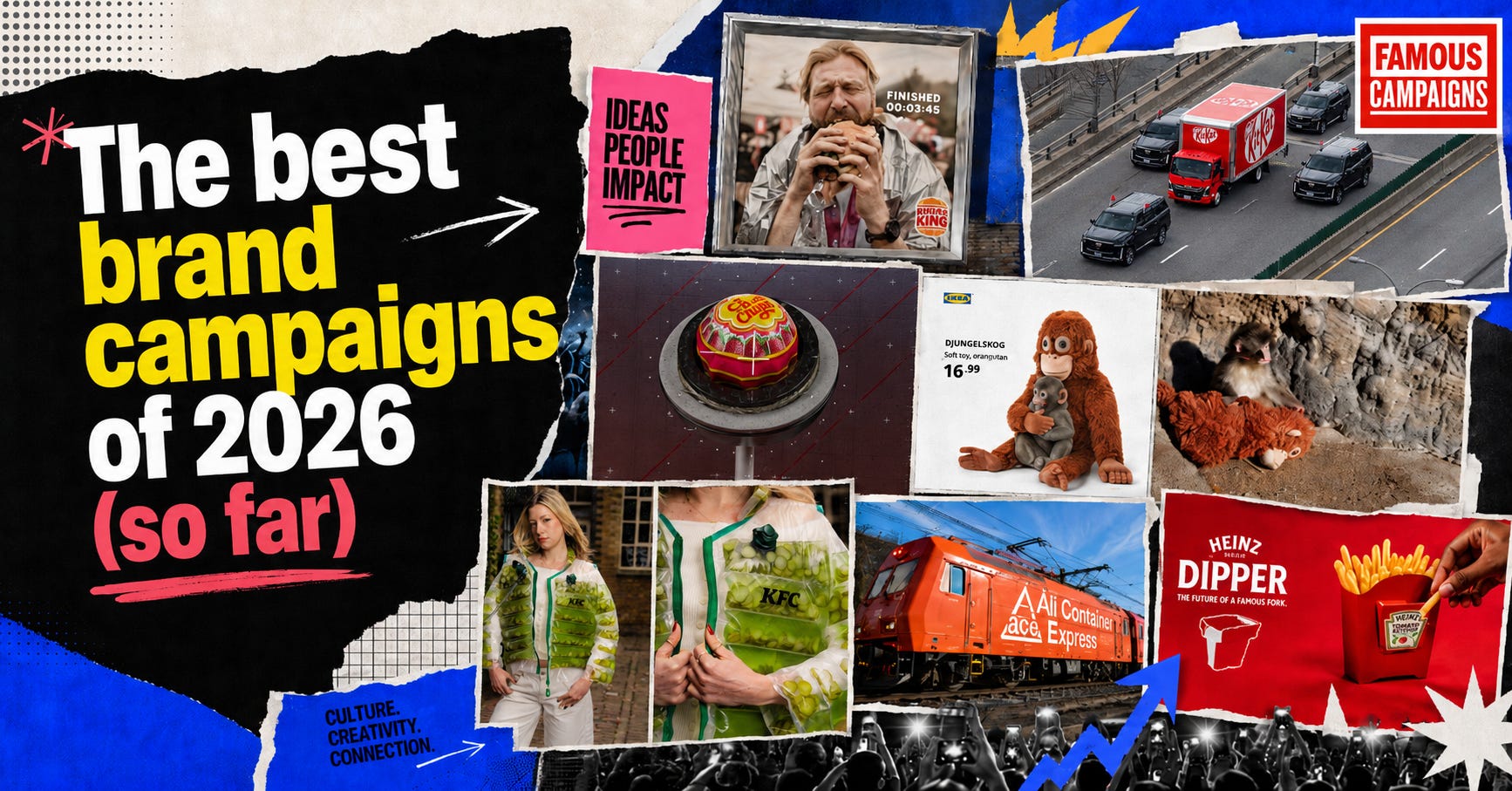
The best brand campaigns of 2026 so far share an unusual quality for an industry built on ads: a lot of them aren’t really ads. They’re products, packs, stunts and installations — things you could pick up, walk into or photograph, rather than things you endured or skipped. The work that broke through in the first six months left the glossy films and shiny shoots to everyone else. Read the report here.
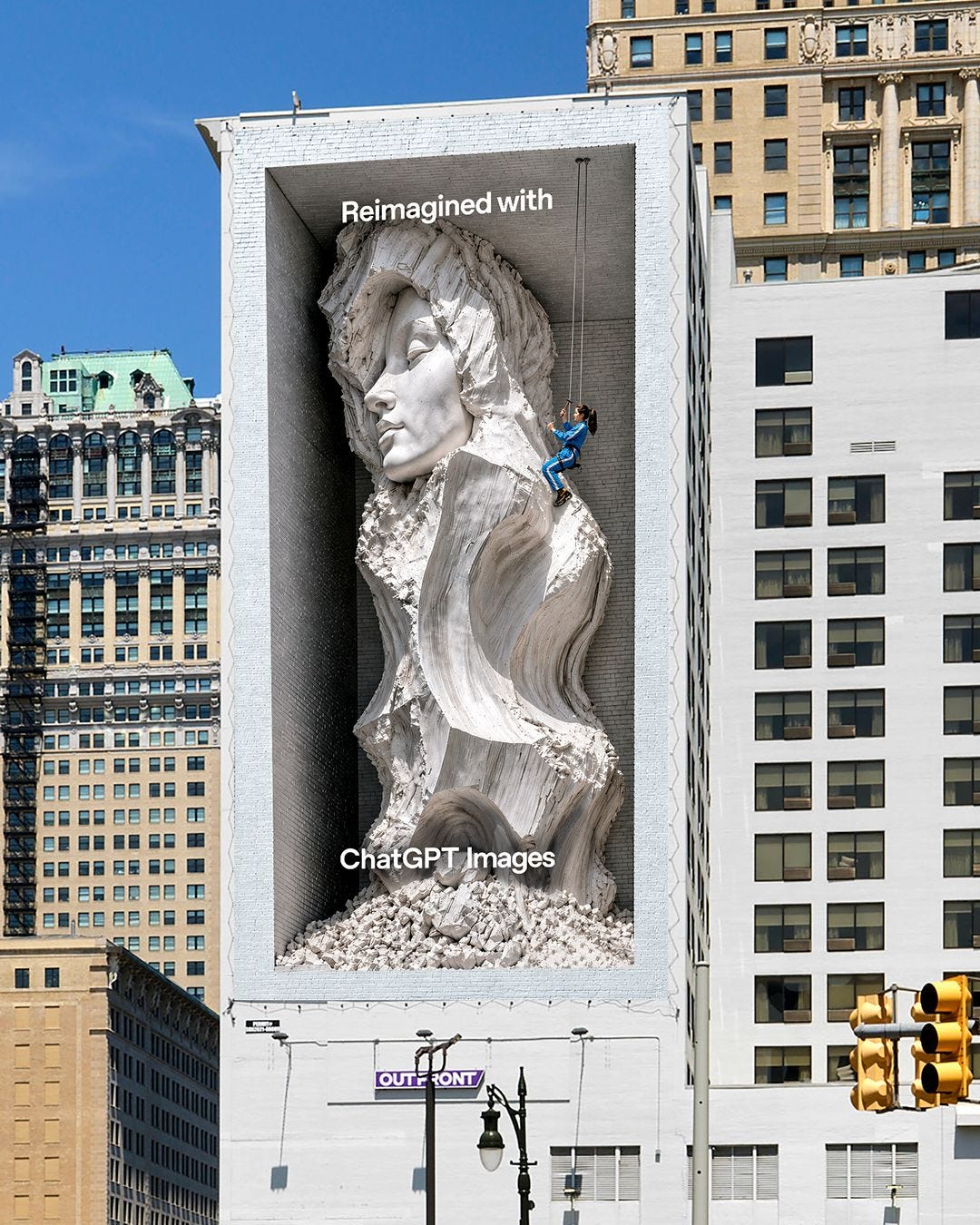
The LLM has taken its image generator outdoors with a trompe-l’œil out-of-home series, “Reimagined with ChatGPT Images,” running on phyical sites in Detroit, New York, Chicago and Los Angeles.
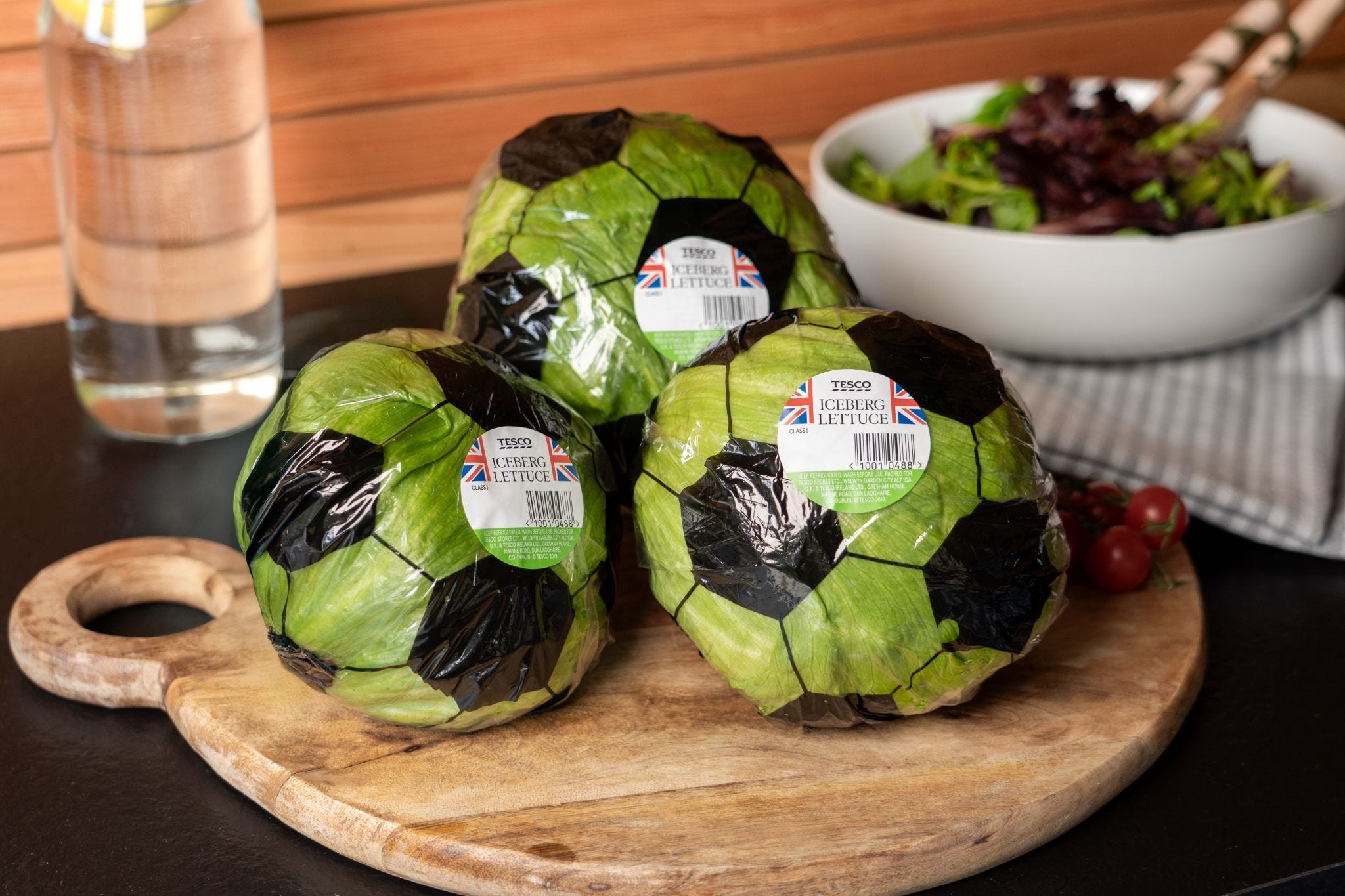
Tesco has given Iceberg lettuces a football makeover — connecting a healthy product to one of the year’s biggest sporting moments. More about it here.
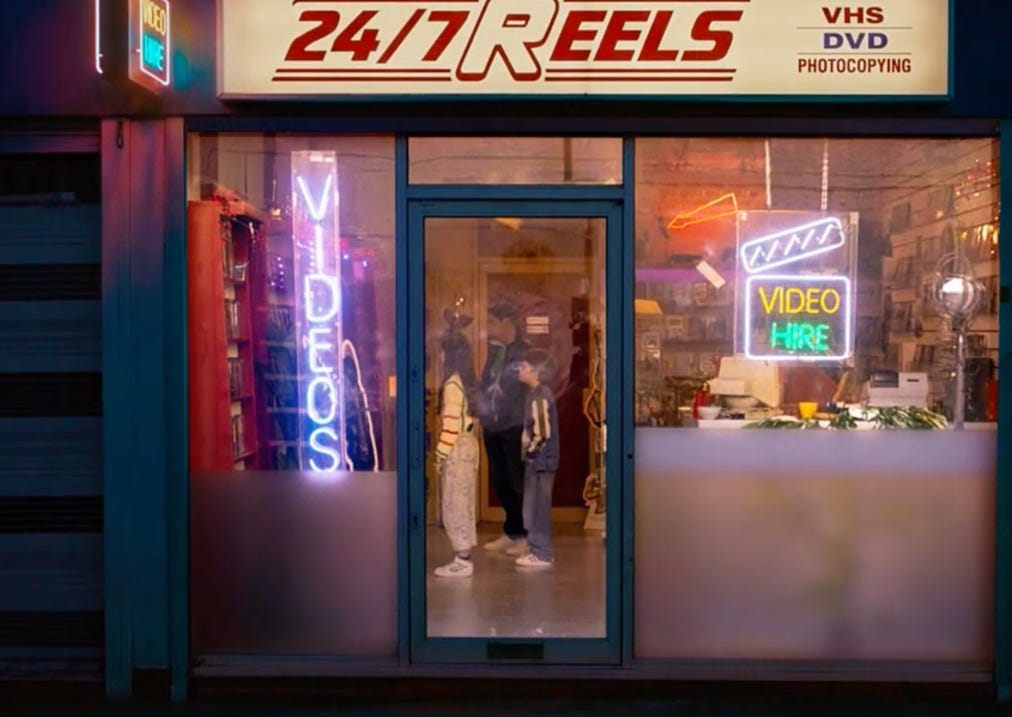
Smartphone Free Childhood rebuilt a working 1990s video shop in Slough, then turned it into an important question about kids and phones.
Partner post
Few film studios inspire the kind of devotion that gets people buying the merch — caps, jackets, the lot (see also: Marty Supreme). A24 is the exception. For a production company it has a startlingly well-defined brand: Letterboxd obsessives, auteur directors, “film not movies,” and a line in gleefully strange merchandise. It is also, a billion-dollar business.
And it just set a record. Backrooms, the horror film, became A24’s highest-grossing release ever — the first to cross $200 million, now north of $210 million worldwide and still climbing, on a $10 million budget. It was directed by 20-year-old Kane Parsons, hired off the back of his YouTube series — making him the youngest director to top the North American box office.
Tracksuit data says the perception matches the reputation.
Amongst people aware of the brand, A24 leads the category with the statements “Is passionate about what they do”; “Is really on the way up”; “Is a trendsetter”; “Is unique”; and “Is innovative”.
The brand does better amongst the 18 to 34 year old age group. When filtered by that demographic, Awareness increases from 19% to 28% and Consideration from 16% to 21%.
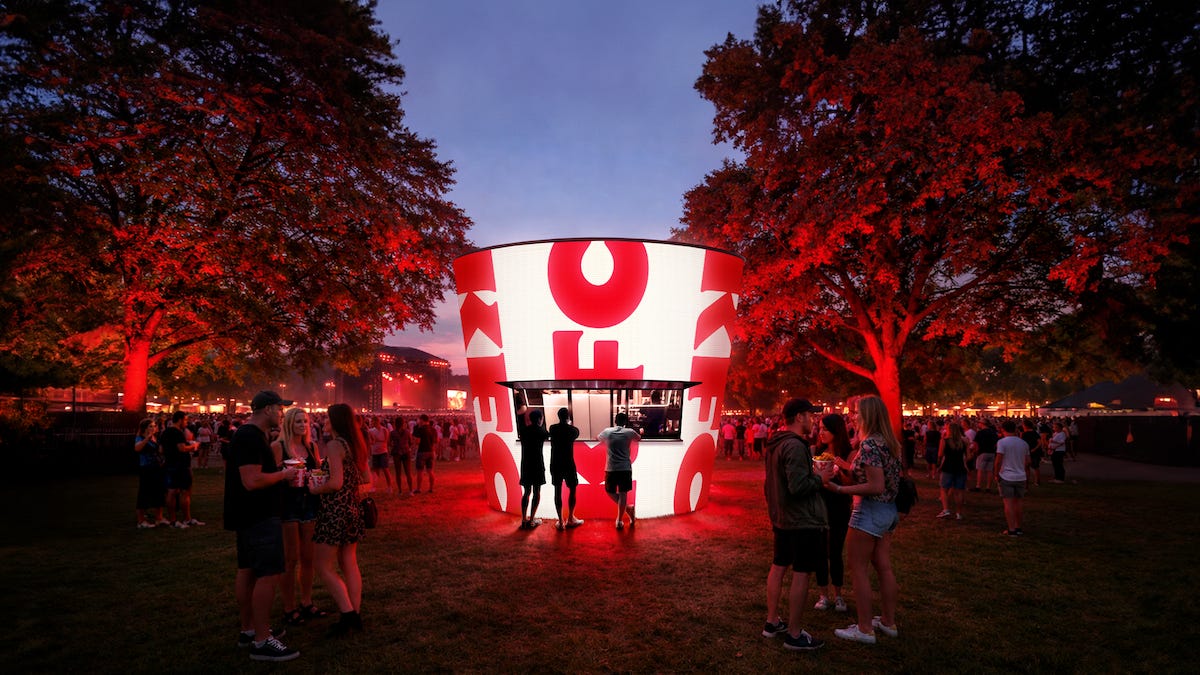
The new identity treats it as the organising idea for everything, from a 3D logo to a refreshed Colonel and two custom typefaces.
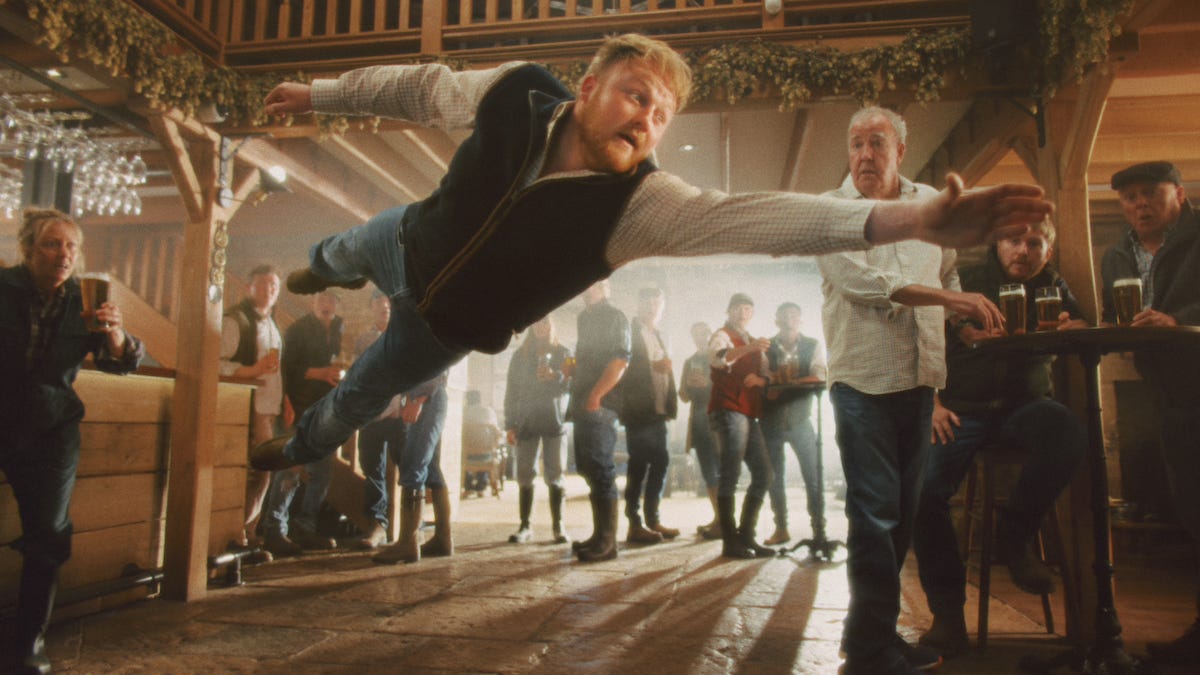
Hawkstone aired their first ever TV ad this week just before England kicked off their World Cup campaign.
🤯 The wildest LinkedIn story of the year? A guy ignored a cold message and nearly missed the World Cup. So Cape Verde message Roberto Lopes out of the blue, asking him to come play for them. He takes one look....it’s in Portuguese — assumes it’s spam, and doesn’t reply. Fair enough, we’ve all done it. Nine months later, they try again, this time in English. He finally runs it through Google Translate. Turns out it was a genuine offer to play international football. And on Monday? Lopes lined up for Cape Verde as they held mighty Spain to a 0-0 draw on their World Cup debut. So next time you’re about to ignore that random InMail... maybe give it a read.
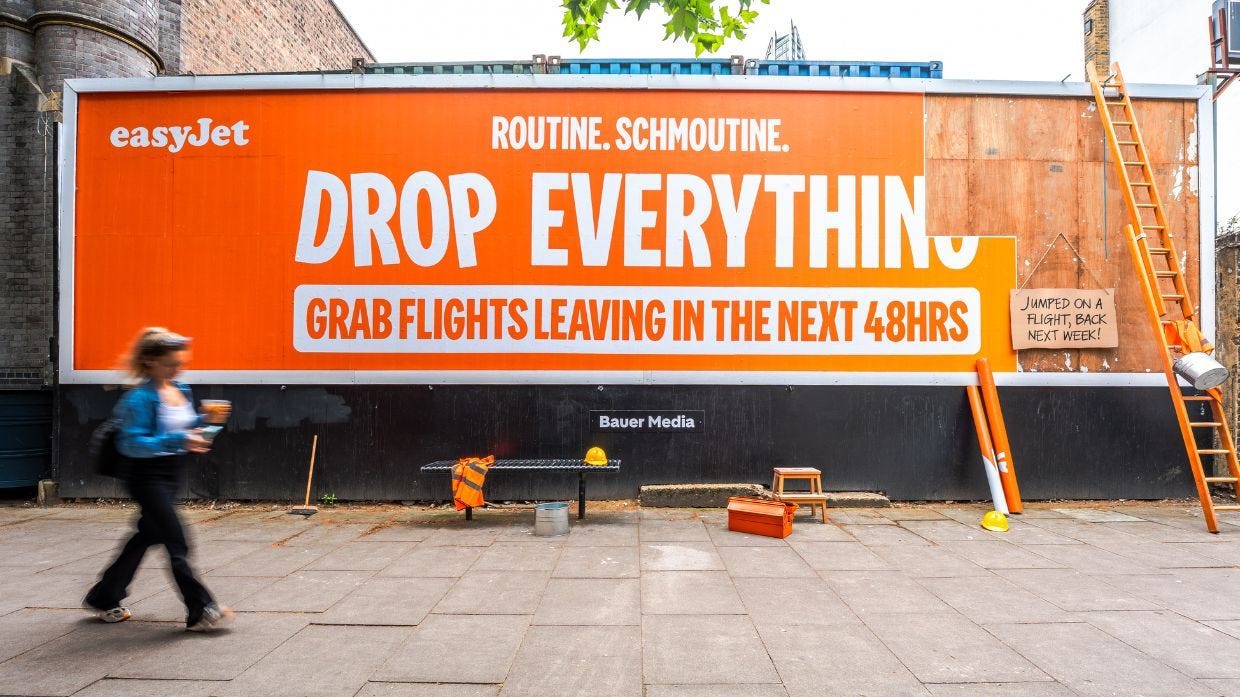
as part of ‘Drop Everything’ push for last-minute travel
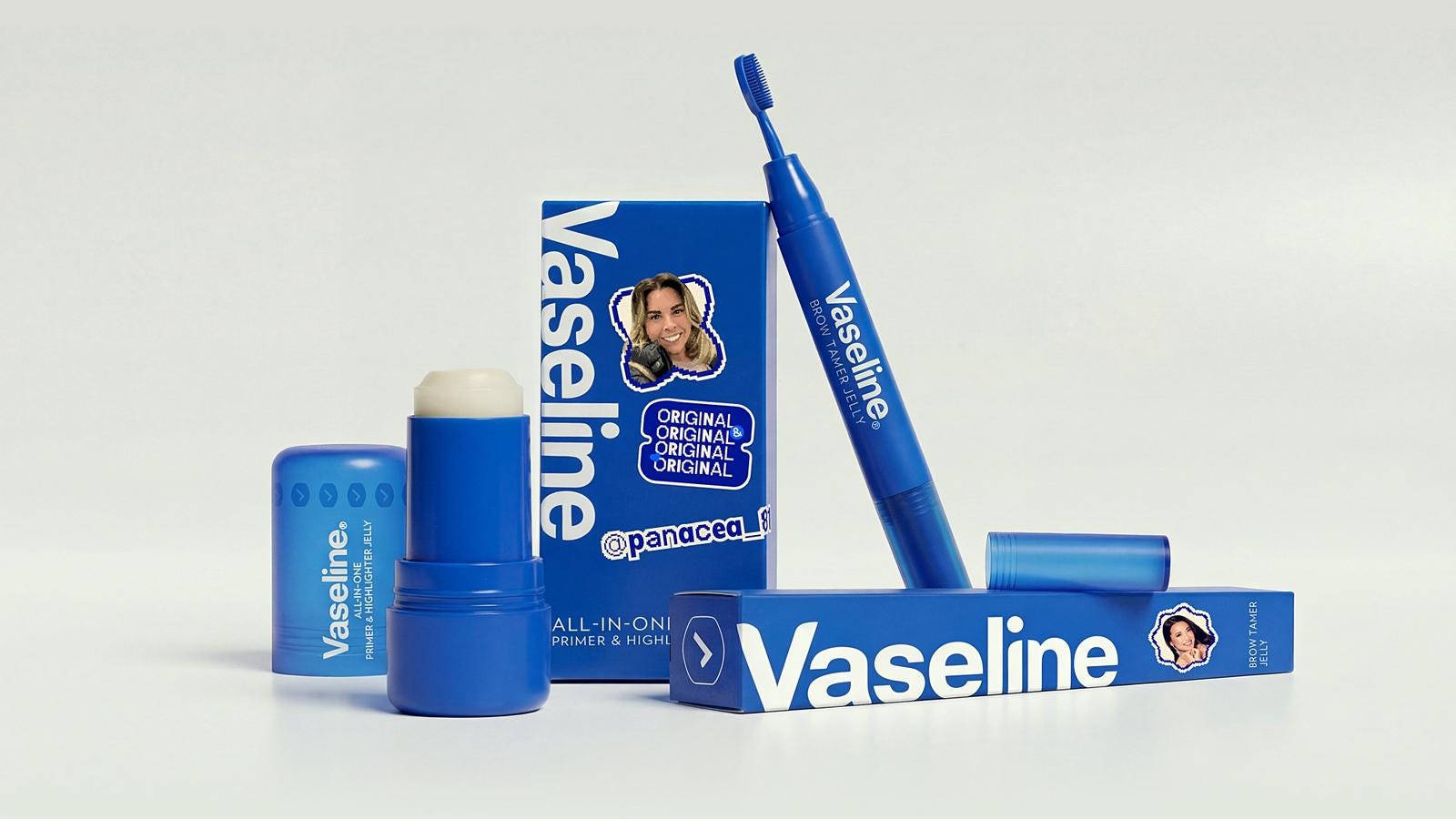
Beauty trends are increasingly written by everyday creators rather than brands, and Vaseline decided to formalise that shift. With Ogilvy Singapore, the Unilever brand turned verified viral hacks into a real product line, Vaseline Originals, and publicly credited and rewarded the creators who originated them. Read it here.
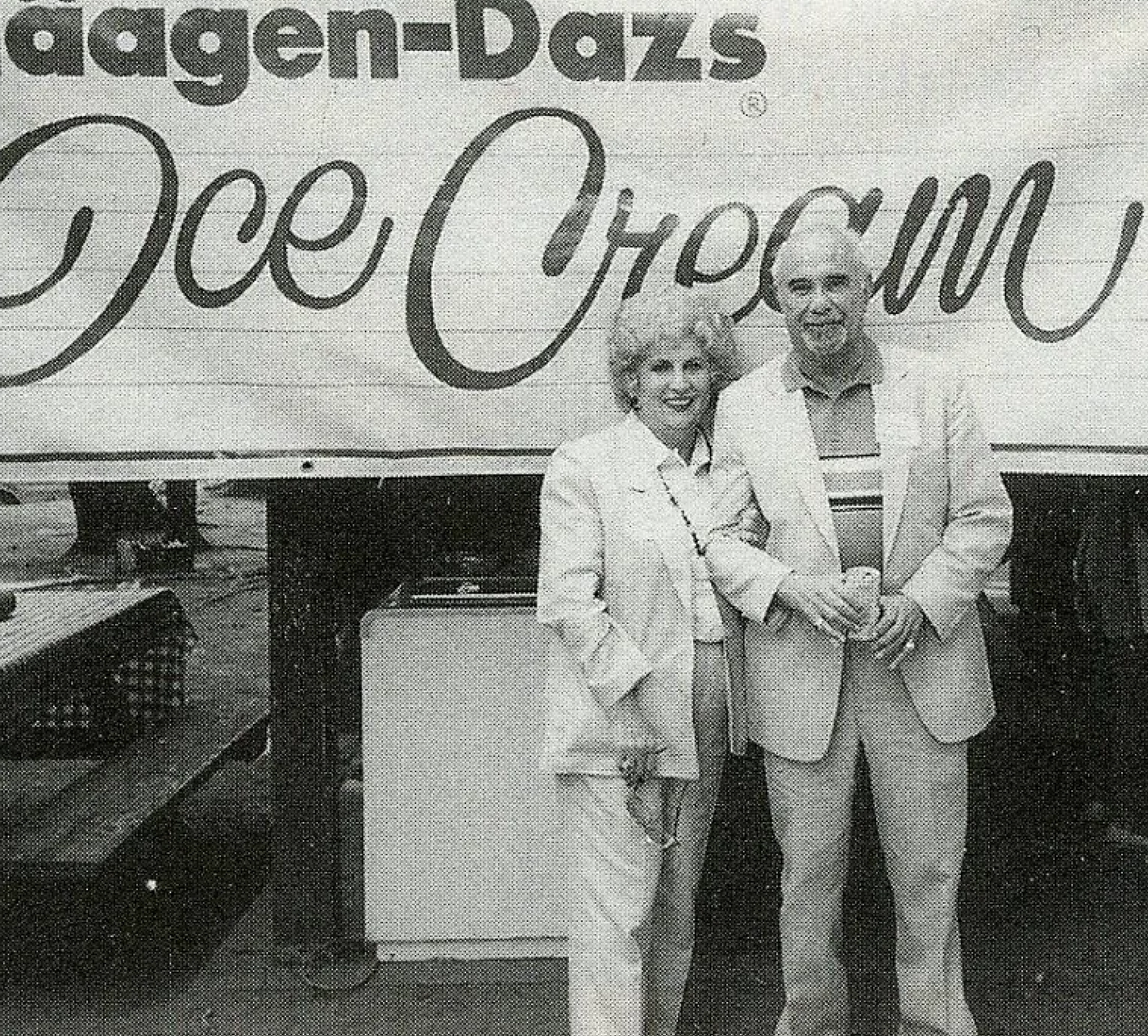
🤓 Brand lore: Häagen-Dazs is from the Bronx. Reuben Mattus, a Polish-Jewish immigrant who’d sold ice cream off a horse-drawn cart, wanted a name that sounded imported and expensive, so in the early 1960s he sat at his kitchen table reciting gibberish until he landed on something Danish-ish. The catch: the word means nothing in any language, the umlaut over the ‘ä’ doesn’t exist in Danish, and neither does the ‘zs’. Early cartons carried a map of Denmark anyway. He later admitted the umlaut was there purely to catch the eye.
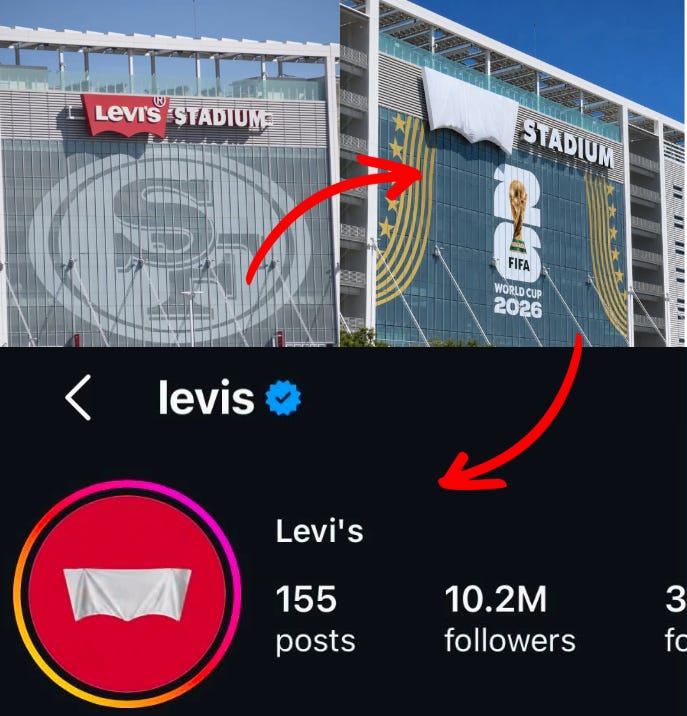
💡 Idea of the week: Levi’s was required to cover its name on Levi Stadium during the FIFA World Cup - so here’s what they did.
partner post
Empower your teams with AdForum’s Creative Library and access award winners at Cannes Lions, ANDY’s, Clios, D&AD, LIA, One Show, FAB Awards, Eurobest, EPICA, +++. Take a test drive here or contact us for more info.

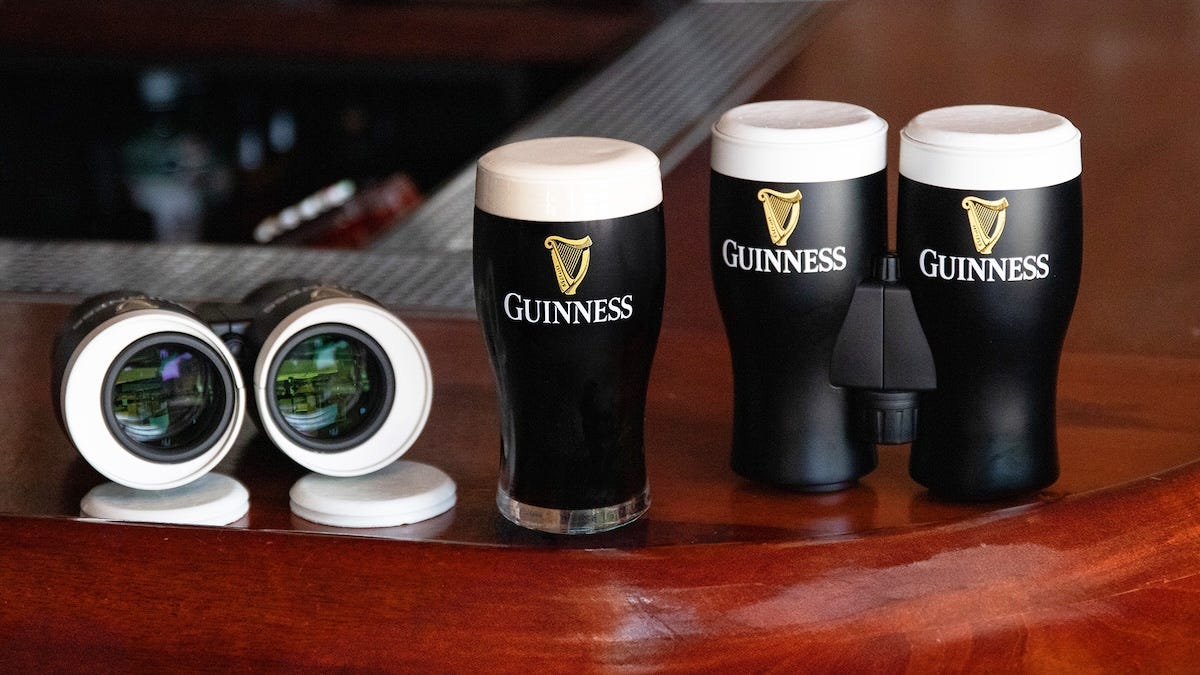
Guinness Binoculars, have been created for supporters who want to catch every moment of the game, whether they are watching from the upper tiers of a stadium, across a busy pub or from the sofa at home.
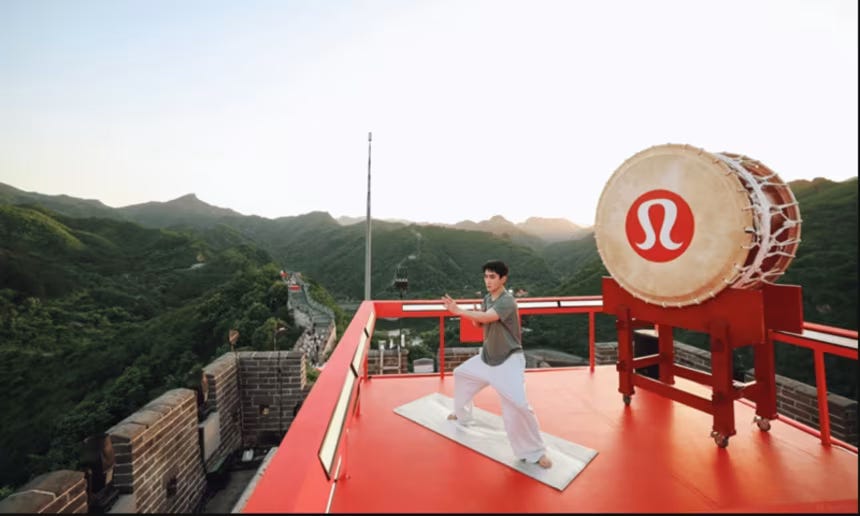
Lululemon staged a yoga festival on the Great Wall on 30 May to celebrate Chinese culture — then apologised for it. The drum played by actor Zhu Yilong looked less like a Chinese instrument than a Japanese Taiko, a charged mix-up given the two nations’ history. The row drew 50 million-plus Weibo views. Lululemon cited “limitations in our professional knowledge” and scrubbed the campaign. via CNN
Every June the Reuters Institute surveys roughly 100,000 people across 48 markets and tells the news industry how its house is doing. The news industry then spends a fortnight being sad about it on LinkedIn. This year’s edition is worth more attention than the usual hand-wringing, because the thing that’s changed isn’t really about journalism. It’s about distribution — and distribution is the entire business PR is in. Here’s a summary.
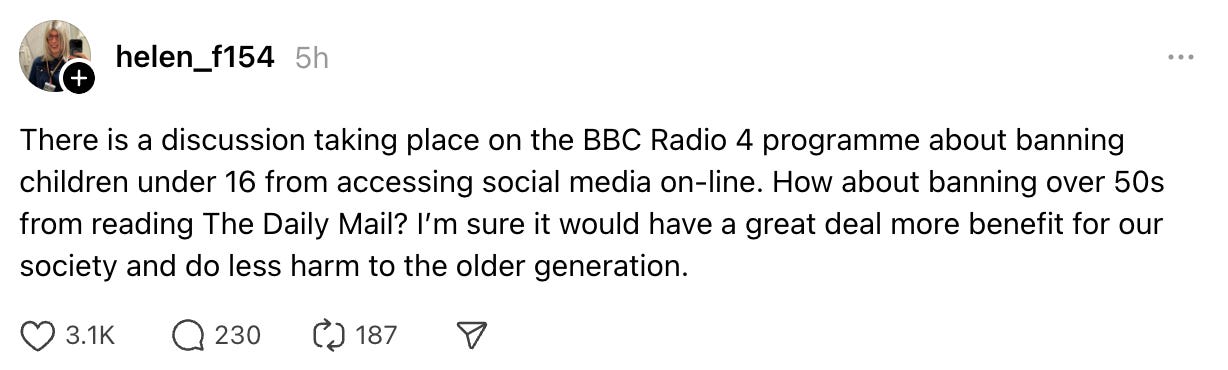
YouTube - has pushed back against the UK government’s decision to include the video platform in its planned ban on social media access for under-16s. The company argues that YouTube serves a different role to traditional social networks, pointing to its use for education, learning and skills development. Ministers have nevertheless confirmed that YouTube will be covered by the proposed restrictions, which are due to come into force in 2027.
Brands - are expected to cut more than £1bn of digital advertising spending due to the UK’s ban on social media for under-16s, with streaming services tipped to benefit as advertisers try to reach large audiences of teenagers (The Guardian)
Korea’s fake shops, real dopamine. A trend out of South Korea: “dopamine sites” — apps that replicate online shopping in full, minus the buying. You browse, read the reviews, fill a basket, enter an address and hit order, then watch a courier set off across a live map toward your door. Nothing arrives. Nothing is charged. The premise is sound behavioural science: the hit comes from the ritual — the browsing, the anticipation, the press of “order” — not the parcel. Squeezed by the cost of living and stalked by ads, young Koreans use them to scratch the itch for free. The catch, experts warn, is that it still feeds the loop that makes shopping compulsive — it just removes the bill. The habit survives; only the spending dies. (source: Vice)
EA wants brands in the game. Electronic Arts has launched EA Advertising, a platform for selling ad space inside its games. The pitch is reach: EA says it drew more than 120 million players a month last financial year, with over a billion EA SPORTS FC matches monthly. Brands get dynamic placements served into the 3D environment — ad boards, scoreboards, broadcast overlays — plus custom integrations and branded “vanity items,” all running on a new ad server
Google Earth - grows wings. Google has added a flight simulator to the browser version of Google Earth. It rolled out on 12 June and needs no download — you open Google Earth on the web, find it tucked in a menu, and fly over the streamed 3D terrain with a keyboard and mouse. Google flags it as experimental, with simplified physics built for casual exploration rather than proper flight training — so it won’t trouble Microsoft Flight Simulator. But as a way to buzz your own street from a thousand feet, it does the job. Try it.
GoPro - has issued a stark warning to investors after auditors raised doubts about the company’s ability to keep operating over the next 12 months. Facing falling sales, mounting losses and debt pressures, the former action-camera darling is exploring financing, restructuring and potential sale options.
Ariana Grande - has asked the White House not to use her music, after it did so in a social media video promoting its immigration policies.
Yum! Brands is selling its struggling Pizza Hut chain in a deal worth $2.7bn (£2bn), the company has announced.
LinkedIn - now lets you comment with GIFs!

Comments
Nothing yet. Say the first thing.
Sign in to join the conversation.