
Hello and welcome!
The Like a Chef Substack is a place where we can get into the details of what it means to cook like a chef: the technique, the science, the recipes. It’s also where we can peek behind the curtain of restaurant life, what really matters to us in working in this industry and discussing the questions that often get thrown our way.
This is one of those times, so thank you for joining us.
Jack & Will
About two weeks ago, I sat down at FOWL with Ben Lippett (chef, food writer, and mate of ours) for our first ever Substack live. We spoke all about staging (a short-term, unpaid stint in a professional kitchen) and reflected on our own stagiaire days: unveiling the good, the bad and the ugly.
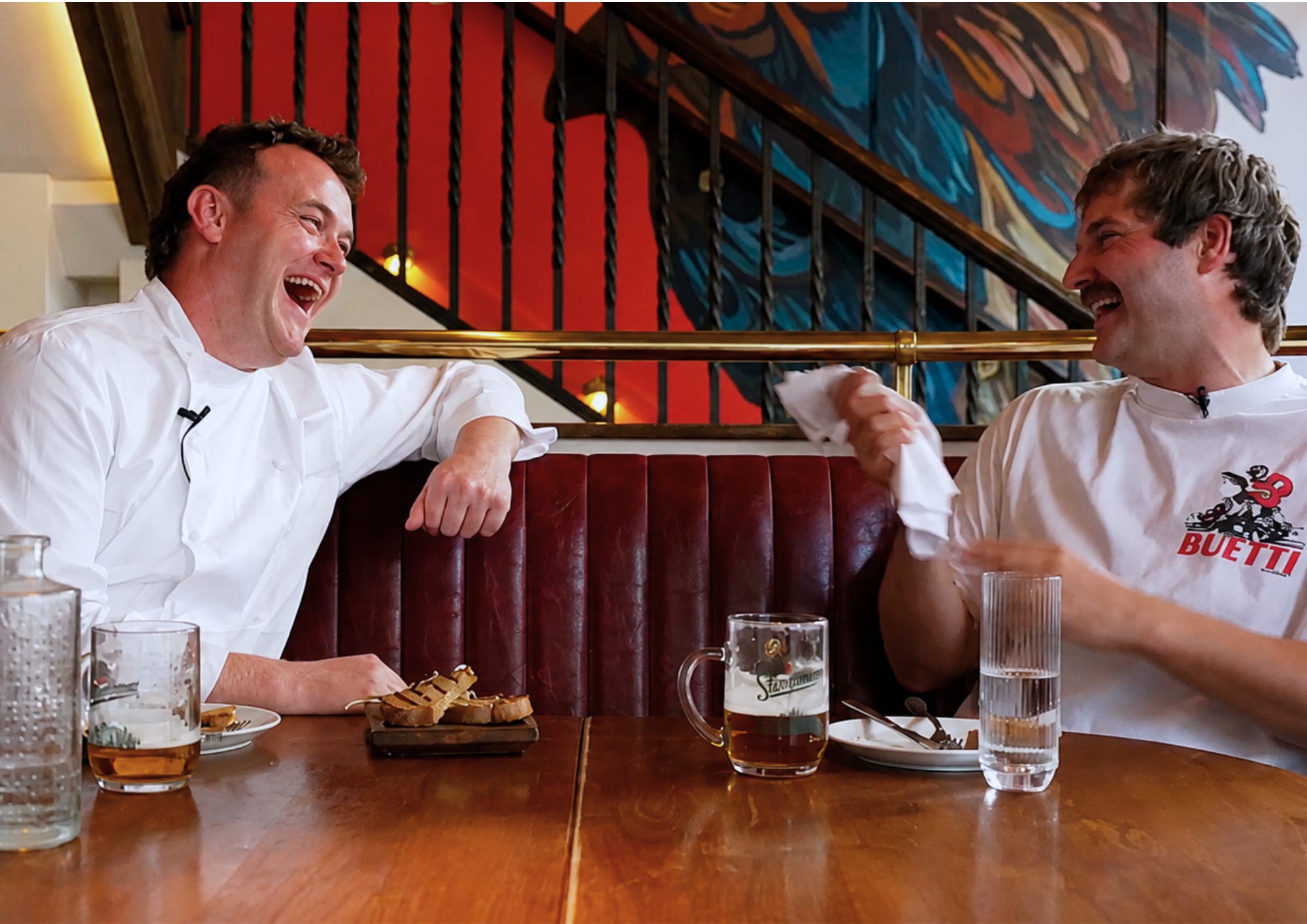
If you missed it, here’s what we covered:
Staging: for the novice
Staging is great because it essentially functions as a free trial: you get to give professional cooking a go before diving in head first. I can’t think of many other industries in which you could do that. I would have loved to get a free pass at being an astronaut for a week, but I didn’t fancy getting a degree and training for years just to see if I liked it.
Being a chef is a difficult job for many reasons, and one of them you probably wouldn’t think about unless you’d actually done it is the physical toll it takes on you. It’s a lot of hours on your feet, it’s a lot of heavy lifting, and all on not nearly enough sleep. You have to get used to operating on a level of exhaustion you’re just not used to. For a lot of people, that’s a barrier — but they wouldn’t know it unless they’d been through it before.
As a stagiaire, you’re likely to reap some cherries on top too. At Fallow, we always give a free meal to anyone who’s staged with us for more than three days. Ben told me that he saw something similar when he was staging at Elystan Street in Chelsea, where a chef who had just finished a week-long stage was sat down and received a four-course Sunday lunch. Not too shabby.
Staging: for the chef
If you’re already in the industry, a stage is an invaluable opportunity to get a peek at how a kitchen different from your own operates. It’s work experience that boosts your skill and your creativity, and gives you a window into a restaurant which can end in you being offered a job.
The goal of a stage really is to learn, so if you’re spending eight hours picking herbs and then going home, you’re doing it all wrong. There’s essentially a whole ocean’s worth of cooking techniques and recipes and approaches out there, and if you spend your whole career in one kitchen, you’re tasting a drop’s worth. When you sign yourself up to a stage, you have the opportunity to widen your peripheral vision — which is basically two-thirds of the way there to being a great chef.
It’s important that you have enough time to decompress at the end of the day and write stuff down. Almost every time I’ve cooked alongside someone new, or in a new place, I’ve picked something up that’s shaped the chef I am today. So ask as many questions as you can and make sure to be engaged in what’s going on around you. There’s so much to be learned, and you’ve got nothing to lose (other than a few days off). Go do a stage, have a blast, learn a load and watch your cooking naturally improve.
Staging: the prep beforehand
Choosing where to stage is probably the most important decision you can make. Firstly, get out of your comfort zone. If you’ve always cooked French food, don’t just go to your local French restaurant. Go somewhere where you’re almost a blank canvas; then, when you do your second stage, aim for something just as left field so you get maximum variety.
Once you’re set on the where, decide on the length of your stage. From my experience, it’s going to take you the whole of your first day just to learn where everything is. You’ll finally figure out how the KP wants the chopping boards and pans stacked and then it will be handshaking and thanks for today Chef. It depends on the size of the kitchen, but 4 days would probably be the ideal. One day to get your bearings, one day on cold larder, a day on grill and a day on pastry.
With what to bring, keep it simple. Don’t listen to anyone who tells you to go out and buy 10 different knives just to look the part (and, let’s be honest, who on earth can afford that?). All you need — whites aside — is a sharp chef’s knife and a good attitude. It’s ok if you’re not sure about whether you see a future in the kitchen, just make sure you treat the stage with the same level of seriousness that you would if you were. Show up on time, show commitment, show interest. That’s all you need.
Our staging nightmare moments:
Prepare yourself to have some moments you’d rather not remember. Every great chef has made a fool of himself at some points. Ben shared a hilarious (though unfortunate) moment with me where he was having a rough day during a stage and walked out whilst on the phone to his partner talking shit about who had pissed him off, what was rubbish, and so on. He turned around and realised that the Head Chef had been right behind him. Not ideal.
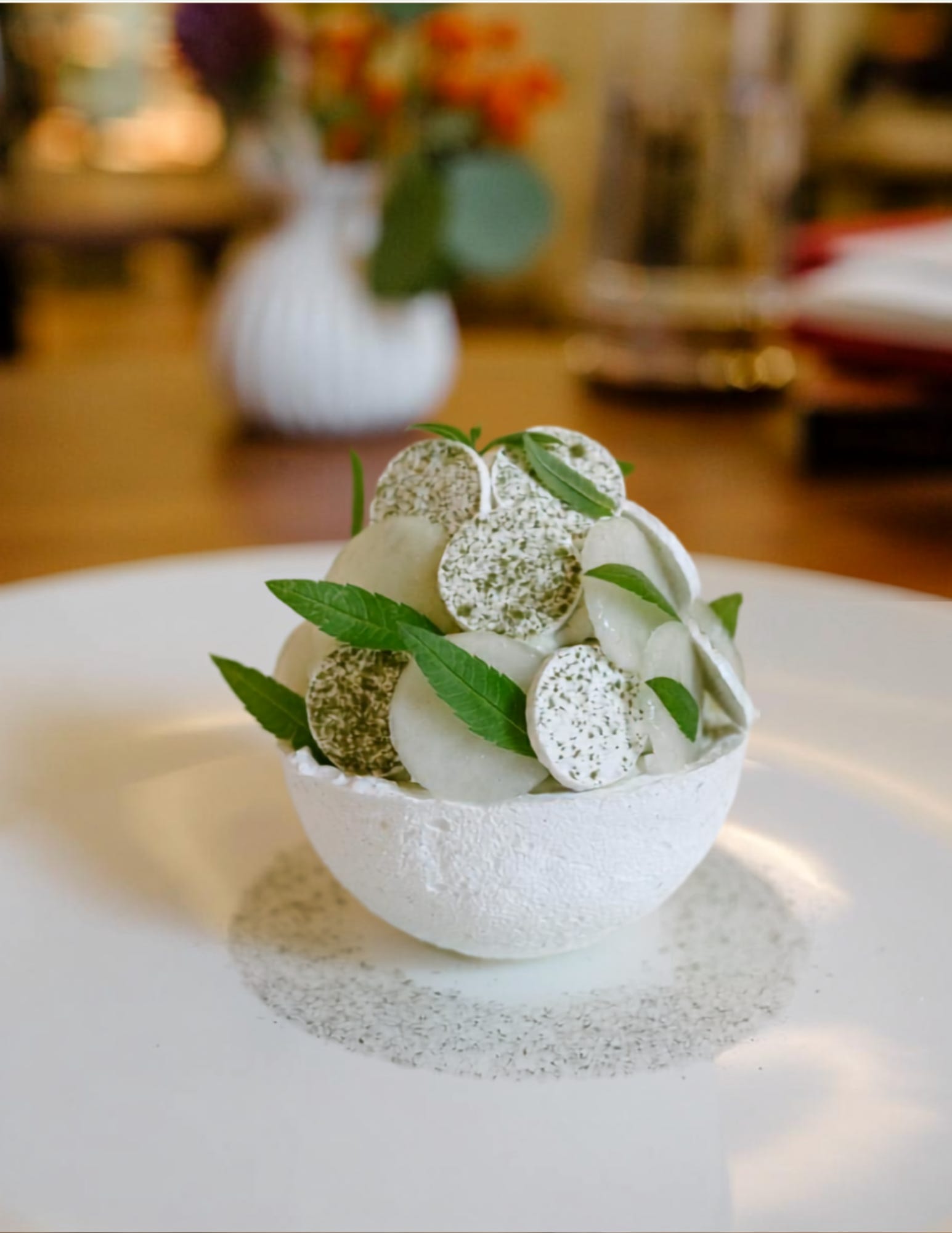
I commiserated with my own horror story. I was staging at Core, and I had to take a tray of pavlovas down four flights of stairs to where Clare Smyth was plating them. It was such a beautiful dish: a hollowed out half cylinder shell filled with creme patisserie, with a ball of pear sorbet in the centre and pear discs and lemon verbena leaves all around. Gorgeously intricate, but a recipe for disaster with my butter fingers. I hadn’t fucked up yet and I was so close to the end of my stage. I was about 3 steps away from Clare, almost at the point where I could let out a sigh of relief, when I looked down and saw the meringues start to wobble. They started to shake. Seconds later, 3 of them were splat on the floor. I wanted the ground to swallow me up.
Thankfully, embarrassment doesn’t last forever, but the lessons you learn from staging do. What more is there to say other than everyone should be staging more! Check out Ben’s new series on YouTube for an insider view, and if you’re stuck on the where, there’s always a space in the Fallow kitchen (send an email to talent@fallowrestaurant.com). See you there, chefs.
Thanks for reading!
Jack & Will
youtube: @fallowchefs
instagram: @fallowchefs
tiktok: @fallowchefs

Available for iOS and Android
Comments
Nothing yet. Say the first thing.
Sign in to join the conversation.