

MGMT playing Kids at a small uni party before they were famous. Sorry for getting the song stuck in your head all day now.
The best soccer analytics podcast on the net.
Pinker on swearing.
Shako on why he doesn’t like data science.
How a fantasy writer increased her writing volume.
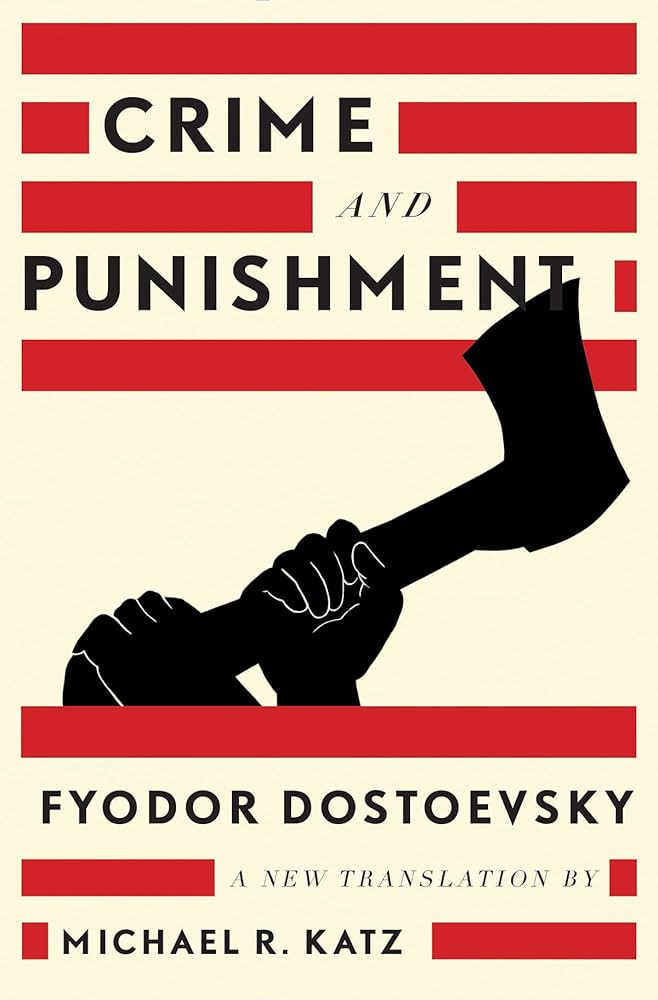
We did a three part series on Crime and Punishment. It was one of our better discussions and probably gets better each episode as we understand more the book.
Lots to chew on: the extraordinary man thesis vs Neitsche’s ubermensch, Dostoevsky’s trad-ness, psychological breaks and self-deception, parallels between Raskolnikov and Svidrigailov, and whether this book is actually missing a third section.
It’s fairly accessible as Dostoevsky goes. I’d recommend to try Notes from Underground first due to the size. And then, if you like it, jump straight to Crime and Punishment. Save Brothers Karamazov for afterwards as it’s sort of a synthesis of all his works.
I think the translation matters which I mock Benny in our third ep. I’d recommend Katz or Ready: Both very readable (but accurate) versions published over the last decade. Other common options: Constance Garnett is cool but you’re reading (sometimes abridged) Victorian prose. Purists like the tag team Pevear and Volokhonsky as they closely capture the original Russian but this makes the sentence structure in English clunky.
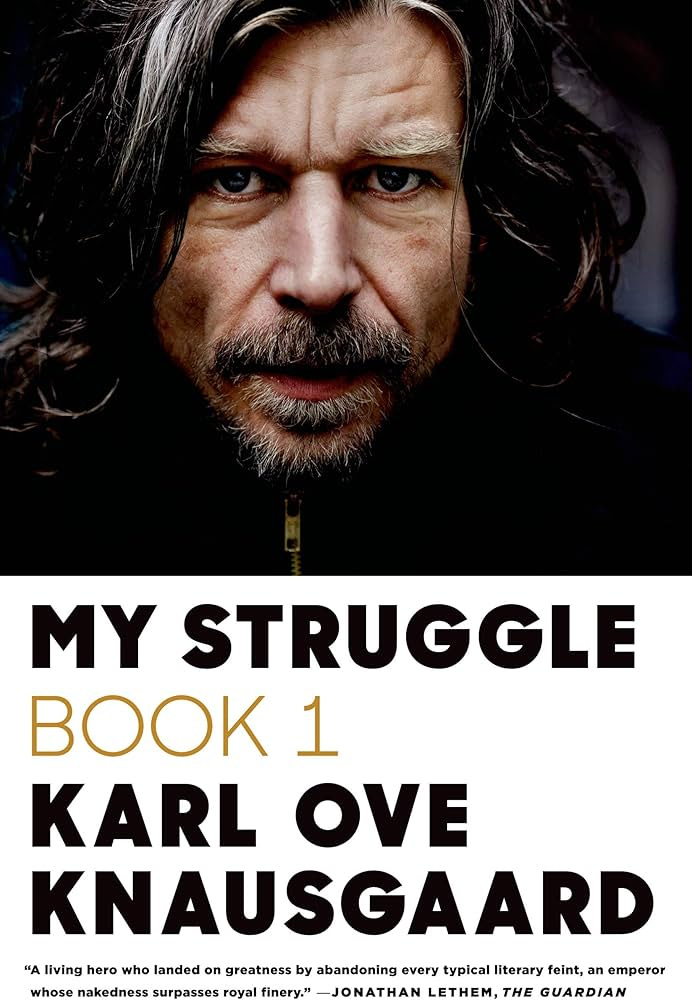
It turns out it’s actually pronounced Kih-nowz-gord. This breaks my brain for the English Premier League footballer Erling Haaland. I think he may have officially anglicised his name so we don’t need to worry about being that guy.
The book club wasn’t totally sure what we thought about the book. We thought it’s good. Maybe even great. There’s this paradox where his prosaic prose can be both boring and engaging.
We cover childhood vignettes and the memorable scene where an adult Karl Ove and his brother venture to their grandmother’s home, the site of their father’s death, and encountering mess, mould, hundreds of empty liquor bottles and a grandma that smells like urine.
There seems to be something about juxtaposing incredibly meaningful parts of his life - his father’s death - next to drearily mundane moments which most writers leave out.
We also try to understand Knausgaard’s project.
It seems to be about sincerity. The relationship with his father. Always wearing a mask. Resenting the busyness of parenting and every day life. He’s removed all filters but this includes detailing mundanities. His mother preparing seafood. Setting up his electric guitar. Making a coffee.
Speaking of coffee, I liked his (mediocre) band’s name Kafka-trakter (kaffetrakter is Norwegian for coffee maker).
We read Ted Chiang’s Understand (podcast discussion) from A Story of Your Life and Others. The boys make fun of me for not having read his entire corpus.
Understand is about the effects of runaway increasing intelligence. A bit like Flowers for Algernon. It was fun to talk about Chiang’s prescience of the AI risk debate, Deutschian universality, and the role of chunking in memory and comprehension.
We also read Anton Chekhov’s The Little Trilogy (podcast discussion). Three tenuously related stories from the master. Gooseberries (PDF) was my favourite, especially paired with George Saunders’s essay in his A Swim in the Pond and the Rain. Here are PDFs for A Man in a Case and About Love.
I’ve been reading a bit about Ancient Rome. After doing Carthage (ie Punic) wars a few months back, I’ve been reading around the transition from Republic to Empire.
There are some decent pop books but, if I’m being honest, I’d recommend HBO’s Rome TV series above them. I’m not sure what streaming service it’s on but you can find it on Piratebay. The first season covers the rise (and fall) of Julius Caeser. The second covers the rise of his grand nephew Augustus.
It’s a good watch in and of itself (Ciaran Hinds is an excellent Caeser) but I think infovores should treat historical TV shows more as a learning opportunity. Make some Anki cards with the pictures of the characters and some key events. Supplement it with LLMs if you need to. I’d also recommend making Anki cards of historical paintings of the major events in Ancient Rome.
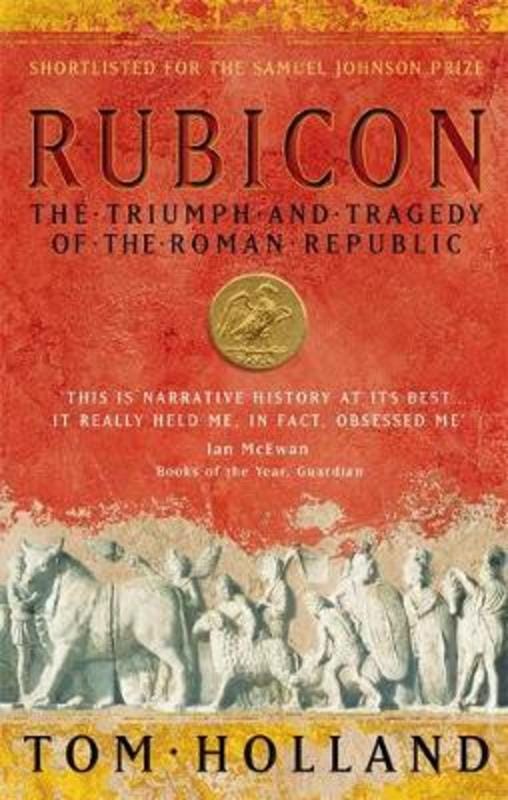
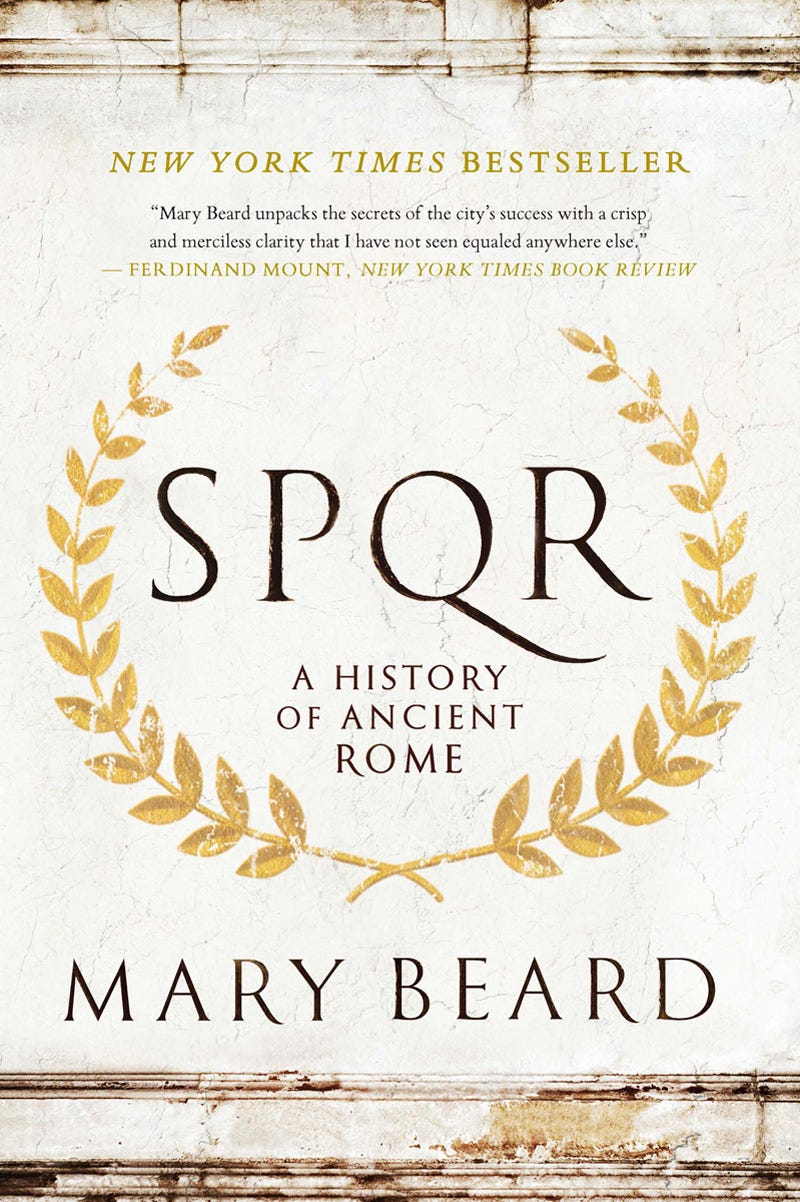
Then you can try out some of the books and you already have who’s who down. Anyway, out of the pop books, I’d rank them: Beard’s SPQR, Holland’s Rubicon, and then Duncan’s The Storm Before the Storm. But I’d read them in a cluster and jump around the bits of interest. I enjoyed Goldsworthy on Carthage so I’m sure his stuff on this period is good too.
No posts
Comments
Nothing yet. Say the first thing.
Sign in to join the conversation.