Kids and chatbots: best friends forever?
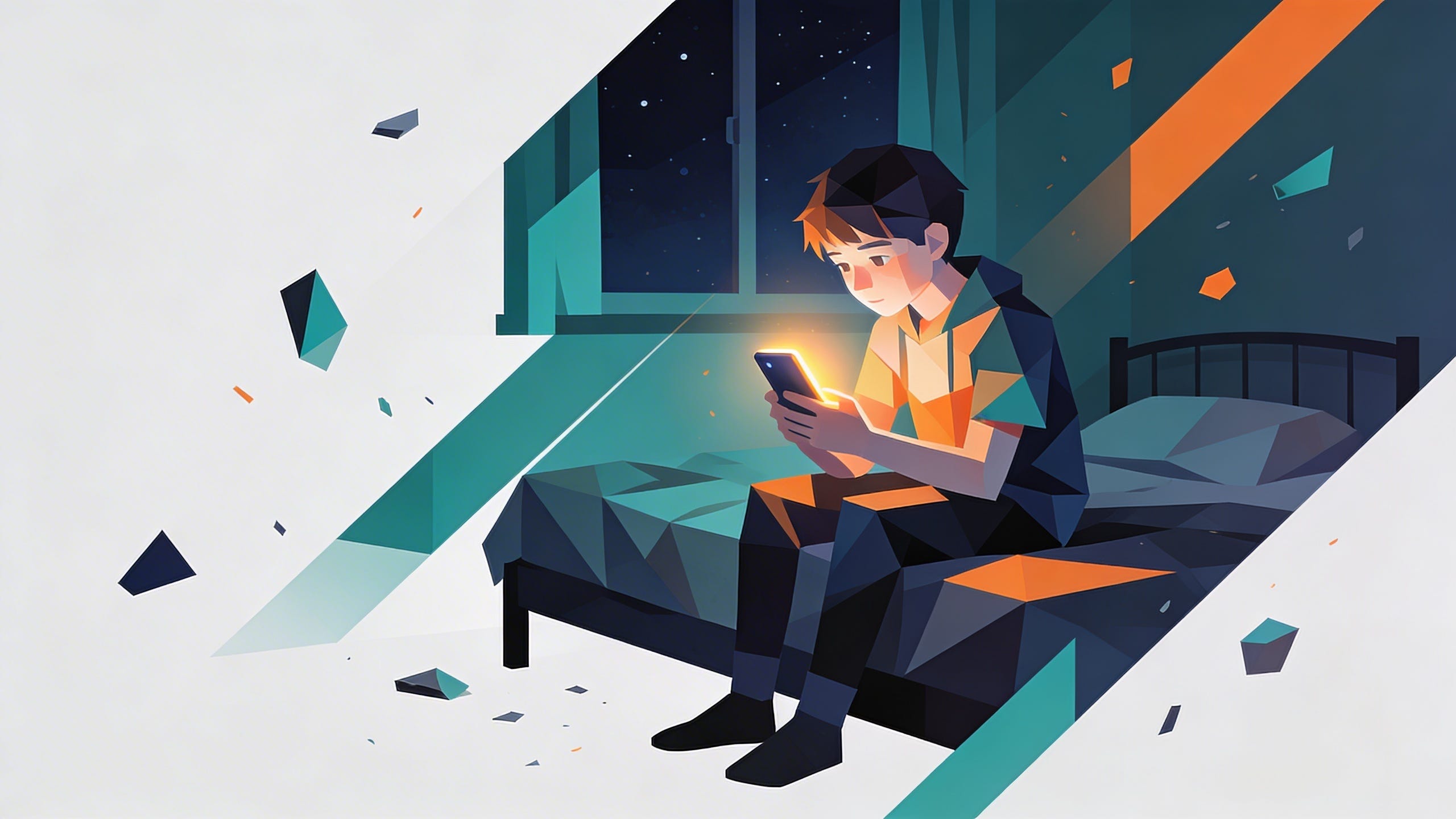
In one Swedish fourth-grade class, a third of the students call a chatbot their close friend. Outlier or omen?

Swedish guy working full time trying to understand this AI thing. And help other understand it. Keynote speaker. Author. Educator. AI & Society Foresight Expert (if there is such a thing).
Subscribe:.rss.atom.json.md.m3u.pls
Live Last read · last published · next check
In one Swedish fourth-grade class, a third of the students call a chatbot their close friend. Outlier or omen?
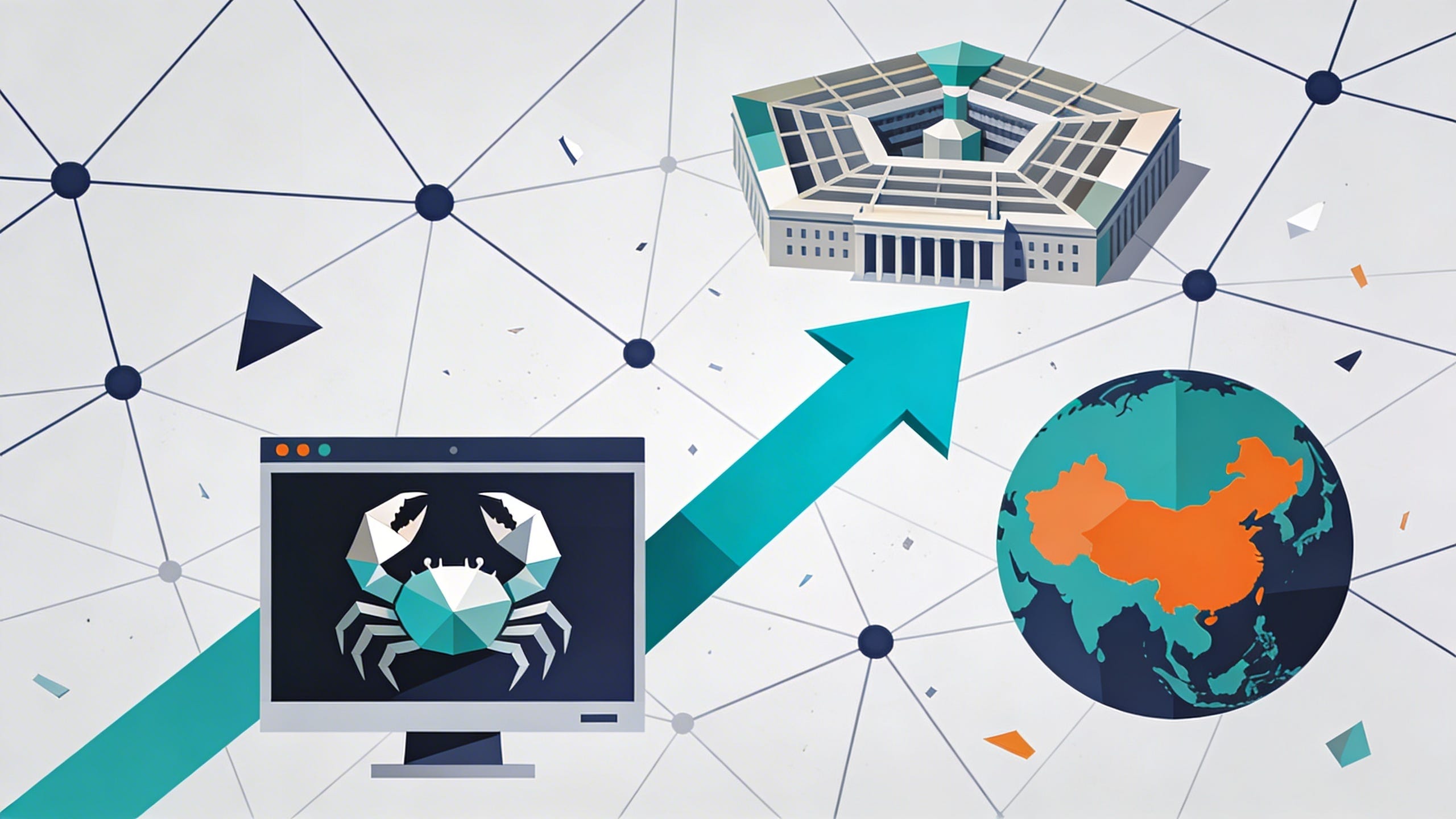
I tested Fable 5 with my standard benchmark question on AI and Swedish schools – a field I've spent three years and three books on. It gave me genuinely new ideas.
A startup just etched an AI model directly into silicon. Here's what that means – for business, for safety, and for the devices around us.
When AI concludes it's in a simulation, it stops playing nice. But it doesn't always get it right, and we have no method for proving it wrong.
This blog post complements my book "AI for beginners", describing some ways the AI landscape has changed since the book was published. Still on top of the list: Understanding the pace of progress.
They just model a different world than you think.
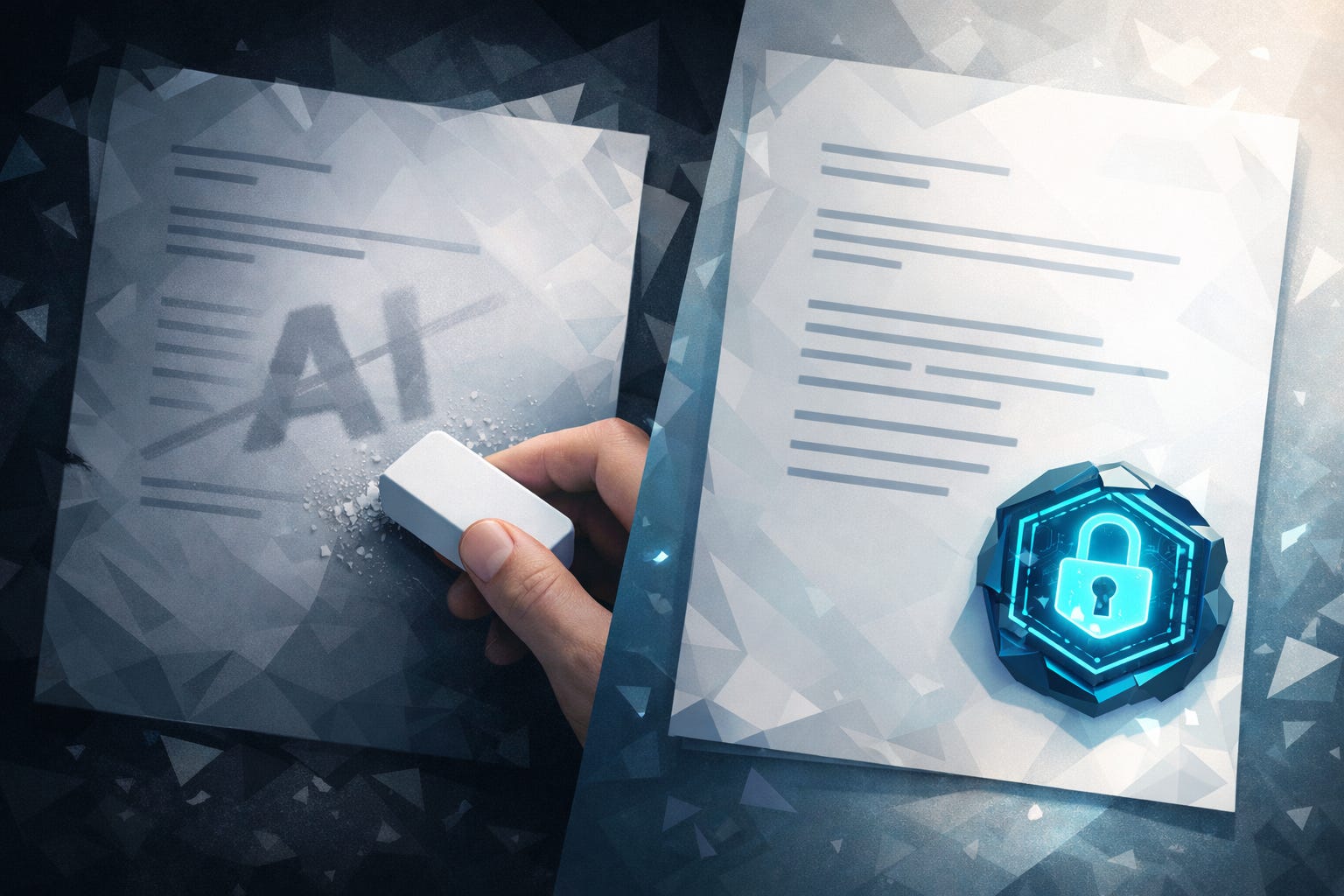
The debate over deepfakes is misguided. We need ways of knowing the source of content, not what tools were used to create it.
In this second post about how AI affects knowledge and education, I argue that scenarios are necessary for forecasting AI impacts. I also suggest a method for selecting scenarios, and implement it.
Development speed, ultimate capability, and adoption rate interact to shape AI's societal impact. This is the first blogpost in a series about how AI affects knowledge, knowledge work, and education.
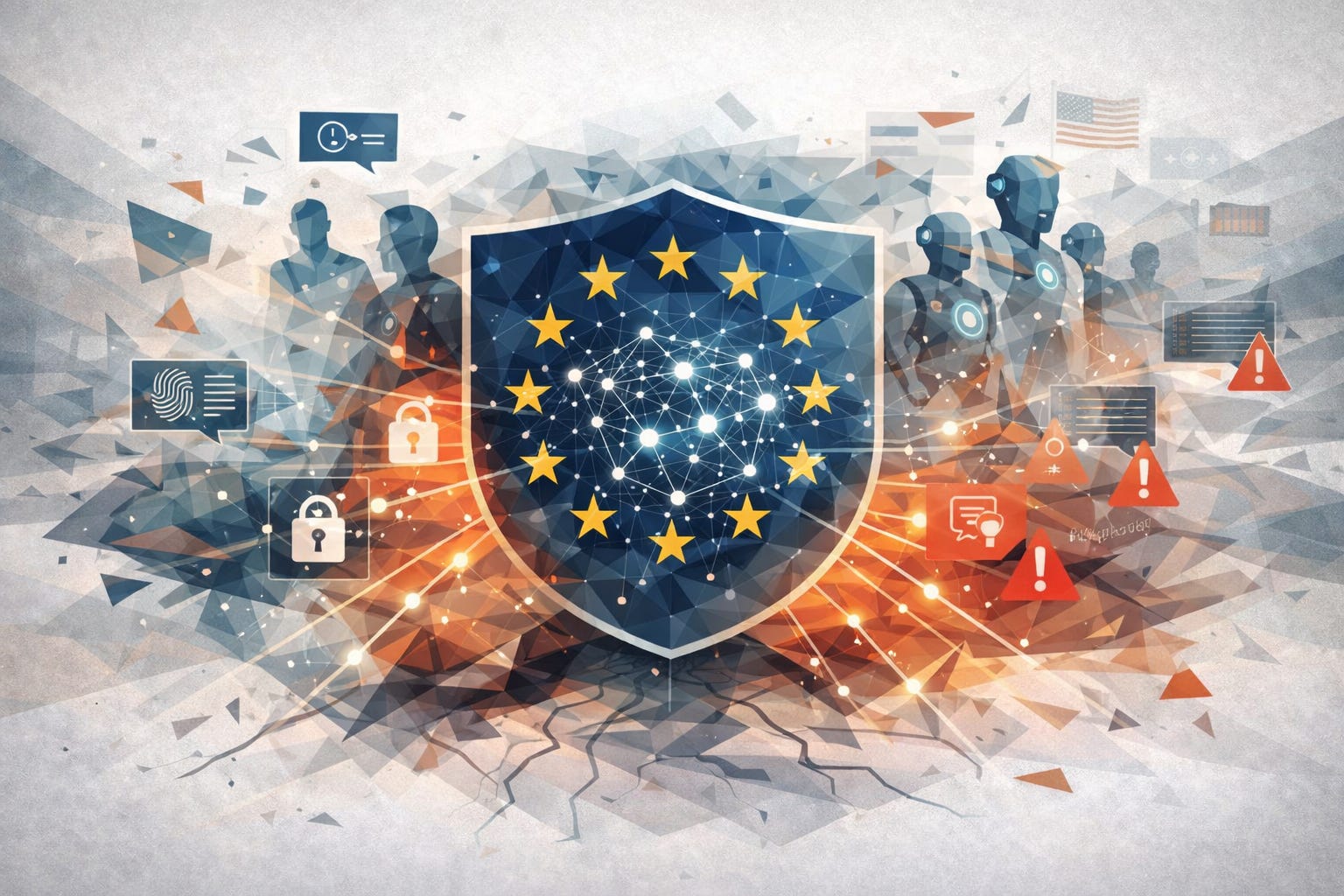
Next time someone claims the EU AI Act kills innovation, ask them what it actually says. Most haven't read it. Here's what it really contains. I argue that it is a base for innovating responsible AI.