
For decades, stretching has been a staple in both athletic training and rehabilitation. Static holds, forceful pulls, or stretching until it “hurts a bit” are all too familiar. But what if these traditional methods aren’t just ineffective for many people—what if, at times, they may even be counterproductive? That’s a central theme running through the recent FAKTR Podcast episode, where host Jessica Riddle sat down with muscle science expert and massage therapist Butch Phelps. The conversation brings a radical rethink to the table, blending neuroscience, fascial work, and emotional health for lasting change.
As Butch Phelps explains, so much of what we’re taught about stretching in school and popular culture is physically—and neurologically—outdated. Static stretching, where muscles are held in a lengthened position for a prolonged time, can sometimes fatigue rather than lengthen muscles. Even more critically, our obsession with “fighting the muscle” misses a much deeper barrier: the brain.
Phelps points out that when you pull too hard or hold a stretch too long, your brain perceives a threat. This “fight or flight” response triggers muscle contraction and resistance, halting your progress or even causing injury. “The longer you hold that stretch,” he says, “the more the brain starts to fight back, fearing you’re going to hurt yourself.” This leads to overly tight muscles and even makes injuries more likely, especially when trust and safety are missing—such as when clients are strapped to a table.
At the heart of Phelps’ method is something he calls the “neurofascial approach.” Instead of viewing muscles as passive tissue to be lengthened, he emphasizes their deep connection with the nervous system and emotional state. “Everything we think, feel, and do causes muscles to contract or relax,” he explains.
The stretch and release technique doesn’t just involve physical manipulation—it incorporates:
Short, gentle, repeated motions targeting specific muscle groups
Controlled breathing during each movement to calm the nervous system
Conscious attention to one’s emotional state, stress, and trust in the process
Active patient education, empowering individuals to understand and influence their own bodies
This approach yields results across demographics—from young athletes recovering from injury to seniors dealing with chronic pain.
One of the podcast’s most compelling discussions centers on how the body stores emotion and trauma. Whether it’s the lasting fear after a fall, the inward curl that follows grief, or the subconscious guarding after surgery, our bodies remember much more than we consciously realize. Phelps details how he carefully builds trust with patients, always starting with a free consultation to listen deeply, observe reactions, and tailor the process for each individual—from apprehensive kids to high-achieving adults afraid of injury.
This attention to the “whole person” is key: “Their mind is a little more relaxed, but in that attitude, now to get them to actually do the work… becomes a little more difficult,” he says. The lesson? Effective care doesn’t end at the tissue; it considers each patient’s emotional history, beliefs, and daily habits.
Perhaps most empowering is that the stretch and release technique isn’t limited to the treatment room. With educational videos and clear, accessible instructions, patients can integrate these gentle stretches and self-massage techniques into daily life—before work, after exercise, or to wind down before bed.
The process is simple but transformative:
Inhale as you prepare the movement
Exhale through the stretch, focusing on relaxation, not force
Repeat for short, controlled holds—generally around five seconds—multiple times
Use self-massage to pinpoint sore spots, but never dig or force; the goal is softness, not “breaking up knots”
By empowering patients to care for themselves, practitioners become partners in health, reducing recurring pain and making other interventions (like chiropractic care) far more effective.
Butch Phelps’ neurofascial approach—and the lively discussion on the FAKTR Podcast—serves as an urgent reminder that stretching is not just a physical act. It is a dialogue between brain, breath, history, and muscle. Integrate the mind, honor the emotional story, and focus on gentle, repeated movement, and your outcomes—whether in the clinic or at home—can be transformed.
Want to learn more?
Explore the book Stretch and Release here →
Visit his Youtube Channel → The Muscle Repair Shop
Connect with Butch Phelps at musclerepairshop.com
🎧 Don’t miss Part 2 of this series (Episode 114), where Butch shares specific techniques for calves, hamstrings, and more—and how to integrate them into practice for real-world results. Tune in on Friday, October 10th wherever you get your podcasts.
🎙️ SUPPORT THE SHOW: Visit our website at faktrpodcast.com to leave a review or comment
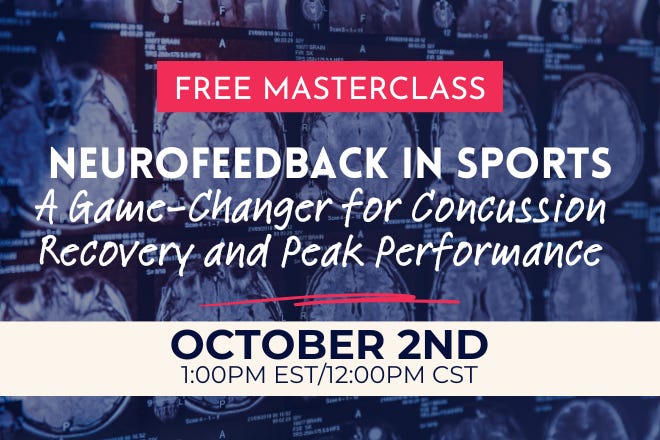
Thursday October 2, 2025 at 1pm EST we will be hosting guest instructor, Dr. Kevin Butterfield to learn about Neurofeedback in Sports: Advancing Concussion Recovery and Optimizing Brain Performance.
Learn More and Register Online here →
(all registrants get access to the recorded replay…simply click the link above to register and get on the list)
Comments
Nothing yet. Say the first thing.
Sign in to join the conversation.