
Having a clear product roadmap will help your startup develop a strategic plan to develop product features and align with business goals.
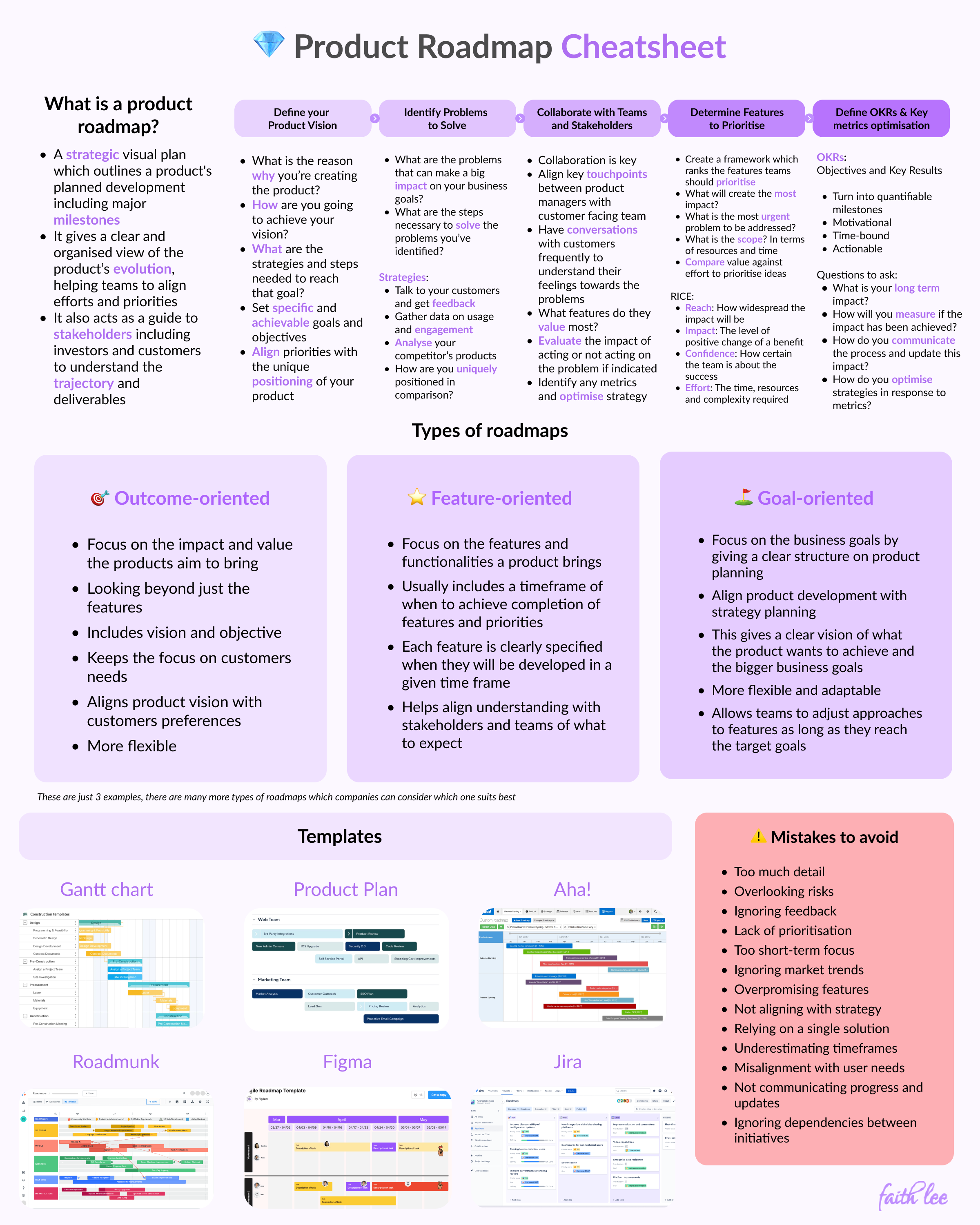
A product roadmap is a strategic visual plan which outlines a product's planned development including major milestones. It gives startups a clear and organised view of the product’s evolution, helping teams to align efforts and priorities. It also acts as a guide to stakeholders including investors and customers to understand the trajectory and deliverables.
Define your product vision
Be specific. Set achievable goals and objectives. Align your priorities with the unique positioning of your product.
Here are some questions you might want to ask:
How are you going to achieve your vision?
What is the reason why you’re creating the product?
What are the strategies and steps needed to reach that goal?
Identify problems to solve
What are the problems that can make a big impact on your business goals?
What are the steps necessary to solve the problems you’ve identified?
Here are some strategies:
How are you uniquely positioned in comparison?
Talk to your customers and get feedback
Gather data on usage and engagement
Analyse your competitor’s products
Collaborate internally and externally
Collaboration between the team and stakeholders is key. Try to align key touchpoints between product managers with the customer-facing team. Have conversations with customers frequently to understand their feelings towards the problems.
Ask customers what features they value the most. This can help you evaluate the impact of acting or not acting on the problem if indicated. After that, you can then identify any metrics and optimise your strategies accordingly.
Determine the features to prioritise
Create a framework which ranks the features teams should prioritise:
What will create the most impact?
What is the most urgent problem to be addressed?
What is the scope? In terms of resources and time
This can help you compare the value against each effort to prioritise ideas.
Using the RICE framework:
Reach: How widespread the impact will be
Impact: The level of positive change of a benefit
Confidence: How certain the team is about the success
Effort: The time, resources and complexity required
Define OKRs and Key metrics optimisation
OKRs stands for ‘Objectives and Key Results’.
Turn those results into quantifiable milestones:
Motivational
Time-bound
Actionable
Questions to ask:
What is your long term impact?
How will you measure if the impact has been achieved?
How do you optimise strategies in response to metrics?
How do you communicate the process and update this impact?
Outcome-oriented 🎯
An outcome-oriented roadmap focuses on the impact and value the products aim to bring. It looks beyond just the features and includes vision and objectives. It keeps the focus on customers needs and aligns product vision with customers’ preferences. It can be more flexible compared to feature-oriented roadmaps.
Feature-oriented ⭐️
A feature-oriented roadmap focuses on the features and functionalities a product brings. It usually includes a timeframe of when to achieve completion of features and priorities. Each feature is then clearly specified when they will be developed in a given time frame. This helps startups align understanding with stakeholders and teams of what to expect.
Goal-oriented ⛳️
A goal-oriented roadmap focuses on the business goals by giving a clear structure on product planning. This aligns product development with strategy planning, giving a clear vision of what the product wants to achieve and the bigger business goals. It can be more flexible and adaptable, allowing teams to adjust approaches to features as long as they reach the target goals.
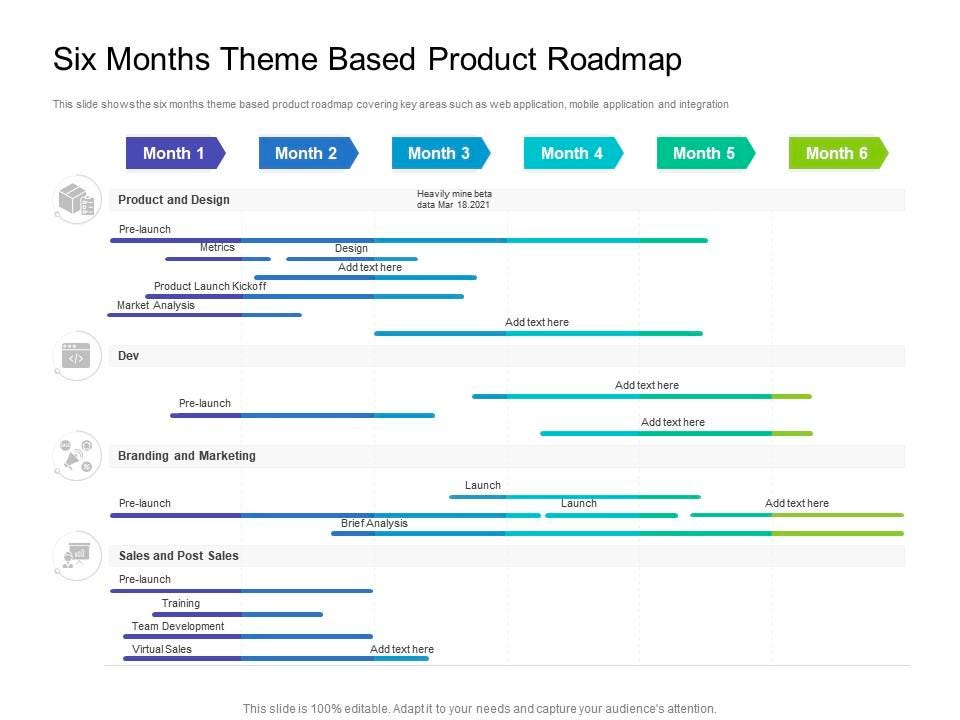
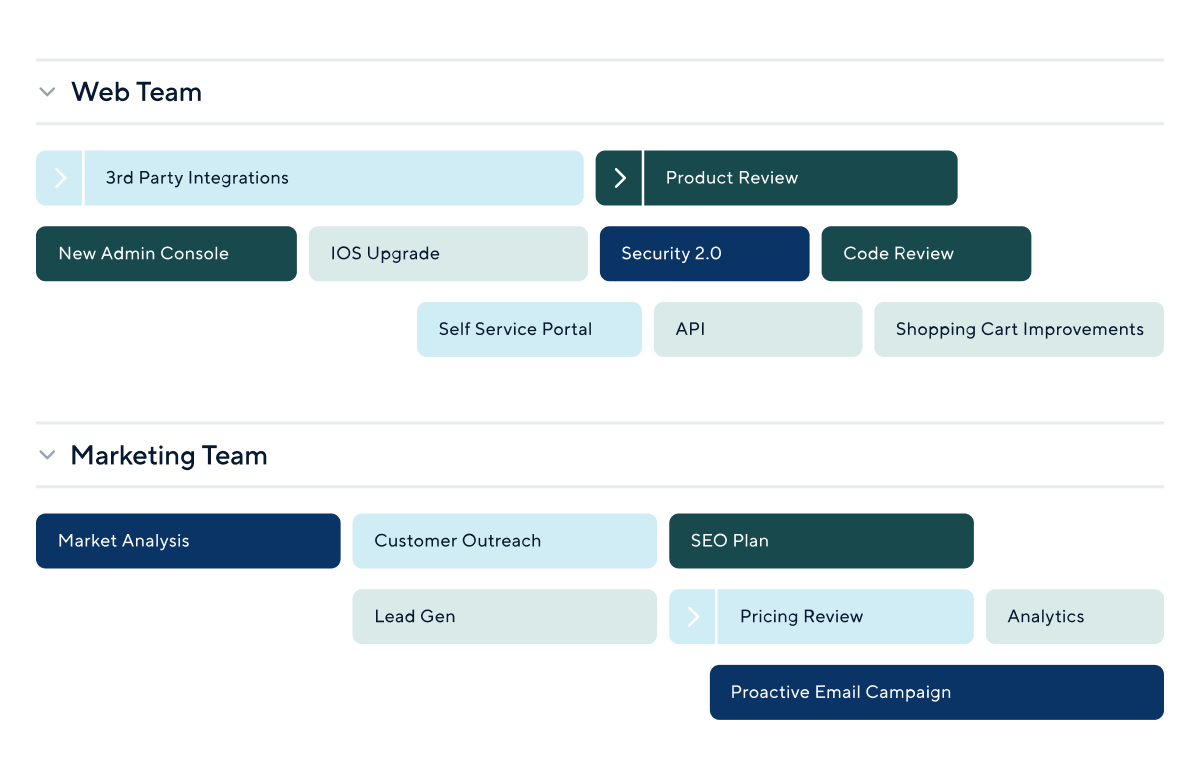
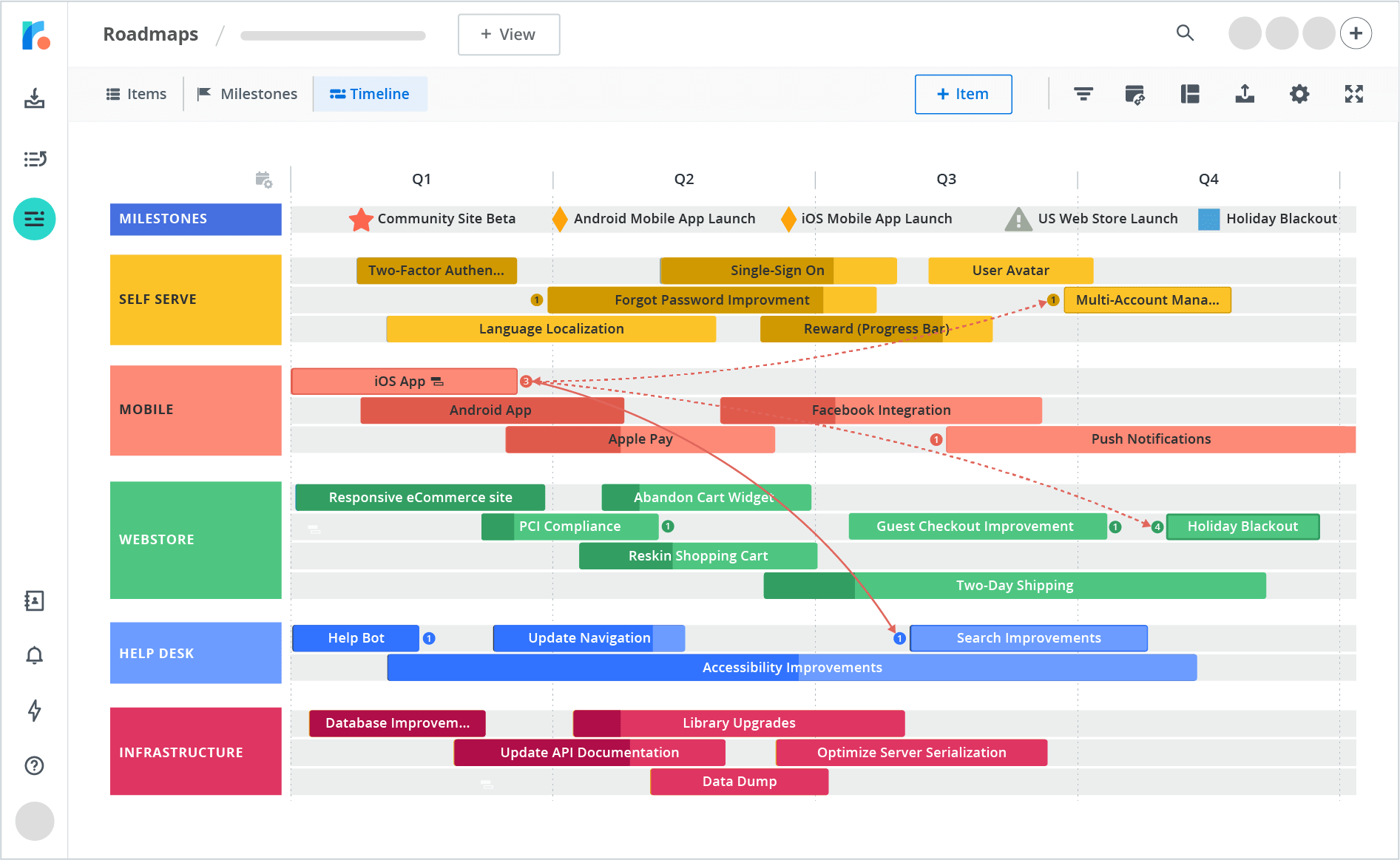
Timeline-based roadmap
Gives you an overview of the timeframe for hitting the milestones, product feature development and any improvements to be made
This helps startups set expectations and be ready to communicate between teams and stakeholders
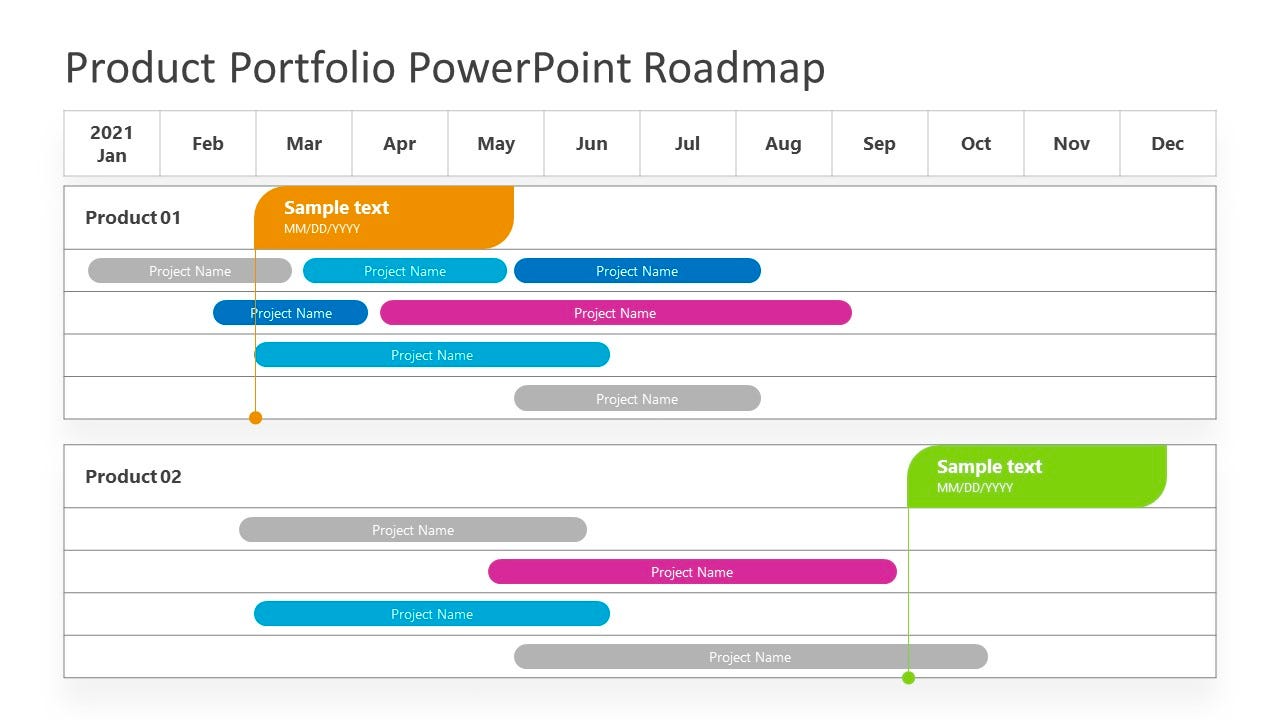
Portfolio roadmap
Align other types of roadmaps to business objective and goals
Evidence-based roadmap
Focus on hitting the data/ metric that is relevant to the features
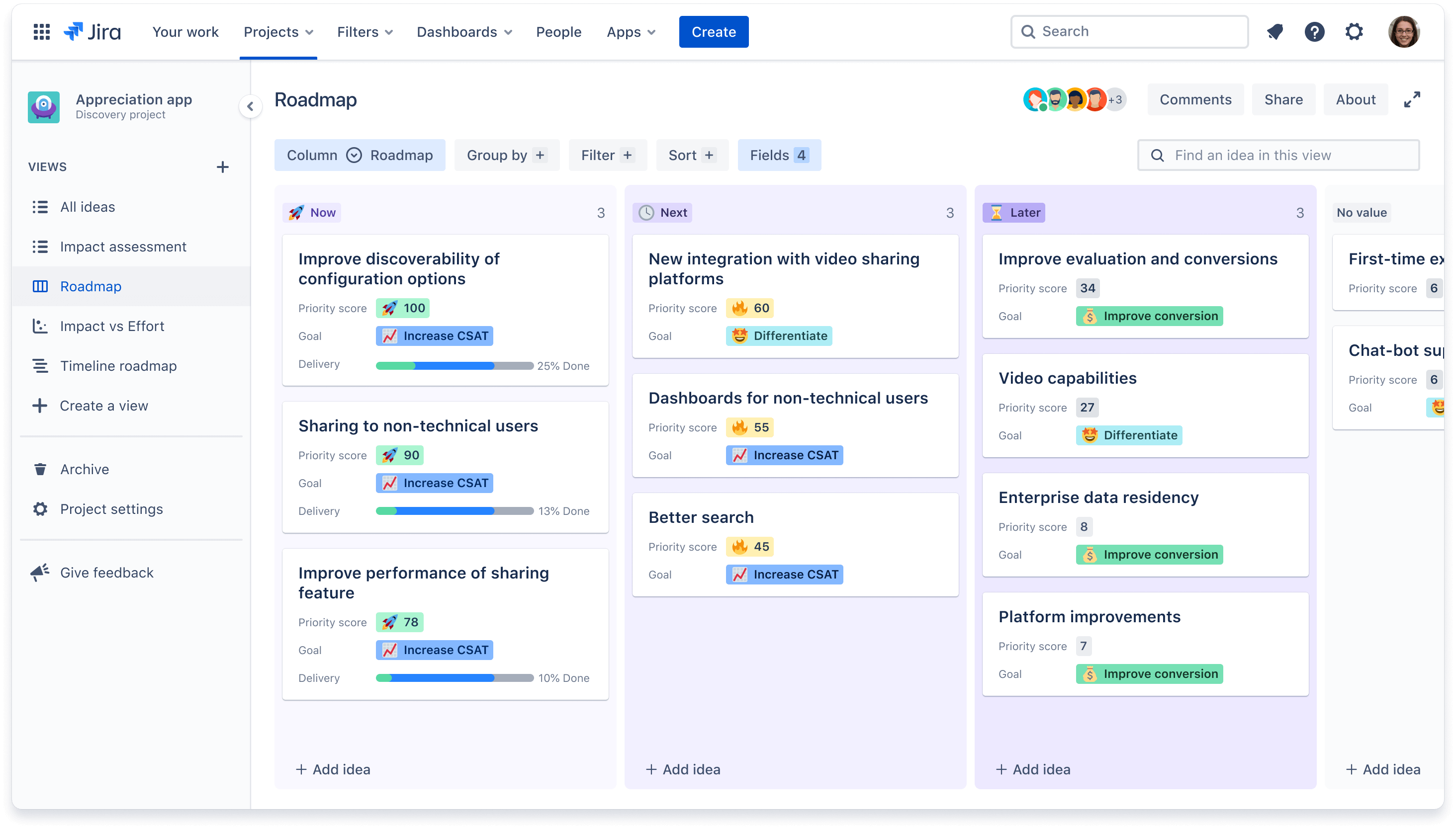
Can use Kanban board: This shows different stages of a workflow. You can move the ‘cards’ from each stage to the next when completed. A good easy tool to start with is Notion.
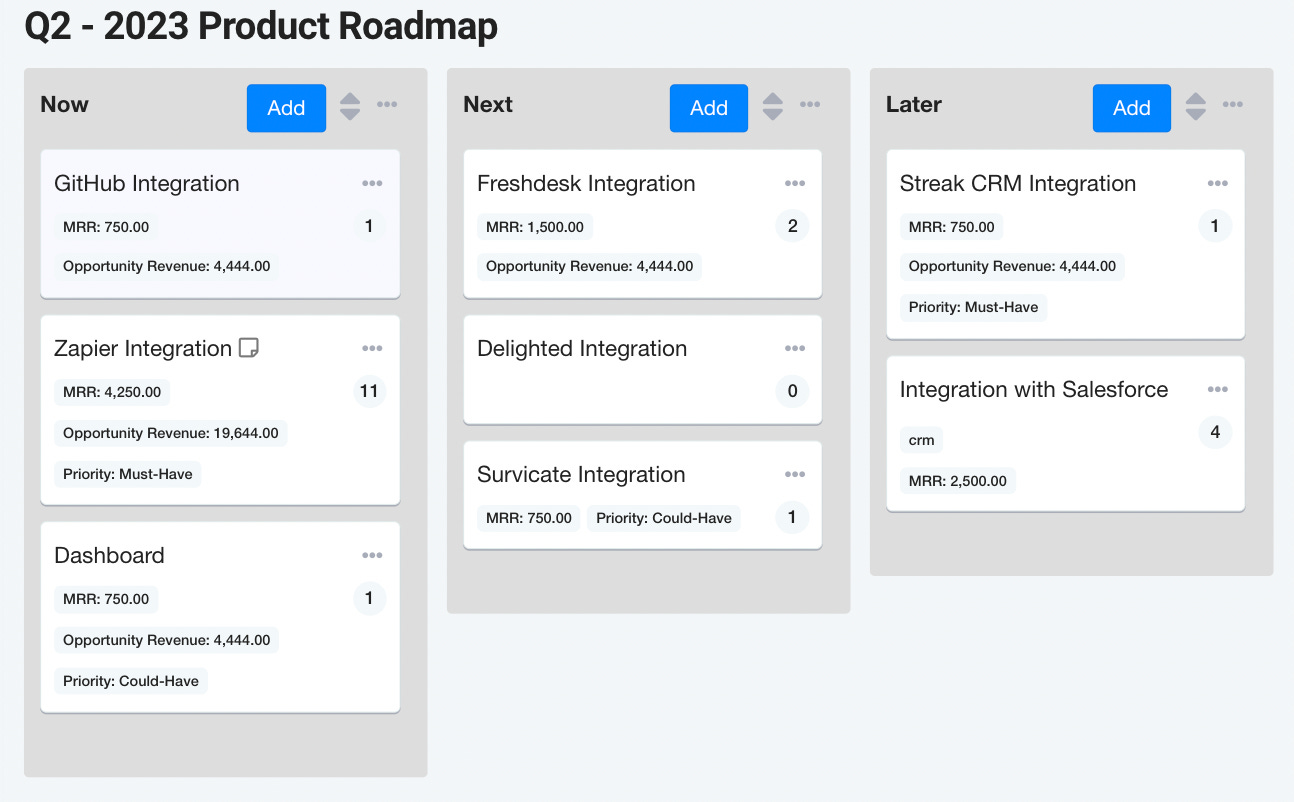
Image source: Savio
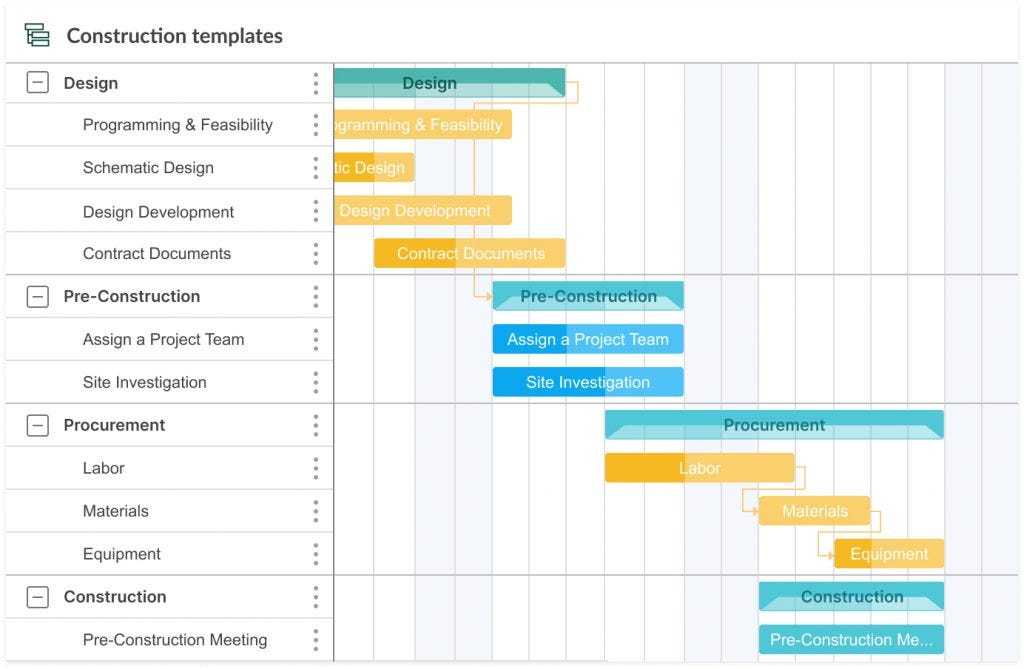
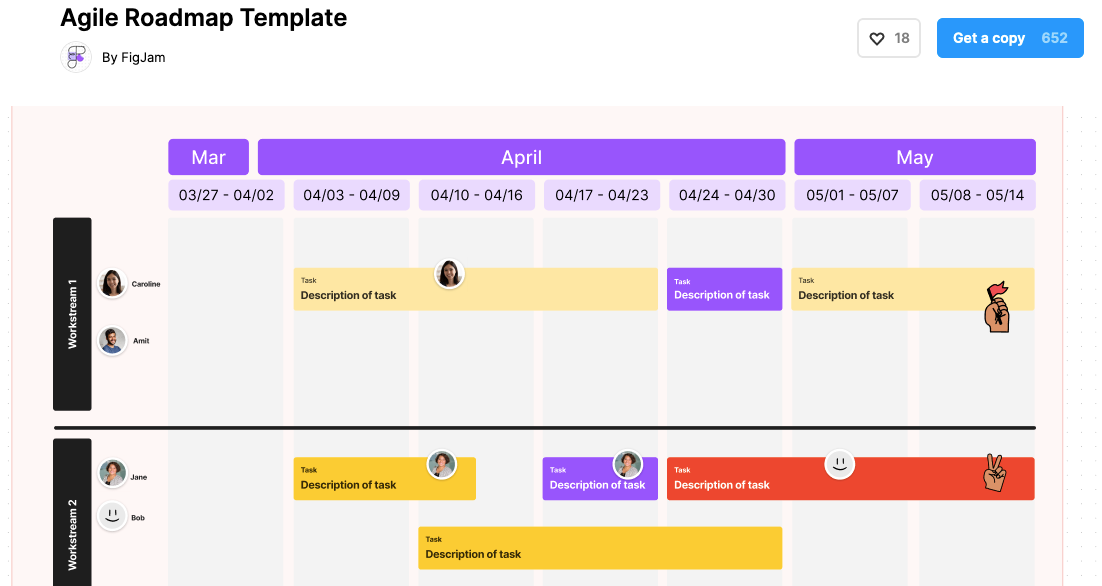
Gantt chart

Too much detail
Ignoring feedback
Lack of prioritisation
Overpromising features
Not aligning with strategy
Misalignment with user needs
Not communicating progress and updates
Here is the summary, I hope you find this useful!
Want to check out the past collections? You can access the archive here 👉 https://faithlee.substack.com/archive
✏️ Currently building a monthly roundup of resource collection on healthtech, startups & vc, including job boards, opportunities, events, interesting reads etc. If you have any ideas of what I should include, feel free to let me know!
Thank you for reading! If you liked it, share with your friend, family or a fellow founder who might find this useful.
Follow me on Linkedin & Twitter for more updates like this.
⭐️⭐️⭐️⭐️⭐️ Love it!
⭐️⭐️⭐️⭐️ It's okay!
⭐️⭐️⭐️ Good
⭐️⭐️ Hmm
⭐️ No
Please let me know if you have any suggestions of what to see next or any feedback! I would value your input.
If you have any interesting articles or stacks, please get in touch! I would love to feature in my next edition! 😇
Comments
Nothing yet. Say the first thing.
Sign in to join the conversation.