
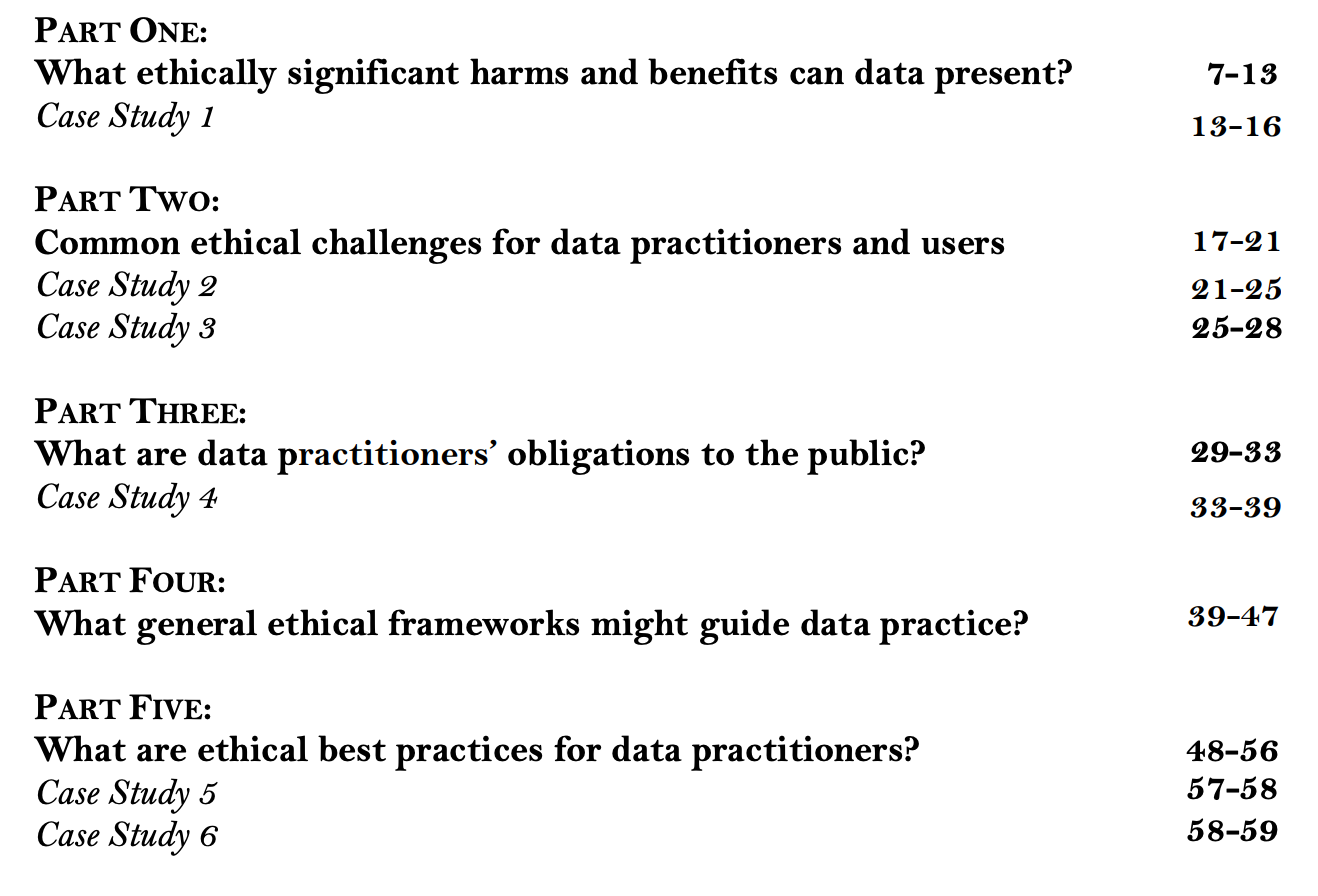
It’s been a while (college years) since I formally looked at (the philosophy around) ethics. This was a great introduction to how we apply our understanding of ethics to the prevalence and impact of big data today. At conferences like FACCT, you find many of these ontologies/taxonomies (I tried to outline from this paper in this post). The spaces in and around ML have many similar frameworks peppered throughout the literature. Below is the outline of this overview:
The purpose of ethics is to understand how to best live.
IEEE has a group on technological ethics.
Technologies are not ethically ‘neutral’, for they reflect the values that we ‘bake in’ to them with our design choices, as well as the values which guide our distribution and use of them. Technologies both reveal and shape what humans value, what we think is ‘good’ in life and worth seeking.
We can define a harm or a benefit as ‘ethically significant’ when it has a substantial possibility of making a difference to certain individuals’ chances of having a good life.
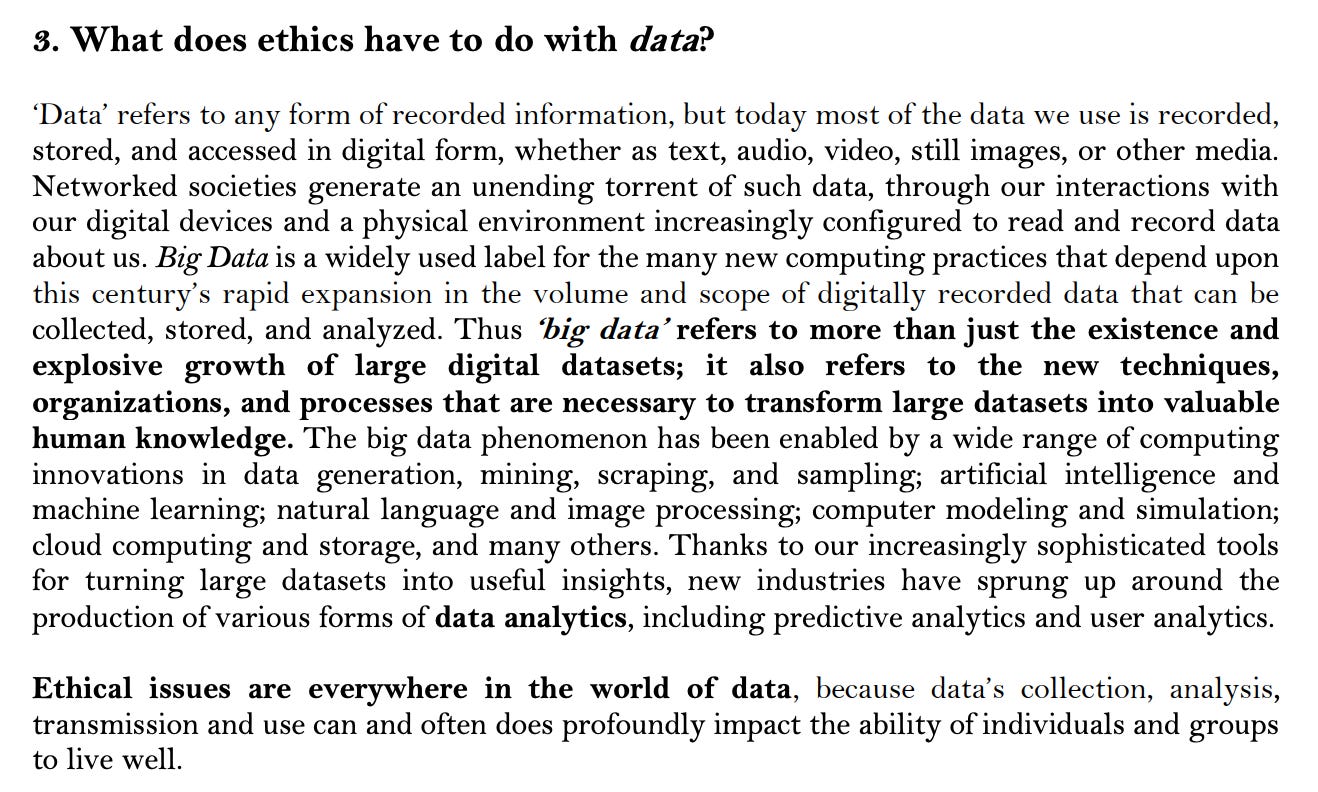
In the context of data practice, the potential harms and benefits are no less real or ethically significant, up to and including matters of life and death. But due to the more complex, abstract, and often widely distributed nature of data practices, as well as the interplay of technical, social, and individual forces in data contexts, the harms and benefits of data can be harder to see and anticipate.
Benefits
Human understanding
Economic efficiency
Predictive accuracy/personalization
Harms
Privacy/security
Fairness/justice
Transparency/autonomy
Challenges
Control + autonomy
Storage + security
Hygiene + relevance
Validation + testing
Human accountability
User training
Broader impacts
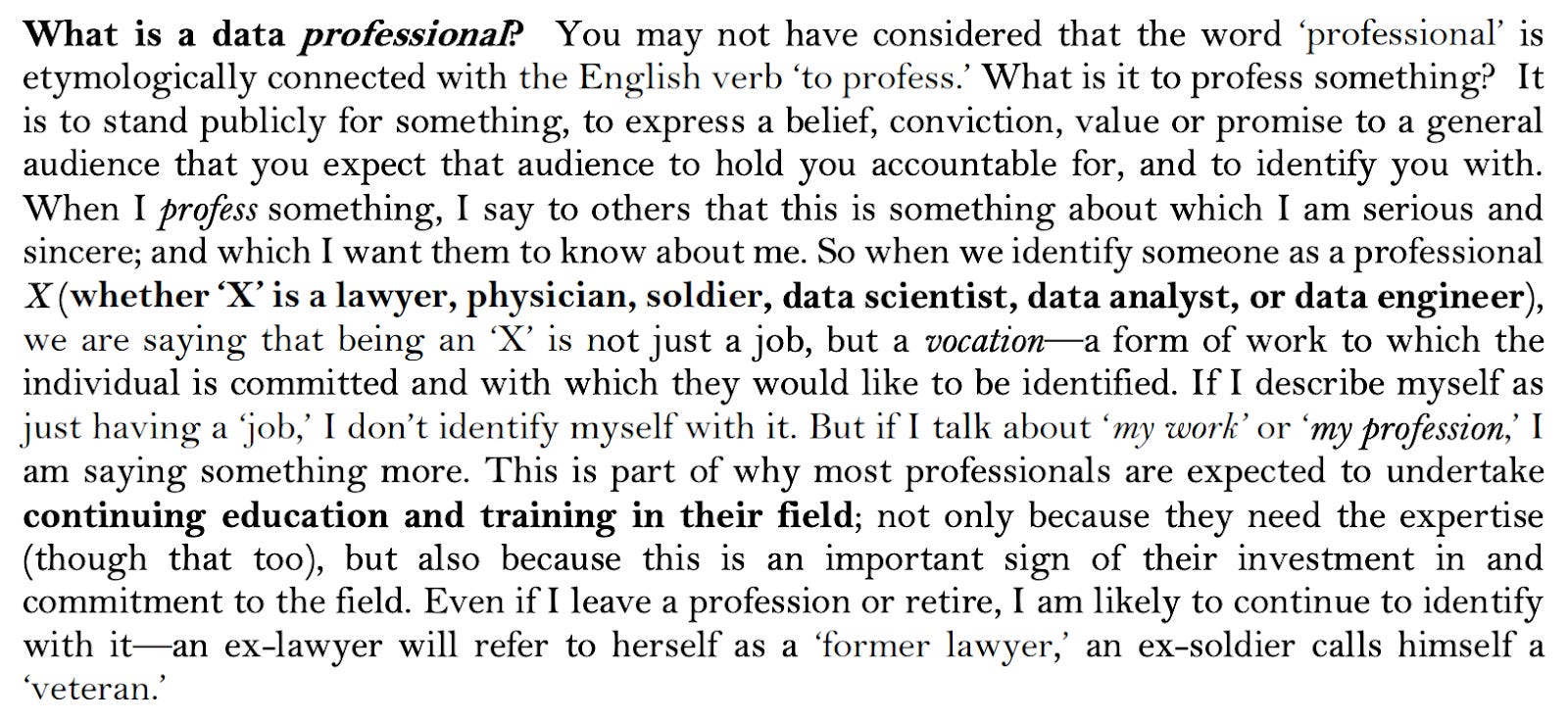
Ethical decision-making thus requires cultivating the habit of reflecting carefully upon the range of stakeholders who together make up the ‘public’ to whom I am obligated, and weighing what is at stake for each of us in my choice, or the choice facing my team or group.
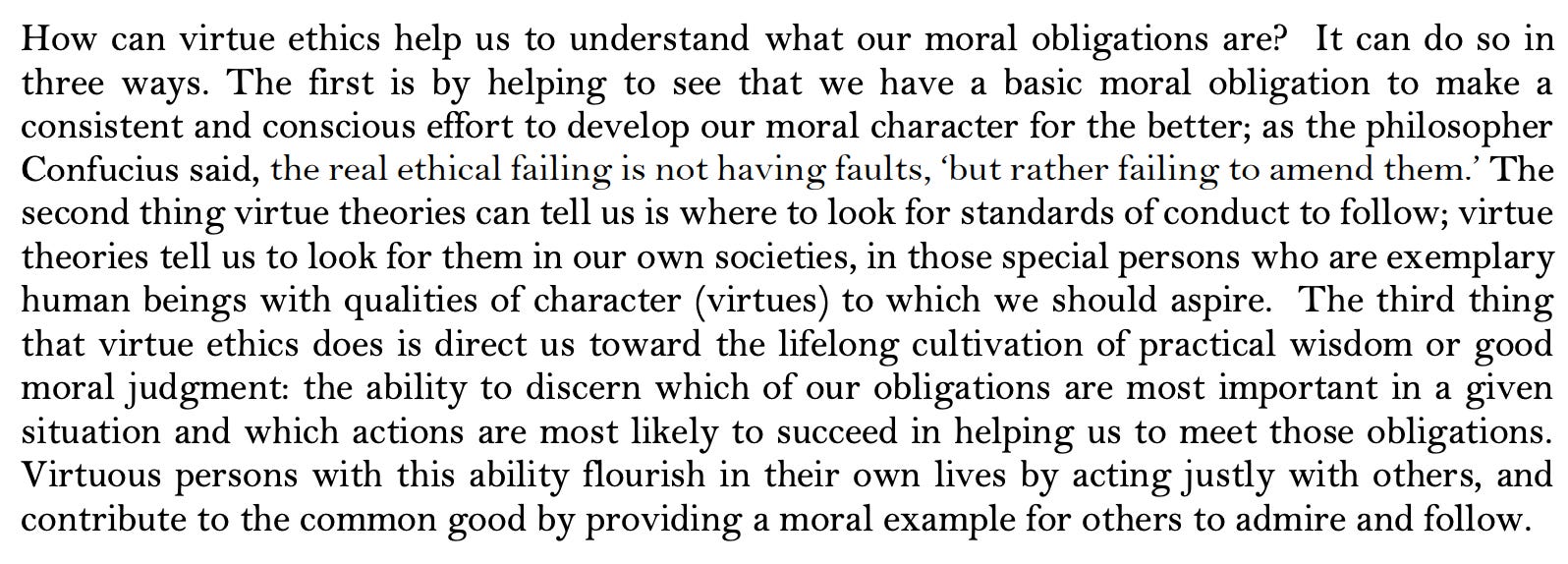
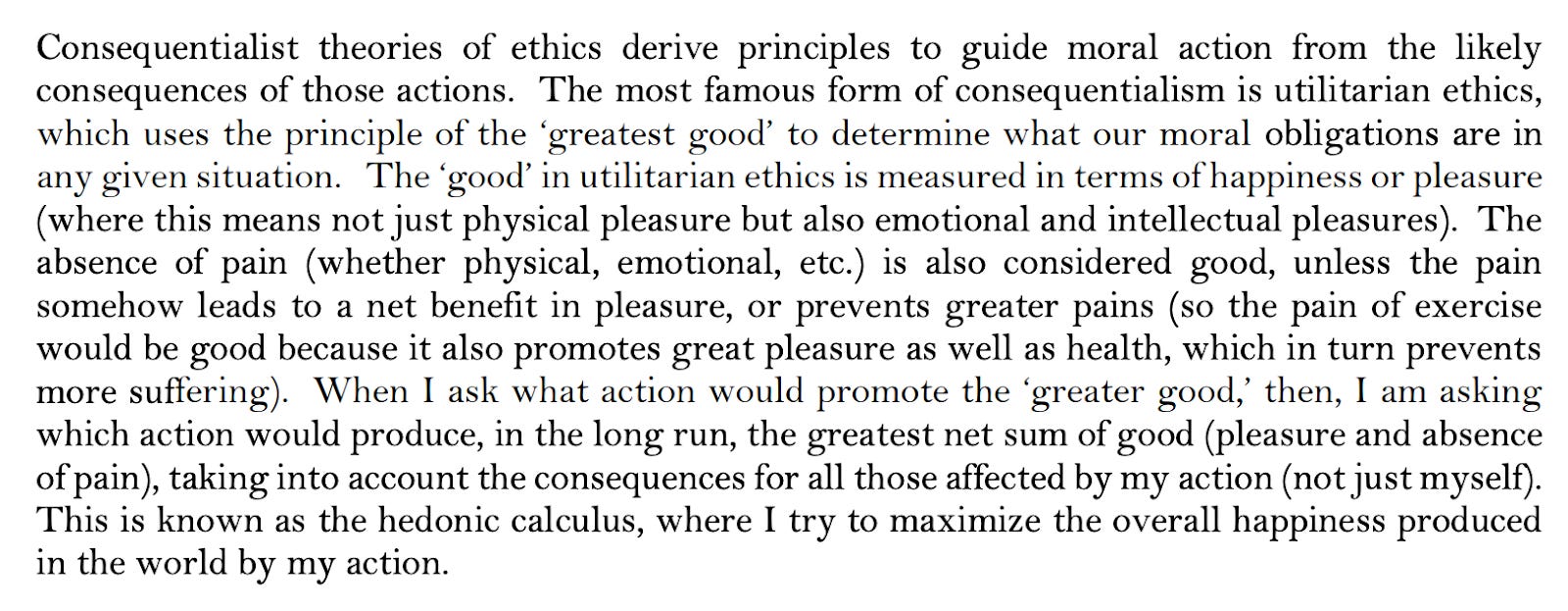
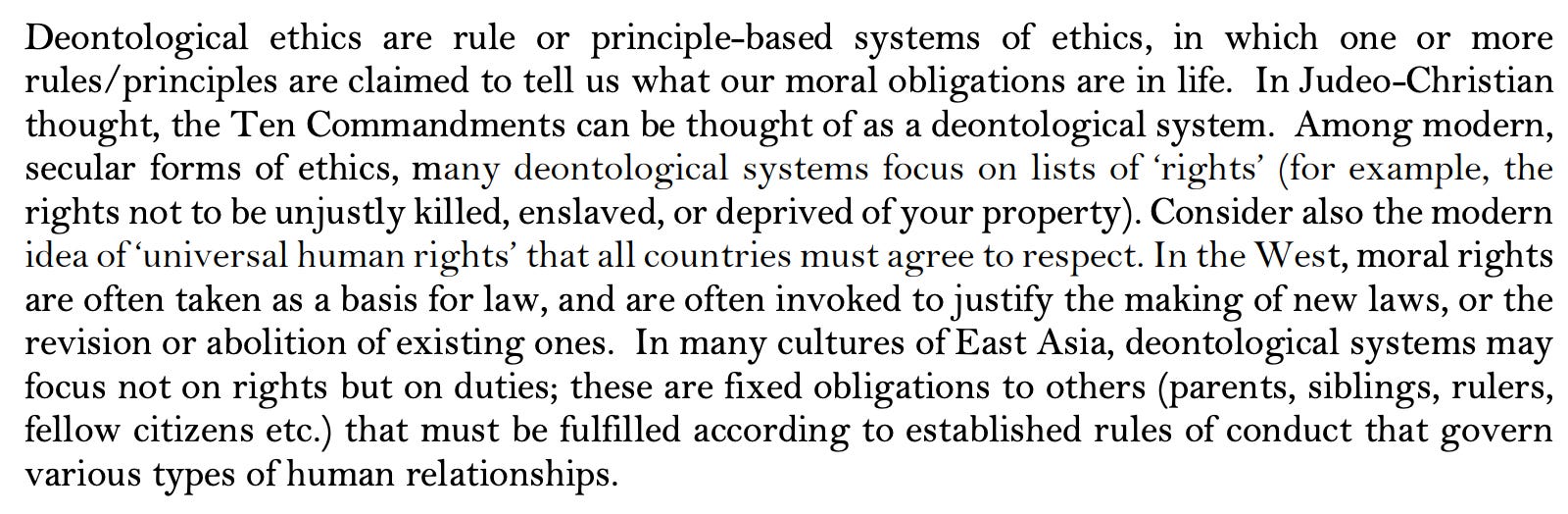
Data ethics: in spotlight out of compliance
Consider human lives/interests behind data
Focus on downstream risks and uses
Envision ecosystem
Mind the gap between expectation + reality
Treat data as conditional good
Avoid dangerous hype
Chains of responsibility/accoundability
Data disaster planning and crisis response
Disparate resources / impacts / interests
Diverse stakeholder input
Design for privacy / security
Standards should be pervasive, iterative, rewarding
Transparency/autonomy/trustworthiness
Paper: https://www.scu.edu/media/ethics-center/technology-ethics/IntroToDataEthics.pdf
No posts
Comments
Nothing yet. Say the first thing.
Sign in to join the conversation.