Who’s afraid of the printed page?
FIREside No. 1

The stories that shape free speech in America, brought to you by the Foundation for Individual Rights and Expression (FIRE).
Live Last read · last published · next check
FIREside No. 1
FIREwire No. 42
Ryan Tsapatsaris is a doctor in communication and a master of laws candidate and dean’s scholar at the University of Pennsylvania Carey Law School.
New Hampshire school likely violated parents’ rights by silencing silent protest based on viewpoint
A Facebook meme, a protest sign, and a big mess
A military paper matters most when commanders disagree
A complaint about a library book should start a conversation, not end one.
A Nebraska school district censored a student newspaper over a political cartoon criticizing U.S.
Officials say it’s too ‘emotionally offensive’
Bob Corn-Revere is chief counsel for FIRE and he served as chief counsel to former FCC Chair James H.
FIREwire No. 41
How a Reconstruction-era law built to crush the Klan, and tested against the Mafia, ended up silencing people for journalism and memes
What are your predictions for free speech in 2026?
His death leads to hard questions. But it must not lead to censorship.
Old-school censorship never went away.
Plus: France’s under-15 ban comes to screeching halt
Max Friedman studies at the University of Memphis Cecil C.
Durags, Draco Malfoy, and dystopian AI
New FIRE polling finds liberals, conservatives, and moderates converging on a rare point of agreement
Tuskegee can teach professionalism without policing culturally expressive clothing in classrooms and cafeterias.
A burgeoning academic controversy, costly libel law, and overactive speech police walk into a bar…
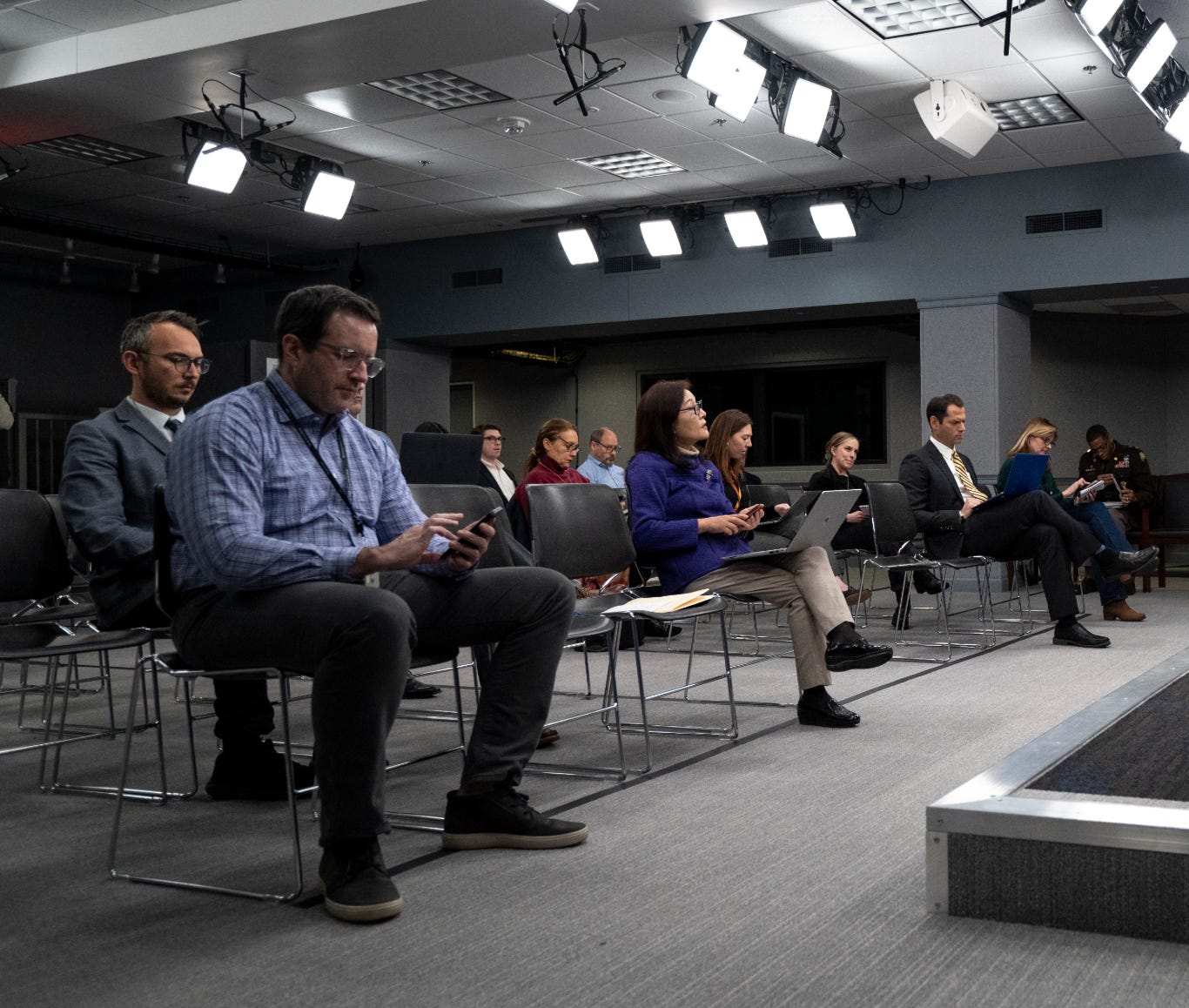
The Pentagon cannot use press credentials to punish reporters for asking questions or publishing unwelcome news.
NYU canceled 13 affinity ceremonies and restricted alternatives — after the federal anti-DEI directive was already dead.
Late last year, the United Kingdom, France, China, Iran, Saudi Arabia and dozens more nations signed the United Nations Convention Against Cybercrime, a treaty ostensibly intended to improve global cooperation to fight crimes taking place over computer systems.