
Every three months, dozens of animated TV shows hit the airwaves in Japan as well as streaming services in the U.S. Anime is bigger than ever, and there’s more of it coming out than ever before as well.
Starting today, Expo is giving out critical insights into the most noteworthy anime of every season. We’ve got our work cut out for us, because winter 2026 was an embarrassment of riches. Our mega-list of the best, worst, and weirdest anime we saw this season begins now.
Spoilers ahead for all featured series and films.
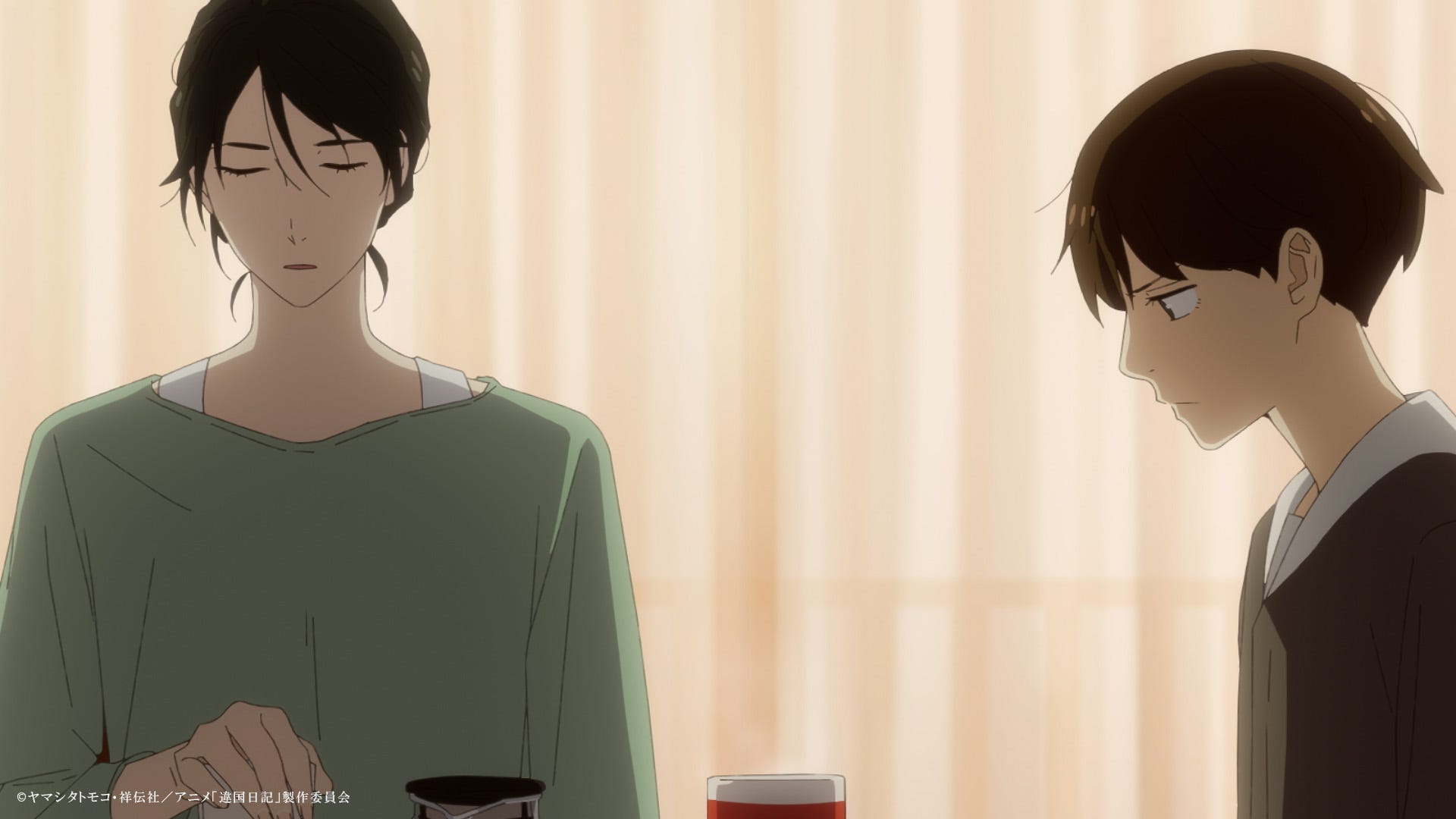
違国日記 / Ikoku Nikki | Production: Shuka | Crunchyroll
In a season dominated by the return of heavy-hitter shōnen franchises, Journal With Witch has stolen the show with a markedly quieter, yet nonetheless compelling story of grief and transformation that proves the medium’s potential for mature storytelling. Read the full review here

超かぐや姫!/ Chou Kaguya-hime! | Director: Shingo Yamashita; Production: Studio Colorido | Netflix
Just as the mythical Princess Kaguya entered the floating world of the imperial court, so does Cosmic Princess Kaguya! embrace the half-dream of our own era’s ukiyo, the hyperreality of the internet. Read the full review here

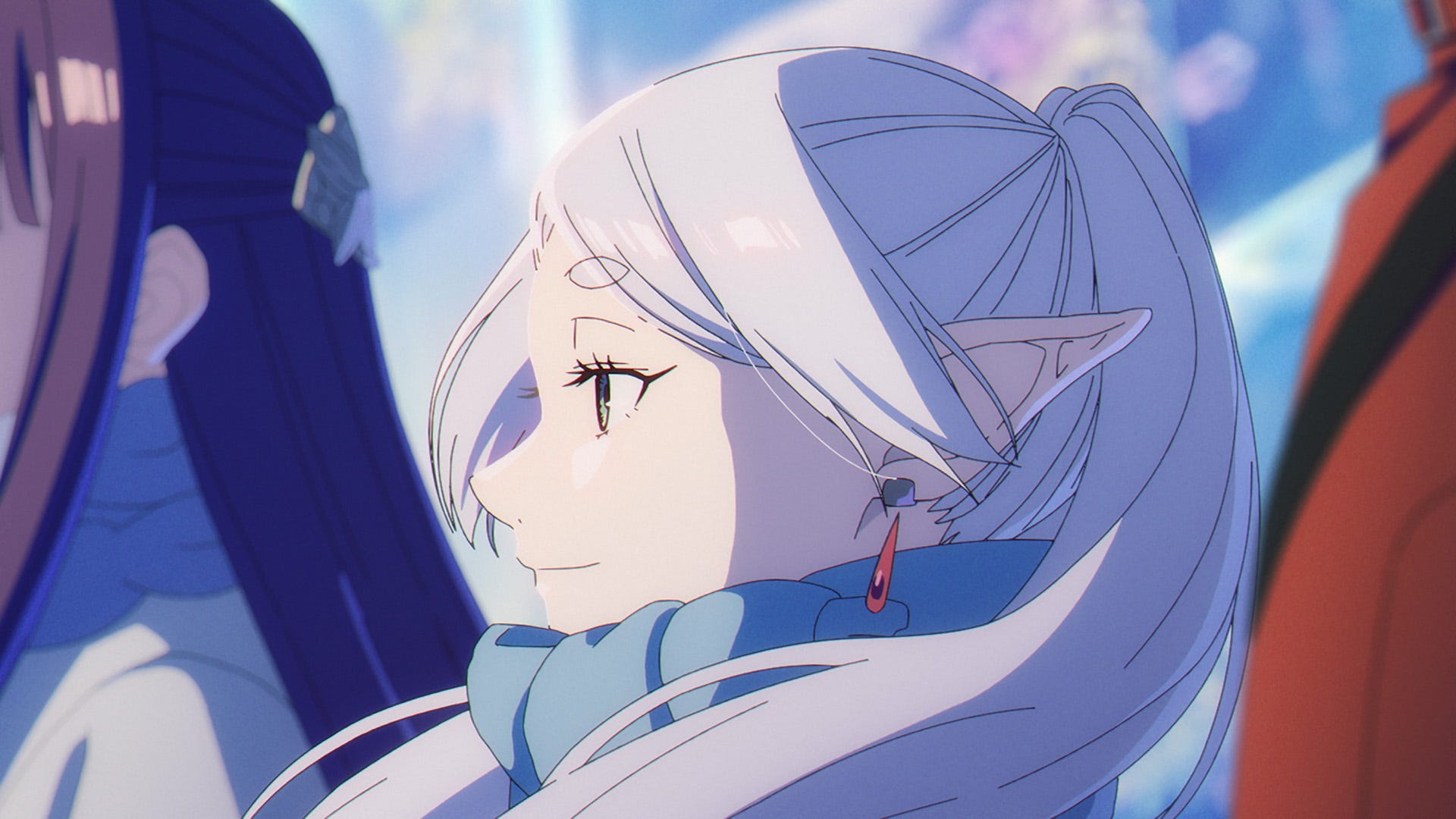
葬送のフリーレン 第2期 / Sousou no Frieren Season 2 | Production: Madhouse | Crunchyroll / Netflix
Nothing was going to stop Frieren’s second season from being a massive hit, but even I find myself a bit surprised at the hype. Soon after it began, the season became the highest-rated show of all time on MyAnimeList before falling to second behind, uh, season one of Frieren: Beyond Journey’s End.1 Clearly the show has struck a nerve with its quieter, more sophisticated take on the Western-style action fantasy genre that the anime industry has beaten into the ground with endless isekai permutations.
Season two makes no dramatic departures from that formula. We pick up right as the first season ends, continuing to follow Frieren (Atsumi Tanezaki) and company on their journey. With only 10 episodes we don’t get much more than a few side stories and a brief arc that sees the group fighting a powerful, four-armed demon. I don’t have much to say about Frieren other than that I think it deserves all the love it gets. It’s a truly gorgeous show about the way time and loss teaches us to cherish the important things while they’re still around. If I have any criticism of this season, it’s that I wish it was longer.
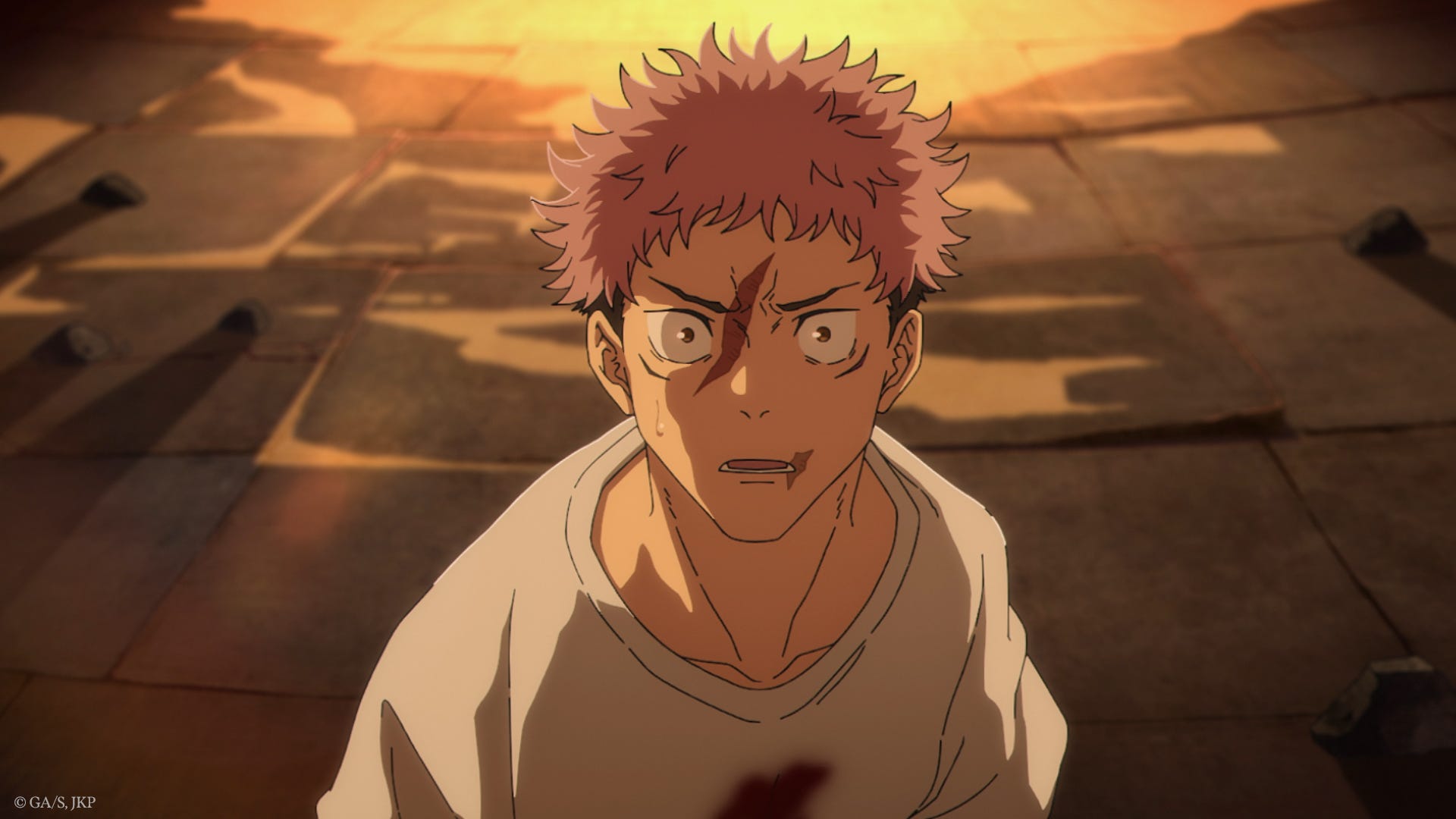
呪術廻戦 「死滅回游 前編」/ Jujutsu Kaisen: Shimetsu Kaiyuu - Zenpen | Production: MAPPA | Crunchyroll
Few returning anime from this season had as much trust to win back as Jujutsu Kaisen. After the shōnen battler’s second season gave us an early peak in the flashback “Hidden Inventory” arc, the succeeding “Shibuya Incident” saga gave us an example of the genre at its worst. What was before a fun, engrossing, and occasionally morbid take on a supernatural high school setting suddenly transformed into a chaotic morass of confused storytelling and gruesome violence. As the show’s villains hatched their plan to attack a packed Shibuya on Halloween night and entrap the powerful Satoru Gojo, the shift in tone felt stark, as if Hunter x Hunter dove straight into its dour “Chimera Ant” arc right after the opening “Hunter Exam” (or if Snape killed Dumbledore in Harry Potter and the Chamber of Secrets). Spectacular action sequences became bogged down by labyrinthine plotting and obscure motivations. Characters were killed off left and right, some more needlessly than others. All this was compounded by persistent rumors of poor working conditions within studio MAPPA that put increased scrutiny on the animation quality as the show aired. By the end I found myself dreading each week’s new installment.
Now, however, things have turned around completely. If “Shibuya” was a messy nadir, The Culling Game is a monumental return to form. All those character deaths had the positive side effect of clearing the deck and allowing us to focus on a new phase of the story. Yuji (Junya Enoki), guilt-ridden after Shibuya, and his surviving comrades now face the titular “Culling Game,” a competition between jujutsu sorcerers designed to advance a plan to rid the world of humans and allow cursed spirits to take over. MAPPA obviously took the criticism to heart, and the plotting for this season is much clearer. Every character and plotline is well accounted for. Objectives are spelled out to such an extent that the entire third episode is a very stylish exposition dump. The studio refuses to let viewers become confused.
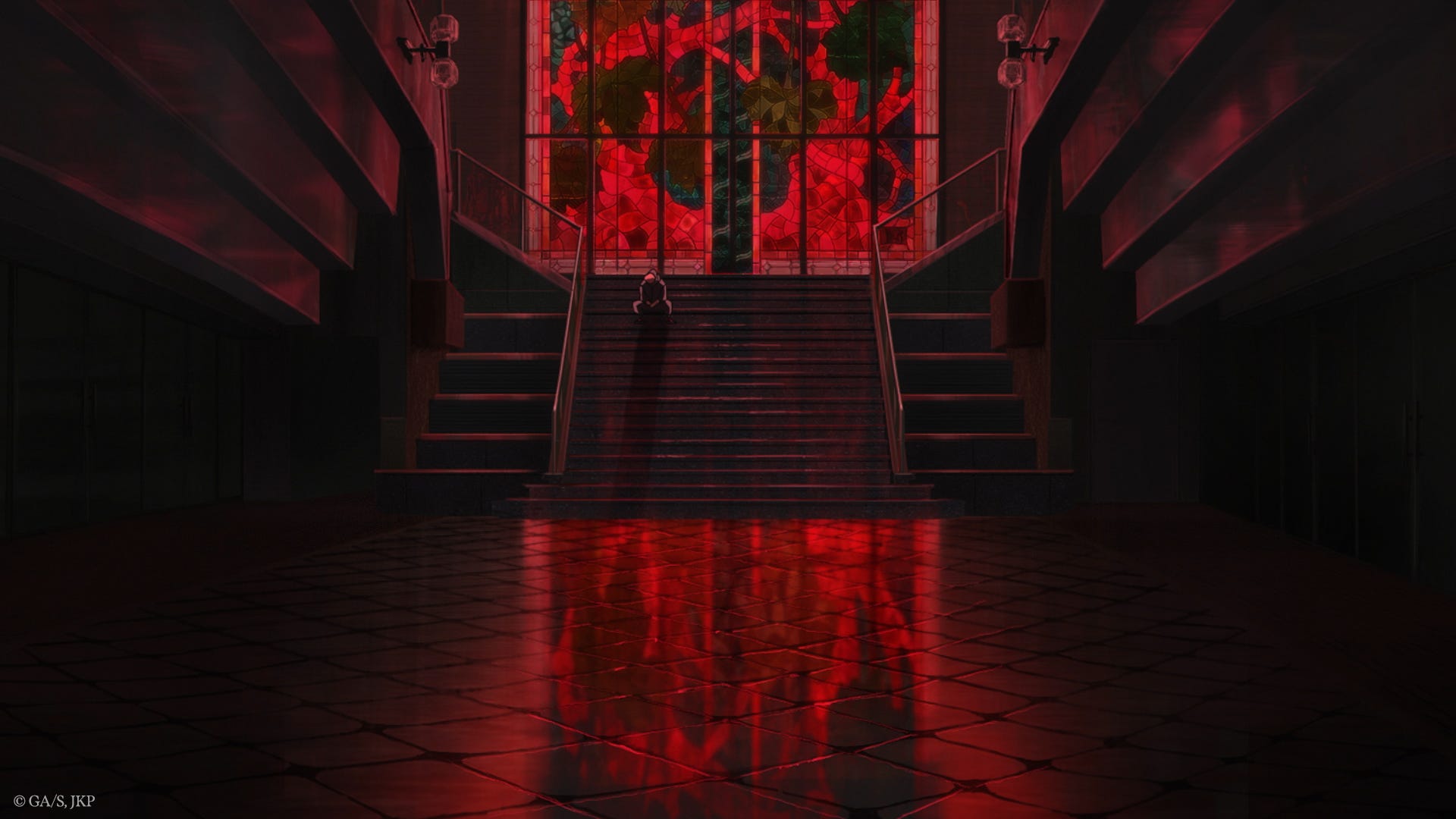
Then again, we do frequently get treated to some incredible action as well. Direction and animation have also improved dramatically since season two, and each week felt like another casual display of prowess from the animators and series director Shouta “Gosso” Goshozono. Episode four proved to be an early highlight, with Maki’s (Mikako Komatsu) vengeful extermination of her own kin in the aristocratic Zen’in clan rendered as a splashy, Kill Bill-referencing brawl. That was improved upon by the season’s grand finale, pitting returning favorite Yuta (Megumi Ogata), once timid and now a quietly menacing mature sorcerer, against three powerful opponents in an all-killer, no-filler battle across an atmospheric, abandoned Sendai cityscape.
A much quieter yet equally impressive chapter detailed the backstory of Yuji’s opponent, Higuruma (Tomokazu Sugita). We witness the former defense attorney’s awakening as a sorcerer coincide with his complete disillusionment with Japan’s draconian legal system, in which confessions are coerced and guilty verdicts are almost guaranteed. Much as DanDaDan threw its viewers out of cartoon silliness into a story of everyday brutality with the episode “To A Kinder World,” the sudden injection of realism deepens the show and its characters effectively, giving us a moment to consider the problems of our own world amid all the sorcery-fighting. As cliché-ridden and monotonous as it can sometimes be, shōnen as a genre remains the most commercial and attention grabbing segment of the anime industry because it finds ways to balance bold action with creative storytelling. In that respect, The Culling Game represents the genre at its very best.

メダリスト 第2期 | Production: ENGI | Hulu/Disney+
Many of us dream of being stars or champions, and while most of us will never realize our ambitions, it doesn’t stop us from helping the next generation realize theirs. That’s what happens in the first season of Medalist when Tsukasa (Takeo Ootsuka), a former ice dancer who began skating years too late, meets Inori (Natsumi Haruse), a painfully anxious 11-year-old desperate to prove that she can be good at something. In a sport where most championship athletes have been skating since age five, Inori is still at the starting gate when the rest of her age group is halfway around the track. But Tsukasa, sensing a kindred spirit, decides to back her, and through her own determination and his guidance, she manages to catch up.
In this truncated second season of Medalist (only nine episodes, with an upcoming movie set to focus on the climactic All-Japan tournament), Inori is no longer a dreamer, but a legitimate competitor. In one climactic episode that aired parallel with the Winter Olympics in Milan, she pulls off an ambitious jump combination (to which spectators excitedly react as if they’re in a shōnen battle tournament) that puts her on the map as a rising phenom. It’s a joy to watch her demeanor off the ice change as well, with comedic scenes in which she imitates Tsukasa’s bravado. We also see the relationship between the pair deepen off the ice; One pivotal episode follows the two on an impromptu cross-country road trip, and their bond begins to take on a closer, more familial aspect. They feel like a brother and sister or father and daughter more than just teacher and student.
Watching the show – including the first season, which made my top 10 last year – has deepened my appreciation and understanding of a sport that I’ve previously only paid attention to every four years. Both the anime and the original manga painstakingly detail the mechanics and rules of skating, and as a result I could actually follow this year’s Olympic competition on a level beyond aesthetic appreciation. The visualizations, both Studio ENGI’s cutscene-esque 3DCG approach to animating the skating routines in the show and manga author Tsurumaikada’s dazzling artwork, both express the complicated balance of artistic grace and athletic power that bring the sport to a level of sublimity few other disciplines can reach.
Between the anime and Alysa Liu’s astonishing performance in Milan, skating feels like a potent source of inspiration for us mere mortals. If Liu’s story – coming back from retirement, defining success on her own terms, and triumphing spectacularly as a result – tells us that there are many roads to victory, Medalist tells us that it’s better to fight for an impossible dream than never even try.
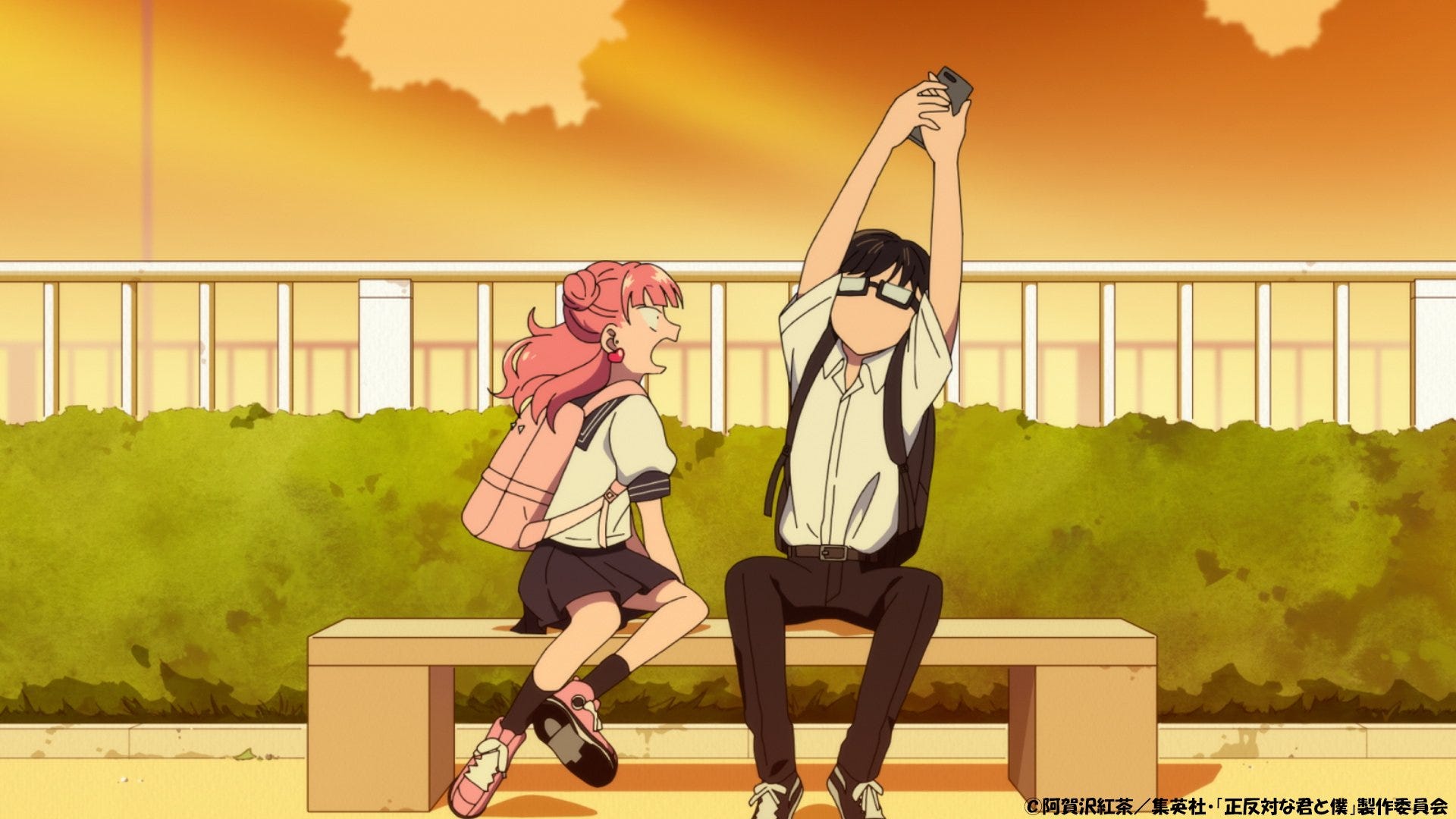
正反対な君と僕 / Seihantai na Kimi to Boku | Production: Lapin Track | Crunchyroll
Opposites attract in this show, but more importantly they don’t beat around the bush.
For dedicated anime viewers, shows set in high school are hard to avoid simply because they represent a large chunk of what gets made every season. This is a medium primarily marketed to children and adolescents, after all, and more mature stories like Ikoku Nikki are usually adapted into live action rather than animation. Within that crowded field of youth love stories, you occasionally see one or two shows each season that legitimately impress. Kimi ni Todoke (2009-10) is an all-timer of shōjo romance, while recent years have given us the likes of Blue Box (2024-25), The Fragrant Flower Blooms with Dignity (2025), My Dress-Up Darling (2022-25), Skip and Loafer (2023), and Makeine: Too Many Losing Heroines (2024).
This season, You and I Are Polar Opposites was by far the standout high school rom-com. Creative animation, cute character designs, and interesting direction from studio Lapin Track (best known for their work on the “Woke Up As A Girl” segment from last year’s Tatsuki Fujimoto 17-26 anthology series) all set it apart from the crowd. The interstitial music from Tofubeats and the ending theme from hyperpop group PAS TASTA are also proof of tastefulness on the production side. Style is a significant factor in even considering a show from this genre, and Polar Opposites certainly exudes it.
But there’s one singular reason the show succeeds, it’s this: The central couple gets together in the first episode.
This is deeply refreshing to see in a genre where dramatic action is usually dictated by a refusal to communicate. As we all probably know from experience, most high schoolers simply do not know how to navigate romance and relationships, and watching them fumble along as an adult can be enervating. One might find oneself screaming at the TV for these kids to stop wasting time and just fucking talk to each other, please. Thankfully, that’s exactly what peppy, pink-haired Suzuki (Sayumi Suzushiro) does with reserved, nondescript Tani (Shougo Sakata) at the end of episode one, confessing her feelings to him on their walk home. They start dating immediately, and the improbable intimacy they find becomes a rising tide that lifts several other love boats. The main couple’s quick success opens the door for another unlikely pair, the brash, outgoing Yamada (Anji Iwata) and the terminally shy Nishi (Cocoro Oomori), giving them room to move slowly. And we may see yet another twosome emerge in the just-announced second cour if gloomy Taira (Wataru Katou) and melancholy Azuma (Miyuri Shimabukuro) decide to get closer. It’s a cascade reaction of romance worthy of a Shakespeare comedy, and it’s a joy to watch. But it’s also lovely to see these very different pairs try to navigate their disparate personalities. It’s one thing to get a couple together in fiction and another to keep them together, and the hopeful message of You and I Are Polar Opposites is that if they can make it work, maybe you can too.
Short Cuts
The Darwin Incident – It can occasionally be interesting to see Japanese media tackle a U.S. setting, but this absurd thriller about a half-human-half-chimpanzee high schooler in middle America quickly becomes compromised by its confused view of American politics, poor animation, and outright offensive portrayal of the country’s problems. Central to its premise is the absurd idea that animal rights is a hot-button issue in the U.S., akin to abortion or transgenderism, to the extent that a terrorist cell dedicated to the cause is a major threat and philosophical arguments break out over it in every episode. I stuck with the show until the sixth episode, in which the ape-boy must save his classmates from a school shooter, an outrageous trivialization of the gun crisis in America which disgusted me thoroughly. (Prime Video)
Golden Kamuy: The Final Season – Four years after its last season, it’s perhaps a miracle that Golden Kamuy has managed to even secure a concluding run. Then again, perhaps it was foolish to assume studio Brain’s Base could wrap up the epic Meiji-era Hokkaido western in just 13 short episodes: Though billed as the “Final Season” the last chapter revealed a concluding “Runaway Train Arc” coming this winter. Conflicted feelings over this bait-and-switch aside, the show is as glorious and gruesome as ever as we finally witness Sugimoto (Chukahiro Kobayashi) and Asirpa’s (Haruka Shiraishi) quest for a mythical trove of Ainu gold come to an end. Dark secrets are revealed and hidden treasures finally unearthed. As gratifying as it is to see the story close in on its final coup de grace with a tremendous battle in the Goryōkaku fortress, I have to admit I won’t miss the utterly disgusting violence that seems to pop up in every other frame, from shredded limbs and bullet-pocked faces to the perennial brain-leakage of Lt. Tsurumi (Houchuu Ootsuka). By the time it really does conclude Golden Kamuy may be better known for its gore than its gold. (Crunchyroll)
Hell’s Paradise – MAPPA’s other big returning Shōnen Jump adaptation is back and hornier than before (and it was already pretty horny to begin with). This followup season picks up right where the first left off as our heroes take on the rulers of the legendary island of Shinsenkyo, a nefarious clan of immortals with a plan to sail to Japan and turn all the humans into elixir of life. Some pretty bizarre scenes of weird violence and tantric sex rituals are interspersed throughout, few of them thoughtful enough to be anything more than shocking. Season 1 stood out thanks to its intriguing premise and pulpy execution, but it also debuted in a Spring 2023 market where the only real competition in battle shōnen was the comparatively bland Demon Slayer – Kimetsu no Yaiba: Swordsmith Village Arc. Next to the superior characters, action, and production values of Jujutsu Kaisen it doesn’t stand quite as tall. (Crunchyroll)
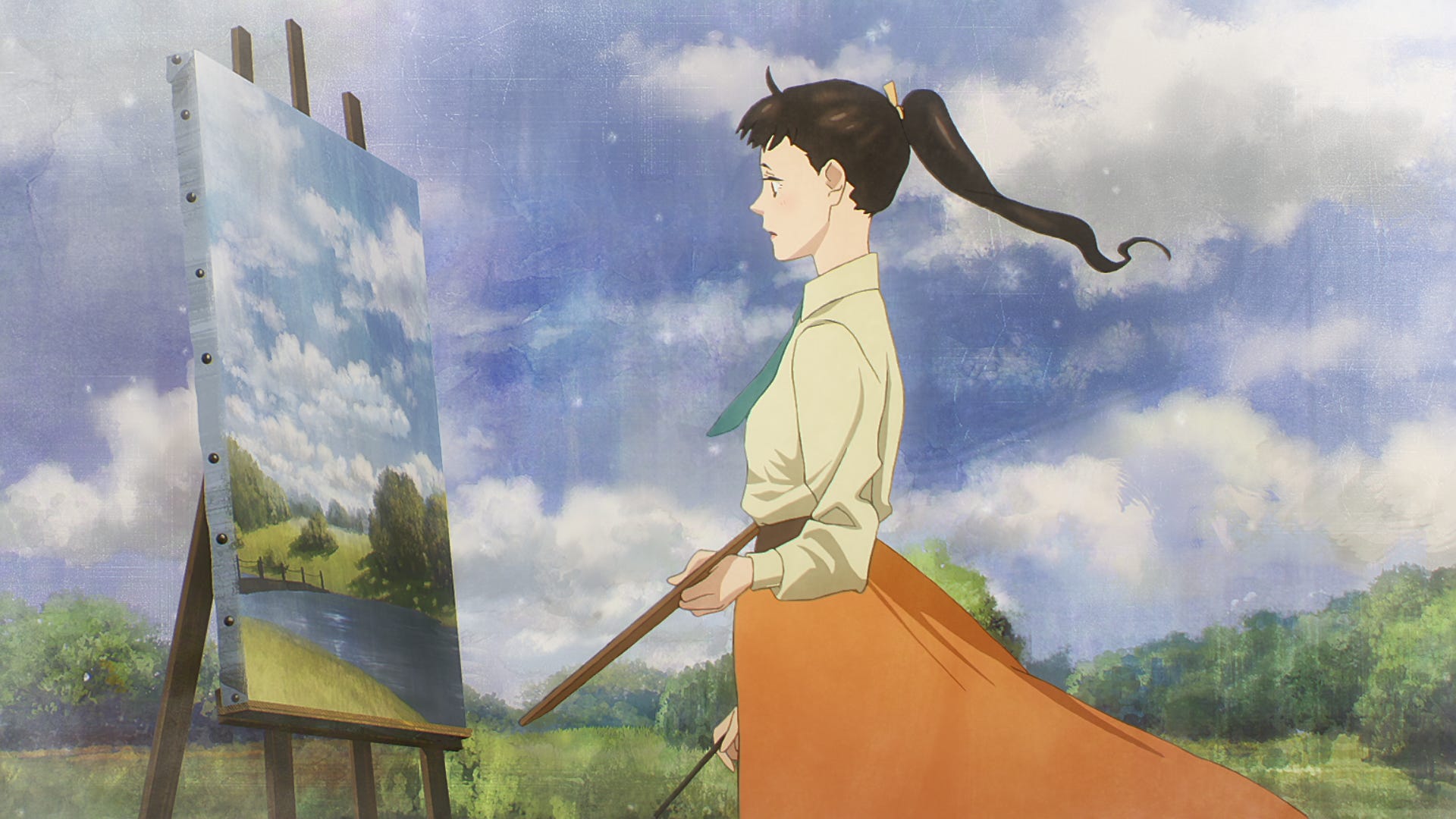
Love Through A Prism – Following a Japanese girl’s adventures while attending art school in Edwardian London, Netflix unceremoniously dumped all 20 episodes of this lovely period romance from Wit Studios and Boys Over Flowers mangaka Yoko Kamio onto their platform in January. I decided to take my time with it, watching about two episodes apiece, and found it made all the difference. Despite some rather glacial pacing in the middle and a questionably rosy view of British aristocracy, the show won me over with its gorgeous production values and a soaringly romantic concluding arc that will resonate with anyone who’s ever had the desire to create. (Netflix)
Oshi no Ko Season 3 – Within the first half of Oshi no Ko’s third season we suffer through a middling variety show arc and a skin-crawling casting couch situation. That near-disaster becomes the impetus for a shocking public disclosure, causing a seemingly-irreparable rift within the Hoshino family and setting in motion a new phase of Aqua’s (Takeo Ootsuka) plans to avenge his murdered idol mother, Ai (Rie Takahashi). With every episode we feel we can’t sink any lower into the showbiz world’s most sordid, shadowy depths, until we finally come to the hour-long finale and realize we can always go deeper into depravity. After a season of scheming and plotting her own revenge, Ruby (Yurie Igoma, in a bravura performance) plunges into her own psyche to play the movie version of Ai and reconnects with the abandoned, terminally sick child she’s always been deep down. Studio Doga Kobo illustrates her backstory and personal exploration with an appropriately expressionistic, Evangelion-lite stylishness that proves devastating. As masks come off and true selves emerge, we’re left with a new and perhaps more perverse dynamic than ever before – but just wait until season 4. (Crunchyroll / HIDIVE)
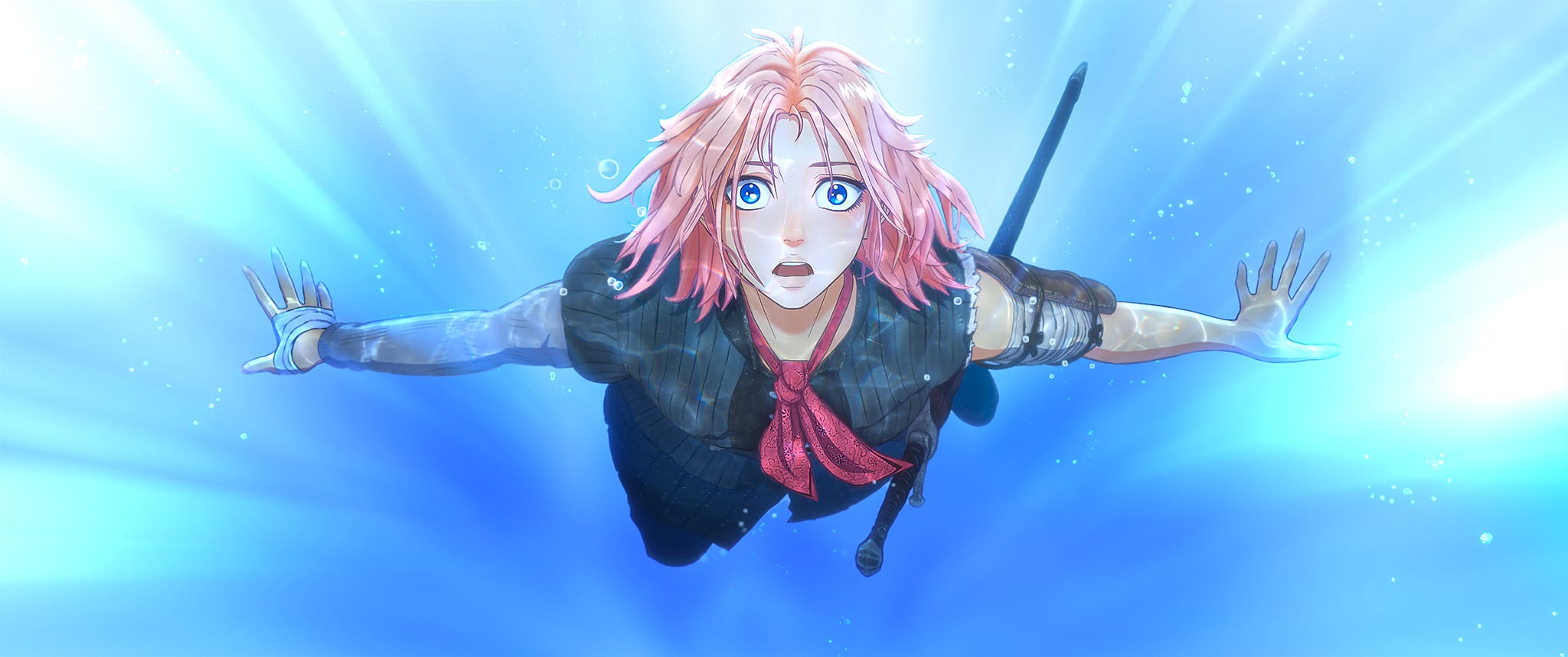
Scarlet – For every criticism that Chloe Zhao’s Hamnet has gotten for taking liberties with Shakespeare’s life and work, Mamoru Hosoda deserves even greater scorn for his latest film. This very loose adaptation of Hamlet totally disrespects the Bard’s most famous play, turning it into (as I wrote on Letterboxd after its New York Film Festival press screening) “an unholy, incoherent brew of Hamlet, Berserk, Evangelion, Nausicaa of the Valley of the Wind, and half a dozen other stories,” complete with “insipid, childlike humanist messaging and ridiculous tonal shifts. Twice the film grinds to a halt to have a dance party amid battle scenes and bloody carnage, and at least one is supposed to convince the protagonist to change her vengeful ways because everything in the future looks like an ad for Second Life.” Read the rest here. (VOD)
Steel Ball Run: JoJo’s Bizarre Adventure – The latest part of David Production’s ongoing adaptation of Hirohiko Araki’s outrageous multi-generational manga saga hurls us back in time to the American Wild West. New protagonist Johnny Joestar (Shougo Sakata), a paraplegic former jockey seemingly unconnected with the rest of the Joestar clan, is racing in the transcontinental Steel Ball Run horserace. He cares less about winning than pursuing frontrunner Gyro Zeppeli (Youhei Azakami), holder of a mysterious weapon that may hold the secret to letting Johnny walk again. So far Netflix has frustratingly only aired a single, double-length episode with the next part coming later this year. But from what’s been shown already, this JoJo feels like a return to form for the franchise, which reached a low point with the difficult Stone Ocean saga. Absurd stand powers and gross-out hysterics are gone (for now), and we’re left to focus on the wild personalities and action populating the race. Hopefully more comes along sooner rather than later. (Netflix)
Tamon’s B-Side – One of the more amusing recent takes on fan-culture in anime, this comedy from studio J.C.Staff follows Utage (Saori Hayami), a high-schooler who moonlights as a housekeeper to afford her oshikatsu hobby and stumbles into cleaning house for her favorite boyband idol, Tamon (Kakeru Hatano). She quickly finds out his “wild and sexy” persona is a front and that he’s actually a nervous wreck in private. In fact, as the show goes on we learn all five members each have a secret, more abrasive personality behind the characters they play. It’s a fun show, but I find it most interesting in the way it exhibits the split psychology of the serious stan: Even as Tamon seems to be legitimately falling for Utage (and her for him), she does everything she can to wall him off so she can keep objectifying him as an idol, until she finally comes to terms with her own feelings. It’s a surprisingly clever satire of the fantasies given to us by the entertainment industry and how they’re seemingly preferable to the complications of reality. The main deficit is the music which, while serving as a decent facsimile of actual J-Pop idol music, confirms how middling the very commercial genre can be. Bonus points for an appropriately hystrionic performance by Hayami (aka Spy x Family’s Yor Forger) as Utage. (Crunchyroll)
Thanks for reading Expo! This post is public so feel free to share it.
All images belong to original copyright holders; attribution given where available. Expo claims fair use on images used in criticism and commentary.
Both were also briefly displaced by Steel Ball Run, proving if anything that MAL has a few problems with review-bombing and recency bias.
No posts
Comments
Nothing yet. Say the first thing.
Sign in to join the conversation.