
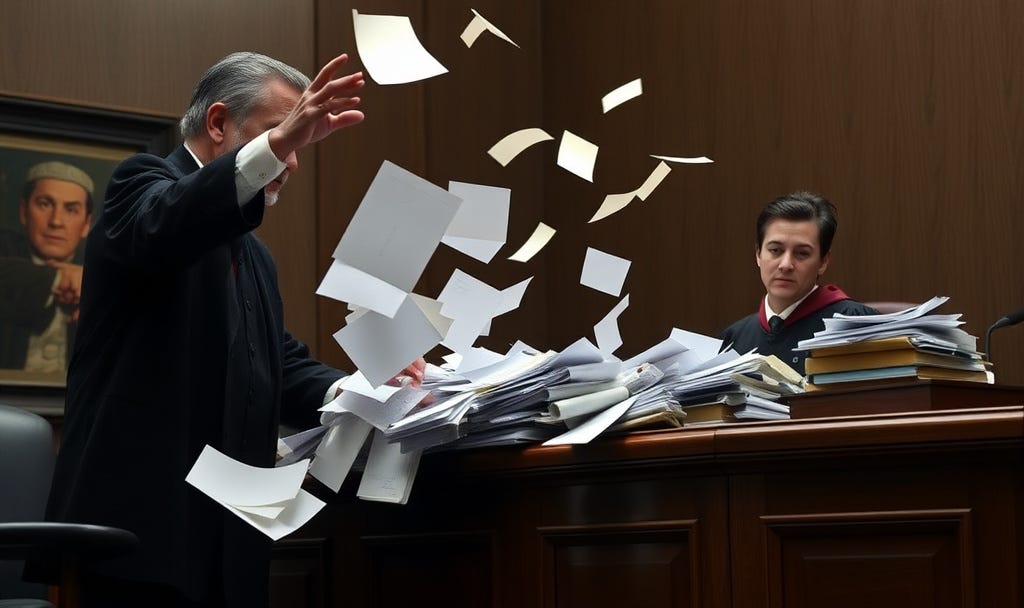
A federal judge in Philadelphia has dismissed with prejudice a former OneTaste participant’s lawsuit accusing Kohn, Swift & Graf PC and attorney Neil L. Glazer of legal malpractice and related torts stemming from their representation after she received an FBI subpoena tied to the government’s OneTaste investigation.
U.S. District Judge Gerald A. McHugh held that the plaintiff, Alisha Price, failed to plausibly plead any cognizable damages or an adverse legal outcome caused by counsel’s work, concluding that her own allegations supported the opposite inference: that the lawyers accomplished the limited task they were hired for, keeping her from having to testify or otherwise respond to the subpoena.
Price sued Kohn, Swift & Graf and Glazer in July 2024, asserting eight causes of action: legal malpractice, fraud, intentional infliction of emotional distress, negligent infliction of emotional distress, violation of New York Judiciary Law Section 487, unjust enrichment, breach of fiduciary duty, and breach of contract.
Her core narrative was that she retained the defendants in April 2021 for a $2,500 flat fee after FBI agents served her with a subpoena at her mother’s home in Florida in connection with the OneTaste probe.
She claimed she repeatedly told Glazer she did not consider herself a victim and wanted to minimize disruption and end her involvement quickly, but that counsel instead tried to steer her into a “crime victim” posture and facilitated contacts with victim specialists and related services, allegedly to support a future civil damages action against OneTaste that could generate contingency fees.
Price also alleged she lost her job amid anxiety and distress tied to the investigation and the handling of her representation, and later requested her case file, which she said was not produced.
Although Price filed in the Eastern District of New York, the case was transferred to the Eastern District of Pennsylvania in October 2024 under Section 1404(a) after the court found transfer appropriate, pointing in part to a forum selection clause in the retention agreement.
In a Dec. 3, 2025 memorandum, Judge McHugh applied Pennsylvania law, noting the retention agreement’s Pennsylvania choice of law provision and the parties’ reliance on Pennsylvania law in briefing.
Under Pennsylvania law, a malpractice plaintiff must plead duty, breach, and proximate causation of actual loss. The court emphasized that speculative harm or mere irritation does not suffice, and that malpractice typically requires pleading a “case within a case,” meaning the lawyer’s negligence changed the outcome of the underlying matter.
Here, the court found Price’s allegations undercut the claim because they did not plausibly allege that she was forced to testify, produce documents, or suffered legal consequences from the subpoena. Instead, the retention agreement described a narrow engagement for a flat fee to handle communications with the U.S. Attorney’s Office and FBI and assist with document review and production if required, and the court concluded the complaint, fairly read, reflected that the lawyers performed that limited role.
Put differently, the judge treated the alleged harm as personal distress tied to the situation and Price’s belief that counsel had mixed motives, not an actionable, legally caused loss flowing from a mishandled legal matter.
The court characterized the remaining claims as “even more deficient” than the malpractice count and dismissed them as well.
On the breach of contract claim, the court pointed to the agreement’s limited scope and held Price failed to plead breach or damages, again stressing the absence of allegations that she had to respond to the subpoena or faced consequences for not responding.
Price pleaded a New York Judiciary Law Section 487 claim in the complaint.
The Pennsylvania court rejected the contention as meritless in this case.
For broader context, New York’s highest court has recently reiterated that Section 487 targets intentional deceit or collusion in litigation, not merely poor lawyering or fee driven motives without the type of intentional false statements the statute is designed to punish.
Judge McHugh dismissed the complaint with prejudice, finding amendment would be futile given the baseline facts as the court saw them: a limited flat fee engagement and an outcome consistent with Price’s stated goal of avoiding testimony or further participation.
The court entered an order granting the motion to dismiss the same day.
No posts
Comments
Nothing yet. Say the first thing.
Sign in to join the conversation.