

Picture this: you’re standing in central Minnesota, staring at an architectural marvel designed by the man who inspired “The Brutalist.” You are alone. No one is pushing you around to get a better view. No one is smacking your selfie stick.
Drive 10 minutes, and you’ll end up at a restaurant with Creole food so good you’ll be immediately transported to your childhood meals at Li’l Dizzy’s. Drive another hour, and you’ll be at an idyllic farm slinging wood-fired pizzas and crawling into a memory foam mattress in a glamping tent.
This is what I love about Minnesota. She’s got the range, and you don’t have to compete with a thousand other tourists to enjoy the best spots; bribe a surly hostess who thinks your shoes are cheugy; or stand in a three-hour line for a triple-layer s’mores matcha cronut.
You can just show up, eat well, enjoy some of the world’s best design, and return home in less time than it takes to get through the Starbucks line at the airport.
— Devon Cox
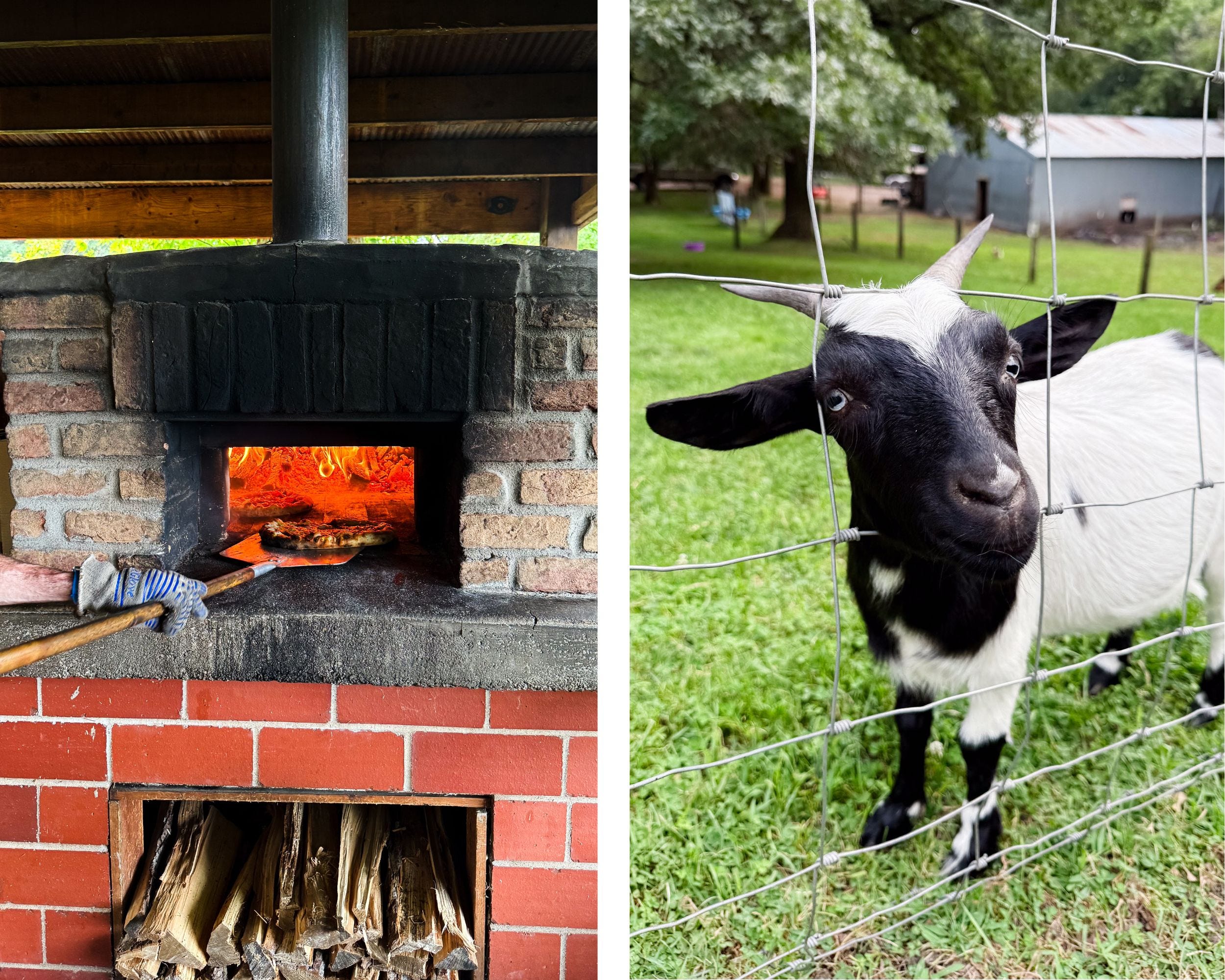
Pizza farms are not trying to confuse you. They are exactly what their name says: farms where pizza is served.
The movement spread across the Upper Midwest in the mid-2010s before enjoying a COVID-era boom. At first blush, the concept seems peculiar. But the pizza farm is a sort of rural rifacimento, recasting struggling family farms into thriving agritourism businesses.
At least, that’s how Kim Hayes, the owner of Alpha and Omega in Princeton, sees it. She and her husband, Brad, opened Alpha and Omega in 2020, and the business has been so successful that it is now their full-time job.
Kim is tall, tan, and gregarious. When we arrived on a Thursday evening, heavy sunlight dripping through the canopy of oaks and maples, she was working the crowd in a Yves-Klein blue jumpsuit, introducing herself to guests and personally delivering pizzas.
Later, she plopped directly onto our blanket and shared both her vision for the future of Minnesota’s agritourism industry and the recipe she uses for crunchy-on-the-outside, pillowy-on-the-inside pizza crust.
The scene at Alpha Omega (which took about 90 minutes to get to from Minneapolis) is Noah Kahanian, late summer idyll — all gauzy light and redolent basil plants overflowing from metal troughs. A local sister-band duo played “Kiss Me” from a converted truck bed. Children cavorted between picnic tables and bested each other at cornhole. Demilunes of string lights hung between converted grain silos and corn cribs, where happy diners drank from sweating bottles of rosé and fought over the last slice.
I felt as if I’d been transported to the scene of a ‘90s romcom, half expecting to run into a flannel-wearing innkeeper who would take me away from my big city life.
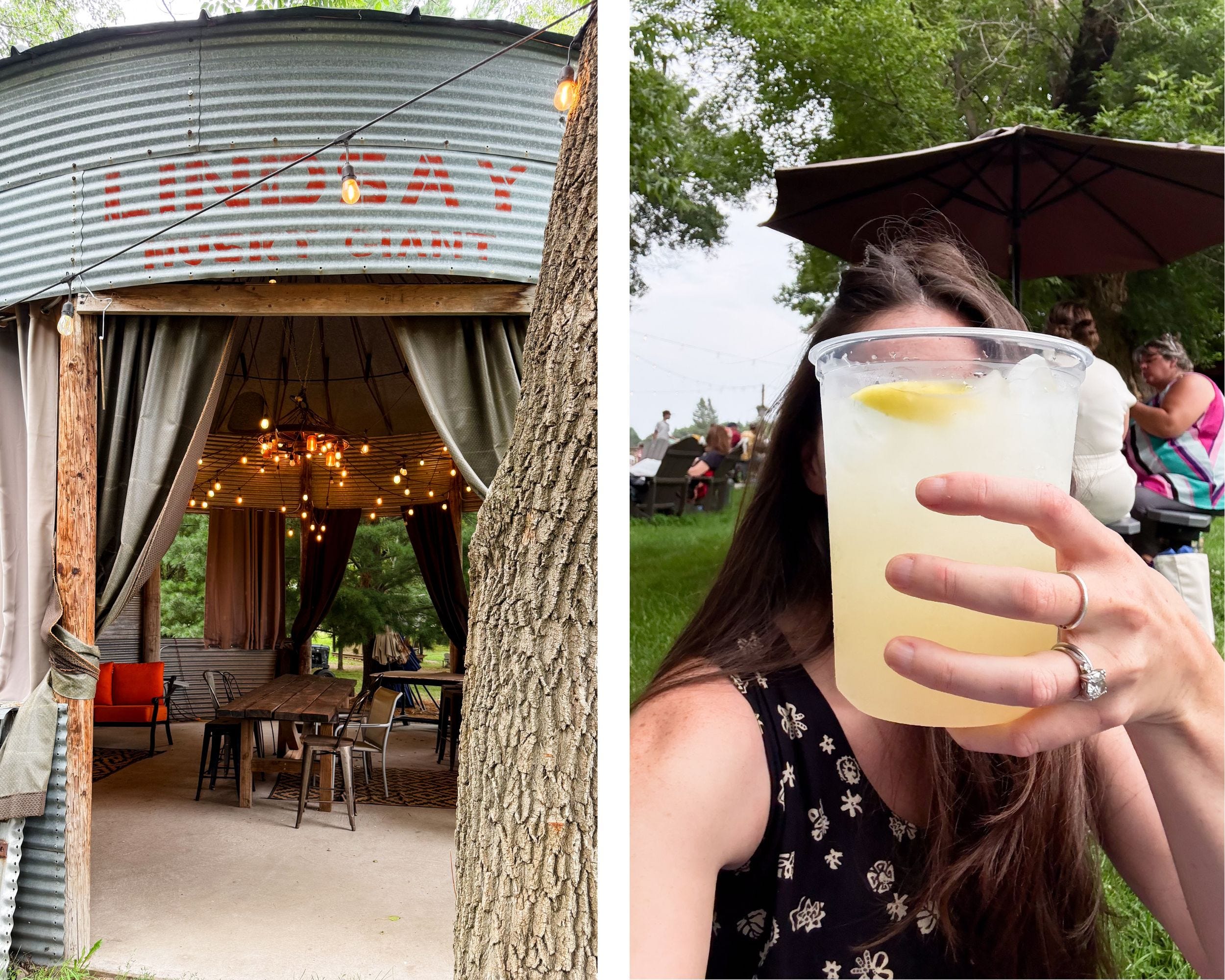
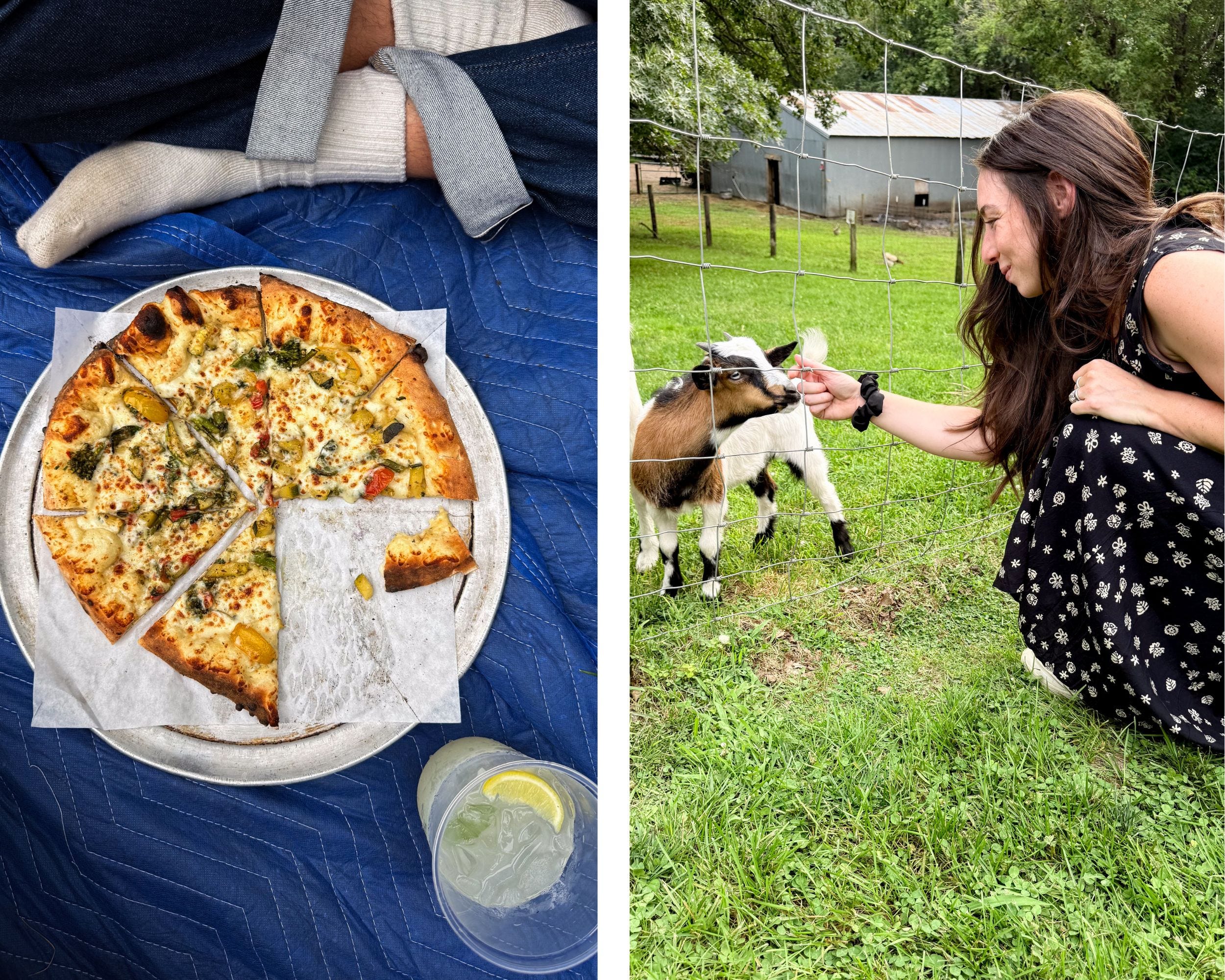
With proper char, gorgeously blistered cheese, and a scattering of purple micro-basil, Alpha and Omega’s pizza easily earns its place amongst the state’s best. Kim grows most of her own vegetables (as many pizza farms do), and the ones she doesn’t are delivered by a man she simply referred to as “Chuck.” Chuck, Kim explained, grows the “cutest tomatoes,” which I have subsequently identified as heirloom yellow pears. The cheese is local, as is the meat from Milaca, located just 17 miles down the road (and the home of Heggie’s pizza). I enjoyed it with a lemonade I did not expect to be served line-cook style, a.k.a. in a container the size of my head.
When Kim got up from our blanket, she told us we could toss any leftovers over the fence so the pigs could enjoy them. But unsurprisingly, there weren’t any leftovers.
Address: 6714 Alpha Rd, Princeton, MN 55371
Hours: Pizza nights are on Thursdays and Saturdays from 4:30 p.m. to 8 p.m. Goat yoga is on Saturdays from noon to 2 p.m. Summer pizza nights go through Labor Day. In September, they switch over to Sunday lunch from 11:30 a.m. to 4 p.m.
Good to know: You must reserve your crust in advance (they sell out quickly). Alpha and Omega does not have a liquor license. When we were there, a truck sold limited alcoholic beverages, but you can also BYOB. As with all pizza farms, remember to bring your own blanket, plates, utensils, napkins, and other dinner accouterments.
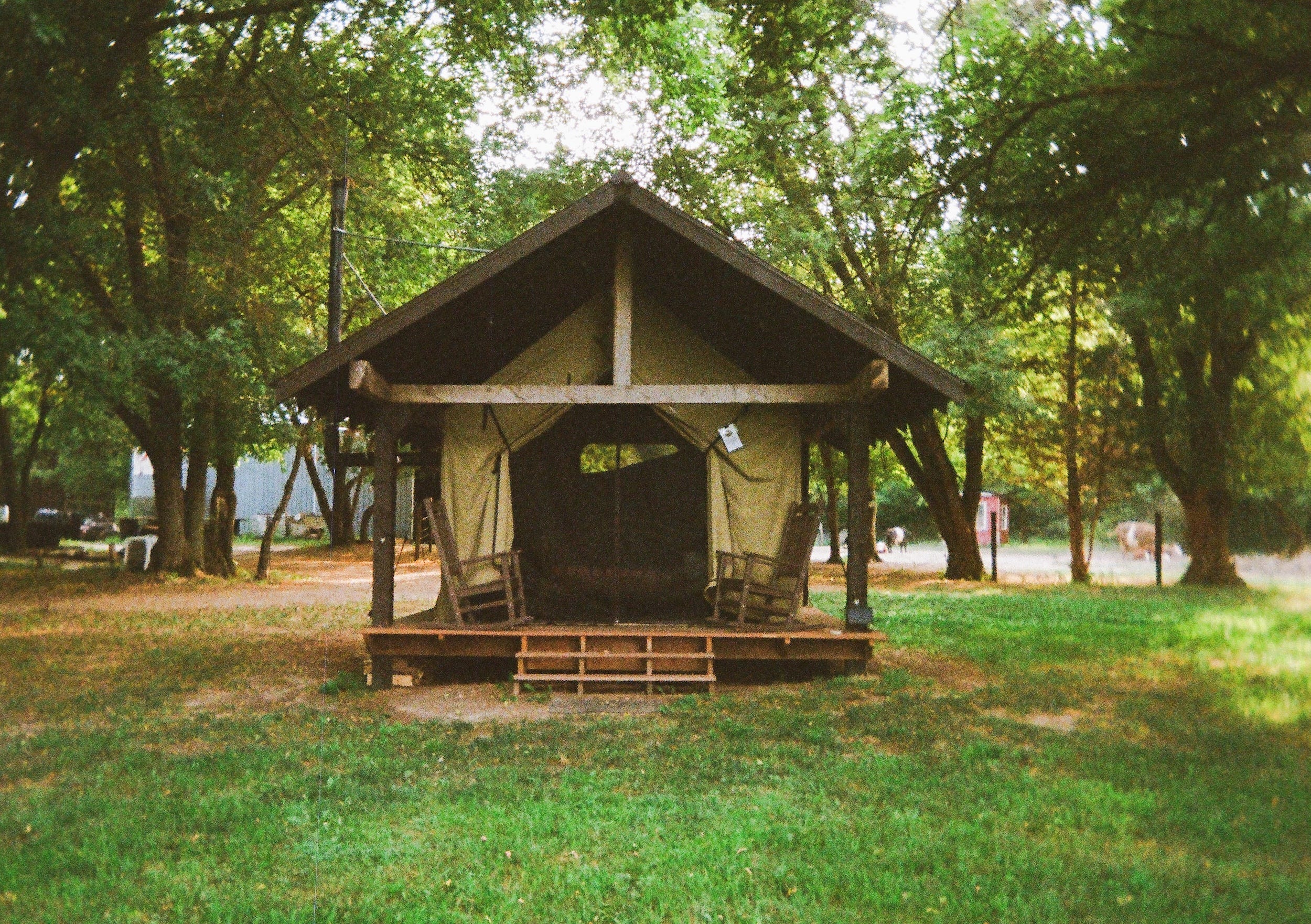
I must admit that I do not, will not, sleep on anything that could reasonably be described as “ground.” Therefore, I abstain from camping. But glamping, camping’s palatial cousin, includes enough creature comforts for me to partake. Specifically, a bed. A nice bed. A queen-size with a nice memory foam mattress and a quilt.
After the pizza crew had cleaned up and gone home, the farm fell quiet. The crickets hummed. At some point in the night, rain began to fall on the metal roof above the tent. I get it, I thought, drifting in and out of consciousness. I get why people camp.
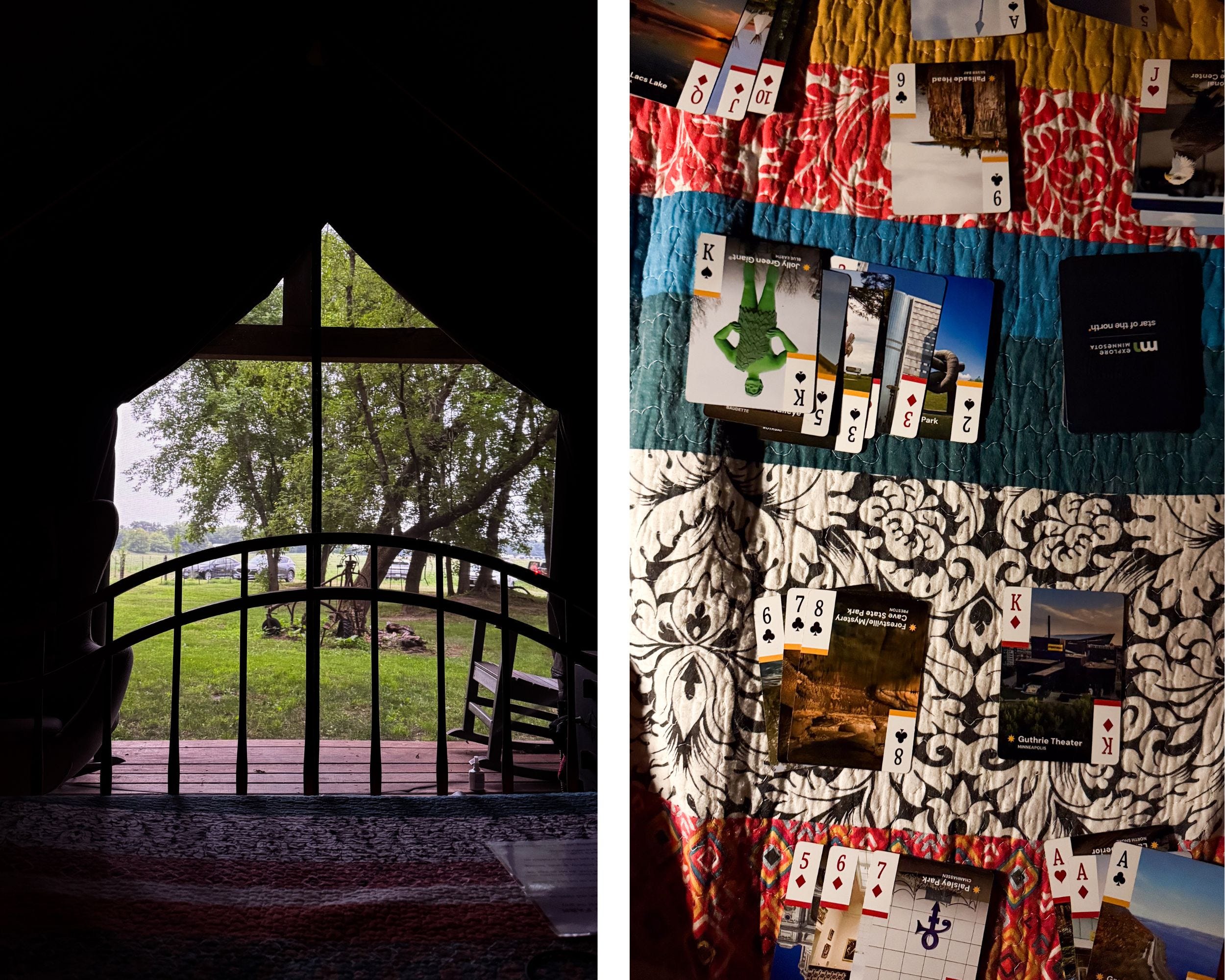
Good to know: The bathroom situation is porta-potties (but they’re big and clean!). There is a hand-wash sink with running water for brushing your teeth.
Bring portable chargers if you need them; these glamp tents do not have electricity. We also brought USB-powered collapsible fans, which came in clutch.
For those who want to stay the night but don’t want to do camping of any kind, you can rent the Summerhuis.
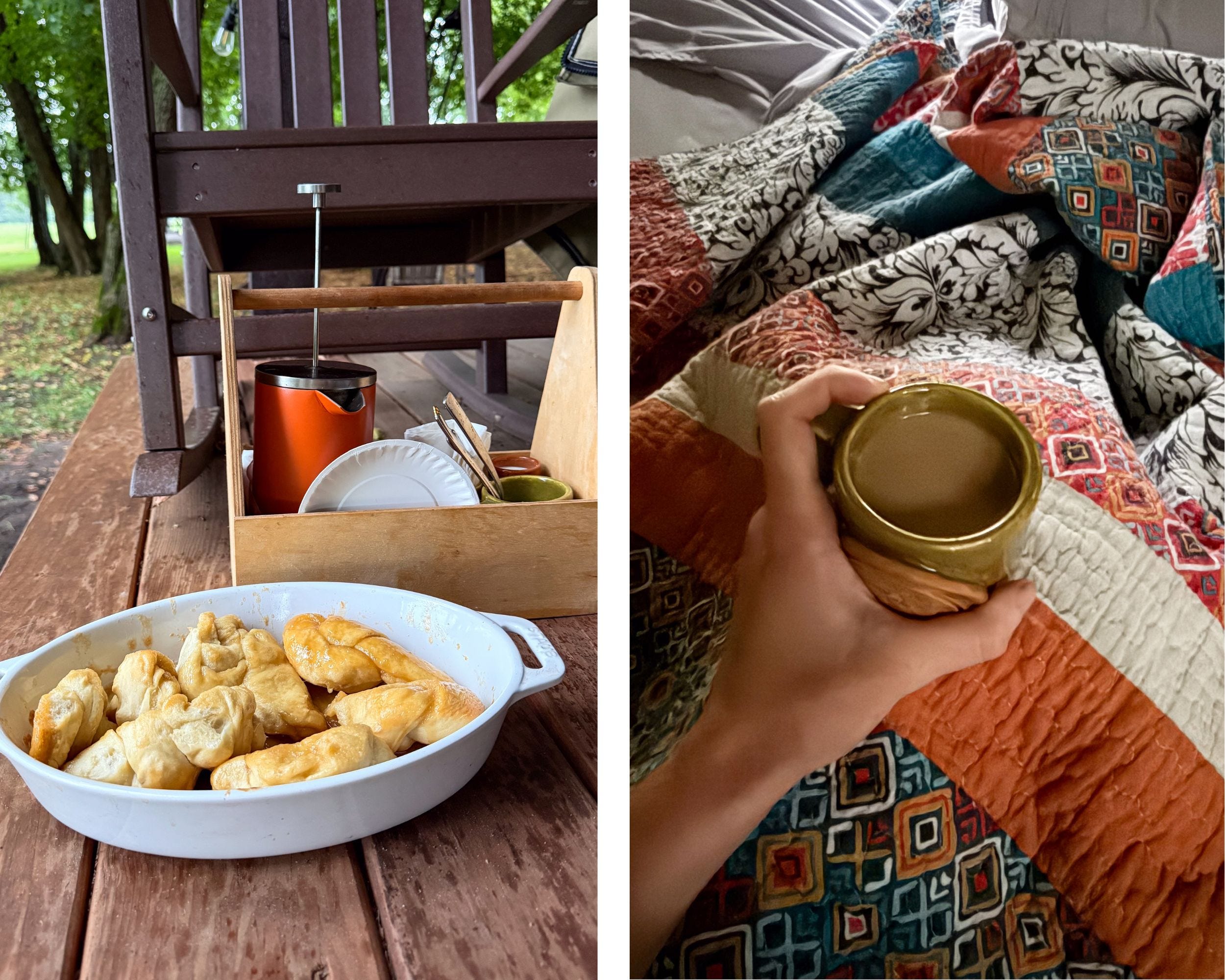
Kim delivered coffee and caramel rolls at 8 in the morning, both of which were enjoyed in bed whilst watching cool rain fall on the pasture. In the 20 minutes it took to do this, I briefly transformed into Henry David Thoreau.
However, like hobbits, some of us must have a second breakfast, so we made the hour-long drive to St. Cloud to go to Kitchenette, a small daily brunch café that prides itself on scratch cooking and the world’s best bacon.
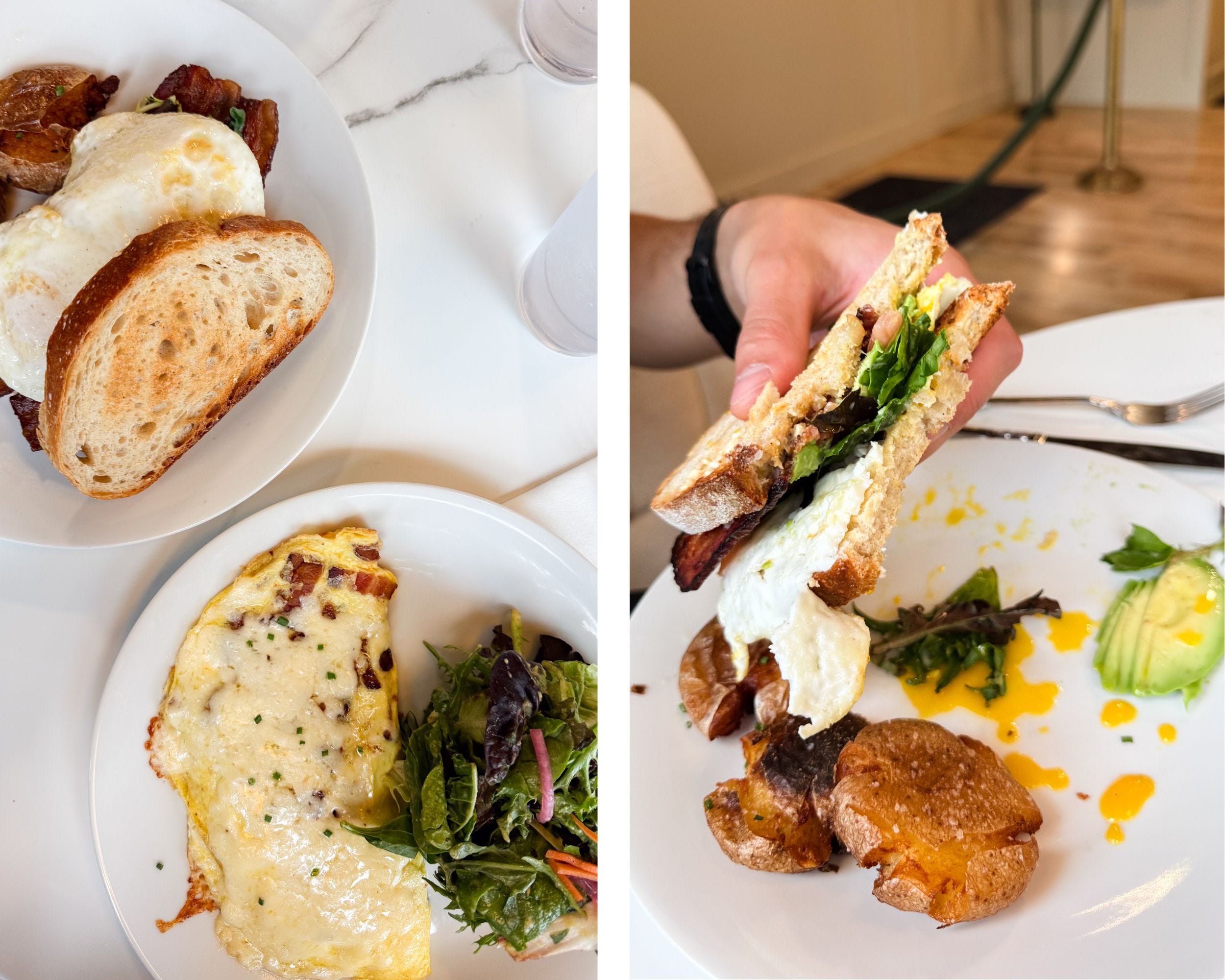
They are not lying about the bacon. This is no flimsy, flabby pork product. It is thick-cut, dry-aged, smoked on cherrywood, capital B Bacon from Jones Dairy, and is tragically NOT AVAILABLE IN MINNESOTA GROCERY STORES.
So, you’ll have to go to Kitchenette to try it. Sorry, and you’re welcome. Get the BELTA (bacon, egg, lettuce, tomato, avocado) sandwich, upgrade to crispy smashed potatoes, and tell them Explore Minnesota sent you.
Vegetarians, worry not: Kitchenette’s eponymous omelet is stuffed with mushrooms, onions, poblano pepper, cherry tomatoes and spinach, and they also offer a Belgian waffle that would be equally good as an entreé or ordered for the table.
Address: 417 E St Germain St, St. Cloud, MN 56304
Hours: Daily, 7 a.m.-2 p.m.
Good to know: Popular. We arrived on a Friday around 9, and it was quiet, but an hour and a half later, the restaurant was full. No reservations, so plan accordingly.
St. Cloud’s East End is a vibrant, rapidly evolving neighborhood home to Iron Street Distillery and Somali Café and Restaurant.
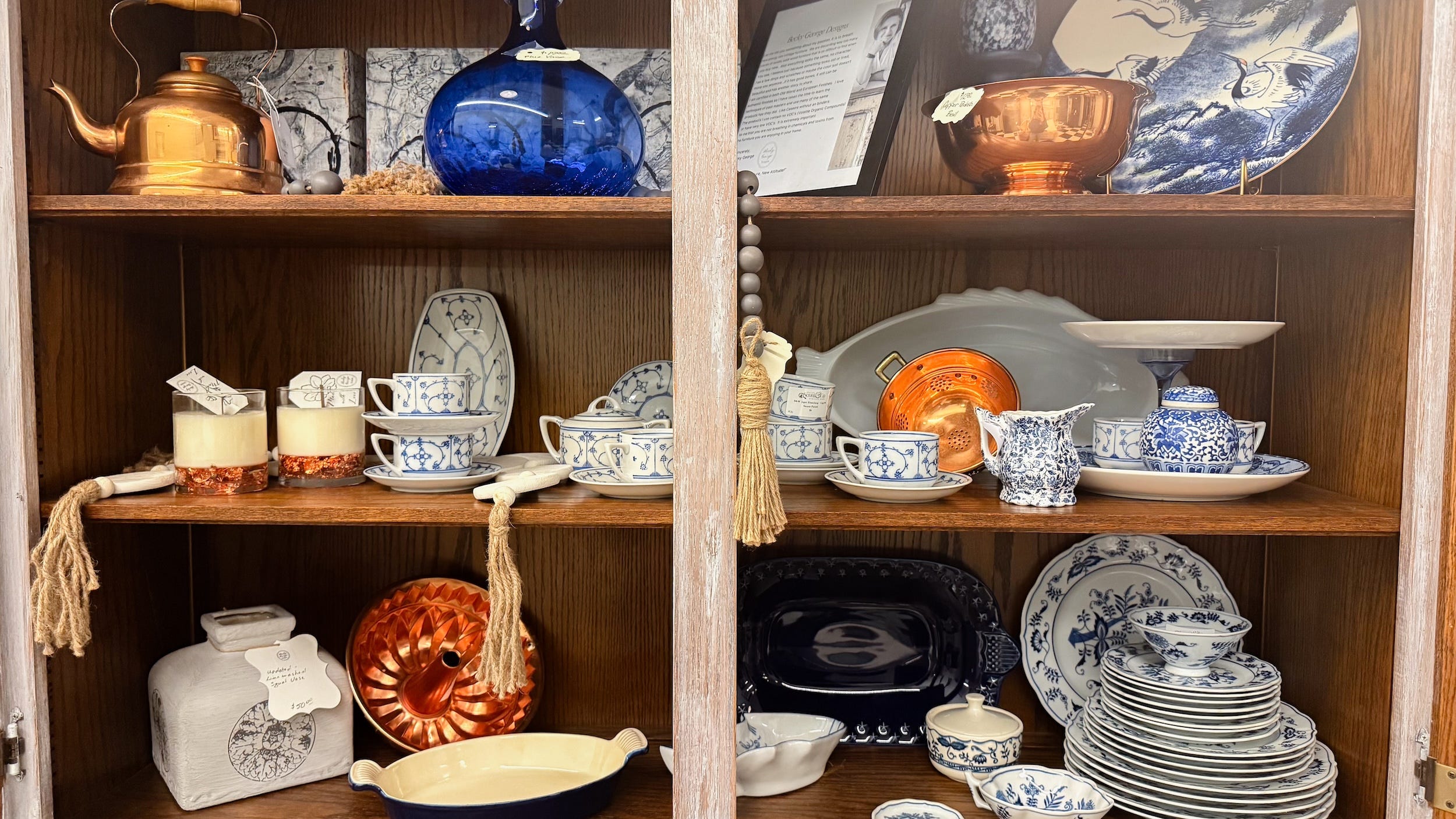
Sage and Salvage / Scout & Co was just next door to breakfast, offering vintage Le Creuset alongside handmade wood furniture.
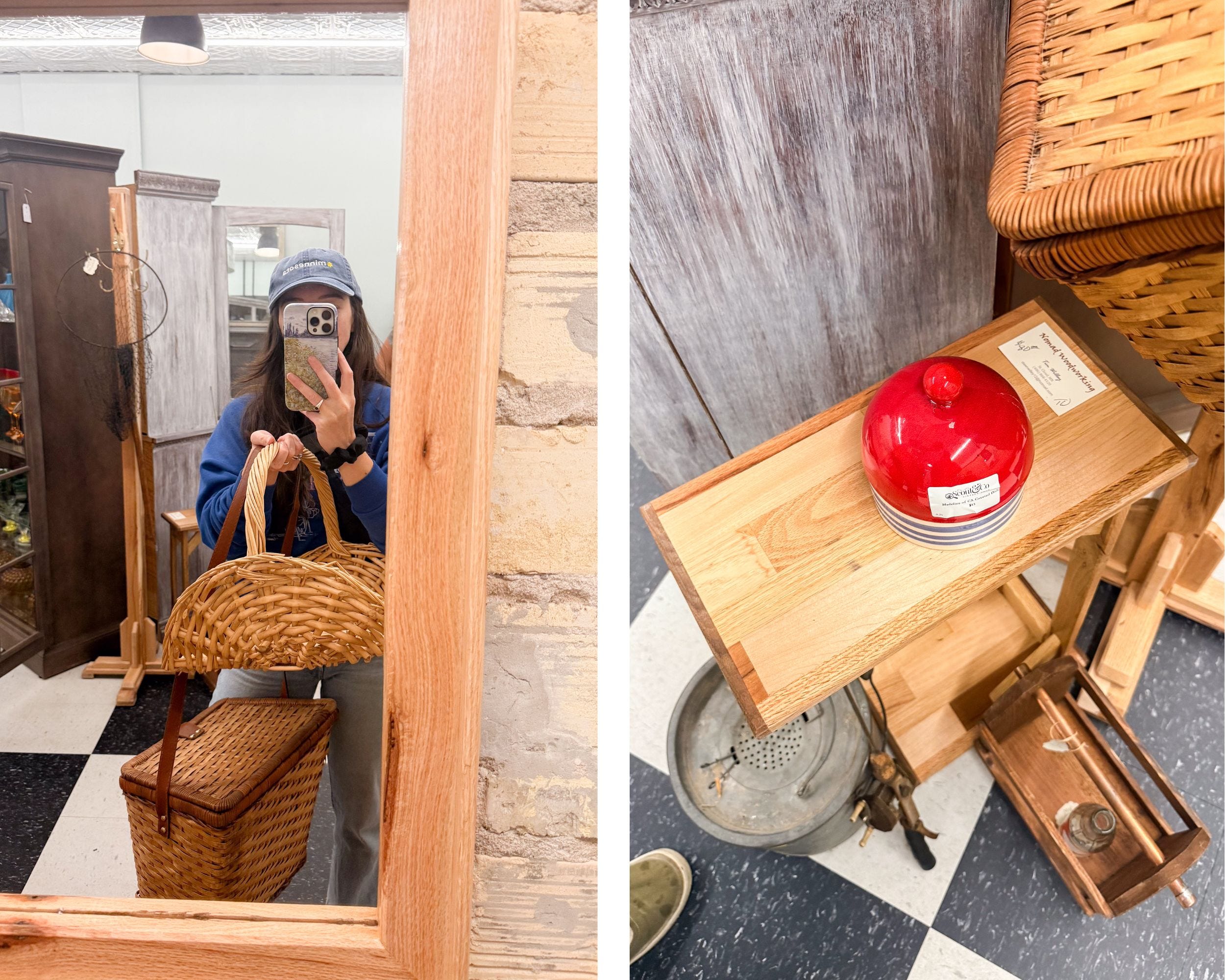
I picked up two vintage baskets and a side table from local woodworker Tim Willey, whose website I would link here if he had one. (His business card lists only his wife’s hotmail.com email address. I’m pretty sure we call that charm.)
Address: 413 E. St. Germain, St. Cloud, MN
Hours: Open Friday-Sunday, 9 a.m.-3 p.m.
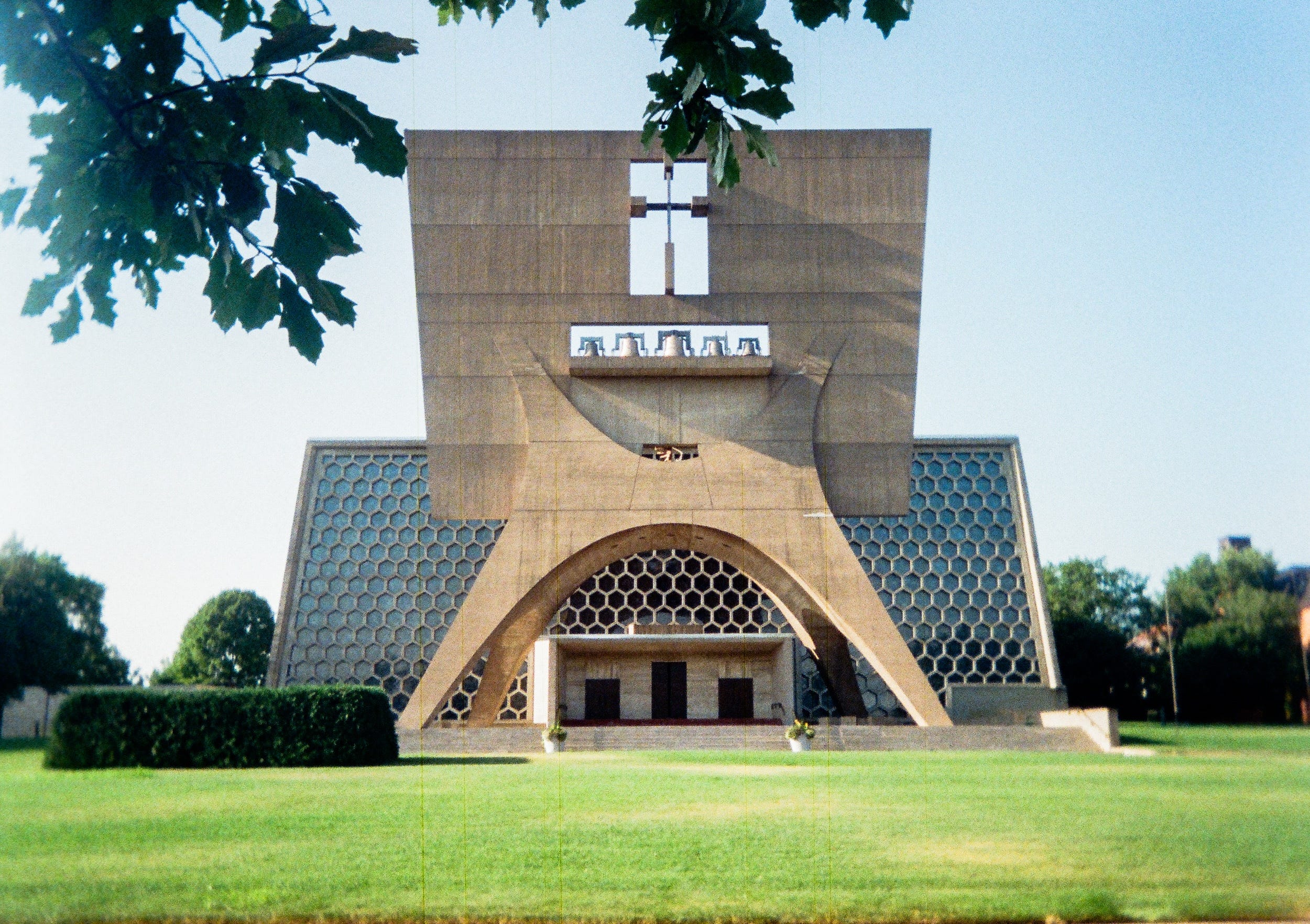
The Hungarian-Jewish Architect Marcel Breuer (pronounced BROYER) was a student and then instructor at the Bauhaus school of design, founded by the influential modernist Walter Groipus in Weimar, Germany, alongside names like Wassily (Vassily) Kandinsky (whom Breuer would later name an iconic chair after), Paul Klee, and Josef Albers.
Sadly, the progressive Bauhaus school was forced to close under Nazi pressure in 1933. By that time, Groipus and Breuer had both fled Hitler’s Germany — Breuer on account of his ethnic Judaism, Groipus due to his status as a “degenerate artist”. By 1937, they were both on the faculty at Harvard University.
It was in the United States that Breuer turned to Brutalism, the austere postwar architectural style commonly derided by those without an appreciation for the tension between beauty and function. To put it in modern parlance, Brutalism is architecturally ugly-hot. Breuer designed Paris’s UNESCO Headquarters and the third iteration of the Whitney Museum (now owned by Sotheby’s).
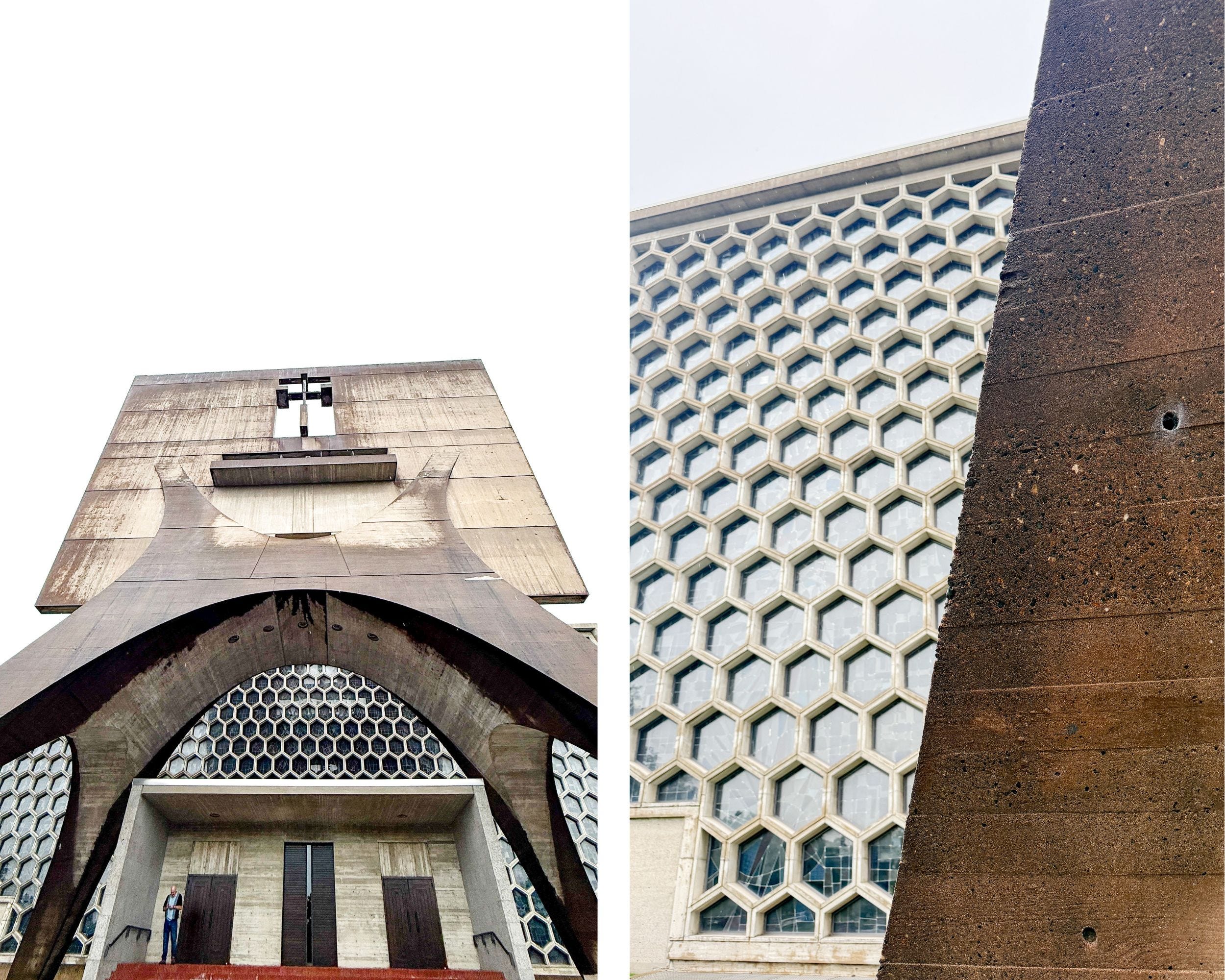
However, it was the immense, almost Promethean St. John’s Abbey that inspired director Brady Corbet to make his Oscar-winning 2024 film, The Brutalist, starring a very sad Adrien Brody. While the story is highly fictionalized (apparently very nice monks as clients do not make for high-stakes drama), Corbet drew on the memoir “Marcel Breuer and a Committee of Twelve Plan a Church,” which you can purchase at the school’s on-site bookshop.
I am not Catholic. But I am a bona fide design nerd, and seeing St. John’s Abbey in person was, as someone who cried in Finn Juhl’s house, just about as spiritual as it gets for me. You do not have to be religious to appreciate the disciplined grandeur of Breuer’s design. One must pass through “the banner,” as it’s called, a 112-foot structure that holds the church’s bell, in order to reach the carved wooden doors of the abbey, and that journey alone is enough to inspire awe.
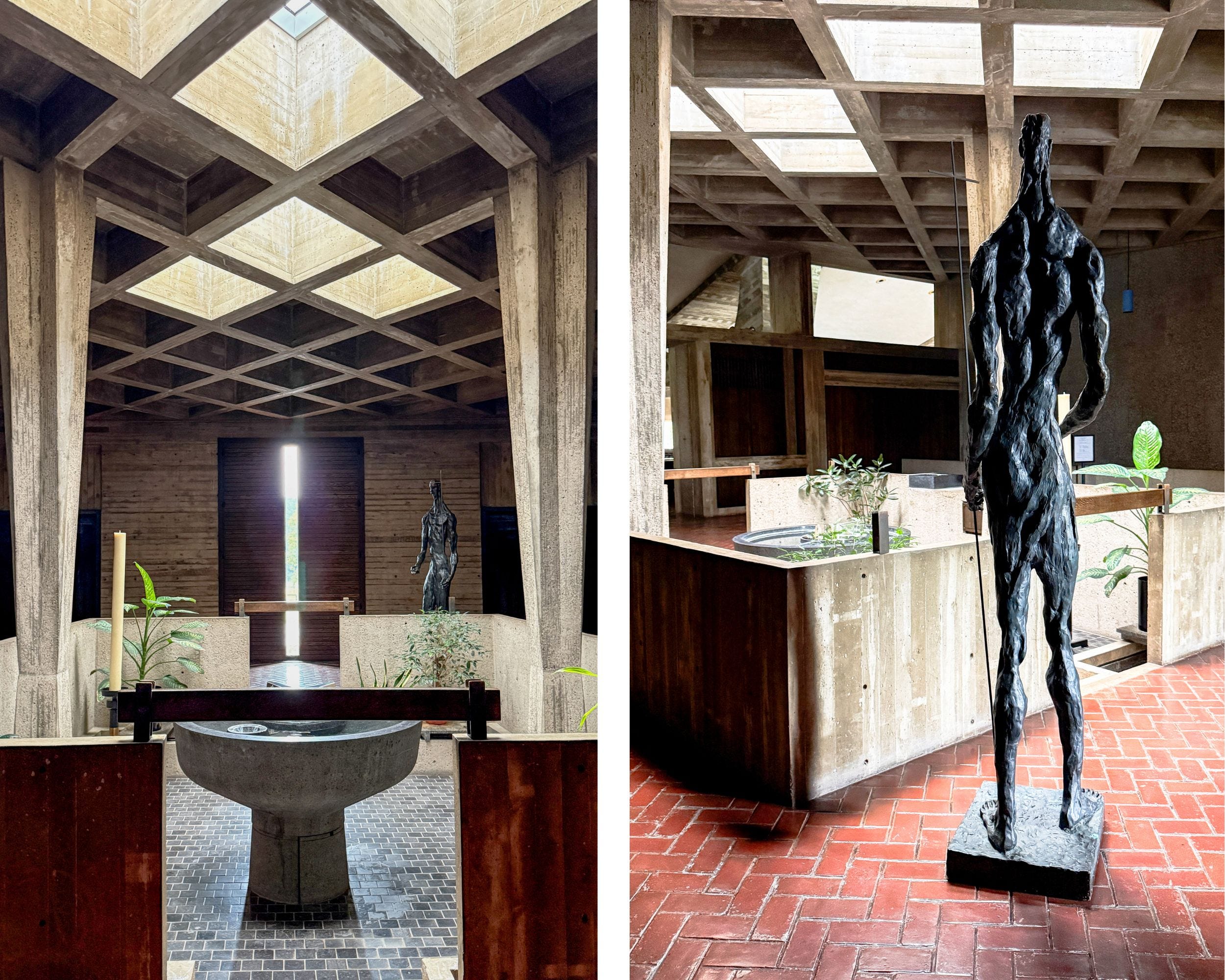
Inside the lobby, diaphanous sunlight illuminates an expressionist figurative sculpture that I thought might be a Giacometti but is, in fact, Doris Caesar’s rendering of St. John the Baptist. He gazes upon a dark granite water feature, representing entry to the church through baptism. A tripartite door leads to the sanctuary, where I wandered alone for a strangely nebulous amount of time, each turn revealing a view of the folded-plate walls that felt completely considered, as if Breuer had individually mapped thousands of possible sightlines and designed for each of them.
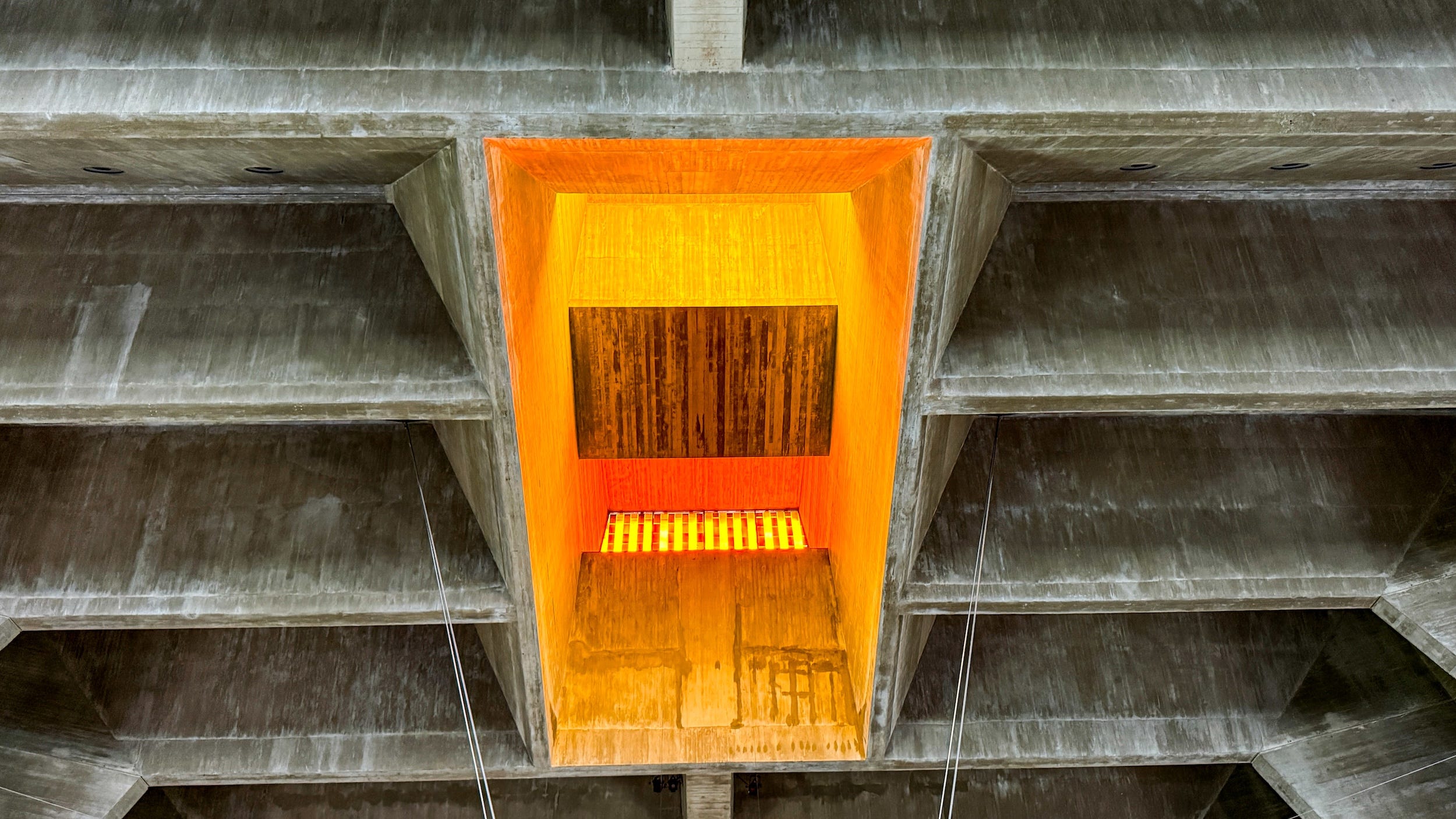
Orange light haloed the skylight over the altar, designed to look like the oculus of Rome’s Parthenon. The stained glass of this “lantern” was designed by Breuer’s old Bauhaus buddy Josef Albers.
Breuer also wanted Albers to design the massive north wall of 430 stained glass hexagons, but the church committee chose faculty member Bronislaw Bak. Bak’s design features 125 hues of handblown glass imported from Europe surrounding a symbolic “white eye of God” at the center.
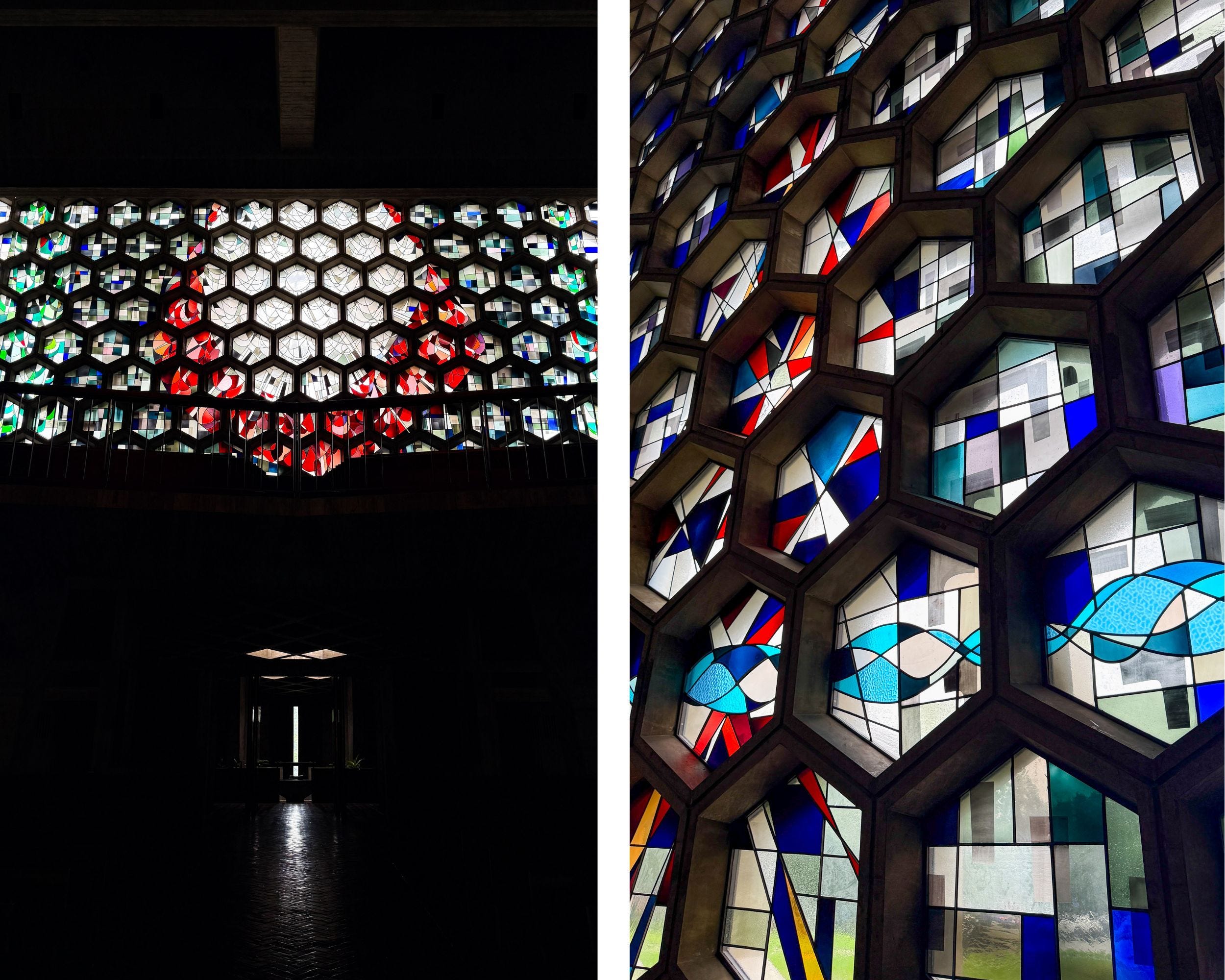
The overall effect is spectacular, casting Kodachrome colors onto the surrounding concrete and begging you to walk around the church and appreciate how the light and tone continually shift, reminiscent of an expressionist painting.
Address: 2900 Abbey Plaza, Collegeville, MN 56321
Hours: Open to the public daily from 7 a.m. to 10 p.m.
Good to know: This is still very much a church. Be respectful, time your self-guided tour so it doesn't coincide with services, and don’t take any photos that are in poor taste. Guided tours are available for a nominal cost, but you must have a group of six or more.
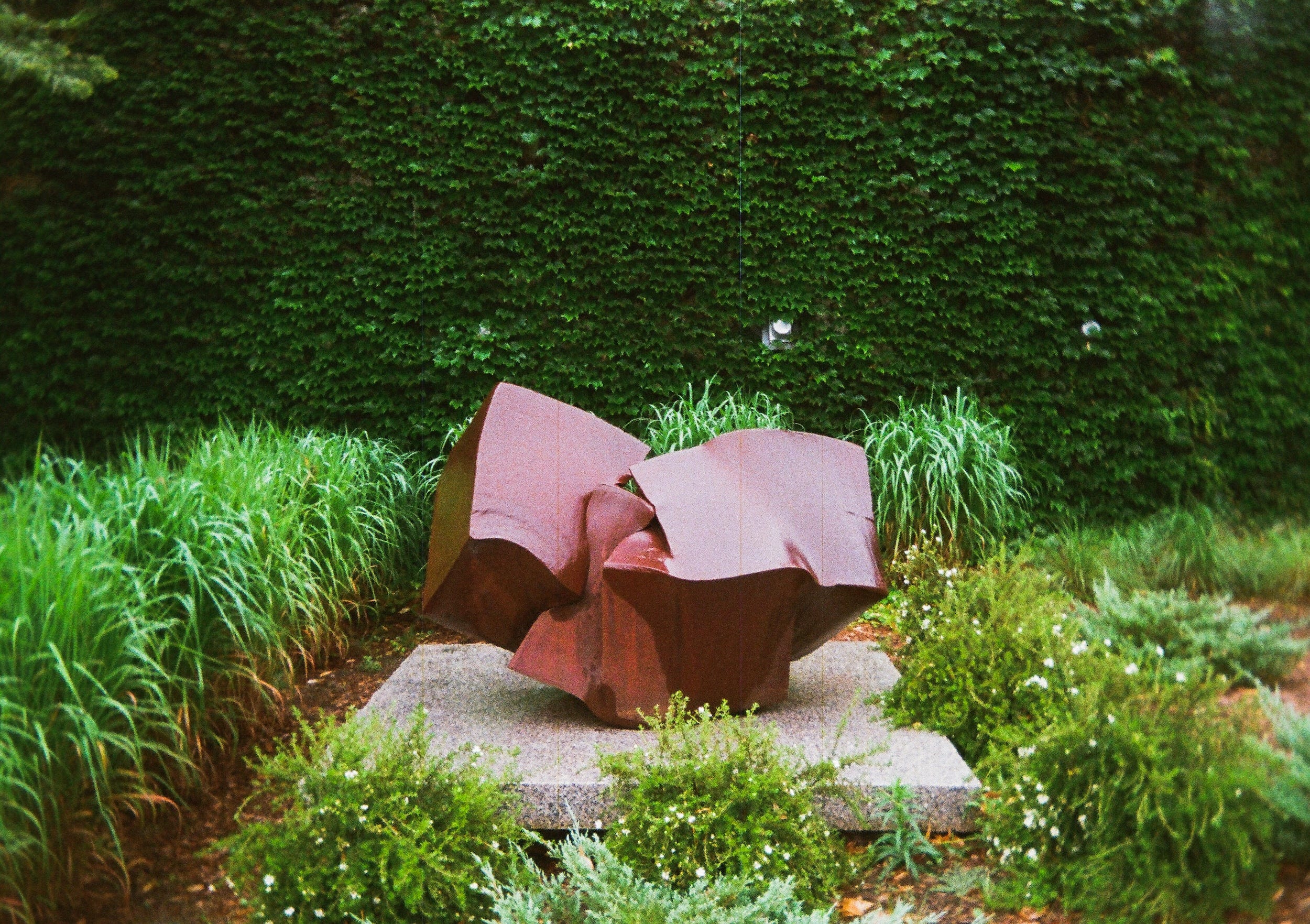
The abbey isn’t the only famous piece of lore on the St. John’s campus. It’s the place where Minnesota Public Radio was born (a very young Garrison Keillor was one of the first hosts), there’s an on-site sculpture garden partially hidden behind a building, and the library contains a rare handwritten bible, which you can see on display.
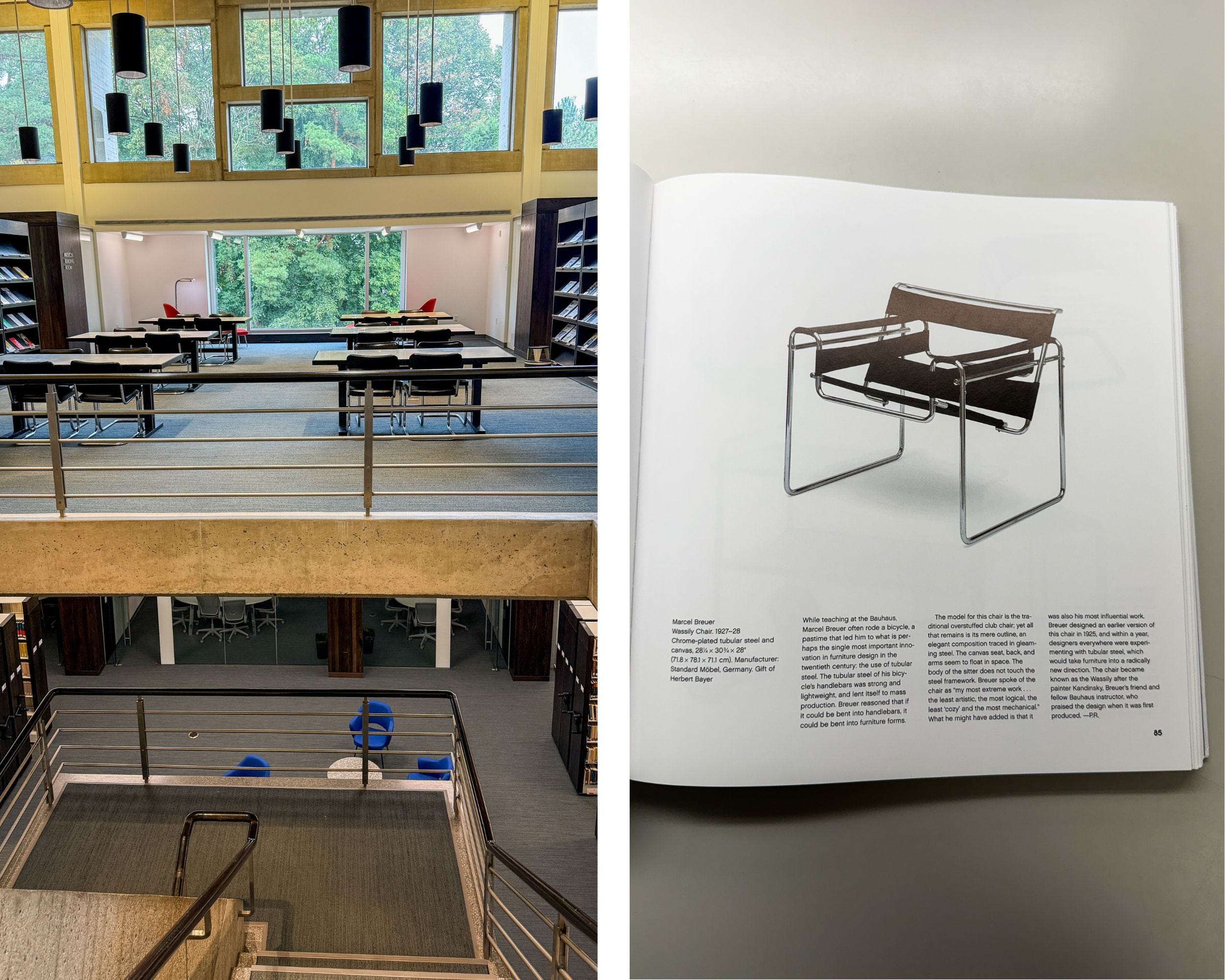
It was still pouring outside, so I visited the library’s small but lovely art gallery, then plucked a few design books from the stacks and settled into one of the many Cesca chairs while reading about Breuer (very meta!).
In addition to the campus, Breuer also designed a house for Frank Kacmarcik, the St. John’s professor who advocated for Breuer’s hiring. The home, which sits on the bluffs above Pigs Eye Lake in St. Paul, was last for sale in 2007. Keep an eye on the market, you might get lucky!
For the Breuer-curious, you can see all of his buildings on this interactive registry map.
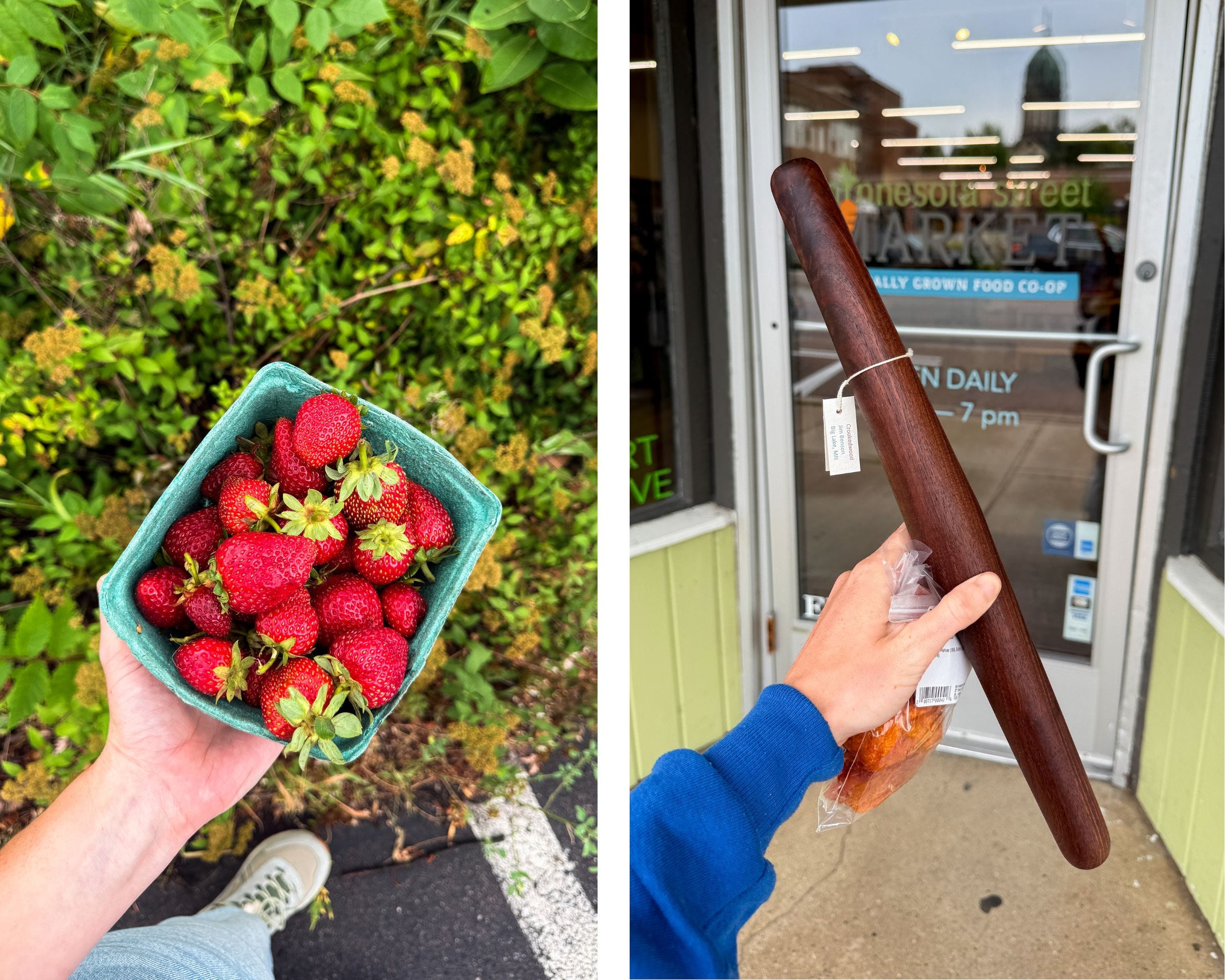
St. Joseph is a platonically idealistic college town, with a thriving main street and packed-to-the-gills coffee shop, Local Blend, where I got a flat white after browsing the wares at Minnesota Street Market, the food co-op-slash-local-art-gallery next door.
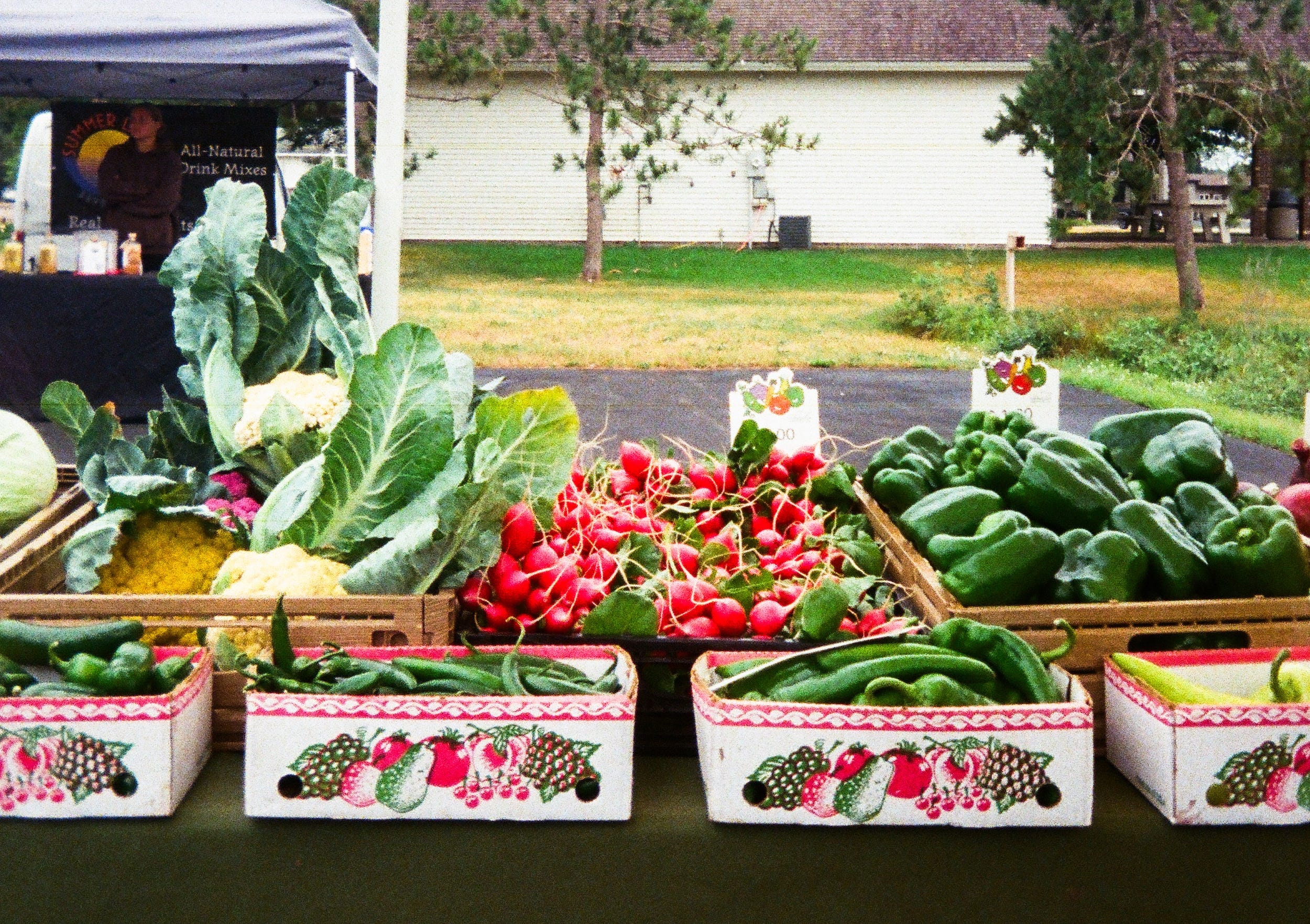
The small but popular farmer’s market was a 12-minute walk away, in the parking lot of the Lake Wobegon trailhead. Please note that there is no lake on the Lake Wobegon trail; it’s a paved bike path named for Garrison Keillor’s fictional town made famous by “A Prairie Home Companion.” Before heading back to campus, I bought a basket of shiny, garnet-colored strawberries and a half dozen ears of sweet corn.
Walking from the Breuer section of campus to the more traditional grand-brick-side, I was struck by how much the area resembled small-town Sweden, with stone retaining walls, towering conifers, and swimmers of all ages doing laps in Lake Sagatagan. On an empty patch of grass surrounded by summertime hush, I read my book, eating the strawberries one by one, struck by the stillness of my usually peripatetic attention span.
P.S. The charms of St. John’s are endless. Go get yourself a loaf of Johnnie Bread; visit the daily 3 p.m. tea service at the pottery studio of Richard Bresnahan (a student of world-renowned ceramicist Takashi Nakazato); or plan to attend the bi-annual firing of the largest wood-burning kiln in North America. Bresnahan is expected to lead the next firing this fall.
Address: 610 Stearns 2 County, St Joseph, MN 56374
Hours: Fridays only, 3-6 p.m.
Good to know: Most vendors took credit cards, but cash was universally preferred.
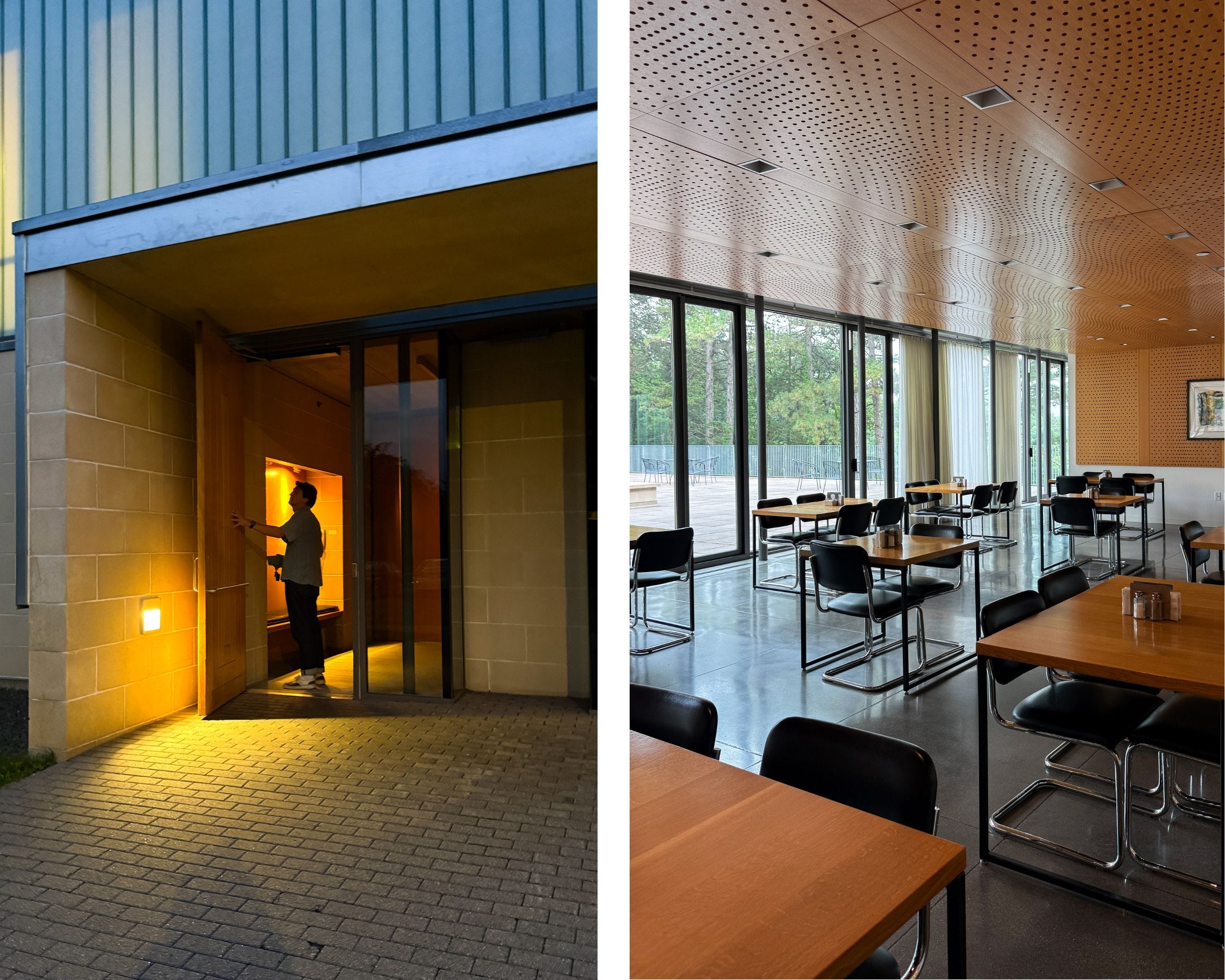
Just beyond the Abbey is the guesthouse, which offers single and double rooms as well as suites. Listen to me carefully: this is not a hotel. You are a guest of St. John’s monks. There are no TVs with endless cable channels and no room service. But the guesthouse is open to all who want to stay, regardless of religion or ability to pay.
The rooms are sparse but lovely, with natural oak floors and lake views. Think college dorm if your college dorm were designed by a famous architect and your roommate was a very clean monk instead of a Weezer-obsessed burnout who went by the mononym “Pudge”. A simple breakfast is included, and you can offer a modest amount to attend dinner and lunch. Religious art hangs on the walls, but there is no pressure to join in spiritual direction or church services. Like Marcel Breuer, I am Jewish, and I never once felt unwelcome.
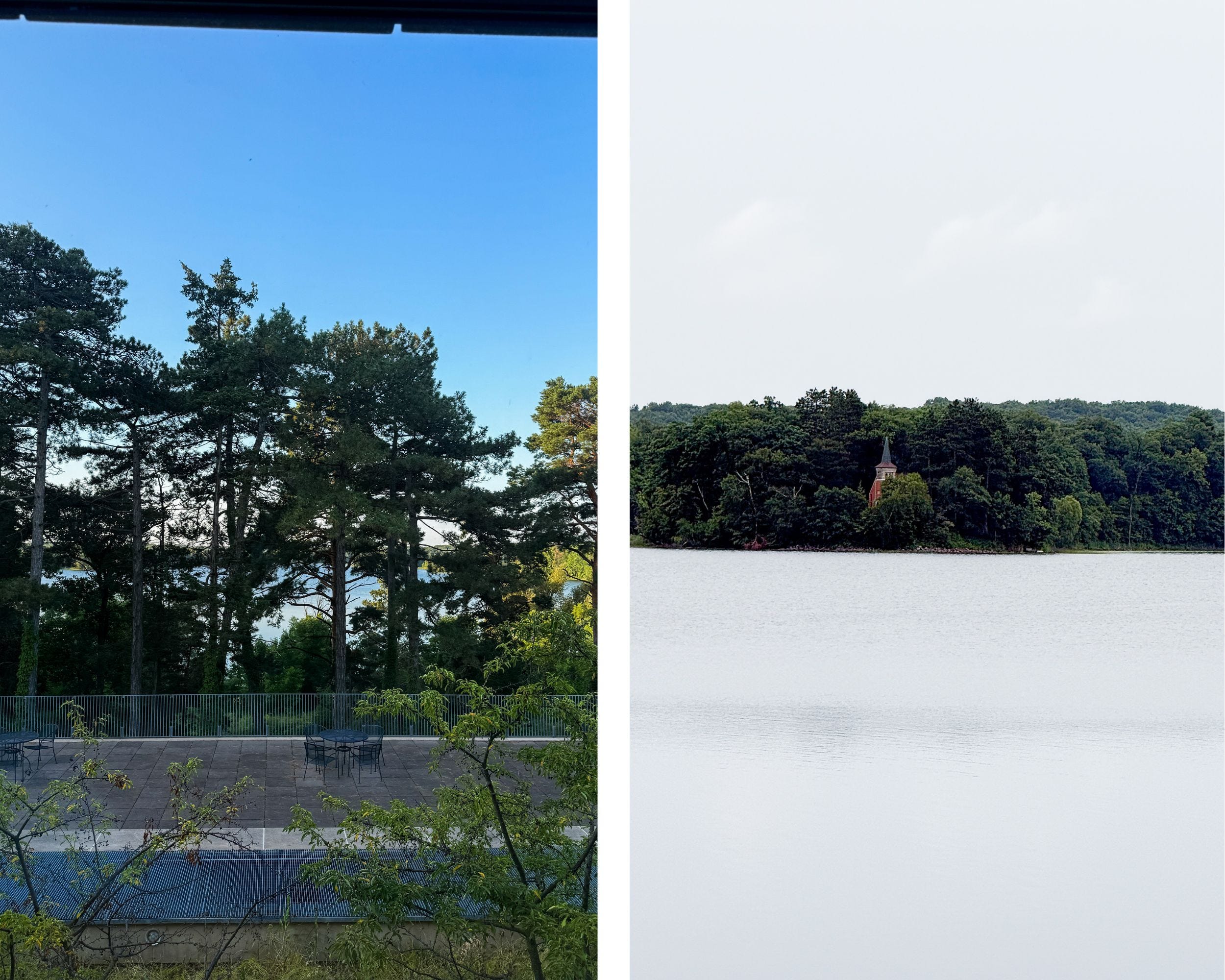
Surrounding the guesthouse is the St. John’s Abbey Arboretum, a 2,500-acre nature preserve with many walking and skiing trails, including one that leads to a hidden chapel that you can also see from across Lake Sagatagan, poking out of the tree canopy like something from a fairy tale.
Address: 2380 Water Tower Rd, Collegeville, MN 56321
Good to know: Once again, this is not a hotel. Reservations are made over the phone or by email. The guesthouse fills up during reunion weeks, move-in week, parents’ weekend, etc. Look over the St. John’s academic calendar before you plan a trip and be please respectful of the monks’ hospitality.
Rates are suggested donations; please pay the full amount if you can afford it to keep the guesthouse accessible to all. When you check in, you will receive an offering envelope with the total of your stay written on the front. Before you check out, you fill out your offering form, put cash, a check, or your credit card information in the envelope, seal it, and hand it to the front desk. There is no tax on stays.
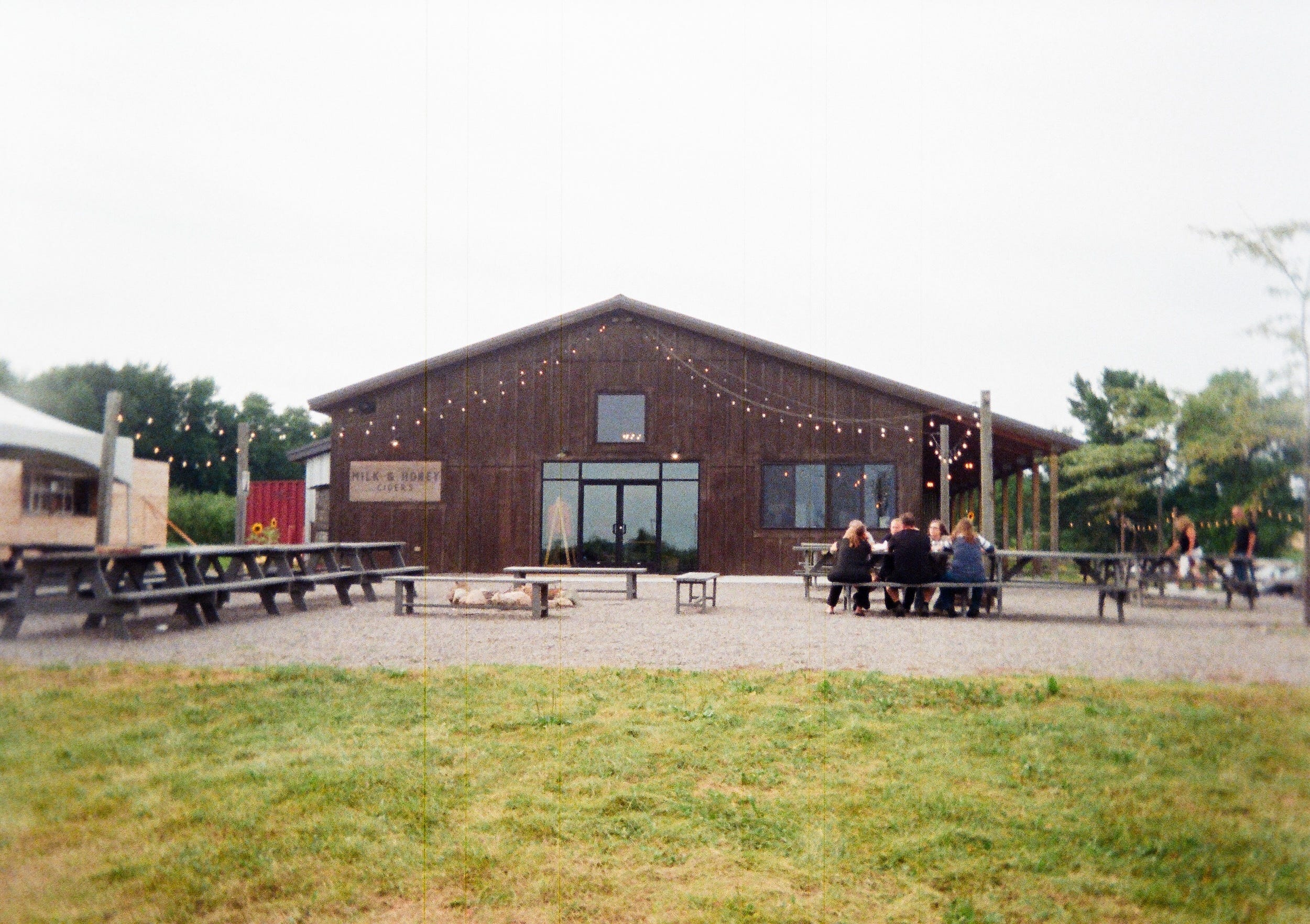
Milk & Honey is one of Minnesota’s foremost craft cideries, named USA Today’s best in the nation in 2021. Some think of cider as beer’s cloying sibling, but Milk & Honey’s ciders are more in line with the bone-dry traditions of Normandy’s brut ciders and England’s West Country style made from bittersharp apples.
Co-founder Peter Gillitizer says they use “unique cider and heirloom apples with expressive aroma, body, mouthfeel, acid and tannins that elevate the beverage.”
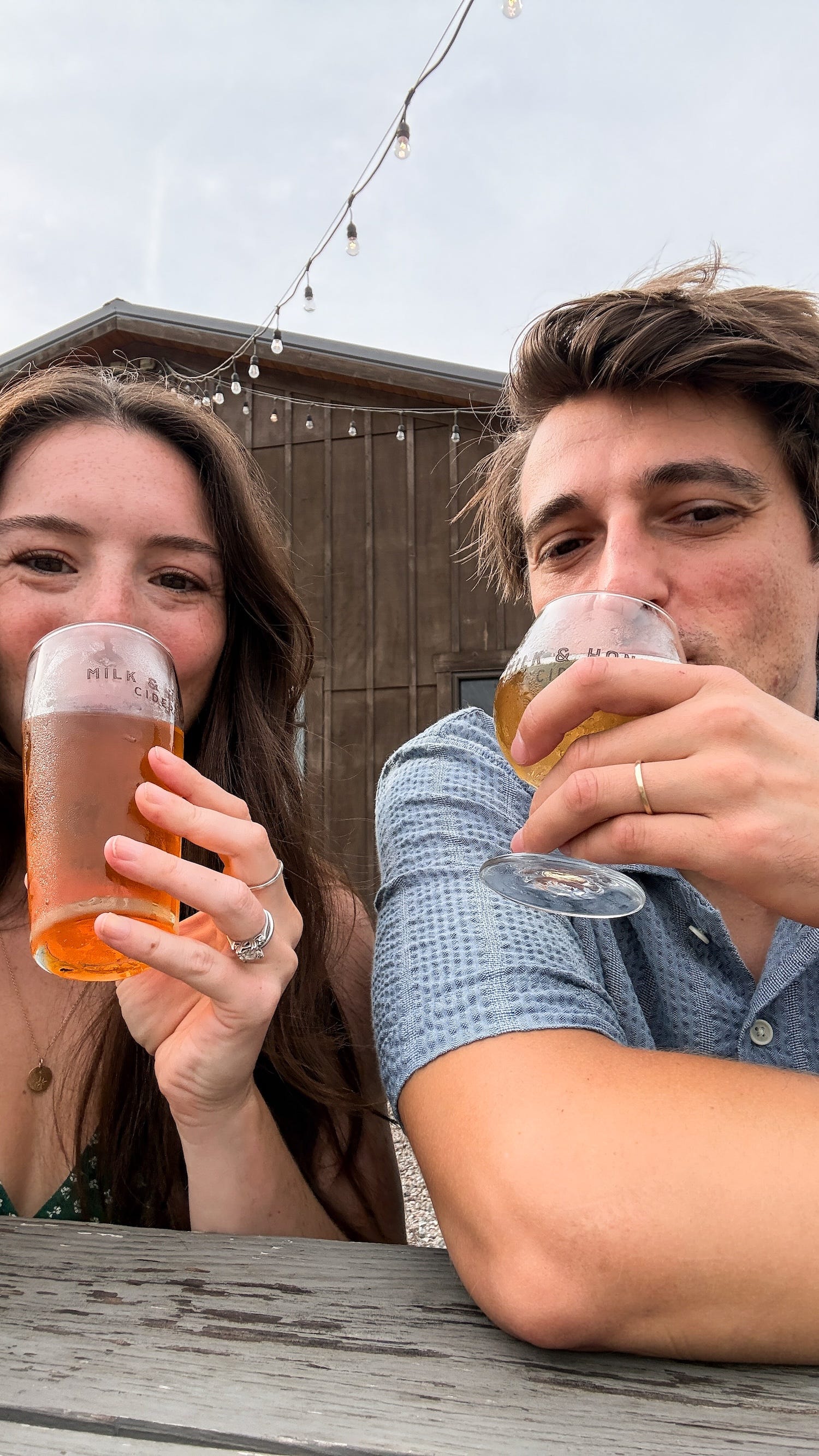
Best of all, you can gaze upon the orchards from which the cider originates while you drink it. Milk & Honey’s patio is splendidly pastoral, with sunflowers springing from barrel planters, weathered benches surrounding a fire pit, and views of rolling farmland. I would have liked to order from their on-site restaurant, The North Table, but we had dinner reservations.
Address: 11738 Co Rd 51, St Joseph, MN 56374
Hours: Open Friday-Saturday, noon-9 p.m.; Sunday, noon-6 p.m.; Tuesday-Thursday, 4-9 p.m. Closed Mondays.
Good to know: They have a fun summer concert series. Mercifully, it is not right on top of the taproom, so if you’re not attending a concert, you don’t have to shout.
Chefs are nostalgia freaks. Often, I’ve found that their love of food is secondary to a fixation on recreating a lost memory. Your insufferably pretentious ex-boyfriend would describe this as “madeleine de Proust,” referring to the passage from Swann’s Way when Proust’s unnamed narrator goes on a hunt for a perfect madeleine similar to the one his mother once gave him. Chefs, when you ask them about the origin of a dish or the inspiration for their restaurant, will usually cite a place and time before a taste.
At Krewe, the first thing your server will tell you is that the recipes you see on the menu are from Chef Mateo Mackbee’s grandfather, who was an itinerant cook in New Orleans. These recipes were handed down to his daughter, Mary Mackbee, the legendary and beloved former principal of Central High School in St. Paul. From Mary to Mateo. From Mateo to us.
And aren’t we lucky.
Krewe is one of the best restaurants in Minnesota, full stop, no questions asked. The food is exceptional, and the menu is surprisingly robust — abundant without losing focus. They are also incredibly thoughtful about allergies; our server brought co-owner and chef Erin Lucas to the table to walk us through anything that included crustaceans, an admittedly insane allergy to show up to a New Orleans-themed restaurant with.
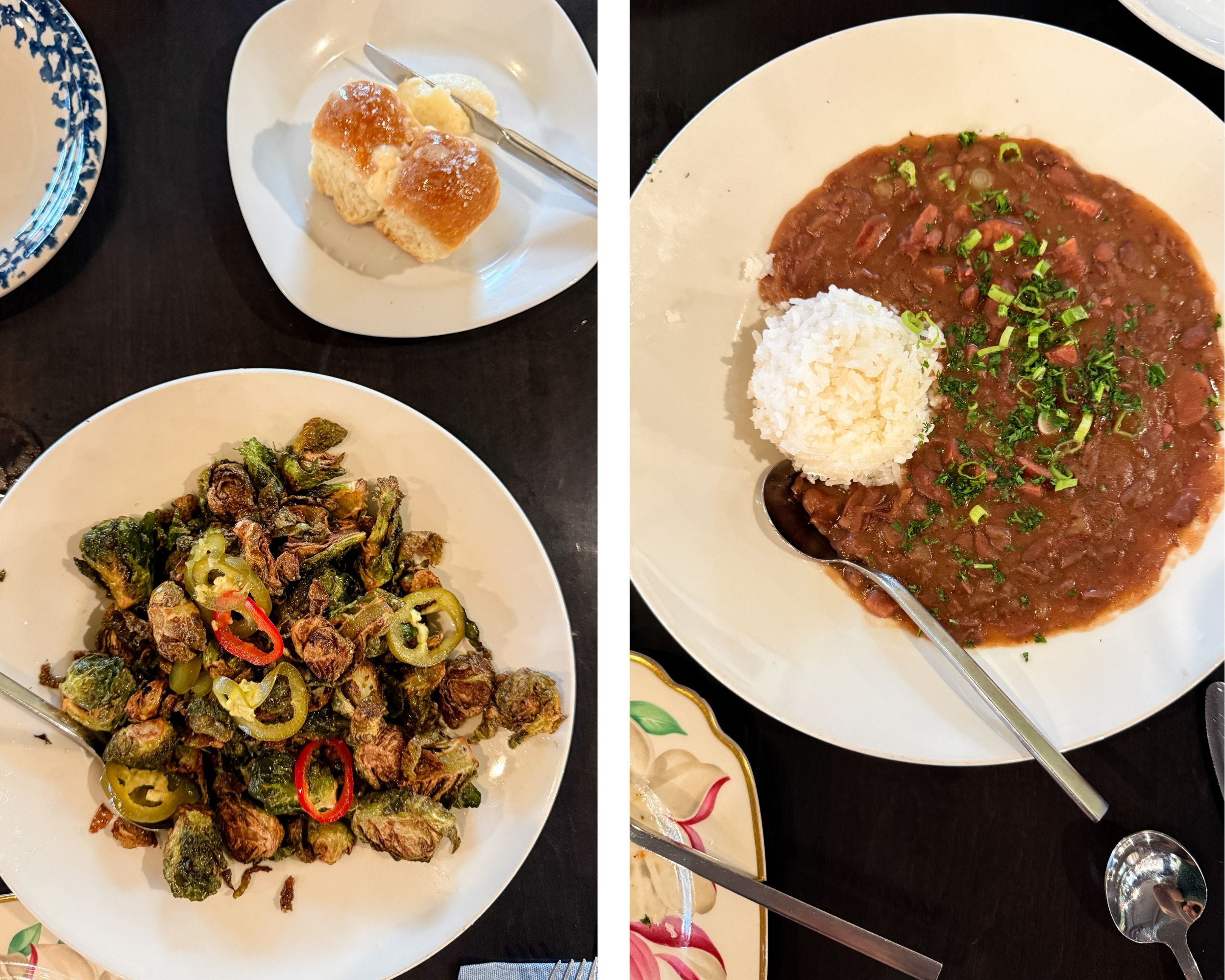
There are classic New Orleans dishes without cheffy twists, like grandpa’s gumbo and old-bay seasoned shrimp with potatoes and corn. But there are also fried Brussels sprouts with chili vinegar (a pleasing deviation from the ubiquitous Momofuku fish-sauce version) and arrabiata gnocchi.
Creole cuisine is commonly misunderstood as mainly French-influenced, when in fact, it is mainly built on the foundations of African cooking. (Black chefs in New Orleans are beginning to directly address and reclaim this narrative.) Dishes like jambalaya are direct descendants of jollof rice. The name “gumbo” comes from “ki ngombo,” the West African word for “okra”. [SOURCE: https://www.jamesbeard.org/stories/the-african-roots-of-the-food-on-your-plate]
We are lucky to have a chef like Mackbee, who not only proudly represents his cooking as coming from the Black New Orleans tradition, but also includes yaka mein, a lesser-known Creole dish that’s influenced by the city’s Chinese and Vietnamese immigrants, encouraging diners to think expansively about what Creole cuisine is and can be. Chef Mackbee prepares his with smoked duck from Maple Leaf Farms, putting a Midwestern stamp on an otherwise southern dish.
It is a feat to build a menu that feels equal parts varied, original, and cohesive. But Krewe succeeds.
The meal starts with a gratis order of Chef Lucas’s exceptional homemade dinner rolls sprinkled with flaky salt, served with a smear of honey butter. In this “eight dollars for focaccia” economy, a touch of old-fashioned hospitality felt almost revelatory, especially one so above the usual perfunctory bread basket.
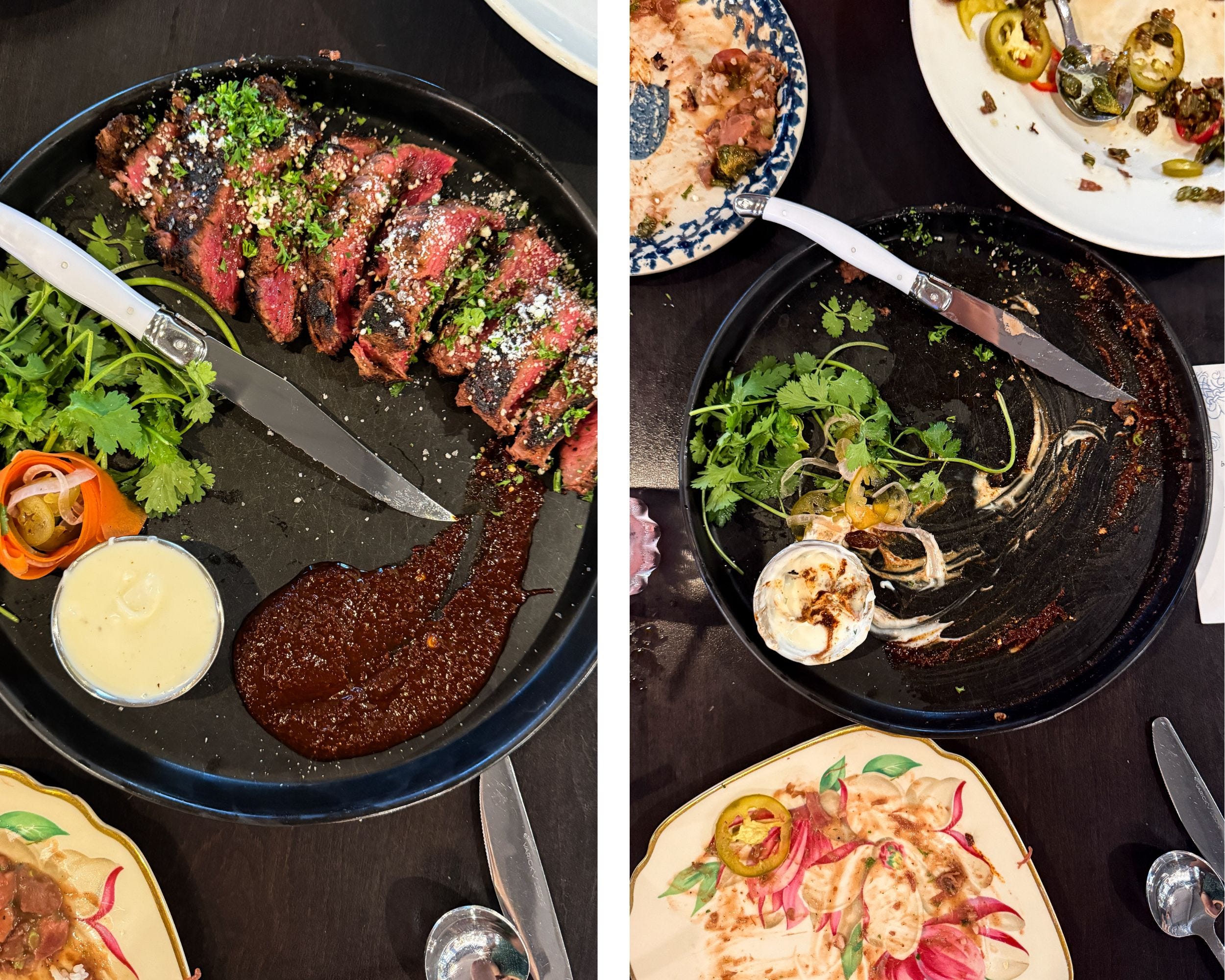
Krewe’s take on carne asada includes a swoop of complex salsa matcha cut by a tangle of escabeche, and the steak itself is 10 generous ounces with excellent bark, arriving perfectly temped and barely needing a steak knife to slice through it. The red beans and rice were rich and properly spiced, grounded by the clean vegetal taste of the holy trinity, properly thickened from the time-consuming process that comes from smashing the beans against the side of the pot as they cook (this releases the starch; otherwise, you end up with an overly liquid dish).
Please know that these are not Midwestern takes on Creole cuisine. If I can offer you a shred of street cred, my father is from Louisiana, and we visited New Orleans somewhat often, so I know my way around a crawfish boil and a Styrofoam container of red beans. Portions at Krewe are generous, and I regretted that we didn’t have room for maque choux, fried green tomatoes with local AmaBlu cheese, or smoked and grilled half chicken with Alabama white barbecue sauce.
But dessert is a requirement.
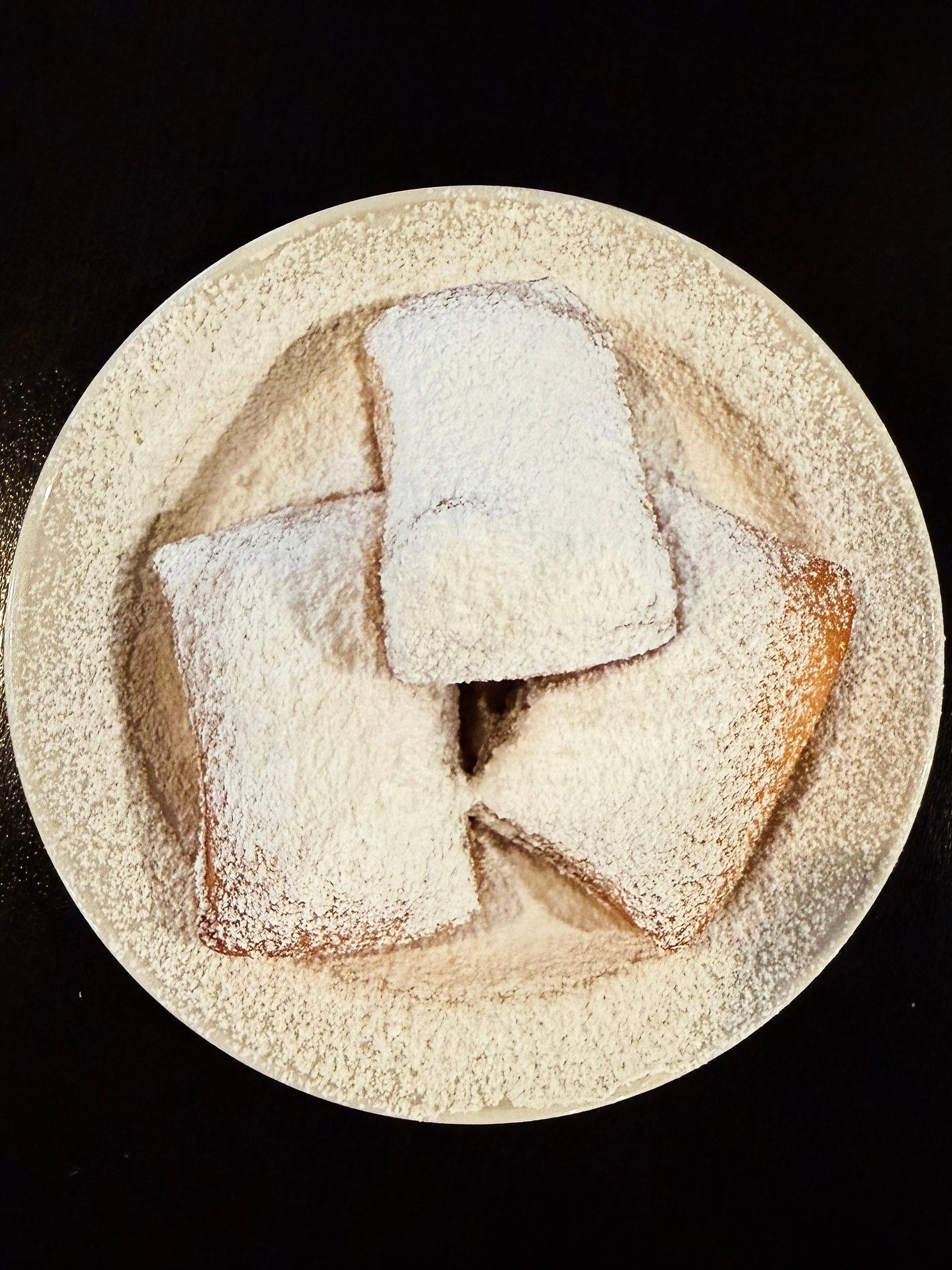
As tempted as I was by the praline bread pudding, it was Chef Lucas’s beignets that won out. I have iconoclastic beignet opinions. Mainly, I think Café Beignet is better than Café Du Monde. But Lucas manages to combine the best of both: the fluffy, tender interior of Café Beignet (no overdeveloped gluten here!) with the proper, playing-card sizing of Café Du Monde.
At the end of the night, Chef Mackbee made his rounds to tables of regulars. He and Chef Lucas are not the type of owners who have passed off the actual cooking to a chef de cuisine. Even though they have a bakery, food hall, and smashburger truck, they were both on the line.
They chose this life, they say. They want the best for their workers, the farmers they source from, and the community. They offer a $3 menu option to “buy the kitchen a beer,” a charmingly low-pressure way to close the well-known pay gap between the front and back of house.
In other words, it’s bigger than the madeleines.
P.S. We have the recipe for Chef Mackbee’s outstanding shrimp bisque. You’re welcome!
Address: 24 College Ave N Ste 104, St. Joseph, MN 56374
Hours: Open Wednesday, 4-10 p.m.; Thursday-Saturday, 11 a.m.-2 p.m. and 4-10 p.m.; Sunday, 10 a.m.-2 p.m. Closed Monday and Tuesday.
Good to know: Happy hour runs Wednesday through Friday, from 4 p.m. to 6 p.m. They will be very, very nice even if you show up with a shrimp allergy.
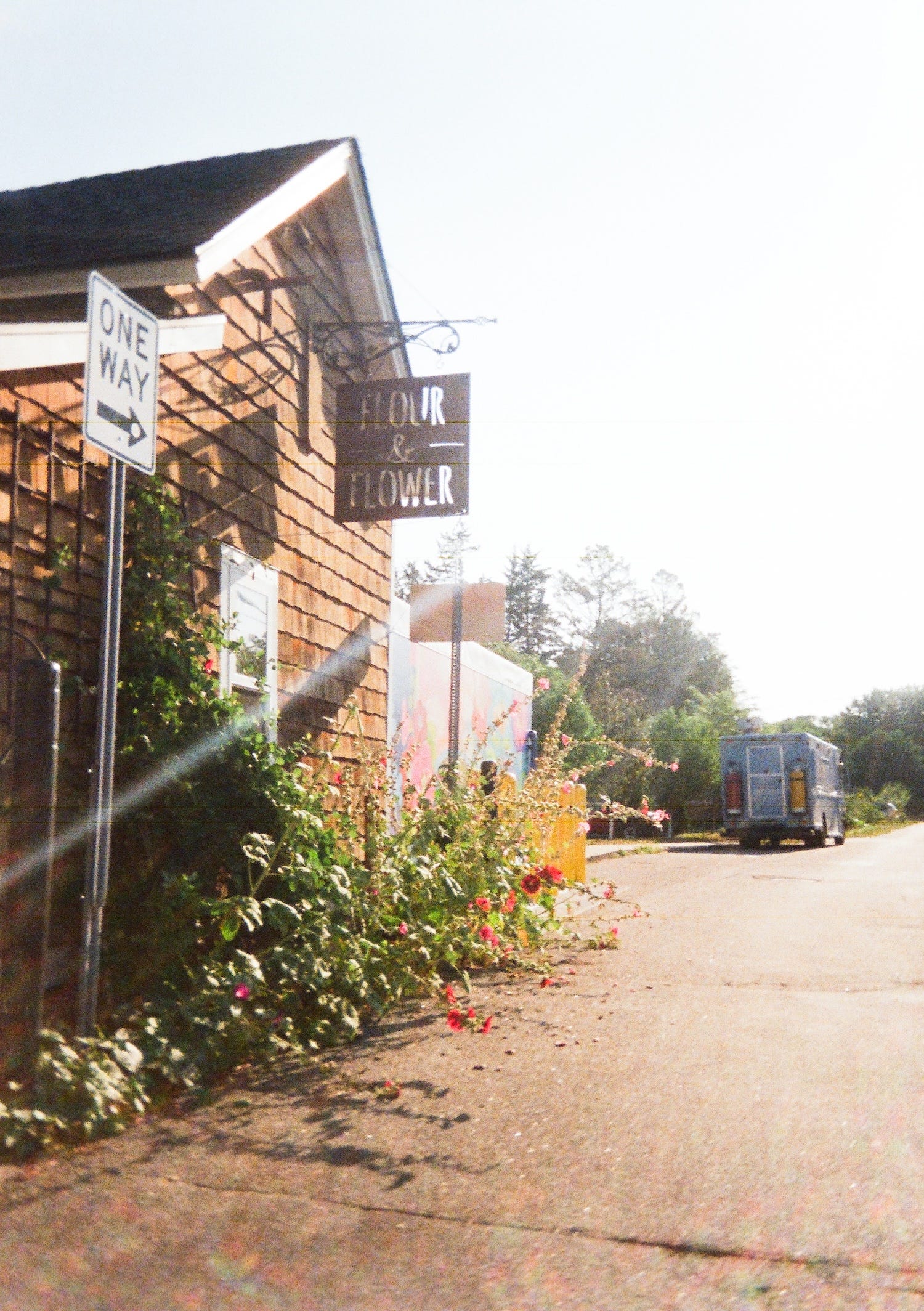
One of the most difficult culinary skills in the world is mastering laminated pastry. But Erin Lucas makes it look easy. It’s no mystery that she landed on the NY Times’s Best 22 Bakeries in America list, and in her review of Flour & Flower, local food critic Kirstie Kimball wrote, “drive to St. Joseph for this and this alone.”
Not convinced yet? Maybe the thought of a lemon-blackcurrant Pop-Tart will get you. Or kimchi sourdough, sliced and ready to be brought home. Perhaps you’ll be delighted by the tangle of Hollyhocks flopping around the side of the tiny cottage the bakery calls home, or the painted florals on the pink wooden door.
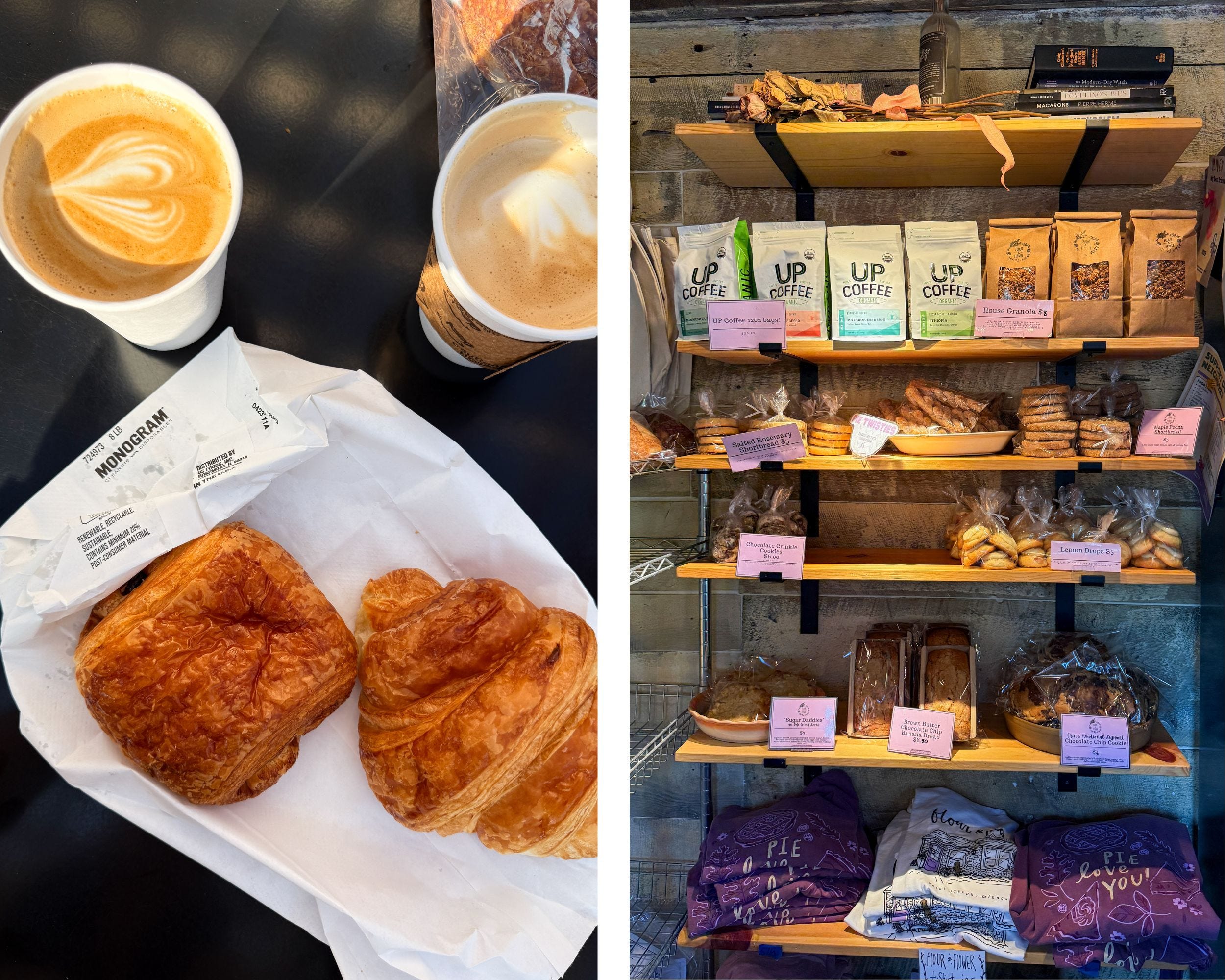
Like its sister restaurant Krewe, Lucas has developed a menu that offers something for everyone without creating gustatory chaos. Little bags of sophisticated rosemary shortbread share shelf space with an everything-but-the-kitchen-sink cookie teeming with butterscotch and potato chips. There are sweet and savory pastries on offer. Sandwiches and pies line the cooler. There are even homemade dog treats.
This year, Flour & Flower added a pergola-covered patio behind the bakery, and we enjoyed our croissants and lattes surrounded by planters stuffed with nasturtiums, thyme, and salpiglossis. We were hardly the only ones – we arrived early, but the patio was already half full.
Address: 26 College Ave N Ste 104, St. Joseph, MN 56374
Hours: Open Friday-Sunday, 7 a.m.-3 p.m.; Wednesday-Thursday, 7 a.m.-1 p.m.; Monday, 5-8 p.m. for pizza night. Closed Tuesday.
Good to know: A full fridge of soups, sandwiches, and whole pies is available for grab-and-go. If you have your heart set on something, get there early. They sell out.
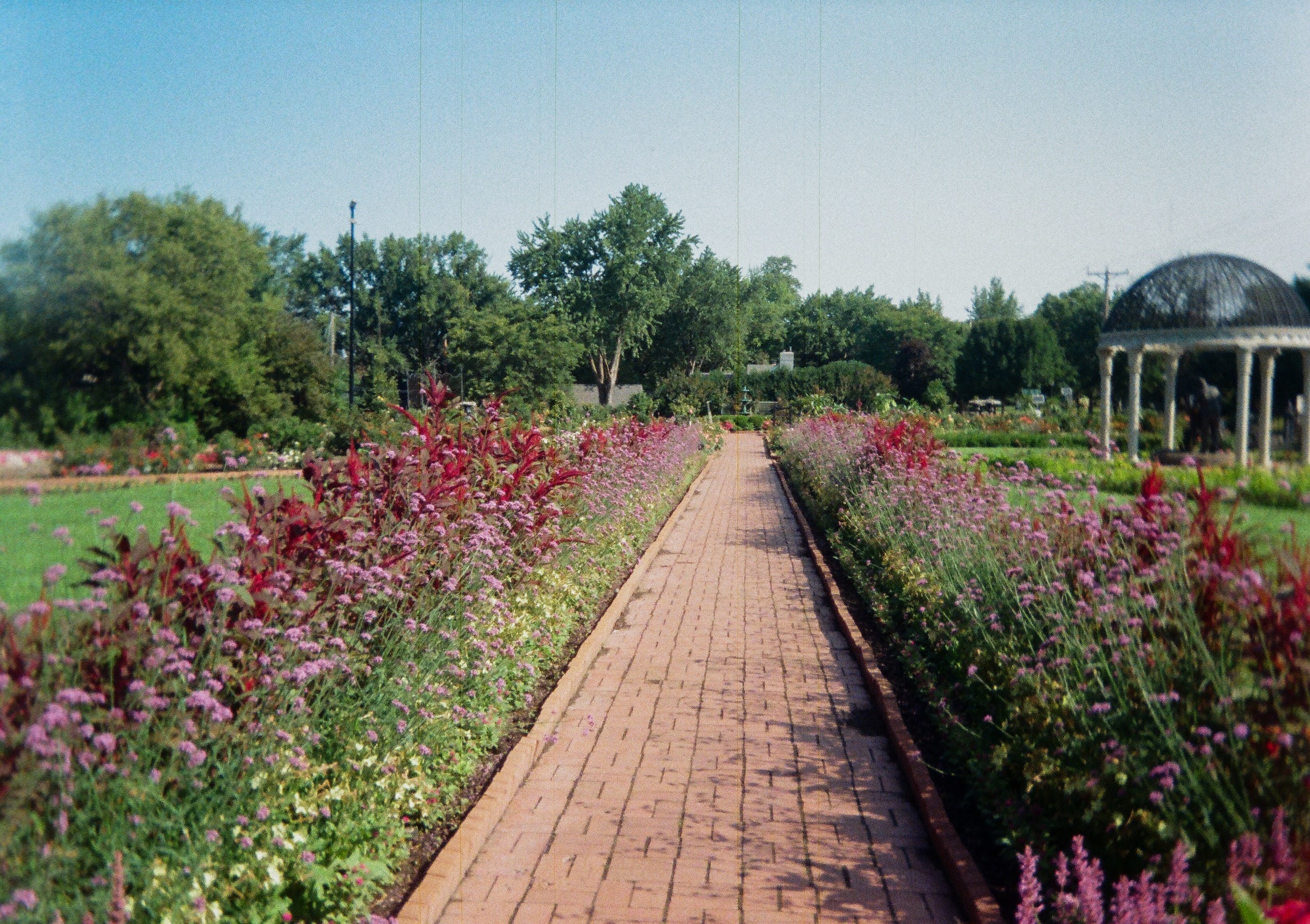
Someone once told me I should get a tattoo that says “will travel for gardens.” Guilty. I’m a Monty Don superfan. A regular at Highland Nursery. I give my colleagues frequent, unsolicited reminders to pull their creeping bellflower. I even wrote a guide to home gardening in the Minneapolis-St. Paul area.
But somehow, I’d never been to Munsinger Clemens Gardens. St Cloud’s crown jewel, the gardens are bifurcated by Riverside Drive, where you’ll find ample free parking. On the west side, with beautiful views of the Mississippi River, is Munsinger Gardens (named for Joseph Munsigner, an influential former parks superintendent who drew the original garden plan).

Munsinger is the more relaxed, cottage-style garden. It’s also wooded, and relies heavily on shade-friendly plants like hostas, snakeroot, and hydrangeas. Portions of the garden also incorporate the traditional cottage garden practice of weaving edibles amongst the ornamentals, so you’ll see kale and rainbow chard bursting up in between annual blumink, sunset-colored agastache, and zinnias.
The more formal side, Clemens (named for the gardens’ benefactors), is divided into sections, or “rooms,” most of them anchored by a center fountain. These include a treillage garden with a wisteria and clematis-covered arbor, a white garden inspired by Vita Sackville West’s famous version at Sissinghurst in Kent, England, and a rose garden, with both shrub and tea roses – all labeled. For me, the highlights were the long pathway lined with airy verbena bonariensis, a rooguchi clematis wound into the arbor, and the delicate sprays of dwarf guara in the white garden.
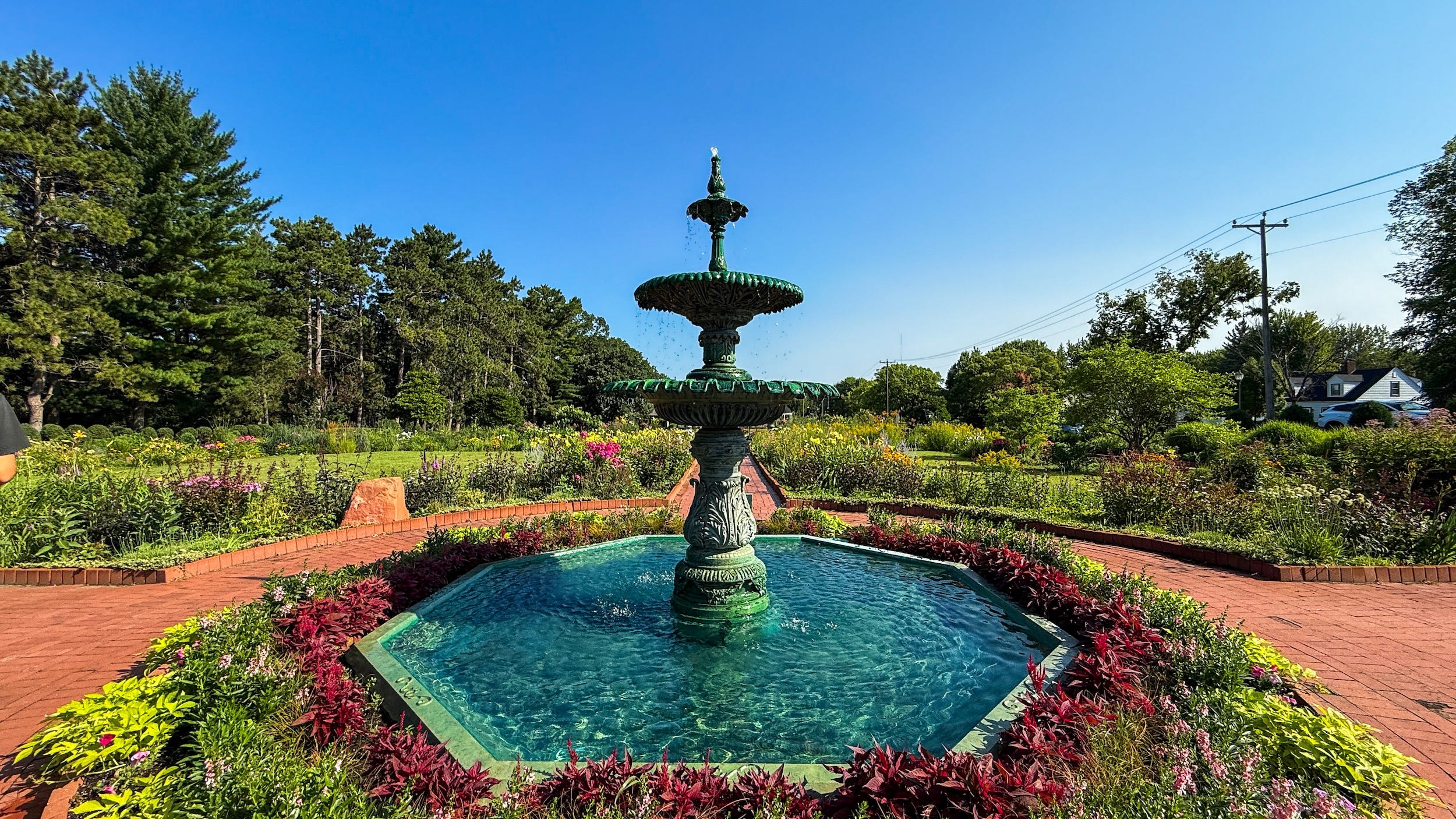
If you haven’t been, it’s well worth a visit, especially if you plan on posting up at a bench with a scoop of locally-made Jupiter Moon ice cream (sold in Clemens Garden) and staying a while to enjoy yourself.
Address: 1515 Riverside Dr SE, St. Cloud, MN 56304
Hours: Daily, 7 a.m.-10 p.m.
Good to know: Free! If I had more time, I would have brought a book and stayed all day.
A couple of other things to keep in mind:
(1) You could easily turn this itinerary into a day trip by splitting the pizza farm and St. Joseph parts.
(2) You could also flip and reverse it by heading to Collegeville on a Friday; hitting the farmer’s market and Krewe first; continuing onto St. Cloud Saturday morning; getting to Alpha and Omega for their Saturday pizza night; and coming home Sunday.

Comments
Nothing yet. Say the first thing.
Sign in to join the conversation.