
Last week we flew back from one week in Poland. American friends who had lived in Portugal for 3 years and returned to the US nearly two years ago were attending a WordPress conference in Krakow. While our journey started in Warsaw, today I will share with you some of our experiences in Krakow.1
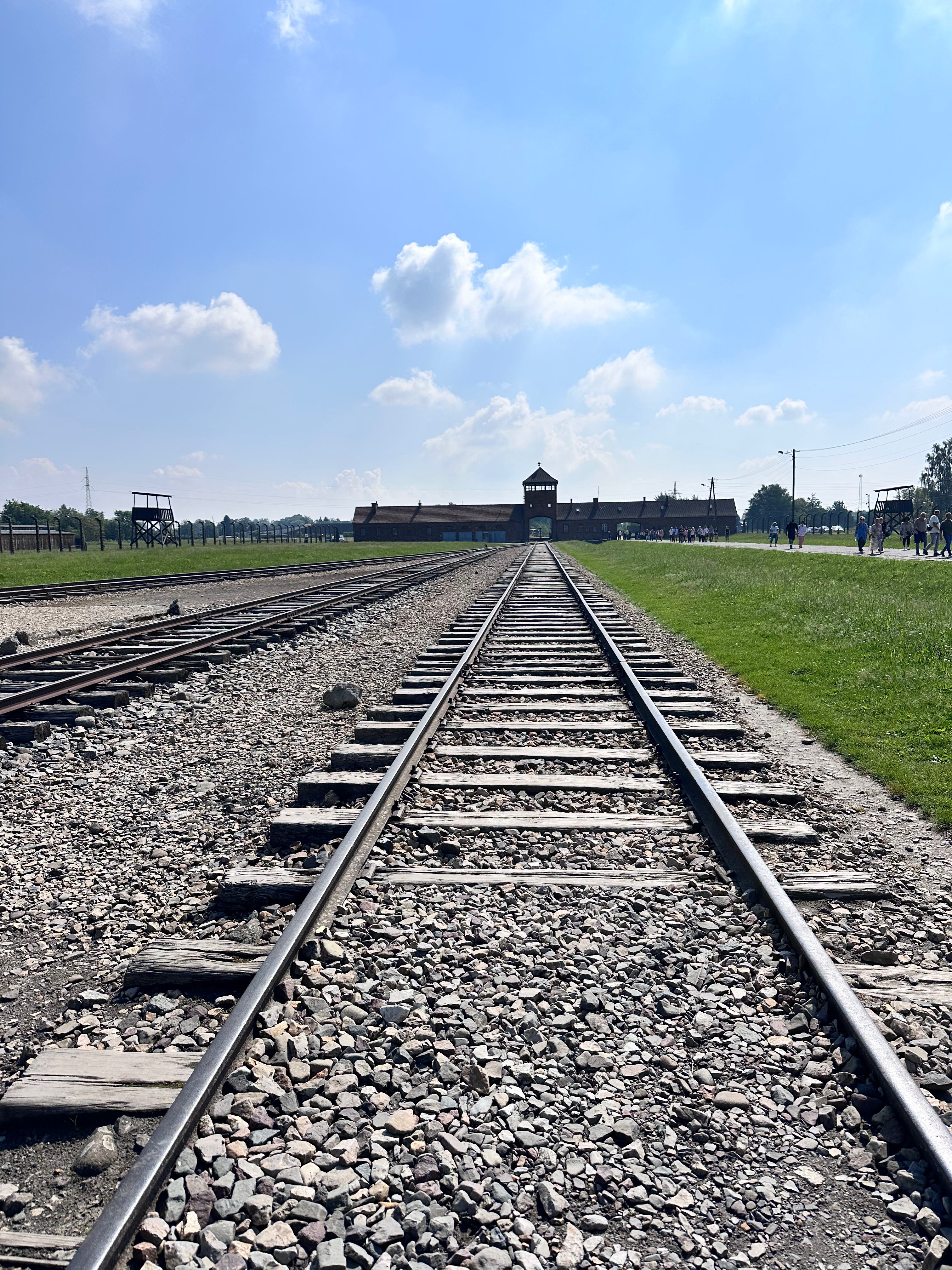
The geographical boundaries, and Poland’s sheer existance has changed over the years. When your country is relatively flat, and you have the Soviet Union on one side, Austria on another, and Germany on yet another … you're screwed. However, the way that Warsaw and Krakow responded and were treated during WWII is quite different. While Warsaw was destroyed … Krakow, due to its significant German population, and, giving up the fight very early, was not. That is not to suggest there was no suffering. Jews and other “undesirables” were stuffed into ghettos, beaten, starved, sent to work camps or death camps. And given this history, we felt it necessary to visit Auschwitz and Birkenau.
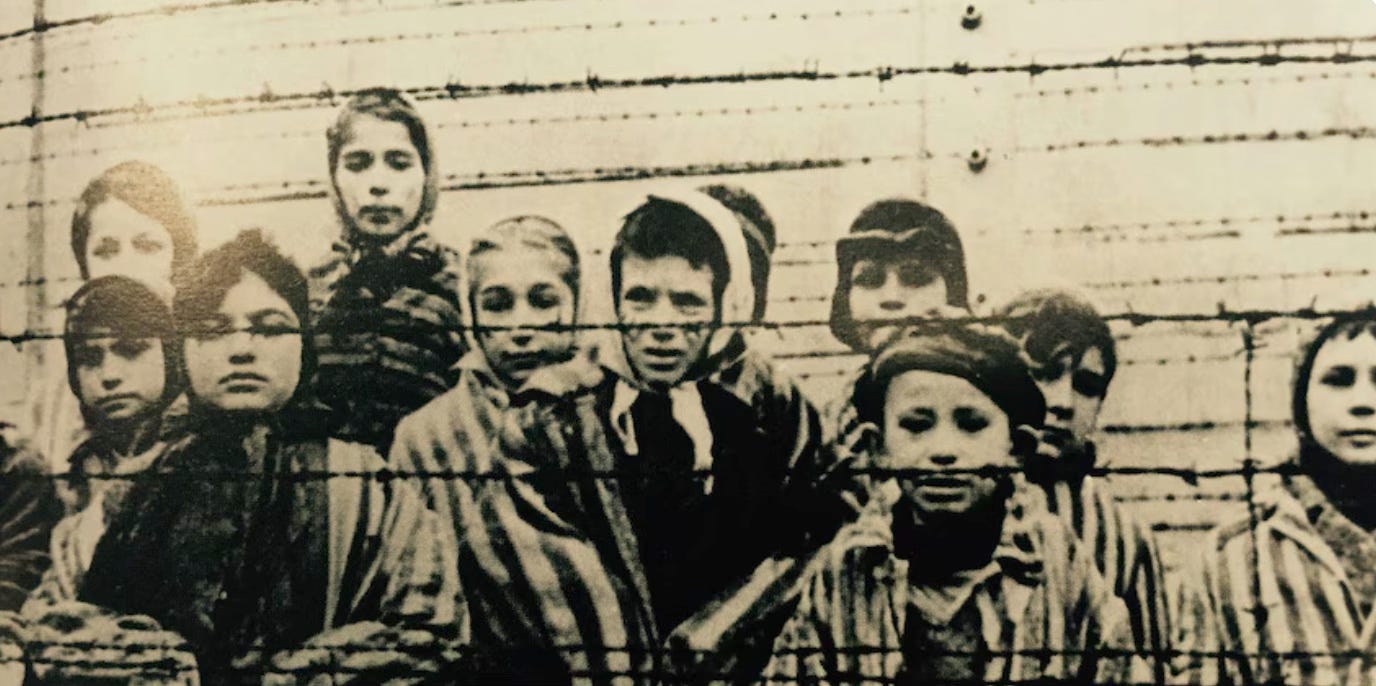
When we purchased tickets, we were asked what time we would like to begin the tour. We requested 8:30. When we received the confirmation, it instructed us to meet a few blocks from our hotel at 5:30 for our 7:30 tour. We set our alarms.
I assume you are familiar with the deliberate, planned genocide … the “final solution”.2 So rather than describe the visit, I want to share my reaction. One that I found surprising.
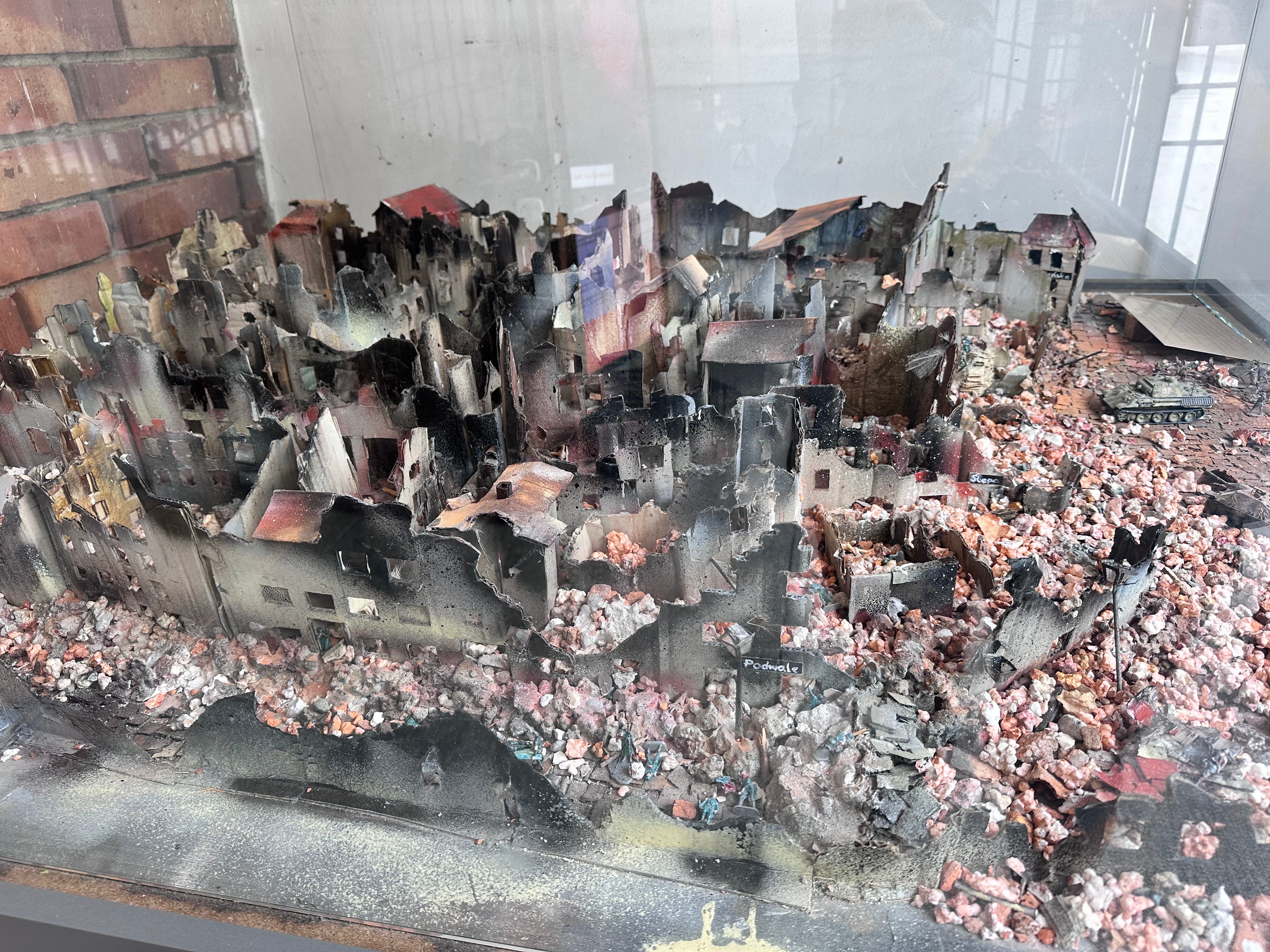
Everyone we spoke to who had visited these sites instructed us to bring lots of tissues. I recalled our visit to Terezin and how I felt after that visit. I expected this would be far worse. And it was…but it wasn’t. Perhaps it was the near monotone of our tour guide.3 Perhaps it was seeing models of the destruction of Warsaw, or the fact that I rewatched The Pianist one night while we were traveling. But I have to admit, I never cried during our 3.5-hour tour to Auschwitz and Birkenau.
But a few days later, I did need those tissues. We visited the Banksy Museum in Krakow. If you are ever in a city that has a Banksy Museum, I encourage you to take the time (2-3 hours) to visit. It will make you laugh…
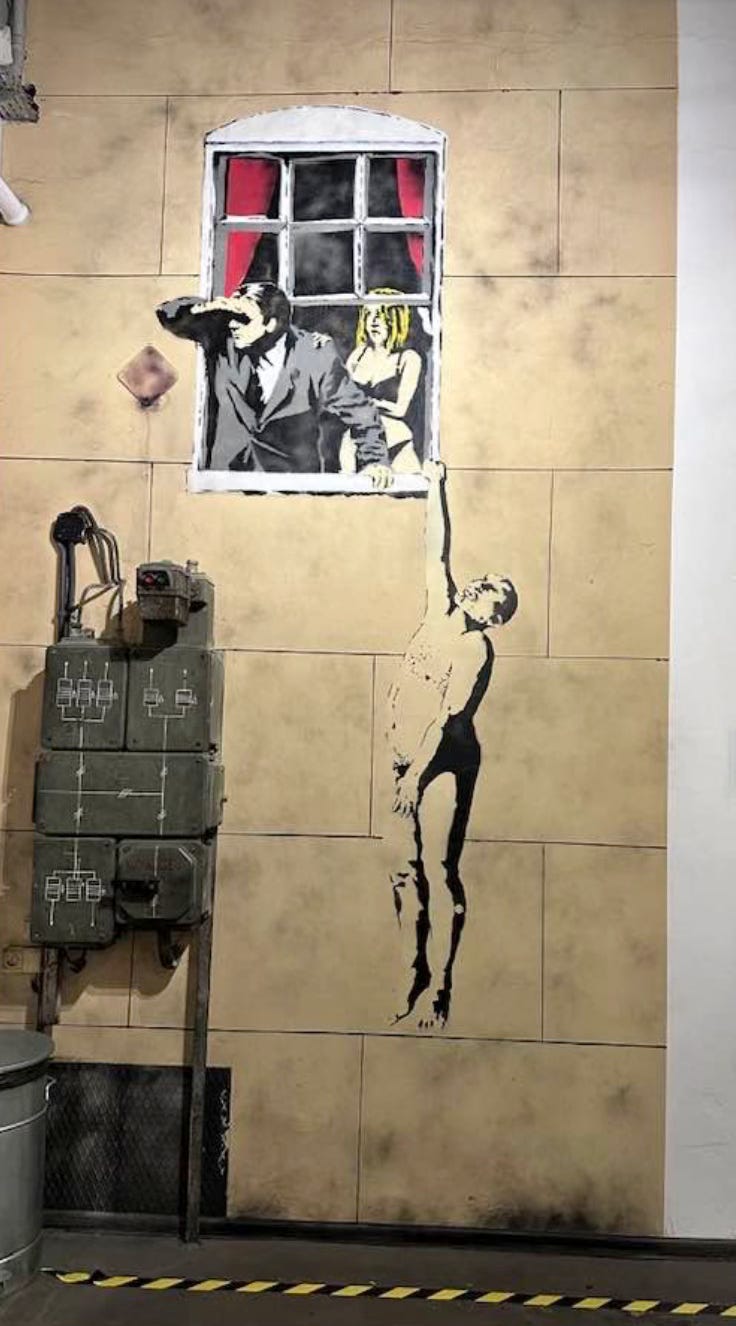
It will make you think…
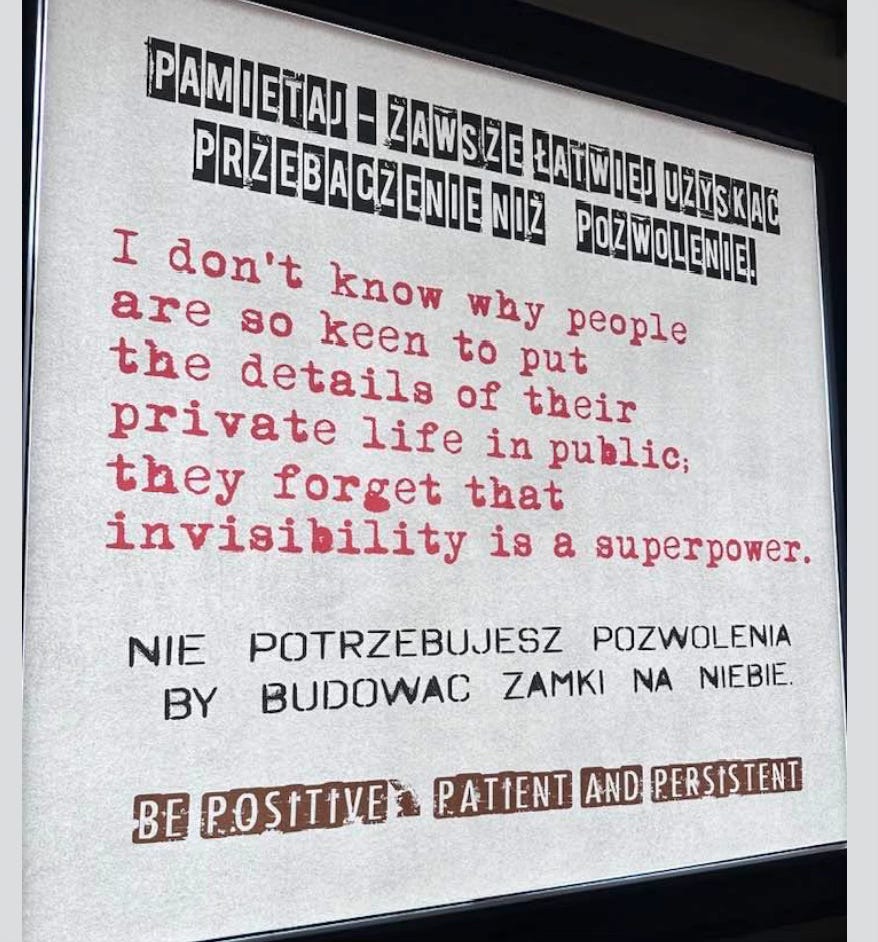
And it will make you cry. I cried at the exhibition related to his work in Ukraine. (Watch the video above.) And I cried at his Walled Off Hotel and his work in Gaza. (See video below.)
During one of our flights home from Egypt, I watched the 2025 film Nuremberg. In the film, Michael Shannon says, “We put these men on trial so it can never happen again.” But at the end of the movie, Rami Malek, who plays a psychiatrist in the film, asserts that men like Hitler and Göring are not unique, one-dimensional monsters. Instead, he suggests that they are ordinary, ambitious humans living among us. At the time, I thought the parallel to Trump was obvious. Banksy reminds us that it exists in many places.
Até à próxima vez, sejam gentis uns com os outros,
Nanc
A Shameless Plug: As I referenced above, we learned quite a bit about Poland’s history during our walking tours. I guess I wasn’t fully aware of the impact Poland’s history had on me until this week. I went into my studio to paint an abstract landscape and ended up with the painting below. My meditation on borders…
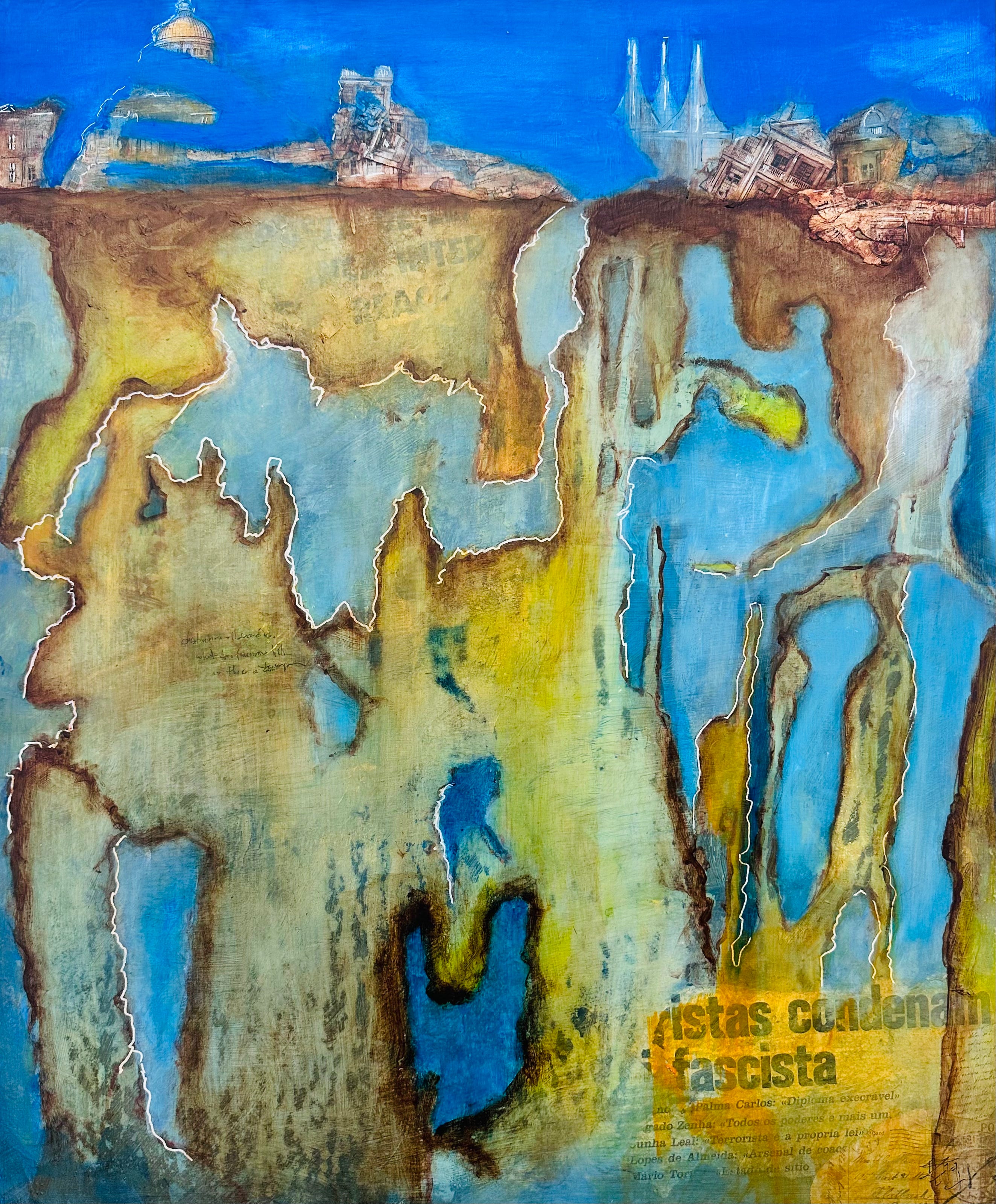
I need to sit with it for a few days to decide if it is done. But I suspect it will be off to the framers in a week or so and then available on ncwhitemanart.com. If you subscribe to the newsletter on that site (which comes out about once a month), you will find out when new pieces become available. Or email me if you want more information.
There is a natural rivalry between Warsaw and Krakow, in part because Poland’s capital has moved between the two cities. As is our custom, we participated in free walking tours on our first morning in each city. Both of our guides made mention of the rivalry, and both agreed: “Krakow is more beautiful, but Warsaw is more interesting.”
Before WWII, Poland had the largest Jewish population in Europe (approximately 3.3 million people). 85% of the Polish Jews were murdered, resulting in an immediate postwar population of less than 250,000. Today, there are fewer than 20,000 Jews in Poland.
This is not a criticism. The poor woman has to repeat these horrors 2 or 3 times a day, 5 days a week. Like a top Intelligence Official who has to prepare a security briefing each day, or young soldiers who descend into missile silos and await an unspeakable order … I can’t imagine how someone can do these jobs.
Comments
Nothing yet. Say the first thing.
Sign in to join the conversation.