
About two years ago, I was offered a contract for my screenplay Fu Manchu by a studio company that wanted to make a $60 million film from it.
I knew immediately the deal was bad and that they didn’t expect me to have strong representation.
A friend of mine, who used to be an executive at SyFy Channel, introduced me to his Beverly Hills entertainment attorney to rep the deal.
The executives at the company weren’t too happy to meet my attorney. She had negotiated contracts for the studios.
I also knew they were going to push me out of my project. The lingo they were using was familiar to me: “We’re bringing in a big studio writer to spearhead the project and back you up.”
They were also asking me questions like, “So how much of the story did you use from the public domain novel The Insidious Dr. Fu-Manchu?” Since the novels, movies, radio programs, etc., were all about the two bumbling British agents who were after him (Fu Manchu would just show up every once in a while to capture and torture them until they could escape), and since no one except me had bothered to give the good doctor an origin story, and since in my script he is an anti-hero, not a villain, there was very little that I had used from the source material.
I knew what they were thinking. If I used the source material and the studio hotshot writer rewrote what I wrote based on it, they could claim he was working from the source material. In true Hollywood fashion, I would end up with a BS “story by” credit and very little money beyond the upfront fee.
To make matters worse, my story—which flipped the script on the racist themes and was all about the beauty of Chinese culture, martial arts, and history, along with the lead roles of the two Asian spies assigned to find Fu Manchu—would be rewritten.
They used terms like making the lead characters more box-office-friendly. What they meant was White. They were going to whitewash my Asian-led script and change the POV from Chinese to White, in true Hollywood fashion.
Anyway, my attorney got me a low six-figure payday. With the negotiation over, the contract (with her agreed-upon changes) went to the company’s legal department for final review.
Having been in this position before and sensing a bad deal, despite needing money, I called my attorney and asked her if she would be angry if I turned down the deal (she had dealt with a lot of nonsense to negotiate it). She said she wouldn’t be and confirmed that, from everything she observed, they were planning to push me out of the project.
She called the production company and told them I was passing.
But I realized something important in all of this: I didn’t need the Fu Manchu IP.
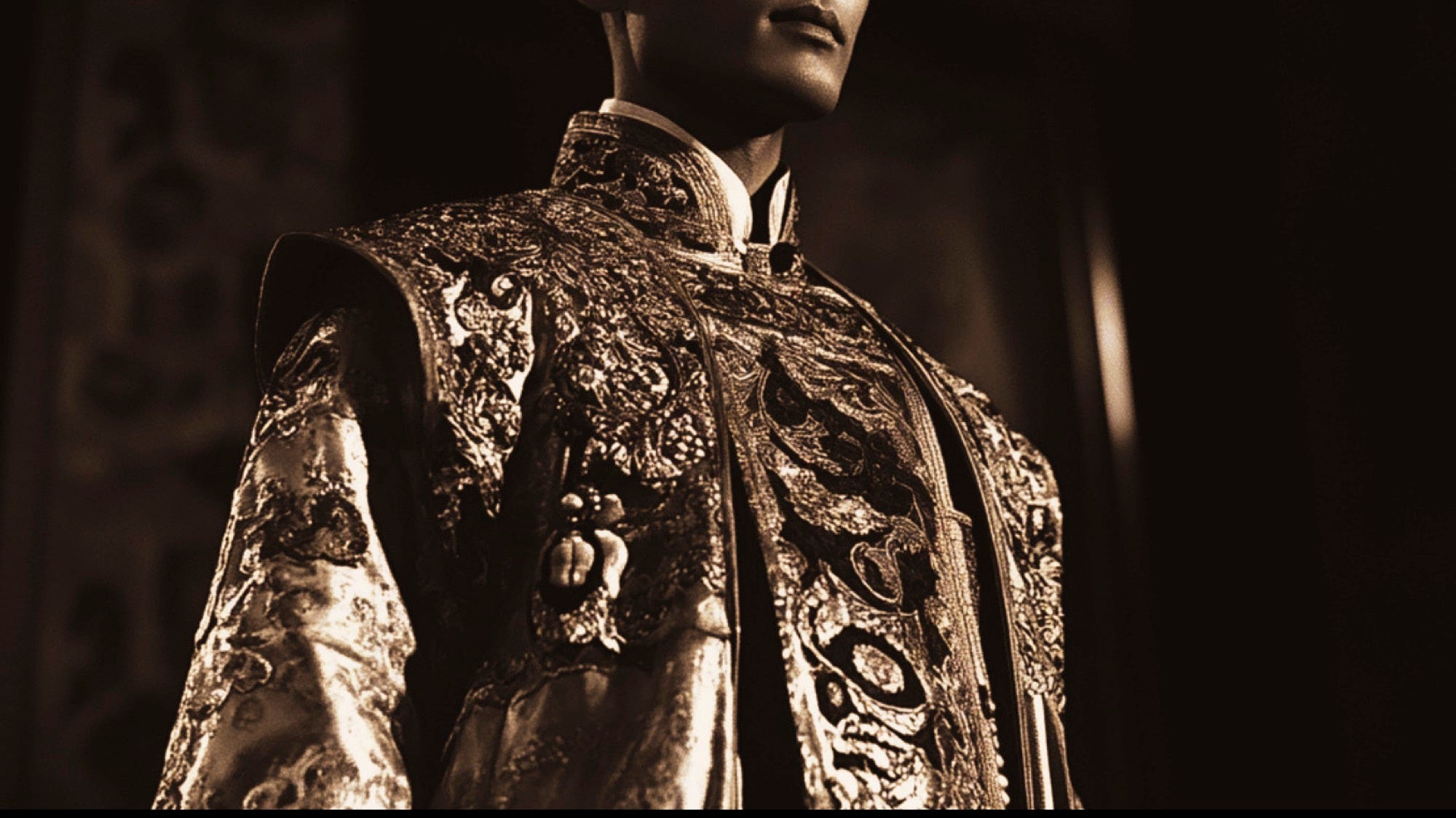
In my screenplay, I now wanted my character, the Manchurian, to be the real-life inspiration for all the stereotypical, racist Asian bogeymen who populated penny dreadfuls, pulp magazines, and comic books from the 1920s through the 1970s of Western history. Characters like Dr. No and Ming the Merciless.
My graphic novel, based on my screenplay, will owe allegiance to no one’s racist IP.
My graphic novel is about the abject racism my character endured, despite his intellect, and echoes the sentiments of Albert Einstein when he left Nazi Germany and came to America, only to witness how badly African Americans were treated and realize that much of Hitler’s doctrine—degrading the Other to a less-than-human status—was based on America’s playbook toward Black Americans.
The Last Manchurian will live.
And he will live on my terms.
Comments
Nothing yet. Say the first thing.
Sign in to join the conversation.