
I've been meaning to write this update for months now, circling it knowing it needed to happen, lacking any compelling vision of how to begin. How does one craft a sequel of updates about cancer? Jas was much better at this than I am, and I’d much rather be reading her updates if you ask me. The first act of cancer recovery was all drama and urgency, the second act a masterclass in medical theatre, but the third act, it turns out, is mostly just... waiting.
Waiting and wondering if this constitutes a happy ending or merely an intermission.
Let me start with what the medical establishment considers unqualified good news: I am, according to every scan, test, and expert consultation, cancer-free. The surgery was a success. The girls have left the building, leaving behind what can only be described as architectural scarring; think tube map meets abstract art.My surgeon spoke of clear margins with the satisfaction of an architect whose blueprint had been executed flawlessly. Somewhere, a pathology report bears witness to what can only be described as a small victory against the absurd.
The plot twist nobody ordered: my body apparently didn't read the memo about "simple recovery" and decided to freelance some complications instead. Because why stick to the script when you can improv all this chaos?
Enter my adrenal glands, stage left, which have decided to embrace early retirement. Just complete radio silence and what I can only assume are some very peaceful vibes from wherever adrenal glands go to decompress. This delightful development is called secondary hypoadrenalism, which sounds like something you'd get from overthinking French cinema, but actually means my adrenal glands have gone on permanent sabbatical and blocked my number.
The months that followed surgery have been an education in pharmaceutical haute couture. My daily routine now revolves around a carefully orchestrated cocktail of opiates designed to convince my nervous system that chronic pain is merely a suggestion, supplemented by an assortment of psychiatric medications whose primary function appears to be helping me maintain a philosophical attitude toward the fact that chronic pain, despite the opiates' best efforts, remains more than merely suggestive. The pièce de résistance of this medicinal wardrobe, however, is Prednisolone; a synthetic steroid that has become my body's designated personal shopper for cortisol, picking up the slack where my adrenal gland now window-shops instead of actually putting money where its mouth is and getting the hormones I need to function.
If you google Prednisolone, it’s a miracle drug used to treat a variety of health conditions such as allergies, skin cancers, autoimmune disorders, inflammation, and other things of the sort. But I take it because my adrenal glands are apparently too basic to remember their one job: making cortisol.
It's a delicate balance, this modern alchemy of trying to feel simultaneously nothing and everything at once, while ensuring that a small white tablet provides what my endocrine system has decided to outsource entirely.
It’s also a strong steroid, if you took too much of it, it causes agitation and jitteriness and extreme anxiety and your obvs look like you’re fighting a war when you’re just chilling doing fuck all.
Welcome to the thrilling world of medicating your way back to baseline functionality, where "normal" is just a well-timed tablet away.
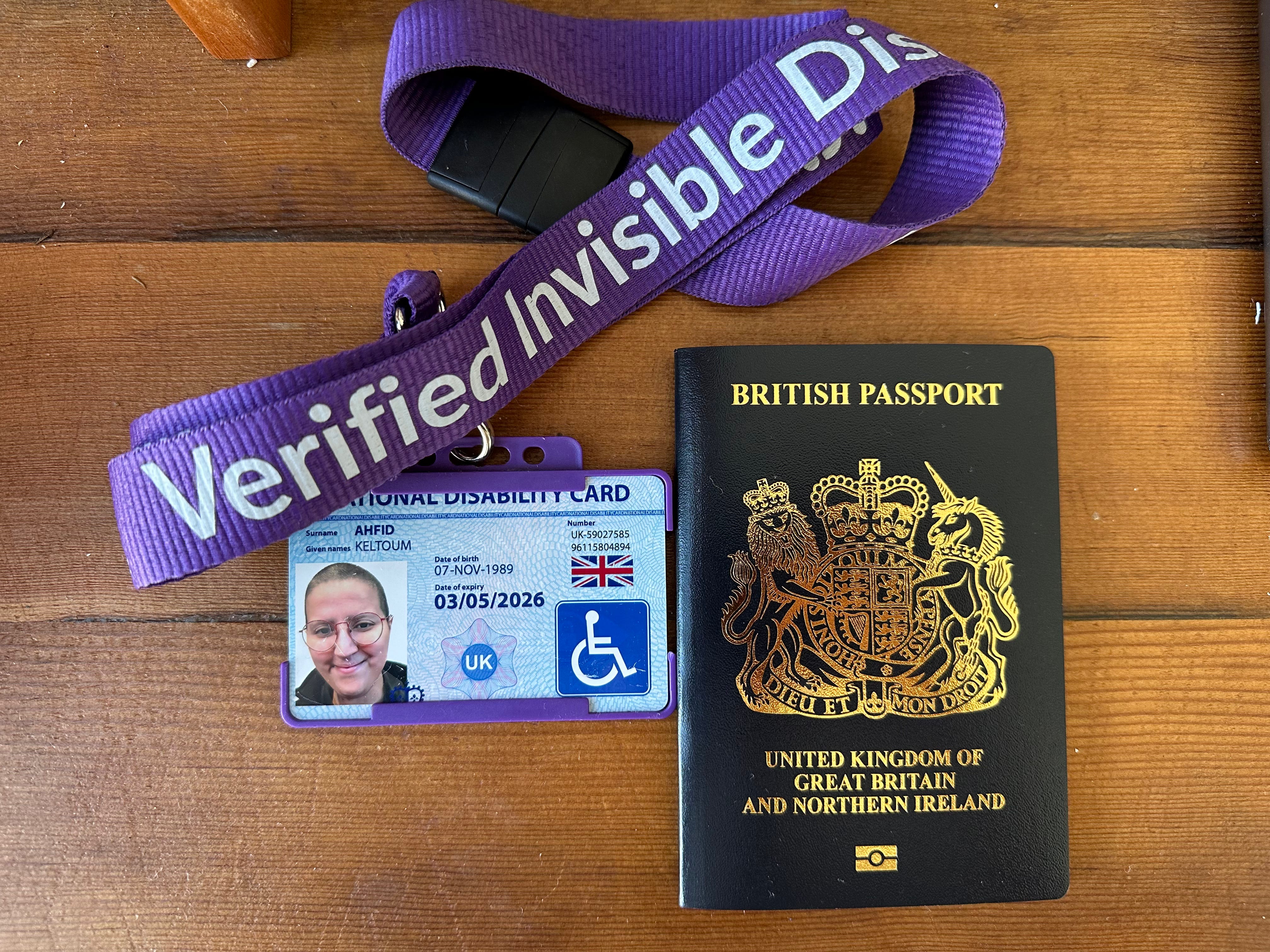
The irony reached its crescendo when, in the midst of this extended medical odyssey, I achieved what had previously felt like my most significant bureaucratic conquest: I got my British citizenship. I had spent months obsessing over that application. The psychological weight I had assigned to this tiny dark blue booklet was considerable; it represented belonging, permanence, a kind of validation I hadn't realised I'd been seeking (except I totally have). When it finally materialised, however, it felt roughly as momentous as receiving a utility bill. Context, it turns out, is everything.
What no one adequately prepares you for is the peculiar mathematics of recovery after the recovery. Everyone speaks of treatment's end as though it were a finish line, complete with ribbon-cutting ceremonies, congratulatory champagne and the ringing of chemo bells. The reality is more like finding yourself in possession of a body that technically belongs to you but feels suspiciously like a rental; functional, certainly, but requiring a completely different relationship with acceleration and braking, and now featuring an entirely new dashboard warning light that requires daily pharmaceutical maintenance.
There's a particular kind of loneliness in looking perfectly fine while feeling like you're operating sophisticated machinery without having read the manual. Friends expect celebration; I provide it. Family expects reassurance; I offer that too. But privately, I'm still figuring out how to inhabit this version of myself. The one who takes longer to climb stairs, who schedules daily activities around pharmaceutical timing, who has developed an intimate relationship with various forms of medical monitoring, and who now carries the quiet knowledge that something as fundamental as stress response requires external intervention.
Perhaps this is simply what recovery looks like when you strip away the narrative conventions: not a triumphant return to previous programming, but a slow negotiation with a new normal that nobody particularly asked for but everyone has to learn to live with. A reality where designer pharmaceuticals have become not luxury items but essential accessories, where the devil isn't in the details but in the daily logistics of biochemical impersonation.
The update, then, is this: I am cancer-free, British, and on steroids, which sounds like the setup to either a very weird joke or a very niche support group, and I am learning that sometimes the most honest thing you can say about survival is that it's complicated. Some days feel almost like before, others feel like elaborate performance art where I'm both the performer and the audience, trying to convince everyone—including myself—that I remember how this is supposed to work, while my medicine cabinet quietly orchestrates the biochemical theater that keeps the show running.
And perhaps that's enough for now.
No posts
Comments
Nothing yet. Say the first thing.
Sign in to join the conversation.