
Good morning, everyone!
As the saying goes, history does not repeat itself, but it certainly rhymes.
Today, we will look at Ruth Bader Ginsburg’s ascension to the Supreme Court, the U.S.-Israel relationship, and a series of notable births and deaths.
Let’s get to it.
♻️ Help this post reach more readers: like, repost, and share 📬
1993
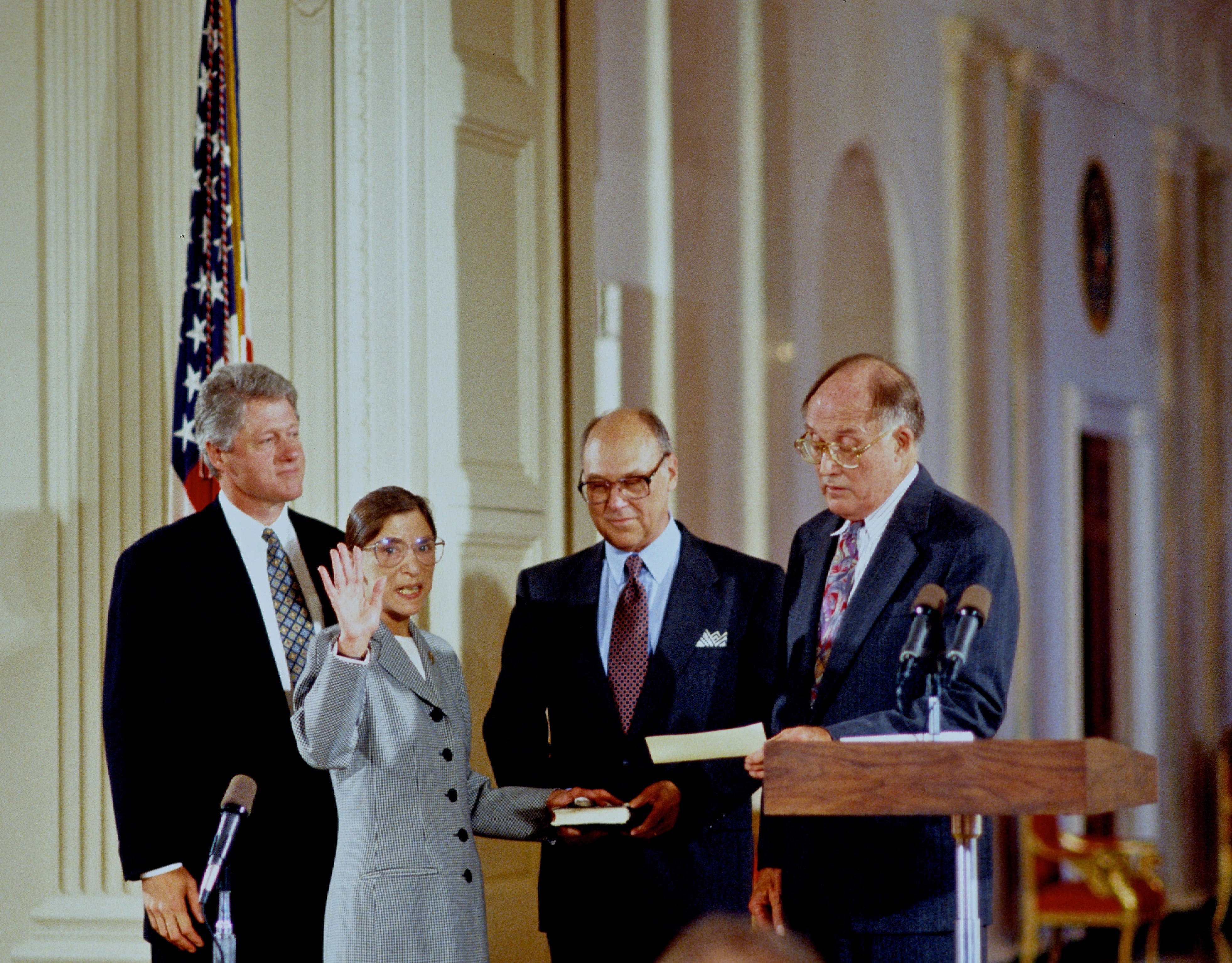
Ruth Bader Ginsburg was sworn in as an associate justice of the Supreme Court, making her the second woman to serve on the high court.
Speaking at her confirmation hearing the month prior, Ginsburg said, “I ask no favor for my sex. All I ask of our brethren is that they take their feet off our necks.”
1972
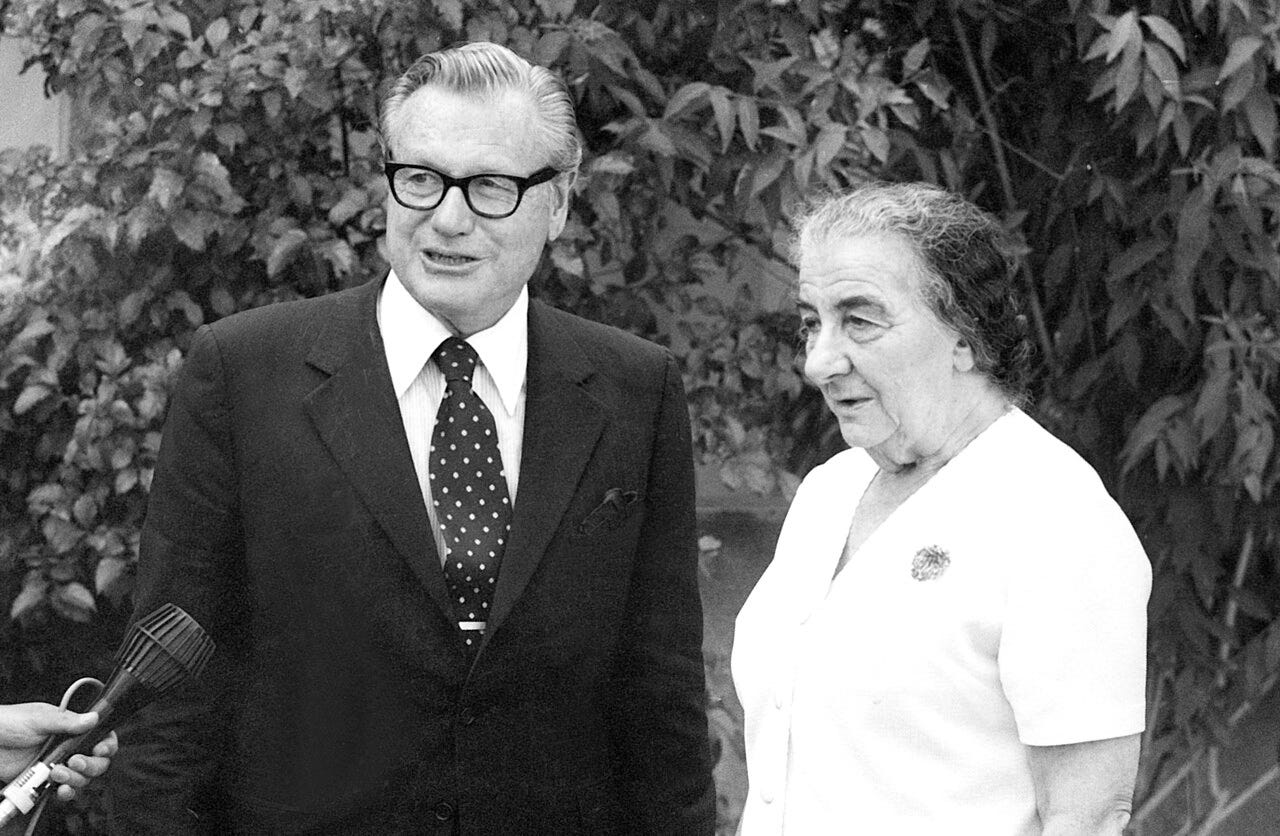
Israeli Prime Minister Golda Meir hosted New York Governor Nelson Rockefeller in Jerusalem.
1977
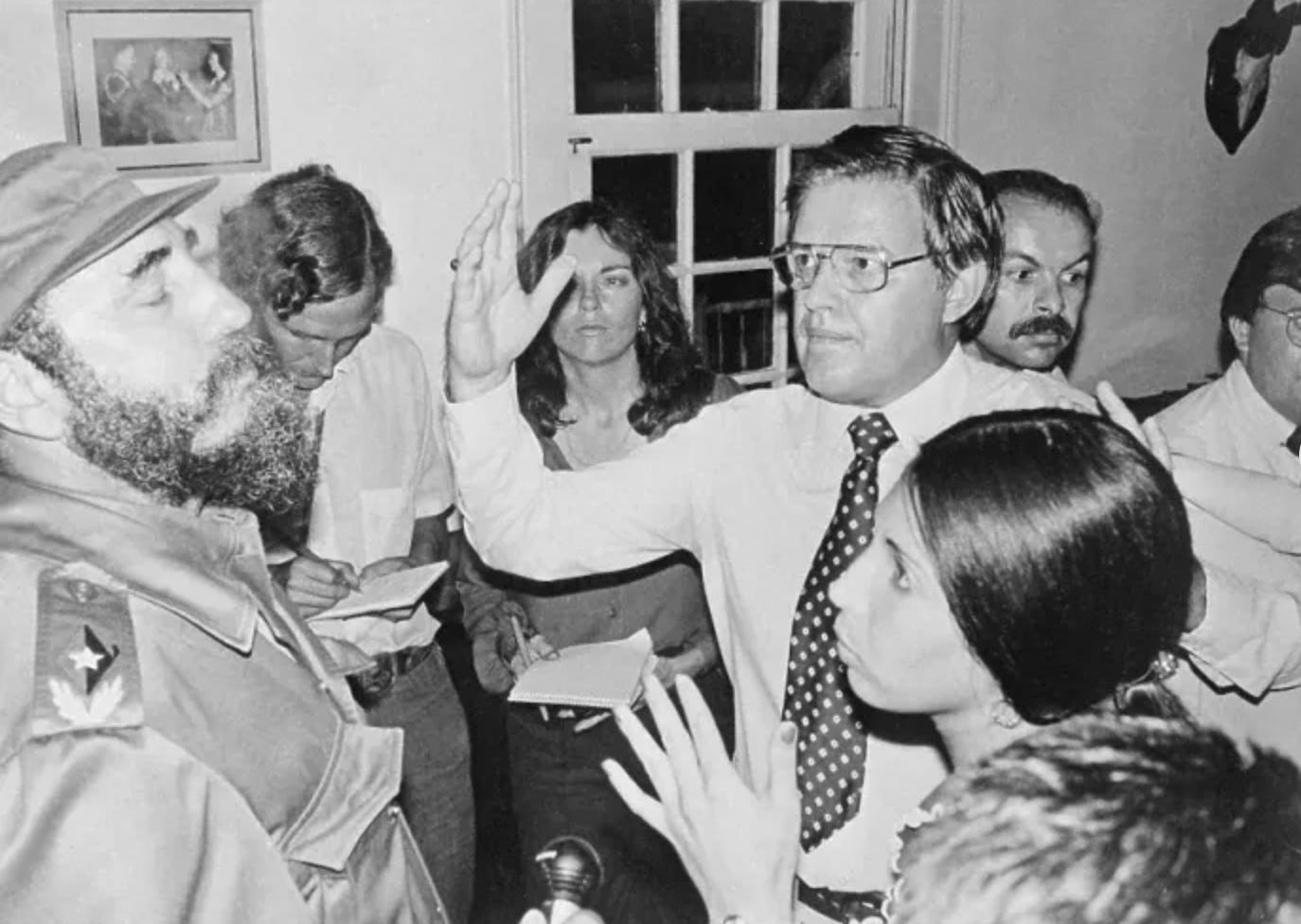
Idaho Senator Frank Church concluded a four-day goodwill trip to Cuba.
As chairman of the Senate Foreign Relations Committee, the Democratic lawmaker became the highest-ranking U.S. official to visit the island nation since Fidel Castro assumed power in 1959.
1984
President Ronald Reagan joked about bombing the Soviet Union while testing a microphone before a radio address, causing an international controversy.
View an NBC News report about the incident here:
1992
President George H. W. Bush hosted Israeli Prime Minister Yitzhak Rabin at his estate in Kennebunkport, Maine, where he agreed to provide the Jewish state with $10 billion in loan guarantees for refugee resettlement efforts.
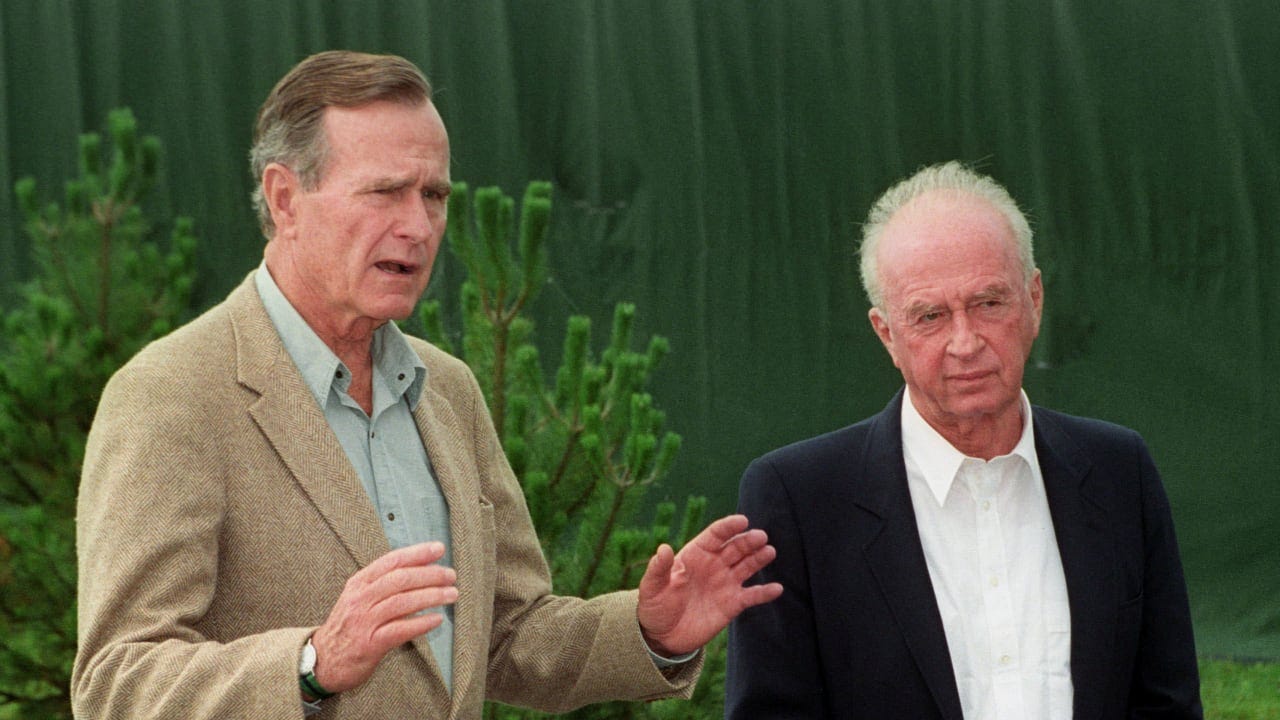
Bush’s approval came after a year of hesitation and a bitter public battle with Rabin’s predecessor, Yitzhak Shamir, which eventually led to his Likud Party’s defeat by Rabin’s Labor Party in that year’s general election.
Bush approved the loan guarantees after Rabin agreed to slow Israeli settlements in the West Bank.
View a news report detailing the loan here:
1993
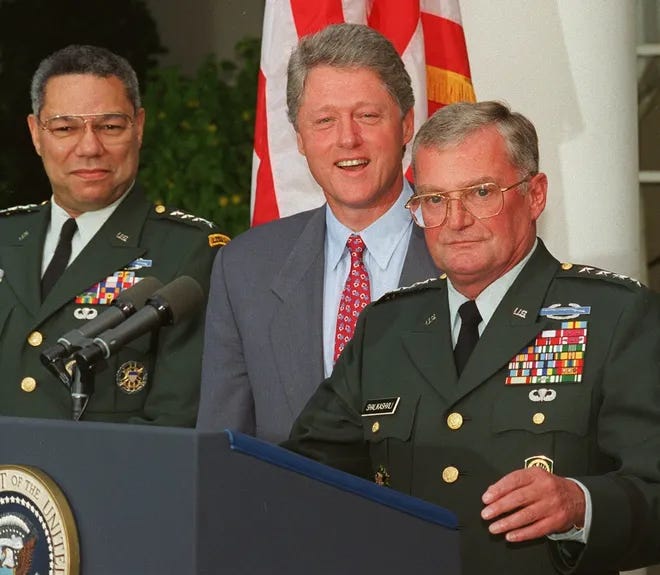
President Bill Clinton announced that he would nominate General John Shalikashvili to succeed General Colin Powell as the Chairman of the Joint Chiefs of Staff in a ceremony in the Rose Garden of the White House.
2000
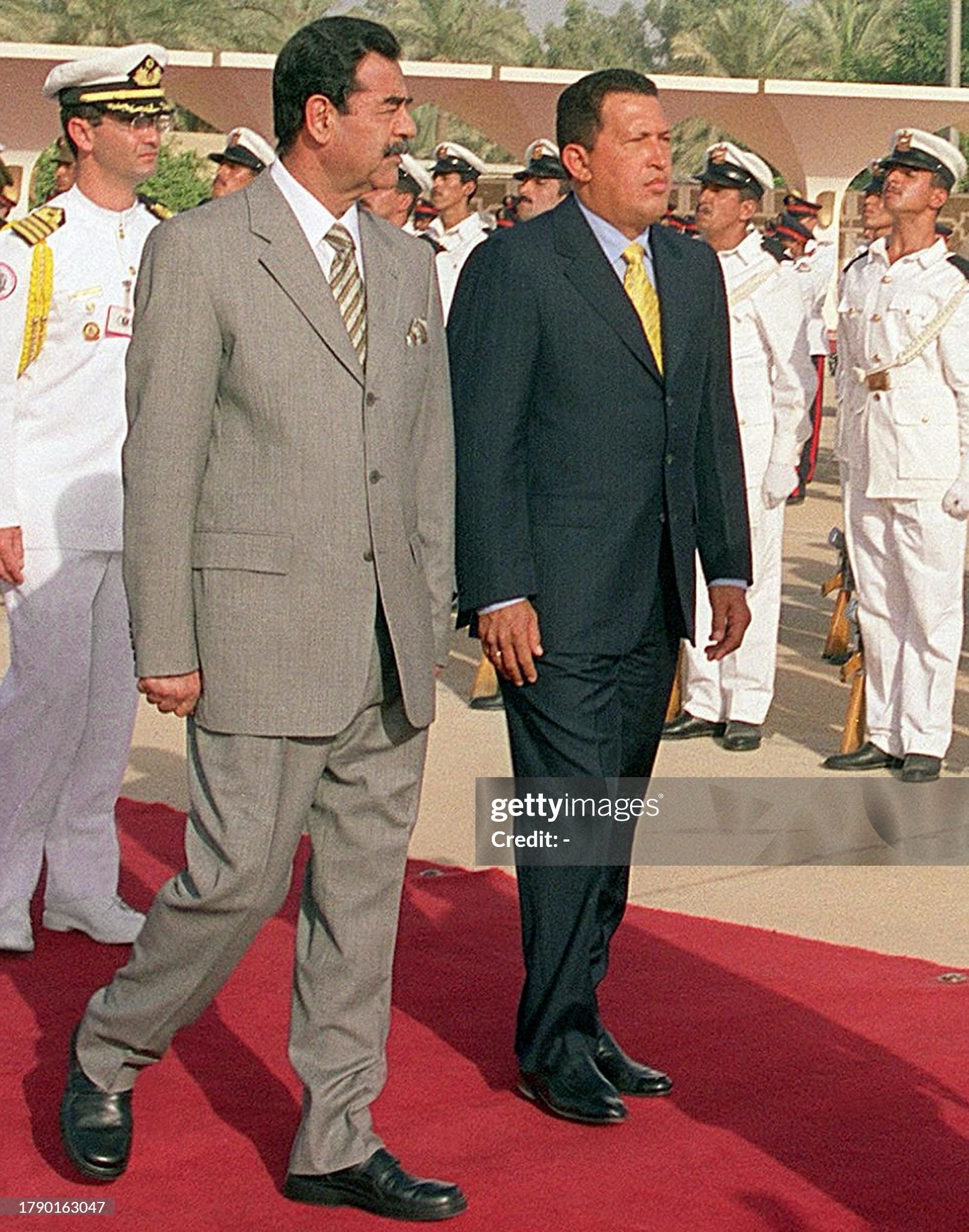
Venezuelan President Hugo Chávez met with Iraqi strongman leader Saddam Hussein in Baghdad, becoming the first foreign head of state to meet with Hussein since the Persian Gulf War in 1991.
2020
Democratic presidential candidate Joe Biden named Kamala Harris as his vice presidential running mate.
1898
The Spanish-American War ended with an armistice.
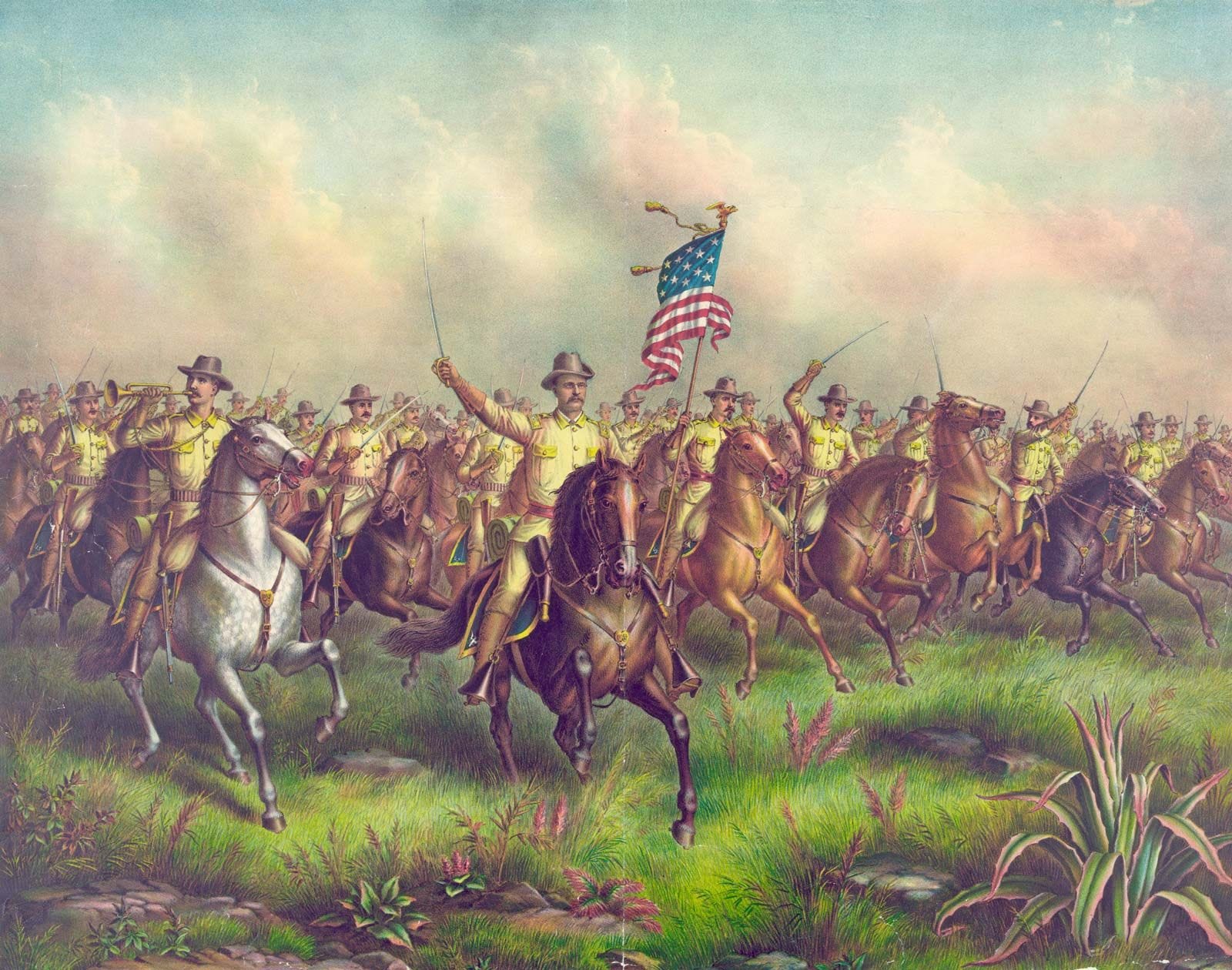
Following the signing of the Treaty of Paris later that year, the Spanish Empire relinquished all territorial claims to Cuba while ceding control of Guam, Puerto Rico, and the Philippines to the United States.
1941
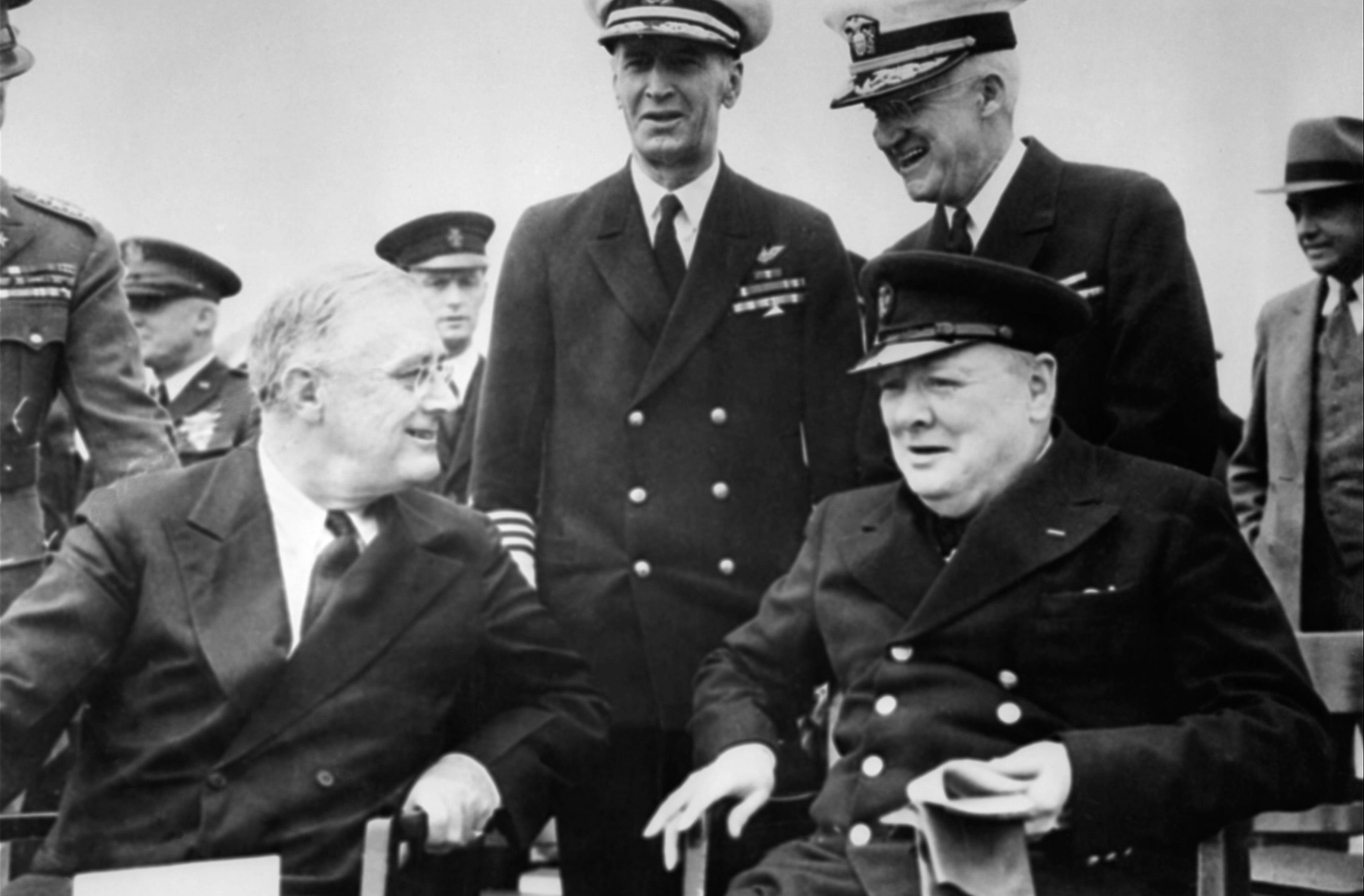
President Franklin Roosevelt and British Prime Minister Winston Churchill concluded four days of talks aboard a ship at Placentia Bay, Newfoundland, where they discussed war strategy against the Axis powers and a post-war order.
The Atlantic Charter would emerge from the talks, establishing the founding principles of the United Nations.
1961
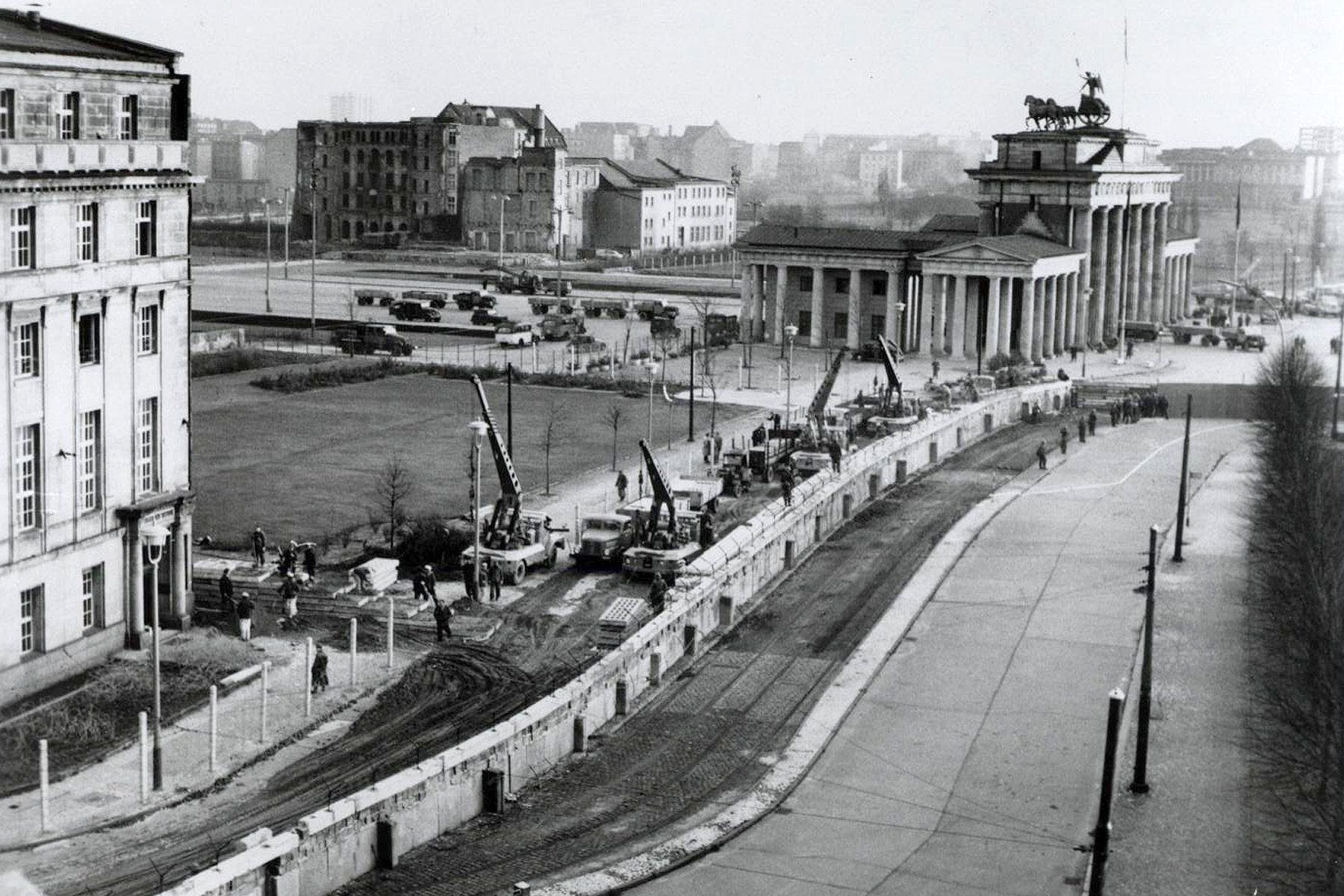
Authorities in East Berlin began construction of the Berlin Wall, dividing the city amid Cold War tensions.
1974
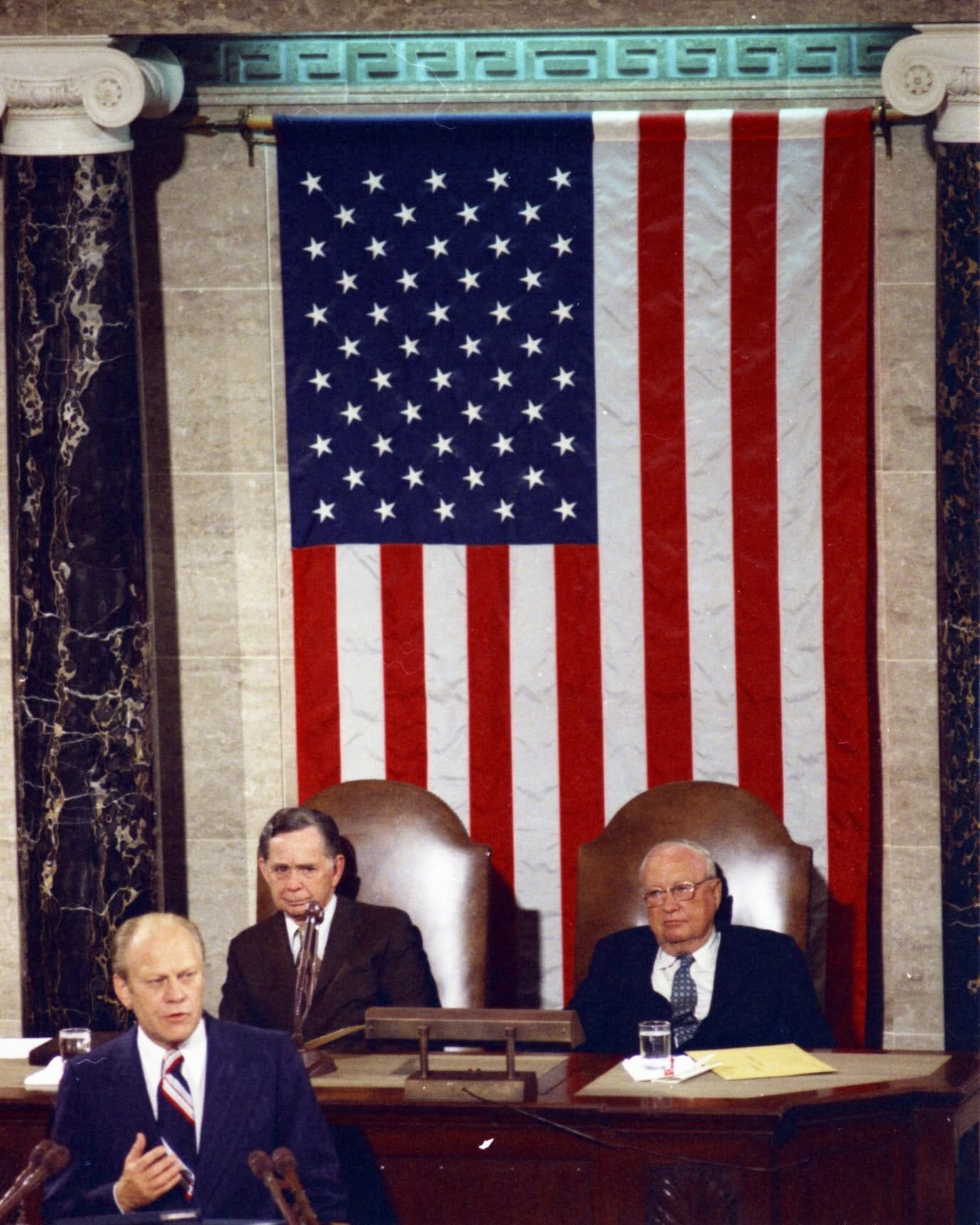
President Gerald Ford addressed a joint session of Congress just three days after taking office following Richard Nixon’s resignation.
In his remarks, Ford said, “To the limits of my strength and ability, I will be the President of black, brown, red and white Americans, of old and young, of women’s liberationists and male chauvinists and all the rest of us in between, of the poor and the rich, of native sons and new refugees, of those who work at lathes or at desks or in mines or in the fields, and of Christians, Jews, Muslims, Buddhists and Atheists, if there really are any Atheists after what we have all been through.”
1980
Massachusetts Senator Ted Kennedy addressed the Democratic National Convention following his bitter battle for the party’s nomination against President Jimmy Carter.
In his remarks, Kennedy declared, “For me, a few hours ago, this campaign came to an end. For all those whose cares have been our concern, the work goes on, the cause endures, the hope still lives, and the dream shall never die.”
1981
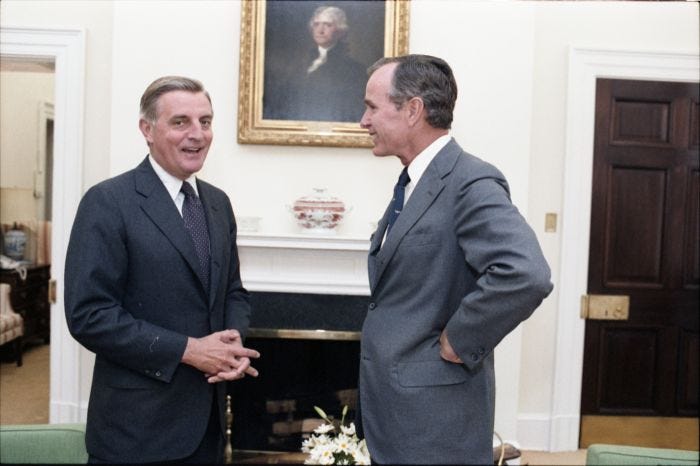
Vice President Bush hosted former Vice President Walter Mondale in his West Wing office for a private meeting to discuss the expanding role of the vice presidency.
Mondale, who served as no. 2 to President Jimmy Carter, is widely credited with creating the modern vice presidency, establishing an office in the West Wing and serving in what Carter said was an “invaluable” role in his administration.
1992
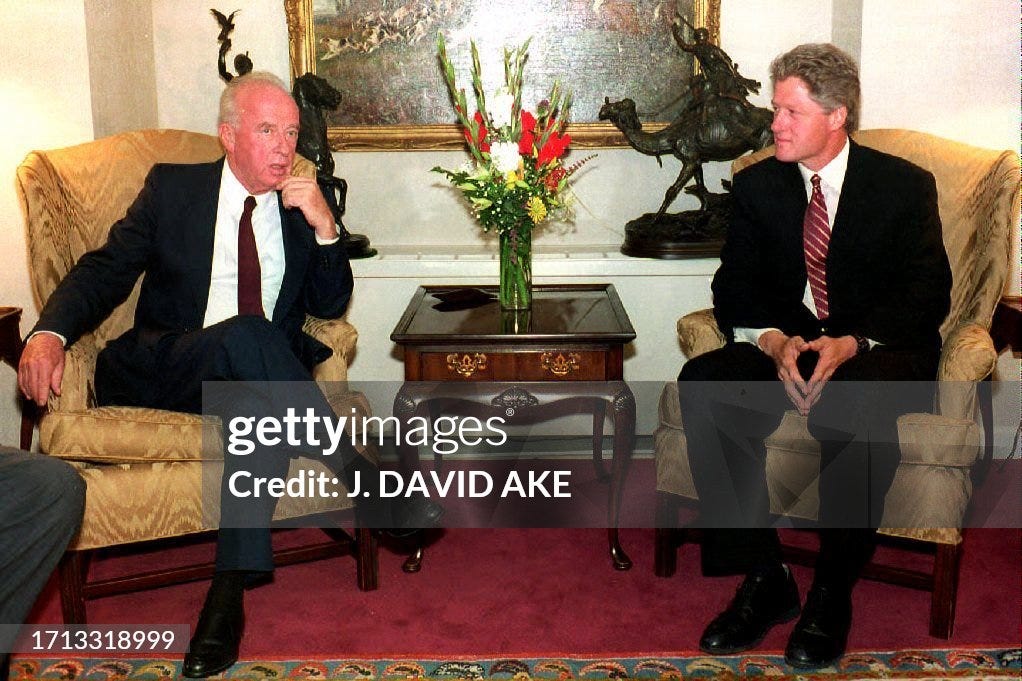
Israeli Prime Minister Rabin met with Democratic presidential candidate Bill Clinton during a visit to the United States.
2009
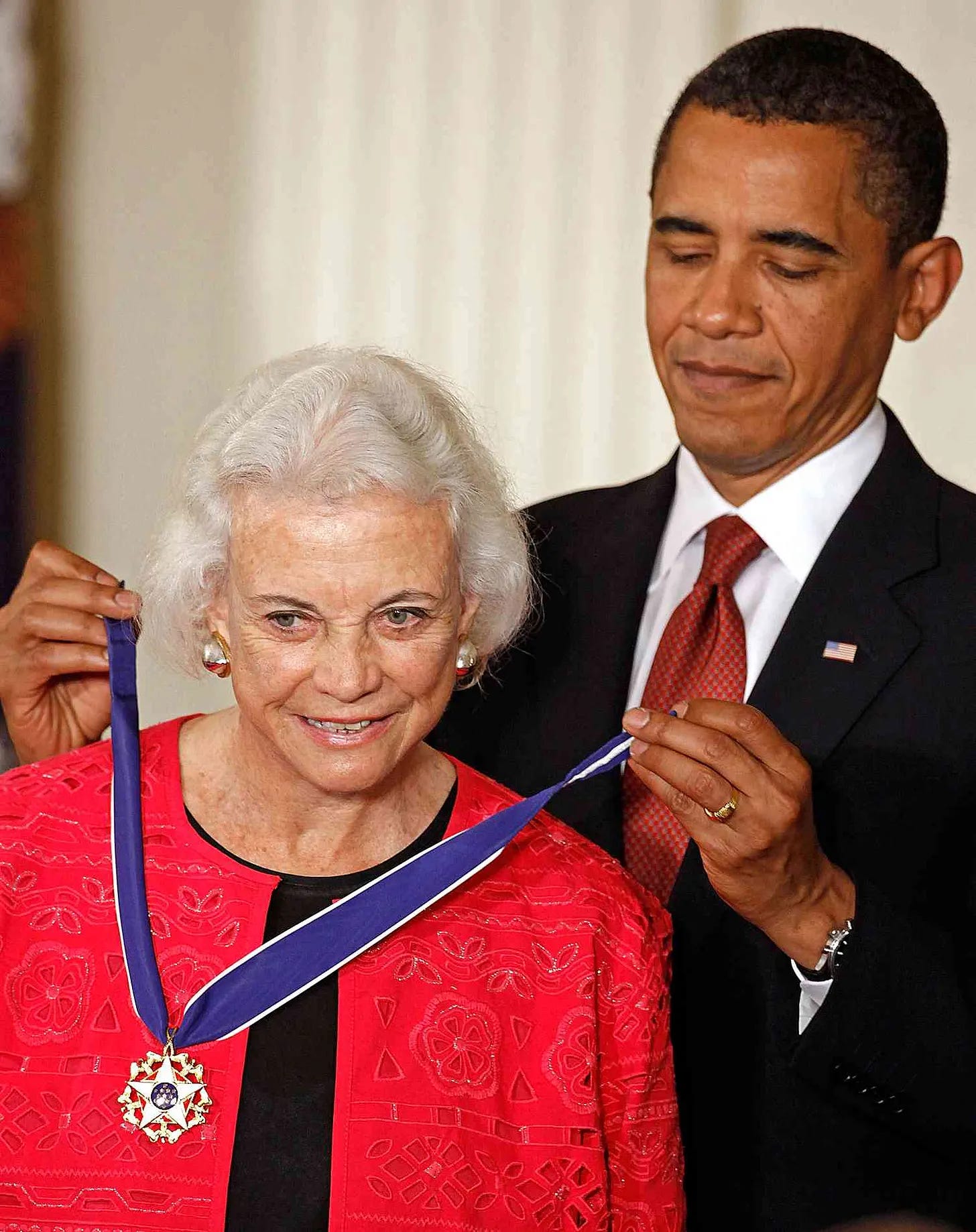
President Barack Obama awarded former Supreme Court Justice Sandra Day O’Connor the Presidential Medal of Freedom, saying she “built a bridge behind her for all young women to follow.”
In 1981, O’Connor became the first woman to serve on the high court.
1926
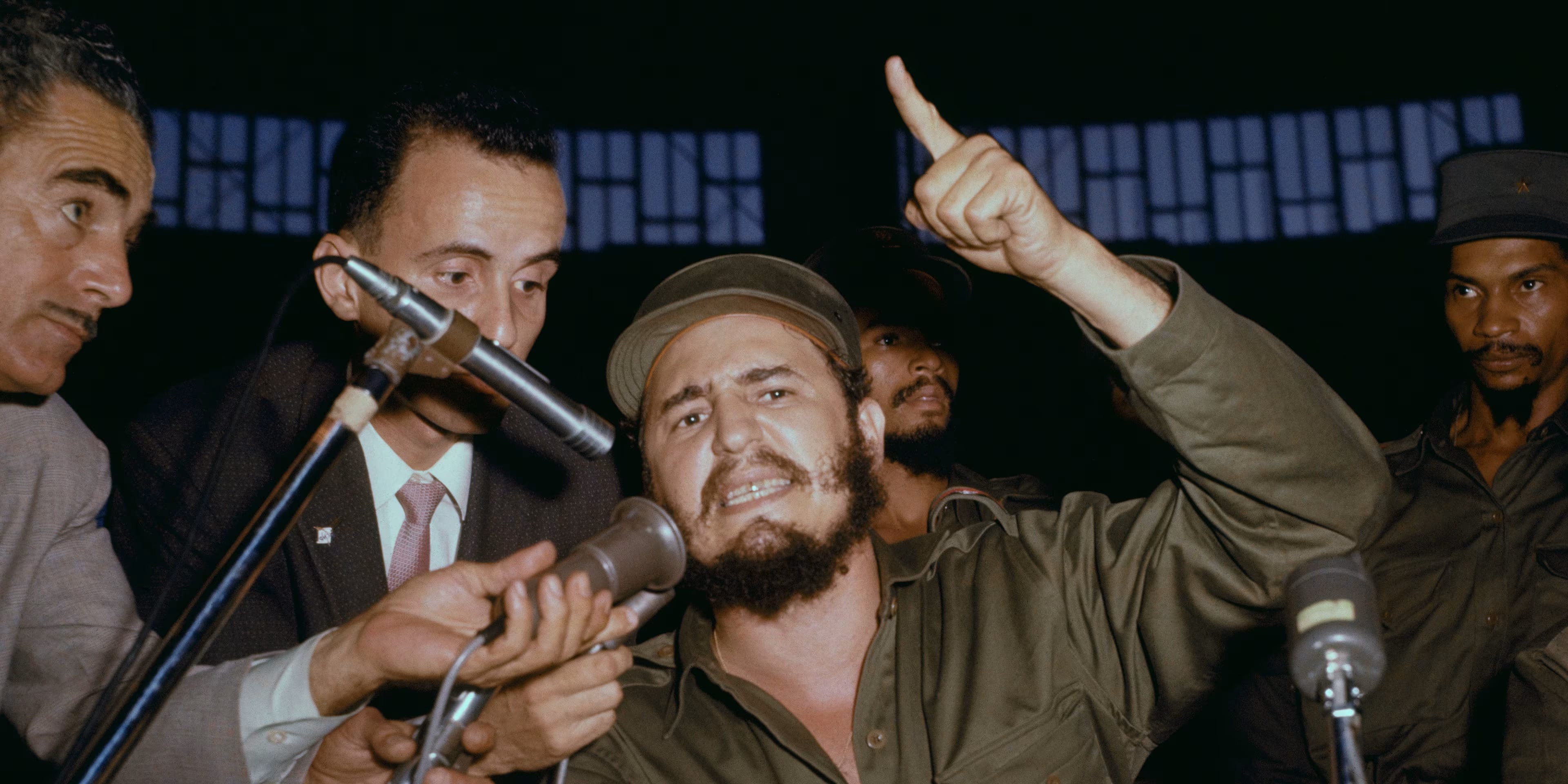
Fidel Castro was born.
In 1959, at the age of 32, the revolutionary leader led guerrilla forces that toppled dictator Fulgencio Batista.
1942
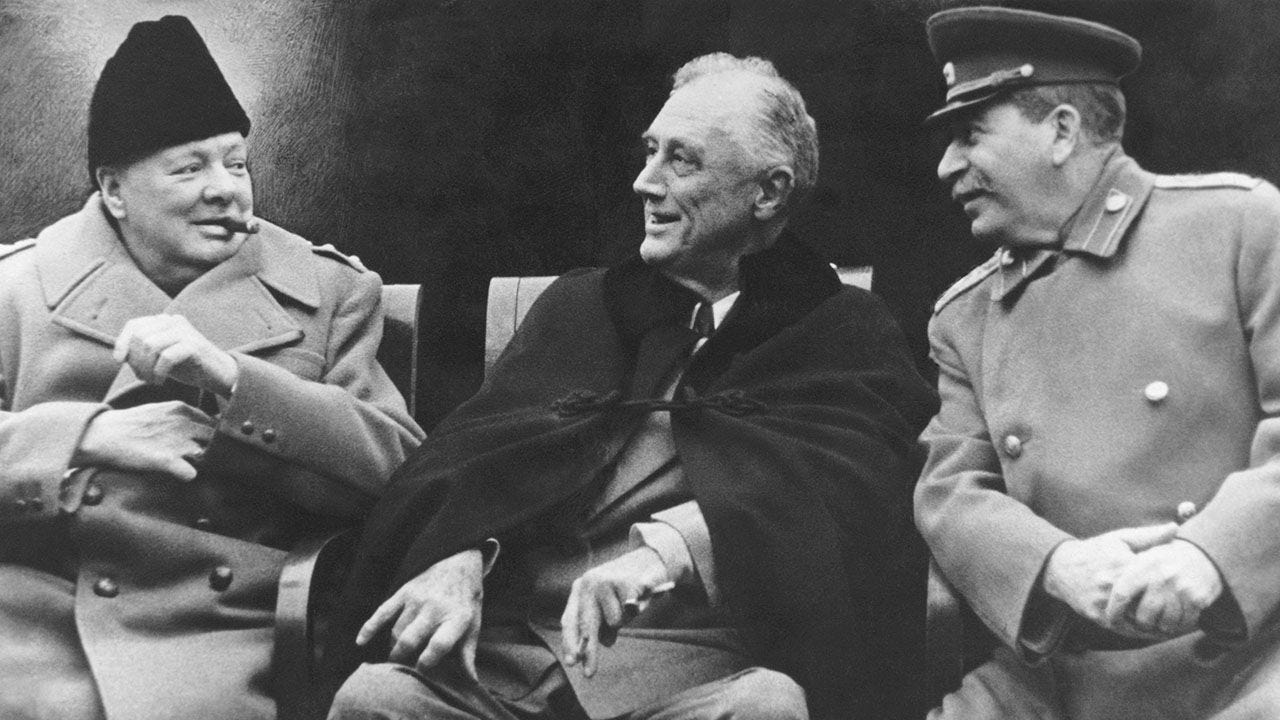
Soviet leader Joseph Stalin wrote to President Franklin Roosevelt and British Prime Minister Winston Churchill excoriating their decision not to invade Western Europe at that time.
1981
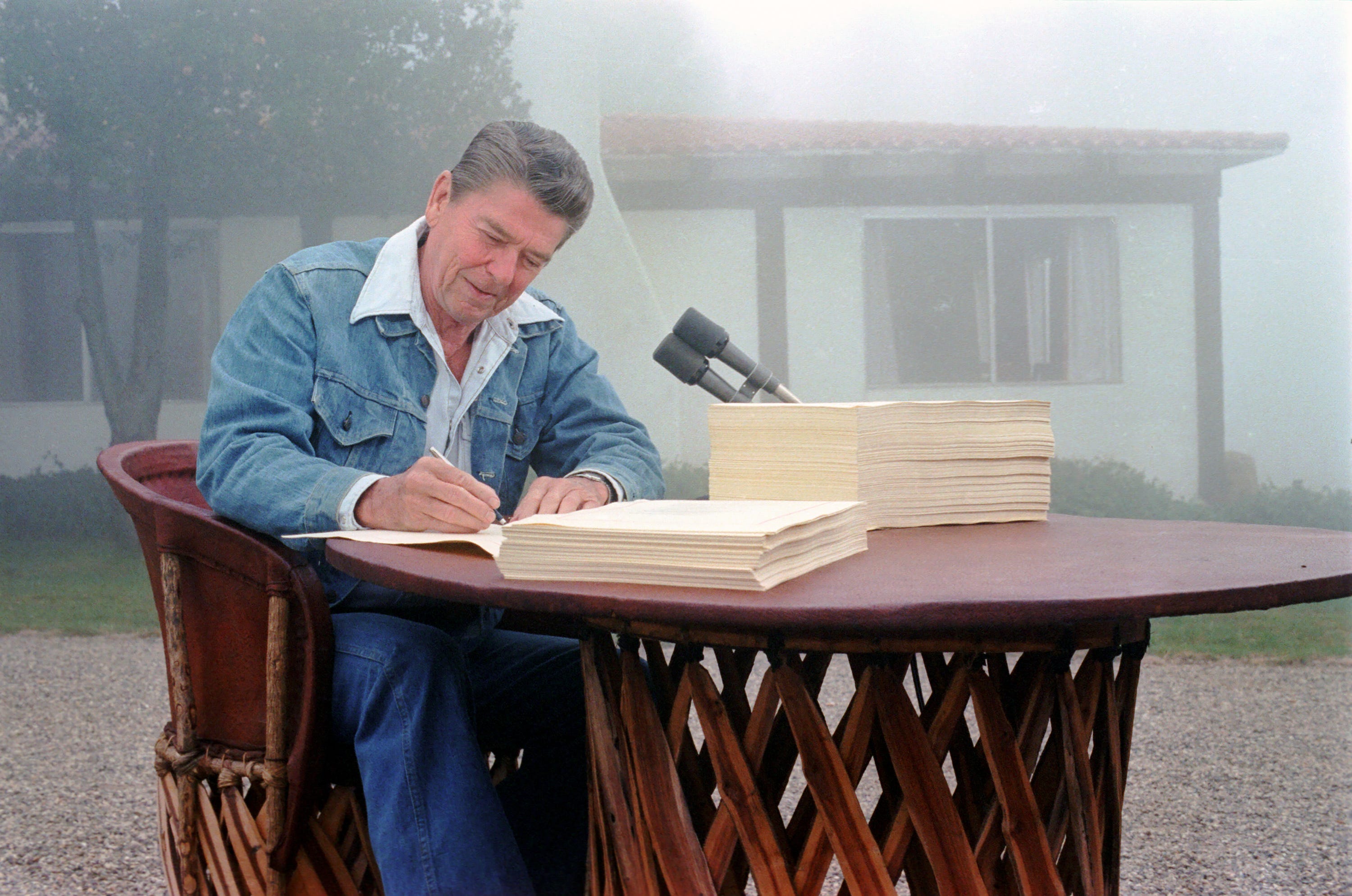
President Ronald Reagan signed the Economic Recovery Tax Act at his California ranch, enacting a sweeping series of tax cuts aimed at stimulating economic growth.
1998
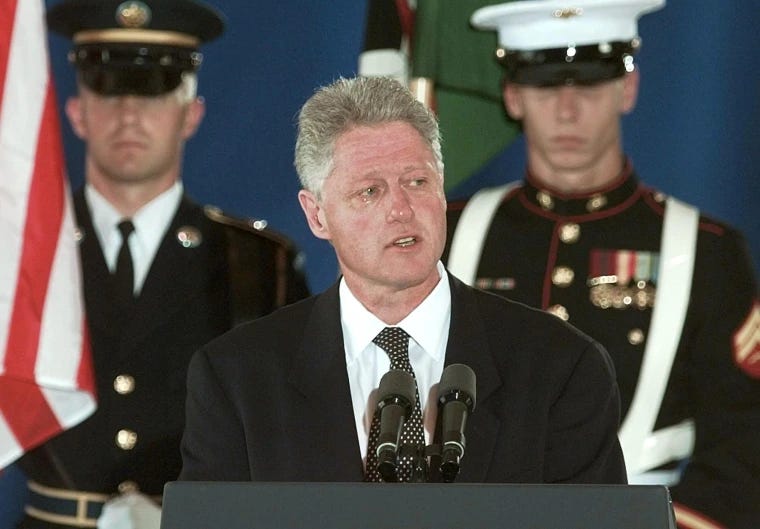
President Clinton attended a national memorial service for the victims of two U.S. embassy bombings at Andrews Air Force Base in Maryland.
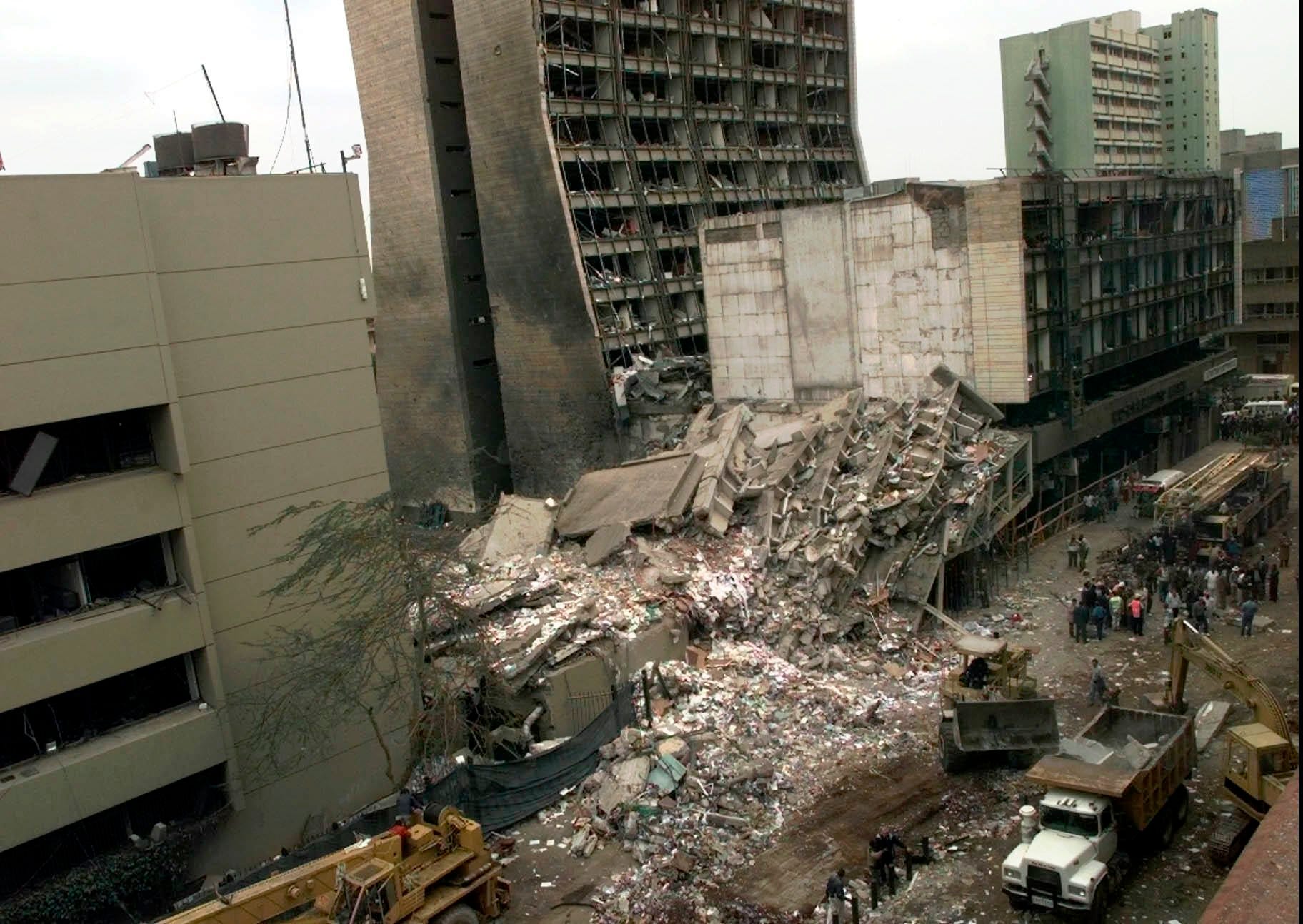
Just days earlier, simultaneous truck bombs exploded at the American embassies in Nairobi, Kenya, and Dar es Salaam, Tanzania, killing 224 people and wounding 4,500 others.
Al-Qaeda was responsible for the attacks.
2020
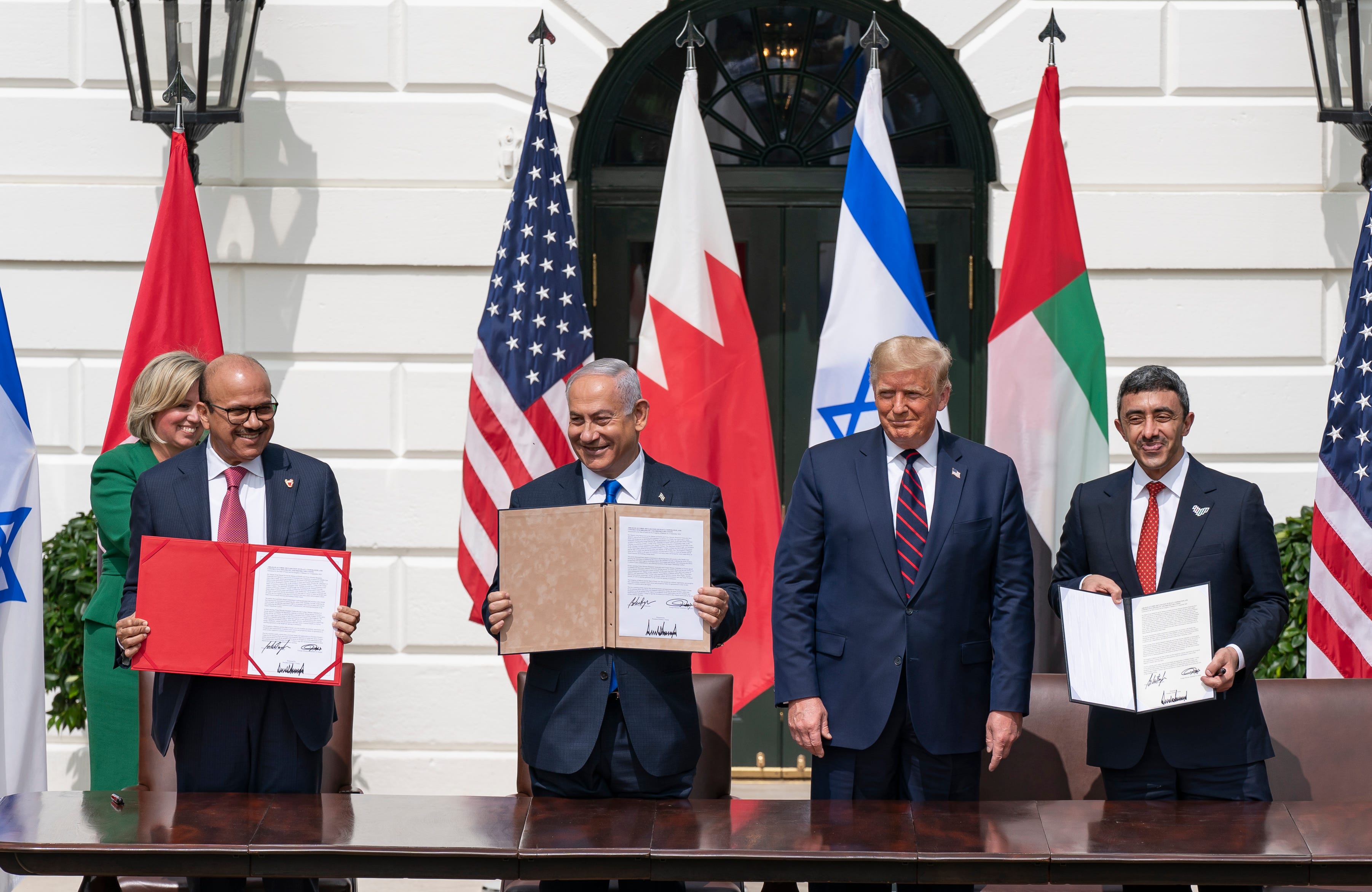
The United States announced the historic Abraham Accords between Israel and the United Arab Emirates.
The agreement marked the first time that an Arab country agreed to normalize relations with Israel since Jordan did so in 1994.
Bahrain, Morocco, Sudan, and Kazakhstan later joined the agreement.
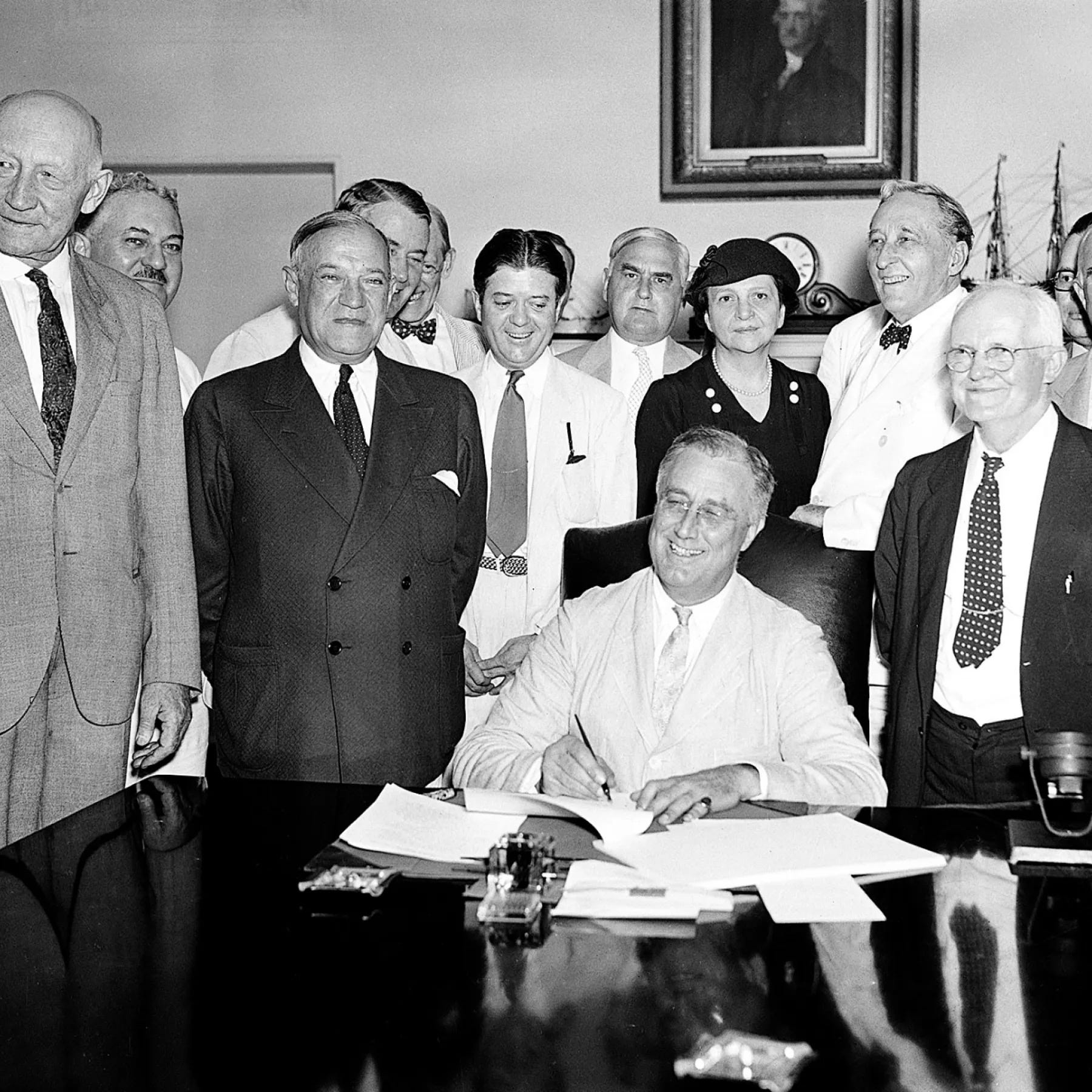
1935
President Franklin Roosevelt signed the landmark Social Security Act into law, establishing a federal system of old-age benefits.
In a ceremony at the White House, Roosevelt said, “If the Senate and the House of Representatives in this long and arduous session had done nothing more than pass this Bill, the session would be regarded as historic for all time.”
1996
Accepting the Republican presidential nomination, Bob Dole said that his party was “broad and inclusive” while demanding those who held bigoted views leave it.
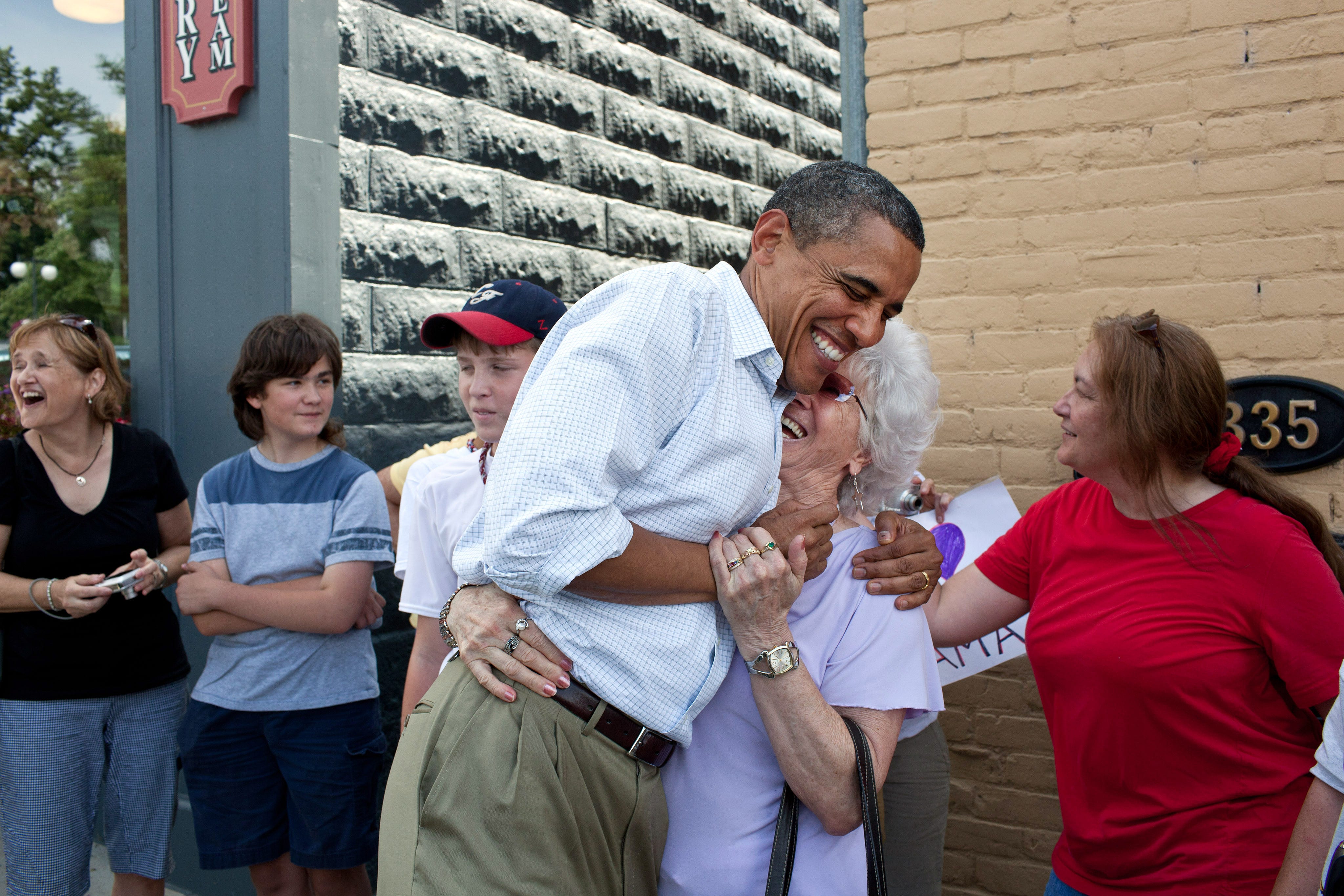
2011
President Obama greeted people in Cannon Falls, Minnesota, before a meeting with military veterans.
The visit was part of his three-day bus trip across the Midwest.
2017
Responding to protests and counter-protests over a Confederate statue that turned deadly in Charlottesville, Virginia, President Donald Trump said there were “very fine people on both sides.”
He added, “I’m not talking about the neo-Nazis and the white nationalists because they should be condemned totally.”
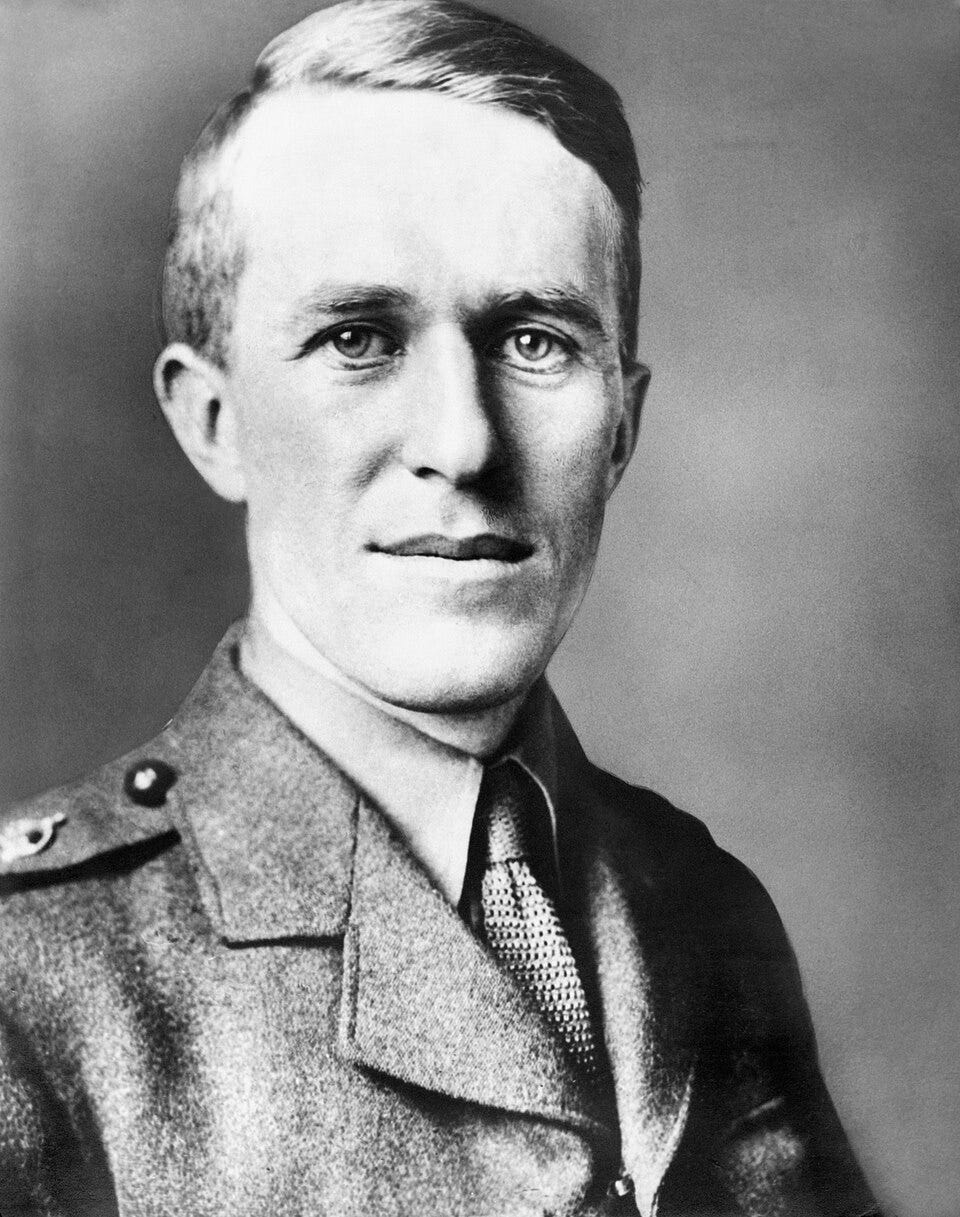
1888
T.E. Lawrence, known as Lawrence of Arabia, was born in Wales.
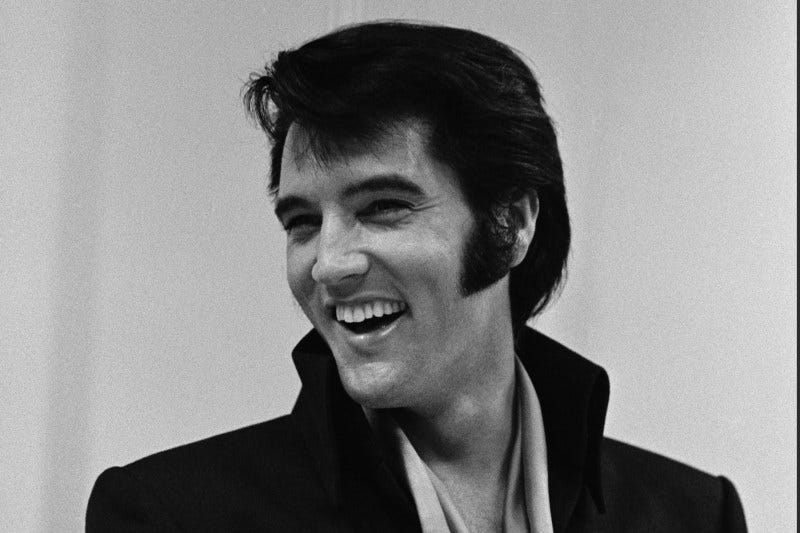
1977
Elvis Presley died in Memphis, Tennessee, at the age of 42.
2000
President Clinton and Vice President Al Gore appeared at a campaign rally in Monroe, Michigan, where Clinton formally introduced Gore as his successor.
2003
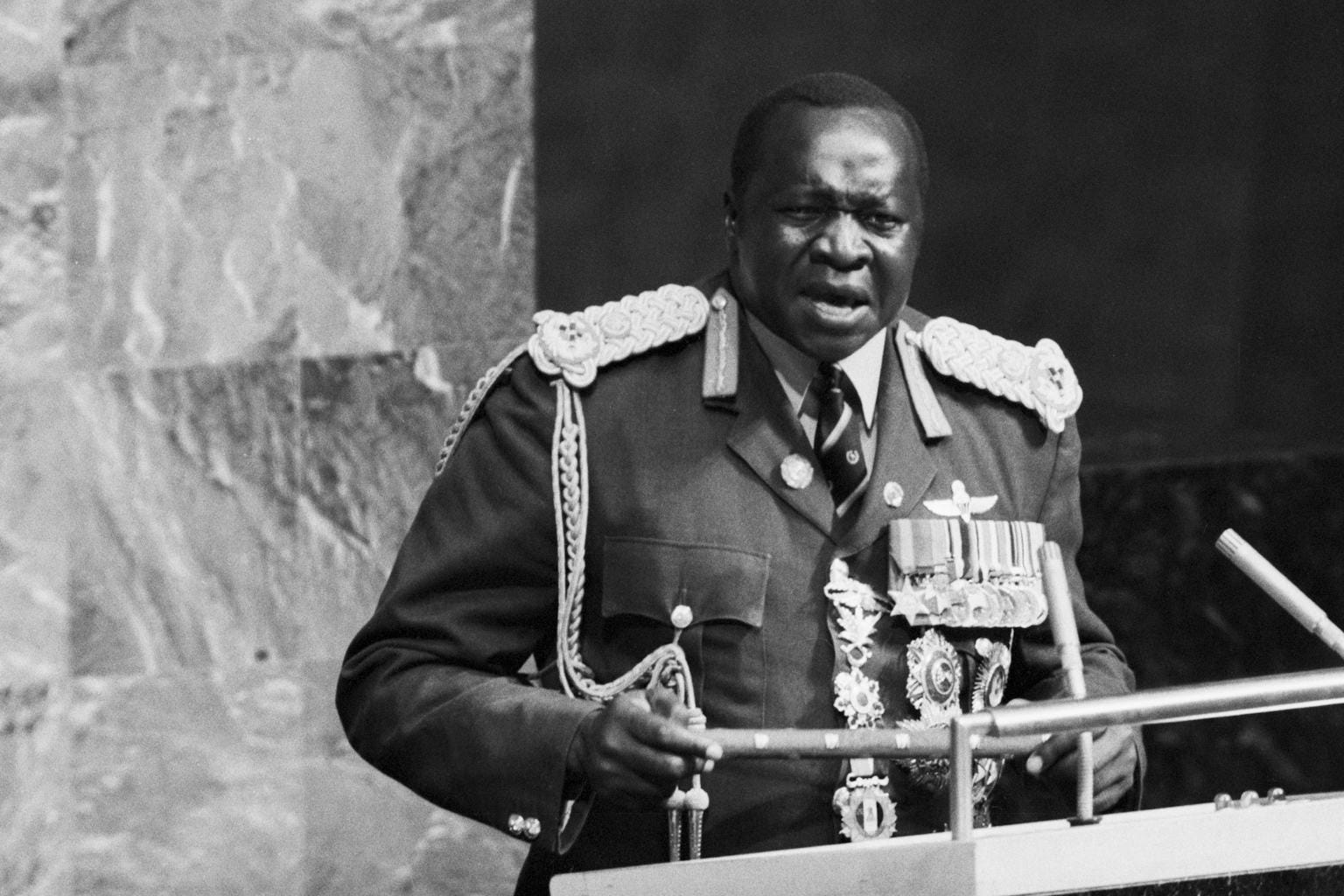
Idi Amin, who brutally ruled Uganda from 1971 to 1979, died in Saudi Arabia at the age of 78.
2021
In remarks at the White House, President Biden defended his decision to withdraw U.S. troops from Afghanistan.
That’s all for today. See you next time.
No posts
Comments
Nothing yet. Say the first thing.
Sign in to join the conversation.