
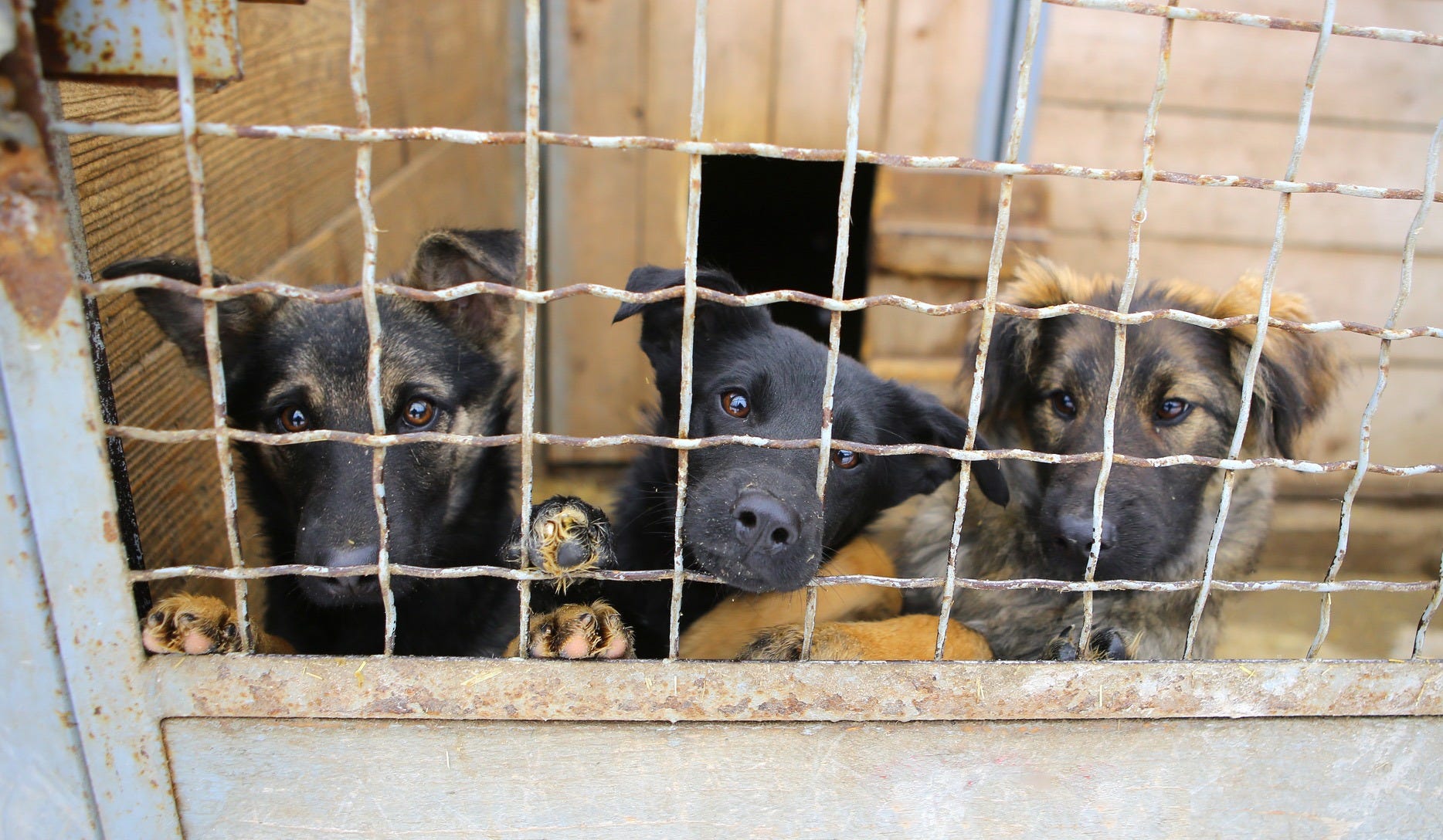
Many great philosophers and writers have drawn a connection between how we treat animals and how we treat one another — almost always in that order. I was searching for an opening quote or piece of social critique that explored the inverse: how disregard for human life can spill over into our treatment of animals, a counterpoint to the oft-cited, “The greatness of a nation and its moral progress can be judged by the way its animals are treated,” misattributed to Gandhi. After coming up empty handed and pressed for time, I consulted ChatGPT. The only quote that seemed to capture the sentiment I was after was a fabrication tailored to the contours of my request.
Still, it did feel eerily appropriate that the fake quote was attributed to the author and Holocaust survivor Elie Wiesel.
A few weeks ago, I wrote a post about immigration raids that raised a few hackles. We even received a boycott threat after it went out to our full mailing list, in which we were compared to Nike, Budweiser, and Target (if only).
We only chime in on what might be considered political when we have a direct stake, a degree of expertise, and a clear moral imperative to speak out. Maybe it's a bit egotistical, but we’d like to think our community counts on us to stand for what matters. And even if our customers and followers don’t agree with us on immigration policy, even to the point of cheering on the raids and detention centers, as animal lovers, they should agree that no pet should be left to suffer the emotional and physical trauma of sudden separation. No overcrowded shelter should be pushed even further past its limits.
Imagine being ripped from your home and thrown into a cage, never to see your loved ones again — potentially even dying in a strange and overcrowded prison through no fault of your own. That’s the reality for many of the people caught up in immigration enforcement actions. And it’s the reality for many of the pets that get left behind. Across the country, there are dogs and cats waiting in homes for owners who will never return. Some are found and enter the shelter system or go to a rescue organization, but others meet a worse fate. If no one knows they’re there, they will starve to death, afraid and alone. Still others are left behind when families choose to self-deport, forced to make the gut-wrenching decision to leave their animals behind.
Reports are beginning to come out that already overburdened shelters are being inundated in the wake of enforcement actions. Following recent ICE raids, Los Angeles County shelters have seen a sharp rise in surrendered pets: dogs, cats, and even farm animals, pushing already overburdened facilities to their limits. At Palmdale and Downey shelters, intake numbers surged by up to 50–100% compared to the same time last year.
While much of the reporting and attention has focused on California, where the most aggressive deportation push is underway, this is a national issue. For example, the Michigan Humane Society officials report 35 to 50 pets surrendered in recent months, many directly tied to deportations or the financial strain they cause. The organization is now developing emergency foster programs to keep animals out of shelters and in homes. In South Florida, shelters are at capacity as more pets are abandoned in the wake of ICE raids—one Miami rescue took in 13 dogs in a single week, all linked to recent detentions. In Cape Coral alone, at least five dogs were left behind after their owners were taken. As deportations ramp up, I’m sure we will be hearing more heartbreaking stories along these lines.
As this issue escalates and gains attention, immigration rights groups and animal rescue organizations are urging people to prepare. These steps can help protect pets in the event of detention or deportation — and in truth, they’re useful for any pet guardian’s emergency planning.
1. Identify a backup caregiver
Choose a trusted friend, neighbor, or family member who can take care of your pet if you're suddenly unable to.
2. Create a written care plan
Include feeding instructions, medications, vet contact info, and your pet’s medical history. Make sure your designated caregiver has a copy.
3. Give someone a spare key
Ensure your backup caregiver can access your home if necessary.
4. Include pets in your emergency documents
Keep copies of vaccination records, microchip information, and ownership proof (photos, receipts, licenses) with your important papers.
5. Have emergency funds set aside
Provide your backup caregiver with the resources they’ll need to care for your pets in your absence.
6. Make sure your pet is microchipped and ID’d
If your pet ends up in a shelter, having up-to-date ID tags and microchip info greatly improves the chances of reunification or rehoming.
7. Inform your immigration or family attorney
Let them know you have pets and ensure your care plans are part of any broader emergency or custody planning.
I think we’ve made it pretty clear where we stand when it comes to indiscriminate mass detention and deportation. And I hope that even if you strongly disagree with us on that, you can at least agree that pets shouldn’t be collateral damage. They don’t know what deportation is, only that they’ve been left behind, waiting for the people they love.
Thanks for stopping by. We’ll be regularly sharing our adventures, insights, strong opinions, and a behind-the-scenes look at what it takes to be the gold standard in gently cooked food for pets!
Comments
Nothing yet. Say the first thing.
Sign in to join the conversation.