
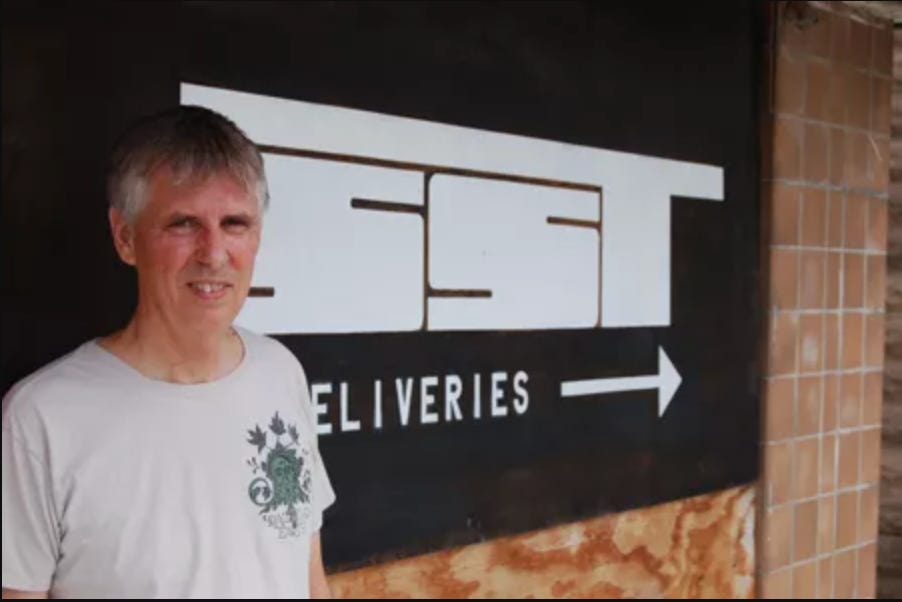
Standing in a 7-11 in Long Beach, California, Oxbow’s drummer at the time, Tom Dobrov, stood shoulder to shoulder with Greg Ginn, founder of SST Records and Black Flag. They were facing a magazine stand. Not really looking through the magazines, but clearly looking AT them. Sort of.
Seconds turned to minutes. Minutes into uncomfortably more minutes. No move was made to actually pick UP a magazine. They just stood there. Dobrov, antsy with the stasis, looked to Ginn for a lead. A Black Flag head since Black Flag had been a thing, like all the rest of us, he had decided to follow where the great man led.
By minute seven he broke, wandered back out to the van.
“Where’s Greg?” we asked.
“I don’t know,” he said though we could all still see Ginn still, standing in front of a magazine rack. I slid out of my seat, and to the rescue.
“Greg?” I said, more like a question and a lot less like a command. “We gotta go now.”
“Oh,” he said, blunted affect and SoCal drawl all of a piece. “Ok.”
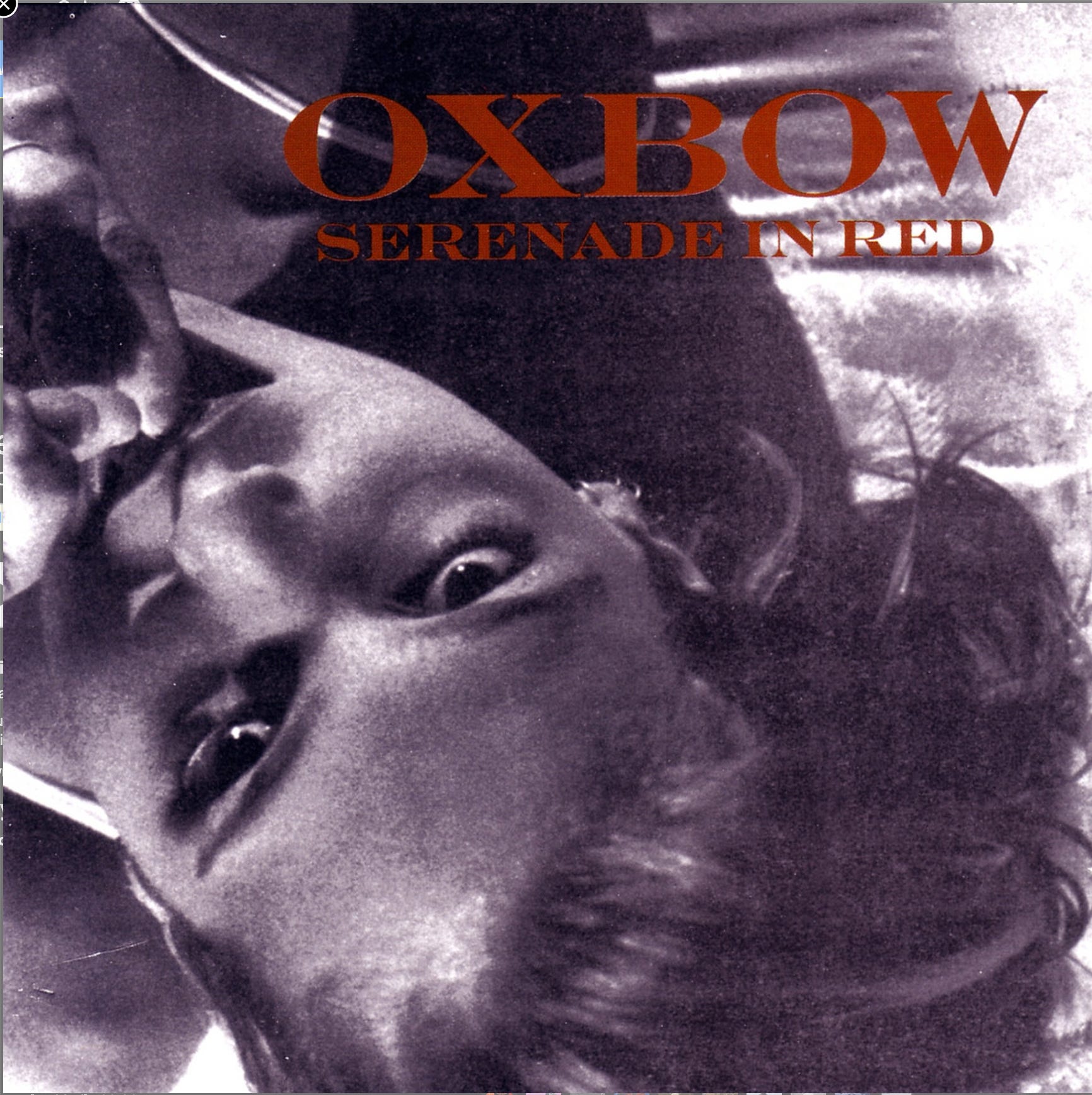
This wasn’t the first time we got to hang out with Ginn. He and Chuck Dukowski had decided to put out our Serenade in Red record, over the objections of some in the band that largely thought that SST was done. But if they were interested in Serenade in Red when no one else but a small record label in Germany called (no joke) Crippled Dick Hot Wax were, well then what choices did we have?
The year was 1996 and one of the biggest hits that year was “The Macarena”. So we took what we could. And those of us who were in support of that decision could not have been more thrilled.
On what other planet is Ginn any kind of success?
I first saw Black Flag in New York in 1979 at Irving Plaza. There were pics of them in the Soho Weekly News with Dukowski sporting a cap that said REDNECK and their record out at the time had the writer drilling down on whether or not their song “White Minority” was a pisstake.
Prior to this it was Penelope Spheeris’ flick The Decline of Western Civilization that introduced us New Yorkers, or at least me, to Black Flag. I remember some New York punks sniffing that the idea of West Coast “punk” was ridiculous, but Black Flag had an edge. An uncomfortable edge, that beared further examination. At Irving Plaza I got to do just that.
“You know the pain that’s in my heart. It just goes to show I’m not very smart. But who needs love when you’ve got a gun? Who needs love to have any fun?”
Dez Cadena was the singer, and I was sold. There was none of the Ramones’ tongue in cheek schtick (who I had seen and loved), or the “bratty” appeal of The Sex Pistols (who I hadn’t seen, outside of a quick glimpse of a stumbling Sid Vicious before the murder of Nancy Spungen). The altered lyric was from Black Flag’s cover of “Louie Louie” and it sounded like absolutely none of the other dozens of versions of that song.
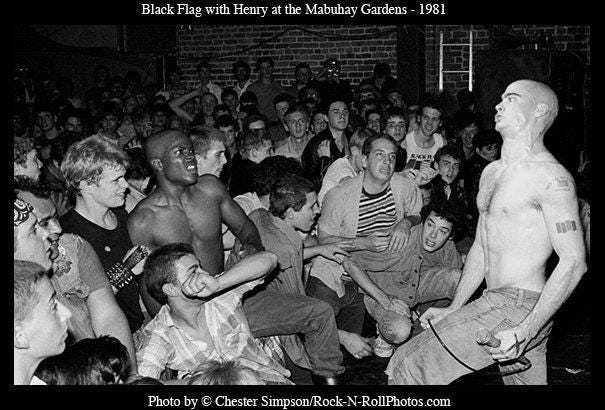
I followed them back to California and in 1981 at a show at the Mabuhay in San Francisco, my friend Marianne Scott and I hitched a ride up to the show from Stanford where we both went to school. She told me a good friend of hers sang for Black Flag.
“Dez?
“No,” she said. “Henry Garfield! We used to work at Haagen Daz together!”
I wasn’t sold on the “new singer” but I asked if I could interview them for my new magazine, The Birth of Tragedy and she said she would make it happen and she did.
Over the intervening years our paths have crossed, life’s meandering crossroads style.
But on the occasion of SST’s release of our record warnings were aplenty. Everyone warned us. Ginn was already being accused of a variety of shady business practices. He had yet to fall out with his brother Raymond Pettibon, or Chuck Dukowski. Though by 1996 he had fallen out with the former Henry Garfield, now Henry Rollins.
SST paid us up front to the tune of $6000, for a record that had already been released overseas a year earlier. SST also took out ads in The Birth of Tragedy, and paid full price.
Though I’d always gotten a great secret kick out of talking to Dukowski who, like many had their favorite Beatle, he was always my favorite Black Flagger, Ginn also amused me. To no end.
There was always the divide between what he was saying and whatever you thought he meant. People have blamed/credited this disjuncture on copious amounts of weed but I never saw him smoke it, or rather he never smoked it where I could see him smoke it.
Everything about the man was weirdly otherworldly. The anti-fashion, the seeming absolute lack of vanity, weird given the Los Angeles provenance, and again, the blunted affect. There were glimmers of something else though. He and Earl from Saccharine Trust and Dukowski had some to see us play at Spaceland in Silver Lake.
We started talking about wanting to keep the rights for our music for potential TV and film use. He got kind of edgy, almost insisting. My wife at the time was a lawyer and had been adamantly opposed to this. Which I said. And which seemed to back him off. He was irked but backed off. With a shrug.
That and, of course, his refusal to correctly pronounce Steve Albini’s name correctly. Albini recorded Serenade in Red, the second record of ours that he had worked on. Most of the world would pronounce his name AL-BEAN-E. Ginn made a point, consistently, of pronouncing it AL-BINE-Y. I didn’t know why but it wasn’t hard to imagine why.
Albini was not shy about his opinions, particularly in regard to other guitar players and he had multiple times shit on Ginn’s playing. The word that came up most often when he was doing so was “trying.” Whatever it was though it had clearly filtered back to Ginn and he would use his name as often as possible when talking to me, just to mispronounce it.
I once asked “isn’t it pronounced AL-BEAN-E?” Ginn sort of smiled and asked in answer “AL-BINE-Y?”
Ginn had always been nice to me. Though the list of people who I had met who had always been nice to me — Charles Manson, Anton LaVey, John Wayne Gacy, Bill Clinton — doesn’t seem to say much...
Serenade in Red came out, sold well, and we even got a single royalty check out of it.
But everyone else complained. As in EVERYONE else. Then there were the public fall outs. With his brother, who did all of the Black Flag art before the rupture and who was easily a significant portion of their success due to his visual identity and brand work.
Rollins was sitting on my couch, the day of probably the last night he ever played a Black Flag show. “Greg’s acting kind of weird,” he said when explaining why he wasn’t going to stay the night. “We have to go back to LA right after the show. But he’s been saying I’m embarrassing him out there.” Rollins shrugged, confused.
Later during a session for the Black Flag inspired Black Face, a band Dukowski and I had formed to play all of his Black Flag tunes, as well as his unreleased Black Flag songs, he had told me that Ginn was “evil.”
“Totally fucking evil, man…” and we sat in the fading light of a Los Altos Hills evening where we had just been rehearsing.
I heard it all. But, and this is the thing with me…Ginn had always been nice to me. Though the list of people who I had met who had always been nice to me — Charles Manson, Anton LaVey, John Wayne Gacy, Bill Clinton — doesn’t seem to say much, I did value this.
More than that when perusing all of what he had contributed to my life it seemed almost easy to forgive. Records by Bad Brains, Minutemen, Husker Du, Meat Puppets, Sonic Youth, nevermind Oxbow.
Yes, he had also put out a raft of shit, but none of the greatness would ever be dimmed by something as ill-conceived as The Killer Tweeker Bees with their twee songs about “storming the hive”.
And this was an “against all odds” deal as well. On what other planet is Ginn any kind of success? But right time-right place magic, a murderous work ethic and a singular artistic vision did it. All of it. How he thought about music, both his and others, from LA but not OF that city’s fakery, Ginn had been plumbing a line that was consistent and worthwhile.
Of course, suing everyone in the world, not paying the artists and all of the interpersonal wreckage is no fun to consider, but that’s not in any way able to diminish musical contributions that still frame my day to day existence.
Or let’s put it another way: name ONE person in this neck of the woods who has contributed more?
So yeah…while he tours, still, with the 18th iteration of Black Flag, now featuring people who were not even born when the first Black Flag record was out, and the brickbats are flying regarding him, his age and a possible need to retire, my response is “fuck that.”
Or to quote Nina Simone right before she stormed off stage because of someone interrupting her show. “You thing this shit is EASY? Ok, well YOU try it!!!”
Ginn still is. At 71 years old. Ridicule be damned. And to paraphrase a line from Apocalypse Now, I’m 63 and doing the same thing almost kills me. But there he is. So like they said about Willy Loman, attention must be paid.
And we just did.

OK…So have you ordered the memoir A Walk Across Dirty Water and Straight Into Murderer’s Row, from Amazon…Or the Bookshop.Org dealie: Here?
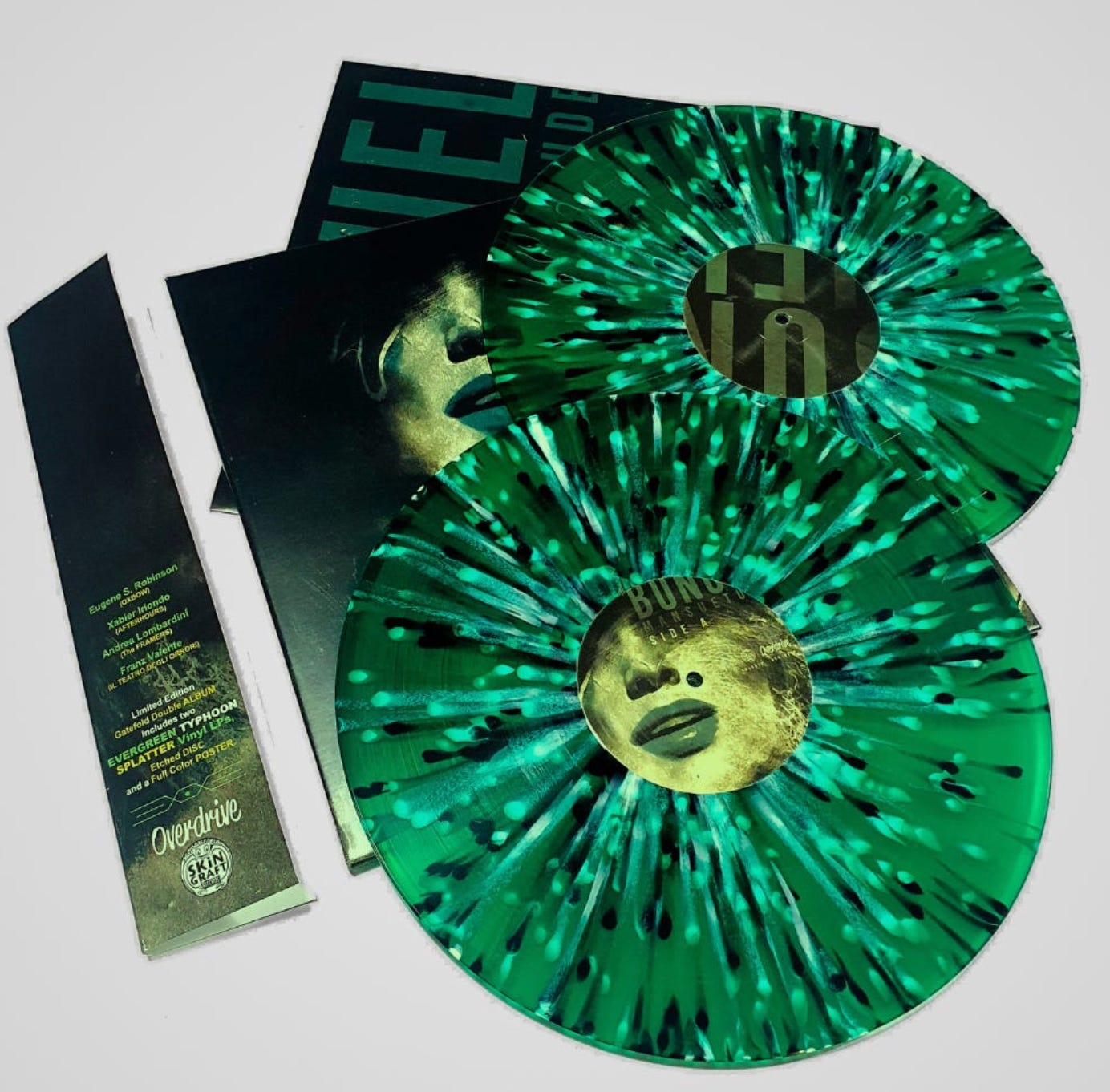
And MANSUETUDE, the last record by BUNUEL before the new one SLOW DANGER hits this Fall, is STILL available. Where? Right HERE.
No posts
Comments
Nothing yet. Say the first thing.
Sign in to join the conversation.