
Welcome back! In my last post, I shared some of my favorite opening traps from my upcoming 1.e4 Lifetime Repertoire on Chessable. Today, I want to take a break from the quick tactics and talk about the positional strategy that holds this entire repertoire together.
One of the biggest struggles I see for adult improvers is trying to memorize hundreds of disconnected opening variations. You learn one setup for the French, a completely different one for the Caro-Kann, and yet another wild theoretical maze for the Sicilian. It is exhausting. Worse, it leads to massive time trouble when your opponent plays a move you haven’t memorized.
The secret to a truly cohesive repertoire? Overlapping pawn structures.
When you understand the underlying pawn chain, the opening doesn’t matter anymore. You inherently know where your pieces belong, where to attack, and how to restrict your opponent. This is the heart of "Old Man Chess."
Let me show you two structural setups from the new course that will completely change how you play 1.e4.
When club players face the French Defense or the Caro-Kann, they often get frustrated by Black’s solid setups. Our goal against both of these openings is exactly the same: establish the b2-c3-d4-e5 pawn chain.
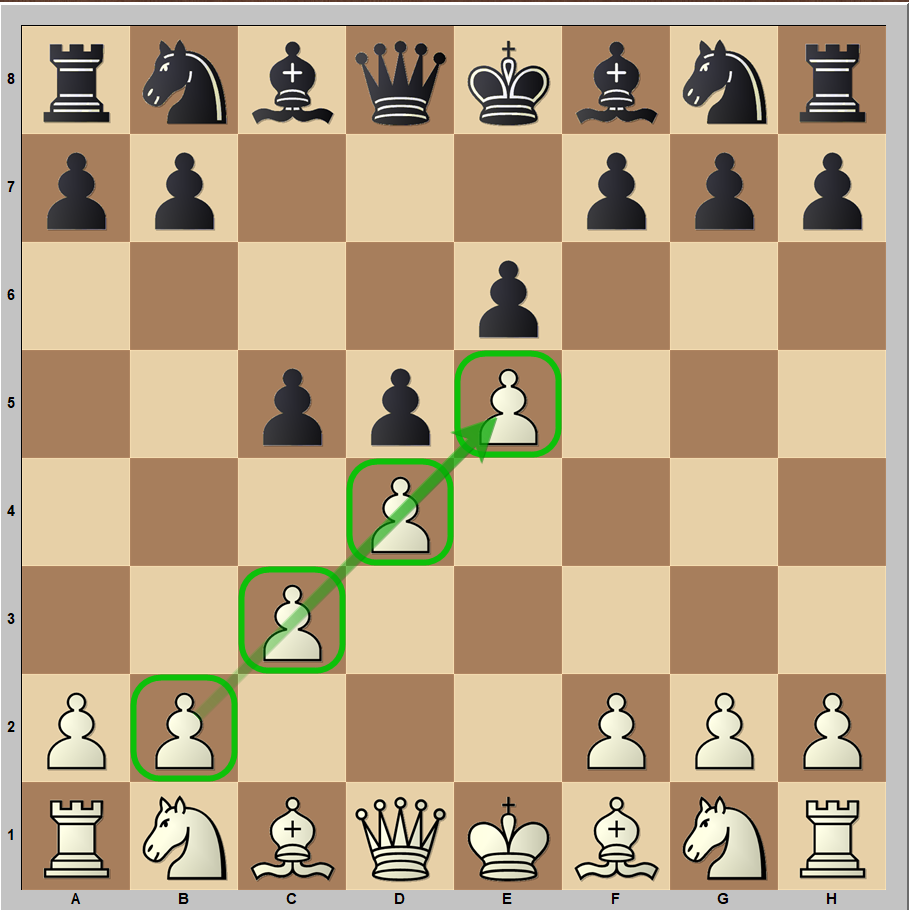
This chain is an absolute nightmare for Black. It suffocates their pieces, robs them of central squares, and allows us to build up a deadly kingside attack.
Let’s look at the French Advance. Black almost always tries to attack our d4-pawn.
The Setup: 1.e4 e6 2.d4 d5 3.e5 c5 4.c3 Nc6 5.Nf3 Qb6 6.a3!
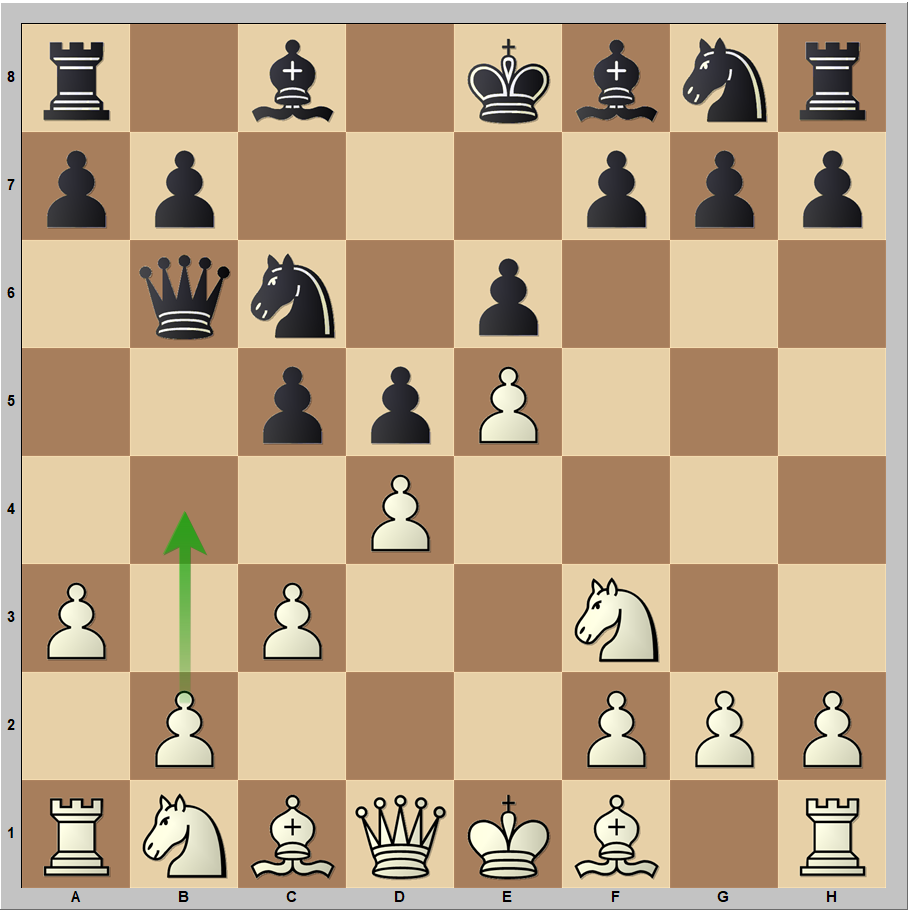
We calmly maintain our chain and prepare to grab more space with b4. In online blitz, over 380,000 players make the strategic mistake of resolving the tension too early with 6...cxd4?. They think they are opening the position, but they are actually giving us the c3-square for free!
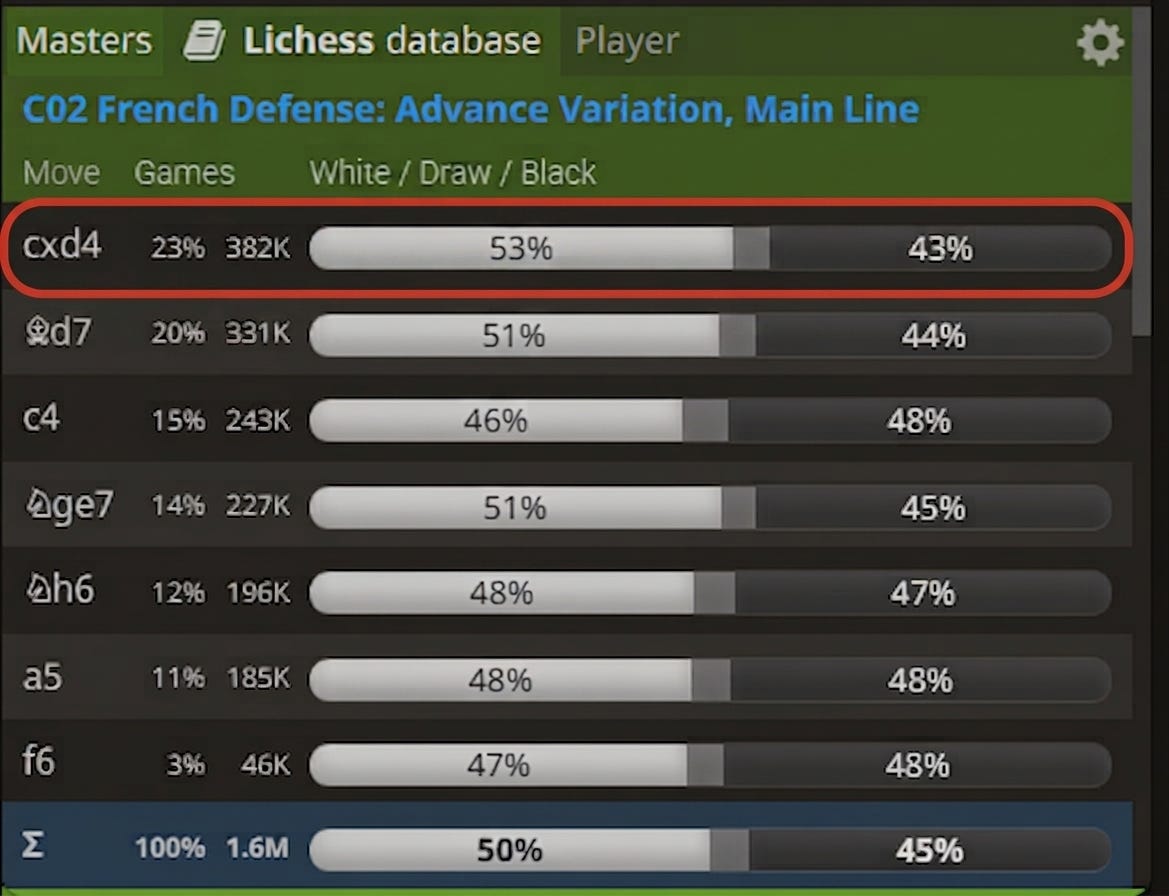
Watch what happens when Black tries to attack our center:
7.cxd4 Nge7 8.Nc3 Nf5
Black thinks they are winning the d4-pawn, but we have a simple expansion plan:
9.Na4! Qa5+ 10.b4! Qc7 11.Bb2 Bd7 12.Rc1
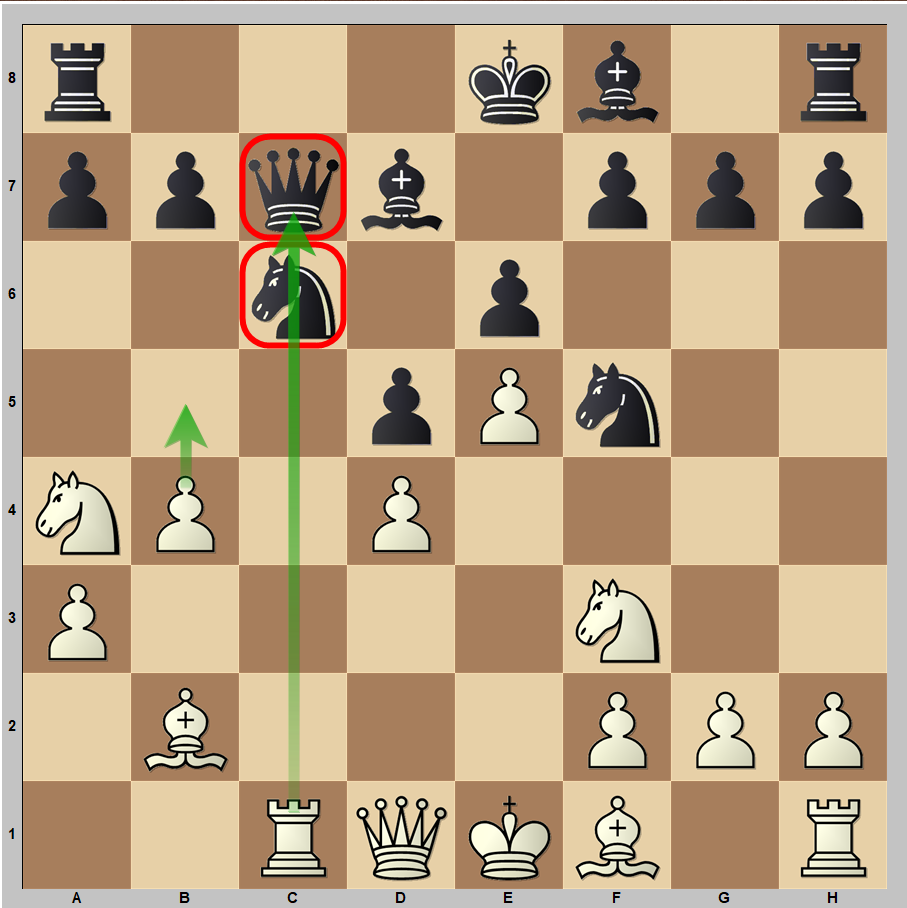
Look at our beautiful b4-a3 and d4-e5 pawn chains! White has effortlessly secured a comfortable edge. We have eliminated any counterplay, locked down the queenside, and established total board control. We will finish development with Bd3 and O-O while Black has to deal with an immediate b5-threat. Hello to the “French bishop” on d7 — maybe you’ll have more luck next game!
And the best part? We play the exact same b2-c3-d4-e5 pawn chain against the Caro-Kann! You learn the plans, the piece placements, and the pawn breaks once, and you get to use them against two of the most popular defenses in chess.
Here’s our setup in the Caro: 1.e4 c6 2.d4 d5 3.e5 Bf5 4.Bd3!? (a rare move at Master level games, but has a lot of venom) Bxd3 5.Qxd3 e6 6.Ne2! (this knight goes to e2, so that the other one hops to f3 via d2) c5 7.c3
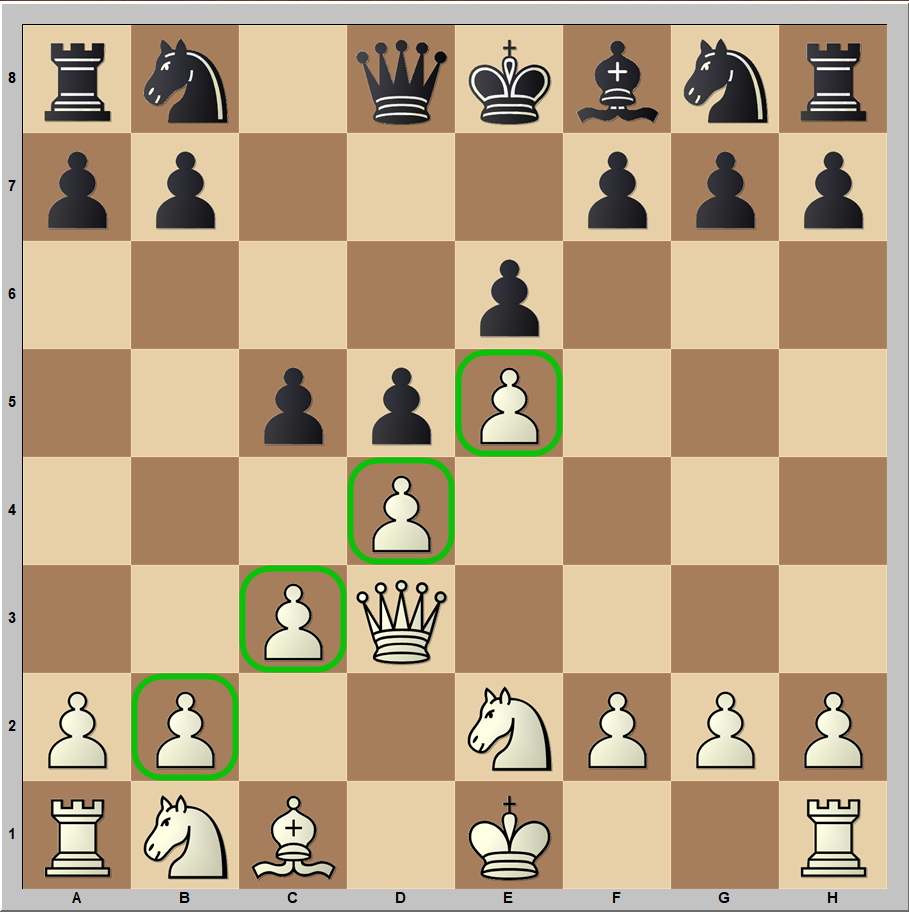
As you can see the pawn chain is exactly the same. It’s true that Black no longer has the “French bishop,” but they are still cramped and will be attacked on the kingside.
Now, let’s talk about the open games. In my repertoire, we rely on a very rare, venomous early queen sortie with Qxd4 and Qd3 against both 1...e5 and the Sicilian Defense.
By keeping our pawn on e4 and castling queenside, we aim to build the g2-f3-e4 pawn chain. This “Iron Center” blunts Black’s counterplay and acts as the perfect launching pad for Gary the g-pawn and Harry the h-pawn!
Take a look at how this plays out in our Modern Center Game against 1...e5:
The Setup: 1.e4 e5 2.Nc3 Nf6 3.d4 exd4 4.Qxd4 Nc6 5.Qd3 Bb4 (the most common move in online games) 6.Bd2 O-O 7.O-O-O
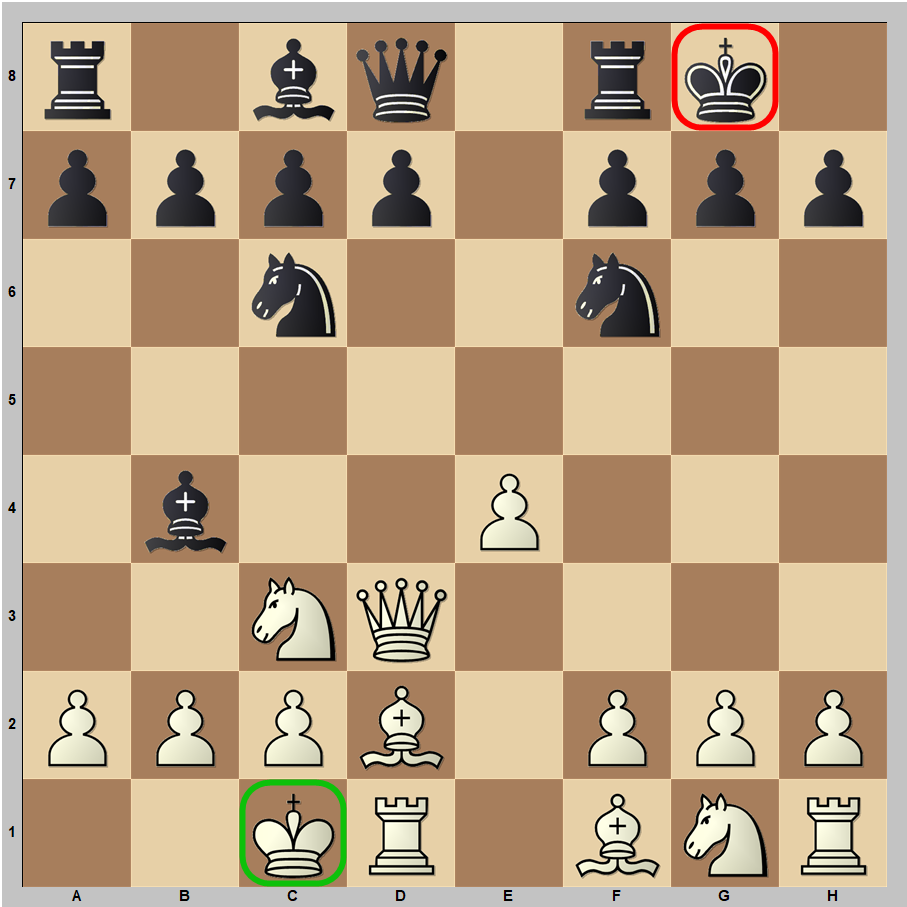
If someone told you that in an 1.e4 e5 game, you could castle long by move 7 and launch a fun, Sicilian-style pawn storm, you’d be delighted!
Once Black develops and challenges us, we force favorable trades and solidify our structure:
7...Re8 8.Nge2 d6 9.Bg5 h6 10.Bxf6 Qxf6 11.Nd5 Qd8 12.Nxb4 Nxb4 13.Qd2 Nc6 14.f3!
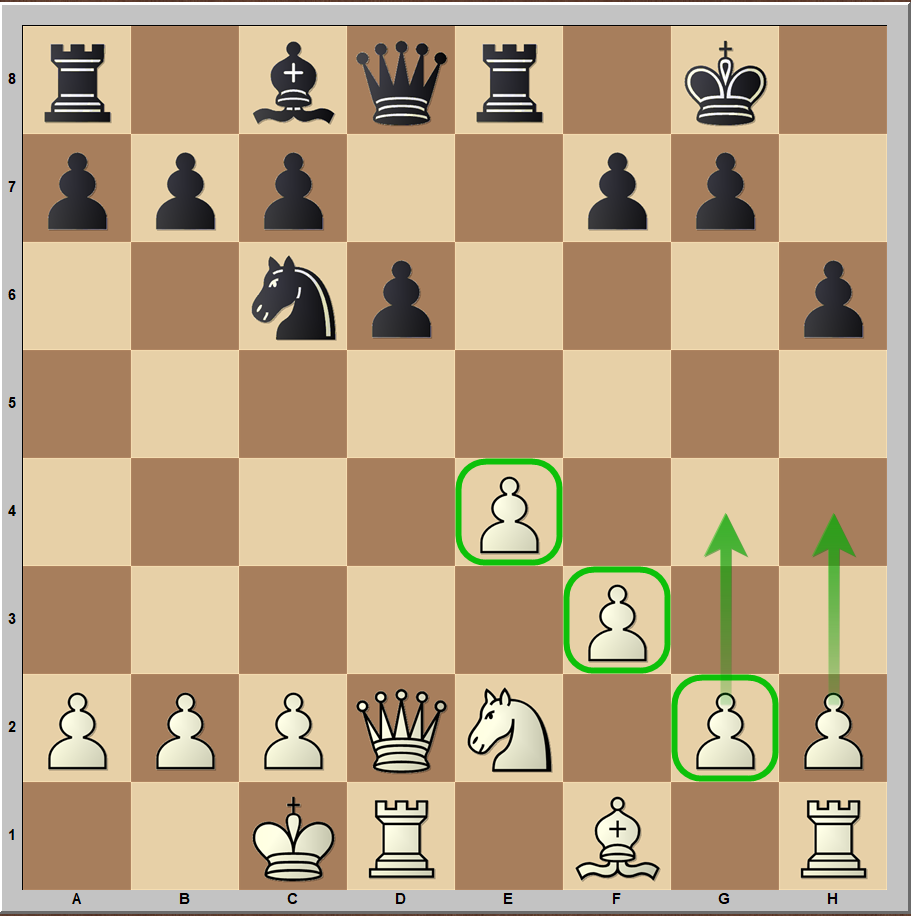
This is White’s absolute dream setup. The g2-f3-e4 pawn chain completely neutralizes Black’s pieces. Now that our center is locked down like a fortress, we can seamlessly begin our kingside expansion with g4 and h4, ripping open Black’s king.
Now, watch what happens when we face the Taimanov setup in the Sicilian Defense:
1.e4 c5 2.d4 cxd4 3.Qxd4 Nc6 4.Qd3 Nf6 5.Nc3 e6 6.Bf4 Bb4 7.0-0-0 Bxc3 8.Qxc3 0-0 9.f3!
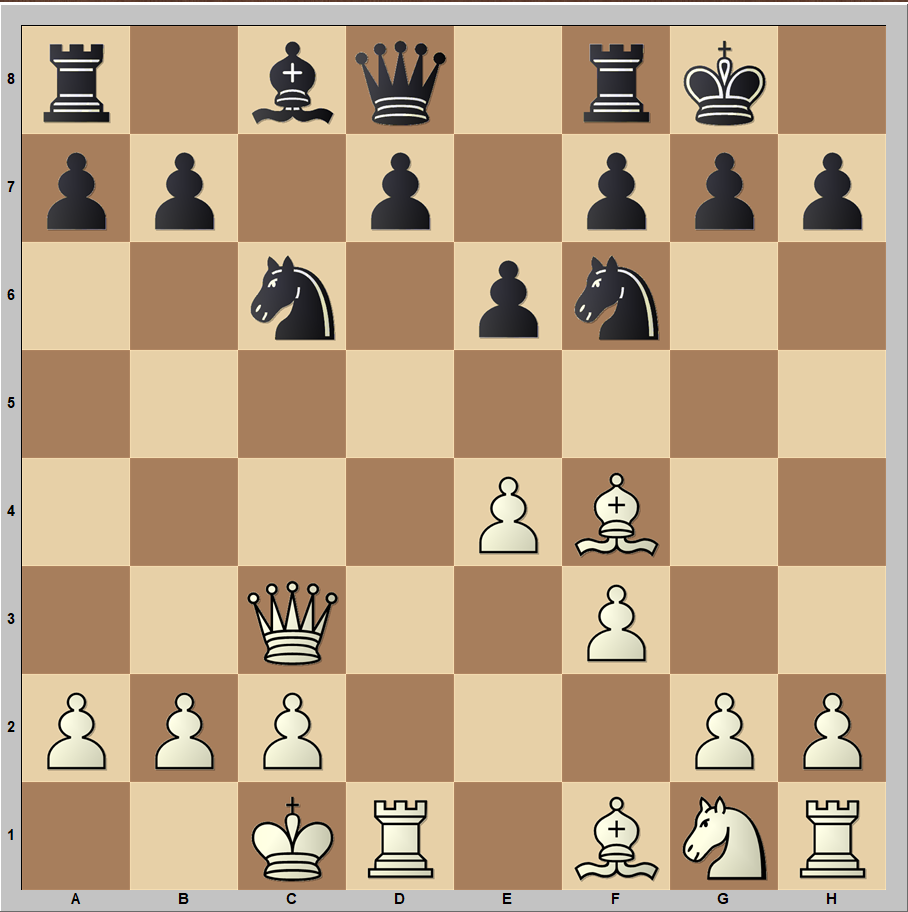
Look familiar? It’s the exact same g2-f3-e4 pawn chain! We control the center, our e4-pawn is perfectly secure, and we are getting ready to launch the attack with g4 and h4 next.
Why does this matter so much? Because as an adult improver, you don’t have the time or energy to memorize 15 different setups.
If you know the pawn structure, the opening basically plays itself. Facing the French or the Caro? Easy: build the b2-c3-d4-e5 pawn chain. Got the g2-f3-e4 chain? Castle long and push g4 and h4. Simple chess.
Instead of burning your clock trying to remember theory, you save your mental battery and drag your opponent into structures you understand better.
While we wait for the 1.e4 course to drop, you don’t have to wait to start upgrading your game. If you want a complete system that teaches you how to win with intuition rather than calculation, I’ve packaged my absolute best systems into the Tournament Starter Kit.
When you upgrade to a paid membership, you get instant access to:
🎁 EXCLUSIVE SNEAK PEEK: The 1.e4 Traps PGN. Paid members get early access to the PGN file for the 5 traps in this post (plus one bonus secret trap!) right now in the Openings Vault.
The 2026 Tournament Starter Kit: My complete “Old Man” repertoire (Catalan, Jobava London, Hyper-Accelerated Dragon, Nimzo-Indian) designed to be learned in just 40 minutes, featuring full video lessons and PGNs.
The Openings Vault: A permanent library of “Gambit Killers” to help you stop falling for common club-level traps as well as a new weapon: The Hungarian Dragon.
No posts
Comments
Nothing yet. Say the first thing.
Sign in to join the conversation.