
See also a discussion of our kickoff song.
The course will have two components: weekly listening, reading and discussion assignments, and an ongoing public-facing writing project.
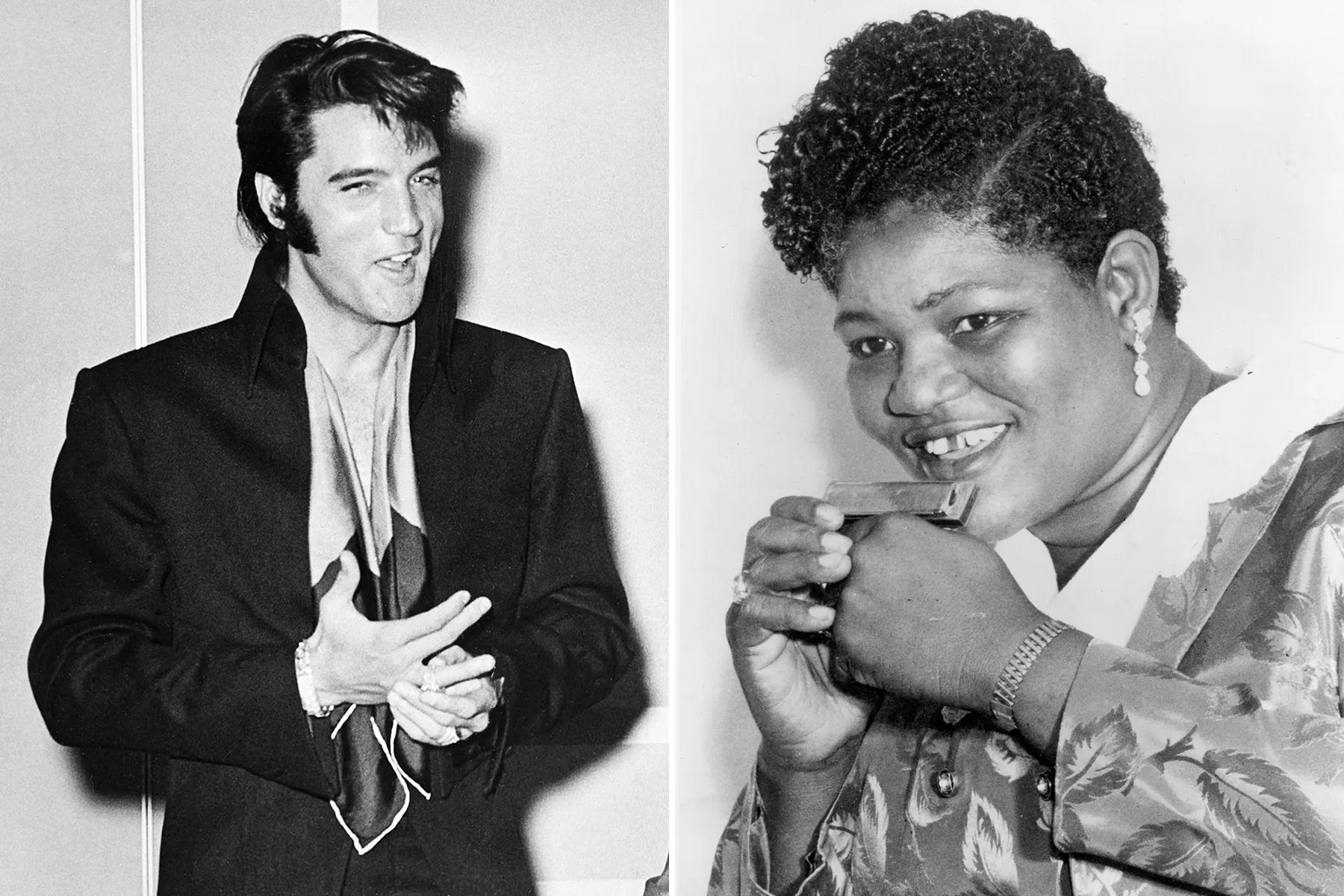
You and your classmates will assemble a public-facing annotated playlist of key songs from across the 20th century. For the midterm, you will choose a song released between 1900 and 1950. For the final, you will choose a song released between 1950 and 2000. Choose songs that you consider to be emblematic of a particular style, era, or historical turning point. Your annotations will include:
A brief biography of the artist(s)
A brief musicological analysis of the song
A discussion of the song’s context: what influences are audible in it? What was happening in the artist’s life and in the larger world at the time? What did it mean to listeners?
A discussion of the song’s impact: who did it influence and in what way?
You will need to support your annotations with credible sources, using APA-formatted citations.
Each annotation project will consist of five distinct assignments.
Choose your song and create a “lo-fi prototype”: a first draft in your own words, unconcerned about grammar or formatting. Verbally present it to the class for feedback.
Gather sources and write an annotated bibliography.
Write an outline.
Write a polished draft and submit it for peer review.
Edit your draft for final posting on the web site.
Introduction and Foundations of Popular Music
Listen:
Al Jolson - “Swanee River” (1950)
Ray Charles - “Swanee River Rock (Talkin’ Bout That River)” (1957)
Read/listen:
Andrew Hickey (2024) - A History of Rock Music in 500 Songs - Song 177: “Never Learn Not to Love” by the Beach Boys, Part One, Old Folks at Home (the section about Stephen Foster)
Minstrelsy and Black Identity
Watch:
The Jazz Singer (1927) - Final dress rehearsal sequence - content warning: blackface
Black and Tan (1929)
Read:
Matthew Morrison (2024) - Blacksound: Making Race and Popular Music in the United States - “The Origins of Blacksound”
Ragtime, Early Jazz, and Swing
Listen:
Scott Joplin - “Maple Leaf Rag” (1899)
Louis Armstrong - “West End Blues” (1928)
Elizabeth Cotten - “Freight Train” (1958)
Read:
Charles Hiroshi Garrett (2008) - Struggling to Define a Nation: American Music and the Twentieth Century - “Louis Armstrong and the Great Migration”
The Swing Era and Big Bands
Listen:
Count Basie - “One O’ Clock Jump” (1937)
Duke Ellington - “The New East St Louis Toodle-oo” (1937)
Benny Goodman Sextet - “Flying Home” (1939)
Read/listen:
Andrew Hickey (2018) - A History of Rock Music in 500 Songs - Episode 1: “Flying Home” by the Benny Goodman Sextet
Tin Pan Alley, Broadway, and the Birth of Standards
Listen:
Music Imperial Dance Orchestra - “Blue Skies” (1926)
Bob Dunn’s Vagabonds - “Blue Skies” (1939)
Bing Crosby - “Blue Skies” (1946)
Ella Fitzgerald - “Blue Skies” (1958) - How many quotations can you identify in her scat solo?
Read:
Ethan Iverson (2022) - “Core Repertoire Part 2: Standards”
Early Music of the American South
Listen:
Ma Rainey - “See See Rider Blues” (1924)
Jimmie Rodgers - “Standing on the Corner (Blue Yodel No. 9)” (1930)
Skip James - “Devil Got My Woman” (1931)
Read:
Amiri Baraka (1963) - Blues People: The Negro Experience in White America and the Music that Developed from It - “Primitive Blues and Primitive Jazz“
Rhythm & Blues
Listen:
Louis Jordan and His Tympany Five - “Saturday Night Fish Fry” (1949)
Bo Diddley - “Bo Diddley” (1955)
Fats Domino - “Ain’t That a Shame” (1955)
Ray Charles - “What’d I Say” (1959)
Read:
Richard Ripani (2006) - The New Blue Music: Changes in Rhythm & Blues, 1950-1999 - “Blues with a Beat: 1950–1959”
The Beginnings of Rock ‘n’ Roll
Listen:
Bob Wills and his Texas Playboys - “Ida Red” (1939)
Chuck Berry - “Maybelline” (1955)
Big Mama Thornton - “Hound Dog” (1952)
Elvis Presley - “Hound Dog” (1956)
Wanda Jackson - “I Gotta Know” (1956)
Read/listen:
Andrew Hickey (2018) - A History of Rock Music in 500 Songs - Episode 3: “Ida Red” by Bob Wills and his Texas Playboys
Rock ‘n’ Roll continued
Listen:
Little Richard - “Lucille” (1957)
The Isley Brothers - “Twist and Shout” (1962)
The Beatles - “Twist and Shout” (1964)
The Valentinos - “It’s All Over Now” (1964)
The Rolling Stones - “It’s All Over Now” (1964)
Read:
Tyina Steptoe (2018) - “Big Mama Thornton, Little Richard, and the Queer Roots of Rock ‘n’ Roll” - American Quarterly, Volume 70, Number 1
The Business of Music
Listen/watch:
The Beatles - A Hard Day’s Night (1964)
The Beatles - Yellow Submarine (1968)
The Monkees - “Daydream Believer” (1968)
The Archies - “Sugar Sugar” (1969)
Read:
Katie Kapurch (2021) - “The Beatles, Gender, and Sexuality” in Fandom and the Beatles, edited by Kenneth Womack and Kit O’Toole
Music Technology and the Digital Age
Listen:
Laurie Anderson - “O Superman” (1981)
Herbie Hancock - “Rockit” (1983)
De La Soul - “Eye Know” (1989)
Read:
Joseph Schloss (2013) - Making Beats: The Art of Sample-Based Hip-Hop - “Elements of Style: Aesthetics of Hip-Hop Composition”
Hip-Hop
Listen:
Gil Scott-Heron – “The Revolution Will Not Be Televised” (1970)
Run-DMC - “Peter Piper” (1986)
Salt-N-Pepa - “Push It” (1986)
Public Enemy - “Fight The Power” (1989)
Read:
Ethan Hein & Toni Blackman (2024) - “Building Hip-Hop Music Educators: Personal Reflections on Rap Songwriting in the Classroom” in It’s How You Flip It: Multiple Perspectives On Hip-Hop And Music Education edited by Linus Eusterbrock, Chris Kattenbeck & Oliver Kautny
World Influence and Turn of the Century
Listen:
Manu Dibango - “Soul Makossa” (1972)
Michael Jackson - “Wanna Be Startin’ Somethin’” (1982)
Paul Simon - “You Can Call Me Al” (1986)
Missy Elliott - “Get Ur Freak On” (2001)
Read:
Dale Chapman (2008) - “That Ill, Tight Sound: Telepresence and Biopolitics in Post-Timbaland Rap Production” - Journal of the Society for American Music, Volume 2, Number 2
No posts
Comments
Nothing yet. Say the first thing.
Sign in to join the conversation.