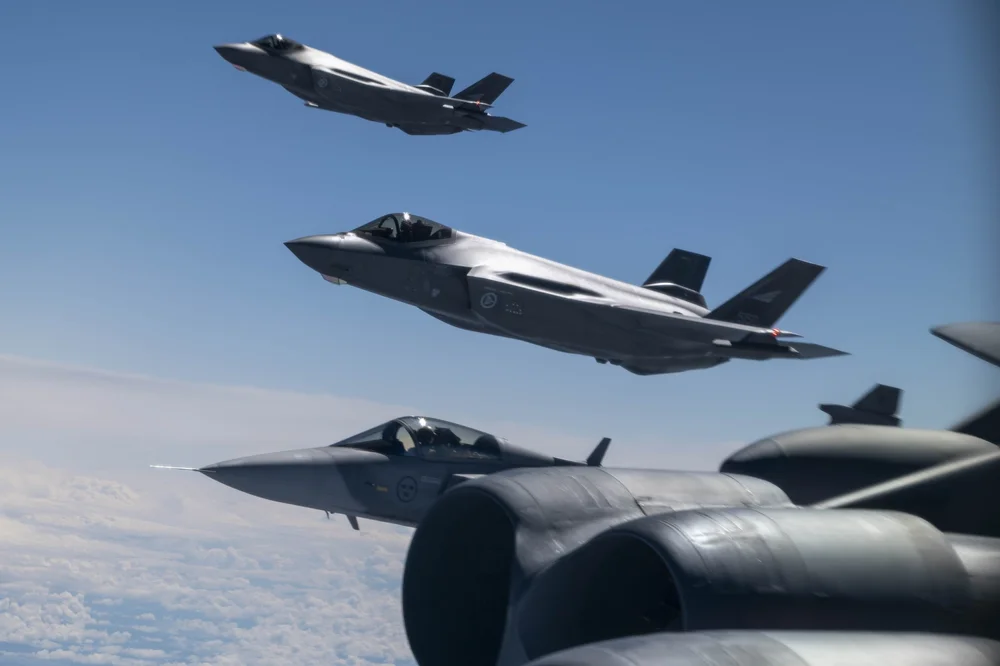
Canada’s fighter jet decision remains unresolved as Prime Minister Mark Carney reviews the F-35 deal. Debate centres on a potential mixed fleet of F-35s and Saab Gripens, balancing cost, sovereignty, and interoperability. Industrial benefits, geopolitical tensions, and defence priorities continue to shape one of Canada’s most consequential military procurement choices.
Canada’s Future Aircrew Training (FAcT) program is modernizing Royal Canadian Air Force pilot training through a 25-year contract with SkyAlyne. The initiative includes 71 new aircraft, advanced simulators, and upgraded infrastructure. Combining multiple legacy programs, FAcT will deliver streamlined, technology-driven training led by military and civilian instructors.
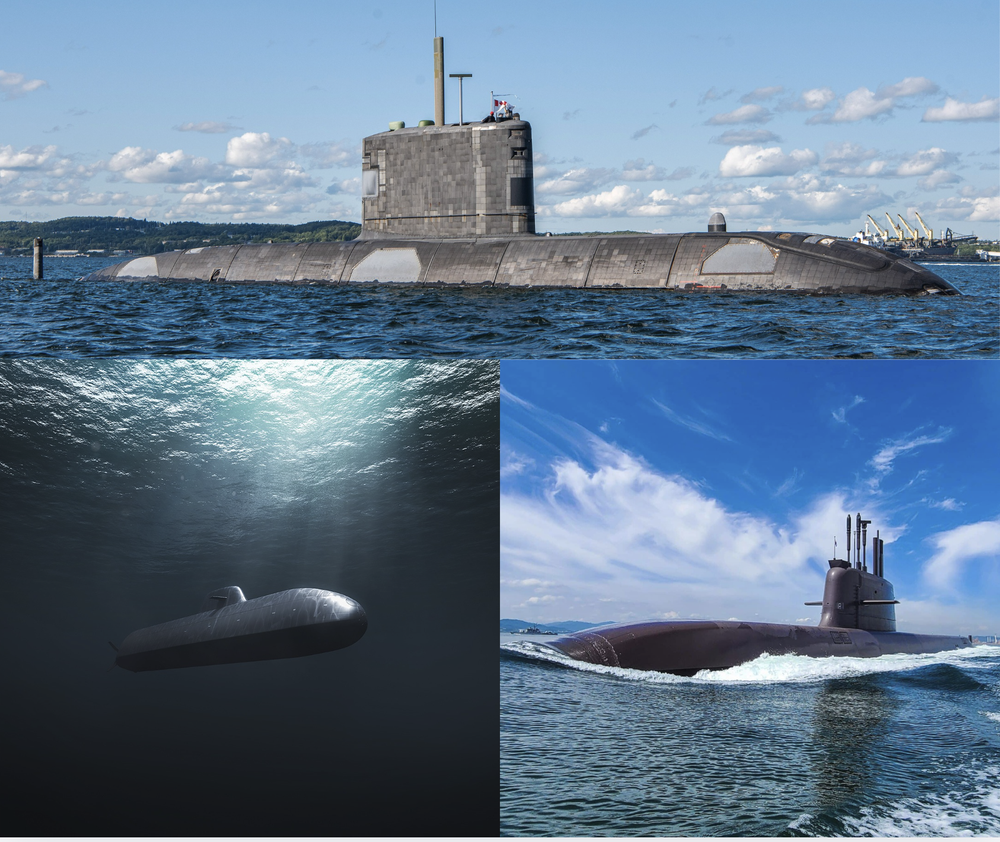
Canada’s plan to acquire up to 12 new submarines has narrowed to Germany’s ThyssenKrupp Marine Systems and South Korea’s Hanwha Ocean. With both boats meeting Royal Canadian Navy requirements, the competition hinges on industrial benefits, strategic alliances, and billions in proposed investments spanning shipbuilding, AI, space, steel, infrastructure, and long-term sustainment partnerships.
Canada’s decision to buy U.S.-built HIMARS highlights a growing tension between military capability and strategic sovereignty. While proven on the battlefield, the system deepens reliance on the United States at a time of trade conflict and political strain—raising questions about control, alternatives, and whether economic and strategic risks are being ignored.
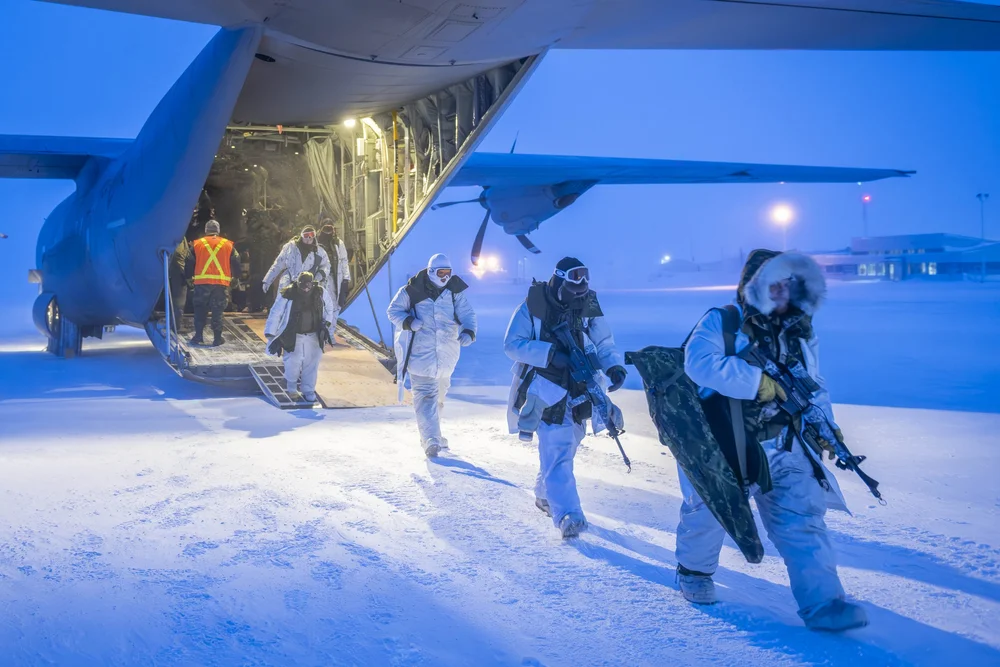
Canada is accelerating its Arctic defence posture amid growing pressure from Russia, China and shifting U.S. dynamics. Major initiatives include NORAD modernization, over-the-horizon radar, new satellite communications, MQ-9 Reaper drones, and expanded icebreaker fleets—aimed at strengthening sovereignty, surveillance, and year-round security across the North.
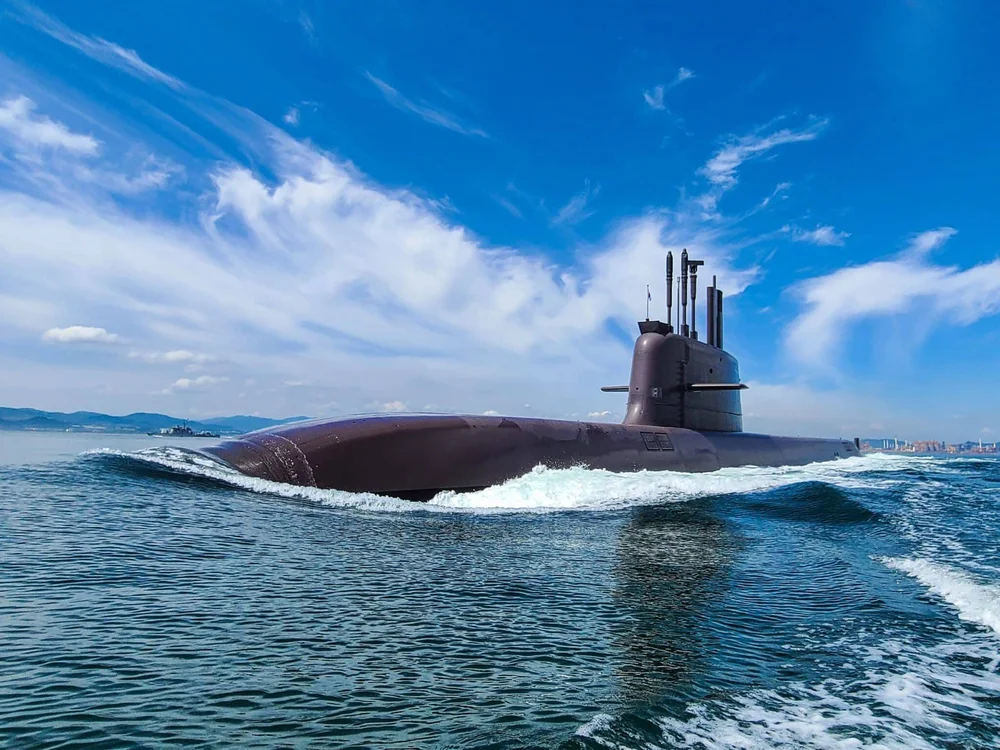
As Canada considers its next submarine fleet, South Korea’s Hanwha KSS-III offers strategic and economic benefits aligned with Canada’s Indo-Pacific strategy. Proven in service, Arctic-capable and rapidly deliverable, the KSS-III program promises industrial partnerships, job creation, and enhanced defence capability through deep collaboration between Canadian and South Korean industries.
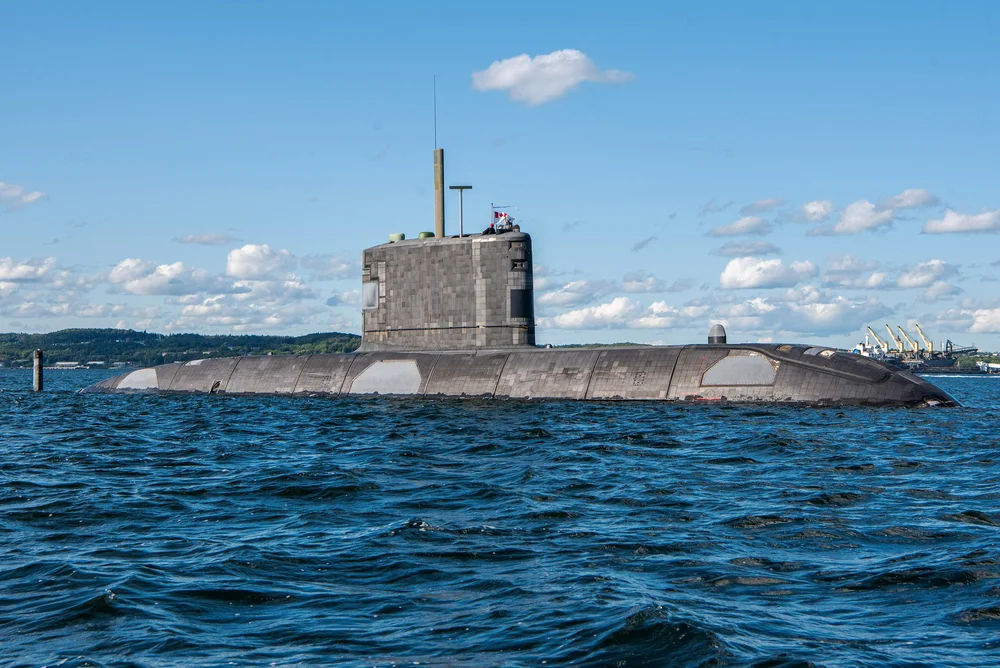
Prime Minister Mark Carney has committed to replacing Canada’s aging Victoria-class submarines with up to 12 new conventional-powered boats. Procurement has begun, with input from international builders and Canadian industry. Estimated at $100 billion, the project promises advanced capabilities, Arctic operations, and industry benefits—while raising concerns about training enough submariners.
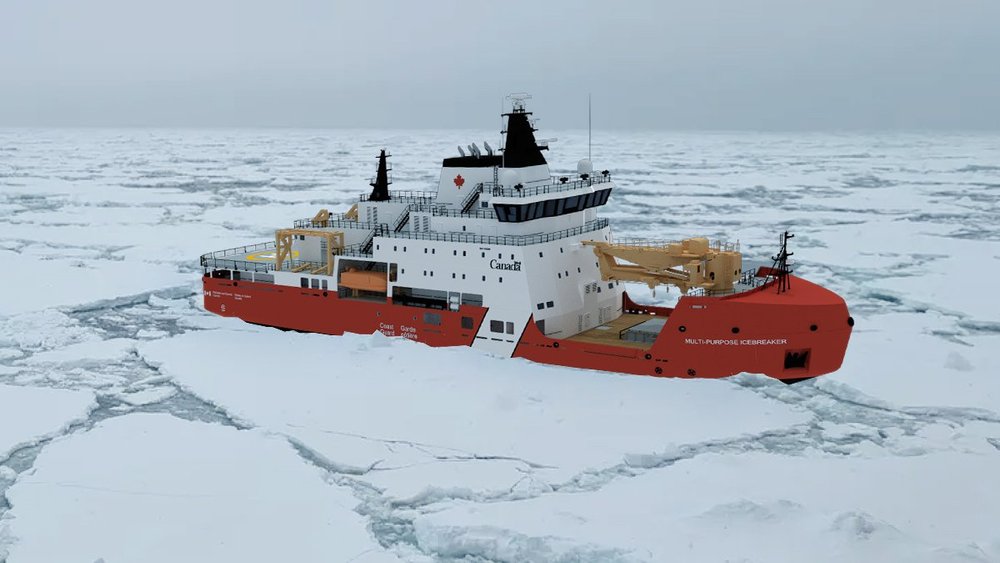
Seaspan Shipyards completed the Functional Design Review for the Canadian Coast Guard’s Multi-Purpose Icebreakers, advancing to production drawings. Up to 16 Polar Class 4 ships will support icebreaking, SAR, and navigation aid missions. Seaspan also partnered with Bollinger, Rauma Marine, and Aker Arctic to pursue U.S. Arctic Security Cutter opportunities.
To fund a historic increase in defence spending, Prime Minister Carney’s government is demanding federal departments find up to 15% in savings by 2028. However, National Defence faces only a 2% cut, exempting equipment and key budgets. Canada aims to hit NATO’s 5% GDP target by 2035, amid union concerns.
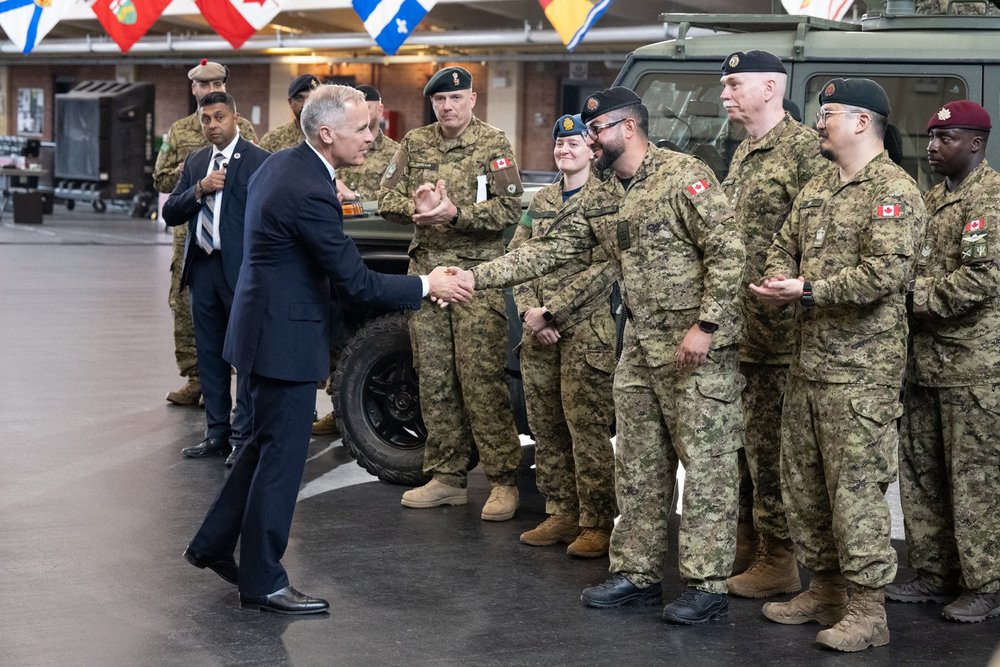
Prime Minister Mark Carney pledged over $9 billion in new defence funding, accelerating Canada’s timeline to meet NATO’s 2% GDP goal by 2026. Spending includes military pay raises, cyber defences, recruitment, and equipment upgrades. Carney also plans to reduce reliance on U.S. suppliers and strengthen Canada’s defence industry and Arctic capabilities.