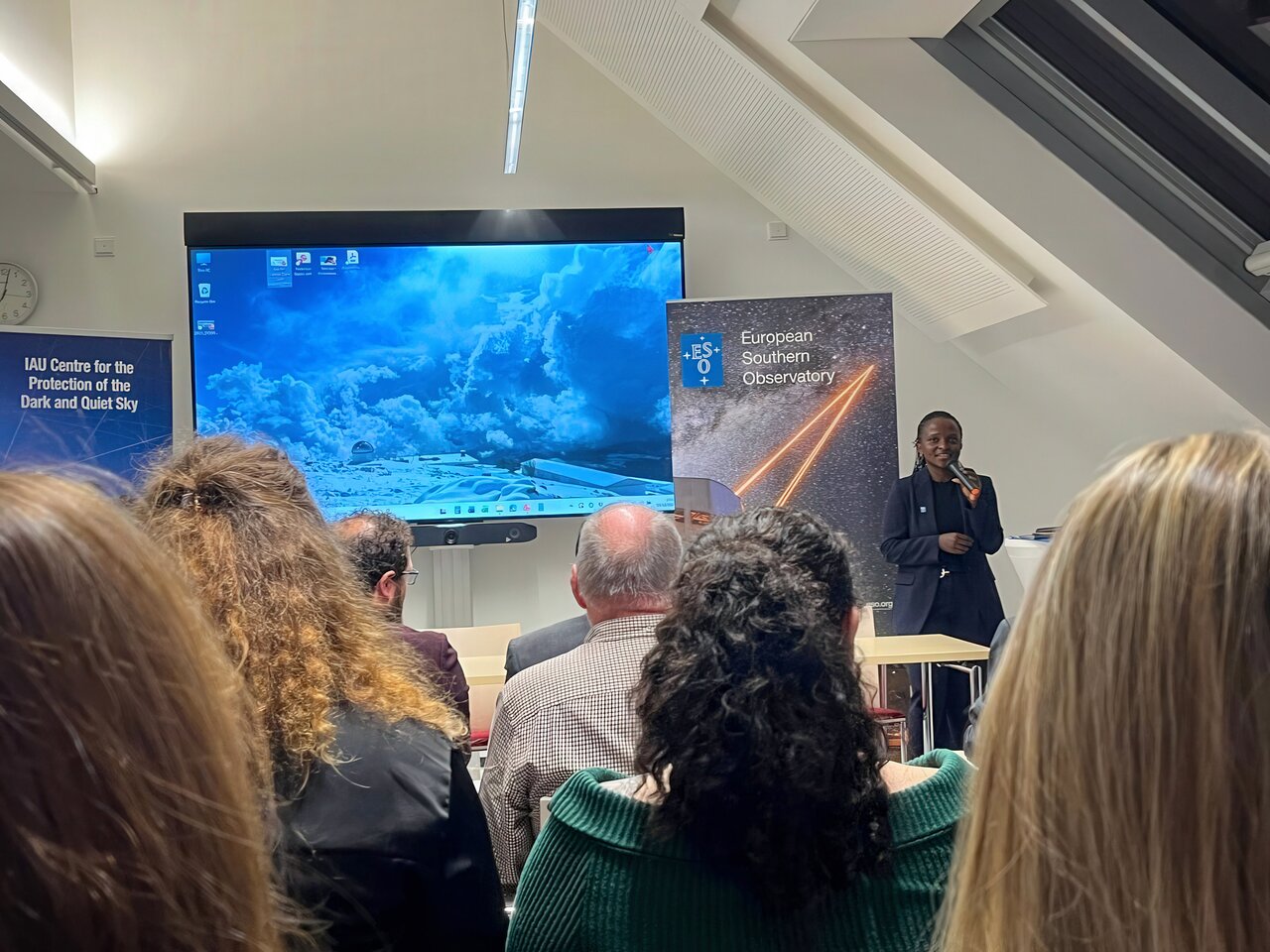
Looking up at the night sky and seeing an endless sea of stars is an experience fewer and fewer people get to witness. The sky gets brighter and noisier each day due to increasing light pollution, in no small part due to the growing number of satellites being launched into space. While the United Nations’ Outer Space Treaty states that “the exploration and use of outer space shall be carried out…
The idea of finding life on other planets has captivated humanity for centuries. As we find more and more potentially ‘habitable’ exoplanets, is it time to refine what we consider habitable? From our most pessimistic to our most optimistic view of the Universe, we explore how close astronomers are to finding a new Earth.
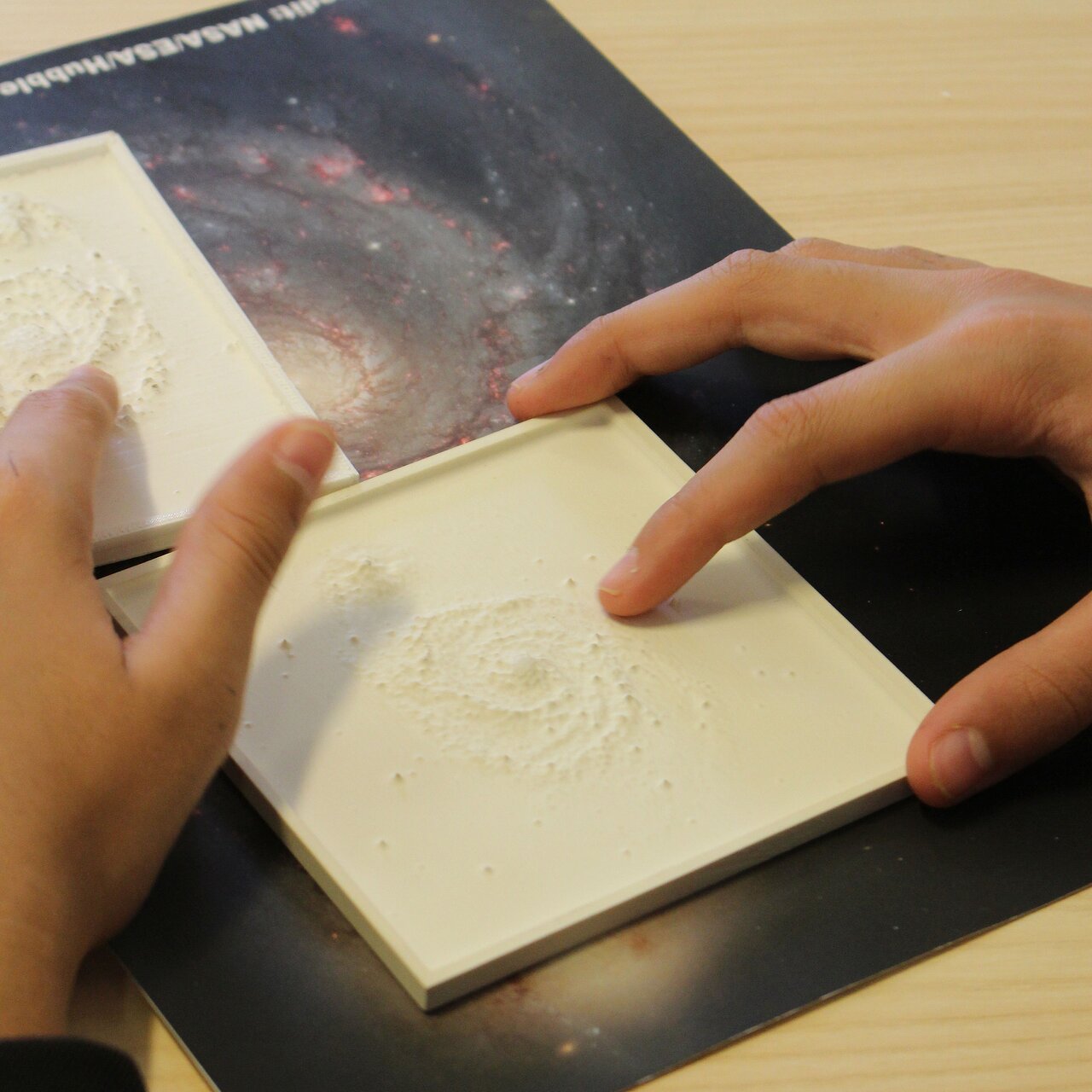
A recording of this article, read by Malika Duffek (ESO Communication Intern), is available here: https://eso.org/public/archives/static/blog/accessible-astronomy-2/2025-12-01-accessibility-in-astronomy.wav All scientists have to interpret their data, engaging their senses to understand, communicate and explain their work. In astronomy, often-stunning images, artist’s impressions or, for the…
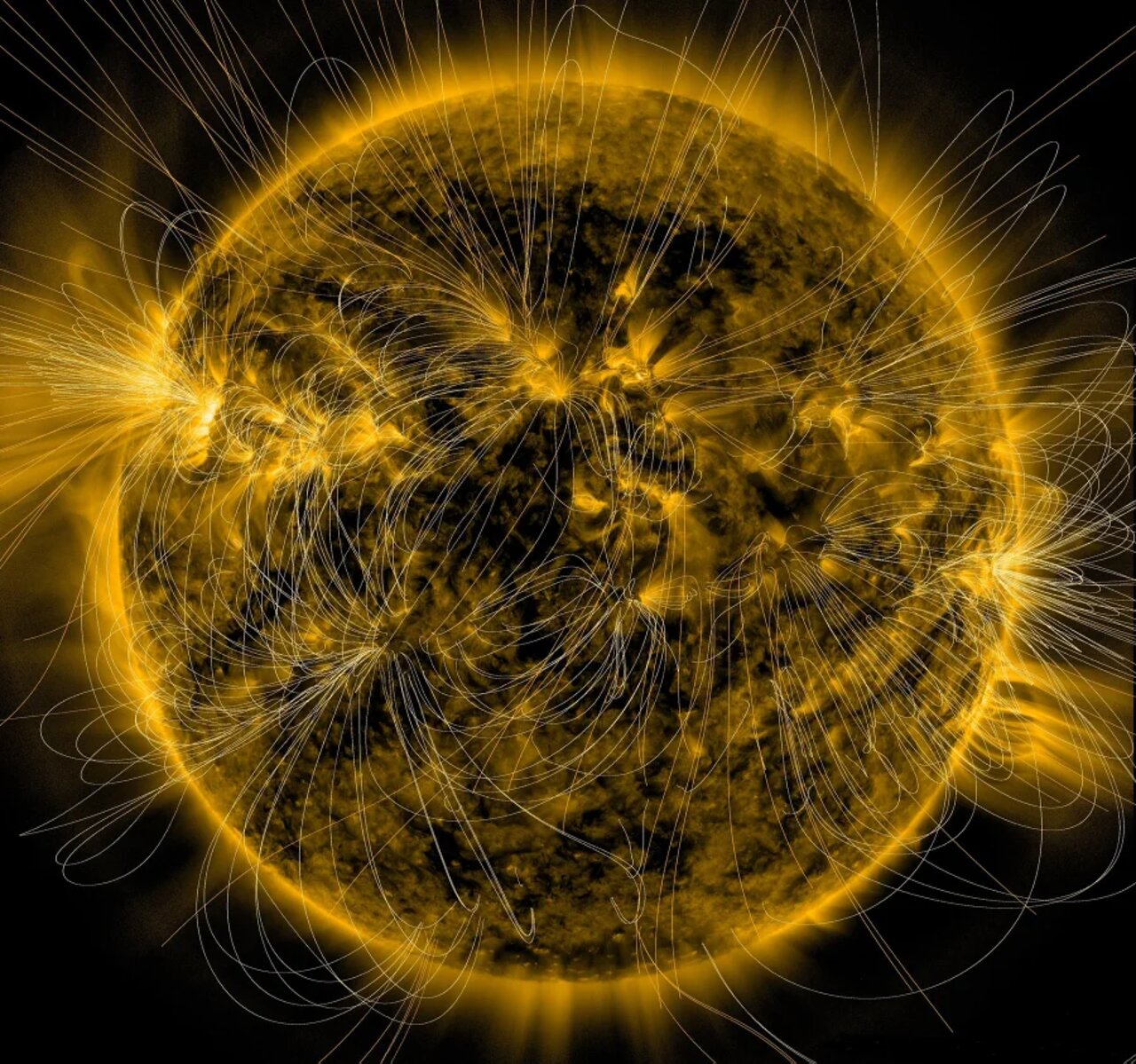
Over the last year, we have seen some stunning auroras in both the northern and southern hemispheres, known as the Aurora Borealis and Australis, respectively. We have the Sun’s activity cycle to thank for these spectacular light shows, with the activity itself being driven by the solar magnetic field. But while astronomers have observed the Sun’s magnetic activity for centuries, there’s still…
There are more stars in our Universe than there are grains of sand on Earth… and boy, do astronomers wish they could study them all. The only problem is the very limited time and resources to do so. Even with telescopes and instruments that can provide images of hundreds of thousands of stars and galaxies in one frame, images only provide limited information about the individual objects…
Have you ever heard the old adage that the water you drink is likely to contain water molecules that passed through the dinosaurs? It’s crazy to think that the water we drink could have been around that long. What’s even crazier is that the molecules of water on Earth may actually be a lot older than the age of the Earth, or even the Sun!
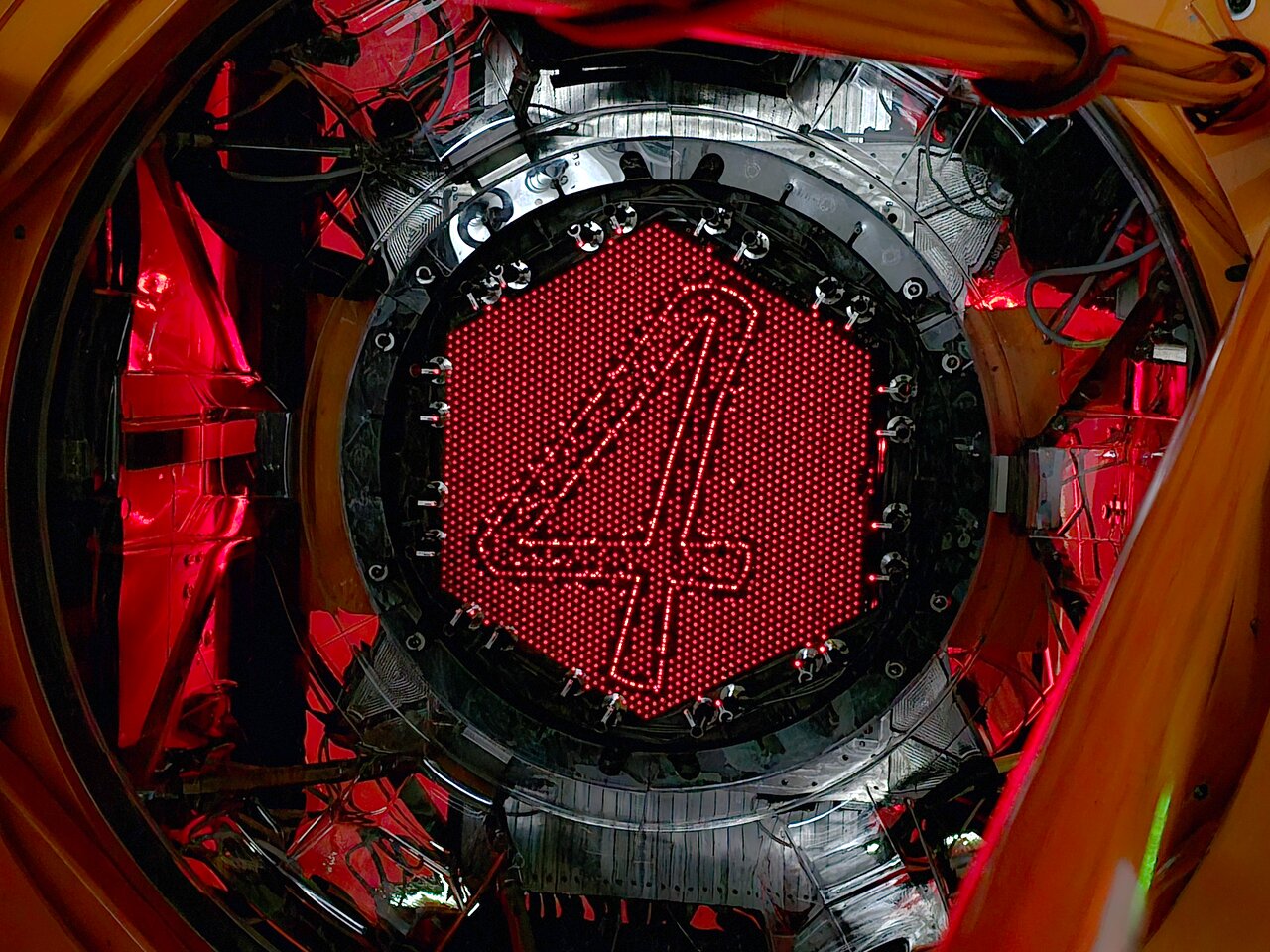
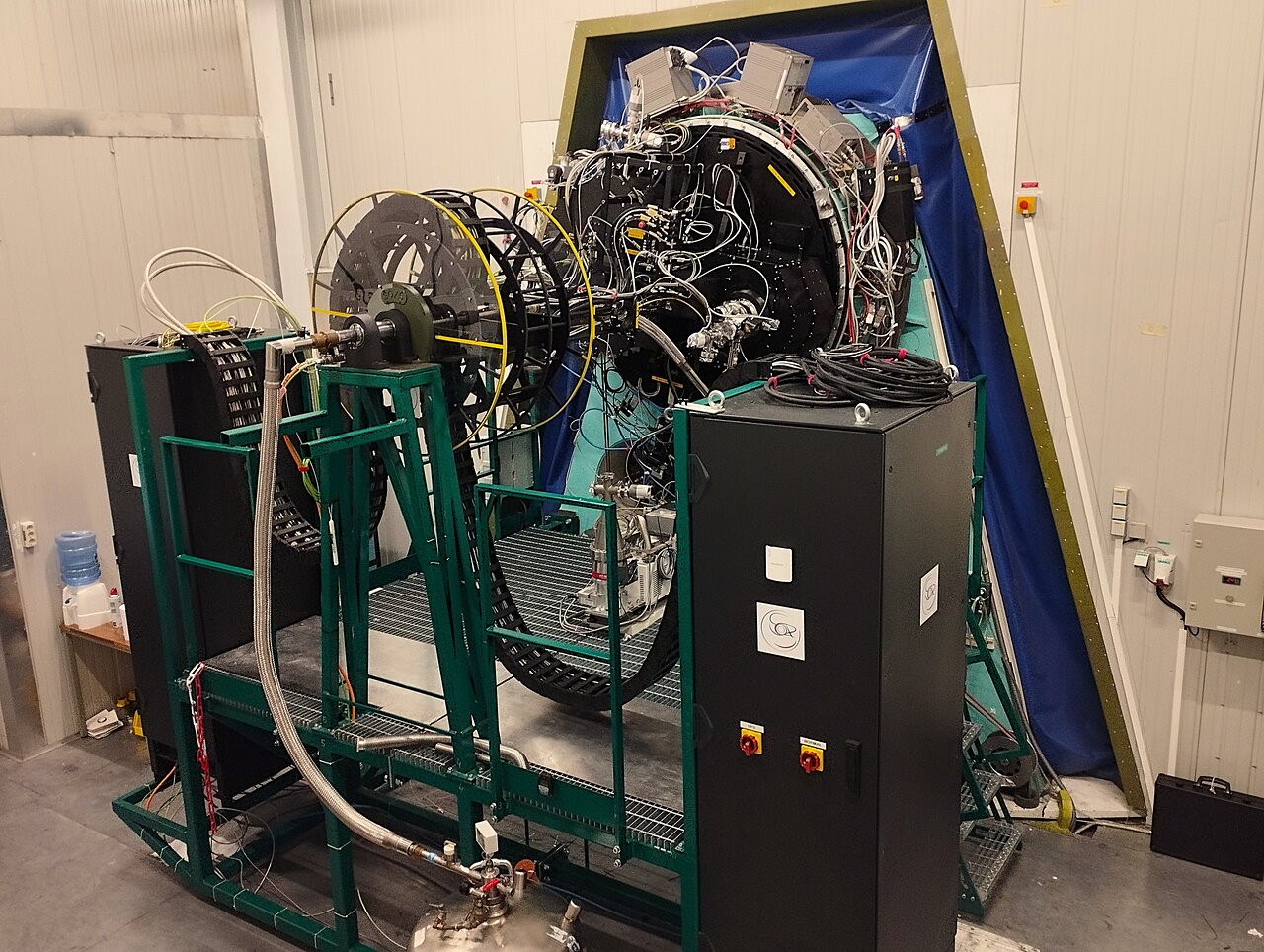
A star swallowed by a black hole, an exploding supernova… There are events in the Universe that have a very short expiry date. Such transient events must be observed quickly, sometimes within just hours or minutes, before they change or simply end. SOXS, a spectrograph soon to start observing on ESO’s New Technology Telescope at La Silla Observatory, is on a mission to capture the most…
A recording of this article, read by Amy Briggs (ESO Communication Intern), is available here: https://eso.org/public/archives/static/blog/accessible-astronomy/2025-05-21_Accessibility-in-Astronomy-Part01.mp3 All scientists have to interpret their data, engaging their senses to understand, communicate and explain their work. Astronomers often create stunning images, artistic impressions, and — for…
Humanity has spent its whole existence looking up to the stars, often trying to bring them down to Earth. From cave paintings and oral stories , to astronomical clocks and orreries – we've tried to capture and learn about the Universe in many ways over thousands of years. One hundred years ago, on 7 May 1925, one invention completely revolutionised the way we share our astronomical knowledge.
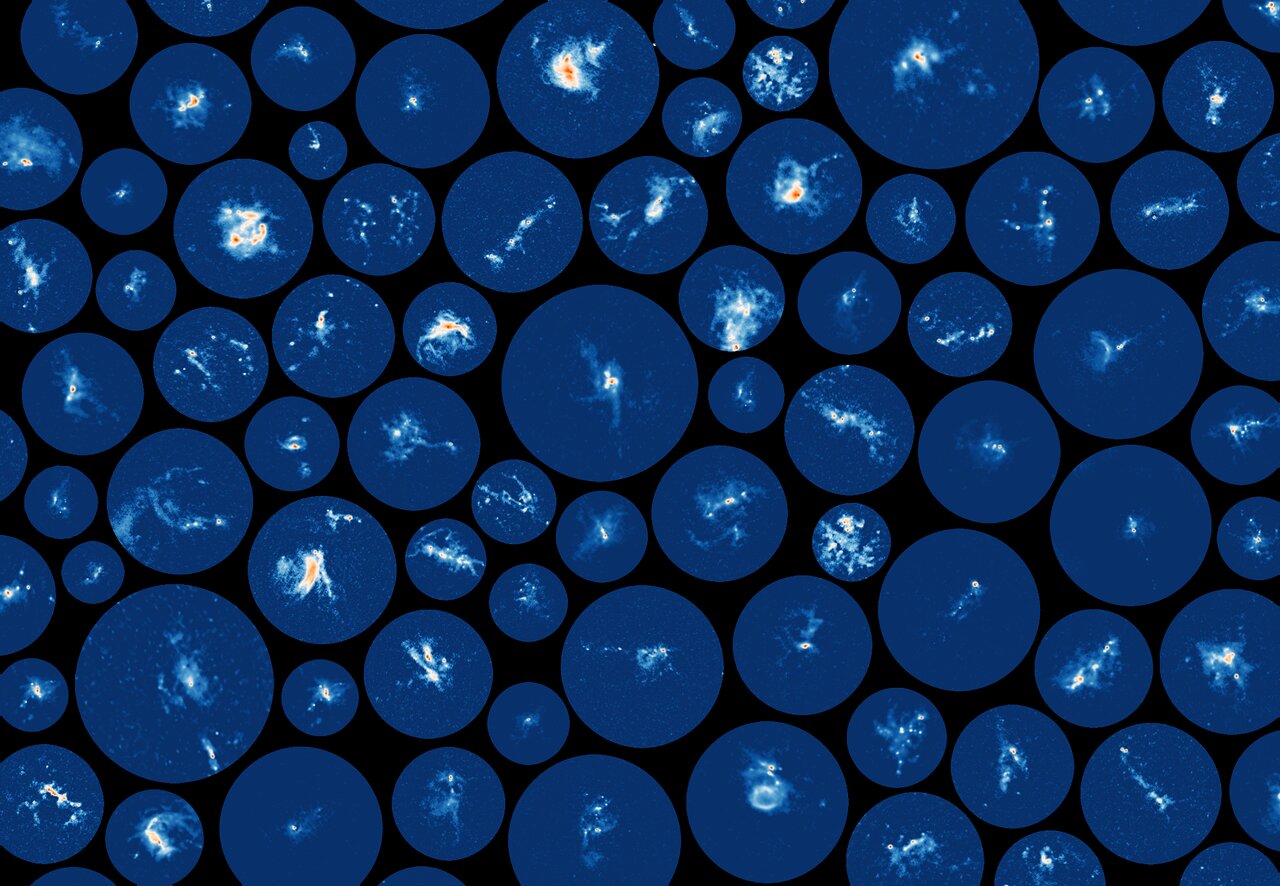
Stars are large spheres of plasma –– nuclear reactors that bring light to the Universe. But where do they come from? Stars are born in giant clouds of gas and dust which collapse and break down into smaller fragments. How this actually happens isn’t fully understood, but a new survey of 1000 stellar nurseries is helping to answer this question.