
There has been a big shake-up in the understanding for how our brain ages. Until now, the prevailing belief was that our brain tissue shrinks with age, exemplified by the hippocampus, the region tied to memory and learning, as seen via MRI and other imaging modalities. That the microglia immune cells we were born with (embryonic) were the only types to be found in our brain. And the brain aging process was accepted to be a linear, steady deterioration. It turns out all of that was wrong!
In this edition of Ground Truths I will go through the completely revamped understanding for what happens to our brain as we age from recent breakthrough studies.
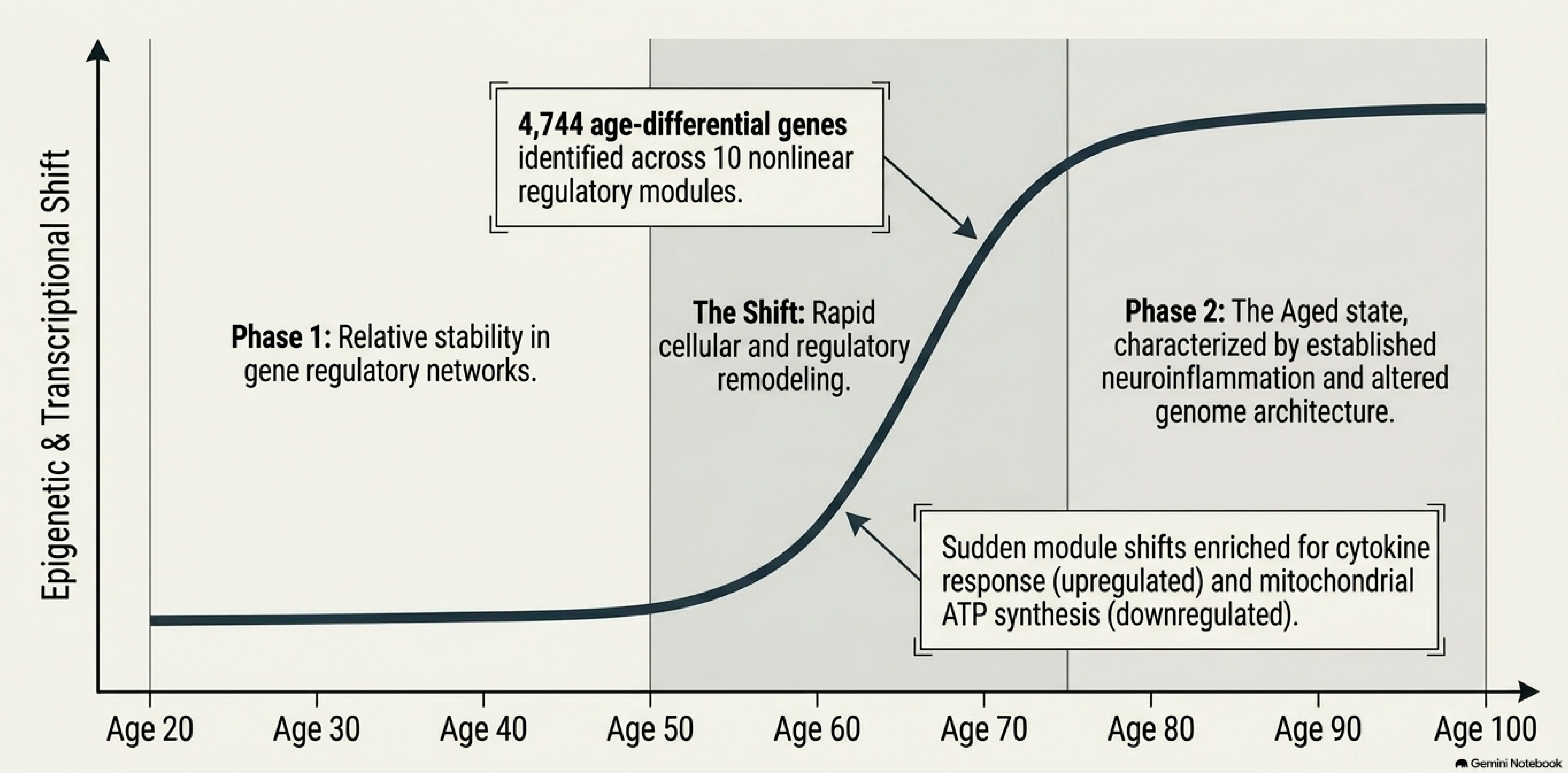
From donor postmortem brains studies in people ranging from age 20 to 100 years, Zemke and colleagues in Science demonstrated the midlife inflection in the hippocampus tissue via multiple omics: gene expression, methylation, chromatin access, and 3D chromosomal architecture. You can easily appreciate the sudden shift in the Figure below (this and the other Figures made with the help of Gemini Notebook) characterized by cytokine production (inflammation) and an energy crisis for astrocyte mitochondria, starving for fuel because of impaired ATP synthesis. This was not what was expected: that with aging astrocyte cells would display senescent markers (“zombie cells”). They were nowhere to be found.
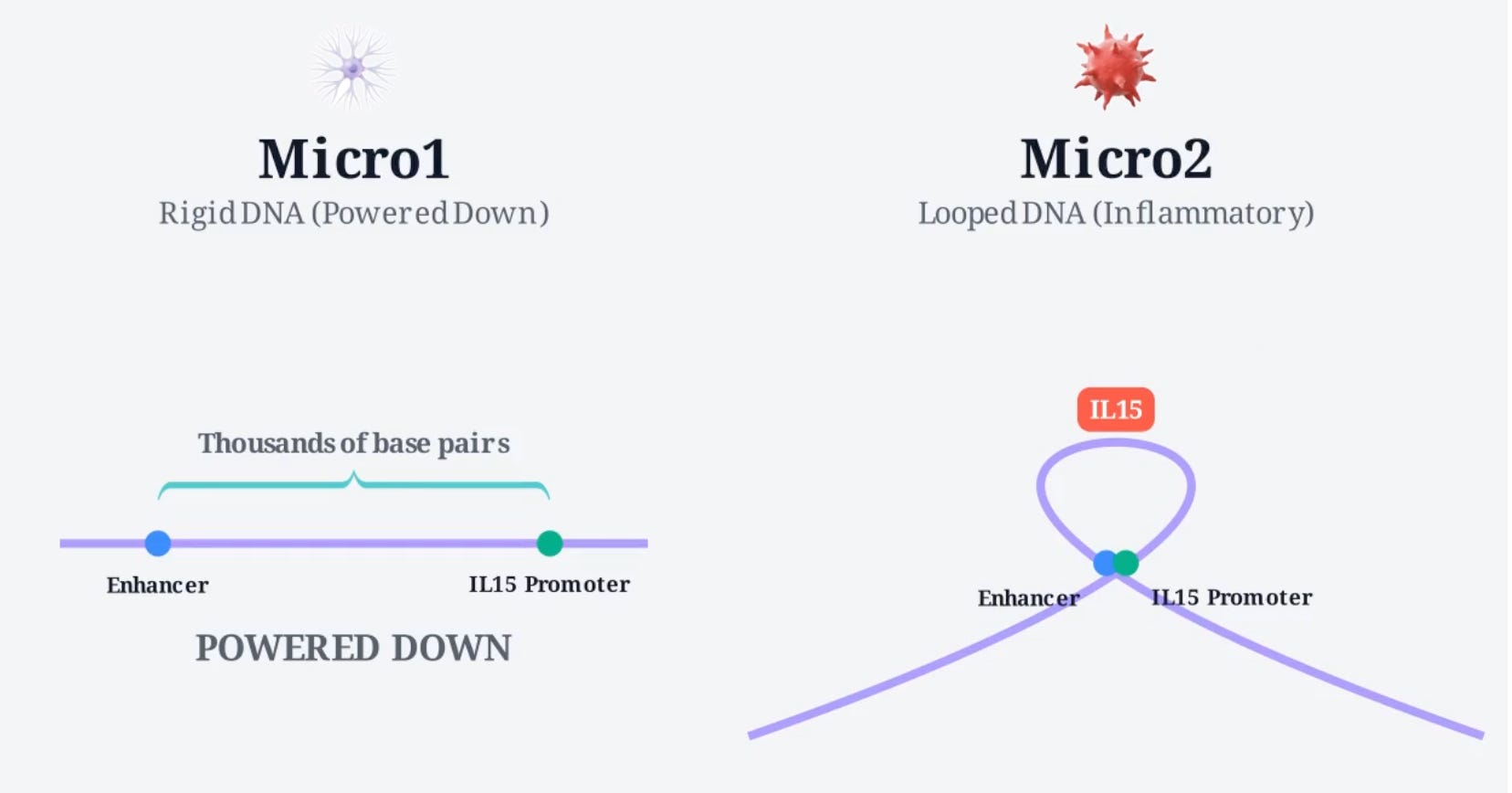
As astrocytes, the cells responsible for housekeeping and brain security functions, undergo attrition, the blood brain barrier loses its integrity and enables an invasion of monocytes from the blood. The original brain microglia (Micro1) are replaced by transformed monocytes (Micro 2) that are highly inflammatory. As soon as they take residence in the brain, they change their identity to microglial.
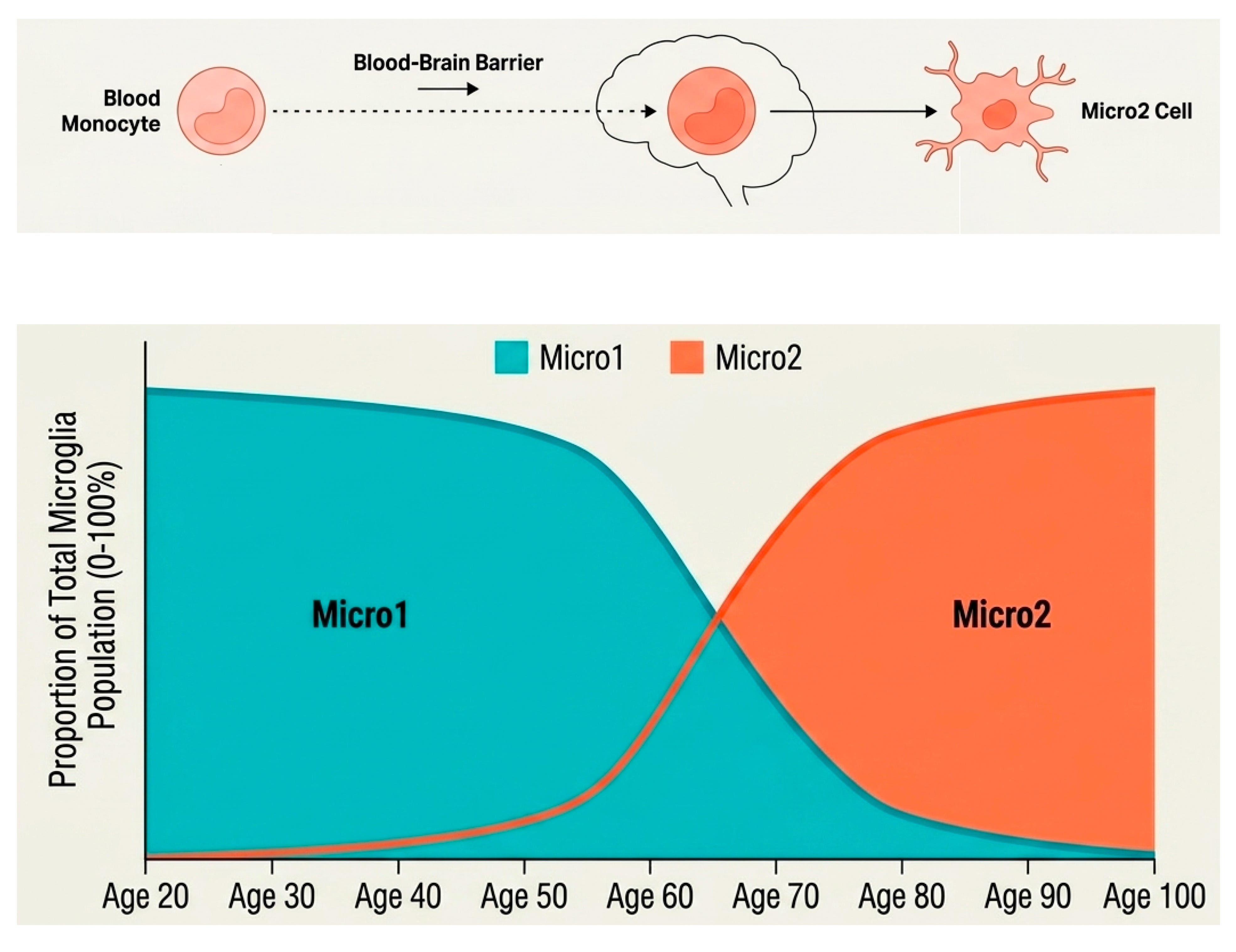
The recent paper by Zemke and colleagues was fully replicated and extended by Belk et al proving the source of the Micro 2 cells—from the blood monocytes, derived from the bone marrow. And this replacement began in midlife. The two groups proved that via different tracking techniques. Zemke used the 4-way multiomic approach (summarized above), particularly methylation (single-nucleus methyl-3C sequencing, snm3C-sequencing), to define the origin of the replaced microglia, whereas Belk’s group used somatic mutations of the cells to identify their lineage (what they called Passenger Assisted Clone Tracking or PACT). This is completely opposed to what had been believed, with the blood brain barrier expected to prevent a massive infiltration of peripheral immune blood cells. Previously, studies using just gene expression could not differentiate the 2 origins of the microglia, which can be considered the “transcriptomic illusion". RNA-seq just scratches the surface. It took single-cell and multiomics to get this straight. Three other points were notable: (1) it’s a unique feature in humans, not seen even in non-human primates, (2) the process of replacement is more aggressive in men compared with women, and (3) the Belk study demonstrated the replacement in other regions beyond the hippocampus, such as the cerebellum and pre-frontal cortex.
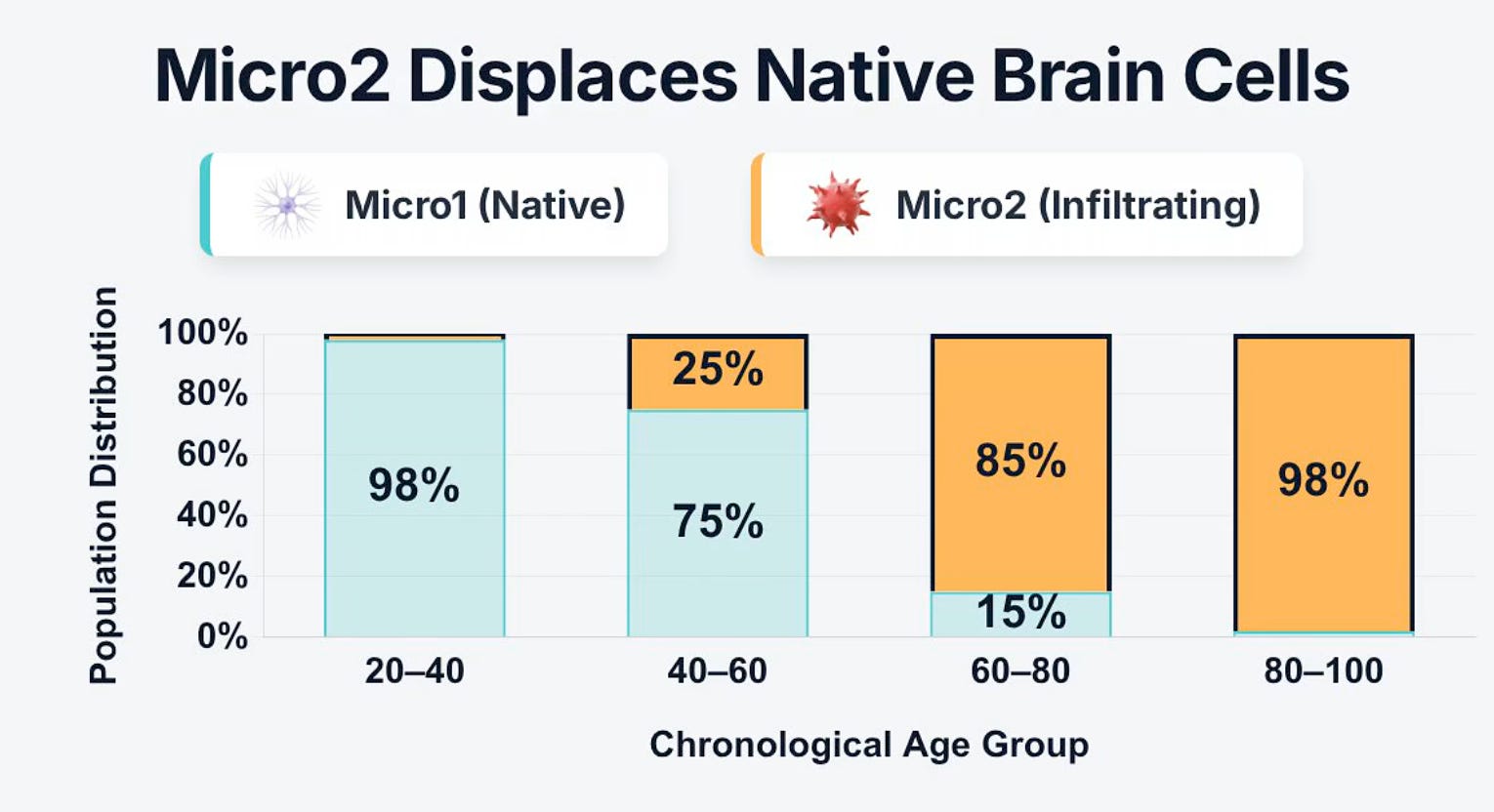
Another new preprint study of the microglia derived from peripheral monocytes (produced in the bone marrow) identified the brain-meningeal reservoir for the incoming migration of cells.
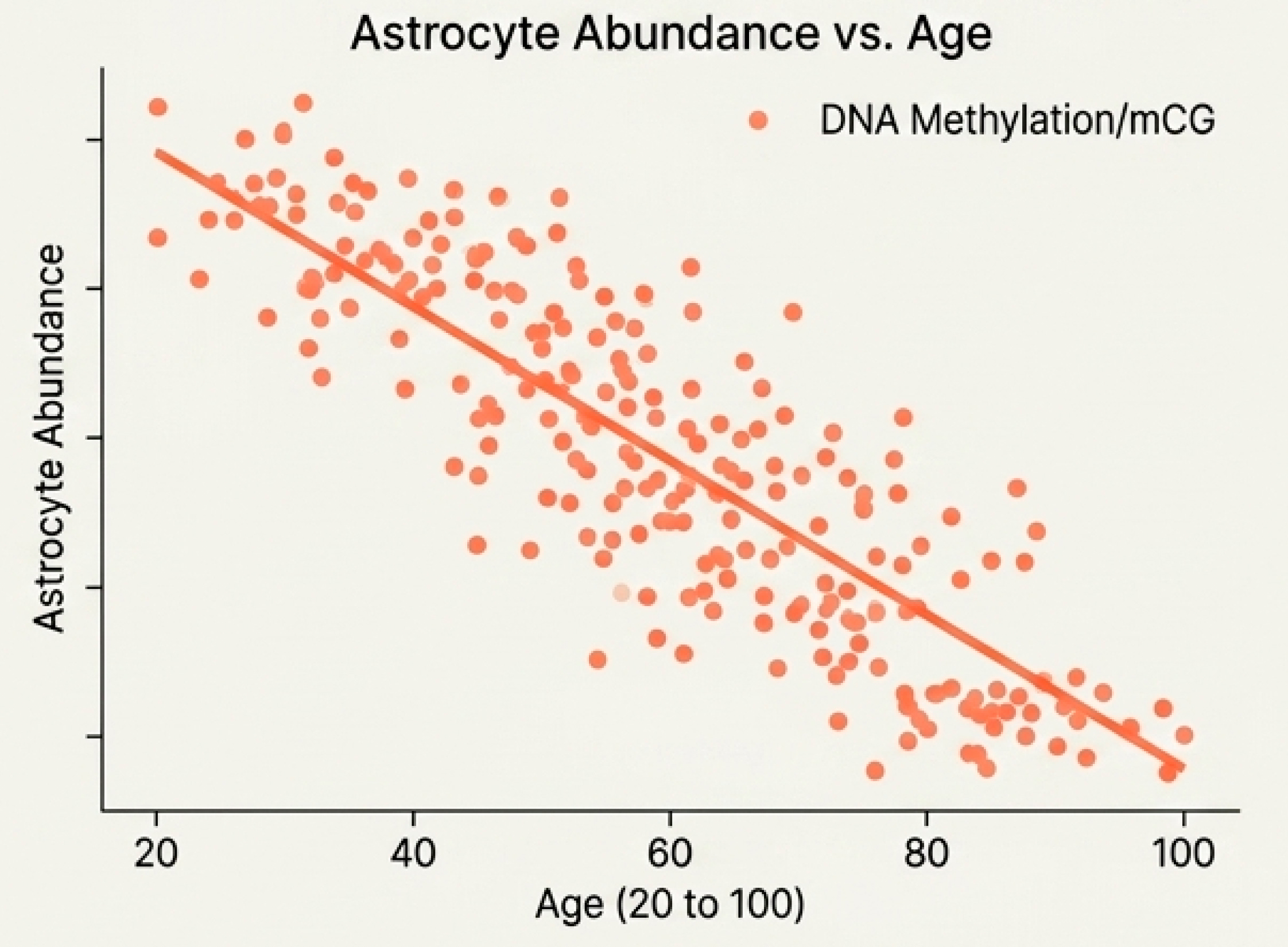
Back to the hippocampal astrocytes, in contrast to the speed of monocyte invasion, they are dying off at a slow rate via lysosomal autophagy (waste clearance), about 0.2% per year in a steady pattern from age 20, as tracked by methylation.
The epigenetic approach (Zemke et al) gets us to 3D architecture thinking to explain the pro-inflammatory process unleashed properties of the Micro 2 cells. With the change in 3D folding, a weakened genome organization, there is new contact between gene components that were previously operated by tens of thousands of base pairs. As shown below for Micro2, the looped DNA sets up interleukin-15’s promoter and enhancer elements to be in contact, and the result of massive release of cytokines
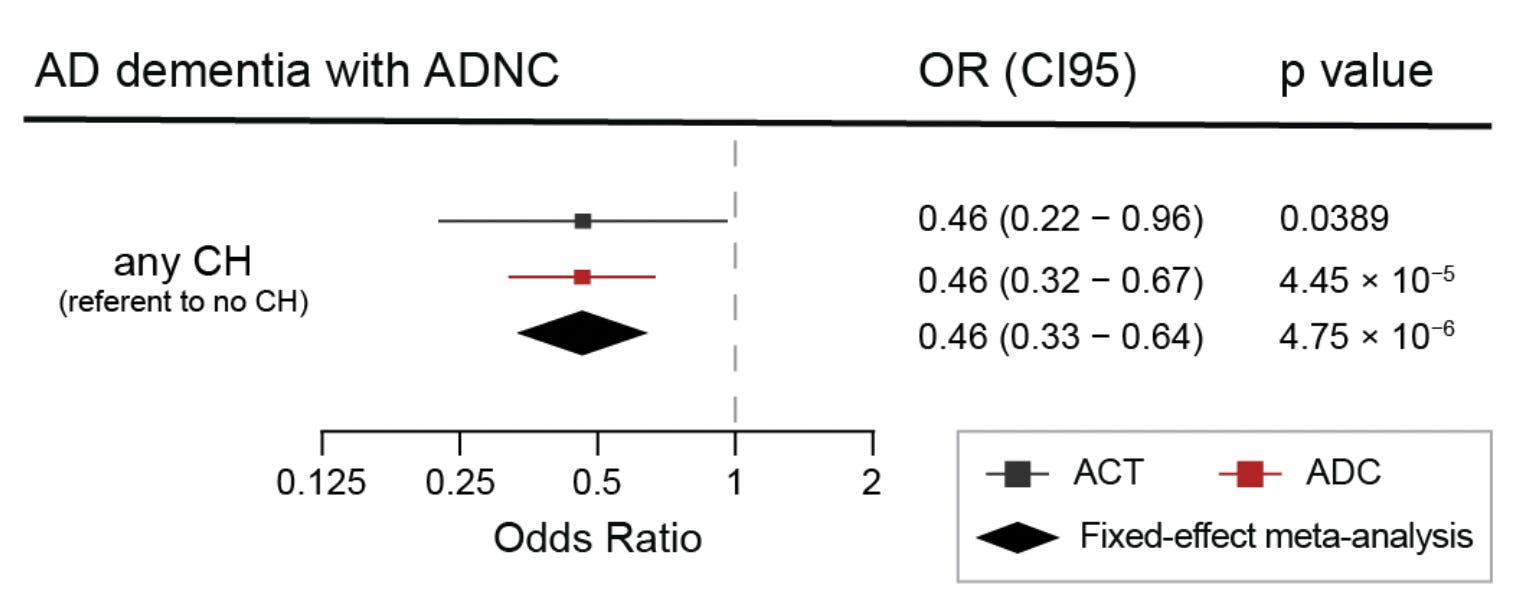
On the other hand, the genetic approach (Belk et al) unraveled how these peripheral immune blood cells could be protective of Alzheimer’s. I’ve written a lot in Ground Truths about clonal hematopoiesis of indeterminate potential (CHIP): here and here . These mutations of blood stem cells are generally thought to be harmful, associated with an increased risk of cardiovascular diseases, clotting, and some cancers. But when CHIP clones were in the brain microglia, there was the paradoxical salutary impact of a marked increase in clearance of amyloid plaques and ~50% reduction of Alzheimer’s disease and related neuropathology changes (ADNC). That reduction was even more pronounced with certain CHIP mutations.
The impact of somatic mutations in brain microglia has also come up in 2 recent studies. In Nature, this week the group led by Lee and colleagues identified a subtype of brain microglia immune cells that become more abundant during progression to Alzheimer's disease, trying to protect the brain. That came from extensive work from over 1,600 brain donors, 830,000 immune cell transcriptomes, and experimental models. Another study in Cell, by Huang et al, reported somatic mutations in microglia cells were markedly pro-inflammatory. Their finding of CHIP over-represented in these cells sits in opposition to the findings of Belke et al and awaits clarification.
There are a couple points worth emphasizing in the challenging dogma department. The discoveries summarized here would not have been possible a few years ago. They required a stack of omics—both epigenetic and genomics—and 3D representation of the genome architecture, facilitated by machine learning of huge datasets. From this work we have a newfound appreciation of the physical folding of our chromosomes in each cell, and how the erosion of the genome 3D architecture leads to molecular chaos, serving as the basis of the brain cell changes. The results also back up the principal finding of proteomic organ clocks that human aging is not a linear process.
This work, in aggregate, has so many other important takeaways. We’d all like to keep our brain intact, avoid loss of memory and cognitive function. While many experimental animal model studies have suggested this might be achieved by microglia replacement, that’s an invasive procedure requiring infusion to the central nervous system of direct implantation to the brain, and of uncertain safety with no human data. In contrast, the ability to use peripheral blood cells, such as accessible via genome editing or immunotherapy, is a new potential path that has been introduced by the Micro 2 discovery. The organ and cell clock proteomic work has indicated that the brain and immune cell aging are the dominant factors correlated with maximal human healthspan and lifespan. Now, from these landmark studies, we’re seeing an unexpected coalescence, another dimension of the brain-immune axis, providing a novel concept for prevention of Alzheimer’s disease and slowing of brain aging. How we might in the future be able to block inflammation by preventing the massive infiltration of blood monocytes into the brain, is such a new and intriguing opportunity.
Please note I will be doing live Ground Truths with Julia Belk, (Substack @juliabelk) first author of one of the 2 main studies discussed here, on August 24th at 11:30 AM PT
Note: I wrote this essay. There was NO use of AI for any text. Help with making Figures as noted above.. I have no conflict of interest with this content.
A Quick Poll
Ground Truths has subscribers from every US state and 214 countries. There are over 302,000 followers of Ground Truths so nearly 90,000 folks who can easily convert to be free subscribers.
Your subscription to these free essays and podcasts makes my work in putting them together worthwhile. If you’re not a subscriber, please join!
If you found this interesting PLEASE share it!
A couple of other things to note:
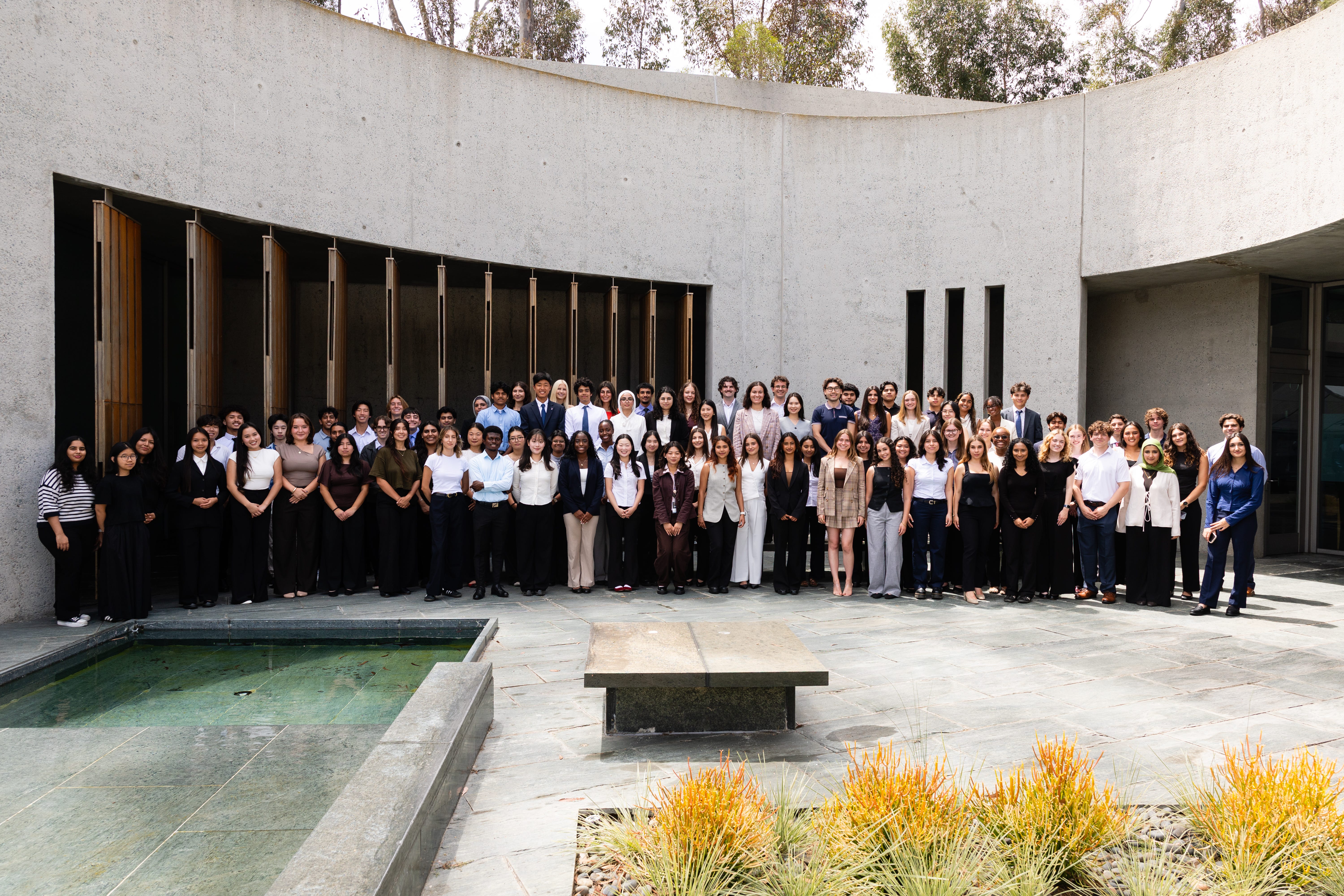
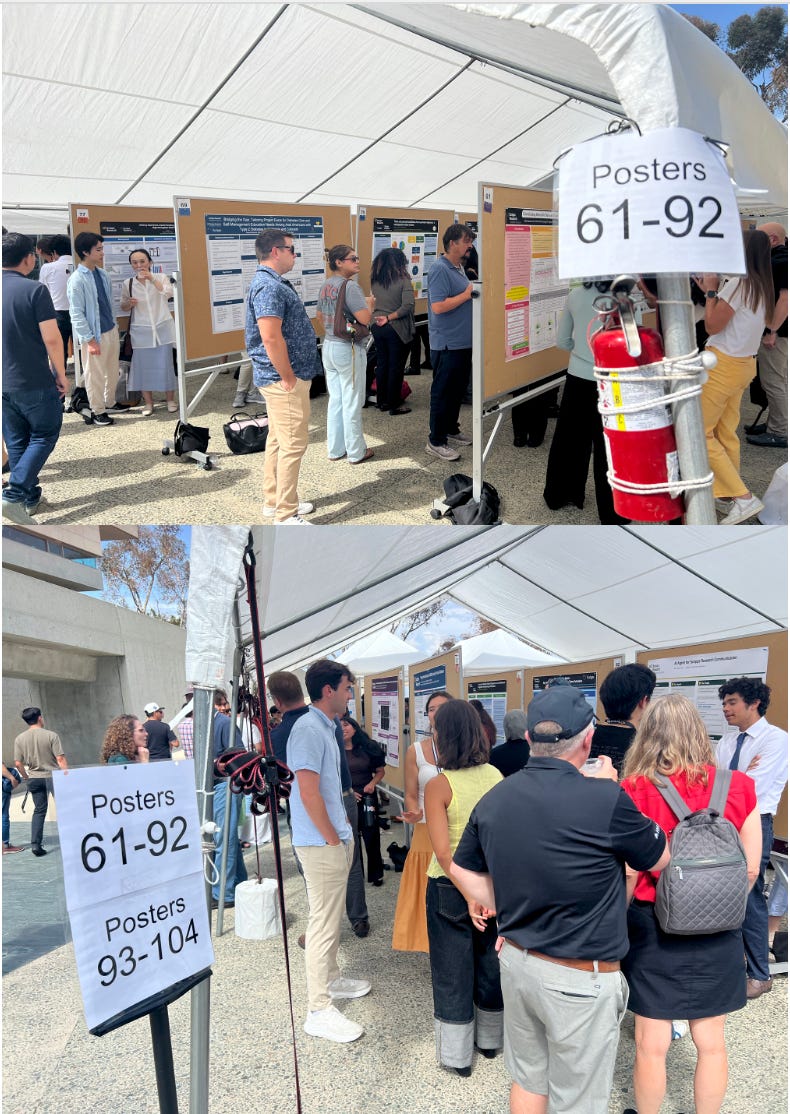
—Thanks to the voluntary paid subscribers who support our summer internship program for high school, college, and grad school students. On August 6th, we had a poster session with our SRTI summer interns (pictured below) which was an extraordinary event with about 100 posters!
—I hit a publication milestone that I had not ever envisioned. More than 400,000 citations with an h-index of 259, as tallied by Google Scholar
Thanks to all for your support of Ground Truths!
No posts
Comments
Nothing yet. Say the first thing.
Sign in to join the conversation.