
This is a continuation of the Pandemic Journal, a series of stories that reflect on life during the COVID-19 pandemic.
It is 2026, five years after the pandemic. I have considered many times that now is the time to put a wrap to this journal. The pandemic is ended. Life is back to “normal.” Yet the memories, and the scars, remain. The story is not ended.

I was going through photos of 2021 when I came across some pictures I took of Seattle. It was a stark reminder of the darkness. At the time it was my hope that what I was seeing was temporary. Yet deep inside I knew that something was permanent. Seattle was changing. It would not rebound. The city, its culture, had crossed a line.
2021 was a tough year for us. My wife was in Seattle receiving treatment for cancer. Living in Juneau, Alaska, you quickly discover that medical care can only be extended so far. Specialists are few. People needing treatment for cancer must go to either Anchorage or Seattle. Seattle is preferred because they have some of the best in the country.
Seattle’s hospitals are clustered together deep within the city. We would fly into the airport south of the city and take a limo to the hospital area where we would reside in housing that is adjacent to the care facility. We usually booked a suite so we could cook our own meals. Three blocks away was the Whole Foods store and in between were numerous coffee shops, pastry shops and a pair of drug stores. The hospital area was surrounded by residential buildings, most often tall apartment complexes, but also classic homes. Both my wife and I had experience living in big cities. This neighborhood, in most respects, was a decent, if not preferred, urban environment. Everything you needed was within walking distance.
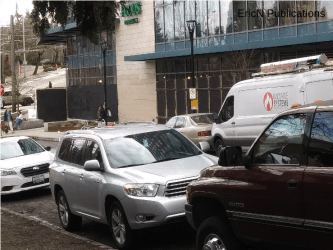
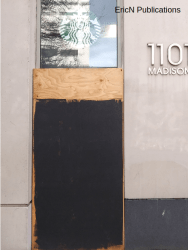
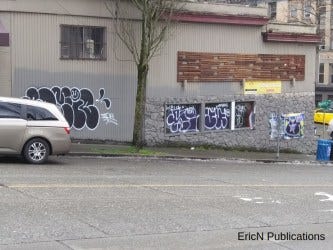
But this was 2021. In 2020 all hell broke loose at a nearby part of the city called Capital Hill. The violence surged through several blocks. Windows were shattered, replaced with plywood. Graffiti was on everything. Under most circumstances, a neighborhood could rebound. Once insurance settlements were completed, the plywood would be coming down, the windows replaced and life would continue. But this was 2021. COVID shut down the recovery. A drug store closed, leaving only one. Starbucks was still boarded up. Whole Foods decided to paint their plywood rather than repair the damage. All was not lost, but businesses were barely hanging on, having to frantically adapt to the restrictions posed by the pandemic. Some cafes closed.
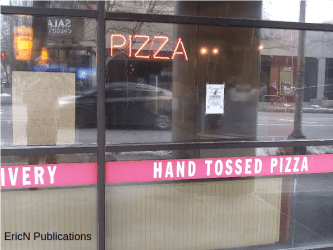
But time has a way of telling its own story. Yes, 2021 was a bad year. But what changed the neighborhood was not 2021. It was 2020. The city’s response to the Capital Hill riots showed the true colors of the regime at city hall. It wasn’t because of one person. No, it was systemic. This was a city that hated its police force for some reason. This was a city that feared resistance. This was a city that defunded the police. And it hasn’t stopped. It is now a city that hates the very businesses that made the neighborhood a decent place to live, a place where you could feel safe and could find everything you need.
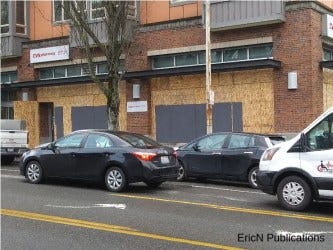
Today, Whole Foods is now an empty shell. The nearest grocery store is now about seven blocks away. Both of the drug stores have closed. These were more than dispensaries. This was where people like us got our basic food and supplies. The nearest store in 2021 was only one block away. Now the nearest store is several blocks in the opposite direction at the base of a steep hill. Stores are still boarded up in some places. Starbucks is gone. At least Pirochki’s is still around. When you look at what remains, you can see there is still hope. Not everyone has left. But the basic ingredients that make urban life livable are vanishing from this neighborhood.
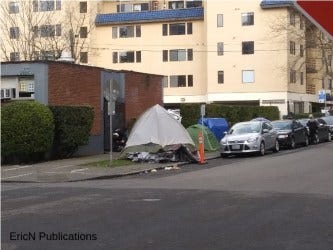
Next will follow the large apartment buildings, any place where parking is problematic. To access a grocery store or a pharmacy will require a car or public transit. Yet the main appeal of these apartments in years past was their easy access to basic services. People will now have to go through the hassle of driving in city traffic or having to wait at bus stops. What was once an intuitive errand has been transformed into a planned excursion. It begs the question — why live in such a place?
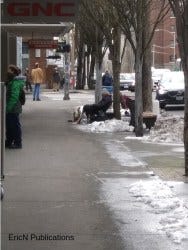
Underlying the closures is the multiple causes. Homelessness continues to be rife in Seattle. That and unabated shoplifting forced the closure of the two drug stores. I could see it when I last visited. The shelves were enclosed in locked, plastic shields. To purchase basic things required the assistance of an overworked store clerk. You could see it in their faces. The fear and the fatigue. Who would want to work in such conditions?
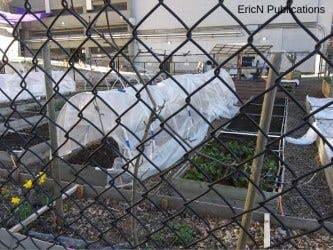
Seattle today is living an illusion. A day will hopefully come when enough people will wake up to the disaster that has unfolded. They will realize that having “affordable housing” is one thing, but having a place to live anywhere where it is safe and clean is another. Cities require a strong presence of law enforcement. They need to be safe. I have lived in cities where it is an enjoyable, unique experience. Seattle is no longer that kind of city. Politicians don’t have to love businessmen, but they need to recognize what they contribute to the city. Politicians need to account for the factors that make running a business successful. Why would anyone work in downtown Seattle? Is it safe? Is it clean? Is it a place where a worker would enjoy returning to every day?
© Copyright 2026 to Eric Niewoehner
Comments
Nothing yet. Say the first thing.
Sign in to join the conversation.