
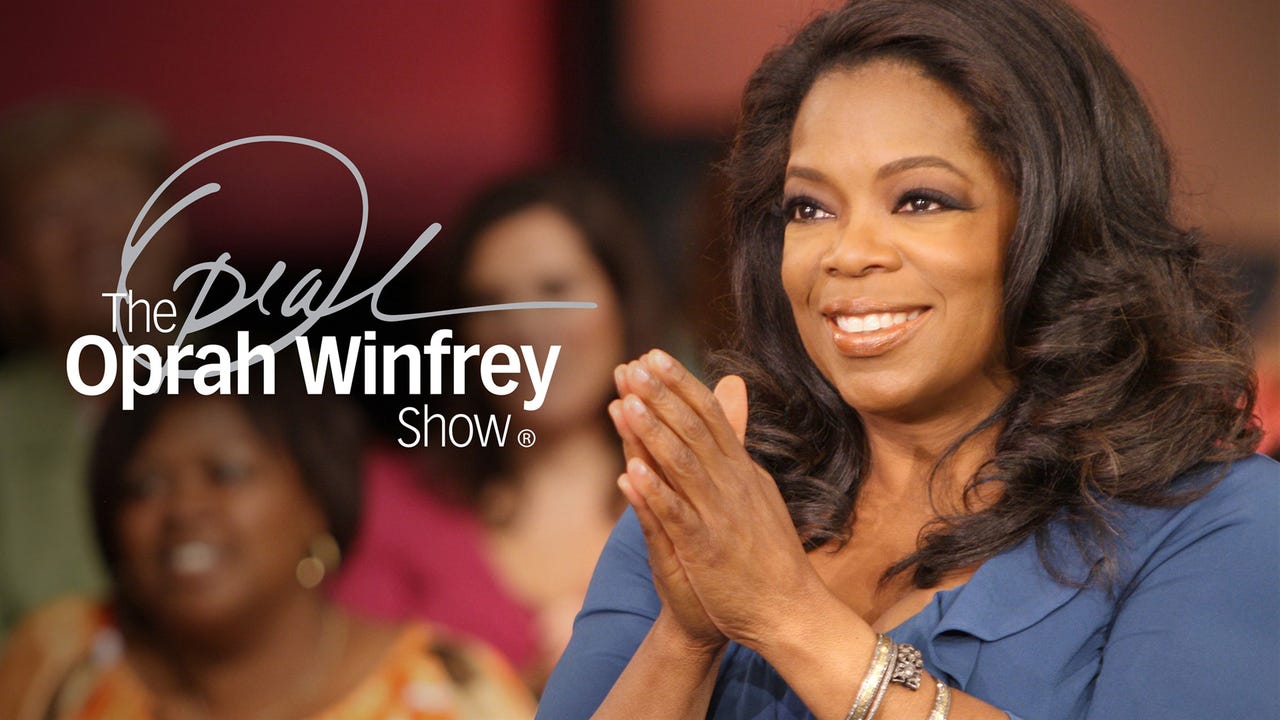
I still remember the first time I heard of Oprah Winfrey.
It was back in the mid 1980s, and the Chicago media scene was wondering about this young Black woman who had come from Baltimore to host a low-rated, Donahue-style talk show called AM Chicago.
This was the show I watched when home sick from school in nearby Gary, Indiana. I and my mother were both impressed and a little worried that they were handing the hosting job to a Black woman, who might be likely to get the blame if the show tanked on her watch. “I wonder how that lady is going to pull this off?” my mom wondered, concern and pride mixing in her voice.
We need not have worried. Four decades after her engaging personality and inerring sense for producing a daytime TV program led her to revive AM Chicago’s ratings and rename it The Oprah Winfrey Show, Winfrey has become a broadcasting and media legend – betting on herself by getting the program syndicated nationally by King World and eventually taking ownership of it all.
When I interviewed Winfrey about the show’s anniversary for Emmy magazine — The Oprah Winfrey Show debuted in national syndication on Sept. 8, 1986 — she spoke frankly about how some people misunderstood what she was doing.
“I don’t think people understood how it was a ministry. Now people just talk about, ‘You’re a billionaire.’ I’m a billionaire because I bet on myself. Because none of those men — all men, all white men — ever, ever expected this show to be as successful as it was. Because they would have never, ever agreed to that percentage. I started out with 35% [ownership] … ended up with 92%.”
In the process, she created one of the most-watched daytime TV shows in history and became one of the wealthiest women in media – a billionaire who broke historical barriers for women and people of color.
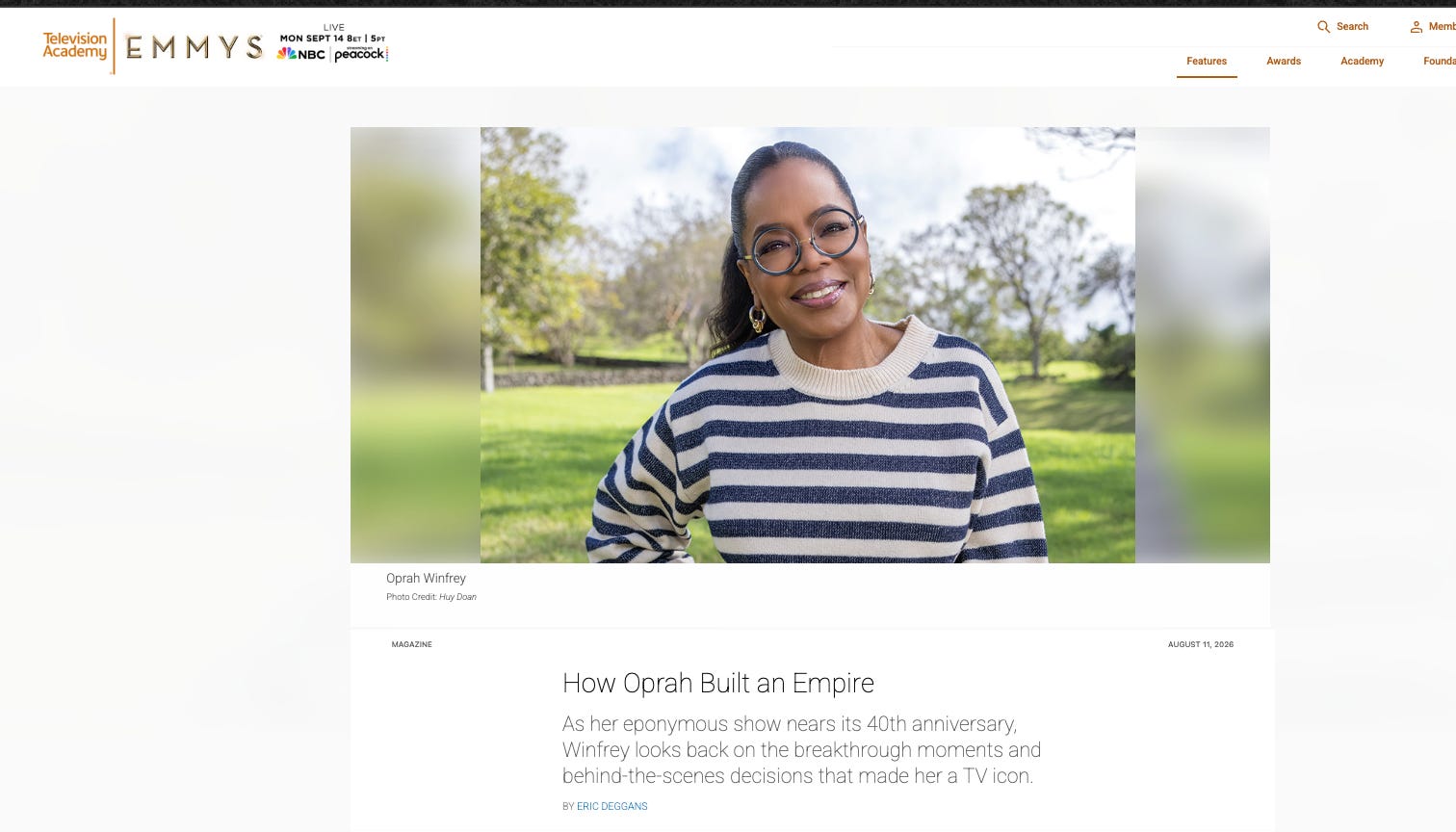
I interviewed Winfrey earlier this year for Emmy magazine to commemorate the show’s 40th anniversary. It was a meeting that was a long time coming from my end of things – I first interviewed her in 2003, when she was taking a live show across the country filled with the self-help and empowerment themes on her TV program called the “Live Your Best Life” tour.
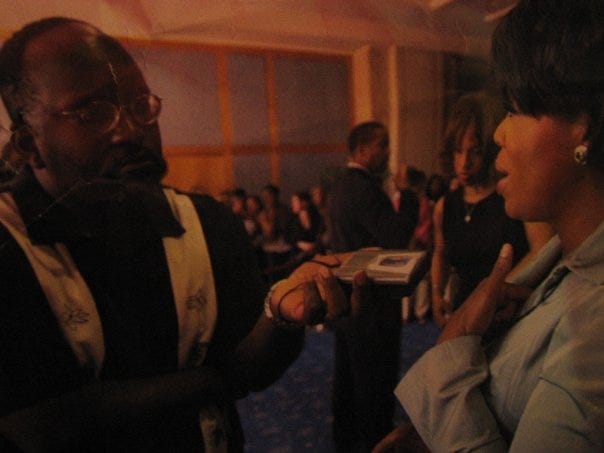
(Me grilling Oprah in Tampa back in 2003, while her buddy Gayle King stood in the background.)
I had already written a lot about Winfrey and her work as the TV critic for the Tampa Bay Times newspaper, including a look at the show where she took down author James Frey for lies in his memoir and a story on the near-religious devotion some fans had for her, published on the same day her tour stopped in Tampa. (I still remember Gayle King walking into the Tampa Convention Center behind Winfrey that day, holding a copy of the story.)
I talked with NPR about why she could be legitimately called the Queen of All Media. I was a source for another NPR report on how Winfrey’s OWN cable channel reversed a downward spiral by focusing on Black viewers. And I spent a day watching the OWN network when it first launched for NPR.
When we spoke for Emmy, Winfrey covered a lot of ground – from her early days on WLS-TV in Chicago, to the story behind why she kept shouting “YOU get a car and YOU get a car” during her famous episode where every audience member was gifted an automobile.
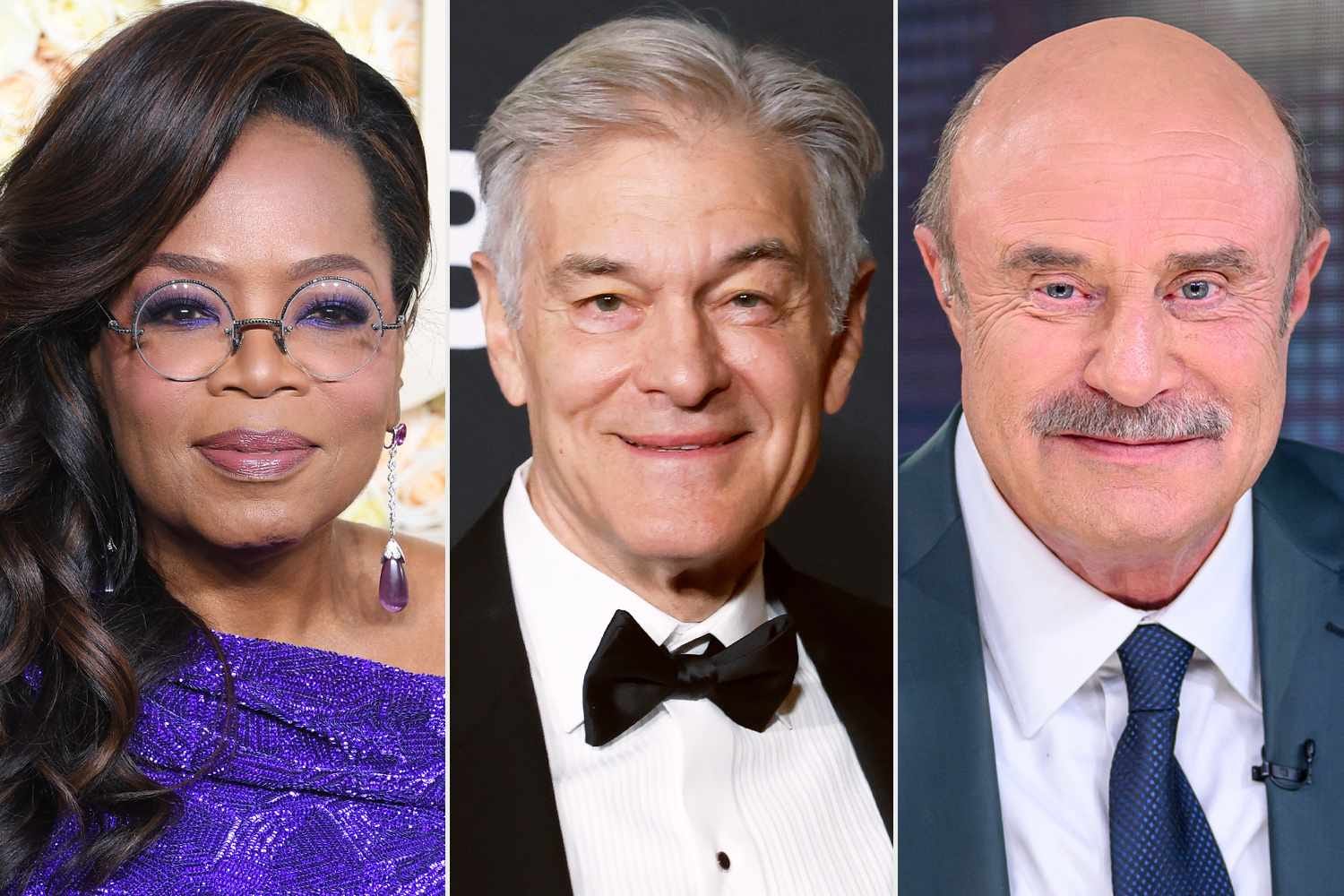
But one section of the interview which has gotten a lot of notice — with stories in USA Today, The Daily Beast, Entertainment Tonight, People.com and elsewhere — is the section where she answers the question of whether she feels any responsibility for bringing early fame to people like Dr. Phil McGraw and Dr. Mehmet Oz, who have gone on to face criticism for creating exploitative TV shows and supporting damaging policies from the Trump administration.
“People criticize me for Dr. Phil and Dr. Oz, because of their politics or their views. Dr. Phil, he was so practical, so down to earth, so real. And he would ride in the car with me every morning on the way to trial, where I’m literally sitting on trial for six weeks. [In 1998, Winfrey was sued by Texas cattlemen who accused her of defaming the beef industry.] I felt that he was so instrumental in helping me. I thought, “Oh, you could help a lot of people. You should come on my show.”
Gayle introduced me to Dr. Oz. He explained practical things like colon cancer and bowel movements. I thought he had the language for explaining medical things in a way that was helpful to me. I thought it would be helpful to many other people. And that is how they ended up on the show.
Everybody has their own path in life, and it has not one thing to do with me, and I don’t have one thing to do with them. At the time, the reason and intention behind me giving them their breaks was I thought they had valuable information to share that had been meaningful to me.”
Ultimately, I always felt Winfrey was torn a bit between her sharp instincts as a producer and TV host and her desire to make her programs a repository for material which elevated viewers. She created amazing resources for her fans – the Oprah Book Club, her stories on domestic violence and support for education including building a school for girls in Africa.
But her shows could also glorify materialism and have the unintended consequence of elevating experts who later turned out to be more problematic than anyone could have predicted at the time.
Still, I thought we had an engaging and revealing talk. Read the rest of it on the Emmy magazine website here.
Comments
Nothing yet. Say the first thing.
Sign in to join the conversation.