Reflections from a Japanese onsen
For senior women leaders, it is important to take time to observe, to think, and sometimes to relax, unplug and meditate.

Live Last read · last published · next check
For senior women leaders, it is important to take time to observe, to think, and sometimes to relax, unplug and meditate.
The Daruma symbolizes the Japanese ‘fall down seven times, stand up eight’ philosophy of resilience. Women in STEMM need to be resilient, both individually and collectively.
Theo Baker’s 2026 book “How to Rule the World: An education in power at Stanford University” warns about dubious scientific research and flawed ethics and provides insight into an undergraduate’s experiences at a leading research university.
As senior women in STEMM academics, we are proud to be role models for our junior colleagues. But we should take care to avoid the potential pitfalls of the survivorship bias that pervades academia.
As senior women leaders in STEMM we know we are stronger together — we all benefit when we support one another. But this is also true when we support women outside of STEMM, including women whose paths we cross in our everyday lives or when traveling.
The first step for most dual-career academic STEMM couples is to find and negotiate two faculty positions. Here, we focus on this step at institutions in the US and Europe.
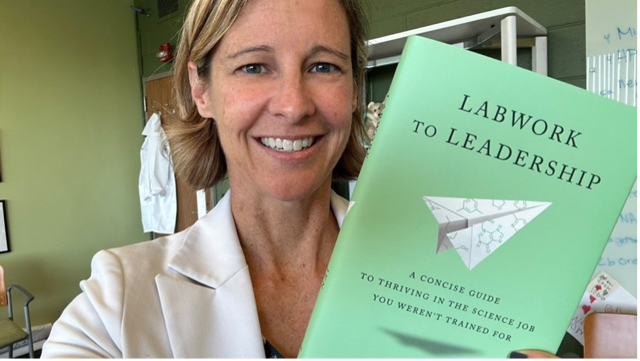
Prof. Jen Heemstra’s 2025 book “Labwork to Leadership” is one we wish that we had been able to read when starting out as assistant professors. Even senior women leaders in STEMM will be able to learn something from this book.
Tech Journalist Kara Swisher’s 2024 Burn Book: A Tech Love Story is an irreverent, humorous, and at times downright frightening memoir that helps drive home the many reasons why we need more women at the highest echelons of STEMM.
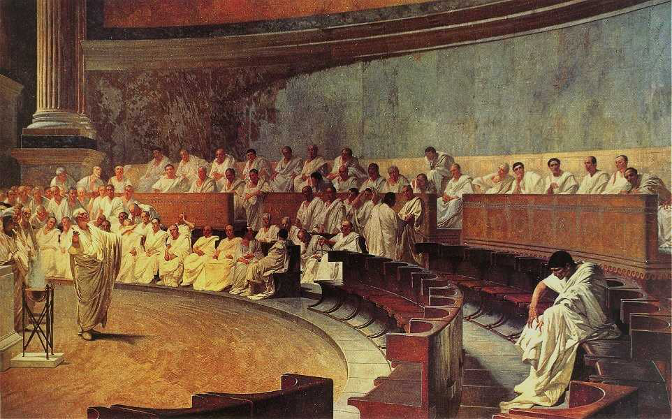
Cicero famously asked “who benefits?” to expose interests motivating crimes. We can pose the same question regarding the motivations that underlie the lack of women’s advancement in STEMM academics.
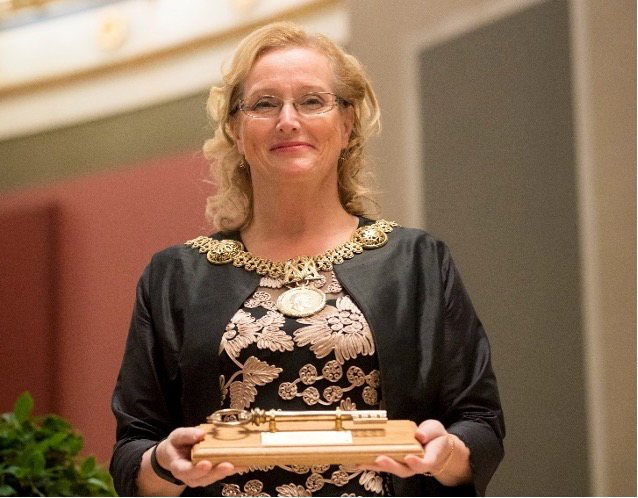
Eva Åkesson, Professor of Chemical Physics at Lund University (Sweden) and former Rector of Uppsala University, kindly shares some of her observations from working on university policy for generative AI (GenAI) at Lund University. Her candid insights are beneficial for senior women leaders grappling with this challenging issue.